Most B2B furniture importers lose money on their first China…
Most B2B furniture importers lose money on their first China sourcing attempt. Here’s the real reason why — and the exact checklist that separates profitable distributors, agents, and designers from those who waste time and capital.
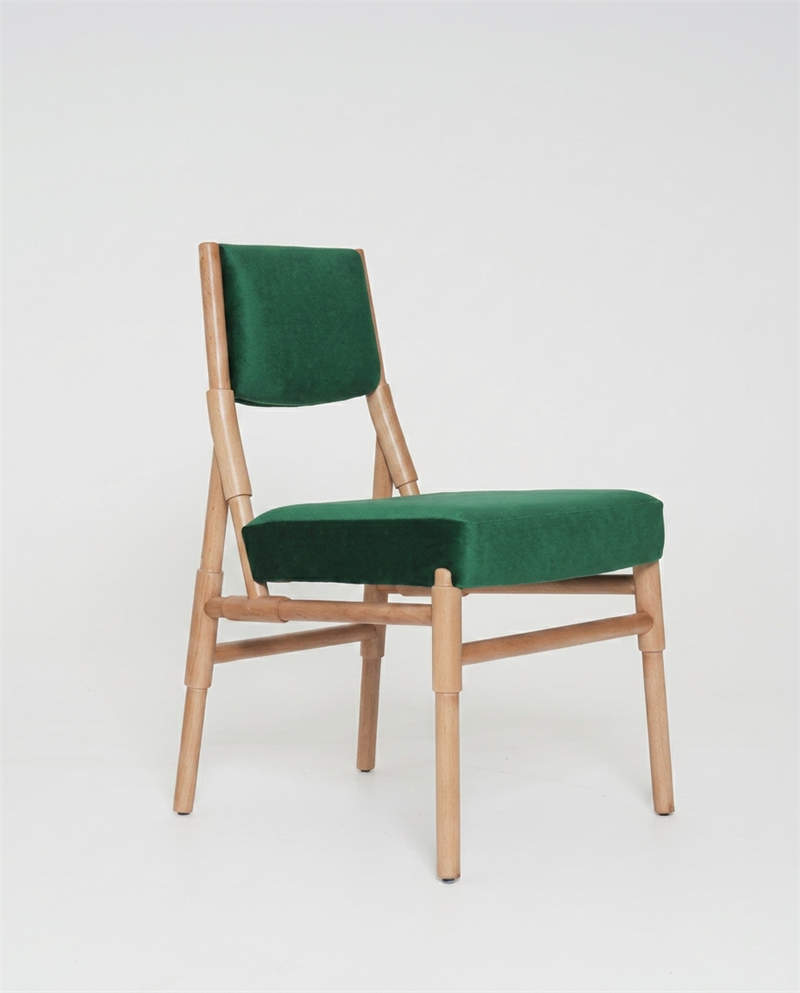
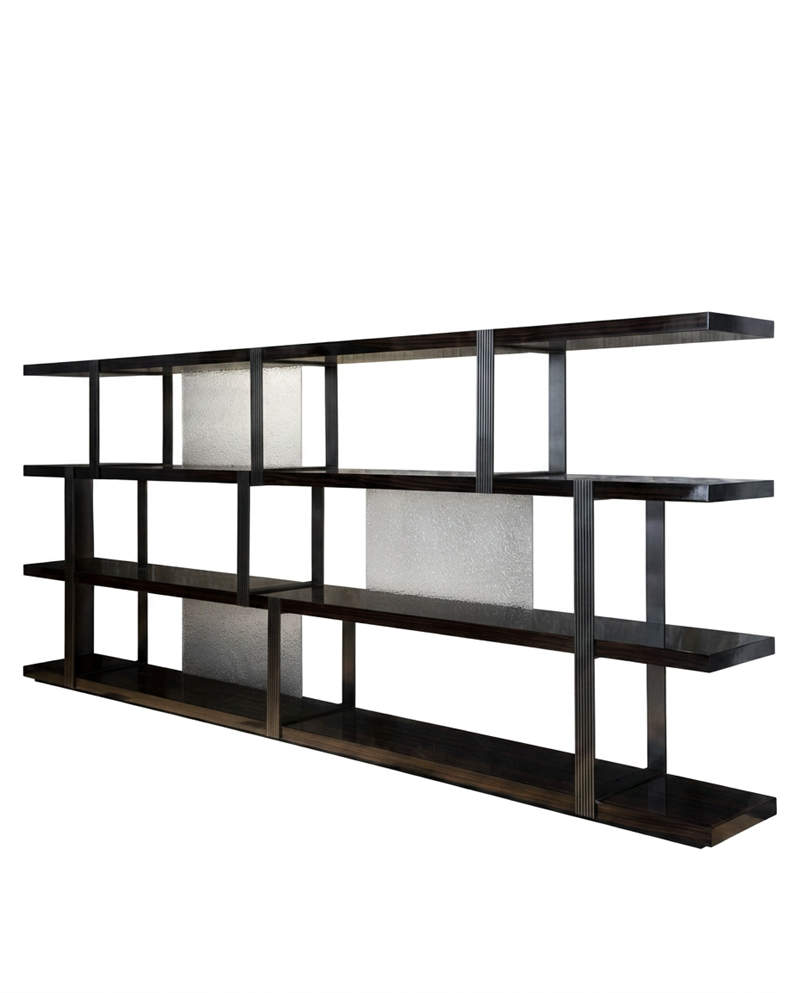
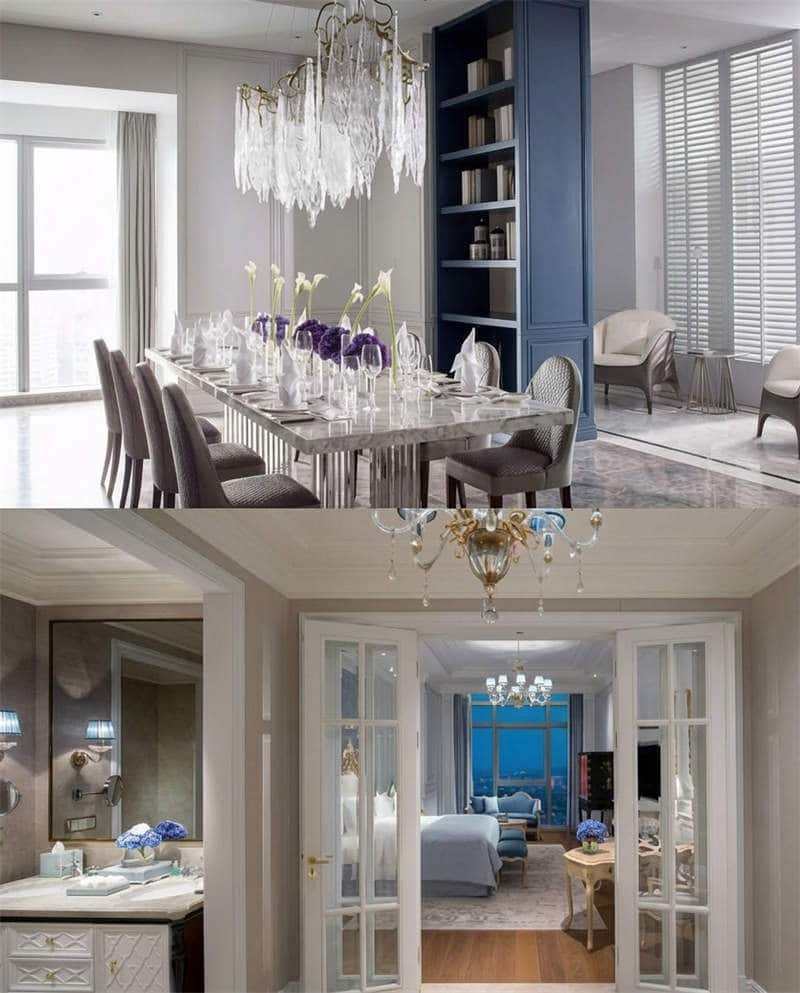
High-end furniture sourced through verified China manufacturers — the difference between profitable B2B importing and costly trial and error.
The Silent Problem No One Talks About
Walk into any industry event — a regional distributor conference, a hospitality design expo, or a furniture trade show — and you’ll find a consistent pattern. Experienced operators quietly acknowledge what the data confirms: the majority of first-time, independent China furniture buyers don’t profit from their initial import. They break even at best. Many lose significant capital.
This isn’t a headline that circulates widely because the losses aren’t dramatic enough to make news. There’s no single catastrophic event. Instead, what happens is a slow accumulation of avoidable mistakes — a dimension error here, a customs delay there, a bulk production quality drop that only surfaces on arrival. By the time the full picture is clear, the margin is gone and the client relationship is strained.
Why This Matters to Your Bottom Line
For furniture distributors, agents, showroom operators, and designers, China sourcing represents one of the most powerful margin improvement levers available. China’s furniture industry generated approximately USD $64 billion in exports in 2023–2024, and for good reason: the manufacturing capability, customization range, and price points are genuinely unmatched for most product categories.
But that margin potential only materialises when the sourcing operation is built on a system — not on hope, a good-sounding quote, and a supplier found on a platform at 11 PM.
The distributor who reduced her defect rate from 12% to 2% didn’t find better factories. She built a better process. The interior designer who cut project lead times by 40% didn’t get lucky with suppliers. She created a pre-vetted network with documented specifications. The agent who avoided a $50,000 customs disaster didn’t have a more experienced freight forwarder. He had a pre-shipment checklist.
What This Guide Actually Delivers
This is not a generic “how to import from China” overview. It is a field-level playbook written specifically for furniture distributors, agents, showroom operators, interior designers, and hospitality fit-out professionals. Every section addresses a real, documented failure point — with concrete examples, actionable frameworks, and templates you can use today.
By the end, you will have the exact system that separates the 1% of profitable importers from the 90% who learn these lessons the hard way.
The Real Cost of Getting It Wrong — Beyond the Price Tag
Most buyers who underestimate China sourcing focus on unit price. That’s the first mistake — and it sets the stage for every mistake that follows.
Hidden Costs That Kill Your First Import (And How They Compound)
Landed cost is the total cost of a product by the time it reaches your warehouse — not just the factory quote. For first-time importers, the gap between quoted unit price and actual landed cost is routinely 35–60% wider than anticipated.
Tooling Fees, Quality Rejections, and Expedited Shipping
Consider a typical mid-range sofa order from a Guangdong factory. The unit price looks attractive at $280 FOB. But the full picture looks different:
Cost Component
Amount (Per Unit)
Factory FOB price
$280
Tooling / sample development (amortised over order)
$18
Third-party inspection fee (amortised)
$12
Sea freight + insurance (LCL)
$47
US import duty (approx. 25% of FOB)
$70
Port fees + customs broker
$22
Inland freight to warehouse
$31
True Landed Cost
$480
That’s a 71% uplift on the stated factory price — before any quality rejections, rework, or expedited shipping to cover delays. A comparable domestic wholesale price for the same piece: $620–$780. The margin exists, but only if you account for every layer.
Quality rejections introduce an entirely different cost structure. If 8% of a 200-unit order fails inspection and requires rework or replacement, you’re absorbing freight back to China, rework charges, and a second shipment — on your dime.
The True Cost of a Delayed Project to Your Showroom or Client Relationships
For showroom operators, delayed inventory means floor gaps and lost walk-in revenue during peak seasonal periods. For hospitality designers, a six-week delay on FF&E (Furniture, Fixtures & Equipment) for a hotel opening can trigger penalty clauses, loss of future project referrals, and in worst cases, contract termination.
One hospitality designer working on a 180-room boutique hotel in Southeast Asia missed the opening date by six weeks because she hadn’t accounted for Chinese New Year production shutdown or post-holiday factory backlogs. The hotel operator deducted $28,000 in penalties from her design fee. The project was her most profitable on paper — and her least profitable in reality.
Why “Cheap” Pricing Is Actually Your Most Expensive Mistake
The lowest quote in a stack of RFQ (Request for Quotation) responses is statistically the highest-risk option. Here’s why.
The Margin Erosion That Happens After Customs, Logistics, and Rework
Factories that quote 15–25% below market rate on identical specifications are almost always making up the difference somewhere:
Material substitution: Lower-grade foam (28 density vs. specified 32 density), thinner veneer, inferior hardware
Production shortcuts: Skipped kiln-drying on timber frames, reduced stitching density on upholstery
Capacity gaps: The factory accepted your order but doesn’t have the production bandwidth, leading to rushed manufacturing and increased defect rates
These substitutions don’t appear in the quote. They appear in your customer’s living room six months after delivery — and in your inbox as a warranty claim.
Case Study: How One Agent Lost 40% Margin on a Bulk Order Due to Dimension Miscommunication
A furniture agent based in Australia placed a 300-unit dining chair order with a factory in Foshan based on verbal specification discussions and a reference photo. No technical drawing was produced. The chairs arrived with a seat height of 47cm — standard for Chinese residential market — rather than the 45cm required for the Australian market dining tables his clients had already purchased.
The chairs were technically to the factory’s standard. They were not to the agent’s client’s requirements. Reprinting freight labels, arranging return logistics, and paying for a second production run absorbed 40% of the projected gross margin. The client relationship survived — barely.
Time as Your Hidden Capital Drain
Project Delays and Their Ripple Effect on Your Client Commitments
Capital tied up in a delayed shipment is capital that isn’t turning over. For distributors managing showroom inventory, a 45-day production delay followed by a 28-day shipping delay means over 10 weeks of dead capital — inventory you’ve paid a deposit on that isn’t generating revenue.
Opportunity Cost of Capital Tied Up in Slow-Moving Inventory
MOQ (Minimum Order Quantity — the smallest volume a factory will produce in a single run) commitments can force buyers to order more units than they can move within a reasonable cycle. A 50-unit MOQ on a statement piece sofa at $480 landed cost represents $24,000 committed. If that piece takes 180 days to sell through rather than 90, your effective cost of capital doubles — and your next order cycle is constrained.
The 9 Mistakes That Account for 90% of Import Failures
Premium furniture quality depends on specification precision — not just factory reputation.
Mistake #1 — Skipping the Dimension Verification Step
Why Factory Measurements Don’t Match Your Market Specifications
Chinese furniture manufacturers produce for a global market — and different markets have different standards. Seat heights, table heights, door clearance assumptions, and unit depths vary between residential markets in China, Europe, the US, the Middle East, and Southeast Asia. A factory producing to its domestic standard isn’t making an error by their definition. They’re producing what they know.
The problem occurs when a buyer assumes “standard dimensions” are universal. They are not.
Red Flag: When a Supplier Won’t Provide Detailed Technical Drawings
Any established, credible furniture manufacturer can produce technical drawings (also called shop drawings — detailed 2D dimensional documents showing every measurement, material, and component). If a supplier resists providing these before order confirmation, or offers only a photograph and verbal confirmation, that is a disqualifying red flag. No technical drawings, no order.
Mistake #2 — Ignoring Material Quality Variations Between Samples and Bulk Production
The Sample Trap: Why Your Approved Sample Doesn’t Guarantee Bulk Quality
Sample approval is a necessary step — but it is not sufficient protection. Factories frequently produce samples using premium-grade materials to win the order, then substitute lower-grade components in bulk production where the cost difference is magnified across hundreds of units.
This is not always deliberate deception. Production supervisors under margin pressure make substitution decisions without informing sales contacts. The result is the same.
Dust, Veneer Thickness, and Finish Consistency — What Actually Changes in Mass Production
The specific variables that most commonly degrade between sample and bulk include:
Veneer thickness: Drops from 0.6mm to 0.3mm, affecting durability and appearance under light
Foam density: Reduces from 32kg/m³ to 28kg/m³, affecting comfort over time and longevity
Finish consistency: Spray application becomes less controlled at scale, creating colour variation across units in the same batch
Hardware quality: Drawer slides, hinges, and leg ferrules are switched to lighter-duty equivalents
Mistake #3 — Underestimating Lead Times and Building in Zero Buffer
The Reality of Chinese New Year, Factory Capacity, and Shipping Delays
Standard lead time for custom furniture production in China is 45–60 days from confirmed order. Shipping to most markets adds 20–30 days on top of that. Add sample approval (2–4 weeks) before production even begins, and you’re looking at a realistic timeline of 12–16 weeks from first contact to warehouse.
Chinese New Year (typically late January to mid-February) effectively pauses production for 4–6 weeks when you factor in pre-holiday wind-down and post-holiday ramp-up.
Timeline Phase
Duration
Initial contact, RFQ, negotiation
1–2 weeks
Sample development
2–4 weeks
Sample approval and revision
1–2 weeks
Production
45–60 days
Quality inspection
3–5 days
Port clearance and loading
5–7 days
Sea freight (e.g., China to US West Coast)
22–28 days
Port clearance destination + inland delivery
7–14 days
Total Realistic Timeline
14–20 weeks
How One Interior Designer Missed a Hotel Opening by 6 Weeks (and Lost the Contract)
The project was a 95-room boutique property. The designer ordered FF&E in October, expecting delivery in January. The factory confirmed a 50-day lead time. What the designer didn’t factor in: the factory’s order book was already 70% committed to pre-Chinese New Year rush orders, effectively pushing production start to mid-November. Combined with post-holiday delays, the shipment arrived 6 weeks after the hotel’s contracted opening date. The designer lost the final payment tranche and the follow-on Phase 2 contract worth approximately $180,000.
Mistake #4 — Choosing Suppliers Based on Price Alone
The Difference Between a Factory and a Trading Company (and Why It Matters)
A trading company is an intermediary that purchases goods from multiple factories and resells them to buyers. They offer convenience and lower MOQs but add a margin layer (typically 10–20%) and provide less direct control over production quality, lead times, and specification adherence.
A direct factory is the actual manufacturer. They offer better pricing, direct communication with production teams, and the ability to inspect during manufacturing — but typically require higher MOQs and more documentation work from the buyer.
For volume buyers — distributors placing regular orders above $20,000 — direct factory relationships almost always deliver better outcomes. For buyers testing new categories at lower volumes, trading companies offer a lower-risk entry point.
Why the Cheapest Quote Often Comes with the Highest Risk
In a competitive furniture category, legitimate factories operate within fairly tight cost bands for labour, materials, and overhead. A quote significantly below market — more than 15–20% below comparable suppliers — is almost always signalling something: lower-grade materials, a trading company adding undisclosed layers, or a factory under financial stress that may not complete your order.
Mistake #5 — Poor Communication and Unclear Specifications
Technical Drawings vs. Verbal Agreements — Why One Protects You and One Doesn’t
Verbal agreements and email discussions are not specifications. A technical drawing with dimensions, material callouts, finish references, hardware specifications, and packaging requirements is a specification. It is also a legal document in the event of a dispute.
The Language Barrier Trap: What Gets Lost in Translation (and Costs You Money)
“Dark walnut” means different things to different people. Without a physical veneer sample, a Pantone colour reference, or a photographic benchmark attached to your order, you are ordering a subjective interpretation — not a defined product. Colour and finish discrepancies account for a significant portion of buyer complaints on arrival.
Mistake #6 — Inadequate Quality Control and Inspection Protocols
Why Factory Self-Inspection Isn’t Enough — Third-Party Audits and Their ROI
Factory self-inspection — where the manufacturer checks their own work — has an obvious structural limitation: the factory has financial incentive to pass goods that a neutral inspector might reject. Third-party inspection, where an independent auditor such as QIMA or Bureau Veritas visits the factory before shipment, typically costs $280–$500 per inspector per day (PSIC — Pre-Shipment Inspection Cost).
According to data from Evergocasa’s Chinese furniture quality analysis, a $1,400 inspection investment has been shown to eliminate liability exposures exceeding $78,000 — an ROI of 5.5:1. For orders above $25,000, third-party inspection is not a cost. It is risk management.
Defect Rates That Slip Through and Hit Your Reputation with Clients
The industry benchmark for acceptable defect rates on furniture imports is typically set at AQL 2.5 (Acceptable Quality Level — a statistical sampling standard where the maximum acceptable defect rate is 2.5% of a lot). Without formal inspection protocols, real-world defect rates on first-time imports from unverified suppliers routinely run at 8–15%.
Mistake #7 — Underestimating Logistics Complexity and Customs Issues
HS Codes, Duty Calculations, and the Paperwork That Delays Your Shipment
Every product imported into any country requires an HS code (Harmonised System code — a standardised numerical system used by customs authorities worldwide to classify traded goods). For furniture, common codes include:
9401.61 — Upholstered wooden seats
9403.30 — Wooden office furniture
9403.60 — Wooden furniture for bedrooms/dining
An incorrect HS code triggers customs holds, potential penalties, and delays of 2–6 weeks. According to Zara Logistics, incorrect HS code classification is the #1 cause of US customs delays for furniture importers.
Common Customs Rejections and How to Avoid Them Before They Happen
Missing or inconsistent commercial invoice values
Certificate of Origin absent or incorrect
Wood treatment certification missing (ISPM 15 for packaging timber)
Anti-dumping duty misclassification on Chinese wooden furniture
Mistake #8 — Not Accounting for Minimum Order Quantities and Inventory Risk
Why MOQ Negotiations Fail (and What Actually Works)
According to DocShipper’s 2024 MOQ analysis, 73% of importers underestimated their actual MOQ costs in 2024, resulting in average hidden fees of $3,500–$5,000 per purchase cycle. Simply asking a factory to lower their MOQ without offering something in return rarely works. What does work:
Committing to a multi-order schedule (e.g., 4 orders per year)
Offering faster payment terms (full payment upfront vs. 30/70 split)
Combining multiple SKUs to reach the factory’s minimum revenue threshold
The Cash Flow Trap: Overcommitting to Stock You Can’t Move Quickly
A 50-unit MOQ on a $480 landed cost product commits $24,000. If your sell-through rate is 8 units per month, you’ve committed to a 6-month inventory cycle. With carrying costs, showroom floor space, and capital cost, a product you priced at a 45% margin can quickly perform at 28% effective margin.
Mistake #9 — Lack of Legal Protection and Supplier Contracts
What Happens When There’s No Written Agreement and Something Goes Wrong
Without a signed purchase agreement specifying quality standards, delivery dates, penalty clauses, and dispute resolution jurisdiction, you have limited legal recourse when things go wrong. Chinese courts will generally enforce contracts governed by Chinese law — but only if a contract exists.
IP Theft, Design Knockoffs, and Why Your Design Protection Is Non-Existent Without It
If you share CAD drawings, unique design files, or proprietary specifications with a factory without an NDA (Non-Disclosure Agreement) and IP protection clause, you have no legal basis to prevent that factory from producing your design for other buyers. For high-value, distinctive furniture designs, filing a design patent in China — while challenging to enforce — provides a formal legal basis that deters most factories from casual copying.
What the Successful 1% Actually Do Differently
The difference between consistent quality and costly surprises is a system — built before the first order is placed.
The Pre-Sourcing Due Diligence Process
How to Properly Vet Suppliers (Beyond Alibaba Reviews)
Platform reviews are a starting point, not a vetting process. Reliable supplier verification requires:
Request the factory’s business license and verify the registration date — factories under 3 years old carry higher risk
Request production facility photos taken within the past 6 months, showing the factory floor, equipment, and production team
Ask for 3 reference contacts from buyers in your market segment — then actually call them
Conduct a video factory tour (live, unscripted) before placing any deposit
Teams at JL&C Furniture routinely walk new distribution partners through exactly this verification process — because the integrity of the supply relationship determines the quality of every order that follows.
The Supplier Scorecard: What Metrics Profitable Importers Actually Track
Evaluation Criterion
Weight
Scoring Basis
Factory registration & tenure
15%
Min. 5 years; own factory, not trading company
Reference quality (verified calls)
20%
3+ references, same product category
Sample quality vs. specification
20%
Dimensional accuracy ±2mm, finish match
Communication response time
10%
<24h responses during business hours
Certifications held
15%
ISO 9001, FSC, product-specific certs
Technical drawing capability
10%
Full shop drawings provided as standard
Payment terms flexibility
10%
30/70 minimum; willingness to negotiate
Building a Specification System That Works
Technical Drawings, Material Specs, and the Documentation That Prevents Disasters
Every order should be accompanied by a Master Specification Pack containing:
Quality acceptance criteria (AQL level, specific defect thresholds)
Creating a Master Checklist That Travels with Your Order from Factory to Port
This document — updated at each production milestone — ensures that every stakeholder (factory, QC inspector, freight forwarder, customs broker) is working from the same reference. It eliminates the most common communication failures.
Strategic Supplier Relationship Management
Why Repeat Orders with Vetted Suppliers Reduce Your Failure Rate by 70%
The learning curve between buyer and supplier is real and measurable. A factory that has produced three orders for a specific buyer has learned that buyer’s tolerance levels, documentation preferences, and quality thresholds. The defect rate on a fourth order with the same factory is statistically far lower than on a first order with a new one.
Buyers who systematically rotate suppliers chasing marginally better prices pay a hidden cost in reinstated learning curves, re-approval sample production, and elevated early-order defect rates.
Building Leverage: How Larger Distributors Negotiate Better Terms and Quality Guarantees
Volume commitment is the most powerful negotiating tool available to distributors. A buyer who commits to 4 orders per year of consistent specification earns:
Priority production scheduling (your orders run before spot buyers)
Extended payment terms (30/70 shifting to 30/net-30 after shipment)
Dedicated production supervisor accountability
Priority resolution on quality disputes
Quality Control as a Profit Center, Not a Cost
The Inspection Timeline: When to Inspect and What You’re Actually Looking For
Inspection Stage
Timing
Purpose
Pre-Production (PP)
Before production starts
Verify materials match specification
During Production (DUPRO)
At 30–40% production completion
Catch process deviations early
Pre-Shipment (PSI)
When 100% goods are produced, 80% packed
Final AQL sampling against spec
Container Loading Supervision
During container loading
Verify goods loaded match inspection lot
For orders above $25,000, all four stages are advisable. For orders below $10,000, PSI alone provides substantial protection. Third-party inspection through firms like QIMA or Bureau Veritas runs $280–$500 per inspector per day — a fraction of the cost of a rejected shipment.
Third-Party Audits and Their Real ROI for Bulk Orders
A $1,400 investment in third-party inspection on a $30,000 order represents less than 5% of order value. If it catches a material substitution or dimension error that would have resulted in a 10% defect rate ($3,000 in rework and reshipping), the net ROI is more than 2:1 — before accounting for the preserved client relationship value.
Logistics and Customs Planning as a Core Competency
HS Code Research and Duty Calculation Before You Place the Order
US import duties on Chinese furniture range from approximately 7.5% to 25% depending on product category, plus Section 301 tariffs that have applied to Chinese goods. Calculating your true duty liability before committing to a unit price is non-negotiable. The HFA’s Furniture Import Duties Guide provides category-specific guidance for US buyers.
Choosing the Right Freight Forwarder (and What Questions to Ask)
Freight forwarder selection criteria for furniture importers:
Do they specialise in furniture? Dimensional weight, fragile handling, and wood product documentation requirements are category-specific
Can they handle both LCL and FCL? (LCL = Less than Container Load; FCL = Full Container Load — relevant as your order volumes grow)
Do they have experience with Section 301 classifications? Misclassification is costly and avoidable
Financial Risk Management and Cash Flow Protection
Letter of Credit, Payment Terms, and Protecting Your Capital
An LC (Letter of Credit) is a bank-issued payment guarantee: the bank releases funds to the supplier only when documented proof of shipment and specification compliance is submitted. For orders above $50,000 with a new supplier, an LC provides structural protection that wire transfer payments do not. Standard payment terms for established relationships run at 30% deposit on order confirmation, 70% before shipment.
The Math: How Successful Importers Calculate True Landed Cost
For a $280 FOB sofa shipped to the US West Coast with standard duty rates, the landed cost calculation typically reaches $460–$500 — a 64–79% uplift that must be factored into your pricing before, not after, you commit to the order.
The Success Checklist — Your Step-by-Step Roadmap
Pre-Order Checklist (Do This Before You Commit Capital)
15-Point Supplier Vetting Process
Verify factory business license (registered >3 years, manufacturing category matches product)
Confirm direct factory status — not a trading company reselling
Request facility photos dated within 6 months
Conduct a live, unscripted video factory tour
Obtain and call 3 verified buyer references in your product category
Review export history through independent platform profiles
Confirm certification status (ISO 9001 minimum; FSC for timber; OEKO-TEX for textiles)
Request samples from the actual production line (not a showroom display piece)
Review their technical drawing capability — request a sample drawing
Confirm communication: dedicated English-speaking contact, response time <24h
Clarify MOQ and lead time for your specific SKUs
Confirm available production capacity for your order timeline
Review and negotiate payment terms
Establish penalty clause framework for late delivery
Confirm IP protection clauses will be included in purchase agreement
Technical Specification Sign-Off and Sample Approval
Before production begins, both parties should countersign a document confirming: dimensions, materials, finishes, hardware, packaging, quantity, delivery date, and quality acceptance criteria. This document is your primary protection in any dispute.
Order Execution Checklist (Do This to Protect Your Order)
Written Contract with Clear Terms, Payment Schedule, and Penalties
A purchase agreement should specify: unit price, total order value, payment schedule (deposit and balance), production start date, shipment date, penalty for delay (typically 0.5–1% of order value per week), and dispute resolution jurisdiction.
Production Timeline with Milestone Photos and Factory Updates
Request photographic updates at: material cut/preparation stage, frame construction, upholstery completion, and final finishing. This takes five minutes of factory time per milestone and gives you early warning of any deviation.
Quality Control Checklist (Do This Before Goods Leave the Factory)
In-Factory Inspection Points and Defect Thresholds
Inspection Point
What to Check
Acceptable Threshold
Dimensions
±2mm on all critical dimensions
Zero tolerance on seat height, overall footprint
Material verification
Foam density pull test, veneer thickness check
Matches specification exactly
Finish consistency
Colour matching against approved reference, gloss level
<5% visible variation across lot
Structural integrity
Frame rigidity, joint strength, leg stability
Zero structural failures
Hardware function
Drawers, hinges, mechanisms
100% operational
Surface defects
Scratches, dents, finish bubbles, stitching
AQL 2.5 sampling standard
Packaging integrity
Carton condition, protective wrap
Zero compromised packaging
Third-Party Audit Requirements for Orders Over $25,000
For orders above $25,000, commission a Pre-Shipment Inspection with a certified third-party auditor. Provide the auditor with your Master Specification Pack and agreed defect thresholds in advance.
Logistics and Customs Checklist (Do This to Avoid Port Delays)
Documentation Preparation and Customs Classification
Required documentation for a standard furniture shipment:
Document
Purpose
Who Prepares It
Commercial Invoice
Declares value and goods description
Supplier
Packing List
Details each carton, weight, dimensions
Supplier
Bill of Lading
Proof of shipment contract
Freight forwarder
HS Code classification
Customs duty calculation basis
Buyer/customs broker
Certificate of Origin (Form E)
Enables applicable duty rates
Supplier via Chamber of Commerce
ISPM 15 stamp
Wood packaging treatment certification
Supplier
Freight Forwarder Coordination and Shipment Tracking
Provide your freight forwarder with the complete documentation set at least 5 business days before cargo readiness date. Confirm container loading supervision if your order fills more than one container, or if goods are high-value.
Post-Delivery Checklist (Do This to Protect Future Orders)
Receiving Inspection and Defect Documentation
Within 48 hours of delivery, conduct a receiving inspection:
Photograph every carton before opening (documents transit damage vs. pre-shipment damage)
Check a random sample of 10–15% of units against specification
Document all defects with photographs, unit serial numbers, and defect descriptions
Issue a formal receiving report to your supplier within the claim window (typically 10–15 days post-delivery)
Supplier Feedback Loop and Continuous Improvement Protocol
Share receiving inspection results with your supplier after every order — both defects and what was done well. Factories that receive structured feedback improve faster and are more likely to prioritise quality for buyers who provide it.
Real Case Studies — How Distributors, Agents, and Designers Actually Succeed
Real results from structured sourcing systems — not luck.
Case Study #1: The Distributor Who Reduced Defect Rates from 12% to 2%
What Changed: The Inspection and Supplier Management System They Implemented
A Colombian furniture distributor had been working with a Chinese supplier for two years with a defect rate that had climbed to 12% on their last shipment. Rather than switching suppliers, they implemented three changes:
Mandatory Pre-Shipment Inspection by a third-party auditor on every order above $15,000
Formal Master Specification Pack with material callouts and AQL thresholds signed off before each production run
Monthly supplier review call sharing defect data and setting improvement targets
The Financial Impact: How This Improved Their Margin and Customer Retention
Within three order cycles, their defect rate dropped from 12% to 2%. The cost saving on rework, freight returns, and replacement production was approximately $18,000 annually on a $150,000 sourcing spend. More importantly, customer complaint calls dropped by 85%, and they retained two key retail accounts that had been considering switching suppliers.
Case Study #2: The Interior Designer Who Turned China Sourcing into a Competitive Advantage
How She Built a Pre-Vetted Supplier Network and Cut Lead Times by 40%
An interior designer specialising in high-end residential projects in Singapore built a network of 6 pre-vetted Chinese furniture manufacturers across different categories (upholstery, case goods, lighting, outdoor). She maintained active relationships with all 6 — not just transactional contacts — by placing at least one order per year with each, sharing project briefs in advance, and providing structured feedback.
The result: when a new project required custom furniture, she wasn’t starting a supplier search. She was briefing a known partner. Sample development time dropped by 40% because the factories already understood her specification standards.
The Client Outcome: Faster Project Delivery and Higher Profit Margins
Her average project delivery timeline shortened from 18 weeks to 11 weeks. She raised her design fees by 15% — justified by faster delivery — and her furniture supply margin improved from 32% to 41% due to better pricing from repeat-order volume discounts.
Case Study #3: The Furniture Agent Who Avoided a $50K Customs Disaster
What Went Wrong Initially and How They Fixed Their Logistics Process
A furniture agent importing a mixed container of dining chairs and side tables into the US assigned a single HS code to the entire shipment for simplicity. The customs broker flagged the misclassification at the port. One product category carried a Section 301 duty rate the agent hadn’t accounted for, creating a $47,000 unexpected duty liability that nearly killed the order’s profitability.
The Lesson: Why Proactive Planning Beats Reactive Firefighting
After this experience, the agent implemented a pre-order customs classification review for every new product category — before placing the factory deposit. The cost of a 30-minute customs broker consultation: approximately $150. The cost of discovering a misclassification at the port: $47,000 and a 3-week shipment hold.
Building Your Sustainable China Sourcing Operation
Creating Systems, Not Just Transactions
Documentation Templates, Supplier Scorecards, and Quality Standards
Sustainable sourcing operations are built on replicable processes, not individual relationships. When a key team member leaves, or when you need to onboard a new supplier, a documented system ensures continuity. Core documentation to maintain:
Supplier scorecards (updated after each order)
Master Specification Pack templates by product category
Receiving inspection report templates
Freight forwarder performance log
Why Repeatable Processes Beat One-Off Deals
A buyer who approaches each order as a standalone transaction resets the learning curve every time. A buyer who builds documented processes accumulates institutional knowledge that compounds — reducing defect rates, shortening lead times, and improving negotiating leverage with every subsequent order.
Developing Long-Term Supplier Relationships
The Strategic Advantage of Working with the Same Factory for Multiple Product Lines
Once a factory understands your quality standards, documentation requirements, and communication preferences, expanding into adjacent product lines within the same factory is lower risk than sourcing each category from a new supplier. A factory producing your dining chairs that also offers bar stools and ottomans can supply those categories at lower vetting overhead.
Negotiating Volume Discounts and Quality Guarantees Over Time
A buyer placing $60,000 annually with a single factory has meaningfully more leverage than one placing a $12,000 spot order. Use that leverage: negotiate annual volume pricing agreements, priority production scheduling, and formal quality guarantee clauses with financial remedies for defect rates above agreed thresholds.
Scaling Without Increasing Risk
How to Add New Suppliers While Maintaining Quality Standards
Adding a new supplier should follow the full 15-point vetting process — regardless of how urgently the new product line is needed. The pressure of a client deadline is the single most common reason buyers skip vetting steps, and the most common cause of expensive first-order failures.
Diversifying Your Supply Base to Reduce Dependency and Geopolitical Risk
No single supplier should represent more than 40–50% of your total sourcing volume. Geopolitical disruptions, factory fires, ownership changes, and capacity constraints are real risks that a diversified supplier base mitigates.
Common Pitfalls Specific to Your Industry
The Showroom Challenge: Balancing Stock Levels with Cash Flow
How to Calculate Optimal Inventory Without Overcommitting
$$\text{Optimal Order Quantity} = \frac{\text{Average Monthly Sales} \times \text{Lead Time (months)} \times \text{Safety Buffer (1.15–1.25)}}{\text{Sell-Through Rate}}$$
For a piece selling 6 units per month with a 4-month lead time and a 15% safety buffer: optimal order quantity = 6 × 4 × 1.15 = approximately 28 units. Ordering 50 to meet MOQ means carrying 22 units of excess inventory — a cash commitment your pricing model must absorb.
The Real Cost of Dead Inventory and Slow-Moving Pieces
A piece that takes 180 days to sell instead of the planned 90 days doubles the effective inventory carrying cost. Include a formal slow-mover review every 90 days: discount, bundle, repurpose for trade customer samples, or negotiate with your supplier for a design refresh.
The Designer Challenge: Managing Client Expectations on Lead Times and Customization
What You Can and Cannot Customize in China (and the Cost Implications)
Customization Type
Feasibility
Lead Time Impact
Cost Impact
Upholstery fabric/colour change
High
+3–5 days
+$5–$20 per unit
Leg finish change
High
+5–7 days
+$8–$25 per unit
Dimension changes (within ±15%)
Medium
+7–14 days
+$15–$50 per unit
New structural design
Low
+30–60 days for new molds
+$500–$5,000 tooling
New material category
Low
Full sample cycle required
Unpredictable
Setting Realistic Timelines with Clients Based on Your Supplier’s Actual Capacity
Build your client presentation timeline by working backward from the supplier’s confirmed production start — not from their quoted lead time. Add your confirmed sea freight transit, port clearance, and inland delivery time. Then add 15% as a client-facing buffer. Under-promise and over-deliver, every time.
The Fit-Out Challenge: Coordinating Multiple SKUs and Delivery Schedules
The Complexity of Hotel and Commercial Projects — Why Standard Sourcing Doesn’t Work
A 150-room hotel project may involve 35–50 distinct furniture SKUs sourced from 4–6 different Chinese factories. Each factory has its own production start date, lead time, and shipment readiness date. Coordinating these into a single consolidated shipment — or a sequenced delivery schedule — requires a dedicated logistics coordinator and a master production tracking sheet updated weekly.
How to Manage Synchronized Deliveries and Avoid Project Delays
Establish a master project timeline with a dedicated milestone for each SKU: production start, mid-production check, production completion, inspection, goods ready date, shipment date, and expected arrival. Build in a 2-week buffer for every major milestone. Hospitality projects that run to schedule are those where the buyer built the schedule backwards from the opening date — not forwards from the factory’s quote.
Tools, Templates, and Resources You Can Use Today
Premium results require premium processes — from supplier selection to final delivery inspection.
The Supplier Vetting Scorecard
How to Evaluate and Rank Suppliers Objectively
Use a weighted scoring model (see Section 3 scorecard above) to rank every potential supplier numerically before making a selection decision. This removes emotion and price bias from the evaluation.
Red Flags That Should Disqualify a Supplier Immediately
Refuses to provide business license or ownership documentation
Cannot produce technical drawings for your product specification
Offers a price more than 20% below all comparable quotes without explanation
References are unavailable or provide vague, non-specific responses
Pushes for 100% upfront payment before sample approval
The Technical Specification Template
What Must Be Included in Every Order Specification
Every specification document must contain: product name and SKU code, dimensional drawings with tolerances, material specifications with grade callouts, finish references (physical sample or Pantone/RAL), hardware part numbers, packaging specification, quantity, delivery date, and quality acceptance criteria.
How to Use This to Prevent Dimension and Material Disputes
Attach the countersigned specification to the purchase agreement. Any deviation from the specification — regardless of cause — triggers the quality dispute process. Without this document, “we made it to standard” is a valid factory defence.
The Quality Inspection Checklist
What Inspectors Should Look For and How to Document It
Provide your inspector with: the signed specification, photographs of the approved sample, a defect classification guide (critical/major/minor), your AQL threshold, and a standardised reporting template. Inspection reports should include: number of units inspected, number and type of defects found, photographic evidence, and a pass/fail determination.
Defect Thresholds and Acceptance Criteria
Defect Level
Definition
Acceptable Rate (AQL 2.5)
Critical
Safety hazard, regulatory non-compliance
0% — zero tolerance
Major
Functional defect, significant visible flaw
≤2.5% of inspected lot
Minor
Cosmetic flaw, minor surface variation
≤4.0% of inspected lot
The Landed Cost Calculator
How to Calculate True Cost Including All Hidden Fees
Spreadsheet Template for Comparing Suppliers Accurately
Cost Line
Supplier A
Supplier B
Supplier C
FOB Unit Price
$280
$265
$310
Tooling (amortised)
$18
$22
$14
Inspection (amortised)
$12
$12
$12
Sea Freight per unit
$47
$47
$47
Insurance
$4
$4
$4
Import Duty (25% FOB)
$70
$66
$78
Port + Broker Fees
$22
$22
$22
Inland Freight
$31
$31
$31
Total Landed Cost
$484
$469
$518
Effective Margin at $780 RSP
38%
40%
34%
Supplier B’s lower FOB price delivers the best landed cost — but only because all costs were calculated before the decision was made.
The Mindset Shift That Separates Winners From Losers
Why “Finding the Cheapest Supplier” Is a Losing Strategy
The Math Behind Total Cost of Ownership vs. Unit Price
A buyer who saves $15 per unit on FOB price but absorbs an 8% defect rate on a 200-unit order at $480 landed cost loses approximately $7,680 in defect-related costs — equivalent to the FOB saving on approximately 512 units. The cheapest quote paid for in full twice.
How Profitable Importers Think About Supplier Selection
The frame profitable importers use: “Which supplier gives me the best total cost of ownership across 4 orders over 24 months — accounting for defect rates, lead time reliability, communication quality, and margin consistency?” This is a fundamentally different question from “which quote is lowest?”
Treating China Sourcing as a Strategic Capability, Not a Hassle
The Competitive Advantage of Reliable, Quality Sourcing
When a distributor or designer builds a reputation for delivering on spec, on time, every time — that reputation becomes a business development asset. Referrals follow reliability. Clients who trust your supply chain give you larger projects. The capability compounds.
Brands like JL&C Furniture have built their market position precisely on this principle: the supply relationship is a strategic capability, not a transaction.
How This Becomes a Differentiator in Your Market
Most of your competitors are still running on informal supplier relationships, inconsistent specifications, and reactive quality management. A buyer who operates systematic, documented sourcing processes is operating at a different capability level — and that shows in project outcomes, client retention, and margin consistency.
Investing in Systems and Processes Today to Save Thousands Tomorrow
The ROI of Proper Documentation, Inspection, and Supplier Management
Investment
Annual Cost
Estimated Annual Saving
ROI
Third-party inspections (4 orders × $400)
$1,600
$8,000–$15,000 in defect avoidance
5–9×
Customs broker pre-classification
$600
$5,000–$50,000 in duty misclassification avoidance
8–83×
Technical spec template development
$500 (one-time)
$10,000+ per order in dispute avoidance
20×+
Freight forwarder with furniture expertise
+$200–$400/shipment
$2,000–$8,000 in delay and damage avoidance
5–20×
Why the 1% Successful Importers Spend More Upfront to Save More on the Back End
The pattern is consistent: buyers who invest in vetting, documentation, and inspection before problems occur outperform those who invest in firefighting after problems occur — financially and in client relationship terms.
Your Path From the 90% to the 1%
The gap between the 90% of independent furniture importers who lose money on their first China sourcing attempt and the 1% who build genuinely profitable operations isn’t talent, connections, or luck. It’s a system.
The system isn’t complicated. It’s a pre-order vetting process, a written specification, a signed contract, an independent inspection, and a customs classification review. Each step is documented. Each order builds institutional knowledge. Each supplier relationship becomes more valuable over time.
The Decision Point: Will You Keep Making the Same Mistakes, or Will You Build a System That Works?
You now have the framework. The next step is implementation. Start with the 15-point supplier vetting checklist. Apply it to every new supplier you evaluate — including ones you’re already working with. Close the gaps in your current process, starting with the ones most likely to cause you pain on your next order.
The furniture industry is genuinely competitive. The margin opportunity from well-executed China sourcing is real. The buyers who capture it consistently are the ones who treated sourcing as a craft — not a shortcut.
Watch: China Furniture Sourcing — What No One Tells You
This video breaks down the most costly errors B2B buyers make when sourcing furniture from China — covering hidden costs, realistic timelines, and what the inspection process actually involves. Required viewing before your next order.
Final CTA: Don’t Be Part of the 90%
Your Next Step: Download the Complete Success Checklist
The difference between the 90% who fail and the 1% who succeed isn’t luck — it’s a system. Your complete China Sourcing Success Checklist includes:
✅ 15-point supplier vetting scorecard
📐 Technical specification template
🔍 Quality inspection checklist with AQL thresholds
Questions about your current sourcing setup? The team at JL&C Furniture works with distributors, agents, and design professionals across multiple markets to build sourcing operations that deliver consistent quality, on-time delivery, and sustainable margins. Explore our product range or reach out directly to discuss your project requirements.
Glossary of Key Terms
Term
Definition
AQL (Acceptable Quality Level)
A statistical sampling standard defining the maximum acceptable defect rate in a production lot. AQL 2.5 means no more than 2.5% of sampled units may be defective.
FOB (Free On Board)
A trade term meaning the seller is responsible for all costs until goods are loaded onto the shipping vessel. The buyer assumes responsibility from that point.
CIF (Cost, Insurance, Freight)
The seller pays for freight and insurance to the destination port. The buyer still handles customs clearance and inland delivery.
DDP (Delivered Duty Paid)
The seller handles everything — production, export, freight, import duties, and final delivery. Highest convenience, highest unit cost.
HS Code
Harmonised System code — a global customs classification number assigned to every traded product. Determines import duty rate and customs handling requirements.
MOQ (Minimum Order Quantity)
The smallest production run a factory will accept. Varies by product and factory — typically 10–100 units for furniture.
PSI (Pre-Shipment Inspection)
A third-party quality audit conducted when goods are fully produced and partially packed, before they leave the factory.
DUPRO
During Production inspection — a quality check conducted at 30–40% of production completion to identify process deviations before the full order is produced.
LC (Letter of Credit)
A bank-issued payment guarantee: funds are released to the supplier only when documentary proof of shipment and compliance is submitted.
FF&E
Furniture, Fixtures & Equipment — the industry term for the furnishing specification package used in hospitality and commercial interior design projects.
LCL (Less than Container Load)
Shipping method where your goods share a container with other shippers’ cargo. Cost-effective for smaller orders; slower and slightly higher damage risk than FCL.
FCL (Full Container Load)
Your goods fill an entire container. More efficient and lower damage risk for larger orders.
ISPM 15
International Standards for Phytosanitary Measures No. 15 — a wood packaging treatment requirement for international shipments, preventing the spread of insects and diseases.
FAQs: Questions Keeping You Up at Night
1. How do I know if a China supplier is actually a factory or just a trading company?
Request the factory’s business license and verify the registered business category — manufacturing businesses (制造业) are classified differently from trading companies (贸易公司). Ask to speak directly with the production supervisor or factory owner, not just a sales contact. Request live, unscripted video footage of the production floor showing your specific product category being manufactured. Genuine factories can provide these within 24–48 hours. Trading companies will delay, deflect, or provide generic footage. You can also cross-reference their profile on Made-in-China.com, which separates manufacturer and trading company listings.
2. What’s a realistic lead time for custom furniture orders from China?
Budget 45–60 days for production, plus 20–30 days for sea freight, plus 7–14 days for port clearance and inland delivery. Add 2–4 weeks before production for sample development and approval. If your order falls near Chinese New Year (late January to mid-February), add 4–6 weeks. Total realistic timeline from first contact to warehouse: 14–20 weeks. Always build in an additional 10–15% time buffer for client-facing commitments.
3. How much should I budget for quality inspection and third-party audits?
Pre-Shipment Inspection from established providers like QIMA or Bureau Veritas runs $280–$500 per inspector per day. A standard furniture inspection takes one to two days depending on lot size. For orders above $25,000, budget $600–$1,000 for PSI. For critical or complex orders, add a During Production inspection at $400–$600. On a $30,000 order, inspection costs represent 3–5% of order value — typically saving 5–10× that amount in defect-related costs.
4. What’s the minimum order quantity I should expect, and can I negotiate it?
MOQ for furniture typically ranges from 10 to 100 units per SKU, depending on product complexity and factory scale. Negotiation is possible — and most effective when you commit to a multi-order schedule, offer faster payment terms, or consolidate multiple SKUs to reach the factory’s minimum revenue threshold. Trading companies generally offer lower MOQs (sometimes 1–5 units) but at 10–20% higher unit prices, so always calculate total landed cost to compare.
5. How do I protect my designs and prevent knockoffs?
Include explicit IP ownership clauses in your purchase agreement, covering all technical drawings, design files, and sample specifications submitted. Sign an NDA before sharing complete design files. Avoid sharing final CAD files until the purchase agreement is countersigned. For high-value original designs, filing a design patent in China (外观设计专利) establishes a formal legal basis — enforcement is challenging but the filing alone deters most factories from casual copying.
6. What happens if the goods arrive damaged or don’t meet specifications?
The outcome depends entirely on your documentation. If you have: a signed specification, a pre-shipment inspection report confirming compliance, cargo insurance, and photographic documentation of defects on arrival — you have a strong claim basis. Without documentation, your negotiating position is weak. Disputes typically take 2–6 months to resolve. Cargo insurance is not optional for orders above $10,000; the standard freight forwarder liability cap is far lower than most buyers realise.
7. How do I calculate true landed cost including all hidden fees?
The formula: FOB price + tooling (amortised over order quantity) + inspection fees (amortised) + sea freight + marine insurance + import duty (% of FOB, varies by HS code) + port fees + customs broker fee + inland freight to warehouse. For a $280 FOB sofa shipped to the US, a realistic landed cost calculation reaches $460–$500 per unit. Run this calculation for every order before you commit to the deposit — not after you’ve placed it.
8. Should I use a freight forwarder, and how do I choose one?
Yes, particularly for your first orders and for all shipments involving furniture. Choose a forwarder with documented experience in furniture logistics — they understand dimensional weight calculations, fragile cargo handling, ISPM 15 wood packaging requirements, and Section 301 tariff classifications. Get quotes from three to five forwarders, ask for references from other furniture importers, and confirm their experience with your specific destination market’s customs requirements.
9. What documentation do I need to clear customs without delays?
Required documents: commercial invoice, packing list, bill of lading (or air waybill), HS code classification, certificate of origin (Form E for China-specific preferential rates where applicable), and ISPM 15 stamped packaging documentation for timber products. Incorrect HS code classification is the leading cause of US customs delays for furniture importers. Research your HS codes before placing your order — not when the goods are at the port.
10. How do I handle customization requests from my clients without exploding costs?
Categorise customization by cost and lead time impact before agreeing to client requests. Upholstery fabric changes and finish colour variations are low-cost, low-lead-time customisations — budget $5–$25 per unit and 3–7 additional days. Dimension changes within ±15% are medium complexity — budget $15–$50 per unit and 7–14 additional days. Structural design changes or new mould requirements are high-cost, high-time commitments — budget $500–$5,000 in tooling and 30–60 additional days. Set client expectations against these realities at the brief stage, not after the order is placed.
11. What’s the difference between FOB, CIF, and DDP pricing, and which should I use?
FOB (Free On Board) means you pay freight from the Chinese port — more control, typically lower total cost for experienced buyers. CIF (Cost, Insurance, Freight) means the supplier pays freight to your destination port — convenient but less transparent, and you lose control of freight selection. DDP (Delivered Duty Paid) means the supplier handles everything including customs clearance — the highest unit cost but simplest administration. For buyers placing regular orders above $20,000, FOB delivers the best combination of cost control and supply chain visibility.
12. How do I manage the cash flow impact of large orders?
Standard payment terms are 30% deposit on order confirmation and 70% before shipment. For orders above $50,000 with a new supplier, consider a Letter of Credit — it protects your capital by releasing funds only when shipment documentation is verified. Calculate your inventory turnover rate before committing to large MOQs: if the pieces take 180 days to sell through, your capital is locked up for 6 months from deposit payment. Build this cycle into your cash flow projection, not your hindsight.
13. Is it worth visiting the factory in person, and how often?
For your first order with any factory, yes — in person or with a qualified representative on the ground. A factory visit reveals realities that video tours, platform profiles, and references cannot: actual production capacity, workforce quality, facility condition, and the relationships between management and production teams. For established supplier relationships, revisit every 2–3 years or whenever you’re adding a significant new product line. Virtual factory tours work well for routine order management once the relationship is established.
Want to cooperate with a Leading Luxury Furniture Manufacturer and Supplier? Or do you want to get custom furniture?
Shanghai JL&C Furniture Co., Ltd. is a leading manufacturer and solution provider of luxury furniture and customized furniture in China.
China Furniture Sourcing Agent Roles for High-End Buyers What a China Furniture Sourcing Agent Actually Does for High-End Buyers Every finished luxury room sits on
How to Vet a China Furniture Sourcing Agent Before Signing A single curved sofa like this goes through dozens of approvals, including frame, foam, fabric
China Furniture Sourcing Agent vs Direct Factory Buying: A Strategic Guide for High-Value Buyers When one project includes 400 hotel rooms, a 20-seat marble dining
Advanced Tips to Get More from Your China Furniture Sourcing Agent Powerful Strategies for High-Performance Sourcing – Tailored for Elite Buyers, Designers & Operators Your
How to Work Better With Your China Furniture Supplier After Ordering A Practical Playbook for High-End Furniture Importers, Interior Designers, FF&E Buyers, Villa Owners, Private

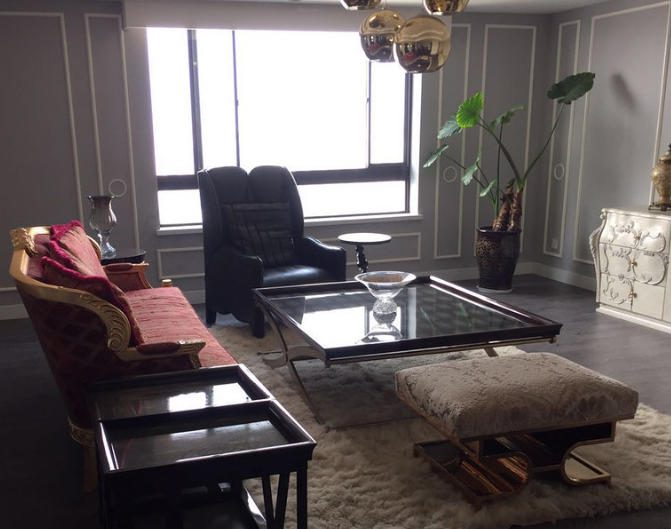


 Real results from structured sourcing systems — not luck.