Whether you’re sourcing FF&E for a five-star hotel, building a…
Whether you’re sourcing FF&E for a five-star hotel, building a private label collection, or expanding a high-end distribution portfolio — the furniture manufacturing expo is one of the highest-leverage events on your calendar. But only if you know how to work it.
The global contract furniture market is projected to surpass $26 billion by 2028, driven by booming luxury hospitality development, villa projects, and the explosive growth of branded residential communities. With hundreds — sometimes thousands — of exhibitors under one roof, the real challenge isn’t finding suppliers. It’s finding the right ones.
This guide gives you a clear, professional framework for doing exactly that.
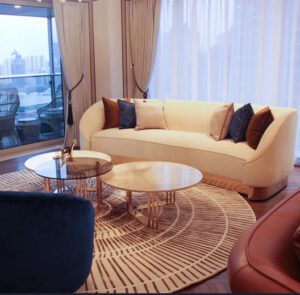
A luxury furniture showroom floor — the kind of environment where sourcing decisions shape multi-million dollar projects.
1. Define Your Sourcing Objectives Before You Step on the Floor
Most buyers arrive at a furniture expo with only a vague idea of what they need. That’s how you end up spending two days collecting brochures and leaving with nothing actionable.
Before you book your hotel room, get specific. Ask yourself: what materials, styles, and construction standards does your target market demand? Are you sourcing for a boutique hotel that requires custom-carved solid walnut headboards, or for a villa developer who needs 200 units of consistent outdoor lounge furniture? The answer changes everything — from which aisles you walk to which conversations you have.
Define your minimum order quantities (MOQs), your acceptable customization depth, and your non-negotiables on lead times. If sustainability is a client requirement (and increasingly it is, especially for European and North American luxury markets), identify that now, not on the floor.
Buyers who source furniture for hospitality and high-end residential projects typically need three things aligned: aesthetic consistency, structural durability, and delivery predictability. Clarify which of these is your top priority before the expo, and you’ll immediately cut your shortlist in half — in the best possible way.
Key objectives to document in advance:
Product category and style direction (modern minimalist, classic European, bespoke, etc.)
Target end market: luxury residential, boutique hotel, commercial office, outdoor/marine
Volume expectations: trial order vs. full project rollout
The exhibitor directory is your most underused tool. Most buyers scan it once and move on. The best buyers treat it like a procurement document.
Start by filtering for manufacturers — not resellers or agents — who specialize in the category you need. Look for portfolios that include luxury residential or hospitality references. A supplier who lists a Marriott or a Four Seasons development in their client history is signaling something about their contract-grade capability that a standard residential brand cannot.
Check for third-party certifications listed on their profiles: FSC (Forest Stewardship Council) certification confirms responsible wood sourcing; ISO 9001 signals structured quality management; BIFMA standards indicate furniture designed and tested to commercial durability specs. These aren’t just boxes to tick — they’re proxy signals for how seriously a manufacturer takes process control.
Schedule B2B meetings 2–3 weeks before the event. Most serious manufacturers offer pre-booking systems. Showing up without an appointment means competing for attention with walk-in visitors — and the buyers who booked ahead will always get better conversations and more candid information.
According to CGI Furniture’s trade show research, 77% of executive attendees go to expos specifically to find new suppliers — meaning the competition for the best manufacturers’ attention is real. Book early, come prepared, and you’ll have a structural advantage before the doors even open.
3. Evaluate Craftsmanship and Material Quality On-Site
Reading a brochure is not due diligence. Touching the product is.
When you walk a furniture expo booth, move past the staged photography and the polished renderings. Examine the physical pieces on display with the same critical eye your end client will eventually bring to the finished room.
Run your hand along the joinery at corners and frames. Dovetail joints and mortise-and-tenon construction — traditional woodworking techniques that interlock pieces without relying solely on adhesives — hold over decades of use. Staple-and-glue construction does not. Ask to look underneath seat cushions and behind drawer faces. Manufacturers who have nothing to hide will let you.
On upholstered pieces, press the foam — high-resilience foam rated at 1.8 lb/ft³ density or above is the baseline for commercial-grade seating. Anything softer will compress within 18 months of hotel use. Ask about fabric treatments: Crypton and Sunbrella are performance fabrics designed for heavy commercial use, with stain resistance, moisture barriers, and UV stability built in.
Request technical specification sheets for every product category you’re seriously considering. A supplier who can hand you a one-pager listing wood species, foam density, fabric durometer rating, and hardware grade is a supplier who actually controls their production process.
At JL&C Furniture, every sample that leaves our showroom floor comes with a full material spec sheet — because clients making decisions for hotel openings and villa projects can’t afford guesswork.
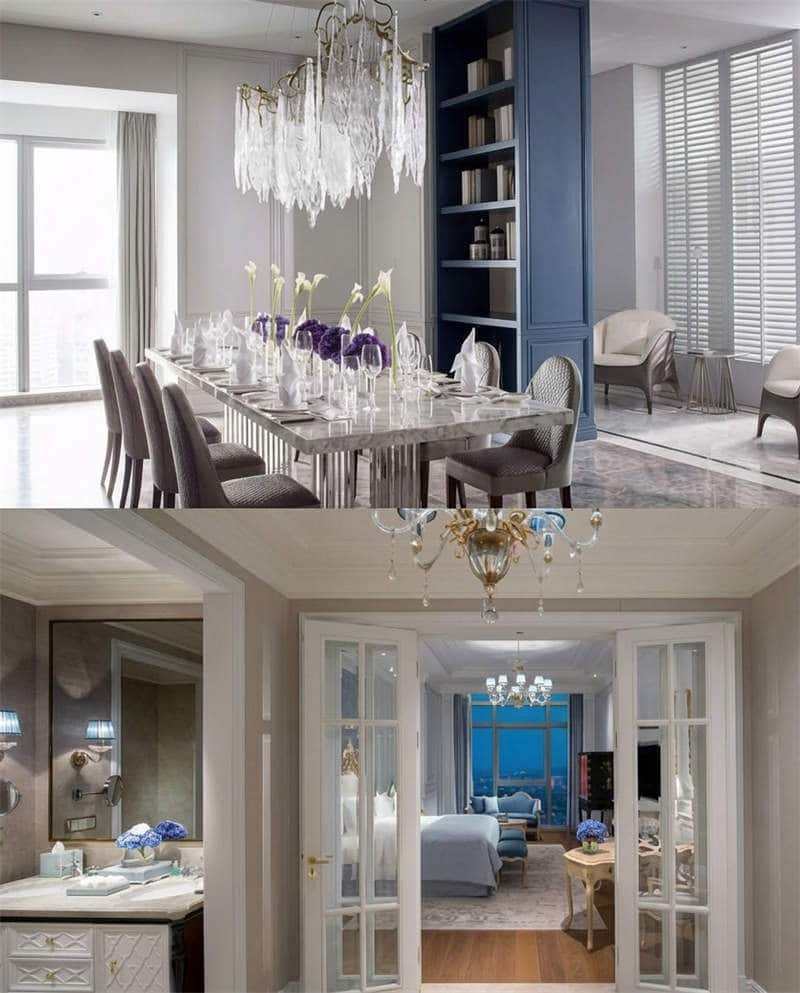
The quality of joinery and material selection separates contract-grade furniture from decorative pieces that won’t survive a commercial environment.
4. Assess Customization and Private Label Capabilities
For private label owners, interior designers, and boutique hotel developers, a supplier’s catalog is just the starting point. What matters more is how far off-catalog they can go — and how smoothly.
When evaluating customization capability, probe the entire development pipeline, not just the end product. Can they produce a 3D rendering from a sketch or a mood board? What’s the prototyping timeline — 4 weeks or 12? What’s the minimum order for a custom colorway or a modified silhouette? These details determine whether a supplier is a true development partner or just a catalog vendor with minor finishing options.
For private label clients specifically, branding integration is critical. This includes custom packaging, logo embossing on hardware, proprietary fabric tags, and documentation branding. Suppliers who handle major international private label accounts will have a structured process for this. Those who’ve never done it will give you vague reassurances. Learn to tell the difference quickly.
Ask to see samples of past custom work — not just renders, but physical prototypes or production photos from actual client orders. A manufacturer who has developed bespoke pieces for a boutique hotel in Dubai or a villa project in Tuscany will have documented case studies or reference photos to share.
You can learn more about custom furniture development processes and what to expect from a collaborative manufacturer on the JL&C Furniture customization page.
5. Scrutinize Production Capacity and Scalability
A supplier who can make one beautiful prototype and a supplier who can deliver 500 identical units across two containers without quality drift are not the same supplier. At an expo, it’s easy to confuse the two.
Ask direct questions about factory scale: How many production lines do they operate? What is their monthly output capacity by product category? Do they run a single shift or multiple shifts? The answers will quickly reveal whether they’re a boutique atelier or a factory capable of handling your full project scope.
For FF&E buyers procuring furniture for hotel openings or large residential developments, scalability is non-negotiable. A hotel project with 200 rooms might require 600 chairs, 400 side tables, 200 desks, and 200 beds — all to the same specification, delivered within a 6-week window. Ask whether they’ve done this before, and ask for references.
Also probe their automation and quality control infrastructure. A factory with CNC routing, precision cutting machines, and automated finishing lines will produce more consistent output than a fully manual operation. This isn’t about replacing craftsmanship — it’s about ensuring that the 500th piece looks as good as the first.
The table below illustrates how different supplier scale profiles match different buyer needs:
Buyer Type
Ideal Factory Scale
Key Capacity Metric
Risk Factor
Boutique Hotel (50–100 rooms)
Mid-size (50–200 workers)
200–500 units/month
Consistency across batches
Luxury Villa Developer (10+ units)
Small-mid (30–100 workers)
Custom + low MOQ
Prototype accuracy
Large Hotel Group (200+ rooms)
Large (200+ workers, automation)
1,000+ units/month
On-time delivery at scale
Private Label Distributor
Flexible OEM factory
Multiple SKUs, mixed volumes
Branding integrity
Interior Design Firm
Boutique or mid-size
Small batch, high customization
Lead time reliability
6. Verify Compliance, Certifications, and Sustainability Standards
This is the section most buyers skim — and it’s where the most expensive mistakes happen.
Furniture imported into the United States must comply with CARB Phase 2 (CARB2) — California Air Resources Board regulations that limit formaldehyde emissions from composite wood panels. Even if your shipment isn’t destined for California, CARB2 has become the de facto national baseline. Non-compliant product can be refused at port or trigger costly recalls.
For European markets, REACH (Registration, Evaluation, Authorisation and Restriction of Chemicals) governs chemical safety in furniture materials. As of August 2026, the EU tightened formaldehyde emission limits further, meaning that an E1 certificate — previously considered acceptable — may no longer satisfy current requirements. Verify this with your supplier and request updated third-party test reports from accredited labs.
BIFMA (Business and Institutional Furniture Manufacturers Association) certification is the standard for commercial-grade durability testing in North America. If you’re sourcing for office, hospitality, or contract environments, BIFMA-certified pieces have passed load, cycle, and stability testing that residential-grade furniture simply hasn’t undergone.
On sustainability: FSC certification on wood components means the timber was harvested from responsibly managed forests with verified chain of custody. ISO 14001 signals that the manufacturer has a systematic approach to environmental management across their operations — not just marketing copy about “going green.”
At the booth, ask for:
CARB2 test reports from a CARB-approved third-party certifier (TPC)
REACH compliance documentation for the EU market
FSC chain-of-custody certificate number (verifiable on the FSC public database)
BIFMA test reports for any commercial-grade seating or casegoods
Low-VOC finish documentation for interior applications
Sustainable material sourcing and verified certifications are now baseline requirements for luxury hospitality and high-end residential projects.
7. Review Logistics, Lead Times, and After-Sales Support
A supplier who can make exceptional furniture but can’t deliver it on time, undamaged, and with proper documentation is a supplier who will derail your project.
At the expo, get specific about Incoterms — the internationally standardized shipping contract terms that define who is responsible for freight, insurance, and risk transfer at each stage of transit. FOB (Free on Board) means the supplier’s responsibility ends when goods are loaded at the origin port. CIF (Cost, Insurance, Freight) means they cover freight and insurance to destination. The difference has real cost and liability implications that need to be understood before any PO is issued.
Ask about their experience with your destination market’s port requirements: Does your buyer’s country require a phytosanitary certificate for solid wood products? (Most do.) Can the supplier provide a fumigation certificate for wood packaging materials? What’s their track record on hitting agreed ship dates?
Lead time is where supplier relationships often fall apart. Standard production lead times for custom furniture typically run 8–14 weeks from deposit to ready-for-shipment. During peak seasons — particularly Q3, when Chinese factories are managing high export volumes ahead of the year-end holiday market — lead times can stretch to 16–20 weeks. Know this before you sign a contract with a hotel developer who needs delivery by a specific opening date.
On after-sales: ask how they handle damage claims. Freight damage is a real and regular occurrence in international furniture logistics. A supplier who has a documented damage claim process — with clear photo submission procedures, replacement timelines, and partial-shipment policies — is structured for professional trade. One who says “contact us if there’s a problem” is not.
For a comprehensive overview of hotel FF&E procurement logistics, the Volant Fitout FF&E Procurement Guide provides a practical framework covering timelines, supplier coordination, and installation sequencing.
8. Conduct Face-to-Face Meetings to Build Trust
The entire point of flying to a furniture manufacturing expo — rather than scrolling Alibaba — is the quality of information you can gather in person.
Within the first five minutes of a booth meeting, you’ll observe things no website reveals: how the sales team answers technical questions (do they know their own product, or do they defer to a phone call?), whether the company representative is a decision-maker or just a front-facing rep who can’t confirm anything, and how they respond when you ask something unexpected.
Bring your project specs. Sketches, mood boards, technical drawings, target price ranges — all of it. The suppliers who engage meaningfully with your materials are identifying themselves as development-capable partners. The ones who pivot back to their standard catalog aren’t.
Make a point of exchanging direct contact information with someone who has authority — a production manager, a head of export sales, or an owner-representative. The sales rep’s business card is not enough. You want a direct line to the person who will actually make decisions when your order hits the production floor.
Ask questions that require honest answers: “What’s the most common quality complaint you receive, and how do you resolve it?” A manufacturer with nothing to hide will answer this directly. A manufacturer with systemic problems will dodge it.
9. Compare and Benchmark Multiple Suppliers Using a Scoring Matrix
One of the most common — and costly — mistakes in expo sourcing is making emotional decisions based on the most impressive booth display or the most charismatic sales rep.
Use a structured supplier scoring matrix to create an objective comparison across every shortlisted manufacturer. Score each supplier on a weighted set of criteria before you leave the expo floor, while the impressions are still fresh.
Here’s a framework you can adapt directly:
Evaluation Criteria
Weight
Supplier A
Supplier B
Supplier C
Material & Craftsmanship Quality
25%
9/10
7/10
8/10
Customization Depth & Flexibility
20%
8/10
9/10
7/10
Production Capacity & Scalability
15%
7/10
8/10
9/10
Compliance & Certifications
15%
9/10
8/10
7/10
Logistics & Lead Time Reliability
10%
8/10
7/10
8/10
After-Sales & Communication
10%
7/10
9/10
8/10
Pricing & Value Alignment
5%
8/10
7/10
9/10
Weighted Total
100%
8.2
7.9
7.9
The weights in your matrix should reflect your project’s actual priorities. An interior designer sourcing a one-off villa collection will weight customization depth and material quality most heavily. An FF&E buyer for a hotel group will prioritize scalability, certifications, and logistics reliability above all else.
Also consider dual-sourcing — maintaining qualified relationships with two suppliers in a given category. This isn’t indecision; it’s risk management. If one factory experiences a production disruption (fire, labor shortage, material delay), having a vetted backup supplier means your hotel opening doesn’t slip by six weeks. According to NetSuite’s dual sourcing analysis, dual sourcing consistently outperforms single sourcing in supply chain resilience, particularly for high-volume or time-sensitive procurement.
A structured supplier evaluation process separates reactive sourcing from strategic procurement — the difference between a failed project and a successful one.
10. Follow Up Strategically to Secure Partnerships
The expo floor is where relationships begin. The follow-up is where they either take root or evaporate.
Send personalized follow-up emails within 48 hours of each meaningful meeting — before the supplier returns to their production schedule and your conversation becomes a blur of badge scans and brochures. Reference something specific from your meeting: a piece they showed you, a custom challenge you discussed, a sample they promised. This signals that you were genuinely engaged and that your interest is real.
Structure your email with clear next steps: “Please send the technical spec sheet for the dining chair we reviewed, along with your price sheet for a 100-unit minimum order.” Specificity generates action. Vague expressions of interest generate nothing.
Before placing any order — even a trial order — request the following: a physical sample of the exact product in your specified material and finish, a copy of their most recent CARB2 or relevant compliance test report, and at least two client references from projects of comparable scope and geography.
Begin with a trial order — typically 5–20% of your projected full volume — before committing to a production run. A trial order tests not just product quality but the entire operational chain: communication responsiveness, production timeline accuracy, packaging quality, freight coordination, and how they handle the inevitable minor issue. A supplier who handles a small order professionally is one you can trust with a large one.
At JL&C Furniture, we actively support first-time buyers through trial order programs, factory audits, and detailed sample packages — because we understand that trust is built through evidence, not promises.
Watch: How to Source Furniture Successfully at Trade Shows
The following video offers practical, on-the-ground perspective on what actually works when sourcing products from Asian manufacturers at international expos — including how to qualify suppliers quickly and avoid common pitfalls:
Product Sourcing from Asia: How to Find Good Deals at Expo — practical tips on supplier qualification and trade show strategy.
What Separates Good Buyers from Great Ones
After working with hundreds of importers, hotel developers, and design firms across four continents, the pattern is consistent: the buyers who get the best suppliers, the best prices, and the most reliable service are the ones who invest the most in preparation and follow-through — not the ones who spend the most time on the floor.
The furniture manufacturing expo is not a marketplace. It’s an intelligence-gathering and relationship-building event. The deal doesn’t close at the booth. It closes six weeks later, after samples have been evaluated, compliance documents verified, and a trial order successfully delivered.
Great buyers treat expo visits as the opening move in a multi-month supplier onboarding process — not as a transactional purchasing event. They arrive with checklists, leave with commitments, and follow through with the discipline of a procurement professional, not the spontaneity of a retail shopper.
Professional sourcing meetings — with specs, samples, and compliance documents on the table — are how elite buyers build elite supplier relationships.
Review exhibitor directory and shortlist 10–15 manufacturers
☐
Pre-Expo
Check certifications (FSC, ISO, BIFMA) in online databases
☐
Pre-Expo
Schedule B2B meetings 2–3 weeks in advance
☐
Pre-Expo
Prepare project specs, budget ranges, and technical drawings
☐
At Expo
Physically inspect joinery, materials, and foam quality
☐
At Expo
Request material spec sheets and compliance test reports
☐
At Expo
Assess customization depth through live conversation
☐
At Expo
Complete supplier scoring matrix for each shortlisted vendor
☐
At Expo
Exchange direct contacts with decision-makers
☐
Post-Expo
Send personalized follow-up emails within 48 hours
☐
Post-Expo
Request samples, spec sheets, and compliance documents
☐
Post-Expo
Place trial orders before committing to full production
☐
Post-Expo
Verify references from past projects of comparable scale
☐
Glossary of Key Terms
CARB2 (California Air Resources Board Phase 2): A US regulatory standard that limits formaldehyde emissions from composite wood products. Required for all wood-based furniture sold or imported into the US market.
REACH: The EU’s chemical safety regulation (Registration, Evaluation, Authorisation and Restriction of Chemicals). Controls hazardous substances in furniture materials sold in European markets.
BIFMA: The Business and Institutional Furniture Manufacturers Association. BIFMA certification confirms furniture has passed commercial-grade structural and durability testing.
FSC: Forest Stewardship Council. FSC certification on wood components confirms the timber came from a responsibly managed, audited forest with verified chain of custody.
Incoterms: Standardized international trade terms (e.g., FOB, CIF, EXW) that define the division of costs, risks, and responsibilities between buyer and supplier in a shipment.
FF&E: Furniture, Fixtures, and Equipment — the category of movable assets specified during hotel, commercial, or residential development projects.
MOQ (Minimum Order Quantity): The smallest volume a manufacturer is willing to produce in a single order. MOQs vary significantly by product type, complexity, and factory size.
Dual Sourcing: A procurement strategy in which a buyer maintains qualified relationships with two suppliers for the same product category to reduce supply chain risk.
Phytosanitary Certificate: An official document confirming that solid wood products have been inspected and treated to prevent the cross-border spread of pests or plant diseases.
Frequently Asked Questions (FAQs)
How do I identify suppliers capable of handling high-end, custom furniture orders?
Look for manufacturers whose expo portfolios include documented luxury residential or boutique hotel projects — not just lifestyle photography. Ask specific questions about their design collaboration process: Do they offer 3D renderings? What’s their prototyping timeline? Can they source premium performance fabrics? A supplier with real custom production experience will have reference photos, client testimonials, and a structured development workflow. One who can’t answer these questions fluently has likely never done it at commercial scale.
What certifications should I look for in a premium furniture supplier?
The core certifications to verify are: FSC for responsible wood sourcing, ISO 9001 for quality management systems, BIFMA for commercial durability testing, CARB2 for formaldehyde emission compliance (US market), and REACH for chemical safety (EU market). ISO 14001 signals a systematic approach to environmental management. These aren’t marketing badges — they represent audited, third-party-verified operational standards. Always ask for the certificate number so you can cross-reference it in the issuing body’s public database.
Can I request custom finishes or fabrics not shown at the expo?
Yes — and this is a critical test of a supplier’s actual capabilities. Reputable manufacturers maintain extensive material libraries and supplier relationships that allow them to source fabrics beyond their standard catalog. Ask specifically whether they can work with Crypton or Sunbrella performance fabrics for hospitality applications, and whether they can apply custom stains or proprietary metal finishes. Request a sample card of their full finish range, not just what’s on the floor.
How do I verify a supplier’s production capacity for large-scale projects?
Ask for client references from past orders of comparable volume and complexity — ideally from hotel or large residential development projects. Request a virtual or in-person factory tour to observe the number of active production lines, workforce size, and machinery. A factory capable of producing 1,000+ units per month will have visible indicators: multiple CNC machines, organized production bays, and a structured quality control station. One that talks scale but shows a small, manual workshop is not ready for your project.
What questions should I ask about lead times and delivery schedules?
Ask for both standard and custom order timelines, separately. Understand where in their production cycle they currently are — a factory at 90% capacity will give longer lead times than their standard quote. Ask how they manage delays: Do they offer written production schedule updates? What’s their protocol when raw material supply disrupts their timeline? Get all lead time commitments in writing as part of your pro forma invoice or purchase agreement, not as a verbal promise at the booth.
Are there suppliers at the expo experienced in FF&E for luxury hotels or villas?
Yes — but they’re not always the most visually dramatic booth on the floor. Focus on exhibitors who specifically reference contract furniture, hospitality projects, or FF&E procurement in their company profile. Ask for portfolios from actual hotel or villa projects, not just residential showroom work. Contract-grade furniture is engineered differently from residential furniture — it uses heavier joinery, denser foams, higher-durability fabrics, and fire-resistant treatments that many residential suppliers simply don’t offer.
How can I ensure the furniture meets international safety and environmental standards?
Request third-party test reports — not manufacturer-issued self-declarations — for all relevant standards: formaldehyde emissions (CARB2 or EN 717-1 for the EU), fire resistance (e.g., California TB 133 for hospitality seating), and chemical safety (REACH). The test reports should be issued by a recognized third-party lab such as SGS, Intertek, or Bureau Veritas. For wood components, verify FSC chain-of-custody through the FSC public certificate database. Do not accept photocopied certificates without verification.
What should I bring to the expo to make the most of supplier meetings?
Bring printed or digital copies of: your project technical specifications (room layouts, furniture schedules, dimension requirements), design mood boards or material references, your target price range per category, a completed supplier evaluation scorecard template, and a list of your top 10 non-negotiable criteria. The more specific you are, the more useful the conversation will be — and the more seriously manufacturers will take your inquiry. Vague interest generates vague responses.
Is it possible to negotiate MOQs for private label or boutique collections?
This is more common than many buyers realize, particularly for buyers who can demonstrate a clear brand identity and long-term ordering potential. Some manufacturers offer phased ordering structures — a smaller initial order at a slight premium, with pricing optimization as volume grows. Present your brand positioning, your target retail price points, and your projected annual volume. A manufacturer who sees a credible long-term partner is often willing to negotiate an entry-level MOQ that protects their production economics while giving you room to test the market.
How do I assess a supplier’s reliability and after-sales service?
Reliability is one of those qualities that’s hard to evaluate in a 30-minute expo meeting — but there are proxies. Ask for two or three client references and actually contact them. Ask the reference: “Did this supplier deliver on time? How did they handle any quality issues? Would you order from them again?” At the expo, note how quickly the supplier responds to your follow-up emails — companies that take three days to reply to a motivated prospect will not perform better when you have an active order on their floor.
Can I visit the supplier’s factory after the expo?
Yes — and any reputable manufacturer will welcome it. Factory audits are standard practice in professional procurement and are often a requirement for institutional buyers, hotel groups, and private label brands. Schedule the visit for within 3–6 weeks of the expo while your shortlist is still fresh. Observe the production lines, quality control checkpoints, raw material storage, and working conditions. Factories that resist audits or impose unreasonable limitations on what you can see are sending you a clear signal.
What payment terms are typical for first-time buyers?
Standard terms in the international furniture trade run 30–50% deposit at order confirmation, with the remaining balance due before shipment (often against copy of the Bill of Lading). Never pay 100% upfront, and be cautious of suppliers who insist on it. For larger orders, consider using a Letter of Credit (LC) — a bank-guaranteed payment instrument that protects both buyer and seller. Escrow arrangements through a third-party trade finance platform are also increasingly common. Wire transfer (T/T) with documented invoice and shipping evidence is the most common method for established relationships.
Do suppliers offer 3D renderings or CAD files for custom designs?
Many high-end manufacturers — particularly those who work regularly with interior designers and hotel developers — offer 3D rendering services as part of their customization workflow. Some include it in their standard development process; others charge a nominal fee that is typically credited against your production order. Confirm this capability explicitly during your expo meeting, and ask to see examples of past renders alongside the corresponding finished products. A supplier whose renders closely match their production output demonstrates strong design-to-production consistency.
How can I ensure consistency across multiple orders?
Consistency across batches is one of the most persistent challenges in custom furniture procurement, and it requires systematic controls — not just goodwill. Discuss the supplier’s batch control process: Do they retain production samples from each order for color matching? Do they use calibrated spectrophotometers for finish consistency? Do they have written specifications for each SKU that production staff reference? For upholstered pieces, ask how they manage fabric dye lot consistency across large orders. A supplier with disciplined QC documentation can answer all of these questions. One who relies on “the team’s experience” cannot.
Are there suppliers who specialize in outdoor or marine-grade furniture for villas?
Yes — and the material specifications matter enormously. For outdoor luxury applications, look for suppliers using marine-grade 6061 aluminum alloy (which resists corrosion in coastal environments), solution-dyed acrylic fabrics (which retain color stability under UV exposure for 5+ years), and HDPE all-weather wicker (which maintains structural integrity through freeze-thaw cycles). Ask for specific UV resistance ratings, salt spray test results, and real-world project references from coastal or high-humidity environments. Decorative outdoor furniture is not the same product as properly engineered outdoor furniture — and the difference will be visible within two seasons.
Looking for a supplier that’s already cleared this checklist? Explore JL&C Furniture’s full product and customization capabilities — built for importers, designers, and developers who can’t afford to compromise on quality, compliance, or delivery.
Want to cooperate with a Leading Luxury Furniture Manufacturer and Supplier? Or do you want to get custom furniture?
Shanghai JL&C Furniture Co., Ltd. is a leading manufacturer and solution provider of luxury furniture and customized furniture in China.
China Furniture Sourcing Agent Roles for High-End Buyers What a China Furniture Sourcing Agent Actually Does for High-End Buyers Every finished luxury room sits on
How to Vet a China Furniture Sourcing Agent Before Signing A single curved sofa like this goes through dozens of approvals, including frame, foam, fabric
China Furniture Sourcing Agent vs Direct Factory Buying: A Strategic Guide for High-Value Buyers When one project includes 400 hotel rooms, a 20-seat marble dining
Advanced Tips to Get More from Your China Furniture Sourcing Agent Powerful Strategies for High-Performance Sourcing – Tailored for Elite Buyers, Designers & Operators Your
How to Work Better With Your China Furniture Supplier After Ordering A Practical Playbook for High-End Furniture Importers, Interior Designers, FF&E Buyers, Villa Owners, Private
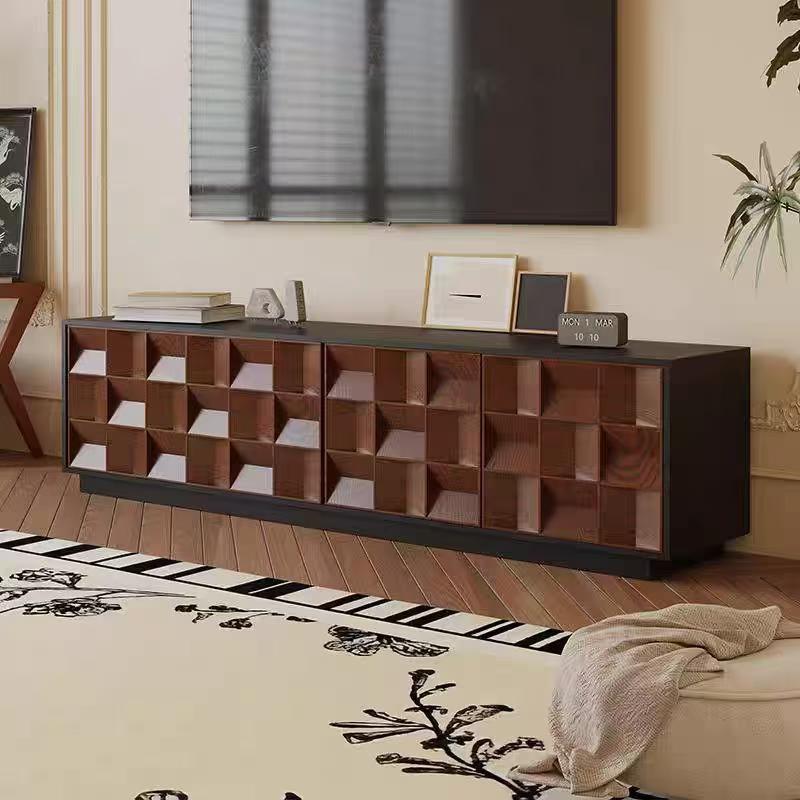

 The quality of joinery and material selection separates contract-grade furniture from decorative pieces that won’t survive a commercial environment.
 Sustainable material sourcing and verified certifications are now baseline requirements for luxury hospitality and high-end residential projects.

 Professional sourcing meetings — with specs, samples, and compliance documents on the table — are how elite buyers build elite supplier relationships.