company news

China Furniture Sourcing Agent: Roles for High-End Buyers
China Furniture Sourcing Agent Roles for High-End Buyers What a China Furniture Sourcing Agent Actually Does for High-End Buyers Every finished luxury room sits on

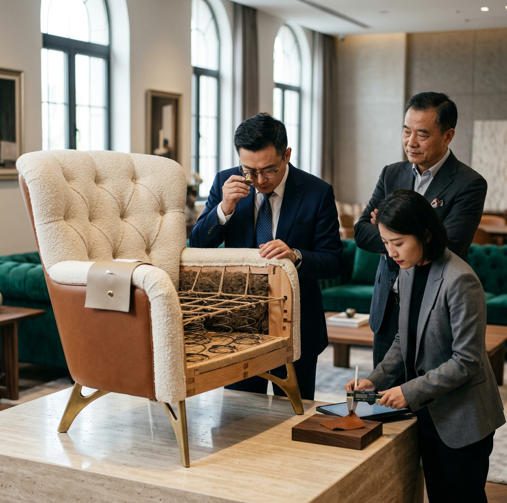
Separating authentic Italian craftsmanship from counterfeit claims: A comprehensive guide for B2B buyers evaluating discount luxury furniture sourcing and protecting your brand reputation.
The global appetite for high-end Italian design has never been stronger. Across high-end residential projects, luxury hotel fit-outs, and premium retail showrooms, the aesthetic of Milan and Brianza represents the absolute pinnacle of furniture design. However, this massive demand has sparked a parallel boom in the wholesale market: the proliferation of “Italian-style” furniture offered at staggering discounts of up to 70% off traditional retail benchmarks.
For commercial distributors, procurement agents, and interior architects, these rock-bottom price tags present an alluring proposition. The promise of capturing luxury aesthetics while retaining massive profit margins is highly tempting. Yet, experienced B2B buyers remain deeply skeptical. When an item claiming Italian pedigree is priced at a fraction of its market value, it raises immediate red flags regarding material integrity, legal compliance, and manufacturing origin.
+-----------------------------------------------------------------+
|               THE B2B SOURCING DILEMMA: TRADING OFF             |
|                                                                 |
|   [ 70% Discount Claims ]  <====== VS ======>  [ Brand Trust ]  |
|   - High initial margins                       - Client retention|
|   - Low upfront capital                        - Zero legal risks|
|   - Fast procurement                           - True durability |
+-----------------------------------------------------------------+
Staking your brand’s reputation on unverified discount inventory is a high-stakes gamble. If a luxury sofa fails in a five-star hotel lobby after six months, or if a dining table’s finish cracks in a client’s showroom, the cost of replacement, logistics, and damaged client trust far outweighs any initial savings.
This comprehensive guide is designed to help you navigate this complex sourcing landscape. You will learn how to verify origin claims, evaluate material quality using objective scientific metrics, and build a highly profitable, low-risk procurement strategy. By partnering with verified manufacturers like JL&C Furniture, B2B buyers can successfully balance world-class design integrity with sustainable commercial margins.
To successfully navigate the luxury wholesale market, procurement teams must look past marketing jargon and understand the legal realities of furniture manufacturing.
Under European Union non-preferential rules of origin, a product can only bear the prestigious “Made in Italy” label if its last substantial, economically justified working or processing took place within Italian territory, carried out in an undertaking equipped for that purpose.
                       [ RAW MATERIALS & DESIGN ]
                                   │
                                   ▼
                   [ SUBSTANTIAL ASSEMBLY IN ITALY ] ──► Meets "Made in Italy"
                                   │                     Legal Standards
                                   ▼
                    [ MINIMAL PACKAGING ONLY ]       ──► Fails Origin Rules
Unethical suppliers often exploit legal gray areas by shipping nearly completed furniture pieces from low-cost manufacturing hubs in Asia to small assembly workshops in Italy. By simply attaching the final hardware, cushions, or outer lacquer in Italy, these suppliers claim the product is “Made in Italy.” While this practice may technically bypass certain regulatory loopholes, it completely misrepresents the authentic, multi-generational craftsmanship that defines genuine Italian production.
The massive production capacity of high-volume industrial zones in Asia has flooded the global market with Italian-style reproductions. While many of these factories produce excellent commercial-grade furniture, a highly problematic segment of the wholesale market works to intentionally obscure its supply chains.
These suppliers use complex networks of shell corporations, offshore trading entities, and misleading documentation to present mass-produced, low-cost replicas as exclusive, artisan-crafted Italian imports. This deception allows them to command inflated wholesale prices while delivering products that lack the structural engineering and material safety profiles of authentic luxury goods.
To understand why a 70% discount is mathematically unrealistic for genuine Italian-made furniture, we must analyze the fundamental cost structures of authentic production:
True Italian furniture relies on highly skilled, unionized European artisans, premium sustainably sourced hardwoods, and compliance with the EU’s strict environmental and chemical safety laws. When a wholesaler offers a “luxury Italian piece” at a 70% discount, the price often falls below the baseline cost of raw premium materials alone. This pricing model strongly indicates that the supplier is cutting corners—either by using cheap, toxic material substitutes or by exploiting low-wage manufacturing facilities with zero quality controls.
Evaluating furniture quality requires moving away from subjective visual assessments and focusing on objective, measurable material standards.
Term Definition: Martindale Abrasion Test A standardized laboratory testing method (ISO 12947) used to measure the durability of a fabric. A circular piece of fabric is rubbed against a standard abrasive medium under a specific force. The durability rating is expressed in the number of “rubs” completed before the fabric shows noticeable wear or yarn breakage.
Authentic Italian manufacturers and top-tier luxury producers like JL&C Furniture’s bespoke collections source premium, slow-grown European hardwoods such as walnut, oak, and beech. These timbers are kiln-dried under strict, computer-controlled schedules to maintain a precise internal moisture content of 8% to 12%. This optimal level ensures that the wood remains structurally stable, preventing warping, splitting, or cracking when exposed to varying indoor climates.
In contrast, budget alternatives frequently utilize cheap Medium-Density Fiberboard (MDF) or low-grade plywood bound together with inexpensive, high-emission urea-formaldehyde glues. These budget materials fail to hold fasteners securely over time and are highly susceptible to swelling and structural failure when exposed to environmental humidity.
| Performance Metric | Authentic Luxury Standards (e.g., JL&C Furniture) | Budget “Italian-Style” Alternatives |
|---|---|---|
| Primary Framing Material | Kiln-Dried Solid Hardwood (Oak, Walnut, Beech) | Low-grade MDF, Particle Board, or Softwood |
| Timber Moisture Content | Controlled strictly at 8% – 12% | Highly volatile (often exceeds 16%) |
| Adhesives & Binders | Zero or Ultra-Low Formaldehyde (E0/E1 compliant) | High-emission Urea-Formaldehyde glues |
| Joinery Methods | Mortise-and-Tenon, Double-Dowelled, Corner Blocked | Metal staples, glue pocket screws, plastic brackets |
Premium luxury furniture utilizes top-grain or full-grain aniline leathers sourced from European tanneries, alongside high-performance textiles certified by OEKO-TEX Standard 100. These premium textiles are tested to withstand over 50,000 Martindale abrasion cycles, making them ideal for demanding commercial and high-end residential use.
[Martindale Abrasion Cycle Comparison]
Authentic Luxury Fabric:  ██████████████████████████████ 50,000+ Cycles (Commercial Grade)
Budget Alternative:       █████████ 15,000 Cycles (Light Residential Only)
Budget alternatives, on the other hand, often feature split-grain leather coated in heavy polyurethane (PU) finishes, or synthetic fabrics that tear, pill, and wear down after just 15,000 Martindale cycles. Furthermore, these cheap materials rarely meet international fire-safety standards, exposing B2B buyers to significant regulatory and safety liabilities.
The structural longevity of any furniture piece depends on its internal joinery. True luxury production utilizes traditional wood-to-wood joinery methods, such as double-dowelled joints, mortise-and-tenon construction, and solid wood corner blocks secured with heavy-duty steel bolts.

Budget alternatives bypass these time-consuming, highly skilled processes. Instead, they rely on quick-assembly methods, utilizing thin metal staples, basic drywall screws, and fragile plastic brackets. Under the daily pressures of commercial use, these weak fasteners quickly strip out of the soft MDF cores, leading to wobbly joints and complete structural failure of the furniture.
For interior designers and showroom owners, design accuracy is a critical business asset. Selling poorly executed knockoffs can quickly ruin your brand’s reputation for quality.
Authentic luxury brands invest heavily in licensing original designs from renowned architects and industrial designers. These licensed collections are built to highly specific engineering blueprints, ensuring perfect proportions, clean lines, and uncompromising comfort.
Cheap, unauthorized reproductions are reverse-engineered from photos or basic showroom sketches. Without access to the original production blueprints, these manufacturers must guess at the internal structural framing, foam densities, and complex curves. This lack of precision results in awkward, clunky proportions that fail to capture the elegant, refined look of the original design.
High-end Italian design is celebrated for its perfect balance of form and function. Authentic pieces undergo extensive ergonomic testing to ensure optimal weight distribution, lumbar support, and seating angles.
[ERGONOMIC WEIGHT DISTRIBUTION]
Authentic Design:   [Optimal Back Angle: 105°] ──► [Multi-density HR Foam] ──► Maximum Comfort & Support
Cheap Knockoff:     [Incorrect Back Angle: 95°] ──► [Single-layer Scrap Foam] ──► Rapid Sagging & Fatigue
Budget manufacturers routinely compromise these critical measurements to simplify their production lines and reduce shipping volumes. A minor 2-centimeter reduction in seat depth or a poorly angled backrest might save packing space, but it drastically ruins user comfort, leading to immediate client dissatisfaction.
A quick visual inspection of the finishes on discount furniture often reveals its true quality. Premium luxury furniture, such as the curated collections at JL&C Furniture, features master-crafted hand-applied finishes, including multi-layered lacquers, hand-rubbed oils, and perfectly matched wood veneers.
Cheap alternatives rely on low-cost, automated spray lines that apply thin, single-coat polyurethane finishes. These cheap coatings lack depth, show frequent runs and dust bubbles, and are highly susceptible to scratching, chipping, and fading under direct sunlight.
For B2B buyers, the initial purchase price of furniture represents only a small fraction of its long-term cost. To run a profitable business, you must calculate the total cost of ownership over the entire lifespan of the product.
Independent laboratory testing shows a stark difference in durability between authentic luxury furniture and budget alternatives. Under accelerated wear testing—which simulates five years of heavy daily use:
            [ 5-YEAR ESTIMATED TOTAL COST OF OWNERSHIP ]

  $10,000 ┼───────────────────────────────────────────────────────────
          │                                           $9,200 (Total)
   $8,000 ┼────────────────────────────────────────── ───────────────
          │                                           * Repairs ($1,500)
   $6,000 ┼── $5,000 (Total)                          * Replacement ($4,500)
          │
   $4,000 ┼────────────────────────────────────────── ───────────────
          │   * Zero Repairs
   $2,000 ┼── * Premium Initial Cost ($5,000)        * Cheap Initial Cost ($3,200)
          │
    $0 ┼─────────────────────────────────────────── ───────────────
             Authentic Luxury Sourcing               Budget Alternative
When cheap furniture fails, finding replacement parts or finding specialized repair services is incredibly difficult. Because these budget pieces are built using non-standardized hardware and cheap, glued-together frames, they are almost impossible to repair. On the other hand, luxury brands and professional B2B partners like JL&C Furniture provide comprehensive structural warranties, readily available replacement parts, and dedicated customer support, keeping your long-term maintenance costs to an absolute minimum.
Authentic Italian and premium designer furniture acts as an appreciating or stable asset, retaining up to 60% to 80% of its original retail value on the secondary market. Cheap reproductions, however, hold zero resale value. Once they are installed, they are treated as consumable items that must be written off completely at the end of their brief lifecycle, dragging down your company’s balance sheet.
Protecting your B2B supply chain from counterfeit products requires a rigorous, systematic vetting process.
When reviewing potential furniture suppliers, watch out for these common warning signs:
A reliable, professional luxury manufacturer will gladly show you their entire production workflow. During a factory audit, look for key quality markers, including:
To better understand these quality differences, let us look at real-world testing results across three common commercial furniture categories.
                  [ SOFA SEAT HEIGHT RETENTION OVER 24 MONTHS ]
  100% ┼─────────────────────────────────────────────────────────── (Luxury Sofa: 98% Loft)
   90% ┼
   80% ┼
   70% ┼─────────────────────────────────
   60% ┼                                 ─────────────────────────── (Budget Sofa: 58% Loft)
   50% ┼
         0 Months                      12 Months                     24 Months
A high-traffic commercial restaurant tested 50 authentic high-end dining chairs alongside 50 budget “Italian-style” chairs. Within 12 months of daily commercial use, 18 of the budget chairs had to be removed from service due to loose, wobbly leg joints and cracked backrests. None of the premium hardwood chairs failed, proving that investing in quality upfront is far more cost-effective for commercial spaces.
A luxury boutique hotel project sourced budget bedroom sets with paper-thin wood veneers. Within two years, the nightstand surfaces showed extensive water damage, ring stains, and peeling edges from guest use. The hotel was forced to replace the entire set, whereas premium solid-wood bedroom collections finished with commercial-grade water-resistant lacquers routinely last over a decade without needing refinishing.
Smart B2B buyers do not have to choose between extreme high prices and cheap, unreliable knockoffs. You can build a highly profitable sourcing strategy using a balanced, professional approach.
While luxury is essential for main feature spaces, there are certain areas where high-quality, cost-effective alternatives are highly practical:
Many leading hospitality designers and high-end showrooms use a hybrid sourcing strategy to maximize their budgets:
                  +-------------------------------------------------+
                  |          HYBRID SOURCING ARCHITECTURE           |
                  +-------------------------------------------------+
                                           │
                ┌──────────────────────────┴──────────────────────────┐
                ▼                                                     ▼
     [ FEATURED ZONE: 30% ]                                [ secondary ZONE: 70% ]
     - High-traffic focal points                           - Accent seating, side tables
     - Authentic Italian / Ultra-Luxury                    - Vetted, high-quality alternatives
     - Showcase craftsmanship (e.g., JL&C)                 - Durable, cost-efficient
By placing authentic, ultra-luxury focal pieces—like a stunning living room layout from JL&C Furniture—in main high-traffic areas, you establish an immediate luxury feel. You can then fill out secondary spaces with carefully vetted, cost-effective furniture, keeping your total project costs low without sacrificing your brand’s reputation.
In the luxury market, your brand’s reputation is your most valuable asset. Safeguarding that reputation requires absolute transparency and strict legal compliance.
Modern luxury clients are highly educated and demanding. Instead of using misleading marketing claims, build trust with your buyers by providing transparent documentation:
Selling mislabeled furniture can expose your business to severe legal penalties, including heavy fines under consumer protection laws, costly product recalls, and expensive lawsuits for breach of contract. By partnering with honest, compliant manufacturers, you protect your business from these massive operational and legal risks.
To ensure your sourced products meet global commercial standards, always verify these key certifications:
To protect your business and streamline your procurement, use this step-by-step supplier evaluation framework:
Before placing a large bulk order, always request a physical sample of the product. Run the sample through basic durability tests, such as checking joinery strength, testing finish resistance to moisture and scratches, and verifying foam rebound.
Set up clear inspection checkpoints for every repeat order. Have your quality control team inspect the furniture before it leaves the factory, and establish a clear, pre-negotiated agreement on how any defective items will be resolved or replaced.
In the luxury furniture market, a 70% discount on “authentic Italian furniture” is almost always too good to be true. While the low initial price is tempting, the hidden costs of cheap materials, structural failures, and damaged client trust can quickly ruin your brand’s reputation and profitability.
For commercial distributors, showroom owners, and high-end designers, success lies in choosing sourcing partners who value transparency, craftsmanship, and long-term durability. By partnering with trusted, high-end manufacturers like JL&C Furniture, you can confidently deliver world-class design, exceptional quality, and outstanding value to your clients, ensuring the long-term growth and success of your business.
Protect your business and elevate your projects. Download our comprehensive B2B Furniture Sourcing Audit Checklist—a professional, 50-point verification tool used by industry leaders to vet suppliers, verify material claims, and safeguard their brand reputation.
👉 [Download Your Free Audit Checklist Today]
Looking for a reliable, high-end sourcing partner? Schedule a confidential consultation with our sourcing experts to discuss your upcoming commercial projects.
👉 [Book Your Free Strategy Call with JL&C Furniture]
Under European Union regulations, the “Made in Italy” label requires that the final substantial, economically justified assembly and processing of the furniture must take place within Italy. In contrast, “Italian-style” is simply a design descriptor with no legal geographical restrictions. This distinction allows unethical suppliers to manufacture low-cost furniture in other regions and market it using Italian design terms.
B2B buyers should request official documentation, including factory registration with Italian trade registries, official certificates of origin, and European customs clearance documents. Additionally, you can verify their manufacturing facilities by booking a live video factory tour or hiring a trusted third-party auditing agency to inspect the site.
Always request specific, standardized laboratory test results. Key metrics to check include wood moisture content (which should be stabilized between 8% and 12% to prevent warping), fabric wear ratings (minimum 30,000 to 50,000 Martindale abrasion cycles for commercial use), and low formaldehyde emission ratings (E0 or E1 standards).
To find the true cost of ownership, use this simple formula:
Because cheap furniture frequently fails within 18 to 36 months, its long-term cost of ownership is often 40% to 60% higher than investing in high-quality, durable furniture from the start.
B2B distributors and retailers can face severe legal and financial penalties for false advertising and mislabeling under consumer protection laws. Furthermore, delivering poor-quality, failing furniture to high-end clients can quickly destroy your showroom or design firm’s reputation, leading to lost clients and negative industry reviews.
Always include strict, legally binding material and origin specifications directly in your purchase contracts. Require the distributor to provide certified manufacturer documentation, material safety data sheets, and clear warranty terms before making any initial payments.
Yes. High-end manufacturers like JL&C Furniture offer volume discounts, seasonal production pricing, and customized OEM/ODM design solutions. Establishing a direct, long-term relationship with a manufacturer allows you to secure highly competitive pricing while maintaining the exceptional material standards and craftsmanship your luxury clients expect.

China Furniture Sourcing Agent Roles for High-End Buyers What a China Furniture Sourcing Agent Actually Does for High-End Buyers Every finished luxury room sits on
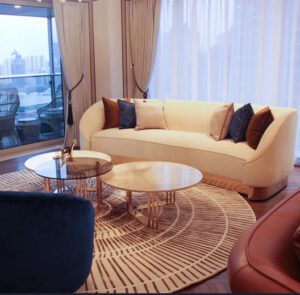
How to Vet a China Furniture Sourcing Agent Before Signing A single curved sofa like this goes through dozens of approvals, including frame, foam, fabric
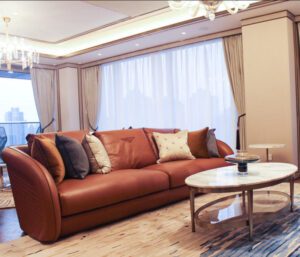
China Furniture Sourcing Agent vs Direct Factory Buying: A Strategic Guide for High-Value Buyers When one project includes 400 hotel rooms, a 20-seat marble dining
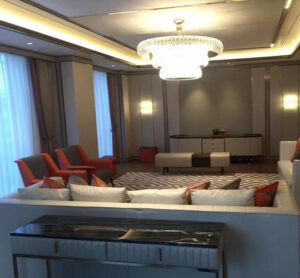
Advanced Tips to Get More from Your China Furniture Sourcing Agent Powerful Strategies for High-Performance Sourcing – Tailored for Elite Buyers, Designers & Operators Your
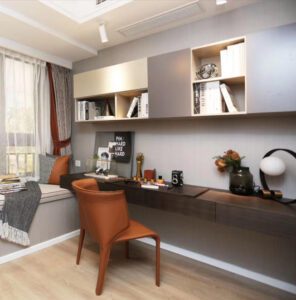
What Wholesale Furniture Suppliers in China Can Offer High-Value Buyers A statement luxury living room — the kind of space that begins with the right

How to Work Better With Your China Furniture Supplier After Ordering A Practical Playbook for High-End Furniture Importers, Interior Designers, FF&E Buyers, Villa Owners, Private