company news

China Furniture Sourcing Agent: Roles for High-End Buyers
China Furniture Sourcing Agent Roles for High-End Buyers What a China Furniture Sourcing Agent Actually Does for High-End Buyers Every finished luxury room sits on

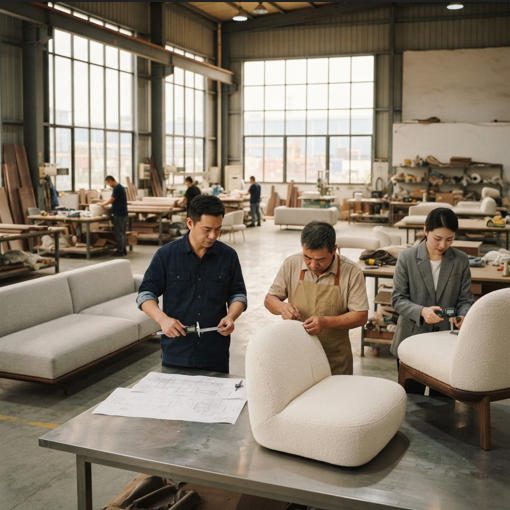
Furniture distributors, agents, showrooms, and interior designers rarely buy on spec sheets alone — they buy on confidence. This guide breaks down how a documentary-style video series, filmed from raw material selection to final delivery, turns skeptical prospects into long-term partners by showing them exactly what happens behind the factory doors.
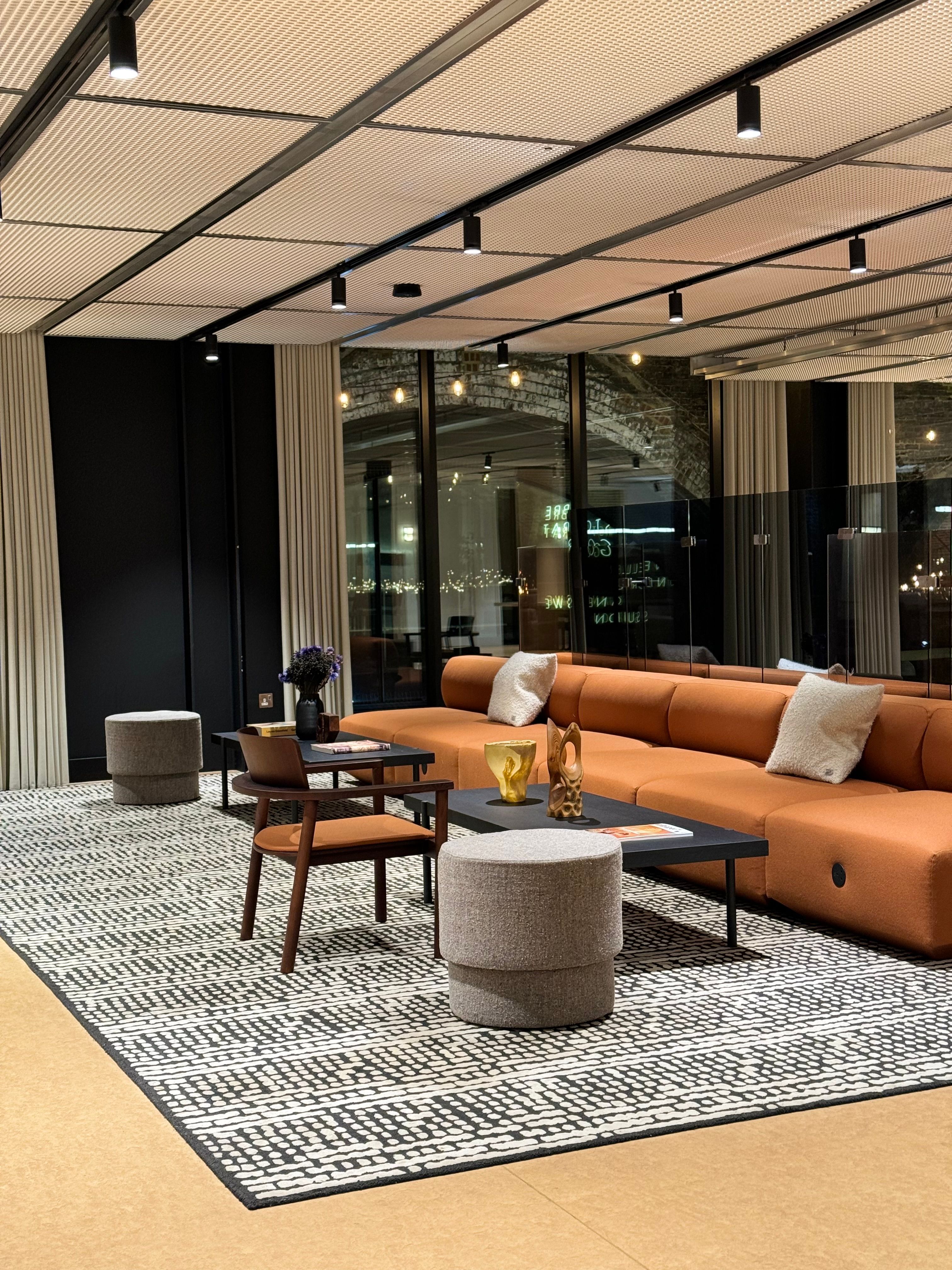 A finished piece only tells half the story — B2B buyers want to see the journey that produced it.
A procurement manager at a 200-room hotel group doesn’t just wonder if a sofa looks good in a rendering. She wonders whether the frame will survive 40,000 sit-and-stand cycles, whether the finish will hold up under commercial cleaning chemicals, and whether the factory can deliver 220 identical units without a single visible color variance. Traditional marketing — glossy catalog photos, generic “premium quality” taglines — cannot answer any of those questions. A documentary can, because it shows the actual process instead of describing it in adjectives.
This matters more in 2026 than it did five years ago. Global furniture buyers have been burned by container-load quality failures, vanished suppliers, and factories that looked reputable in photos but collapsed under real order volume. According to industry surveys on sustainable sourcing, more than half of global furniture buyers now say they specifically evaluate whether a supplier’s sourcing is “traceable and transparent” before committing to a purchase order. That number keeps climbing as B2B buyers apply the same scrutiny to suppliers that consumers apply to retail brands.
Transparency in manufacturing isn’t a marketing trend — it’s a risk-reduction tool. When a distributor can see raw hardwood being graded, joints being cut, and finished pieces being load-tested, the abstract promise of “quality control” becomes a series of concrete, verifiable steps. That shift from claim to evidence is what separates suppliers who close six-figure hospitality contracts from suppliers who get ghosted after the first sample request.
Distributors carry inventory risk. Designers carry reputational risk with their clients. Both groups are, in effect, betting their business relationships on your factory’s consistency. A documentary series reduces that bet by replacing hearsay with footage — showing the same production line, the same QC checkpoints, and the same packing team that will handle their actual order.
Behavioral research on trust formation consistently shows that perceived transparency reduces perceived risk faster than perceived competence alone. In practical terms: a buyer who watches an unscripted 90-second clip of a quality inspector rejecting a flawed table leg trusts that factory more than one who only sees a polished product photo, because the “imperfection moment” signals the process is real and enforced, not staged.
Several mid-size manufacturers in the home goods and apparel sectors have documented measurable lifts in wholesale inquiries after publishing factory transparency content — in some published case data, qualified B2B leads rose by 30–45% within two quarters of launching ongoing behind-the-scenes video content, largely because prospects arrived at the first sales call pre-sold on process credibility rather than needing it explained from scratch.
In a market where dozens of factories offer visually similar sofas and case goods, the manufacturing process is often the only genuinely non-commoditized asset a supplier has. Competitors can copy a design within weeks of a trade show. They cannot copy twenty years of refined production discipline, and they certainly cannot copy it convincingly on camera.
Most furniture sourcing websites look identical: product grids, vague quality statements, a contact form. A documentary series is one of the few formats that lets a brand like JL&C Furniture visually demonstrate two decades of neoclassical and modern furniture manufacturing experience rather than simply stating it, which is a meaningfully different buying signal for procurement teams comparing multiple suppliers.
Every experienced B2B buyer has a mental checklist of failure points: warped veneers, inconsistent stitching, weak joinery, delayed shipments. A well-structured documentary addresses each concern proactively, in the order buyers actually worry about them, rather than waiting for those questions to surface — and possibly kill a deal — during due diligence.
B2B marketers now report video as their top-performing content format for both engagement and lead generation, with roughly three-quarters of B2B marketers actively using video and more than half planning to increase video investment in the year ahead. For furniture manufacturers, the most meaningful metrics are not raw view counts but completion rate, click-through to product pages, and quote-request conversions tied directly to video traffic.
The real ROI shows up in sales-cycle compression. Buyers who arrive at a first call having already watched factory footage tend to ask fewer basic-trust questions and more project-specific questions — finish options, lead times, MOQs — which shortens the path from inquiry to purchase order.
A documentary series without a strategy becomes an expensive vanity project. Before a single camera rolls, successful manufacturers define exactly who they’re filming for, what those viewers need to see, and what business outcome the series is meant to produce.
Distributors are managing risk across volume. They need visual proof that unit #1 and unit #500 in an order are indistinguishable, that lead times hold under full production load, and that the factory has the floor space and workforce to absorb a growing order book without quality drift.
Designers care less about volume and more about flexibility. They want to see how a factory handles a one-off fabric change, a custom dimension request, or a finish match to an existing furniture piece — and how reliably those customizations are delivered on the promised schedule.
A documentary series, hosted consistently over months, functions like a body of published research: each episode adds to a case that the brand knows its craft in depth, not just at the surface level of a single sales pitch.
Objectives should be written down before filming begins — “reduce first-call objections about QC” or “shorten average sales cycle by two weeks” are measurable goals that keep the series focused, rather than a loose collection of pretty factory shots.
In-house teams save money but often lack the cinematography and pacing skills that keep a business audience watching past the first 30 seconds. External production companies bring polish and objectivity but cost more and require more coordination with factory operations. A hybrid model — professional filming crew, in-house coordination and subject-matter access — tends to deliver the best balance for mid-size manufacturers.
A realistic multi-episode series runs four to six months from concept to full launch: roughly four weeks of planning, six to eight weeks of filming across production stages, and another twelve to sixteen weeks combined for editing and staged release.
 Precision cutting equipment paired with hands-on craftsmanship — the combination B2B buyers want to see documented, not just described.
Quality control that only happens at the final inspection stage is quality control that starts too late. Footage of moisture-meter checks on kiln-dried hardwood, or grading sessions that reject boards with hidden knots, shows buyers that defects are filtered out before they can ever become finished-product problems.
Chain-of-custody documentation for responsibly sourced timber, verified through frameworks such as Forest Stewardship Council (FSC) certification, is increasingly a procurement requirement rather than a nice-to-have for hospitality and commercial projects with sustainability mandates. Filming the paper trail — not just the trees — gives designers something concrete to cite to their own clients.
A fifteen-second clip of a veteran upholsterer hand-tacking a tufted headboard communicates decades of accumulated skill faster than any paragraph of marketing copy could. Naming these craftspeople on screen — not treating them as anonymous factory labor — also humanizes the brand for viewers who are used to faceless supplier relationships.
The most credible factory documentaries show both ends of the spectrum: CNC-precision cutting for dimensional consistency, alongside hand-finishing techniques — hand-rubbed lacquer, hand-tied leather stitching — for the details that machines can’t replicate.
A single continuous walk-through, following one piece of furniture from raw material to finished product with a checkpoint stamp at each stage, is one of the most persuasive documentary formats available because it makes the entire QC chain visible in one shot rather than fragmented across separate scenes.
For distributors specifically, footage of a 300-unit production run with side-by-side comparison of units from the start, middle, and end of the batch directly answers the “will they all match” question that drives most bulk-order anxiety.
Commercial furniture — especially hospitality seating and case goods — is expected to meet recognized durability benchmarks such as the ANSI/BIFMA testing standards, which evaluate load capacity, cycle durability, and structural safety for contract-grade furniture. Filming an actual load test or cycle test, with the standard named on screen, turns an abstract compliance claim into visible proof.
Footage of finish-abrasion tests, fabric rub-count testing, or leather flex tests shows the difference between furniture built for a showroom photo and furniture built for a decade of daily hotel guest use.
Glossary: First-Article Inspection (FAI) — a formal check performed on the very first unit produced from a new order or tooling setup, verifying that dimensions, materials, and finish exactly match the approved sample before the rest of the production run is authorized to proceed.
Documenting an FAI on camera — including the moment a factory holds full production until a sample discrepancy is corrected — is one of the strongest trust signals a documentary can include, because it shows the factory is willing to slow down rather than ship a flawed run.
A pre-shipment audit, ideally referencing an Acceptable Quality Limit (AQL) sampling method, gives statistically grounded assurance that an entire shipment meets specification, not just the units an inspector happened to glance at.
Serial numbers or batch codes stamped on the underside of furniture pieces allow a distributor to trace any future warranty claim back to the exact production run, material batch, and inspection record — a level of accountability that most low-cost suppliers simply don’t offer.
Digitized inspection records, tied to those batch numbers, mean warranty disputes get resolved with data rather than back-and-forth guesswork — a detail that matters enormously to procurement teams managing multi-year hospitality contracts.
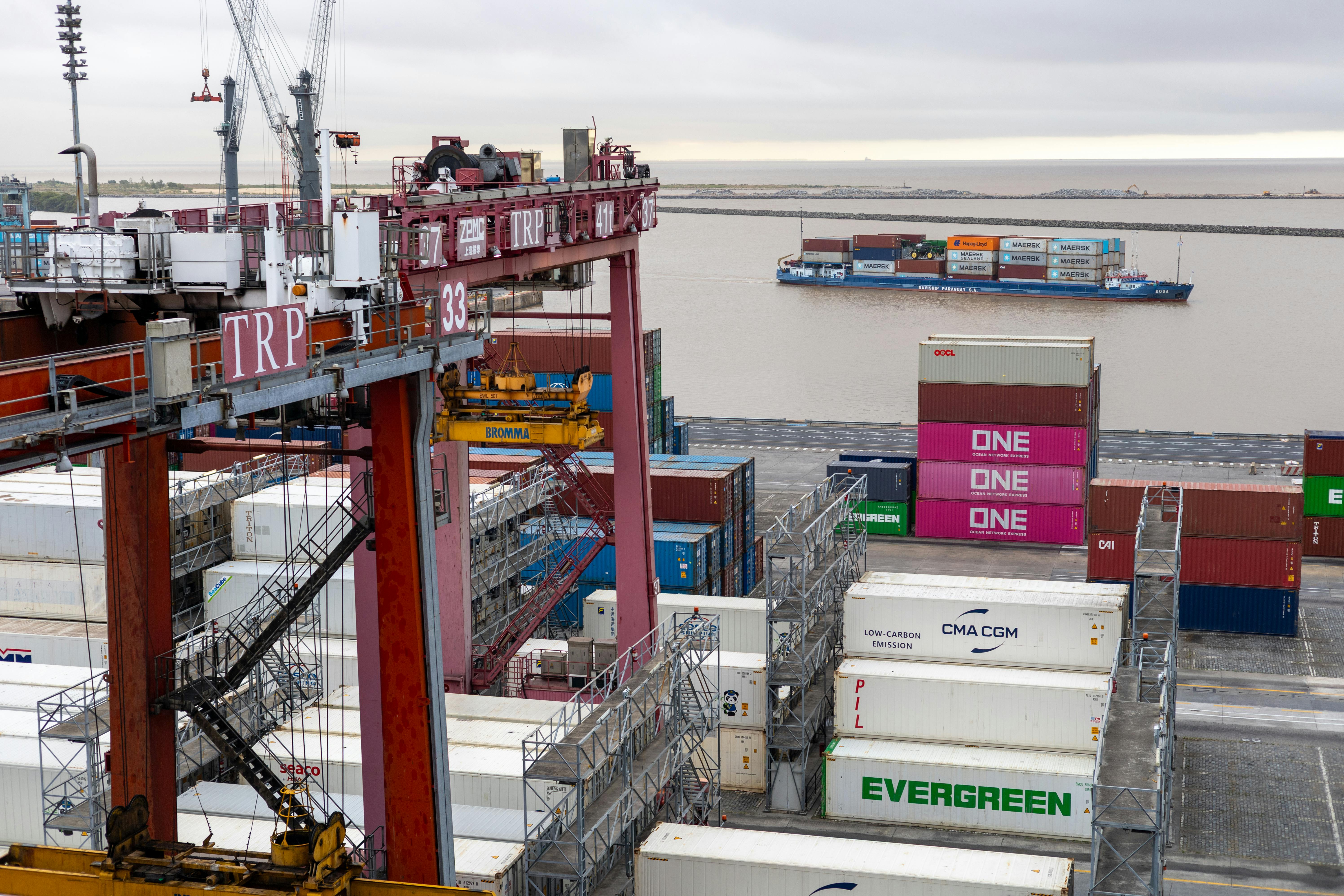 International shipping is where good furniture most often gets damaged — documenting the packaging process removes that anxiety before the order ships.
Corner protectors, foam-wrapped edges, and custom crating for marble tabletops or long dining tables aren’t just cost line items — they’re the difference between a container that arrives ready to sell and one that arrives with a claims dispute. Showing the exact packing method used for a specific product category gives designers confidence before they specify that product for a client project.
Recyclable packing materials and reduced single-use plastic in crating are increasingly requested by European and North American distributors responding to their own retail clients’ sustainability commitments, making eco-conscious packaging a genuine competitive differentiator worth filming.
A clean, organized warehouse with labeled zones by product category signals operational maturity — a chaotic warehouse, even with good products, raises doubts about whether an order will be picked, packed, and shipped correctly.
Screen-recorded footage of an order-tracking dashboard, showing a distributor exactly where their shipment sits in the production and logistics pipeline, is a small feature that carries outsized weight in reducing the “black box” anxiety of overseas sourcing.
Naming actual freight partners and showing the loading process at the port builds confidence that the factory has vetted its logistics chain as carefully as its production line.
A brief segment on export documentation and customs coordination reassures first-time importers who are often more worried about customs delays than about the furniture itself.
For hospitality projects especially, showing a coordinated installation team assembling and placing furniture on-site — rather than simply dropping boxes at a loading dock — demonstrates a level of service that many overseas suppliers simply don’t offer.
A short segment on final-mile handling protocols — soft-corner dollies, protective floor covering during installation — closes the loop on the packaging story shown earlier in the series.
Providing clients with a simple, documented inspection checklist at delivery — rather than leaving quality verification informal — shows respect for the buyer’s own accountability to their end customer.
Documenting the actual escalation process for a damaged-in-transit item — who to contact, expected response time, resolution options — turns a potential complaint scenario into a demonstrated strength.
Showing how client feedback from a previous project actually changed a packing method or a production step demonstrates that the relationship doesn’t end at delivery — it evolves.
A completed hotel lobby or a finished villa project, filmed with the client’s permission, becomes both a documentary episode and a standalone case study asset for future sales conversations.
Factory environments are visually challenging — mixed lighting, ambient machine noise, reflective surfaces. Professional-grade audio (lapel mics, not on-camera mics) and supplemental lighting kits are non-negotiable; poor audio quality undermines credibility faster than imperfect visuals.
Business viewers respond best to a clear problem-process-proof structure: state the buyer concern up front (“How do we know every chair in a 200-unit order will match?”), show the process that addresses it, then show the verification step that proves it worked.
Putting names and faces to the roles responsible for consistency — not just the sales team — reassures buyers that quality ownership sits with specific, accountable people inside the factory.
A 30-second interview clip with a quality director explaining, in their own words, why a particular defect gets rejected carries more weight than any narrated voiceover could.
Physically showing a framed ISO 9001:2015 quality management certificate on the factory wall, rather than just listing it in text, gives skeptical viewers a verifiable anchor point they can look up independently.
Referencing recognized safety frameworks such as U.S. Consumer Product Safety Commission (CPSC) guidance for applicable product categories reinforces that compliance isn’t self-declared — it’s benchmarked against external standards.
LinkedIn remains the dominant channel for B2B video distribution, and recent platform data shows video watch time on the network growing well ahead of other content formats, with short-form video creation expanding at roughly twice the rate of long-form. That makes LinkedIn the natural primary channel for episode teasers and highlight clips.
Embedding a relevant episode clip directly into a segmented email campaign — one version for distributors emphasizing scale, one for designers emphasizing customization — performs better than a single generic newsletter blast.
A modular content library — three-minute clips organized by topic (materials, QC, packaging, delivery) — lets a sales rep pull exactly the right proof point for whatever objection comes up in a specific conversation.
Short-form clips embedded directly on relevant product pages, such as a custom furniture manufacturing overview, give website visitors immediate visual proof without needing to leave the page they’re already evaluating.
Looping factory-floor footage on a booth screen at events like the major international furniture fairs gives trade show visitors something more substantial to engage with than a printed catalog while they wait to speak with a sales rep.
A QR code linking directly to a specific episode — say, the quality inspection segment — lets interested visitors self-select the content most relevant to their concerns on the spot.
Below is a simplified way to visualize where documentary content typically drives measurable value across a B2B furniture sales funnel:
Where Documentary Content Drives the Most Measurable Impact
| Funnel Stage | Relative Impact |
|---|---|
| Initial Awareness / First Contact | ██████░░░░ 60% |
| Trust-Building Before First Call | █████████░ 90% |
| Objection Handling Mid-Sales-Cycle | ████████░░ 80% |
| Final Purchase Decision | ██████░░░░ 65% |
| Post-Sale Relationship Reinforcement | ███████░░░ 70% |
The data pattern above reflects a consistent trend across B2B video case studies: documentary content contributes most heavily before the first live sales conversation, meaning its biggest ROI often shows up as a shorter, easier sales cycle rather than a spike in raw traffic.
Completion rate matters more than view count for business content — a video watched to 80% completion signals genuine evaluation interest, while a high view count with low completion often just reflects autoplay traffic.
A short post-sale survey question — “Did our factory content influence your decision to work with us?” — provides direct attribution data that’s otherwise hard to isolate from other marketing touchpoints.
If distributor viewers consistently drop off during a segment about design customization, that’s a signal to shorten or restructure that content in future episodes rather than assuming the whole format failed.
A documentary series filmed once and never updated eventually becomes a liability — outdated equipment or old certifications visible on screen can undercut the very credibility the series was built to establish.
Once a core series is established, spin-off episodes targeting specific verticals — hospitality case goods, restaurant seating, custom residential upholstery — let the content library serve increasingly specific buyer segments.
Transparency about process doesn’t require disclosing proprietary formulas, exact finish recipes, or supplier pricing. The goal is to show that quality control exists and works, not to publish a manufacturing manual a competitor could copy.
A simple internal rule works well: show anything that builds buyer confidence in consistency and safety; withhold anything that would only help a competitor replicate a specific technical advantage.
Filming during shift changes or planned lower-capacity periods, coordinated in advance with production managers, avoids the common mistake of disrupting live orders in progress just to get a shot.
A single production point-of-contact inside the factory — rather than the film crew coordinating separately with sourcing, QC, and warehouse teams — dramatically reduces scheduling friction.
Overly scripted dialogue and stock-photo-style staging undermine the entire premise of a “day-in-the-life” format. Slight imperfection — a worker glancing at the camera, an unscripted comment — actually increases credibility rather than reducing it.
A light structural script (what topics each segment covers) combined with unscripted dialogue from actual staff strikes the right balance between professional pacing and documentary authenticity.
To see how this format plays out in practice, this factory tour documentary offers a useful reference point for the pacing, camera work, and process sequencing that resonates with B2B viewers:
THIS Is How Furniture Is MADE (furniture factory tour and inside look)
Note how the video sequences raw material handling, cutting, assembly, and finishing in a single continuous narrative — the same problem-process-proof structure recommended earlier in this guide.
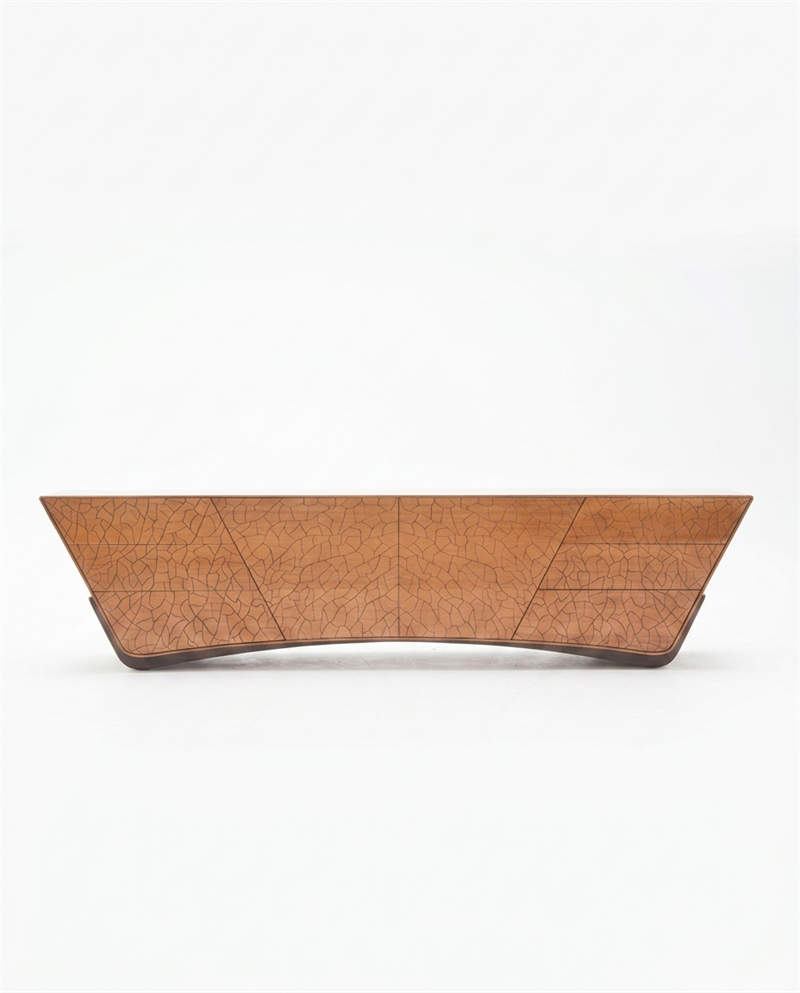
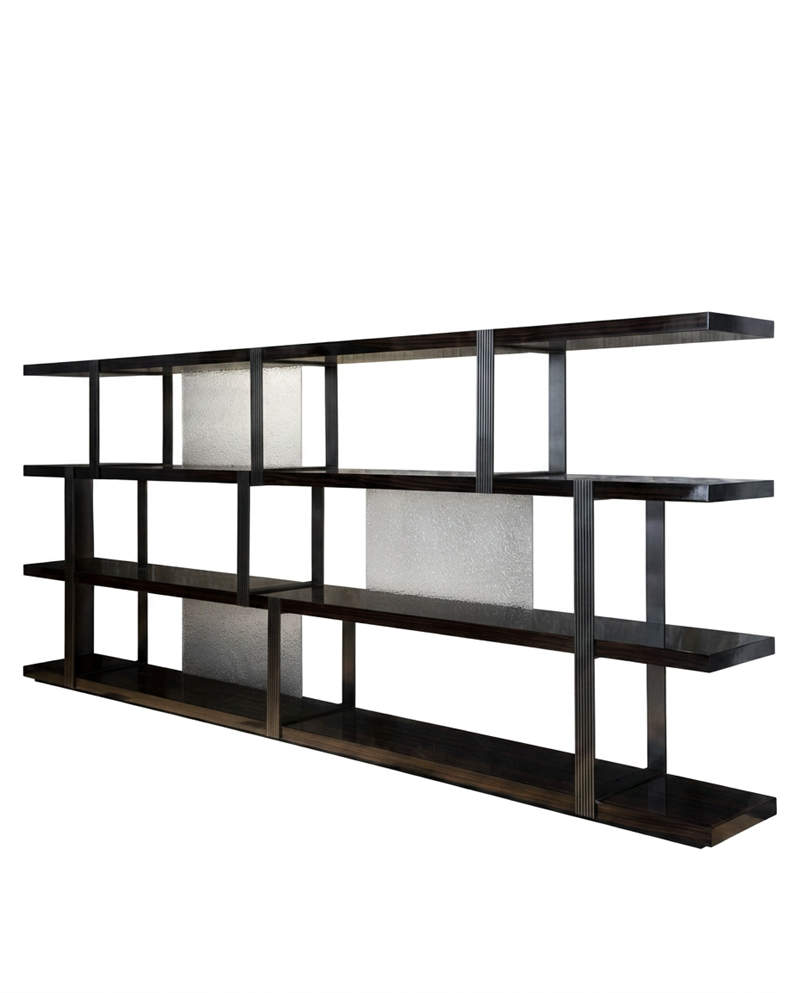
At its core, this entire content strategy exists to support one outcome: giving B2B buyers enough confidence in your process that they’re comfortable specifying your furniture for a real client project. Whether the end use is a luxury villa bedroom set, a restaurant dining chair program, a hospitality buffet and sideboard collection, or an executive office fit-out, the documentary series should ultimately connect every process shown back to the finished, specified product a designer or distributor can actually order.
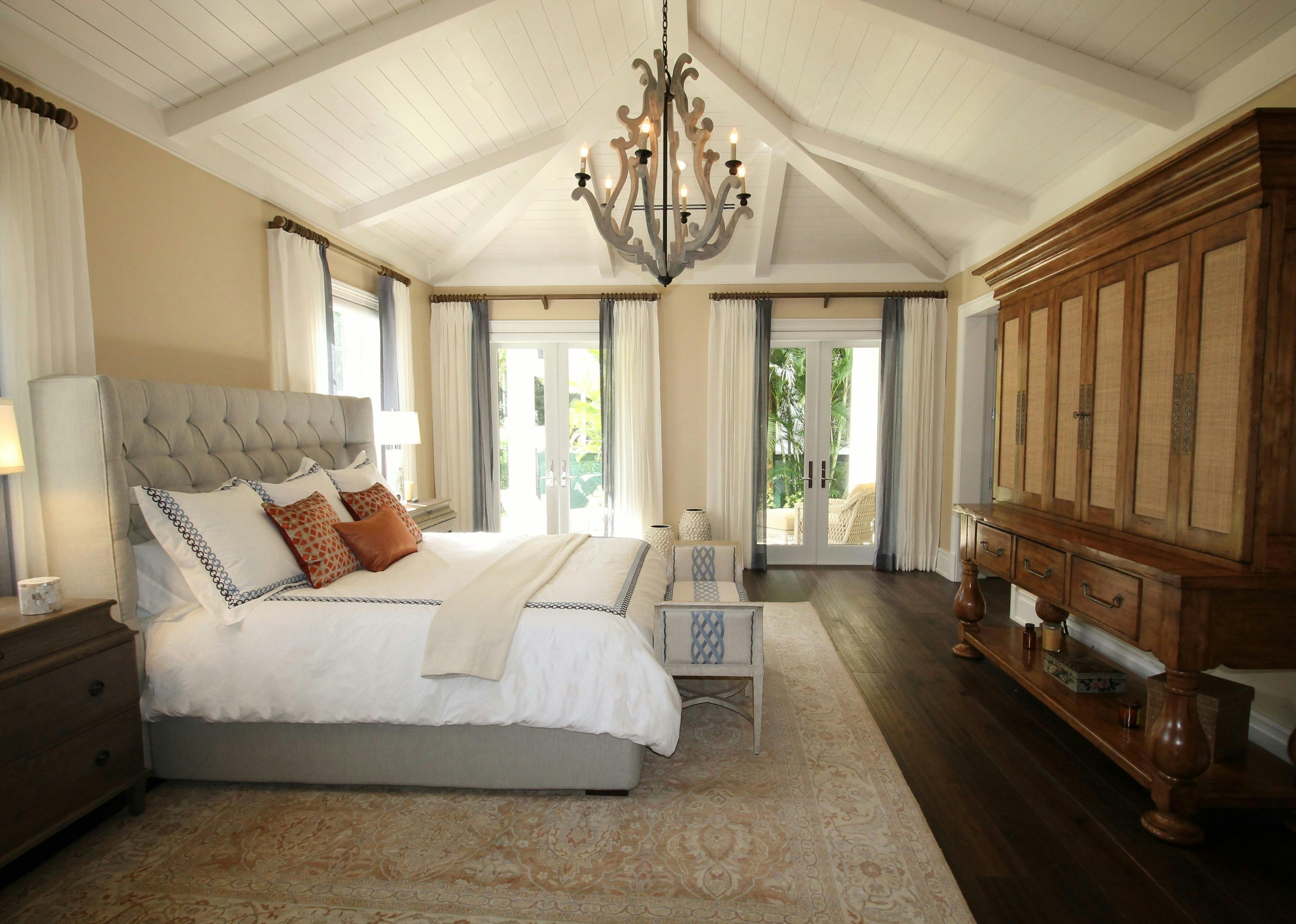 The finished piece a client sees is the payoff of every process step documented earlier in the series.
Q1: Why should B2B furniture companies invest in documentary-style content when traditional marketing works? Documentary content builds trust at a deeper level than traditional marketing. For B2B buyers making significant purchasing commitments, seeing authentic behind-the-scenes processes reduces perceived risk and creates confidence in product quality and business practices.
Q2: How long should each episode be to maintain engagement with busy B2B decision-makers? Optimal length is 8–15 minutes for full episodes and 2–4 minutes for short-form content. B2B professionals appreciate concise storytelling; longer episodes can be segmented into chapters for flexible viewing.
Q3: What is the typical timeline from concept to launching a full documentary series? Plan for four to six months for a professional six-to-eight episode series: planning (four weeks), filming (six to eight weeks), editing (eight to ten weeks), and post-production (four to six weeks).
Q4: Can we film the documentary series without disrupting our regular manufacturing operations? Yes. Coordinate with production teams during lower-capacity periods, schedule shoots during shift changes, and work with experienced crews who understand factory environments and safety protocols.
Q5: How do we protect proprietary manufacturing techniques while still being transparent? Focus on showing quality standards, materials, craftsmanship, and testing processes rather than specific technical specifications. Highlight what makes you trustworthy rather than revealing exact methods.
Q6: Should we hire an external production company or produce the documentary in-house? External production companies bring professional quality, objectivity, and storytelling expertise. In-house production saves costs but may lack the polish that impresses B2B decision-makers. A hybrid approach — hiring professionals for filming while your team handles coordination — often works best.
Q7: What equipment and crew do we need for professional documentary production? Minimum requirements are a 4K camera, professional audio equipment, lighting kits, and a crew of three to five (director, cinematographer, audio technician, producer). Professional production typically costs $5,000–$15,000 per episode depending on scope.
Q8: How do we make factory floor footage visually engaging for audiences used to polished commercial content? Use varied camera angles, dynamic lighting, close-ups of details, time-lapse sequences, and thoughtful editing. Authentic environments become compelling when filmed with cinematic techniques and paired with professional sound design and narration.
Q9: Can we feature customer testimonials and installation footage in the series? Absolutely. Including real B2B client stories and installation footage adds credibility and shows the complete journey from factory to successful implementation. This resonates powerfully with potential new clients.
Q10: What role should company leadership play in the documentary? Leadership can provide valuable context about company values, quality philosophy, and commitment to clients. Keep appearances authentic and purposeful — brief, meaningful moments are more effective than lengthy executive interviews.
Q11: Which platforms are best for distributing B2B documentary content? LinkedIn (primary for B2B reach), your company website, YouTube, email marketing campaigns, and industry-specific platforms. Create platform-specific versions — longer for YouTube, short clips for LinkedIn, embedded on your website.
Q12: How should we incorporate the documentary into our sales process? Use it as a pre-meeting resource (send links to prospects), during presentations (show relevant clips), and as a post-meeting follow-up. Create a dedicated landing page where prospects can watch the full series and request more information.
Q13: What’s the best way to measure if the documentary is actually driving B2B sales and partnerships? Track metrics including video views, click-through rates, lead generation, time-to-conversion for viewers versus non-viewers, and qualitative feedback from sales teams. Survey new clients about what influenced their decision to partner with you.
Q14: How do we update the documentary series as our processes evolve? Plan for annual refreshes or special episodes highlighting new technologies, expanded capabilities, or improved processes. This keeps content current and shows continuous improvement to existing and potential partners.
Q15: Can we create specialized versions of the documentary for different customer segments (distributors vs. designers vs. showrooms)? Yes. Create a core series, then produce specialized three-to-five-minute clips emphasizing elements most relevant to each audience — scalability and bulk pricing for distributors, customization and timelines for designers, and retail appeal for showrooms.
Q16: How does documentary content compare to other B2B marketing strategies in terms of ROI? Documentary content typically generates two-to-three times higher engagement than traditional marketing materials and significantly improves conversion rates once prospects watch it. The investment pays off through longer customer relationships and reduced sales-cycle friction.
Q17: What if competitors copy our documentary approach? Authenticity is difficult to replicate. Your unique story, team, facilities, and processes can’t be copied. Focus on being genuinely transparent and continuously improving, which will keep you ahead of competitors attempting to follow your model.
Q18: How do we handle negative feedback or criticism about our manufacturing processes? Address concerns transparently in the documentary or follow-up content. If criticism is valid, use it as an opportunity to explain improvements you’re making. This honesty strengthens rather than weakens trust with B2B partners.
Q19: Should the documentary focus more on the product or the people making it? Balance both. B2B buyers care about product quality — materials, testing, consistency — but also about the people and culture behind it: expertise, commitment, reliability. The best documentaries show how skilled people create excellent products.
Q20: What’s the ideal frequency for releasing new episodes in a documentary series? Release one to two episodes monthly to maintain momentum without overwhelming your audience. This allows time for promotion and engagement between episodes while keeping the series fresh in prospects’ minds.
Documentary storytelling isn’t just about showing your factory — it’s about proving your commitment to excellence, transparency, and partnership. For B2B furniture professionals evaluating suppliers, a well-executed day-in-the-life series answers critical questions before they’re asked, builds confidence in your capabilities, and establishes you as a trustworthy long-term partner.
By documenting every stage from factory floor to final delivery, a manufacturer isn’t just marketing a product — it’s inviting B2B clients into its world, demonstrating the care, precision, and professionalism behind every piece. In an industry where trust and reliability are paramount, this transparency becomes the most durable competitive advantage a supplier can build.
Ready to launch a documentary series and change how B2B clients perceive your brand? Start by auditing current manufacturing processes to identify the most compelling stories worth telling. Schedule a consultation with a production team experienced in B2B documentary work, develop an episode outline, and commit to six months of dedicated production. A first episode could realistically launch within 90 days — ready to change how distributors, designers, and showrooms evaluate a furniture partner.
Furniture professionals looking for a manufacturing partner that already operates with this level of process discipline can start a project conversation with JL&C Furniture or explore current dining and living collections built under the same quality standards described throughout this guide.
The question isn’t whether a furniture brand can afford to create this kind of content — it’s whether it can afford not to, as competitors discover the power of transparent storytelling first.

China Furniture Sourcing Agent Roles for High-End Buyers What a China Furniture Sourcing Agent Actually Does for High-End Buyers Every finished luxury room sits on
How to Vet a China Furniture Sourcing Agent Before Signing A single curved sofa like this goes through dozens of approvals, including frame, foam, fabric
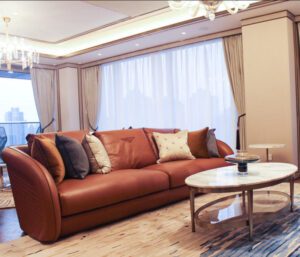
China Furniture Sourcing Agent vs Direct Factory Buying: A Strategic Guide for High-Value Buyers When one project includes 400 hotel rooms, a 20-seat marble dining
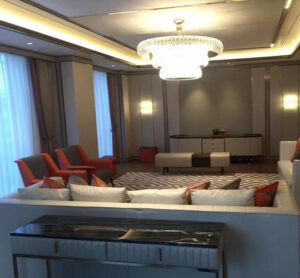
Advanced Tips to Get More from Your China Furniture Sourcing Agent Powerful Strategies for High-Performance Sourcing – Tailored for Elite Buyers, Designers & Operators Your
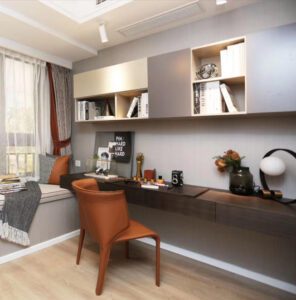
What Wholesale Furniture Suppliers in China Can Offer High-Value Buyers A statement luxury living room — the kind of space that begins with the right
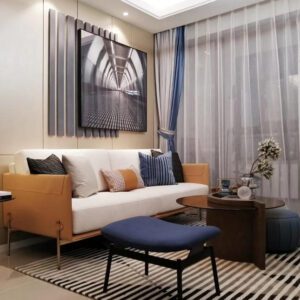
How to Work Better With Your China Furniture Supplier After Ordering A Practical Playbook for High-End Furniture Importers, Interior Designers, FF&E Buyers, Villa Owners, Private