
company news

China Furniture Sourcing Agent: Roles for High-End Buyers
China Furniture Sourcing Agent Roles for High-End Buyers What a China Furniture Sourcing Agent Actually Does for High-End Buyers Every finished luxury room sits on


Navigate tariff uncertainty with confidence. This guide equips furniture distributors, agents, showrooms, and interior designers with practical strategies to optimize sourcing, manage costs, and protect margins in 2026’s volatile trade environment.

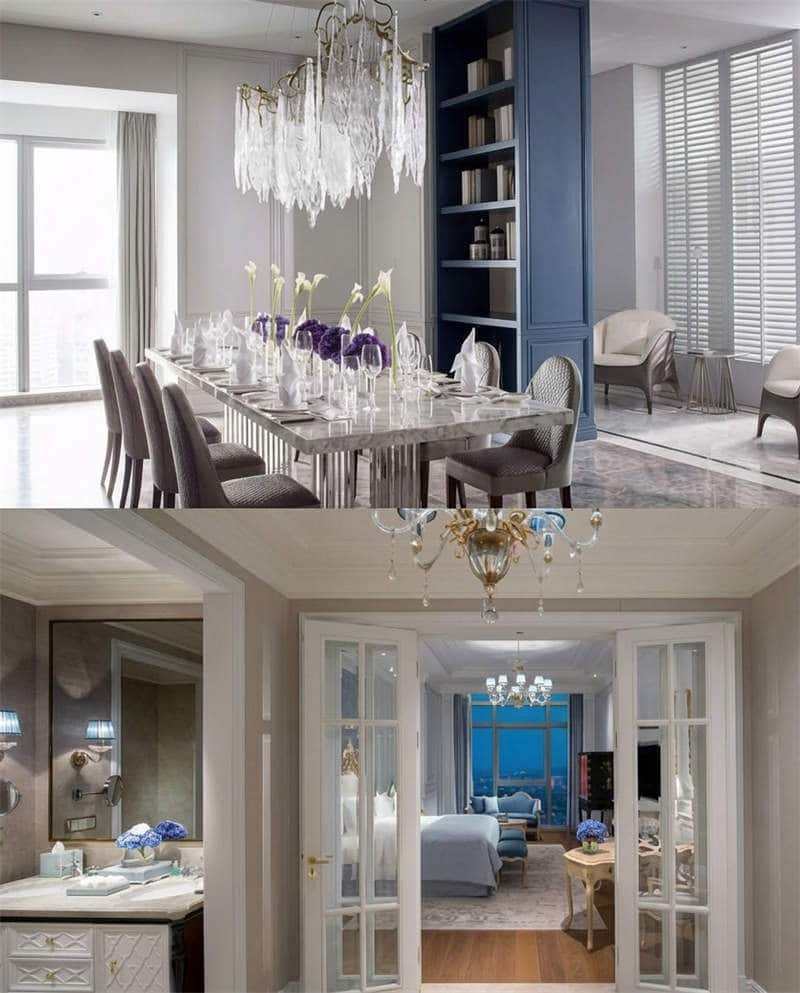
A high-end showroom vignette — the kind of premium presentation distributors must keep profitable despite tariff pressure.
If you import furniture into the United States, the last 18 months have felt like trying to read a map while someone keeps redrawing the borders. A tariff — a government tax applied to imported goods — used to be a predictable line item. In 2026, it’s the single biggest variable in your cost model.
Here’s the reality on the ground: in February 2026, the U.S. Supreme Court struck down the administration’s broad “reciprocal” tariffs, yet the Section 232 duties specific to furniture (a national-security trade tool that targets particular product categories) stayed firmly in place at around 25%. As Peter Theran, CEO of the Home Furnishings Association, put it bluntly: “The No. 1 driver of the difficulty of managing your business is unpredictability.”
That unpredictability has teeth. Over the past year, at least eleven furniture businesses filed for bankruptcy, including American Signature Furniture — parent of Value City — after nearly 80 years in business. Smaller players without deep sourcing teams have been hit hardest.
But here’s the part that doesn’t make headlines: the same disruption that bankrupted under-prepared importers has handed disciplined operators a market-share opportunity. RH, Williams-Sonoma, and Wayfair all grew sales and margins through 2025 despite higher import costs. The difference wasn’t luck — it was sourcing discipline.
This guide is built for that discipline.
The defining feature of 2026 isn’t a single tariff rate — it’s the layering of overlapping policies. Country-specific duties rise, get challenged in court, and sometimes vanish, while category-specific Section 232 furniture tariffs grind on independently.
The headline numbers you need to anchor on:
| Furniture Category | HTS Reference | Current 2026 Tariff | Scheduled Change |
|---|---|---|---|
| Upholstered wooden furniture | 9401.61 / 9403.x | ~25% | Rises to 30% on Jan 1, 2027 (delayed from Jan 2026) |
| Kitchen cabinets & vanities | 9403.40 / 9403.60 | ~25% | Rises to 50% on Jan 1, 2027 (delayed) |
| Softwood timber & lumber | 4407.x | ~10% | In effect since Oct 14, 2025 |
| General furniture (Ch. 94, various origins) | 9401–9403 | 0%–25% | Varies by country of origin |
| Furniture from China | Ch. 94 | High end of range (peaked at 145% on some lines in 2025) | Volatile |
| Furniture from Vietnam | Ch. 94 | ~15%–20% | Relatively stable |
💡 Glossary — HTS code: The Harmonized Tariff Schedule code is the numeric classification (e.g.,
9401.61) that customs uses to decide which duty rate applies. Getting this number right is one of your most powerful — and most overlooked — cost levers.
The crucial 2026 insight: the 50% cabinet tariff and 30% upholstered-furniture tariff were postponed to 2027, not cancelled. That delay is a planning window, not a reprieve. Smart distributors are treating late 2026 as the last predictable buying season before the next escalation.
The pressure is uneven across your catalog:
China remains the largest furniture origin but carries the heaviest premium and the most volatility. Vietnam has become the default pivot — typically 5–15 percentage points lower than China — with genuine strength in upholstered and modular goods, though it still depends on Chinese raw materials and components.
European sourcing functions as a quality-driven mitigation play for premium lines, while a manufacturer like JL&C Furniture — a Shanghai-based maker of high-end neoclassical and modern pieces for homes, hotels, and commercial interiors — illustrates a third path: sourcing where craftsmanship justifies the landed cost rather than chasing the lowest sticker price. For a sense of that catalog depth, their bespoke dining chair collection shows how custom programs can absorb tariff math through differentiation rather than discounting.
The most common — and most expensive — mistake is treating the tariff as the only added cost. Landed cost (the full delivered cost of a product before markup) is built from layers:
Landed Cost = Base Product Cost + Ocean/Air Freight + Duties (Tariff) + Customs Brokerage + Compliance Fees + Inland Logistics + Insurance
Here’s how those layers typically stack on a sofa with a $1,000 FOB price under a 25% tariff:
Base FOB cost ............... $1,000  (54%)
Tariff @ 25% ...............    $250  (14%)
Ocean freight ..............    $180  (10%)
Customs & brokerage ........     $90  ( 5%)
Inland + warehousing .......    $230  (12%)
Compliance/testing .........     $90  ( 5%)
                            ----------
True landed cost ...........  $1,840
The tariff is only 14% of the landed total here — but it’s the line most volatile to policy. Build scenario models at 10%, 25%, and 50% for every high-volume SKU so you can see margin compression before it hits your P&L.
Margin compression is simply your gross margin shrinking as costs rise faster than your prices. Joseph Cozza of East Coast Innovators told CNBC he had to raise prices 15%–18% to offset tariffs — and demand slid over the holidays as a result. That’s the trap: pass through too much and you lose volume; absorb too much and you lose the business.
The discipline is to identify which product lines stay viable, protect gross margins through smarter origin selection, and respect the price elasticity (how sensitive your buyers are to price changes) of your specific B2B base. Designers specifying for luxury hospitality projects tolerate price movement far better than volume retail buyers.
You don’t need your competitor’s invoices to estimate their cost structure — you need their origin mix. If a rival sources 80% from China and you’ve diversified to Vietnam and domestic, your landed-cost advantage on comparable SKUs can run double digits. That’s pricing room you can deploy strategically.
With the 30% and 50% increases sitting on a confirmed January 1, 2027 trigger, 2026 is effectively a countdown. The play is to identify critical decision dates, then concentrate bulk purchasing on the highest-risk categories — upholstered wood goods and cabinets — before the step-up.
A word of caution backed by the data: pre-buying only protects margin if the inventory moves. Slow-moving stock generates carrying costs (storage, capital, obsolescence) that can quietly erase the tariff saving. Map your warehouse capacity to your sell-through velocity before you commit.

Inventory strategy is now a tariff strategy — balancing carrying cost against duty exposure.
Balance inventory cost against tariff risk by segmenting SKUs into fast/medium/slow tiers and pre-buying aggressively only in the fast tier. B2B furniture demand also follows seasonal rhythms — hospitality refurbishment cycles, showroom market weeks, and designer project timelines — so align safety-stock levels with those patterns rather than a flat reorder point.
Three negotiation moves carry outsized value in 2026: lock-in pricing before scheduled increases, flexible payment terms to ease the cash-flow squeeze of larger pre-buys, and supplier diversification so no single origin can hold your catalog hostage to one government’s policy.
💡 Glossary — Nearshoring: Moving production to a country geographically close to your market (e.g., Mexico for U.S. buyers) to cut lead times and, often, tariff exposure.
Diversification is worthless if quality wobbles. Anchor your evaluation to recognized standards:
Multi-source your critical categories — not your entire catalog. Concentrate volume enough to keep economies of scale and MOQs workable across two or three partners rather than fragmenting into a dozen weak relationships you can’t manage.
The strongest defensive move is also offensive: tilt your assortment toward classifications that carry lower rates. RTA and modular systems, certain domestically finished pieces, and tariff-exempt product classifications become disproportionately profitable when neighboring categories absorb 25%–50%.
Run every high-tariff SKU through the 2027 scenario. A case good carrying a viable 8% margin today may go underwater at 50%. Some items deserve strategic discontinuation; others deserve repositioning upward — a premium buffet or luxury sideboard sold into a high-end design project can carry the tariff inside a price the client accepts because the value story is clear.
Differentiation is the cleanest tariff hedge there is. Negotiating exclusive regional distribution rights, co-developing products engineered for favorable classification, and offering pieces no competitor carries all let you compete on value instead of price. A custom wardrobe and armoire program built around bespoke finishes is far harder to price-shop than a commodity dresser.
Long-term contracts written before 2025 generally never imagined 25%–50% swings. Rebuild them with tariff escalation clauses (price-adjustment language tied to official rate changes), force majeure provisions that explicitly name trade-policy shifts, and defined mechanisms so neither party absorbs the full shock unilaterally.
This is where money hides. Two visually similar products can land in different HTS codes with materially different rates. Work with a customs broker to verify classification, document your reasoning, and — for high-value or ambiguous items — request a binding classification ruling from customs rather than guessing.
⚠️ Industry insight: Misclassification cuts both ways. Under-paying invites penalties and back-duties; over-classifying quietly overpays on every shipment. A periodic third-party HTS audit on your top 50 SKUs often pays for itself in a single quarter.
Maintain clean audit trails for every tariff calculation, standardize import documentation, and treat compliance as protection — not paperwork. In an enforcement-heavy environment, the importer of record carries the liability.
Pre-tariff buying and higher duties both inflate working-capital needs. The levers: negotiate extended payment terms with suppliers, open inventory-financing lines, and explore supply-chain financing (third-party funding that pays your supplier early while extending your own payment window).
Watch how the disciplined public players did it — RH and Williams-Sonoma grew margins through 2025 not by blunt price hikes but by tiered pricing, transparent client communication, and bundled value-added services that justified adjustments. Mirror that: segment pricing by tariff exposure and lead with value, not apology.
For international sourcing, currency hedging and forward contracting can lock in costs against both FX and duty swings. Build an explicit tariff contingency reserve into 2026 projections — treating the next policy surprise as a when, not an if.
Interior designers and hospitality specifiers don’t fear cost increases nearly as much as they fear surprises that blow up a project budget mid-stream. Give them transparent breakdowns: base cost, tariff component, total landed cost. Offer alternative origins proactively.
Set a communication protocol: advance notice of potential adjustments, a single point of contact, and consistent honesty even when the news is bad. Trust built during volatility is what converts a transactional buyer into a multi-year account.
Reposition yourself from vendor to tariff-savvy sourcing partner. Offering a tariff-impact assessment on a designer’s project specification — showing them how to hit their budget by swapping a 50%-exposed cabinet line for a lower-rate alternative — is the kind of value no online catalog can replicate.
Spreadsheets break under 2026’s complexity. Real-time landed-cost calculators that update with rate changes, supplier-performance dashboards, and tariff-cost tracking software turn reactive scrambling into proactive planning.
Trade-policy tracking platforms and rate alerts let you model an announcement’s impact before competitors finish reading the headline. Pair these with demand-forecasting analytics so inventory decisions reflect both demand and duty risk.
Automated HTS classification tools, digital audit trails, and ERP integration reduce both error and labor — critical when documentation mistakes carry financial penalties.
Here’s a clear walkthrough of how the Section 232 wood-furniture tariffs actually work for importers:

▶ “Section 232 Wood Tariffs Explained: Furniture and Cabinet Import Compliance” — practical guidance on classification and cost-saving strategies.
The lesson of the Supreme Court reversal is that any outcome is possible — including refunds and entirely new mechanisms. Build contingency plans for the realistic range, stress-test your model under each, and keep flexibility written into long-term contracts.

Hybrid sourcing — pairing global craftsmanship with regional speed — is becoming the resilient default.
Evaluate the genuine business case for local and near-shore production, support emerging domestic manufacturers where the math works, and lean into hybrid models that combine global craftsmanship with regional responsiveness rather than betting everything on one geography.
Resilience isn’t a single supplier or country — it’s an architecture. Sustainable relationships across multiple regions, differentiated offerings, and disciplined cost intelligence position you to win regardless of which way the next proclamation breaks.
A simple comparison of where a $1,000 FOB sofa lands, before markup, across common 2026 origins:
| Sourcing Origin | Est. Tariff | Approx. Landed Cost | Relative Position |
|---|---|---|---|
| China | 25%+ | $1,840+ | 🔴 Highest exposure |
| Vietnam | ~15% | $1,690 | 🟡 Mid — strong default pivot |
| Mexico (USMCA-qualifying) | ~0% | $1,520 | 🟢 Lowest duty, higher base cost |
| Premium / differentiated (e.g., custom programs) | 25% | $2,400+ | 🟢 Margin defended by value, not price |
Figures are illustrative and exclude project-specific freight, MOQs, and FX. Always model your own SKUs.
The 2026 tariff landscape is genuinely difficult — but difficulty is not the same as paralysis. The importers thriving right now aren’t the ones who guessed the policy correctly; they’re the ones who built systems flexible enough to absorb being wrong.
Your success comes down to three actions you can start this week: an immediate assessment of your current tariff exposure by SKU, strategic diversification of your supplier base before the 2027 step-up, and transparent communication with clients that turns uncertainty into trust.
Organizations that move with data and discipline won’t just survive 2026 — they’ll take share from the ones still hoping the map stops changing.
1. How do I calculate the true impact of tariffs on my current product mix? Calculate landed cost as base product cost + freight + duties + brokerage + compliance fees. Apply category-specific tariff rates and model scenarios at 10%, 25%, and 50% to see margin compression across each product line. The tariff itself is often only 10%–15% of landed cost, but it’s the most volatile component — so isolate it clearly.
2. Which furniture categories face the most severe tariff increases in 2026? Upholstered wooden furniture and kitchen cabinets/vanities sit at ~25% today, scheduled to rise to 30% and 50% respectively on January 1, 2027 (delayed from January 2026). Modular and RTA systems often fall into lower-rate codes (5%–10%), making them strategically advantageous during high-tariff periods.
3. Should I stockpile inventory before tariff increases take effect? For high-margin, fast-moving items, pre-2027 purchasing can lock in today’s lower rates. But slow-moving stock generates carrying costs (storage, tied-up capital, obsolescence) that can fully offset the tariff saving. Segment by sell-through velocity and pre-buy aggressively only in your fastest tier.
4. What are the advantages of sourcing from Vietnam versus China? Vietnam typically runs 5–15 percentage points lower in tariff exposure than China and has strong upholstered and modular capability, with exports projected to top $20 billion in 2026. Trade-offs: longer lead times, sometimes higher MOQs, and continued reliance on Chinese raw materials and components.
5. How can I protect my margins without raising prices to clients? Shift product mix toward lower-tariff categories, renegotiate supplier pricing, reduce SKU complexity, verify HTS classifications, and improve operational efficiency. Combined, these measures can offset a meaningful share of tariff impact — the public majors grew margins in 2025 largely this way rather than through blunt price hikes.
6. What contractual language should I include to protect against tariff volatility? Add tariff escalation clauses that tie price adjustments to official rate changes, force majeure provisions that explicitly name trade-policy shifts, and flexible order-quantity terms. The goal is shared risk rather than one party absorbing the full shock.
7. How do I know if a product is properly classified for tariff purposes? Work with a licensed customs broker to verify the Harmonized Tariff Schedule (HTS) code. Misclassification can trigger penalties and back-duties — or quiet overpayment. For high-value or ambiguous items, request a binding classification ruling from customs authorities.
8. Can I negotiate tariff-inclusive pricing with my suppliers? Yes. Ask suppliers to quote all-inclusive landed costs that factor in duties. This simplifies your pricing model and gives the supplier an incentive to optimize their own tariff exposure — though always confirm who remains the legal importer of record and bears compliance liability.
9. What financing options are available for tariff-driven inventory increases? Explore supply-chain financing, inventory lines of credit, and extended supplier payment terms. Some institutions now offer importer-specific financing products designed around duty-driven working-capital needs.
10. How should I communicate tariff impacts to interior designers and showroom partners? Provide transparent breakdowns showing base cost, tariff component, and total landed cost. Offer alternative origins, explain timeline implications, and give advance notice of changes. Designers fear budget surprises far more than honest cost increases.
11. Is nearshoring from Mexico a viable alternative to Asian sourcing? For North American distributors, yes — USMCA-qualifying goods can enter duty-free, with lead times of 2–4 weeks versus 8–12 from Asia. Production costs typically run 15%–30% higher, so it’s best suited to high-margin, time-sensitive products rather than commodity volume.
12. What role should tariffs play in long-term supplier partnerships? Treat tariff exposure as a core evaluation criterion alongside quality, certification (BIFMA, FSC), and reliability. Favor partners who understand duty dynamics and will collaborate on classification, cost optimization, and diversification rather than passing all volatility downstream.
13. How can I use tariff intelligence to gain competitive advantage? Track policy announcements, model impacts before competitors react, and adjust sourcing proactively. Staying ahead lets you hold stable pricing longer than rivals — which builds client loyalty and wins market share during exactly the moments competitors are scrambling.
Don’t let tariff uncertainty derail your 2026 sourcing strategy. JL&C Furniture works with distributors, agents, showrooms, and designers to analyze product-mix exposure, identify cost-optimization opportunities, and build customized sourcing strategies that protect margins while keeping your offering competitive.
👉 Contact our sourcing experts at jlc-f.com for a confidential tariff-impact assessment — because smart sourcing is your competitive edge in 2026.

China Furniture Sourcing Agent Roles for High-End Buyers What a China Furniture Sourcing Agent Actually Does for High-End Buyers Every finished luxury room sits on
How to Vet a China Furniture Sourcing Agent Before Signing A single curved sofa like this goes through dozens of approvals, including frame, foam, fabric

China Furniture Sourcing Agent vs Direct Factory Buying: A Strategic Guide for High-Value Buyers When one project includes 400 hotel rooms, a 20-seat marble dining

Advanced Tips to Get More from Your China Furniture Sourcing Agent Powerful Strategies for High-Performance Sourcing – Tailored for Elite Buyers, Designers & Operators Your
What Wholesale Furniture Suppliers in China Can Offer High-Value Buyers A statement luxury living room — the kind of space that begins with the right

How to Work Better With Your China Furniture Supplier After Ordering A Practical Playbook for High-End Furniture Importers, Interior Designers, FF&E Buyers, Villa Owners, Private