
ニュース

China Furniture Sourcing Agent: Roles for High-End Buyers
China Furniture Sourcing Agent Roles for High-End Buyers What a China Furniture Sourcing Agent Actually Does for High-End Buyers Every finished luxury room sits on

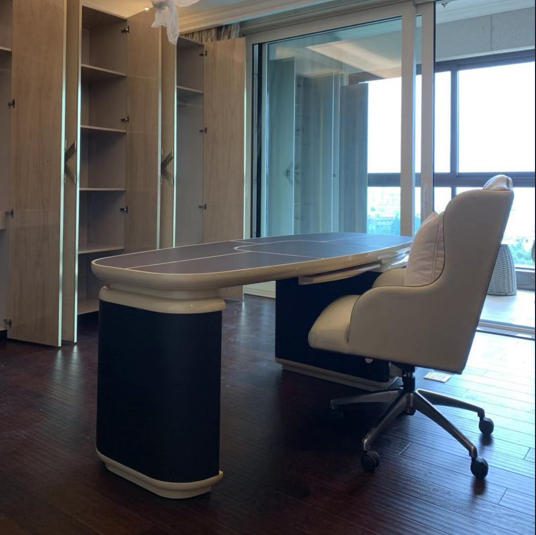

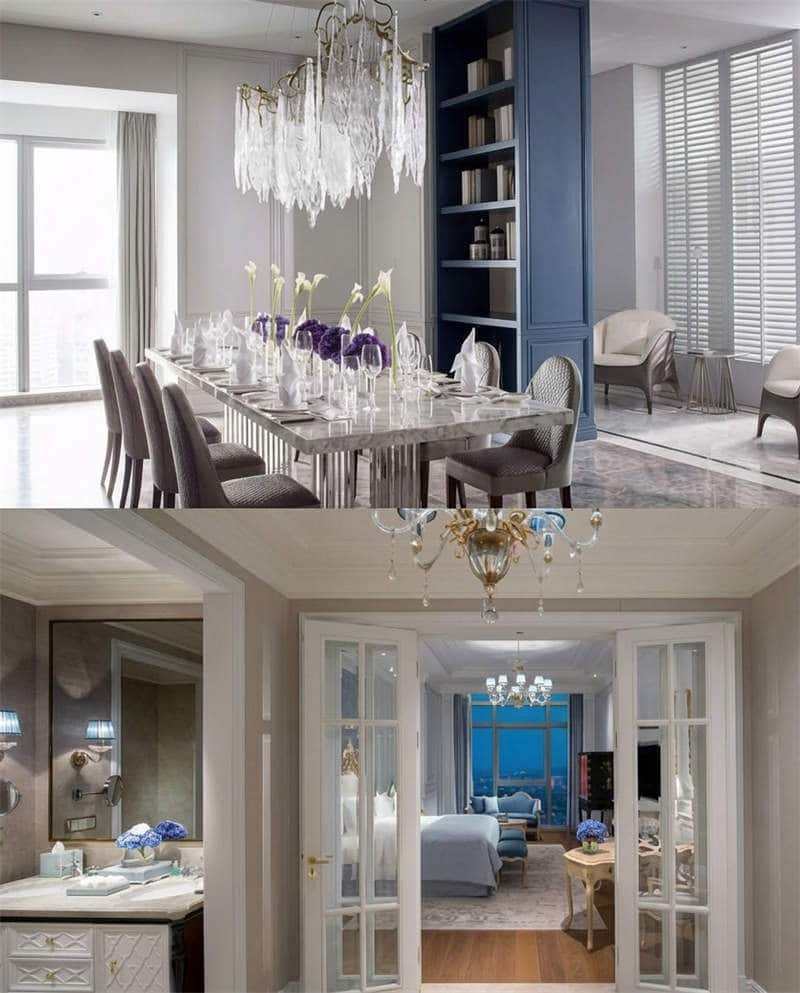
Luxury hospitality suite — the result of a well-vetted supply chain.
China supplies roughly 37% of the world’s furniture, and for good reason. The combination of skilled craftsmanship, scalable manufacturing infrastructure, and competitive pricing makes it the default sourcing destination for high-end importers, FF&E buyers, interior designers, and hotel operators worldwide. In 2026, China’s furniture industry surpassed $169 billion in export revenue, according to industry tracking data from Jadeant’s China Furniture Manufacturing Guide.
But here is the part that doesn’t make it into the sales brochure: 9 out of 10 buyers who source furniture independently from China report disappointment — delayed shipments, bulk orders that don’t match the approved sample, compliance documents that fail customs, and invoices that balloon far beyond the original quote.
This guide is not written for casual shoppers. It is written for professionals — distributors building long-term supplier relationships, interior designers specifying furniture for luxury residential projects, FF&E buyers furnishing 200-room hotel openings, and private-label brand owners protecting their designs. Every section cuts directly to the risk, explains it in plain terms, and hands you a specific checklist item you can act on today.
How to use this guide: Each pitfall section ends with a bolded Checklist Item you can copy into your procurement SOP. At the end of the article, you’ll find a consolidated checklist table you can use for every sourcing cycle.
Consider a scenario that plays out more often than the industry likes to admit. A hospitality designer in Dubai sources a full FF&E package — 180 guest room sets — from a Chinese supplier they found through an online trade platform. The showroom sample was impeccable: solid oak joinery, hand-stitched headboard panels, and a lacquer finish that matched the project’s mood board perfectly. They placed the order.
When the shipment arrived 14 weeks later — three weeks behind schedule — the headboard stitching was machine-sewn at half the density, the lacquer had visible streaking under directional lighting, and three pieces per room had dimensional inaccuracies that made installation impossible without on-site modifications. The rework cost was $68,000. The project opened late. The client relationship did not recover.
This is not a cautionary tale about China’s manufacturing capability. It is a cautionary tale about what happens when professional procurement processes are skipped.
The risks in sourcing high-end furniture from China are real and well-documented, but they are also highly manageable with the right framework. Brand reputation, project timelines, client satisfaction, and your ROI all depend on getting this right. This checklist exists to help you do exactly that.

A polished showroom is not proof of manufacturing capability.
Trade platforms like Alibaba and Global Sources display supplier profiles with project photos, “verified” badges, and customer ratings. What they cannot show you is whether the factory that produced those photos still holds that contract, whether the photos came from a third-party manufacturer the supplier sub-contracted, or whether the “Gold Supplier” badge was purchased rather than earned through performance.
A 2026 analysis from BMS Casa’s evaluation guide found that a significant proportion of suppliers at major Chinese trade fairs are trading companies posing as factories — they have no production floor, they simply broker orders between buyers and actual manufacturers. That adds a hidden markup, removes your quality control leverage, and buries accountability.
When evaluating any new supplier, be alert to these specific warning signs. First, a supplier who is reluctant to allow a factory visit or video walk-through — a legitimate manufacturer has nothing to hide on its production floor. Second, certifications that appear on a brochure but cannot be verified through the issuing body’s online database. Third, buyer references that either cannot be contacted or who provide vague, scripted answers when you call. Fourth, a business registration address that maps to an office block, not an industrial zone. Fifth, pricing that undercuts comparable quotes by more than 25% with no clear structural explanation.
The Canton Fair (twice-yearly, Guangzhou) is the world’s largest trade event, but experienced buyers know that a significant share of exhibitors there are intermediaries, not manufacturers. Direct factory sourcing requires you to look past the booth and into the building.
Conduct a third-party factory audit before placing any order above $10,000. Audit firms such as SGS, Bureau Veritasそして Intertek offer furniture-specific factory assessments starting at approximately $400–$800 per audit. Request a full export history, business registration documents, and at least three verifiable buyer references with contact details you can independently confirm.
One of the most expensive lessons in furniture sourcing is learning that the sample and the production run are treated as two completely different manufacturing events by many factories.
Samples are often hand-finished by the factory’s most skilled craftspeople using premium materials, specifically because they know the sample determines whether the order is placed. Once the purchase order is signed, production shifts to a different team — sometimes at higher speed, with material substitutions made to protect the factory’s margin.
Material substitutions are the most common issue. A sample built with solid ash joinery may arrive in bulk with MDF (medium-density fiberboard — an engineered wood made from compressed wood fibers and resin, lower cost but weaker than solid wood) substituted in non-visible structural areas. Upholstery density may drop — a sofa sample with 1.8 lb/ft³ high-resilience foam (a durability grade widely used in contract hospitality furniture) may ship with 1.4 lb/ft³ foam that shows visible sag within 12 months of use. Hardware finishes, which appear identical in samples, often differ in plating thickness and will corrode faster in high-humidity environments.
According to quality control professionals cited in Simonsense’s 2026 Furniture Inspection Guide, the most reported bulk production defects are inconsistent wood grain matching across a set (especially critical in casegoods), substandard upholstery stitching, poor surface finish uniformity, and dimensional inaccuracies exceeding ±3mm that affect assembly.
Mature sourcing operations do not wait for the finished container to find defects. They use a staged inspection protocol:
Pre-production inspection: Verify raw materials match approved specifications before production begins. Check timber moisture content, foam density certificates, fabric Martindale rub count ratings (a test measuring how many cycles a fabric withstands before showing wear — contract furniture typically requires 30,000+ cycles minimum), and hardware samples against approved references.
In-line inspection: Conducted during production at approximately 20–30% completion. This allows defects in process, technique, or materials to be caught and corrected before they are replicated across the entire batch.
Pre-shipment inspection: Final check against the approved sample and purchase order specifications, conducted when 80–100% of production is complete and goods are packed. This is the last line of defense before goods are loaded into the container.
Enforce a written QC protocol attached to the purchase order. Specify material grades, dimensional tolerances, finish standards, and AQL (Acceptable Quality Level — a statistical sampling standard; AQL 2.5 is standard for furniture, meaning no more than 2.5% defects in a batch) requirements. Use an independent third-party inspection agency — QIMA is well-regarded for furniture-specific inspections — to conduct at minimum a pre-shipment check. Never release final payment without a signed inspection report.

Every detail in this room required explicit, verified specifications to produce correctly.
Miscommunication between Western buyers and Chinese manufacturers is the most underestimated cost driver in furniture sourcing — and it is almost never about language alone.
Technical specification gaps are the most financially damaging. A designer who submits a hand-drawn sketch or a mood-board image instead of a dimensioned CAD (Computer-Aided Design) drawing with full material callouts is giving the factory enormous latitude to interpret. “Dark walnut” without a wood species, veneer thickness, and approved stain sample attached to the brief routinely results in production in a completely different material. A 35% order-value loss due to a 3cm dimensional error is a documented outcome in the industry — not an outlier.
Cultural nuances compound the problem. In Chinese business culture, saying “no” directly to a client request — particularly a timeline or capability — is uncommon. A factory representative who says “we can try” or “we’ll do our best” may be signaling serious doubt about achievability without stating it explicitly. Experienced sourcing professionals learn to ask direct yes/no questions (“Can you confirm you can deliver by October 15?”) and require written confirmation rather than verbal assurance.
Time zone delays — often an 8–13 hour gap between key markets and China — mean that a single question-and-answer exchange can consume two full business days. On a project with 60 days of production time, repeated communication delays compound into schedule overruns.
Appoint a bilingual project manager with furniture industry expertise to serve as the single point of contact between your team and the factory. This person should be fluent in Mandarin and English, understand technical furniture terminology in both languages, and have authority to approve or reject decisions on site. Alternatively, engage a sourcing partner like JL&C Furniture who provides integrated project management as part of their service model. Submit all technical briefs as dimensioned CAD drawings with attached physical material samples, never as photographs alone.
The quote that looks 20% cheaper than your local option frequently arrives as a landed cost that exceeds it. This is not fraud — it is a structural information gap that benefits the seller and punishes the unprepared buyer.
When a Chinese supplier quotes you a FOB (Free On Board — the seller’s responsibility ends when goods cross the ship’s rail at the origin port; all subsequent costs are the buyer’s) price, you are looking at only a portion of your total expenditure.
Here is what the FOB quote typically does not include:
| Cost Component | Typical Range (Per Shipment) | Notes |
|---|---|---|
| Ocean Freight (FCL 40’HC) | $1,800–$5,500 | Market-rate dependent; higher during peak season |
| Marine Cargo Insurance | 0.3–0.8% of CIF value | Non-negotiable for high-value goods |
| Port Handling Charges (origin) | $150–$400 | Paid to Chinese port terminal |
| Customs Brokerage (destination) | $200–$500 | Varies by country and complexity |
| US Section 301 Tariff (furniture) | 25% on declared value | Applies to most wooden furniture from China |
| EU MFN Import Duty (furniture) | 2.7–6.3% on CIF value | Category-dependent |
| UK Global Tariff (furniture) | 0–6.5% | Product-code dependent |
| THC (Terminal Handling Charges) | $150–$350 | Destination port fee |
| Demurrage (if container not cleared) | $50–$250/day | Accrues quickly during customs examinations |
| Last-Mile Delivery / White Glove | $300–$1,800 | Depends on destination and floor level |
| Pre-Shipment Inspection (3rd party) | $250–$500 | Essential, not optional |
| Product Liability Insurance | $1,500–$5,000+ annually | Required for many commercial contracts |
According to Jadeant’s hidden costs analysis, buyers who do not account for these components routinely see their landed cost run 30–45% above the original FOB quote. For a $200,000 FF&E order, that is a $60,000–$90,000 variance that can eliminate project profit entirely.
Additionally, Minimum Order Quantity (MOQ) requirements — the factory’s minimum batch size to run production economically — can force buyers to overcommit on volume. MOQs for custom luxury furniture typically range from 10–50 units per SKU (Stock Keeping Unit — a unique identifier for each product variant), but can be higher for bespoke upholstery involving custom tooling or specialty fabrics.
Tooling and mold fees — one-time setup charges for custom components such as carved legs, proprietary hardware, or custom profiles — often range from $500 to $5,000 per item and are rarely mentioned until contract negotiation.
Request a complete landed cost estimate before signing any contract. Ask your supplier or freight forwarder to provide an itemized breakdown including all origin charges, freight, destination duties, and last-mile costs. Use resources such as the US HFA import duty guide to verify applicable tariff rates for your HS codes (the international product classification codes used by customs worldwide — for furniture: 9401 for seating, 9403 for case goods). Build a 15% contingency buffer into your project budget for unforeseen logistics costs.

Bespoke designs are assets. Treat them like one.
If you are a private-label furniture brand, an interior designer specifying custom pieces, or a hotel group developing a proprietary furniture line, your design is your competitive asset. And in China’s manufacturing ecosystem, the risk of unauthorized replication is real.
The most common scenario does not involve obvious theft. It is subtler: a manufacturer produces your custom design, then — after your exclusivity window ends or your contract lapses — offers a nearly identical version to other buyers at a lower price. Your unique lounge chair, which defined your brand’s aesthetic, appears in a competitor’s showroom 18 months later.
Another pathway is the sub-contractor. If a factory outsources part of your production to a third party — which is common during peak capacity periods — your CAD drawings and sample pieces circulate beyond your contract’s legal reach.
A standard Western NDA (Non-Disclosure Agreement) is largely unenforceable in Chinese courts because it is not governed by Chinese law and often does not address the specific risks relevant to manufacturing relationships. The correct legal instrument is an NNN Agreement — Non-Disclosure, Non-Use, Non-Circumvention — drafted in Mandarin, governed by Chinese law, and specifying liquidated damages (a pre-agreed penalty amount) in RMB, which Chinese courts can enforce.
For designs that are core to your brand, consider filing a design patent with CNIPA (China National Intellectual Property Administration — the government body responsible for IP registration in China). The application process, explained in detail by Registration China’s design patent guide, typically takes 6–12 months and costs $300–$800 with a registered agent. The protection it provides is substantially stronger than a contract clause alone.
Before sharing any proprietary design files, execute a China-specific NNN Agreement drafted by a lawyer experienced in Chinese IP law. Share design documents in stages — release full production drawings only after the agreement is signed and a verified pilot order is confirmed. Watermark all CAD files, limit the number of factories that see the design, and include explicit sub-contracting restrictions in your purchase contract. For flagship designs, register with CNIPA. Consult resources such as CNIPA’s official portal for registration procedures.
Incoterms (International Commercial Terms — the standardized trade terms published by the International Chamber of Commerce that define who is responsible for costs and risk at each stage of a shipment) determine where the seller’s responsibility ends and yours begins. Choosing the wrong Incoterm for your operational capability is one of the fastest ways to incur unexpected costs and delays.
FOB (Free On Board): The seller delivers goods to the origin port and loads them onto the vessel. All costs and risks transfer to the buyer from that point. Suitable for experienced importers with established freight forwarding relationships who want maximum control and transparency over logistics costs.
CIF (Cost, Insurance, and Freight): The seller arranges and pays for ocean freight and minimum insurance to the destination port. Risk transfers to the buyer when goods board the vessel at origin. Simpler for buyers, but you lose cost transparency — the seller’s freight margin is embedded in the price.
DDP (Delivered Duty Paid): The seller is responsible for everything — freight, insurance, customs clearance, and import duties — until goods are delivered to your specified location. Maximum convenience for the buyer, but typically 10–20% more expensive, and you have no visibility or control over logistics quality or cost. Use DDP only with suppliers you trust completely, as the seller controls the freight process.
For most professional furniture importers, FOB with a trusted freight forwarder is the recommended model. It gives you cost control, logistics visibility, and the ability to select carriers appropriate for fragile, high-value goods.
Port congestion remains a significant challenge. According to GEP’s 2026 port congestion analysis, importers who front-loaded shipments in late 2025 to beat tariff changes created backlog effects that rippled through early 2026 capacity. Major US destination ports have seen container volume from China increase 27.4% year-over-year in mid-2026, creating selective congestion windows.
Beyond congestion, customs examinations — where customs authorities physically inspect container contents — can add 5–15 business days to clearance and incur demurrage charges of $50–$250 per day while goods wait. Incomplete or inconsistent documentation is the primary trigger for examinations. A commercial invoice that does not precisely match the packing list, for example, is flagged immediately.
Container selection matters for high-end furniture. Standard 40-foot containers are adequate for most shipments. High-cube containers (40’HC — an extra 30cm of interior height) are essential for tall case goods such as armoires and wardrobes. Some luxury pieces require custom wooden crating and desiccant packets (silica-gel moisture absorbers) inside the container to prevent humidity damage during ocean transit — this is critical for solid wood furniture crossing humid equatorial shipping routes.
Build a minimum 3-week buffer into every project schedule beyond the stated production lead time. Work with a freight forwarder who has specific experience with furniture imports — they will know which ports and seasons carry higher congestion risk, how to classify your goods correctly for smooth customs clearance, and how to arrange appropriate crating for fragile or oversized pieces. Use iContainers’ port congestion tracker to monitor real-time delays at key ports before booking shipments.

Commercial environments require verified compliance documentation, not just supplier assurances.
Compliance requirements are the single most common reason that furniture shipments are held at customs, rejected by hotel procurement departments, or recalled from commercial installations. A supplier’s assertion that their products are “compliant” means nothing without the paper trail to prove it.
CARB Phase 2 (California Air Resources Board — a US regulatory standard limiting formaldehyde emissions from composite wood products including MDF, particleboard, and hardwood plywood): This is mandatory for furniture sold in the United States containing any composite wood components. Non-compliant products can be seized at port and the importer fined. Verify CARB compliance through the EPA TSCA Title VI program database.
FSC Chain of Custody (Forest Stewardship Council — a certification verifying that timber used in production was harvested from responsibly managed forests): Required or strongly preferred by most hotel brands, corporate specifiers, and LEED-certified projects. Verify any FSC certificate’s authenticity at info.fsc.org — do not rely on a certificate image alone.
REACH (Registration, Evaluation, Authorisation and Restriction of Chemicals — the EU’s primary chemicals regulation): Required for furniture sold in the European Union. It restricts the use of hazardous substances including certain plasticizers, heavy metals in surface coatings, and volatile organic compounds. Non-compliant furniture can be banned from sale across the entire EU market.
CA TB 117 そして BS 5852 (fire safety standards for upholstered furniture in California/USA and the United Kingdom respectively): Required for hospitality and contract installations. Upholstered furniture installed in hotel guest rooms, lobbies, or commercial spaces that does not meet the applicable fire standard creates significant liability exposure for the specifier and property owner.
ISO 9001 (a quality management system standard indicating a factory has documented, auditable processes for consistent production): The most widely recognized manufacturing quality credential. Its presence does not guarantee quality but its absence is a red flag.
The CIFF Furniture Fair’s certification guide notes that starting in 2026, the EU enforces stricter regulations on full timber source documentation — FSC Chain of Custody is no longer a differentiator for European imports; it is a baseline requirement.
| Certification | What It Covers | Who Needs It | Verify At |
|---|---|---|---|
| CARB Phase 2 | Formaldehyde from composite wood | All US furniture importers | EPA TSCA database |
| FSC Chain of Custody | Sustainable timber sourcing | EU, LEED projects, eco-brands | info.fsc.org |
| REACH | Chemical restrictions | EU furniture importers | EU ECHA database |
| GREENGUARD Gold | VOC emissions, indoor air quality | Healthcare, education, hospitality | UL SPOT database |
| CA TB 117 | Flammability — upholstery | US commercial interiors | Independent lab test |
| BS 5852 | Flammability — upholstery | UK commercial interiors | Independent lab test |
| ISO 9001 | Quality management systems | All buyers as baseline check | ISO certification directory |
| OEKO-TEX Standard 100 | Harmful substances in textiles | Upholstered furniture, bedding | OEKO-TEX database |
Require all compliance documentation to be submitted before production begins, not as an afterthought before shipment. Include specific certification requirements in your purchase order as contract conditions — a shipment that lacks required certificates should not be accepted or paid. Use your freight forwarder’s customs specialist to confirm all required HS-code-specific certifications for your destination market.
Minimum Order Quantities are a legitimate manufacturing reality — factories need a minimum run to operate economically — but they are also one of the most negotiated aspects of furniture sourcing, and most buyers do not realize how much flexibility exists.
A custom upholstery fabric may require the mill to run a minimum of 500 meters to produce it economically. A lacquer finish in a non-standard color requires a full mixing batch. Custom brass hardware requires a minimum die-cast run. These are real constraints. But the MOQ the factory initially quotes is not always the MOQ they will accept — it is often the MOQ at which they are most comfortable.
According to PM Furniture’s hotel buyer MOQ guide, for boutique hotel projects or limited-edition furniture lines, several strategies consistently work to reduce MOQ requirements without sacrificing quality or pushing up unit pricing significantly.
Bundle orders across SKUs: If you need 20 chairs in Fabric A and 20 in Fabric B, ordering 40 chairs total — with a fabric changeover mid-run — often satisfies the factory’s production economics while reducing your per-SKU commitment. The factory sees a 40-unit run; you see two 20-unit product lines.
Offer a higher upfront deposit: A 50% deposit rather than the standard 30% signals commitment and reduces the factory’s financial risk, which is often the underlying reason MOQ requirements are high for new buyers. YM Furnitures’ MOQ negotiation analysis confirms this is the most reliably effective tactic for initial order reductions.
Leverage off-peak timing: Factories operating below capacity — typically January through March following Chinese New Year — are more willing to accept smaller orders to keep production lines active.
Consolidate with other buyers: For interior designers or agents sourcing for multiple projects simultaneously, consolidating orders across clients to meet a single MOQ threshold is a practical model. Each client pays their share of the volume.
Agree to a phased annual volume commitment: Committing to a projected annual order — even without being contractually bound to the full amount — gives the factory confidence to accept smaller initial batches with the expectation of growing volume.
Confirm MOQ requirements, customization capabilities, and minimum production batch sizes for every SKU before finalizing your design selections. Negotiate tiered MOQ structures — lower minimums for first orders with agreed volume targets for subsequent cycles. Put customization constraints in writing: if the factory cannot accommodate your color, material, or size specifications at your order volume, it is better to know at RFQ (Request for Quotation) stage than after a sample is approved and production is committed.
Use this consolidated table as a reference tool for every new supplier engagement:
| Pitfall | Core Risk | Checklist Action | Priority |
|---|---|---|---|
| #1 Supplier Vetting | Trading company vs. factory | Third-party factory audit + verify export history | 🔴 Critical |
| #2 Sample vs. Bulk Quality | Material substitution, craftsmanship drop | Written QC protocol + pre-shipment inspection | 🔴 Critical |
| #3 Communication Gaps | Specification errors, delays | Bilingual PM + dimensioned CAD drawings | 🔴 Critical |
| #4 Hidden Costs | 30–45% cost overruns | Full landed cost breakdown before contract | 🔴 Critical |
| #5 IP Protection | Design theft, unauthorized replication | NNN Agreement + CNIPA design registration | 🟠 High |
| #6 Logistics & Shipping | Delays, damage, demurrage | 3-week schedule buffer + experienced forwarder | 🟠 High |
| #7 Compliance Gaps | Customs rejection, product recall | Certifications specified in PO + pre-shipment docs | 🔴 Critical |
| #8 MOQ Rigidity | Over-commitment, project mismatch | Negotiate tiered MOQs + phased orders | 🟡 Medium |
The video below covers the most common and costly mistakes B2B buyers make when sourcing furniture from China — from misleading showroom samples to hidden costs and customs pitfalls. Essential viewing before your next sourcing cycle:

▶ Watch: “Buying Furniture from China? Mistakes, Hidden Costs & Timelines” — practical guidance for professional B2B buyers.
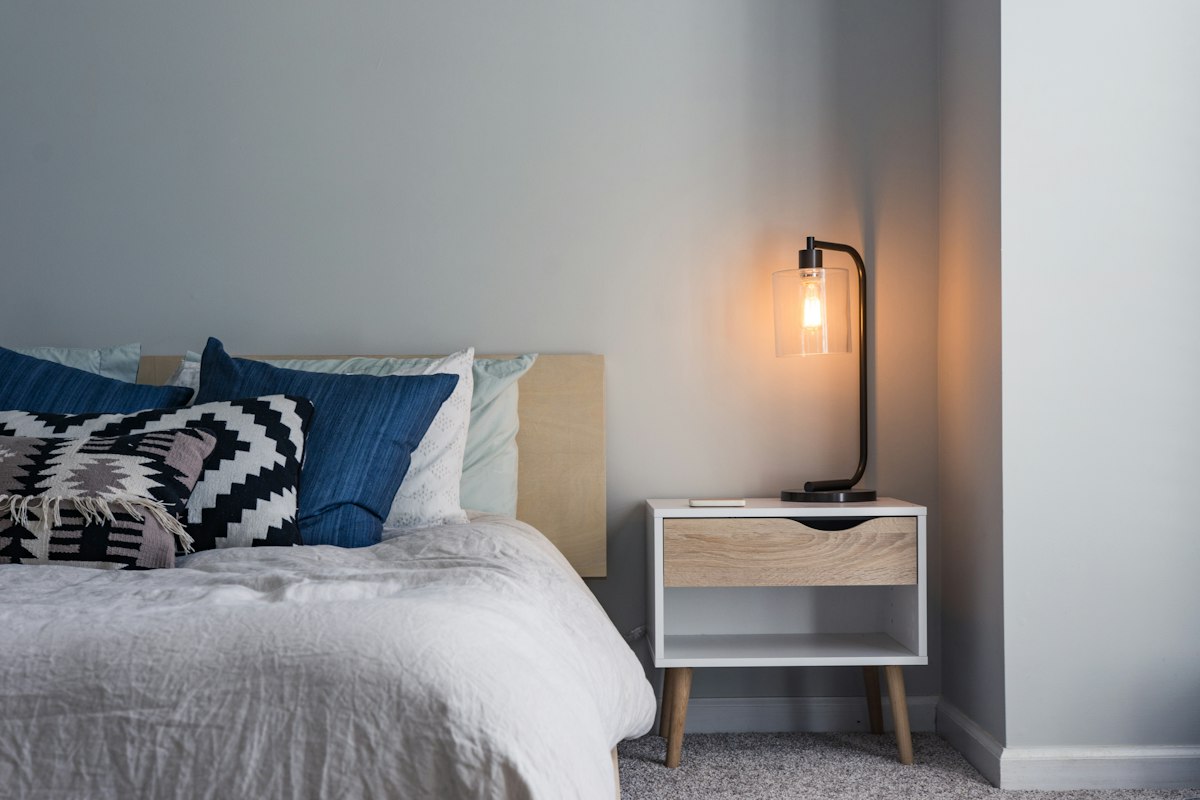 Image: Unsplash — Excellence at this level is built on process, not luck.
The buyers who source from China most successfully are not the ones who found the cheapest supplier. They are the ones who built a repeatable, documented procurement system — one that vets suppliers with data rather than gut feel, enforces quality with contracts rather than hope, and manages logistics with professional partners rather than shortcuts.
Every item on this checklist represents a decision point where professional buyers protect their margin, their reputation, and their client relationships. The interior designer who uses a bilingual project manager and pre-shipment inspections does not just avoid problems — they deliver projects on time and on spec, repeatedly, and build a business that clients refer to others. The FF&E buyer who demands a full landed cost breakdown before signing a contract does not just protect one deal — they build a procurement model that scales without surprises.
The sourcing partners who make this possible are worth finding and keeping. Suppliers like JL&C Furniture operate as integrated manufacturing-to-delivery partners — offering factory-level quality control, bilingual project management, compliance documentation, and direct communication — so that professional buyers spend less time firefighting and more time specifying exceptional work.
Use this checklist at the start of every procurement cycle. Update it as market conditions change — tariff structures, certification requirements, and logistics costs shift annually. Treat it as a living professional standard, not a one-time reference.
Smart sourcing is not just risk mitigation. It is a competitive advantage.
If you are an importer, interior designer, FF&E buyer, or hotel developer looking for a vetted manufacturing partner who eliminates the guesswork, explore JL&C Furniture’s procurement services — where every order comes with factory-level transparency, certified materials, and professional project management from brief to delivery.
→ Request a Sourcing Consultation
AQL (Acceptable Quality Level): A statistical sampling standard. AQL 2.5 is industry standard for furniture, meaning a maximum 2.5% defect rate is acceptable in a batch before the shipment is rejected.
CARB Phase 2: California Air Resources Board regulation limiting formaldehyde emissions from composite wood products. Mandatory for all furniture sold in the USA containing MDF, particleboard, or engineered wood.
CNIPA: China National Intellectual Property Administration — the government authority for patent and design registration in China.
DDP (Delivered Duty Paid): An Incoterm where the seller is responsible for all costs including freight, insurance, and import duties up to the buyer’s named delivery location.
EPD (Environmental Product Declaration): A standardized document (ISO 14025) that quantifies a product’s environmental impact across its full lifecycle — from raw material extraction through disposal.
FOB (Free On Board): An Incoterm where the seller’s responsibility ends when goods are loaded onto the vessel at the origin port. All subsequent costs and risks are the buyer’s responsibility.
FSC Chain of Custody: Forest Stewardship Council certification verifying that timber was harvested from responsibly managed forests and tracked through every production stage.
HS Code: Harmonized System code — the international six-digit product classification used by customs authorities worldwide to determine applicable tariff rates. Furniture seating = 9401; case goods = 9403.
Martindale Rub Count: A laboratory test measuring how many abrasion cycles a fabric withstands before showing wear. Contract furniture minimum: 30,000 cycles. Heavy commercial: 100,000+.
MDF (Medium-Density Fiberboard): An engineered wood panel made from compressed wood fibers and resin. Lower cost than solid wood; acceptable for non-structural components but weaker under sustained load.
MOQ (Minimum Order Quantity): The smallest batch a factory will produce per SKU to operate economically. Negotiable, especially in off-peak periods or with volume commitments.
NNN Agreement: Non-Disclosure, Non-Use, Non-Circumvention — the legally appropriate IP protection instrument for China manufacturing relationships, drafted in Mandarin and governed by Chinese law.
REACH: EU regulation on Registration, Evaluation, Authorisation and Restriction of Chemicals. Restricts hazardous substances in products sold in the European Union.
SKU (Stock Keeping Unit): A unique identifier for each distinct product variant — for example, the same chair in three different fabric options would be three separate SKUs.
THC (Terminal Handling Charges): Fees charged by the destination port terminal for receiving and processing a container. Not included in ocean freight quotes; typically $150–$350 per container.
Request the factory’s business registration certificate (营业执照, yíng yè zhí zhào) and compare the registered address to the production facility address — they should match. A trading company’s registration will list a commercial office address, not an industrial zone. Conduct a third-party factory audit through SGS, Bureau Veritas, or Intertek, which will include on-site verification of production equipment, staff capacity, and active orders. Always ask for references from buyers in your country whose orders you can track through customs records.
The most frequently reported issues in professional inspection reports are inconsistent wood grain matching across a set of casegoods, upholstery stitching at lower density than the approved sample, foam density below specified grade, lacquer finish streaking or orange-peel texture under directional lighting, dimensional inaccuracies above ±3mm affecting assembly, and hardware with thin plating that corrodes in humid conditions. All of these are detectable — and preventable — through staged pre-shipment inspections.
Supplier-provided test reports should be treated as a starting point, not a conclusion. Reports issued by in-house labs or by testing companies with a commercial relationship to the factory carry inherent conflict of interest. For any material that will be used in a commercial installation — particularly fire-rated fabrics, CARB-compliant panels, or REACH-regulated components — commission independent testing through an accredited laboratory. The cost ($200–$600 per test) is negligible compared to the liability exposure from non-compliant materials in a commercial contract.
Execute a China-specific NNN (Non-Disclosure, Non-Use, Non-Circumvention) Agreement drafted in Mandarin by a lawyer experienced in Chinese IP law, with liquidated damages specified in RMB. Share design documents in stages — release full production CAD files only after the NNN is signed and a pilot order is confirmed. Watermark all files with visible and embedded identifiers. For flagship or signature designs, file a design patent application with CNIPA. Restrict the manufacturer from sub-contracting production of your design without your written approval.
For fully custom furniture — unique dimensions, proprietary finishes, custom upholstery — budget 90 to 120 days from approved sample to arrival at destination port. This breaks down approximately as: sample approval (2–4 weeks), material procurement (1–3 weeks), production (4–8 weeks), pre-shipment inspection and packing (1 week), ocean transit (2–5 weeks depending on destination), and customs clearance (3–10 business days). Add a 3-week buffer for any project with a firm installation deadline. Factories that promise 60 days for complex custom pieces are either quoting production time only or overpromising capacity.
For experienced importers with an established freight forwarding relationship, FOB provides the best combination of cost transparency and logistics control. You select the carrier, control the insurance coverage, and see the actual freight cost without a seller markup. CIF is appropriate if you lack a freight forwarder relationship and want the seller to arrange ocean transit, but you lose cost visibility. DDP is the most convenient but most expensive, and cedes full logistics control to the seller — use it only with suppliers you have an established long-term relationship with and full confidence in their logistics management.
The primary cause of customs examinations and delays is documentation inconsistency. Your commercial invoice, packing list, bill of lading, and certificate of origin must be perfectly consistent in product descriptions, quantities, unit values, and shipper/consignee details. Any discrepancy triggers a hold. Additionally, ensure your HS codes are correctly assigned for your specific products — misclassification is the second most common trigger. Work with a licensed customs broker at your destination port who has experience with furniture imports, and confirm all required compliance certificates (CARB, FSC, etc.) are included in the documentation package before the vessel departs.
Yes — but only when explicitly specified in the purchase order and verified through independent testing. Many manufacturers serving domestic Chinese markets do not produce to Western standards by default; it is not part of their standard production workflow. When you specify CARB Phase 2 compliance, FSC Chain of Custody, CA TB 117 fire-rated fabric, or BS 5852 for UK commercial installations, you are triggering a specific material procurement and production protocol that the factory must follow intentionally. Require that all relevant test reports be submitted before final shipment approval, and verify certificates through the issuing body’s database rather than accepting a document image.
Document everything immediately and comprehensively — photograph all packaging damage before unloading, all product defects with reference to the approved sample alongside, and all dimensional discrepancies with measurement tools in frame. Do not accept delivery of goods that obviously do not meet specifications; rejection at point of delivery preserves your legal position far better than acceptance followed by a dispute. If your purchase contract includes a QC penalty clause (which it should), enforce it with reference to the inspection reports and photographs. Withhold any outstanding payment — typically the final 10% — until a resolution is agreed. Contact your cargo insurance broker immediately if physical damage occurred in transit.
For any supplier relationship involving more than $50,000 in annual purchase volume, the answer is an unequivocal yes. An on-site factory visit reveals things no video call or audit report captures: the real production capacity, the actual skill level of the craftspeople, the condition of machinery, how the factory manages its material inventory, and — critically — the culture of the management team. Factories that invest in showing buyers their operation with pride and transparency are demonstrably different partners from those that resist or limit access. A three-day sourcing trip to Guangdong or Zhejiang costs $3,000–$5,000 in travel — a fraction of what a single bad shipment costs. JL&C Furniture facilitates factory tours for serious buyers as part of their sourcing consultation process.
The most effective approach combines an increased upfront deposit (demonstrating financial commitment), a documented volume forecast for the following 12 months (even without binding commitment), and a willingness to use standard materials where possible while reserving customization for only the most visible components. Off-peak timing — particularly January to March — gives significant negotiating leverage. Grouping multiple SKUs into a single production run, even if they use different materials, helps factories achieve their economic production thresholds while allowing you to maintain design variety. For boutique designers managing multiple client projects, order consolidation across projects is a practical solution that industry professionals increasingly use.
The industry-standard structure for professional B2B furniture transactions is: 30% deposit upon purchase order confirmation (covers the factory’s material procurement costs), 60% against shipping documents (released when you receive the bill of lading and verified pre-shipment inspection report, before the container is unloaded at your port), and 10% retained after delivery and final quality verification. Never pay 100% upfront regardless of the incentive offered. For new supplier relationships, consider using a Letter of Credit (L/C) — a bank-guaranteed payment instrument that protects both parties by releasing funds only when contractual conditions are met — for orders above $50,000.
Batch consistency requires three specific practices. First, specify the fabric mill, colorway code, and batch number in your purchase order — not just a mood-board image. Request that the factory source the entire order’s fabric from a single production run of the mill, as color can vary between mill batches even for the same colorway. Second, approve a pre-production fabric sample cut from the actual roll that will be used for production, not a handheld swatch from a sample library. Third, conduct an in-line inspection at approximately 30% of production completion specifically to verify color consistency across multiple pieces before the full run is committed.
Direct factory relationships offer maximum cost transparency, strongest quality control leverage, and clearest accountability — they are the preferred model for buyers with volume, experience, and time to manage the relationship. However, they require Mandarin language capability or a bilingual team member, deep familiarity with Chinese manufacturing processes, and the bandwidth to manage multiple factory relationships simultaneously. A qualified sourcing agent adds a layer of coordination, language support, and market knowledge — but introduces a cost and a potential conflict of interest if the agent receives commissions from factories. The key is to vet a sourcing agent with the same rigor you would apply to vetting a factory: verify their factory relationships, check buyer references, and ensure their fee structure is transparent and aligned with your interests. Learn more about integrated sourcing models at JL&C Furniture’s sourcing services page.
The answer depends entirely on what your purchase contract says. A contract without a defined delivery deadline and associated penalty clause gives you limited legal recourse beyond the general terms of whatever jurisdiction governs the agreement. A well-drafted contract includes: a confirmed production and shipment date, a penalty clause of typically 0.5–1% of order value per week of delay beyond the confirmed date, a force majeure definition that is narrowly scoped (to prevent delays being attributed to broadly defined “circumstances”), and a clear dispute resolution mechanism. In practice, the most effective response to a delay is proactive — monitor production milestones weekly, not just at the shipment stage. Factories that are behind schedule will often not volunteer that information; asking direct weekly status questions (“How many units are completed today?”) surfaces problems early enough to course-correct.
This article is updated regularly to reflect changes in tariff structures, certification requirements, and logistics market conditions. Last reviewed: August 2026.
For sourcing consultations, compliance documentation support, or FF&E project partnerships, contact JL&C Furniture.

China Furniture Sourcing Agent Roles for High-End Buyers What a China Furniture Sourcing Agent Actually Does for High-End Buyers Every finished luxury room sits on
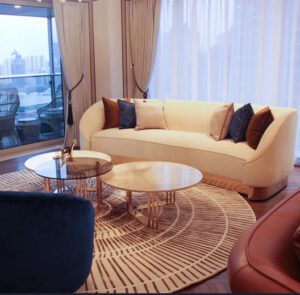
How to Vet a China Furniture Sourcing Agent Before Signing A single curved sofa like this goes through dozens of approvals, including frame, foam, fabric

China Furniture Sourcing Agent vs Direct Factory Buying: A Strategic Guide for High-Value Buyers When one project includes 400 hotel rooms, a 20-seat marble dining
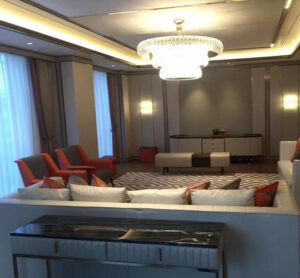
Advanced Tips to Get More from Your China Furniture Sourcing Agent Powerful Strategies for High-Performance Sourcing – Tailored for Elite Buyers, Designers & Operators Your
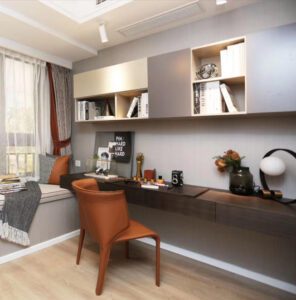
What Wholesale Furniture Suppliers in China Can Offer High-Value Buyers A statement luxury living room — the kind of space that begins with the right

How to Work Better With Your China Furniture Supplier After Ordering A Practical Playbook for High-End Furniture Importers, Interior Designers, FF&E Buyers, Villa Owners, Private