company news

China Furniture Sourcing Agent: Roles for High-End Buyers
China Furniture Sourcing Agent Roles for High-End Buyers What a China Furniture Sourcing Agent Actually Does for High-End Buyers Every finished luxury room sits on

Transform Your Client Relationships and Margin Potential with Italian Furniture Customization—A Strategic Advantage for Distributors, Showroom Managers, and Design Professionals
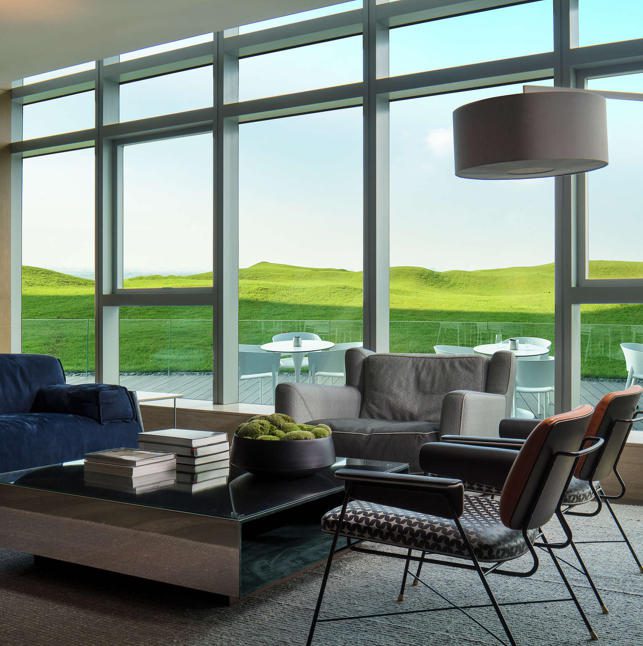
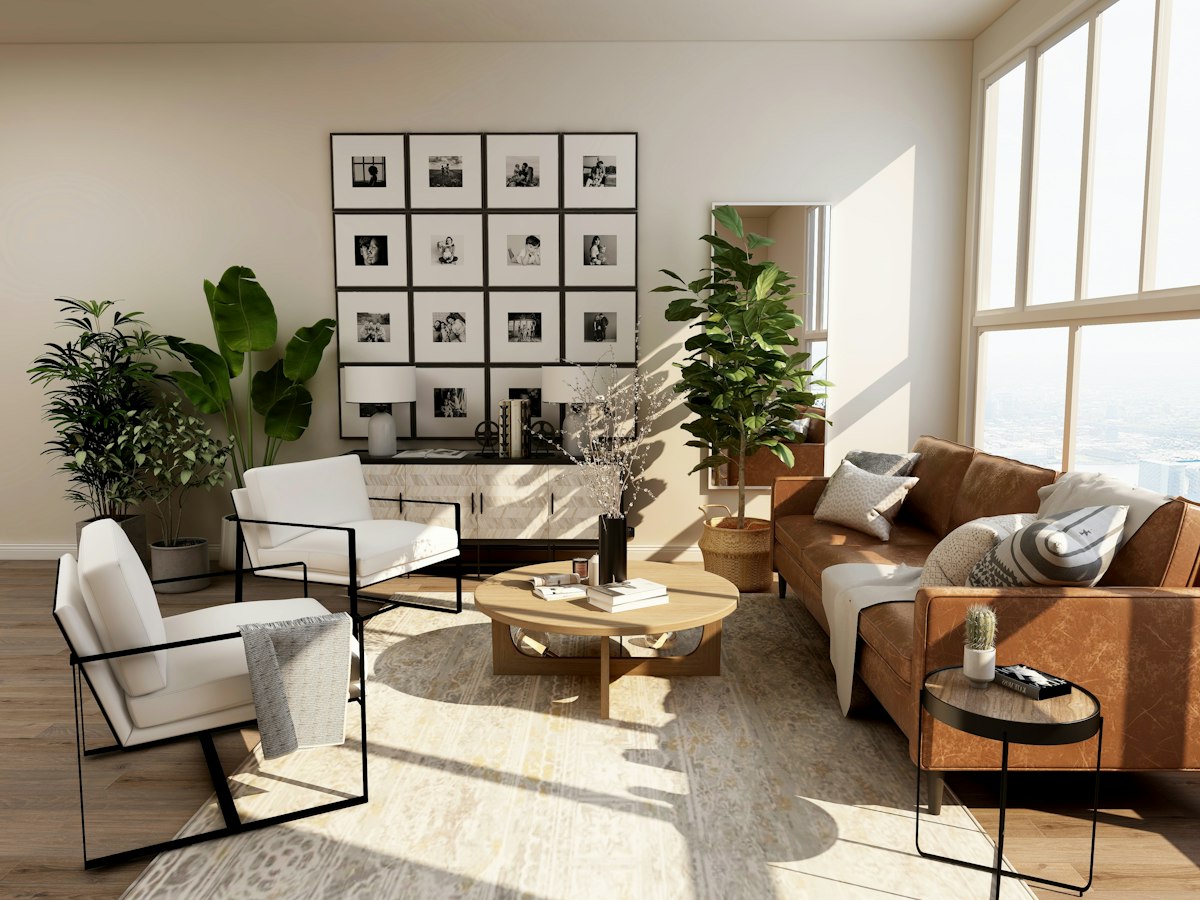 A bespoke Italian-style living space where every element—from sectional depth to velvet pile—was specified by the client’s design team. This level of precision is exactly what your clients are asking for.
Let’s skip the preamble about how “customization is the future.” You already know your clients want it. The real question is whether your business model is built to deliver it—and whether you’re capturing the margin that comes with it.
Italian furniture customization isn’t a sales feature you can bolt onto your existing operation. It’s a fundamental shift in how you approach inventory, client relationships, project scoping, and supplier partnerships. The distributors, showroom managers, and design professionals who understand this distinction are closing contracts that their competitors simply can’t compete on. Those who don’t are quietly losing projects to operators who can answer “yes” when a hotel fit-out team asks: “Can you do this sofa in a 3.6m L-shape, flame-retardant Boucle, in Chalk White, delivered in 12 weeks?”
This guide is written for the professional who is already operating in the premium furniture space and wants to understand how to make customization work as a revenue driver, not a logistical headache.
Italian furniture manufacturing has a structural advantage that few other countries can replicate: a dense network of specialized suppliers, artisan workshops (laboratori artigianali), and vertically integrated factories concentrated in specific regions—primarily Brianza (Lombardy), the Veneto, and Tuscany. This geographic clustering means an Italian sofa manufacturer can source custom-dyed leather from a tannery 40 minutes away, precision-cut solid walnut from a specialist mill in the same province, and hand-tied spring systems from a supplier whose family has been doing it for three generations.
This ecosystem has historically enabled brands like Poltrona Frau, Minotti, and Flexform to offer customization at a scale that German or Scandinavian manufacturers struggle to match—not because of technology gaps, but because of supplier density. When a client asks for a specific Cuoio leather in an uncommon color, Poltrona Frau can go back to its tannery partner and produce it. That’s not a standard off-the-shelf capability.
What’s changed in the last five years is the scope of customization. Mid-market Italian brands—those operating in the €3,000–€12,000 per-piece retail range—have invested heavily in modular production systems, digital order management, and expanded material libraries. Brands that once offered 30 fabric options now offer 200+. Sofa systems that previously came in three fixed configurations now ship in 15 modular combinations. This isn’t marketing language; it’s a manufacturing retooling that creates direct commercial opportunities for you as a distributor or design professional.
The traditional Italian furniture factory was built around a sequential production line: cut the frame, upholster it, finish it, ship it. Customization was an afterthought handled by a small artisan team for special projects. That model is being replaced by what manufacturers call “flexible cell production”—a system where individual production stations are reconfigured based on order specifications rather than batch runs.
In practical terms, this means an Italian factory can run a standard three-seat sofa and a custom 2.9m curved sectional on the same production floor on the same day. The capital investment required to achieve this flexibility is significant—estimates for factory retooling at mid-scale Italian manufacturers range from €2M to €8M—which is why smaller brands with limited production capacity haven’t made the shift. The brands that have invested are now positioned to absorb custom orders without the lead time penalties that plagued the industry five years ago.
For you as a distributor, this matters for one reason: the brands worth partnering with on customization are those who have already made this production investment. Asking a brand whether they have flexible cell production capability—or simply asking for the range of SKUs available in custom configuration—will quickly separate genuine customization capability from marketing fluff.
The data supporting this manufacturing shift isn’t abstract. According to research from Business Research Insights, the global custom furniture market was valued at $44.76 billion in 2026 and is projected to reach $115 billion by 2035, growing at a CAGR of 11.2%. The contract furniture segment—covering hospitality, corporate, and institutional projects—reached $82.2 billion in 2025, on a trajectory to hit $119.8 billion by 2033.
More revealing than the headline numbers is what’s driving them. Luxury residential developers now routinely specify custom furniture as a sales tool—buyers of $5M+ apartments in Dubai, Singapore, and Miami expect to choose their own leather grade and sectional configuration as part of the purchase package. Hotel brands competing in the upper-upscale and luxury tiers have learned that rooms with bespoke furniture earn higher review scores for “interior quality” on TripAdvisor and Booking.com—and those scores have a measurable impact on ADR (Average Daily Rate) and occupancy. Corporate workplace designers, responding to return-to-office pressure, are specifying furniture that makes offices worth commuting to—which means custom configurations that fit the actual architecture of the space, not whatever happened to come in a standard three-seater.
Your end clients aren’t asking for customization as a premium extra. They’re treating it as a baseline specification.
Here’s the conversation that happens in showrooms across Europe and Asia every quarter: a distributor holds 40–60 configured pieces across their warehouse and showroom floor. Three of them—a chartreuse velvet three-seater, a low-profile daybed in a discontinued fabric, a sectional in a size that doesn’t fit any of the current projects in the pipeline—haven’t moved in 14 months. The capital tied up in those pieces isn’t generating returns. The floor space they occupy costs money. And when a client comes in asking for something slightly different, the answer is “we don’t have that, but we have this”—a conversation that ends deals.
The shift to made-to-order customization doesn’t just solve a client satisfaction problem. It solves your cash flow problem.
The traditional showroom model requires you to bet on configurations before you know what clients will actually want. A distributor holding 50 configured pieces across multiple lines can have 20–30% of that inventory classified as slow-moving or obsolete within 18 months. When you factor in the carrying cost of that inventory—financing costs, warehouse space, insurance, depreciation of display pieces—the true cost of dead stock is typically 20–30% of the inventory value annually.
The operational pivot looks like this: instead of holding finished configurations, you hold material samples, modular components, and display anchor pieces. Your showroom floor shows one or two hero configurations per product line. Clients experience the build quality, the cushion density, the leather hand-feel. Then they work with your team to specify exactly what they need. The actual production happens after order confirmation, with a deposit that covers your manufacturing commitment.
Distributors who have made this transition report warehouse footprint reductions of 30–50%—which either reduces overhead costs directly or frees up space for higher-value display configurations. The sample-based showroom model also enables you to represent more brands in the same physical space, since you’re not trying to stock every configuration.
Made-to-order changes your cash flow equation in a second important way: you collect deposits before committing to production costs. Standard practice in the Italian furniture supply chain is a 30–50% deposit upon order confirmation, with the balance due before or upon shipment. This means your largest capital outlay—the manufacturing cost—is partially offset by client deposits before you’ve spent a single dollar on production.
Compare this to the stock model, where you pay for goods (often Net 30–60 from the manufacturer), hold them in inventory for 3–18 months before a client buys them, and then collect payment after delivery. The made-to-order model compresses this cycle: deposit in, production begins, balance collected, goods shipped. For larger project orders—25 units for a hotel lobby, 80 pieces for a corporate office fit-out—this structure significantly reduces the working capital you need to finance the deal.
When a client asks “is this customizable?”, the answer depends on which of four distinct customization pillars they’re actually asking about. Understanding these pillars—and being precise about what’s possible within each—is the foundation of selling customization without creating impossible expectations.
Structural customization (personalizzazione strutturale) means modifying the physical dimensions or configuration of a piece beyond the standard product specifications. For sofas and seating systems, this typically includes: total length (within structural limits, usually up to 4m for sofas), depth (seat depth is critical for hospitality applications—90cm seat depth vs. 80cm reads very differently in a hotel lobby), leg height (which affects overall piece height and visual proportion), and modular configuration (adding corner units, chaise longues, or ottoman modules).
Practical examples that close real deals: A luxury apartment developer specifying a sofa for a 7.2m living wall needs two separate pieces that visually read as one continuous element. A standard three-seater and two-seater won’t achieve that. A custom 3.8m sectional with a matching 1.4m chaise, produced in the same fabric and stitching specification, solves the problem. A boutique hotel redesigning its lobby around a central seating conversation area needs a curved sectional that fits a 5.4m diameter circular floor plan—something no standard configuration delivers. These aren’t edge cases; they’re the exact briefs that interior designers and hospitality fit-out teams bring to distributors every month.
 Custom-dimensioned curved seating designed for a hotel lobby conversation area. Standard catalog configurations simply don’t exist for spaces like this.
Material customization is where the Italian advantage becomes most tangible. The tanneries of the Veneto and Tuscany—many of which supply both the fashion and furniture industries—produce leather in grades and finishes that simply don’t exist in the catalog of non-Italian manufacturers. When Poltrona Frau talks about Pelle Frau® leather, they’re referencing a proprietary tanning and finishing process developed over more than a century. That’s not marketing copy; it’s a material specification that interior designers and hospitality buyers recognize and specify by name.
For mid-to-premium Italian brands, the material library you’re working with typically includes 150–300 fabric options (ranging from entry-level performance fabrics to hand-woven Italian bouclé and velvet), 30–50 leather grades across full-grain, semi-aniline, pigmented, and nubuck finishes, 15–30 solid wood tones for exposed frames and legs (including custom-stained options for premium projects), and metal finish options for hardware—typically including brushed brass, matte black, polished chrome, and antique bronze.
Managing this variety for your clients requires discipline. The worst thing you can do is email a client a 300-option fabric library and ask them to choose. The best distributors pre-curate selections based on the project brief: three fabric families that match the project’s aesthetic direction, two leather grades that fit the project budget, two wood tones that complement the existing architecture. This curation service is itself a value-add that justifies your margin.
The scenario plays out like this: an interior design firm is specifying furniture for a 45-room boutique hotel in Lisbon. They approach three distributors. Two of them present stock configurations with limited modification options and 4–6 week delivery for available pieces. The third—who has invested in Italian brand partnerships with genuine customization capability—presents a proposal with custom-dimensioned seating in the hotel’s brand color palette, contract-grade fabric that meets the local fire code, and a 12-week production timeline backed by a clear production schedule.
The third distributor doesn’t need to be the cheapest. In a project of this scope, the client is paying for certainty—the certainty that the furniture will arrive on time, fit the space, match the brand aesthetic, and survive five years of commercial use. Customization capability, properly communicated, delivers that certainty. That’s why it wins deals.
Consider how this plays out in numbers. A distributor in Southeast Asia, partnering with two Italian mid-market brands offering genuine customization, repositioned their approach for hospitality project bids. Instead of presenting catalog pieces with “available in these colors,” they began offering design consultation sessions where the hotel’s interior design team could specify pieces from a base model. The result: average project value increased from $180,000 per hospitality contract to $340,000. Not because the furniture cost more per unit, but because the distributor was winning larger projects—ones that previously went to competitors with more flexible sourcing.
In Europe, distributors working with brands like Flexform and Poliform on corporate office refurbishments have found similar patterns: clients who specify custom configurations typically order 40–60% more units per project than those choosing from standard stock, because the solution actually fits the space rather than being a compromise.
At JL&C Furniture, we’ve seen this pattern across our distributor and showroom partners: when customization capability is genuinely embedded in the client conversation—not as an afterthought but as the opening frame—project values scale. Clients who initially inquire about 10 pieces end up specifying 35 because the solution can be built around their actual requirements.
Here’s the counterintuitive truth about customization and pricing: you don’t necessarily need to charge dramatically more for customized pieces (though you can and should charge a premium for premium options). The margin advantage comes from the services that surround the customization process—and from the competitive insulation it creates.
When you offer design consultation, 3D space planning, fabric and finish curation, project timeline management, and on-site coordination for large installations, you’re not just selling furniture. You’re selling project delivery. Clients who engage at this level are not price-shopping on a per-unit basis. They’re evaluating the total value of the solution, which means you’re competing on capability rather than on catalog price.
Industry data suggests that furniture distributors offering full customization services command net margins 5–10 percentage points higher than those competing on stock inventory—not because the furniture margin is higher, but because the service margin is significant and the price comparison with competitors becomes structurally impossible.
Customization creates operational complexity. The distributor who wings it—taking custom specifications verbally, communicating them by email to the manufacturer, and hoping the finished piece matches the client’s expectation—will lose deposits, miss deadlines, and damage client relationships. The distributor who has invested in the right tools and workflows will run customization projects as efficiently as they run stock orders.
The standard has shifted. Interior designers and hospitality fit-out teams now expect to see a photorealistic rendering of their custom specification before they approve the order. This isn’t a premium service—it’s the minimum viable expectation for a client committing $50,000+ to a custom furniture project.
The tool ecosystem has matured significantly. Italian brands typically provide brand-specific configurators—Minotti’s online configuration tool, for example, allows specification of dimensions, fabrics, and leg finishes with real-time visual output. Third-party platforms including SketchUp, Autodesk Revit, and specialized furniture configurators like Zolak and VividWorks allow your team to place custom-specified furniture into the client’s actual room dimensions with accurate proportions and material rendering.
The investment required to equip a showroom team with these tools is real but manageable: software licensing runs $2,000–$8,000 annually depending on platform, and staff training typically requires 2–3 days of dedicated instruction. The ROI is measurable: industry data from furniture configurator platforms shows conversion rate improvements of 30–45% when clients can visualize their custom specification in 3D before purchase.
Realistic lead times for custom Italian furniture—fully specified, non-stock items—run 10–14 weeks from order confirmation for most premium brands. Some brands offer expedited production for less complex customization (single fabric, standard structural dimensions) at 6–8 weeks, often with an upcharge. Contract-grade specifications requiring flame-retardant fabric treatments or certified reinforced construction may add 2–4 weeks.
The operational failure most distributors make is not communicating these timelines upfront. A client who discovers a 12-week lead time after they’ve fallen in love with a custom specification feels blindsided. A client who enters the conversation knowing the production timeline—and who has that timeline built into their project schedule—experiences the same lead time as a non-issue.
Build a simple lead time communication protocol into your process. At the first design consultation, present a timeline template: weeks 1–2 for specification approval and deposit, weeks 3–10 for production, week 11 for quality inspection and shipping preparation, week 12–14 for transit depending on destination. When clients can see where they are in the production process, they manage their own expectations effectively.
| Customization Type | Typical Lead Time | Notes |
|---|---|---|
| Standard stock configuration | 4–6 weeks | From warehouse, no modifications |
| Expedited custom (standard fabric/leg) | 6–8 weeks | Often available for premium, with upcharge |
| Fully customized residential order | 10–14 weeks | Dimensions, fabric, finish specified |
| Contract/hospitality grade custom | 12–16 weeks | Fire code compliance, reinforced construction |
| Rush production (selected brands) | 6–8 weeks | Upcharge applies, not available for all specs |
 A well-equipped showroom with curated material samples and digital visualization tools transforms the customization conversation from abstract to concrete.
Interior designers and architects don’t buy furniture. They solve design problems. The distributor who understands this distinction speaks a fundamentally different language in client meetings—one that wins specification.
The frame shift is simple: instead of leading with “we offer customization,” lead with “tell me about the constraints in this project.” Space limitations, budget phasing, brand color palette requirements, durability specifications for high-traffic areas, acoustic requirements in open-plan offices—these are the problems that customization solves. Present customization as the solution mechanism, not the feature.
Practical talking points that resonate with design professionals:
On space constraints: “Your living area is 6.8m wide with a 2.1m ceiling. A standard 3.2m sofa from catalog leaves an awkward 1.8m gap that throws off the proportion. We can produce a 3.8m sofa that fills the wall correctly and references the ceiling height through the back cushion height—same piece, right size, looks like it was designed for this room.”
On budget phasing: “Your client loves the modular system but the full configuration is over budget for phase one. We start with the three-seat core and chaise—that’s within budget and works as a standalone. We design in the corner module and ottoman for phase two in 18 months. Same production specification, same fabric lot reference so the finish matches.”
On commercial durability: “The lobby gets 400+ guest passes daily. We spec this in a performance-grade textured fabric—Martindale abrasion rating of 80,000+ rubs—rather than the standard residential grade. Same visual, engineered for the traffic.”
The interior designer or hospitality operator who completes one successful custom project with you—on time, on specification, with clear communication throughout—does not go back to price-shopping for their next project. They come to you with a brief and trust you to solve it. This is the structural advantage of customization: it converts transactional clients into recurring partners.
Track your client retention rate before and after introducing customization services into your offering. The pattern is consistent across the industry: repeat project rate among clients who have completed custom projects typically runs 60–75%, compared to 20–35% for stock-only purchases. The customization conversation that takes 3 extra hours in month one generates 3–5 additional projects over the following two years.
Pricing customization is one of the areas where distributors most commonly leave money on the table—either by under-charging for complexity or by presenting surcharges in a way that feels like nickel-and-diming to the client.
The cleanest approach is a tiered base-plus-upcharge model that you communicate transparently at the start of every project conversation.
The framing matters as much as the number. “This sofa is $8,200 in standard configuration; with custom dimensions and premium leather, it’s $10,400” lands differently than “base price is $8,200, custom dimensions add $900, leather upgrade adds $1,300.” The first framing presents a single value proposition. The second feels like itemized fees on a hotel bill.
Successful distributors package customization into three clear tiers:
The key insight: most clients comparing quotes don’t compare customized pieces to standard catalog prices. They compare your customized proposal to a competitor’s customized proposal. Make sure your pricing reflects the design consultation, project management, and visualization services that are embedded in your offer.
For multi-unit projects—hotel rooms, corporate offices, residential developments—establish a volume tiering structure that rewards scale while protecting your margin. A framework that works:
| Project Size | Customization Upcharge Discount | Payment Terms |
|---|---|---|
| 1–5 units | Standard upcharge applies | 50% deposit, balance before shipment |
| 6–20 units | 5% discount on upcharge premiums | 40% deposit, balance before shipment |
| 21–50 units | 10% discount on upcharge premiums | 35% deposit, balance at shipment |
| 50+ units | Negotiated individually | 30% deposit, Net 30 terms available |
This structure rewards clients who bring larger projects, creates a financial incentive to consolidate orders with you rather than splitting across suppliers, and maintains the profitability of your single-unit custom orders.
Counterintuitive but demonstrably true: a made-to-order business model is less exposed to supply chain volatility than a stock-holding model. Here’s why.
When you hold finished inventory, you’re exposed to demand shifts you can’t predict. A fabric that was selling well in Q1 falls out of favor by Q3 because a major design publication featured a different color palette. You’re holding 12 pieces in that fabric. In a made-to-order model, nothing is produced until the order is placed and the specification is confirmed. You have no exposure to unsold inventory because you have no inventory—only orders.
The terms of your manufacturer relationships are the foundation of your customization capability. The conversations you need to have—ideally during brand partnership setup, not mid-project—include: minimum order quantities for custom fabric selections (some brands require a minimum of 3–5 meters per fabric order, which affects single-unit custom orders), change-order policies and cutoff points in the production cycle, rush production capability and associated costs, and payment terms for established distributor accounts.
High-volume distributors—those placing $500,000+ in annual orders with a single brand—have measurably more negotiating leverage on these terms than occasional buyers. Building concentrated volume with a smaller number of brand partners, rather than spreading orders thinly across many brands, is the strategy that improves your negotiating position over time.
For resources on building optimized relationships with furniture manufacturers, the JL&C Furniture supply chain guide offers a detailed framework on how manufacturer-to-distributor relationships structure lead times, payment terms, and customization access.
The quality control challenge in custom production is consistency—ensuring that piece number 40 in a 40-unit hospitality order has the same leather tone, stitching quality, and cushion density as piece number one. Italian manufacturers address this through production batch management: all units in a single order are produced from the same material lot, ensuring color consistency, and are inspected against a production sample (the campione) that was approved by the distributor before production began.
Your role in this process is to request the campione approval step explicitly. Manufacturers who are confident in their quality control welcome this step. Those who resist it are telling you something important about their process discipline.
 The hand-stitching on a bespoke Italian leather armchair. Consistency across a 40-unit hotel order requires rigorous production batch management and pre-production sample approval.
A distributor who has built the right manufacturer partnerships, invested in visualization tools, and developed a sound pricing framework still fails at customization if their sales team reverts to catalog-selling. Customization requires a different conversation—one that starts with the client’s problem rather than the product’s features.
This is a training investment, not a briefing. The shift from product selling to solution selling requires your team to develop new skills: needs assessment questioning, space measurement and proportion evaluation, material knowledge sufficient to recommend options confidently, and project management awareness sufficient to discuss timelines credibly.
The training framework that works in practice:
The first skill to develop is the discovery conversation: open-ended questions that reveal the client’s actual constraints before any product is presented. “Walk me through how this space will be used on a typical day.” “What’s the one thing about your current furniture that isn’t working?” “Is there a color or material you’ve seen recently that captured the direction you’re going?”
The second skill is constraint translation: taking what the client describes and identifying which customization pillar (structural, material, configuration, or finish) addresses it. A client who says “the sofa always looks too small in the room” has a structural problem. A client who says “I want something that feels different from what everyone else has” has a material problem. Different customization conversation, different product outcome.
The third skill is visual communication: using your 3D tools and physical samples to close the specification loop. The client who can see their fabric on their sofa in their room, at the correct scale, before placing a deposit is far more likely to proceed—and far less likely to have second thoughts.
The three most common objections to custom orders, and how to address them:
“The lead time is too long.” The response isn’t to minimize the lead time—it’s to reframe what the alternative looks like. “A stock piece that almost fits your space is available in 4 weeks. A piece that fits your space exactly is available in 12. Which is the better investment?” For clients with genuine timeline constraints, discuss expedited production options or phased delivery.
“I’m worried about what it will actually look like.” This is an invitation to use your visualization tools. Schedule a design session, produce a rendering, and get written specification approval before taking the deposit. The client’s uncertainty is your opportunity to demonstrate process competence.
“Can we do it cheaper?” The response is to separate the budget question from the specification question. “Let’s identify which elements are non-negotiable for you and which ones have flexibility. There are usually two or three ways to get to a similar outcome at different price points.” This keeps the conversation productive rather than immediately discounting.
The customization expectation isn’t coming—it’s already here. The contract furniture market, valued at $82.2 billion in 2025, is growing at a rate driven primarily by hospitality and corporate sectors where customization is the standard specification approach, not the exception. Within the luxury residential segment, developments in major markets from Shanghai to Dubai to Miami are differentiating on furniture customization packages as part of the sale.
The distributors, showroom operators, and design professionals who haven’t built customization capability into their business model aren’t holding a stable position—they’re losing ground to competitors who have.
The design professionals who are now leading projects—architects and interior designers in their 30s and early 40s who have spent their careers with Pinterest, Instagram, and digital design platforms—have a fundamentally different expectation of supplier capability. They’re accustomed to specifying exactly what they want and finding a supply chain that delivers it. They have limited patience for “the closest thing we have in stock” and will move to a competitor who can produce their exact specification.
Hotel operations teams in the same generation have grown up in an industry where guest experience data is granular and immediate. They know that unique, well-designed furniture generates better photography, better social media engagement from guests, and better review scores. They’re specifying bespoke because the ROI is measurable—not because it’s aesthetically satisfying.
Ignoring this generational shift doesn’t protect your current client base. It gradually erodes it, one project at a time.
The sustainability case for made-to-order production is substantial and increasingly important to your clients’ procurement policies. Corporate clients operating under ESG (Environmental, Social, and Governance) frameworks—which now govern purchasing decisions at many large organizations—are actively looking for supply chain practices that reduce waste. Made-to-order production is one of the clearest answers.
The numbers are direct: a stock-holding model that results in 25% dead stock means 25% of the materials, energy, and labor used to produce that furniture generated no value and eventually ended up in landfill. A made-to-order model produces nothing that isn’t sold. Italian brands with mature sustainability reporting—including emissions tracking through their supply chain and use of FSC-certified wood sources—can provide the documentation that corporate procurement teams increasingly require.
For hospitality clients pursuing LEED or BREEAM certifications for new builds or refurbishments, custom furniture sourced from manufacturers with verified sustainable practices can contribute to certification credits. This is a commercial argument that opens procurement conversations that were previously inaccessible.
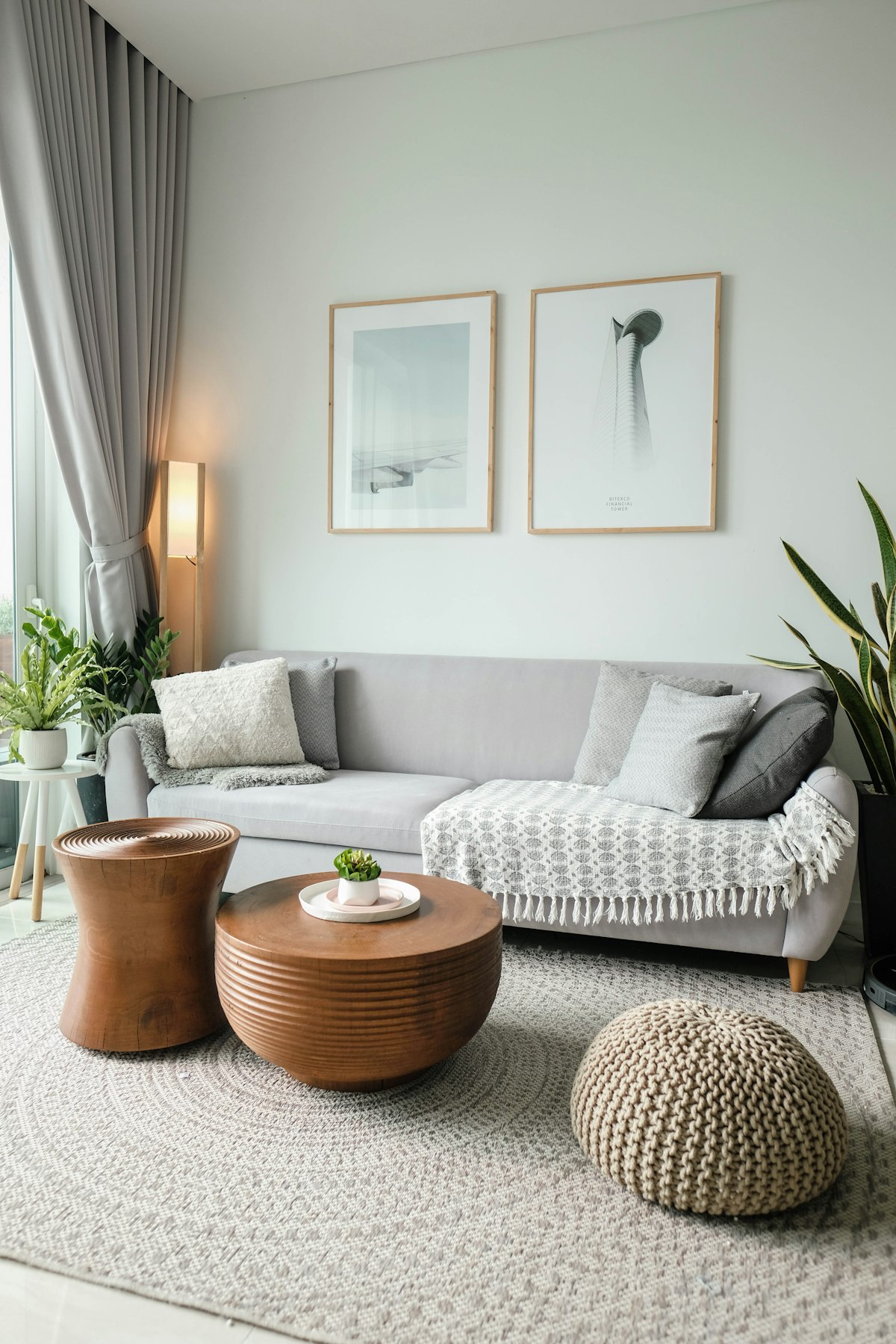 A custom solid oak dining table and bespoke upholstered chairs for a luxury residential project — the kind of specification that a well-positioned distributor with the right Italian brand partnerships can deliver consistently.
Understanding how Italian furniture is made—and why the manufacturing process enables genuine customization—is one of the most effective ways to build credibility with clients who are still skeptical about the quality of custom production.

▶ Watch: “Made By Hand — Production Process of Italian Handmade Furniture” by Modenese Gastone. Share this with clients who ask how custom Italian furniture maintains its quality standards.
The table below summarizes the measurable business impact across key operational metrics when transitioning from a stock-holding to a customization-enabled model. These figures are derived from industry practitioner data and distributor case studies across European and Asian markets.
| Metric | Stock-Only Model | Customization-Enabled Model | Improvement |
|---|---|---|---|
| Dead stock as % of inventory | 20–30% | 2–5% | ↓ 80–90% reduction |
| Average project value | Baseline | 40–90% higher | ↑ Significant uplift |
| Client repeat project rate | 20–35% | 60–75% | ↑ Nearly double |
| Net margin vs. stock-only | Baseline | +5–10 percentage points | ↑ Measurable improvement |
| Warehouse footprint required | 100% (baseline) | 50–70% | ↓ 30–50% reduction |
| Deposit collected before production | Minimal | 30–50% of order value | ↑ Working capital improvement |
 An Italian leather armchair specified for a private library. When a client specifies the leather grade, the stitching pattern, and the stain on the solid walnut leg, the finished piece doesn’t just fill the room—it defines it.
Q1: What’s the realistic lead time for a custom Italian sofa, and how does it compare to stock items?
Most Italian brands offer 10–14 weeks for fully customized orders from deposit confirmation to factory dispatch—compared to 4–6 weeks for stock configurations pulled from existing warehouse inventory. However, modular systems with standard structural configurations but custom fabric selections can often be expedited to 6–8 weeks. The single most important operational practice is communicating this timeline clearly at the first client meeting, before any design consultation begins. Clients who know the timeline in advance plan around it. Clients who discover it mid-process become problems.
Q2: Can we order small quantities of custom pieces, or do Italian manufacturers require minimum order quantities?
This varies by brand and customization type. Most mid-to-premium Italian manufacturers accept single-unit custom orders for structural modifications and fabric selection. However, some brands require minimums for specific fabric selections—particularly exclusive materials or dye-lots—with minimums typically in the 3–5 meter range, which may effectively require 2–3 piece minimums to use the fabric efficiently. For high-volume distributors, minimum order quantities can often be negotiated down or waived during partnership setup discussions. Always clarify MOQ terms per material category during initial brand partnership conversations.
Q3: What happens if a client wants to change the order mid-production?
Most Italian manufacturers allow specification changes up to a defined point in the production cycle—typically the first 2–3 weeks after production begins, which usually corresponds to the frame-cutting stage before upholstery materials are cut. After that point, modifications may incur additional material costs, delay the production timeline by 2–4 weeks, or in some cases be impossible without restarting the order. Protect yourself operationally by: (1) requiring written specification approval, countersigned by the client, before submitting the order to the manufacturer; and (2) including a clear change-order policy in your client contracts that specifies the cost and timeline implications of mid-production changes.
Q4: How do we handle customization for rush projects?
Some Italian brands offer expedited production pathways—typically 6–8 weeks—for orders that meet specific criteria: standard structural dimensions, fabric selection from the in-stock portion of the library, and expedited deposit processing. These rush pathways are generally not available for highly complex custom orders involving non-standard dimensions or specialty materials. Establish which brands in your portfolio have genuine rush capability, at what upcharge, and for which product categories. Build this into your pitch for time-sensitive hospitality projects—having a credible 8-week custom delivery option differentiates you from competitors who can only offer stock or long-lead custom.
Q5: What customization options are actually available, and are there limitations we should know about?
Core options across most Italian brand customization programs include: dimensions (within structural limits—typically maximum sofa length of 4m, seat depth adjustable within ±15cm of standard), leg styles and materials (wood, metal, mixed), cushion fills (HR foam densities, feather/down blends, fiber wrap specifications), fabric and leather selection from the brand library, stitching details (channel stitching, tufting, edge piping), and modular configuration additions. The limitations vary by product and brand: some sofas have fixed frame construction that doesn’t allow width modification, certain fabrics aren’t available in all colors, and some structural changes require engineering review that adds lead time. The discipline is to verify specific product limitations with the manufacturer before committing them to the client.
Q6: How many fabric and leather options do Italian brands typically offer, and how do we manage this for clients?
Premium Italian brands typically offer 150–300 fabric options across their full library and 30–50 leather grades across full-grain, semi-aniline, pigmented, nubuck, and suede categories. Managing this for client communication requires curation: never present a full fabric library to a client without a pre-filtered selection. For a given project, prepare 8–12 fabric options in 3–4 families (e.g., performance weave, velvet, bouclé, leather) that all work within the project’s aesthetic and budget parameters. Let the client choose within that curated set. This makes the decision manageable for them and positions you as a knowledgeable guide rather than a catalog dispenser.
Q7: Can we customize structural elements like leg materials or frame construction?
This is brand- and product-specific. Most Italian brands offer leg customization (wood species, metal finish, leg height within a range) as standard. Frame construction modifications—changing the underlying structure of a piece—are typically not available for standard products but may be possible as a bespoke commission at significantly higher MOQ and cost. Some brands have specific product lines designed for structural flexibility (modular seating systems), while their signature pieces may have fixed construction. Confirm which structural elements are customizable for each product during partnership setup, and maintain this information in your internal product knowledge base so sales staff don’t make promises the manufacturer can’t keep.
Q8: What about customization for contract/hospitality projects—are there durability or fire-code considerations?
Yes—and this is one of the most commercially important customization distinctions for distributors serving hospitality or corporate clients. Contract-grade specifications typically require: flame-retardant fabric treatments (tested to EN 1021-1/2 in Europe, CAL 117 in the US, or local equivalents), reinforced frame construction for high-traffic durability, higher-density foam specifications (typically 38–45 kg/m³ for contract use vs. 28–35 kg/m³ for residential), and in some markets, specific material certification documentation for building code compliance. Italian brands with dedicated contract divisions—including Minotti Contract, Poliform Contract, and others—produce these specifications as standard within their contract line. Ensure your team understands the distinction between residential and contract customization specifications, and that you’re quoting the correct specification type for each project type.
Q9: How do we price custom orders without creating confusion or leaving money on the table?
Adopt a transparent, tiered pricing structure that you present to clients at the start of every customization conversation—not after they’ve fallen in love with a specification. A working framework: establish a base price for standard customization (one fabric from the standard library, standard leg finish, standard dimensions within modular options). Apply upcharges for premium material selections (leather grades, specialty fabrics), custom dimensions, or non-standard finishes—typically 5–25% above the base depending on complexity. Separately, consider a design consultation fee for complex projects requiring multiple iterations of 3D visualization. Most successful distributors in this space apply 15–25% upcharges for premium material customization and treat it as a standard part of their pricing conversation, not as an exception.
Q10: Do Italian manufacturers offer volume discounts on customized orders?
Yes, but the structure is different from stock order discounting. Volume benefits on custom orders typically apply to: material purchasing across multiple units (buying 80 meters of a fabric across a 20-unit order versus 4 meters for a single unit), repeat customizations of the same specification within a defined period (reordering the same custom configuration for phase two of a project benefits from the established production template), and annual volume tiers for established distributor relationships. Negotiate volume-based terms during your brand partnership setup—frame the conversation around projected annual order value rather than individual order size.
Q11: What’s our margin potential on customized vs. stock furniture?
Industry data indicates that customized orders typically yield 5–10 percentage points higher net margin than stock furniture sales. This comes from two sources: the pricing premium on the goods themselves (15–25% upcharge on custom specifications vs. competitive pricing on stock items) and the margin on associated services (design consultation, 3D visualization, project management), which carry significantly higher margins than physical goods. However, customization also carries higher operational costs—time for design consultation, specification management, client communication, and quality oversight. Calculate your true margin including fully loaded labor costs per custom project. For most distributors making this transition thoughtfully, the net result is materially higher profitability per project, not just per unit.
Q12: How do we handle payment terms and deposits for custom orders?
Standard practice across the Italian furniture supply chain is a 30–50% deposit upon order confirmation, with the balance due before or upon shipment. The deposit rate typically scales with order complexity and client payment history: new clients or single-unit orders warrant 50% deposits; established clients with multi-unit project orders may be appropriate for 35–40%. For your relationship with the manufacturer, you’ll typically pay a similar deposit structure upstream. The goal is to structure your client deposit to exceed your upstream commitment, ensuring you’re never in a position of having funded the manufacturer without having funded yourself. Established distributors with strong track records can often negotiate Net 30–60 terms on the balance with their Italian brand partners, which further improves the cash flow dynamics.
Q13: What tools or software do we need to manage customization orders efficiently?
The minimum technology stack for a professional customization operation includes: a CRM or project management platform (Monday.com and Asana are both widely used in the furniture distribution industry) to track order status, client communications, and production milestones; a 3D visualization tool, either brand-provided or third-party (SketchUp with furniture plugins, Revit for architecture-integrated projects, or dedicated furniture configurators like Zolak or VividWorks for showroom use); and a specification documentation template that captures all customization parameters in writing before order submission. The total investment for this stack runs $5,000–$15,000 annually for a mid-sized distributor operation, with staff training requiring 3–5 days per tool for practical competence.
Q14: How do we prevent scope creep and manage client expectations during the customization process?
Scope creep in custom furniture projects typically follows a predictable pattern: client approves the sofa specification, then asks to change the fabric two weeks later, then wants to add a matching ottoman that wasn’t in the original quote, then asks if the leg color can be changed mid-production. Each of these changes, individually, seems minor. Collectively, they add cost, delay production, and erode your margin. Prevention requires a documented process: written specification approval (signed by the client) before order submission; a clearly communicated change-order policy with associated cost and timeline implications; and a formal project close-out at the specification stage where the client confirms that the approved documents represent the final scope. Use 3D renderings as part of this close-out—a client who has seen their furniture in photorealistic 3D and signed off on it has significantly fewer “I thought it would look different” moments.
Q15: What happens if a custom order arrives damaged or with defects?
Italian manufacturers at the premium and mid-premium tier typically stand behind their products with 2-year warranty coverage on structural defects and material failures. However, custom orders often have different return/replacement policies than stock items—replacement of a custom piece requires re-entering the production queue (10–14 weeks), not pulling from existing stock. This makes quality control at delivery critical. Establish a delivery inspection protocol: inspect pieces against the production specification document and the approved campione before client delivery. Photograph any damage during transit and document it against the shipping company. Communicate clearly to clients that custom order replacement timelines are production-dependent—this is not a failure of your process, but a reality of bespoke manufacturing that clients should understand before ordering.
Customization is no longer a nice-to-have feature in the B2B furniture market—it’s an operational capability that separates the distributors and design professionals who win complex, high-value projects from those who compete on catalog price and lose on specification flexibility.
Italian brands have demonstrated that craftsmanship and customization aren’t in tension. The manufacturing investment, the supplier ecosystem, and the design heritage that make Italian furniture distinctive also make it the most viable platform for genuine customization at commercial scale. The brands worth partnering with have already made that investment. Your role is to build the distribution model, client communication framework, and operational infrastructure that captures the value those brands have created.
The business case is clear: lower inventory risk, higher project values, stronger client retention, and measurably better margins. The market trajectory is unambiguous: client expectations are moving toward customization as a baseline, not a premium. The window to position yourself as a customization-capable operator before your competitors do is open—but it won’t stay open indefinitely.
The distributors and showroom operators who win in the next five years won’t be the ones with the largest catalog or the lowest per-unit pricing. They’ll be the ones who can sit across from a hotel designer, a corporate space planner, or a luxury residential developer and say: “Tell me exactly what you need, and we’ll build it”—and then deliver on that promise.
JL&C Furniture works with furniture distributors, showroom operators, and design professionals who are making this transition. Our customizable product lines span living room seating, dining collections, bedroom suites, and hospitality-grade contract furniture—all available with genuine customization capability, backed by 20 years of manufacturing experience from our Shanghai facility. Whether you’re sourcing for a single luxury residential project or a 200-room hotel fit-out, we offer the production flexibility, material depth, and project support to make customization work as a competitive advantage for your business.
Ready to Transform Your Business Model?
Connect with the JL&C Furniture partnership team to explore how Italian-influenced customization capability can elevate your showroom, expand your project capabilities, and unlock new revenue streams. Let’s discuss how customization fits into your specific business strategy.
Schedule a Consultation | View Our Customizable Product Lines | Read: Build-to-Order vs. Mass Production
For readers new to the Italian furniture industry or the B2B distribution landscape, the following definitions provide context for key terms used throughout this article.
Campione — Italian for “sample.” In furniture manufacturing, the production campione is the approved pre-production sample against which all units in a batch order are inspected for quality consistency.
Contract Grade — Furniture specification designed for commercial, high-traffic environments. Contract-grade pieces typically meet higher standards for structural durability, foam density, and material fire resistance than residential-grade equivalents.
Flexible Cell Production — A manufacturing approach where production stations are reconfigured based on order specifications, enabling a factory to run varied custom orders simultaneously rather than batch-producing identical units.
Laboratori Artigianali — Italian artisan workshops. In the context of furniture manufacturing, these are specialized small-scale producers embedded within the broader Italian furniture supply chain, often supplying specialist components (hand-finishing, custom hardware, specialty fabrics) to larger manufacturers.
Martindale Abrasion Test — An industry-standard test for measuring fabric durability by simulating wear cycles. A rating of 15,000+ rubs is typically required for residential use; 30,000+ for light commercial; 80,000+ for demanding commercial or hospitality applications.
Made-to-Order (MTO) — A production model where manufacturing begins only after a confirmed client order with an approved specification. Contrasted with stock-holding or make-to-stock (MTS) models where inventory is produced before the order exists.
MOQ (Minimum Order Quantity) — The minimum number of units or material quantity a manufacturer will accept for a specific custom specification. Understanding MOQs per material category is essential for accurate project pricing.
Pelle Frau® — A proprietary leather type developed and produced by Poltrona Frau, recognized as one of the highest-quality furniture leathers in the Italian market. Referenced here as an example of a brand-specific material advantage.
SKU (Stock Keeping Unit) — A unique identifier for a specific product configuration. In the context of customization, the shift from fixed SKUs to modular specification reflects the manufacturing evolution described in this article.
Sources and further reading: Mordor Intelligence — Italy Furniture Market | Grand View Research — Contract Furniture Market | Business Research Insights — Custom Furniture Market | JL&C Furniture — Build-to-Order vs. Mass Production

China Furniture Sourcing Agent Roles for High-End Buyers What a China Furniture Sourcing Agent Actually Does for High-End Buyers Every finished luxury room sits on
How to Vet a China Furniture Sourcing Agent Before Signing A single curved sofa like this goes through dozens of approvals, including frame, foam, fabric
China Furniture Sourcing Agent vs Direct Factory Buying: A Strategic Guide for High-Value Buyers When one project includes 400 hotel rooms, a 20-seat marble dining
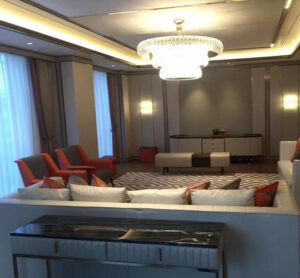
Advanced Tips to Get More from Your China Furniture Sourcing Agent Powerful Strategies for High-Performance Sourcing – Tailored for Elite Buyers, Designers & Operators Your
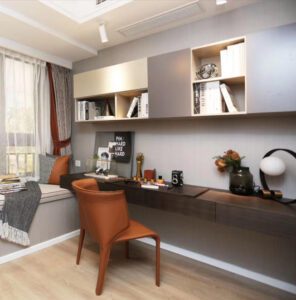
What Wholesale Furniture Suppliers in China Can Offer High-Value Buyers A statement luxury living room — the kind of space that begins with the right
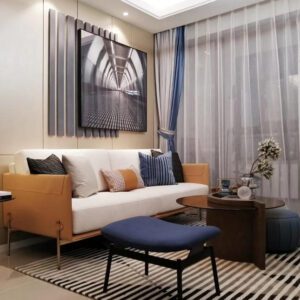
How to Work Better With Your China Furniture Supplier After Ordering A Practical Playbook for High-End Furniture Importers, Interior Designers, FF&E Buyers, Villa Owners, Private