Building a Successful Private Label Furniture Brand with China Suppliers…
Building a Successful Private Label Furniture Brand with China Suppliers
A practical guide for importers, designers, hotel developers, and brand owners who are serious about building something that lasts — not just placing orders.
There is a specific type of furniture business that outperforms everyone else in the room: it has its own brand name on the label, a cohesive design identity that clients recognize, and manufacturing costs that support margins other distributors cannot match. That business is a private label furniture brand built on a high-quality Chinese manufacturing partnership.
This isn’t a secret model. What separates the brands that execute it well from the ones that fail — with rejected shipments, stolen designs, and supplier relationships that collapse after the first large order — is preparation, structure, and a clear understanding of how to work with Chinese manufacturers at the level where real quality lives.
This guide covers all ten steps, from defining your brand identity to scaling across multiple markets, written for the professionals who are building these businesses and need specifics, not generalities.
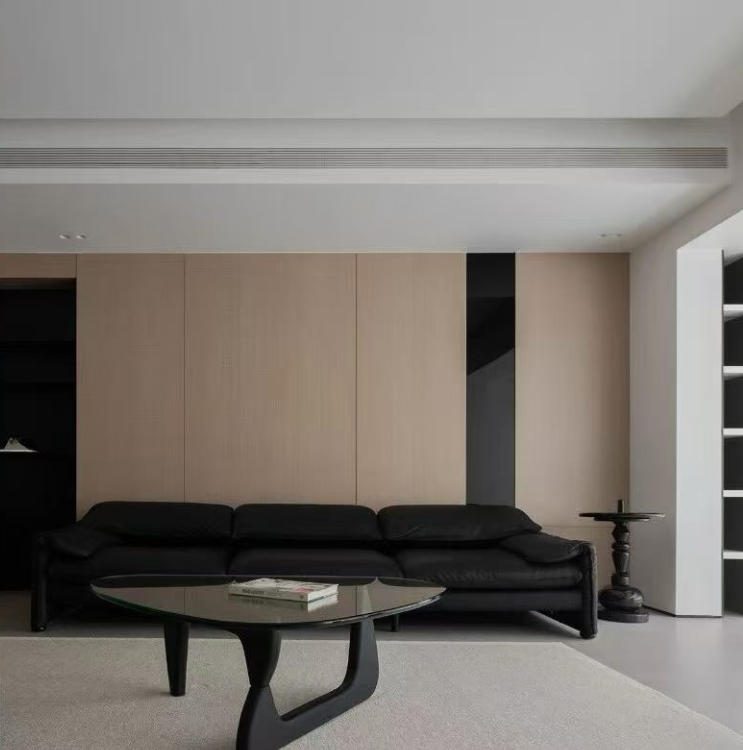
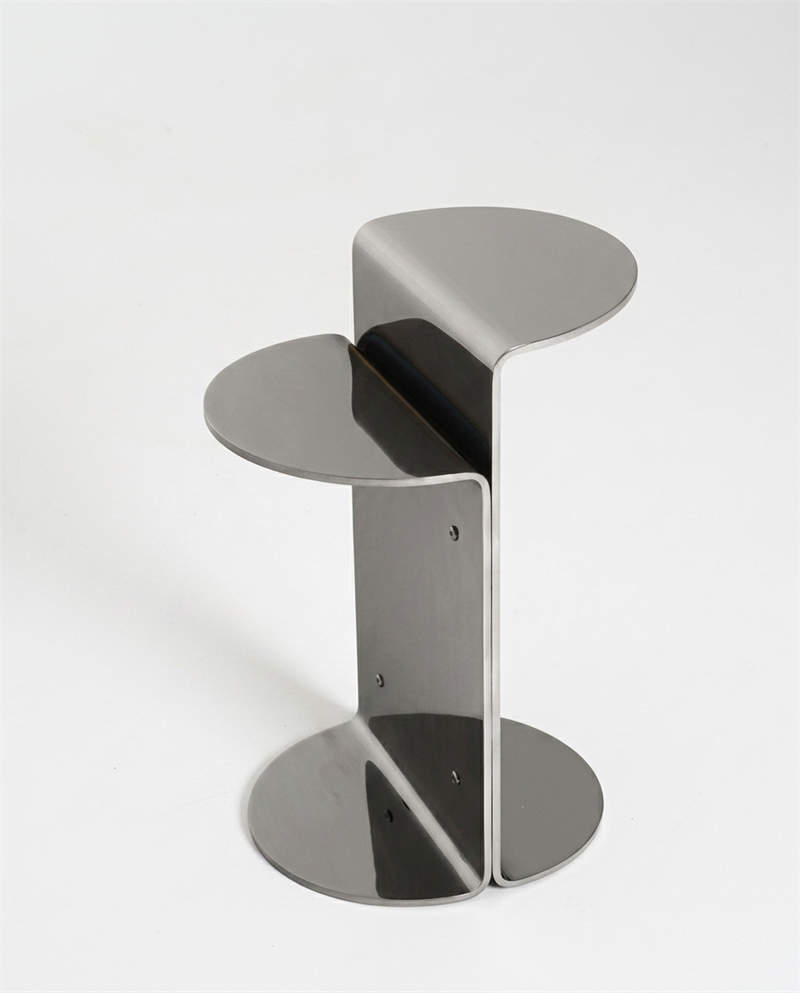
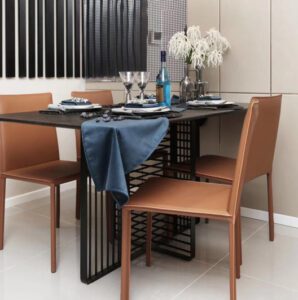
A well-executed private label furniture brand: distinctive design language, premium materials, and a production partnership that can scale.
1. Understanding the Competitive Advantage of Chinese Manufacturing for Premium Furniture Brands
The conversation about Chinese furniture manufacturing has shifted significantly in the past decade. The narrative of “cheap but low quality” belongs to the tier-three factories producing flat-pack commodity goods for export markets. At the upper tier of the industry — the manufacturers supplying boutique hotels in Dubai, villa developers in Portugal, and luxury furniture brands retailing in the United States and Europe — the story is entirely different.
China’s furniture manufacturing industry is estimated to produce over 37% of global furniture output, according to industry data. But the more relevant fact for private label brand builders is this: the top-tier Chinese manufacturers have invested in the same CNC precision routing equipment, multi-axis carving machines, and computerized finishing lines used by Italian and German furniture producers — at production costs that are typically 40–60% lower for equivalent material and construction specifications.
That cost structure doesn’t mean cutting corners. It reflects China’s manufacturing infrastructure maturity: deep supply chains for premium hardwoods, hardware, fabric, and finishing materials; a trained workforce with generational craft knowledge in joinery, lacquer, and upholstery; and production flexibility that European factories — with their longer lead times, higher minimum orders, and limited customization appetite — cannot match.
For a private label brand targeting luxury villa owners, boutique hotels, or high-end interior designers, the competitive advantage is direct: you can offer genuine custom product, in premium materials, at a retail price that delivers strong margins and remains competitive against European imports — because your manufacturing cost is structured differently from your competition’s.
The key, of course, is finding and properly managing the right manufacturing partner. Everything else in this guide is about doing exactly that.
2. Defining Your Private Label Brand Identity in a Crowded Market
The most expensive mistake in private label furniture is starting with the supplier instead of starting with the brand.
Buyers who approach Chinese manufacturers with vague instructions — “luxury furniture,” “high-end look,” “modern style” — receive exactly what they asked for: vague product that fits no market precisely and competes on price alone. The brands that win define their identity with enough precision that a manufacturer can build to a standard, not guess at one.
Your brand identity needs to answer three questions before you make a single supplier inquiry.
First: Who is your client, specifically? Not “luxury buyers” — that’s 400 million people. A boutique hotel group developing 5-star properties in Southeast Asia has different needs from a villa developer building branded residences in the Algarve, which is different again from an interior design firm sourcing for high-net-worth residential clients in London. The furniture specifications, material standards, lead time requirements, and price sensitivities are meaningfully different across these segments.
Second: What is your design language? Modern Chinese minimalism with premium hardwood frames and performance upholstery? Classic European silhouettes reinterpreted in sustainable materials? Tropical luxury with rattan, teak, and outdoor-grade fabrics? Your design direction determines which manufacturers you approach — a factory specializing in Qing dynasty-inspired carved hardwood pieces is not the right partner for a brand built on Scandinavian minimalism.
Third: What is your exclusivity position? Private label furniture brands derive their margin from perceived exclusivity — the sense that the client cannot find this exact product from another source. That exclusivity can come from proprietary design (you own the drawings), proprietary material (you’ve developed a custom fabric colorway or finish), or proprietary service (you offer a design collaboration and specification service that commodity distributors don’t). Know which of these is your story before you sit across from a manufacturer.
According to McKinsey’s analysis of private label brand strategy, private label brands that establish a clear differentiation narrative outperform those competing primarily on price by a consistent margin — the same dynamic applies directly to furniture.
Brand identity development: the mood board and material specification stage is where a private label furniture brand is actually built.
3. How to Identify and Vet High-Quality Chinese Furniture Suppliers
There are approximately 50,000 furniture manufacturers in China. The number capable of producing genuinely premium product for a private label brand that expects consistency, compliance, and professional communication is considerably smaller — in the hundreds, not thousands.
Identifying them requires more than an Alibaba search. The professional sourcing channels for luxury-grade Chinese furniture manufacturers include trade shows — specifically CIFF (China International Furniture Fair) in Guangzhou and Shanghai, and CIFM/interzum Guangzhou — supplier databases maintained by freight forwarders and sourcing agents with verified factory relationships, and referrals from other importers operating in adjacent (non-competing) product categories.
Once you have a shortlist, evaluate each manufacturer against these five criteria before any conversation about pricing or product:
Certifications: At minimum, look for ISO 9001 (quality management system — confirms the factory has documented processes, not just goodwill), FSC chain-of-custody (for any solid wood components — verifiable at the FSC public database in 60 seconds), and where applicable, BIFMA (commercial furniture durability testing) or CARB Phase 2 compliance for the US market. A manufacturer who cannot produce these documents promptly either doesn’t have them or doesn’t maintain them — both are disqualifying.
Export experience: A factory that has been exporting to the US, European, or Australian market for 5+ years has already solved the compliance, documentation, and communication problems that will slow down a first-time exporter. Ask for their export history by destination market.
Portfolio quality: Look for documented project references — not lifestyle photography — showing completed deliveries to luxury hospitality or high-end residential clients. A manufacturer who can share photos of a boutique hotel installation in Dubai or a villa project in the South of France is demonstrating a track record, not just a capability claim.
Design collaboration capability: For private label brands, the supplier’s ability to work from your drawings, iterate on samples, and maintain design consistency across production runs is essential. Ask specifically: Do they have an in-house design team? What software do they use for 3D rendering and technical drawing? What is their prototype-to-production iteration timeline?
Communication infrastructure: Test responsiveness before you commit. A manufacturer who takes 72 hours to reply to an inquiry email will not improve when you have an active production order on their floor.
The CIFF quality certifications guide provides a comprehensive breakdown of which certifications matter for which export markets — a practical checklist for any first-time buyer evaluating Chinese suppliers.
4. Mastering the Art of Contract Negotiation with Chinese Suppliers
The single most common failure point in China-based manufacturing partnerships is a contract written for the relationship you hope to have, not the one you actually need.
Western-style NDAs — Non-Disclosure Agreements — provide almost no enforceable protection in China. Chinese courts do not recognize the same IP frameworks as US or EU jurisdictions, and a standard NDA provides no mechanism for the specific risks Chinese manufacturing relationships carry. The correct legal instrument for China is an NNN Agreement: Non-Disclosure, Non-Use, Non-Circumvention.
An NNN Agreement, drafted under Chinese law and written in Mandarin as the governing language version, prevents the manufacturer from disclosing your designs to third parties (non-disclosure), using your designs to produce product for another buyer (non-use), and bypassing you to sell directly to your clients (non-circumvention). Critically, it should include liquidated damages clauses — pre-agreed financial penalties for breach — because these are enforceable in Chinese courts in a way that injunctive relief is not.
For detailed guidance on drafting enforceable NNN agreements, Harris Sliwoski’s China Law Blog is the most authoritative English-language resource available, written by attorneys who litigate these cases.
Beyond IP protection, your manufacturing contract should specify:
MOQs (Minimum Order Quantities) agreed per product category, with clear language on pricing at different volume tiers
Payment terms — standard in the industry is 30% deposit at order confirmation, 70% balance against copy of Bill of Lading; never pay 100% upfront
Production lead times with milestone checkpoints (e.g., material confirmation at Week 2, mid-production inspection at Week 8, pre-shipment inspection at Week 12)
Quality specifications — referenced to approved samples, not described in vague terms
Penalty clauses for production delays beyond agreed dates (typically expressed as a percentage of order value per week of delay)
Defect resolution protocols — who bears cost for replacement, rework, or credit against future orders
Get the contract reviewed by a lawyer with Chinese manufacturing experience before signing. This is not optional for any private label brand owner placing orders above $20,000.
5. Design Collaboration: From Concept to Sample Development
The quality of your design communication determines the quality of what comes off the production line. This is where most private label brands underinvest — and where the most preventable problems originate.
Your design package to the manufacturer should include, at minimum: technical drawings with precise dimensions (in millimeters, not inches — Chinese factories work in metric), material specifications (wood species, foam density grade, fabric with supplier name and product code where possible), finish references (RAL or Pantone color codes for lacquers and fabrics, physical swatch references where color-matching is critical), and reference photos of comparable pieces showing the aesthetic intent.
The more precisely you communicate, the less interpretation the factory does — and interpretation is where your design vision and the finished product diverge.
Request a physical prototype before authorizing any production run. A physical prototype — not a 3D render, not a production photo — is the only mechanism for validating the following: foam comfort and recovery, fabric texture and color accuracy under different lighting conditions, hardware weight and smoothness, finish depth and consistency, and dimensional accuracy. These are qualities that photographs and renders cannot communicate.
Build a structured feedback loop with your manufacturer for prototype iteration. A professional factory will typically complete a prototype revision in 2–3 weeks from feedback. If a revision takes longer than a month, your production timeline is already at risk.
For private label brands working at JL&C Furniture, the standard sample development process includes a 3D rendered preview for client approval before physical prototype production — reducing revision cycles and shortening the timeline from concept to approved sample.
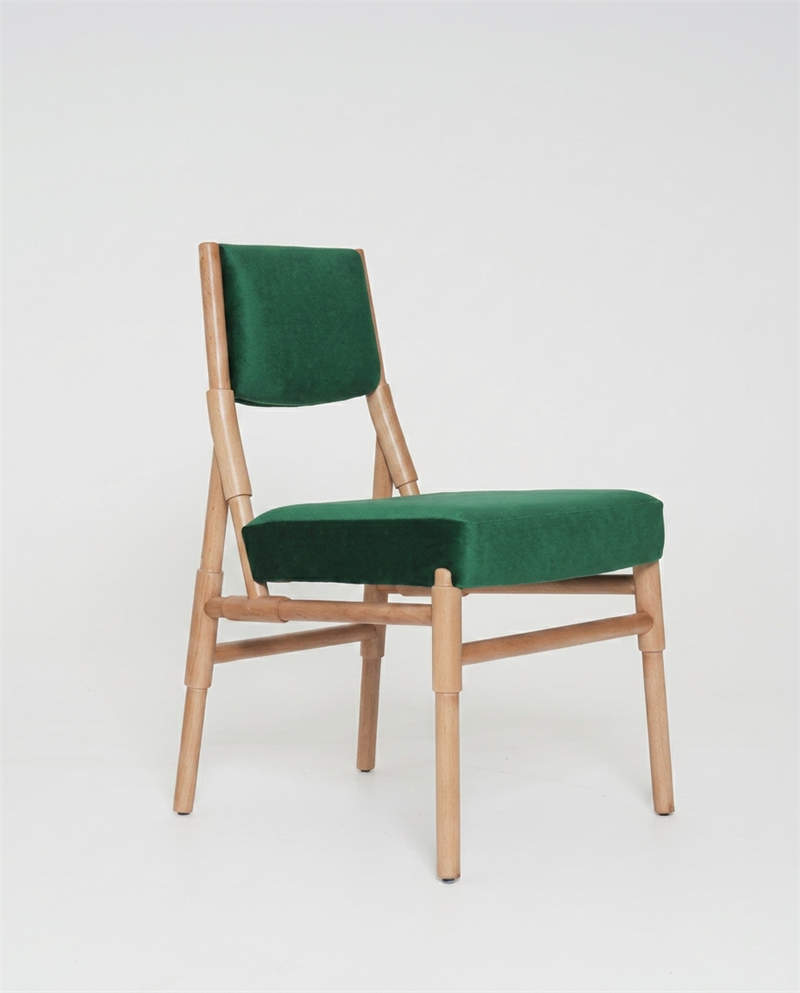
Prototype development: the physical sample stage is where design intent meets manufacturing reality — and where problems are cheapest to fix.
6. Ensuring Rigorous Quality Control at Every Stage
A hotel group that placed its first large order with a Chinese manufacturer and skipped pre-shipment inspection famously received 400 dining chairs — 28% of which had fabric color variation visible enough to fail a guest room standard. The replacement cost, including re-shipment and a three-month delay to the hotel opening, exceeded the original production cost.
Professional quality control is not an insurance policy against catastrophic failure. It is the management process that catches the 5% of units with detectable issues before they leave the factory and become your problem on the receiving dock.
AQL — Acceptable Quality Level — is the industry-standard statistical framework for defining defect tolerance in a batch inspection. AQL defines the maximum percentage of defective units you are willing to accept in a shipment, and the sample size required to detect that defect rate with statistical confidence.
For luxury furniture private label brands, the standard AQL setting is 0/2.5/4.0:
Critical defects (structural failures, safety hazards, severe cosmetic damage): AQL 0 — zero tolerance
Major defects (visible finish inconsistencies, dimensional deviations, hardware failures): AQL 2.5 — maximum 2.5% defect rate
Minor defects (slight color variation within tolerance, minor packaging scuffs): AQL 4.0
According to The Inspection Company’s 2026 furniture defect guide, luxury brands selling above $1,000 per unit typically set tighter AQL thresholds than standard importers — for good reason, since the cost of a single damaged piece in a high-end client delivery exceeds the cost of the inspection that would have caught it.
The table below outlines the three-stage QC framework recommended for private label furniture sourcing:
QC Stage
Timing
What to Inspect
Who Conducts It
Pre-Production
Before raw materials cut
Material grade, wood moisture content, foam density samples, fabric dye lot
Factory QC + buyer review
In-Line (Mid-Production)
At 30–50% completion
Joinery accuracy, finish consistency on first units, dimensional conformance
Third-party inspector or factory QC with buyer-defined checklist
Pre-Shipment Final
Before container loading
Full AQL inspection against approved sample, packaging integrity, labeling
Third-party inspector (SGS, Intertek, Bureau Veritas)
For any order above 50 units or above $30,000 in value, appoint a third-party inspection firm for the pre-shipment stage. The fee — typically $300–500 per inspection day — is the most cost-effective investment in the entire procurement process.
7. Navigating Logistics, Import Compliance, and Duty Optimization
Furniture is a high-cube, high-weight commodity class. Getting it wrong on logistics costs more than getting it wrong on almost anything else in the supply chain.
Incoterms — the standardized international trade terms that define who is responsible for shipping cost, insurance, and risk at each stage of transit — are the foundation of your freight negotiation. The three most relevant for furniture importing are:
EXW (Ex Works): The supplier’s responsibility ends at their factory gate. You arrange all freight, export clearance, and insurance. Maximum control, maximum responsibility. Suitable for experienced importers with established freight relationships.
FOB (Free on Board): The supplier loads goods at the named origin port; your risk and cost begin from that point. The most common Incoterm for experienced buyers sourcing from China — you control the main freight leg and can negotiate directly with your forwarder.
DDP (Delivered Duty Paid): The supplier handles everything including freight, insurance, import clearance, and duties to your named destination. Maximum simplicity, minimum control. Suitable for first orders or buyers without freight infrastructure — but the supplier’s margin on logistics is typically included.
On duties: furniture imported from China into the US has faced significant tariff complexity since 2018, with Section 301 tariffs layered on top of standard MFN duties. The current effective duty rate on Chinese furniture for the US market should be confirmed with a licensed customs broker before finalizing any landed cost calculation, as rates have been subject to revision. The US Tariff Rates furniture guide provides current HTS code classifications and effective rates.
True landed cost — the figure that actually determines your margin — is calculated as:
A private label brand that prices based on FOB without a full landed cost model will routinely underestimate product cost by 25–40%. Build the complete model before placing any order. For solid wood furniture from China, also confirm that your supplier can provide a phytosanitary certificate — an official document confirming wood products have been inspected and treated to prevent cross-border spread of pests — required for entry into most markets.
Watch: How to Source and Build a Private Label Furniture Brand from China
This video offers a practical, unfiltered look at the realities of building a product brand through Chinese manufacturing — covering supplier selection, quality management, and the mistakes that trip up first-time importers:
Product sourcing from China: real insights on finding quality manufacturers, managing quality control, and building long-term supplier relationships.
8. Sustainability, Certifications, and Ethical Sourcing for Premium Brands
Sustainability has moved from a marketing preference to a procurement requirement — particularly for brands selling into European and North American luxury markets, and for FF&E programs tied to hotel groups with published ESG (Environmental, Social, and Governance) commitments.
The market signal is clear: FSC’s European Furniture Awards data shows consistent year-on-year growth in FSC-certified furniture production, and in 2024, FSC China launched its “Green Furniture for Sustainable Forests” initiative with its first batch of 11 certified leading manufacturers. The momentum is one-directional.
For private label brands, sustainability credibility requires documentation, not just declaration. The minimum documentation standard for a credible sustainability claim in 2025 is:
FSC Chain-of-Custody certificate for all solid wood components — verifiable at the FSC public database
CARB Phase 2 test report for any composite wood (MDF, plywood, particle board) components — issued by a CARB-approved third-party certifier
Low-VOC finish certification — confirming paint, lacquer, and adhesive emissions fall within defined limits (relevant for EU REACH and California Prop 65)
REACH compliance documentation for chemical safety across all materials — required for EU market entry
Social compliance audit (BSCI, SA8000, or equivalent) — confirming labor standards, factory safety, and working conditions meet international benchmarks
Brands targeting the luxury segment have a specific opportunity here: sustainability as brand narrative. A private label furniture brand that can tell a complete, documented story — FSC-certified Appalachian Black Walnut frames, water-based low-VOC lacquers, BSCI-audited factory, carbon-neutral shipping option — has a story that neither commodity importers nor many European luxury brands can tell credibly. That story is worth real margin.
Sustainable production: FSC-certified materials, low-VOC finishes, and documented supply chain practices are now baseline expectations for premium furniture brands.
9. Building Long-Term Supplier Partnerships for Consistent Excellence
The economics of private label furniture sourcing improve dramatically with relationship depth. A manufacturer who has worked with you through three production cycles knows your quality standards without re-briefing, has your preferred material specifications on file, allocates production capacity for your orders in their planning cycle, and will call you before shipping if something looks off — rather than hoping you don’t notice.
That level of operational partnership takes deliberate investment to build. Here is what it looks like in practice.
Communicate beyond the transaction. Share your pipeline — upcoming projects, growth plans, new market entries — with your key supplier contacts. A manufacturer who understands your business trajectory can plan accordingly. One who only hears from you when you have a PO to place will treat you like a transactional buyer, because that’s what you’ve demonstrated yourself to be.
Co-invest in exclusivity. For your most important SKUs, consider co-investing in tooling, molds, or proprietary carving jigs that belong to your brand. When the factory has spent money building your specific production infrastructure, the economic incentive to maintain the relationship — and to protect your design from being replicated for another buyer — increases significantly.
Establish formal KPI reviews. The table below outlines a practical supplier scorecard framework for quarterly review meetings:
KPI Category
Metric
Target
Review Frequency
On-Time Delivery
% of orders delivered by agreed date
≥ 95%
Quarterly
Quality Pass Rate
% of units passing pre-shipment inspection
≥ 97%
Per Order
Sample Accuracy
Prototype matches specification
First revision within 5% deviation
Per Project
Communication Responsiveness
Response time to written inquiries
≤ 24 hours business hours
Ongoing
Compliance Documentation
Completeness of cert/test report delivery
100% on-time per PO
Per Shipment
CAR Resolution
Days to resolve corrective action reports
≤ 10 business days
Per Incident
Regular KPI reviews serve two purposes: they give you structured data to make informed sourcing decisions, and they communicate to the supplier that you are a sophisticated buyer who will notice performance drift before it becomes a systemic problem.
For private label brands working with JL&C Furniture, dedicated account management includes quarterly performance reviews and production planning alignment — because the brands we work with are building for the long term, not placing one-off orders.
10. Scaling Your Brand: From Single Projects to Market Expansion
The private label furniture brands that achieve real scale — moving from a single hotel project or product line into a multi-category brand with showroom and e-commerce presence — do one thing consistently: they replicate what works before they add complexity.
The natural expansion sequence for a successful private label furniture brand follows a pattern: an initial product line or project that proves quality, supply chain reliability, and client reception; a second product extension (adjacent category or new application — e.g., from villa living room furniture into outdoor furniture, or from residential into contract/hospitality grade); and then geographic or channel expansion, with the brand equity and supplier infrastructure already established.
The key decisions at the scaling stage are:
Channel strategy: Physical showrooms in design districts (Atlanta, London, Dubai, Singapore) deliver brand authority and enable designers and specifiers to experience the product in context. E-commerce and digital trade platforms (1stDibs, Chairish, Wayfair Professional) deliver reach. The most effective scaled private label furniture brands operate both — using showrooms to build relationships and e-commerce to capture reach and volume. The luxury e-commerce strategy guide from Ontap Group provides a practical framework for scaling high-value product brands through digital channels without compromising luxury positioning.
Category extension discipline: Add product categories when your manufacturing partnership is deep enough to maintain quality across new categories — not before. Adding outdoor furniture to an indoor furniture brand requires an entirely different set of material specifications (UV resistance, corrosion protection, all-weather construction) and potentially a different manufacturing partner.
Dual sourcing: As you scale, consider establishing a qualified second supplier for your highest-volume SKUs. A single-supplier dependency for a product category driving significant revenue creates a supply chain fragility that becomes increasingly unacceptable as the brand grows.
The brands that execute this well — building a private label furniture identity that hotel developers, interior designers, and villa owners specifically request by name — are the ones who treated the manufacturing partnership as a strategic asset from day one, not a cost to be minimized.
What the Private Label Furniture Opportunity Actually Looks Like
The luxury furniture market is valued at $31.1 billion globally in 2024 and growing at a compound annual rate of approximately 5.3% through 2030, according to Business Research Insights. Within this market, private label and branded furniture from Chinese manufacturers is capturing an increasing share — not because it is cheap, but because it is increasingly capable of competing on every dimension that matters: design, material quality, customization, and production reliability.
The brands winning in this space share a common characteristic: they are design-led, not cost-led. They use Chinese manufacturing to access production capability and material depth that their European or domestic alternatives cannot match at their retail price points — and they invest those savings into brand building, product development, and client relationships rather than racing to the bottom on price.
The private label furniture opportunity in 2025 and beyond belongs to the brands that understand this distinction and build accordingly.
Glossary of Key Terms
Private Label: A product manufactured by one company (the manufacturer) and sold under another company’s brand name (the brand owner). In furniture, this means the importer or designer owns the brand identity, design rights, and customer relationship, while the Chinese factory produces to their specification.
OEM (Original Equipment Manufacturer): A manufacturer who produces goods to another company’s design and specifications. In furniture sourcing, OEM means the factory builds exactly to your drawing and owns no rights to the finished design.
ODM (Original Design Manufacturer): A manufacturer who designs and produces goods that the buyer then sells under their own brand. ODM is appropriate when you want to adapt or slightly customize an existing manufacturer design, rather than develop from scratch.
AQL (Acceptable Quality Level): A statistical sampling standard defining the maximum percentage of defective units in a production batch that is considered acceptable. Used in pre-shipment quality inspections to determine whether to accept or reject a shipment.
NNN Agreement: A Non-Disclosure, Non-Use, Non-Circumvention Agreement — the correct legal instrument for protecting intellectual property when working with Chinese manufacturers. Distinguished from a standard NDA by its additional non-use and non-circumvention protections, and by being drafted under Chinese law.
FOB (Free on Board): An Incoterm defining the point at which risk and cost transfer from seller to buyer — specifically when goods are loaded aboard the vessel at the named origin port.
CARB Phase 2: California Air Resources Board regulation limiting formaldehyde emissions from composite wood products. The effective import standard for all furniture sold in the US market, regardless of destination state.
FSC Chain-of-Custody: A certification that tracks wood from sustainably managed forests through every stage of the supply chain — from harvest to processing to finished product. Verifiable through the FSC public certificate database.
Landed Cost: The total cost of a product once it has arrived at the buyer’s warehouse, including unit cost, freight, insurance, customs duties, import taxes, port handling, and inland freight. The number that actually determines your margin.
CAR (Corrective Action Report): A formal document issued to a supplier when a quality defect or process failure is identified, requiring documented root cause analysis and a defined remediation plan.
Frequently Asked Questions (FAQs)
How do I ensure my private label furniture maintains luxury quality when manufactured in China?
Quality maintenance at luxury standards requires three things working together: a supplier with documented quality management infrastructure (ISO 9001 is the baseline signal), a buyer-defined quality specification that is precise enough to be inspectable (approved physical samples, material spec sheets, AQL thresholds in writing), and an independent pre-shipment inspection by a third-party firm for every significant order. Brands that skip any of these three consistently receive shipments that disappoint. Brands that apply all three consistently receive shipments that match their approved samples — because the factory knows the inspection is coming, and knows you will catch the deviation.
What are the biggest risks when working with Chinese furniture suppliers, and how can I mitigate them?
The four material risks are quality inconsistency, IP theft, communication breakdown, and delivery delay. Quality inconsistency is mitigated through the three-stage QC framework and defined AQL standards. IP theft is mitigated through a properly drafted NNN Agreement under Chinese law — not a standard Western NDA. Communication breakdown is mitigated by using detailed written specifications, confirming all key decisions in writing, and assigning a dedicated point of contact at both the buyer and supplier end. Delivery delay is mitigated through contract penalty clauses, milestone-based production tracking, and never over-concentrating volume in a single factory without a backup supplier qualified and ready.
Can I customize materials, finishes, and dimensions to match my design specifications?
Yes — and this is one of the structural advantages of working with Chinese manufacturers at the high end of the market. Dimension modification, custom stain development, proprietary fabric specification, bespoke hardware design, and carving motif adaptation are all standard capabilities for a factory experienced in private label programs. The degree of customization available — and the cost and timeline implications of each option — should be discussed and agreed in writing before you commit to a product development timeline. A manufacturer who can modify dimensions but cannot match a custom RAL lacquer color is not the right partner for a brand built on proprietary finishes.
How long does it typically take to develop and deliver a custom private label furniture order from China?
The full timeline from initial concept to delivered goods runs 90–150 days for most custom private label programs, broken down approximately as follows: design package preparation and supplier briefing (1–2 weeks), 3D rendering and design review (1–2 weeks), physical prototype production (3–5 weeks), prototype review and revision (1–3 weeks), production (8–14 weeks depending on complexity and volume), pre-shipment inspection (1 week), and ocean freight to destination (3–6 weeks depending on routing). Build all of this into your project master program from day one. The most common schedule failure in private label furniture is a buyer who agrees to a hotel opening date without accounting for the full development and production timeline.
What certifications should I look for in a Chinese furniture manufacturer?
The core certifications are ISO 9001 for quality management, FSC chain-of-custody for wood components, CARB Phase 2 for any composite wood (for the US market), and REACH compliance documentation for the EU market. For commercial contract furniture, BIFMA (Business and Institutional Furniture Manufacturers Association) certification on seating and casegoods confirms commercial-grade structural testing. For luxury brands with sustainability positioning, also look for ISO 14001 (environmental management) and BSCI (social compliance audit). Request all certificate numbers and verify them in the issuing body’s public database — do not accept photocopied documents as the only verification.
How can I protect my original designs from being copied by the supplier?
The correct legal instrument is a China-law NNN Agreement — Non-Disclosure, Non-Use, Non-Circumvention — drafted in Mandarin as the governing language and including liquidated damages clauses. This is enforceable in Chinese courts in a way that a standard Western NDA is not. Beyond the legal instrument, register your key designs as trademarks or design patents in China if you are placing significant ongoing volume with Chinese factories — Chinese IP registration protects you in the jurisdiction where the potential infringement occurs. Practically, also limit the design package you share to what the factory genuinely needs for production — not every detail of your development roadmap.
Is it possible to visit the factory in person, and should I?
Yes, and for any private label relationship involving significant volume or long-term commitment, a factory visit is not optional — it is the most efficient due diligence investment available. In a single day, you will learn more about a manufacturer’s actual capabilities than you can from six months of email exchanges: the scale and condition of their equipment, the skill level of their workforce, the discipline of their quality control process, how they handle their material inventory, and whether the management team you’re dealing with actually has authority over the production floor. For buyers who cannot travel, a structured third-party factory audit by a firm like SGS or Intertek provides documented evidence against a defined assessment framework — less valuable than a personal visit, but substantially better than no audit at all.
What is the minimum order quantity (MOQ) for private label furniture from China?
MOQs vary significantly by product category and customization level. For semi-custom pieces (standard silhouette with modified finish or fabric): typically 5–20 units. For fully custom pieces (new design from your drawings): typically 20–50 units for the initial production run. For pieces requiring bespoke tooling or mold development (cast hardware, custom carved components): 50–100+ units to amortize the tooling cost. For large-scale FF&E programs (hotel, commercial development): MOQs are effectively set by the project scope, and factories at this level are accustomed to mixed-SKU programs with consistent total volume. For first-time buyers, some manufacturers will accept smaller trial orders at a modest premium — ask explicitly, as many will accommodate a qualified buyer who presents a credible longer-term volume plan.
How do I handle quality issues upon receiving the shipment?
The most important step is documentation — photograph every damaged or defective unit within 24 hours of unpacking, with reference to the approved sample and packing list. Submit the documented claim to your supplier in writing within the defect notification window specified in your contract (typically 30–60 days from delivery). If you have a pre-shipment inspection report from a third-party inspector, this significantly strengthens your claim by establishing that the defect either passed inspection (supplier’s quality failure) or occurred in transit (freight carrier’s liability). Work with the supplier on a remediation plan per your contract terms: replacement, rework, or credit note against future orders. Suppliers who have invested in your relationship will resolve claims professionally. Ones who resist or delay are telling you something important about the long-term viability of the partnership.
Can the supplier handle packaging and branding (e.g., custom logos, tags, boxes)?
Yes — this is standard practice among factories experienced in private label programs. Custom packaging options typically include branded outer cartons with your logo and artwork, custom inner packaging (foam inserts, dust bags, tissue wrap) sized to your product dimensions, hang tags and care labels with your brand identity, and quality certification cards formatted to your brand standard. Provide your artwork files in the factory’s required format (typically AI or PDF at 300dpi minimum) and review a physical packaging sample before authorizing full production. Packaging quality is part of your client experience — a $2,000 accent chair delivered in a generic brown box with handwritten labeling undermines the brand story you’ve spent months building.
What are the best practices for communicating with Chinese suppliers to avoid misunderstandings?
The most effective practices are all variations on the same principle: make the implicit explicit, and put it in writing. Confirm all decisions in writing immediately after verbal or video discussions — send a summary email that begins “Following our call today, we’ve agreed to the following…” and ask for written confirmation. Use numbered lists for multi-item instructions, never paragraphs. Include reference images, dimensions, and physical sample references for any instruction involving aesthetics or fit. Avoid idioms, passive voice, and culturally specific expressions that may not translate precisely. For critical specifications, translate your key instructions into Mandarin — even a machine translation reviewed by a bilingual contact is better than relying entirely on your supplier’s English comprehension for a decision involving production costs. Assign a single point of contact on your end who has authority to make decisions — factories that receive conflicting instructions from multiple contacts will default to the instruction that is easiest to execute.
How can I verify that the materials used are sustainable and ethically sourced?
Request a material traceability report for each significant material input: wood species origin and FSC certificate number (verifiable at fsc.org), foam manufacturer name and grade certificate, fabric supplier name and any relevant certification (OEKO-TEX Standard 100 for fabric safety is the most widely recognized), and finish product data sheets confirming VOC content. For ethical labor verification, request a current BSCI (Business Social Compliance Initiative) or SA8000 audit report from a recognized third-party social auditor. For buyers with EU market exposure, be aware that the EU Deforestation Regulation (EUDR) will require documented due diligence on all wood-containing products entering the EU market — ask your supplier directly about their EUDR compliance status, and verify their answer with your customs broker.
Do Chinese suppliers offer after-sales support or warranty handling?
Practices vary widely. Premium manufacturers who work with hospitality and high-end residential clients typically offer 12–24 month warranties on structural defects and finish failures under normal use conditions, with documented procedures for claim submission and replacement or credit note resolution. Before placing any significant order, clarify in your contract: the warranty period, what is covered (structural vs. cosmetic), the claim submission process (photographic documentation requirements, notification window), and the resolution mechanism (replacement unit, rework, or credit). Also ask about spare parts availability for upholstered or hardware-dependent pieces — a hospitality client who needs a replacement seat cushion 18 months after installation cannot wait for a full production run. Suppliers who have thought through after-sales will have a clear answer. Those who haven’t will give you vague reassurances.
Can I start with a small test order before committing to large volumes?
Always. A trial order — typically 3–10 units of your key SKUs — is the most important investment in any new supplier relationship, and any serious manufacturer will accommodate it. The trial order tests not just product quality but the entire operational chain: how precisely the factory follows your specification, how accurately they hit the agreed production timeline, how well they package the product for freight, how the communication flow works when there is an active production order on the floor, and how they respond if there is a minor issue to resolve. A supplier who performs well on a trial order at modest volume has demonstrated operational discipline under commercial conditions. One who underperforms on a small order will not improve at scale — they will simply have a larger number of units to get wrong.
How do I calculate the total landed cost of importing private label furniture from China?
The complete landed cost formula breaks down across six components. Start with the FOB unit cost (the price at origin port). Add ocean freight (typically quoted per CBM — cubic meter — for LCL (Less than Container Load) or per container for FCL (Full Container Load)). Add marine insurance (typically 0.5–1% of cargo value). Add port handling and customs examination fees at destination (varies by port and shipment profile). Add customs duties and applicable tariffs (for US imports from China, confirm the current Section 301 tariff rate applicable to your HTS code with a licensed customs broker). Finally, add inland freight from the destination port to your warehouse or delivery point. The Cargo from China landed cost guide provides a practical calculator framework that most furniture importers can apply directly to their first shipment estimate.
Building a private label furniture brand that commands premium pricing, wins loyal design professional clients, and scales into new markets is not a shortcut business. It is a craft. The brands that do it well treat every part of the process — from supplier selection to brand story to after-sales — with the same seriousness their clients bring to their own projects. If you’re at the beginning of that journey, or looking to strengthen a brand you’ve already started, JL&C Furniture works with private label brand owners at every stage of the development process. Let’s talk about what’s possible.
Want to cooperate with a Leading Luxury Furniture Manufacturer and Supplier? Or do you want to get custom furniture?
Shanghai JL&C Furniture Co., Ltd. is a leading manufacturer and solution provider of luxury furniture and customized furniture in China.
Best Ways to Order Furniture from China: Factory, Agent, or Marketplace A decision guide for high-end furniture importers, FF&E buyers, hotel developers, villa owners, interior
How to Order Furniture from China Without Costly Mistakes A Strategic 8-Step Roadmap for High-End Furniture Importers, Interior Designers, FF&E Buyers, Developers & Private Label
Advanced Tips to Streamline Repeat Furniture Orders from China: A Strategic Guide for High-Value Buyers Alt: Luxury bespoke furniture showroom with custom upholstered seating, solid
Custom furniture sourcing done right starts here — before a single factory conversation, before a single sample request. The Ultimate Guide to Custom Furniture Sourcing
Top Trends in Custom Furniture for Villa Owners and Private Label Brands A strategic guide for the designers, developers, importers, and brand owners who need