Top Trends in Custom Furniture for Villa Owners and Private…
Top Trends in Custom Furniture for Villa Owners and Private Label Brands
A strategic guide for the designers, developers, importers, and brand owners who need to stay ahead — not just keep up.
The global customized furniture market was valued at $39.55 billion in 2025 and is projected to reach $110.12 billion by 2033, according to Straits Research. That is not a trend. That is a structural shift in how the world’s most demanding clients think about the spaces they live and work in.
Villa owners are no longer furnishing rooms. They are composing experiences — spaces that reflect personal identity, support well-being, and hold or increase property value over time. Private label brands are no longer sourcing product to fill a catalog. They are building design narratives that command premium pricing and generate repeat client relationships.
The eight trends in this guide are the ones your clients will ask about — or already are. Each one is covered with enough depth for a professional sourcing, design, or procurement decision, not just a trend report scroll.
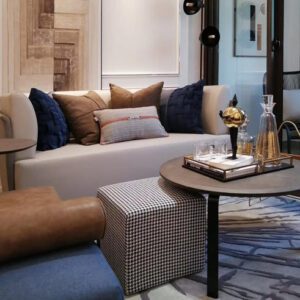
Bespoke furniture in a villa-scale living room: where design narrative, material depth, and artisan precision converge.
Trend 1: Biophilic Design Integration
Biophilic design — the deliberate integration of natural elements, materials, and patterns into the built environment to support the human instinct to connect with nature — has moved from wellness niche to luxury mainstream. Hotels, villas, and high-end residences that committed to biophilic design principles in 2022–2023 are now reporting results that justify the investment in clear commercial terms.
Research published in Hospitality and Society found that high-quality biophilic elements in hotel environments significantly increase guest well-being, perceived value, and patronage intentions — meaning guests stay longer, pay more, and return more often in properties where they experience a genuine connection to natural materials and forms.
The biophilic design for hotels market alone was valued at $3.8 billion in 2025 and is projected to reach $8.6 billion by 2034, growing at a compound annual rate of 9.5%.
In custom furniture terms, biophilic design manifests across four distinct dimensions.
Material authenticity is the foundation: live-edge solid wood tables where the natural slab edge is preserved rather than machined to a straight line, stone inlay surfaces using travertine or limestone that read as geology rather than decoration, and rattan or hand-woven natural fiber panels that introduce texture and breathability. These materials work because they are irreplaceable — no two live-edge slabs are identical, which means no two projects are identical.
Organic form is the second dimension: curved silhouettes drawn from river stone and shell forms, furniture legs that taper like tree branches, seat backs that echo leaf veining. The market data confirms this direction: multiple 2026 trend reports identify organic curves as one of the two or three most dominant aesthetic shifts in luxury furniture, replacing the hard-edged geometry of the previous decade’s minimalism.
Integration of living material is the third and most technically demanding dimension: furniture designed with integrated planters, moss panels mounted within headboard structures, or dining tables with living terrariums set into the base. These require collaboration between the furniture designer and a horticulturalist, and careful consideration of watering, humidity, and maintenance protocols — but when executed well, they create the kind of sensory experience that villa guests and hotel visitors describe in reviews for years.
Light interaction is the fourth: furniture designed to interact with natural light — slatted wood screens that cast shadow patterns across floors, glass and stone surfaces that shift in tone from morning to evening. This is particularly powerful in villa contexts where floor-to-ceiling glazing and outdoor terraces create dramatic daily light cycles.
For hotel developers and FF&E buyers, biophilic furniture investment pays in two directions: guest satisfaction scores and ADR (Average Daily Rate) premiums. For villa developers and interior designers, it pays in perceived value and saleability — properties with cohesive biophilic design narratives consistently attract premium buyer and rental interest in the luxury residential market.
Trend 2: Smart and Multifunctional Furniture
A villa guest who reaches for a lamp on a nightstand and discovers a wireless charging pad embedded in the surface — without any visible charging hardware — has just experienced the design principle that defines this trend. The technology is invisible. The experience is seamless. The perceived value is immediate.
Smart furniture integrates technology directly into the physical structure of a piece, rather than adding it as an afterthought. In the luxury context, the most commercially relevant applications are:
Wireless charging surfaces embedded in side tables, bed frames, and dining table leaves — compatible with Qi charging standards and invisible until needed.
IoT (Internet of Things) connectivity — furniture with integrated sensors that communicate with a villa or hotel’s home automation system. A motorized bed base that adjusts to preset positions via smartphone, a desk with a memory height adjustment system linked to the user’s profile, or a media unit that routes cables and signals internally with no visible infrastructure.
Motorized adjustments for beds, sofas, and workstations — particularly relevant for boutique hotel suites where a single room needs to function as a bedroom, home office, and living space at different times of day.
Integrated audio — acoustic panels that are also art pieces, or cabinet structures with embedded spatial sound systems that deliver audiophile-quality sound without visible speakers.
For private label brands targeting urban luxury apartments and compact villa markets, the multifunctional dimension of this trend is equally important. A dining bench with integrated storage, a coffee table that extends to dining height at the touch of a button, or a sideboard with a retractable desk section — these solutions allow smaller footprint luxury spaces to function with the hospitality of much larger ones.
The critical sourcing consideration for smart furniture is system compatibility. A motorized bed base that only works with one control system app is a liability in a hotel where the property management system is updated annually. Specify open-protocol systems wherever possible, and work with manufacturers who have documented experience in hospitality technology integration — not just residential.
Smart furniture in a luxury villa context: technology fully concealed within the structure, the experience seamless, the aesthetic uncompromised.
Trend 3: Sustainable and Ethically Sourced Materials
Sustainability in luxury furniture is no longer a positioning choice. For a growing category of buyers — European-market importers, hotel groups with published ESG commitments, private label brands selling to eco-conscious consumers — it is a procurement requirement.
The eco-friendly furniture market was valued at $53.7 billion in 2025 and is projected to grow at a CAGR of 10% to reach $113.9 billion by 2033, according to Grand View Research. Within this market, reclaimed and FSC-certified wood accounted for 34.6% of US sustainable furniture sales in 2025 — confirming that material traceability is the category’s primary commercial driver.
For custom furniture buyers, the sustainability specification framework has four components.
Wood sourcing is the most visible: FSC chain-of-custody certification confirms the timber used in a piece came from a responsibly managed forest with a verified, auditable supply chain. For pieces using tropical hardwoods — teak, merbau, ipé — FSC certification is non-negotiable for any buyer serving markets with environmental procurement standards. PEFC (Programme for the Endorsement of Forest Certification) is the European-market equivalent standard.
Finish chemistry is less visible but equally important: low-VOC (volatile organic compound) water-based lacquers and oils, rather than solvent-based polyurethanes, protect both the indoor air quality of the villa or hotel space and the health of the factory workers applying them. For buyers targeting the US market, compliance with California Air Resources Board Phase 2 (CARB2) standards on composite wood formaldehyde emissions is a legal requirement — and for EU markets, updated REACH regulations on chemical emissions apply.
Material innovation is where the most interesting sourcing opportunities exist right now: recycled aluminum for outdoor furniture frames (functionally identical to virgin aluminum, with dramatically lower embodied carbon), bio-based foam alternatives derived from plant oils rather than petrochemicals, and performance fabrics woven from recycled PET bottles that achieve the same Martindale abrasion cycle ratings as conventional upholstery at comparable cost.
Packaging and logistics is the often-overlooked sustainability dimension: a custom piece produced with FSC wood and water-based finishes, then packed in a non-recyclable polystyrene crate, delivers an inconsistent sustainability story. Request recyclable packaging materials — FSC-certified corrugated board, biodegradable foam alternatives — particularly for private label brands where the unboxing experience is a brand touchpoint.
For an authoritative overview of current sustainability certifications relevant to luxury furniture procurement, GREENGUARD’s certification standards database provides a comprehensive breakdown of chemical emission requirements for furniture used in sensitive environments including hospitality and residential.
Trend 4: Fusion of Heritage Craftsmanship with Modern Aesthetics
There is a type of custom furniture piece that stops a room — not because it is the largest, the brightest, or the most expensive element in the space, but because it communicates something that mass production cannot replicate: that a skilled human being spent meaningful time making it. This is the commercial proposition of heritage craftsmanship in contemporary silhouettes.
Marquetry — the art of applying veneers of different woods, metals, or shell materials to a surface to create geometric or pictorial patterns — is one of the oldest furniture decoration techniques in European and Asian craft traditions. In its contemporary application, it appears as geometric inlay patterns on drawer faces, as abstract wood grain compositions on table surfaces, and as brass and ebony panel accents on cabinet doors. A marquetry panel that would have required six weeks of an individual craftsman’s work in the 18th century now benefits from CNC precision-cutting of the veneer components, with hand-laying and finishing still performed by skilled artisans. The result is higher dimensional accuracy than historical pieces, combined with the irreplaceable warmth of hand-applied craft.
Hand-carving in modern furniture uses the same tools and techniques that produced European baroque furniture and Chinese imperial cabinetry, now applied to contemporary silhouettes: a clean-lined walnut credenza with a hand-carved apron detail that references a specific botanical motif from the project’s site context, or a bed headboard with carved geometric relief that echoes the architectural detailing of the villa’s facade. The motif is modern; the execution is irreplaceably human.
Natural lacquer application — particularly the multi-coat Japanese and Chinese lacquer traditions — delivers surface depth that no synthetic finish can match, because the depth is literal: 20–30 successive coats of natural lacquer, each hand-sanded before the next is applied, create a surface that light enters and reflects from at multiple levels simultaneously. Run a finger across it in a dim room and you will understand immediately why clients pay a significant premium.
For architecture firms and interior designers working on culturally context-sensitive projects — a villa in Tuscany drawing on the region’s artisan traditions, a resort in Morocco incorporating Zellige mosaic principles, a hotel suite in Singapore referencing Chinese joinery heritage — heritage craftsmanship in contemporary furniture is the most authentic way to connect a space to its place.
For private label brands, it is the most defensible differentiator: a mass manufacturer can copy a silhouette, but cannot replicate a hand-carved detail made by a craftsman with 20 years of experience in a specific regional tradition.
At JL&C Furniture, our custom design program includes heritage craftsmanship options across marquetry, hand-carving, and natural lacquer finishing — developed in collaboration with artisan workshops that carry generational craft knowledge.
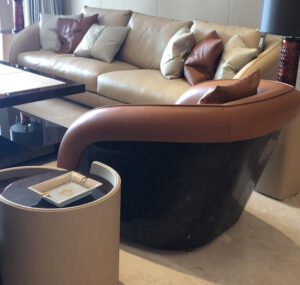
Heritage craftsmanship in a contemporary context: the hand-carved detail that no production line can replicate — and that clients remember long after the room photograph is taken.
Trend 5: Customization at Scale for Private Label Brands
The fundamental tension in private label furniture has always been the same: clients want pieces that feel exclusively theirs, while brand owners need production efficiency that keeps margins intact. For most of furniture history, these two requirements pulled in opposite directions. The technology and manufacturing philosophy that resolves this tension is modular design systems — and its commercial adoption is accelerating.
A modular design system defines a set of platform components — a standard frame architecture, a set of dimensional modules, a hardware system — that can be combined and surfaced in enough configurations to produce hundreds of distinct-feeling products without retooling the production process for each variant.
Think of it this way: a single upholstered sofa platform might support 8 different arm configurations, 6 leg options, 12 fabric grades, and 5 width modules. The number of distinct-looking products this generates — without a single bespoke engineering exercise — exceeds 2,800 combinations. To the end buyer, each configuration looks like a custom piece. To the production line, it is an efficient variant of a familiar build.
The global custom furniture market is projected to reach $52.4 billion by 2034 according to DataIntelo — and the brands capturing the premium end of this growth are the ones who have mastered the modular architecture that makes genuine variation possible at commercial scale.
For importers and distributors building catalog depth, modular systems solve the inventory problem: rather than stocking 50 different finished SKUs, you stock modular components and assemble or specify to order. Lead times shorten, warehouse costs reduce, and the client still receives a piece that feels considered for their space.
For private label brand owners, modular platforms with documented configuration rules give your sales team a structured toolkit for client-facing specification conversations — transforming what used to be a complex custom development discussion into a structured selection process with clear timelines and pricing.
The table below illustrates how a modular sofa system generates commercial breadth from a controlled production platform:
Variable
Options
Example Configuration
Width
5 modules (180cm–320cm)
240cm 3-seater
Arm style
8 variants
Low-profile rolled arm
Leg material
4 options (solid oak, walnut, brass, matte black)
Solid walnut tapered
Fabric grade
12 options (performance, velvet, bouclé, leather)
Performance bouclé, sand
Back cushion
3 styles (tight, loose, pillowed)
Loose cushion, feather-wrap
Total Combinations
>5,000
Each feels custom
Trend 6: Bold Use of Luxe Materials and Textures
The materials that dominated the 2026 luxury furniture conversation are ones that prioritize tactile experience as much as visual impact. The shift is meaningful: a generation of buyers who experienced the world primarily through screens during the pandemic years came out of that period with a heightened appetite for physical texture — for materials you want to touch, not just look at.
Bouclé — a looped-yarn fabric with a distinctive pebbled surface — has become the defining textile of this era of luxury upholstery. It photographs beautifully, holds its form under consistent use (the loop structure distributes compression evenly), and is available in grades from entry-level residential to commercial HR (high resilience) specifications. For villa seating and boutique hotel lobby chairs, specify commercial-grade bouclé rated to minimum 30,000 Martindale abrasion cycles — below this threshold, the loops begin to pill under daily contact within 18–24 months.
Velvet — particularly micro-velvet and performance velvet woven with moisture barrier backing — delivers a depth of color that flat-woven fabrics cannot approach. A deep forest green velvet armchair absorbs light in a way that makes the color appear almost three-dimensional. For high-traffic hospitality applications, specify performance velvet with Crypton treatment — a molecular bonding process that creates an invisible moisture and stain barrier without changing the fabric’s drape or hand.
Brass inlays and hardware continue their extended dominance in luxury furniture — but the aesthetic has evolved. Raw, unlacquered brass that develops patina over time is replacing the polished, protected brass of earlier iterations. Aged brass and bronze-tone hardware references the warmth of historical pieces without the formality of gilded furniture. For consistency across a large project (300+ hardware pieces in a hotel installation), specify PVD-coated brass — Physical Vapor Deposition coating that locks in the brass tone with high durability against abrasion and moisture.
Terrazzo — the composite material made from marble chips, quartz, glass, or shell set in a cement or resin binder — has moved from bathroom surfaces into furniture: dining tables, coffee tables, side tables, and console surfaces. Resin-bound terrazzo is lighter than cement-bound, allowing it to be used in thinner slabs for tabletops without the weight penalty that limits cement terrazzo’s furniture applications.
Leather alternatives — specifically Piñatex (derived from pineapple leaf fibers) and mushroom leather (mycelium-based material) — are entering the luxury specification conversation as credible alternatives to animal leather, particularly for brands with sustainability commitments. Both materials are now available in commercial-grade durability specifications from certified suppliers, and their visual language, when properly finished, is indistinguishable from conventional leather to most end users.
For FF&E buyers, the practical question with all of these materials is maintenance protocol: bouclé requires gentle vacuuming and professional cleaning; unlacquered brass requires periodic polishing or acceptance of patina development; terrazzo requires sealing and pH-neutral cleaners. Know the maintenance requirement before specifying, and ensure that the property’s housekeeping team has written guidance before installation.
Trend 7: Seamless Indoor-Outdoor Living Furniture
The most significant shift in luxury villa design over the past decade has been the dissolution of the boundary between interior and exterior living. Villas in the Mediterranean, the Maldives, Bali, the UAE, and the Caribbean are now designed around continuous living surfaces — an interior living area that flows directly onto a covered terrace, which flows onto a pool deck, which connects to a garden pavilion — with each zone furnished to the same standard as the interior.
This design direction creates a specific and demanding brief for outdoor furniture: it must be materially authentic enough to belong in a luxury interior context, technically engineered to survive the outdoor environment of its specific geography, and aesthetically consistent with the indoor furniture program so that the transition between zones feels compositional rather than jarring.
The material specification framework for luxury outdoor furniture in 2025–2026 is:
Teak remains the benchmark hardwood for premium outdoor furniture. Grade A teak — the heartwood from mature trees, with high natural oil content — is dimensionally stable, naturally resistant to moisture and insects, and develops a silver-grey patina when unfinished or maintains its honey-gold tone when treated with teak oil annually. FSC-certified Grade A teak from responsibly managed plantations in Java or Myanmar is the correct specification for a luxury property with sustainability commitments.
Marine-grade 6061 aluminum alloy avec powder-coat finish — a electrostatically applied polyester coating baked at high temperature — is the correct specification for metal-frame outdoor furniture in coastal environments. The 6061 alloy grade is resistant to salt-air corrosion; the powder-coat finish (minimum 80 microns thickness) protects against UV degradation and abrasion. Specify the coating to a minimum AAMA 2604 standard for commercial outdoor applications.
Sunbrella fabrics — solution-dyed acrylic yarns where pigment is applied at the fiber level rather than surface-dyed — deliver UV resistance ratings of 5+ years of outdoor exposure without significant color fading. Solution-dyed construction also provides mold and mildew resistance critical for tropical and humid coastal applications. For a villa or resort in a high-UV environment, Sunbrella Grade A fabrics are the minimum commercial specification for cushion upholstery.
HDPE all-weather wicker — High-Density Polyethylene resin woven over an aluminum frame — replicates the visual warmth of natural rattan with a technical specification that tolerates freeze-thaw cycles, UV exposure, salt air, and power-washing without the degradation that affects natural fiber alternatives.
For architects and designers integrating indoor-outdoor furniture programs, Forbes’ comprehensive outdoor furniture guide provides a useful market context for material performance benchmarking across product categories.
The design integration principle: select an outdoor collection that shares at least two material or tonal references with your indoor furniture program. If the interior uses oak with brass hardware, the outdoor program should reference warm teak tones and age-bronze aluminum finish. The materials are different; the palette and atmosphere are continuous.
Seamless indoor-outdoor living: the outdoor furniture program matches the material language of the interior — making the transition between zones a design statement, not an interruption.
Trend 8: Minimalist Luxury with Maximalist Details
The “quiet luxury” movement — a design philosophy built on restraint in form and extravagance in execution — is arguably the most commercially important trend in this guide for the clients you serve.
Quiet luxury means: a clean-lined linen sofa with a frame constructed from eight-way hand-tied spring suspension, three layers of graduated foam, and tailored seams that meet at every corner within one millimeter. A dining chair that reads, photographically, as a simple piece of solid oak furniture — and reveals, on close inspection, that every joint is a hand-fit mortise-and-tenon, every surface is hand-sanded through twelve grit progressions, and the leg taper is turned on a lathe to a fraction of a millimeter.
This is furniture that rewards proximity. It does not announce itself across the room. It accumulates impressions — the feel of the seat, the sound of the drawer closing, the weight of the hardware in the hand — that add up to an experience of quality that clients struggle to articulate but never forget.
For private label brands targeting discerning buyers who have moved past conspicuous consumption — high-net-worth individuals who have owned flashy furniture and now want something that feels genuinely considered — quiet luxury is the most defensible positioning available. It cannot be faked with cheaper materials and it cannot be copied by a factory that doesn’t understand the intention behind it.
The technical elements that define quiet luxury in custom furniture production are:
Hidden hardware — drawer runners with soft-close mechanism concealed within the carcase, door hinges flush-mounted and invisible when closed, cable management integrated into table legs and side panel routing.
Precision joinery — biscuit jointing, dowel pins, and wedged mortise-and-tenon construction at every stress point, confirmed in technical specifications rather than left to factory discretion.
Surface preparation depth — the difference between a piece finished with five coats and a piece finished with twelve coats of hand-rubbed oil is visible in raking light and felt on touch. Specify the number of coats and sanding progression in your quality document, not just the final color.
Proportional exactness — quiet luxury pieces live or die on proportion. A sofa where the seat-to-arm ratio is 5mm off from the designer’s intent will look slightly wrong in the room without anyone being able to articulate why. Work with manufacturers who can hold dimensional tolerances of ±1mm on visible surfaces.
According to Navilize Studio’s 2026 quiet luxury design analysis, the aesthetic direction for 2026 is specifically toward organic curves within restrained palettes — a chair back that softens at its upper edge, a table corner that curves rather than angles — combined with warm neutral tones and natural material depth. This is the aesthetic that will define the luxury villa and boutique hotel design vocabulary for the next three to five years.
For architecture firms and interior designers justifying custom furniture budgets to villa owners or developers, this trend offers the clearest ROI argument: quiet luxury furniture holds its value over time in a way that trend-driven ornamental pieces do not. A piece made to this standard, in this material vocabulary, will look equally correct in 2030 as it does today.
The following video showcases the design direction defining luxury villa and high-end hospitality interiors in 2025 — providing visual context for the material and aesthetic trends covered in this guide:
Top 100 Luxury Interior Design Trends 2025 — a visual reference for the material, form, and atmosphere directions defining premium custom furniture.
Strategic Implementation: Aligning Trends with Your Business Model
Knowing the trends is the beginning. Knowing which ones to invest in — and how to source them at the quality level your market demands — is where the real competitive advantage is built.
The table below provides a strategic prioritization framework for the different client types this guide serves:
Trend
Villa Owners
Hotel/FF&E Buyers
Private Label Brands
Interior Designers
Importers/Distributors
Biophilic Design
★★★★★
★★★★★
★★★★☆
★★★★★
★★★★☆
Smart Furniture
★★★★☆
★★★★★
★★★☆☆
★★★★☆
★★★☆☆
Sustainable Materials
★★★★☆
★★★★★
★★★★★
★★★★☆
★★★★★
Heritage Craftsmanship
★★★★★
★★★★☆
★★★★★
★★★★★
★★★★☆
Customization at Scale
★★★☆☆
★★★★☆
★★★★★
★★★☆☆
★★★★★
Luxe Textures
★★★★★
★★★★☆
★★★★★
★★★★★
★★★★☆
Indoor-Outdoor Living
★★★★★
★★★★★
★★★★☆
★★★★★
★★★★☆
Quiet Luxury
★★★★★
★★★★☆
★★★★★
★★★★★
★★★★★
★★★★★ = High priority / direct commercial relevance | ★★★☆☆ = Moderate relevance | Context-dependent
For hotel developers and FF&E buyers, the highest-priority investments are biophilic integration (proven guest satisfaction ROI), smart furniture (increasing guest expectation), and sustainable material compliance (regulatory requirement for key markets).
For private label brand owners, the combination of heritage craftsmanship, quiet luxury aesthetics, and modular customization capability represents the most defensible long-term positioning — pieces that competitors cannot easily replicate and that clients continue to request by name.
For importers and distributors, sustainable material documentation and modular system architecture are the strategic foundations — both because they open new market segments (EU regulatory compliance, ESG-committed hotel groups) and because they enable catalog depth without proportional inventory investment.
The brands and professionals who implement these trends as a cohesive design strategy — rather than cherry-picking individual elements — are the ones who build collections that maintain their commercial relevance across market cycles rather than requiring constant reinvention.
At JL&C Furniture, our work with villa owners, importers, hotel developers, and private label brands is structured around exactly this kind of strategic alignment — connecting trend direction to material capability, production reality, and commercial outcome.
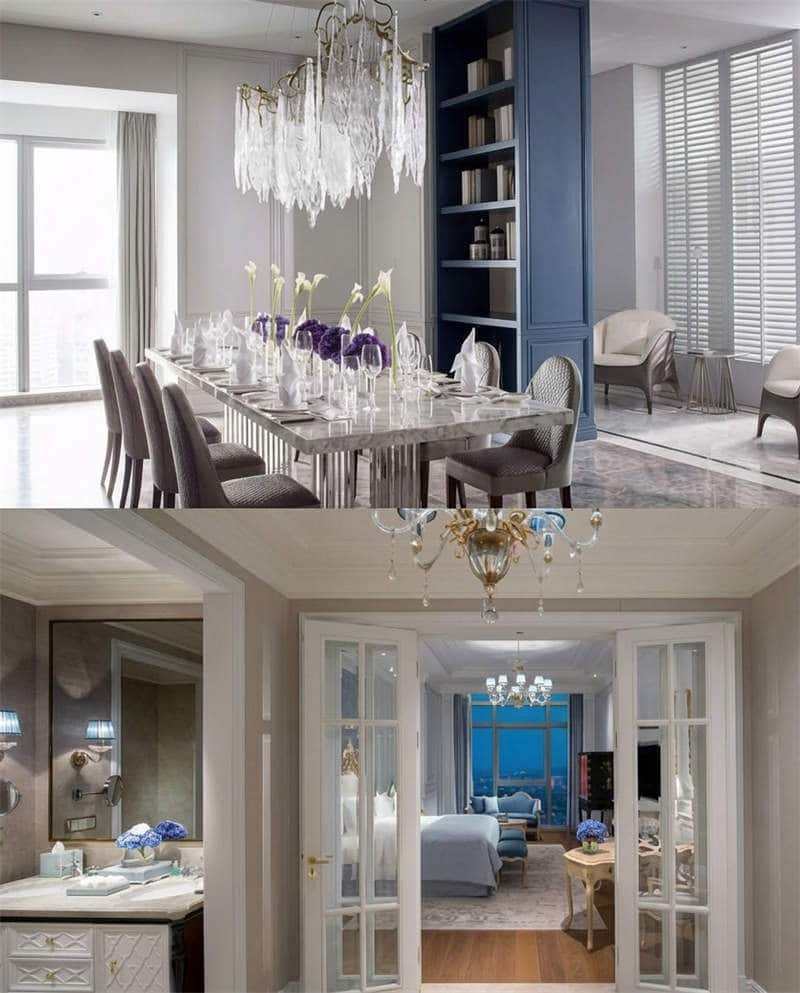
Quiet luxury in execution: the room reads as calm and restrained — but every surface and joint rewards the close attention your most discerning clients will give it.
Glossary of Key Terms
Biophilic Design: The intentional integration of natural materials, forms, light patterns, and living elements into interior spaces to support human well-being and the innate need to connect with nature.
Modular Design System: A production architecture where a defined set of standardized components can be combined in many configurations, enabling mass customization — a wide range of distinct-feeling products produced efficiently from a controlled platform.
FSC Chain-of-Custody: Forest Stewardship Council certification that tracks wood from responsibly managed forests through every stage of the supply chain. Verifiable at fsc.org against the certificate number.
VOC (Volatile Organic Compound): Chemical compounds released from furniture finishes, adhesives, and materials. Low-VOC and zero-VOC finishes are specified for health and indoor air quality reasons — and required by CARB2 and REACH regulations in US and EU markets.
PVD Coating (Physical Vapor Deposition): A vacuum coating process that deposits a thin layer of metal or compound onto hardware surfaces, producing exceptional durability and color consistency for brass, bronze, and black hardware finishes in commercial applications.
Martindale Abrasion Cycle Rating: The number of cycles a fabric can withstand in a standardized rubbing test before showing measurable wear. 30,000 cycles is the minimum for commercial residential use; 100,000+ cycles is specified for high-traffic hospitality applications.
Quiet Luxury: A design philosophy characterized by restrained visual form combined with exceptional material quality and craftsmanship execution. The aesthetic opposite of conspicuous luxury — pieces that reveal their quality to those who look closely, rather than announce it from across the room.
Sunbrella: A brand of solution-dyed acrylic performance fabric — the pigment is applied at the fiber level, not the surface — delivering 5+ years of outdoor UV resistance without color fading. Industry benchmark for luxury outdoor upholstery.
Terrazzo: A composite surface material made from chips of marble, quartz, glass, or other aggregates set in a cement or resin binder. In furniture, resin-bound terrazzo is preferred for its lighter weight and ability to be produced in thinner slabs.
AQL (Acceptable Quality Level): A statistical sampling standard defining the maximum acceptable percentage of defective units in a production batch. Used in pre-shipment quality inspections to make accept/reject decisions.
Frequently Asked Questions (FAQs)
How can custom furniture enhance the ROI of a luxury villa or boutique hospitality project?
Custom furniture increases perceived value at two levels: the end-user experience and the developer or operator’s positioning. A villa where every piece was designed specifically for the space — proportioned to its room, finished to match its material palette, scaled to its architecture — commands demonstrably higher sale and rental prices than a comparable property furnished from a standard catalog. For boutique hotels, research confirms that guests in properties with high-quality biophilic and bespoke design elements report higher well-being scores, longer stays, and stronger return intent. Beyond the revenue premium, custom furniture supports brand identity in a way that catalog product cannot — when a guest photographs your lobby chair and it generates inquiries about the brand, that is earned media generated by a design decision.
What are the most durable materials for high-traffic custom furniture in villas and hotels?
The durability hierarchy for different applications: for seating frames, kiln-dried solid hardwood (Black Walnut, White Oak, Teak) with mortise-and-tenon joinery outperforms engineered wood or metal welded frames over 10+ year commercial lifespans. For upholstery, Crypton-treated performance fabrics or commercial-grade Sunbrella are the benchmarks — rated to 100,000+ Martindale abrasion cycles. For surfaces (dining, coffee, side tables), sintered stone et resin-bound terrazzo outperform lacquered wood for scratch and stain resistance in high-contact applications. For outdoor environments, Grade A FSC teak et powder-coated 6061 aluminum are the correct structural specifications. A piece specified correctly for its use case will outlast one specified for aesthetics alone by a decade or more.
How do I balance unique design with scalability for private label furniture lines?
The answer is modular platform architecture — defining a set of standard structural components that can be varied across surface, finish, dimension, and configuration without full retooling for each variant. The practical implementation: work with your manufacturer to define a 3–5 piece platform family (sofa, armchair, ottoman, dining chair, side table) with standardized frame modules, and then develop a surface and finish matrix that generates sufficient variation for your catalog. A well-designed platform can generate 200+ distinct-feeling SKUs from 20–30 base components — which means production efficiency without visual repetition. Private label brands that invest in platform architecture at the beginning of their product development program consistently outperform those who develop each piece ad hoc on catalog depth, production cost, and delivery consistency.
What certifications should I look for when sourcing sustainable custom furniture?
The core certification set for a credible sustainability claim in 2025: FSC chain-of-custody (wood sourcing), GREENGUARD Gold (chemical emissions — verified at UL’s GREENGUARD database), OEKO-TEX Standard 100 (textile chemical safety), and CARB Phase 2 compliance (formaldehyde emissions from composite wood — US market). For brands targeting the EU market, verify REACH compliance documentation covering chemical substances across all material inputs. For brands pursuing a complete sustainability narrative, Cradle to Cradle certification goes further, assessing material health, recyclability, renewable energy use, water stewardship, and social fairness across the full product lifecycle. Request all certificate numbers and verify them in their issuing bodies’ public databases.
Can smart furniture be seamlessly integrated into traditional villa interiors?
Yes — and the design principle that makes it work is concealment. Wireless charging pads embedded in a hand-carved side table are invisible until needed and do not require any change to the table’s traditional visual language. Motorized bed bases are enclosed within upholstered structures that read identically to non-motorized frames from every visible angle. Speaker systems integrated into acoustic panel structures that reference traditional wall-mounted decorative panels. The technology is a functional layer beneath the aesthetic surface — which means that a villa designed in a classic Mediterranean or colonial style can support the same smart infrastructure as a contemporary minimalist space, without any visual compromise to the design intent.
How do biophilic furniture designs impact occupant well-being?
The research is specific and consistent. A peer-reviewed study published in Hospitality and Society (Elshaer et al., 2025) found that high-quality biophilic design elements in hotel environments significantly improve guest well-being perceptions, increase perceived value, and strengthen patronage intentions — meaning guests are more likely to return and more willing to pay premium rates. The mechanisms are physiological: exposure to natural materials and forms reduces cortisol (stress hormone) levels, lowers resting heart rate, and activates the parasympathetic nervous system. In villa contexts, spaces furnished with natural wood, stone, and living material elements are consistently rated as more relaxing and restorative by occupants — which is a direct and measurable contributor to rental premium and repeat booking rates.
What are the lead times for high-end custom furniture production?
Lead times vary by complexity and craftsmanship intensity: standard semi-custom pieces (modified finish or fabric on an existing silhouette) typically run 8–12 weeks from confirmed specification to production-ready goods. Fully custom pieces developed from new technical drawings run 12–16 weeks. Pieces involving heritage craftsmanship — hand-carving, natural lacquer application, marquetry — typically require 16–20 weeks, because the artisan processes cannot be compressed without quality compromise. For FF&E hotel programs requiring 200+ rooms of furniture, plan a 9–12 month total procurement timeline from first design development meeting to on-site installation completion, factoring in design, sample development, approval, production, quality inspection, international shipping, and installation sequencing.
How can developers ensure furniture aligns with architectural intent?
Involve the furniture designer or sourcing specialist in the project team from the schematic design phase — not at the construction document stage when the architecture is fixed and the furniture brief becomes a retrofit exercise. Use 3D visualization tools to overlay furniture configurations in the architectural model before any production commitment: this catches proportion mismatches, material palette conflicts, and traffic flow obstructions at the point when they are free to resolve, not after the furniture is produced. Establish a shared material palette document that cross-references architectural finishes and furniture material specifications — so that the natural oak flooring, the oak veneer kitchen cabinetry, and the oak-framed furniture collection are specifying the same wood species, grain direction preference, and finish tone.
What are the cost implications of custom vs. semi-custom furniture for large projects?
Full custom — developed from your technical drawings, unique silhouette, bespoke material specifications — carries a 40–80% cost premium over equivalent-quality semi-custom product, depending on the complexity of the design and the artisan content. The premium is justified by three commercial benefits: first-mover design exclusivity (no competitor can show the same piece), brand storytelling depth (every piece has a specific development narrative), and long-term value retention (pieces clients cannot find elsewhere retain their premium positioning over time). Semi-custom — standard silhouettes with modified finish, fabric, or minor dimensional adjustments — delivers 70–80% of the visual differentiation of full custom at a cost that is much closer to standard catalog pricing. For large-scale FF&E programs (200+ rooms), semi-custom is typically the correct commercial decision for secondary spaces (corridors, back-of-house areas), with full custom reserved for signature public spaces and feature suite categories.
How can private label brands protect their custom designs from imitation?
Three-layer protection: first, a China-law NNN Agreement (Non-Disclosure, Non-Use, Non-Circumvention) executed before sharing any design documentation with a manufacturing partner — this is enforceable in Chinese jurisdiction in a way that a standard Western NDA is not. Second, design registration in your primary markets — a registered design patent or Community Design Registration in the EU provides exclusivity for up to 25 years against direct copying. Third, unique material combination as an intrinsic design defense: a sofa in a proprietary fabric colorway with a bespoke hardware finish and a hand-carved leg detail that references your brand’s visual identity is not a single element that can be copied — it is a combination of elements that would require the entire development process to be replicated. Focus your protection investment on the combinations, not the individual components.
What role does ergonomics play in luxury custom furniture?
Ergonomics — the science of designing objects to fit the human body’s natural posture, movement patterns, and comfort requirements — is non-negotiable in luxury custom furniture, even in the highest-design contexts. A dining chair that is visually exquisite but positions the seated guest with their knees above their hips after 20 minutes is a liability at any dinner table. For hospitality clients, ergonomic failure translates directly to negative reviews. For villa owners, it translates to furniture that is never used, regardless of how much it cost. The ergonomic specification framework for custom seating: seat height 420–440mm for dining, 380–410mm for living room seating; seat depth 480–520mm for standard adult proportion; lumbar support positioned at 150–200mm above seat height; armrest height 200–250mm above seat height. Validate these specifications on a physical prototype with representative users before authorizing production.
How can interior designers justify custom furniture costs to villa owners or developers?
The most effective justification framework is a lifecycle value analysis that compares the 10-year cost of ownership of custom furniture vs. catalog replacement cycles. Catalog furniture in a luxury villa or hotel context typically requires partial replacement every 4–6 years as pieces wear, trend-age, or fail to maintain the property’s design positioning. Custom furniture, properly specified for its application, lasts 15–25 years with professional maintenance — and appreciates in perceived value rather than depreciating. Present the total cost of ownership comparison alongside the brand differentiation argument: a villa photographed for Architectural Digest or a hotel suite featured in Condé Nast Traveler generates marketing value that is directly attributable to the custom furniture program. Custom furniture is not a cost. It is a long-term brand asset.
Are there emerging technologies improving custom furniture manufacturing precision?
CNC (Computer Numerical Control) machining has transformed the precision of component production in custom furniture — routing, drilling, and carving operations that previously required hours of skilled handwork are now executed to tolerances of ±0.1mm by programmed machines. The implications for clients: consistent dimensional accuracy across batch production (every piece in a 300-unit hotel order is identical to the approved sample), faster production cycles for complex profiles, and reduced material waste. 3D prototyping — both FDM (Fused Deposition Modeling) and SLA (Stereolithography) — allows full-scale or scaled physical models of custom designs to be produced in 24–72 hours, dramatically accelerating the prototype review cycle. AI-driven design tools are beginning to enter the furniture development workflow, generating proportional variations and material combinations based on mood board inputs — useful for initial design exploration before engineering investment.
How do I maintain high-end custom furniture to preserve its value?
Maintenance protocol by material: for solid wood surfaces, pH-neutral furniture oil applied quarterly for natural oil finishes; for lacquered surfaces, dry microfiber cloth only (no moisture, no solvents). For natural lacquer, avoid direct sunlight — UV exposure causes color shift. For performance fabric upholstery, vacuum on low suction with a soft brush attachment monthly; for spot cleaning, use the specific cleaner recommended by the fabric manufacturer only — non-approved cleaners can break the fiber treatment that provides stain resistance. For brass hardware: decision point at specification — if you want consistent bright brass, specify PVD-coated hardware and wipe dry after contact; if you want natural patina development, specify unlacquered brass and accept the color shift. For outdoor teak: annual application of teak oil maintains the honey-gold tone; if you prefer the natural silver-grey patina, no treatment is required beyond occasional cleaning with teak cleaner.
Can custom furniture be shipped internationally without damage?
Yes — with the correct logistics specification. The critical elements: custom crating for each high-value piece, with the crate designed to the piece’s specific dimension and weight distribution rather than using generic packing configurations; climate-controlled container for pieces vulnerable to humidity variation (solid wood and natural lacquer are particularly sensitive to the temperature and humidity swings in non-climate-controlled containers on long ocean voyages); and an experienced luxury logistics partner who specializes in fragile high-value goods — their network of handlers, customs brokers, and last-mile delivery services is calibrated for white-glove care rather than standard freight efficiency. For pieces above $10,000 per unit, specify marine cargo insurance with a value matching the replacement cost of each piece, not just the purchase price, and document the condition of every piece with time-stamped photography at the point of loading.
Every trend in this guide represents a specific sourcing, design, and procurement decision for the professionals reading it. The difference between a villa that commands a 30% rental premium and one that doesn’t is often traceable to exactly these decisions — made correctly, at the right stage of the project. If you’re ready to align your next villa, hotel, or private label furniture program with the trends that will define your market in the next three years, JL&C Furniture works with the professionals who are building those spaces. Let’s talk about what your next project requires.
Want to cooperate with a Leading Luxury Furniture Manufacturer and Supplier? Or do you want to get custom furniture?
Shanghai JL&C Furniture Co., Ltd. is a leading manufacturer and solution provider of luxury furniture and customized furniture in China.
Best Ways to Order Furniture from China: Factory, Agent, or Marketplace A decision guide for high-end furniture importers, FF&E buyers, hotel developers, villa owners, interior
How to Order Furniture from China Without Costly Mistakes A Strategic 8-Step Roadmap for High-End Furniture Importers, Interior Designers, FF&E Buyers, Developers & Private Label
Advanced Tips to Streamline Repeat Furniture Orders from China: A Strategic Guide for High-Value Buyers Alt: Luxury bespoke furniture showroom with custom upholstered seating, solid
Custom furniture sourcing done right starts here — before a single factory conversation, before a single sample request. The Ultimate Guide to Custom Furniture Sourcing
Top Trends in Custom Furniture for Villa Owners and Private Label Brands A strategic guide for the designers, developers, importers, and brand owners who need

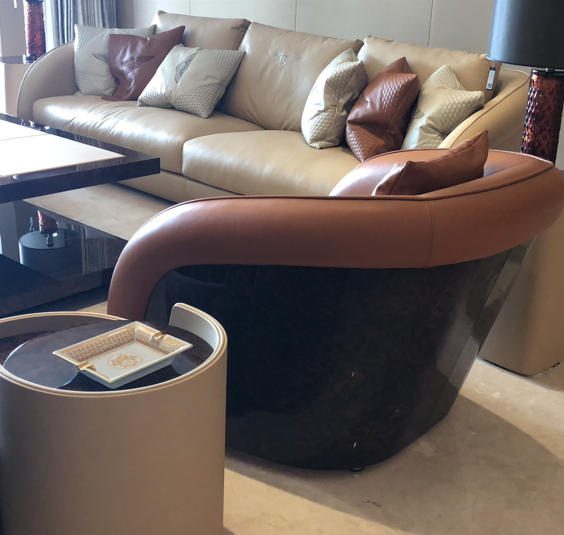
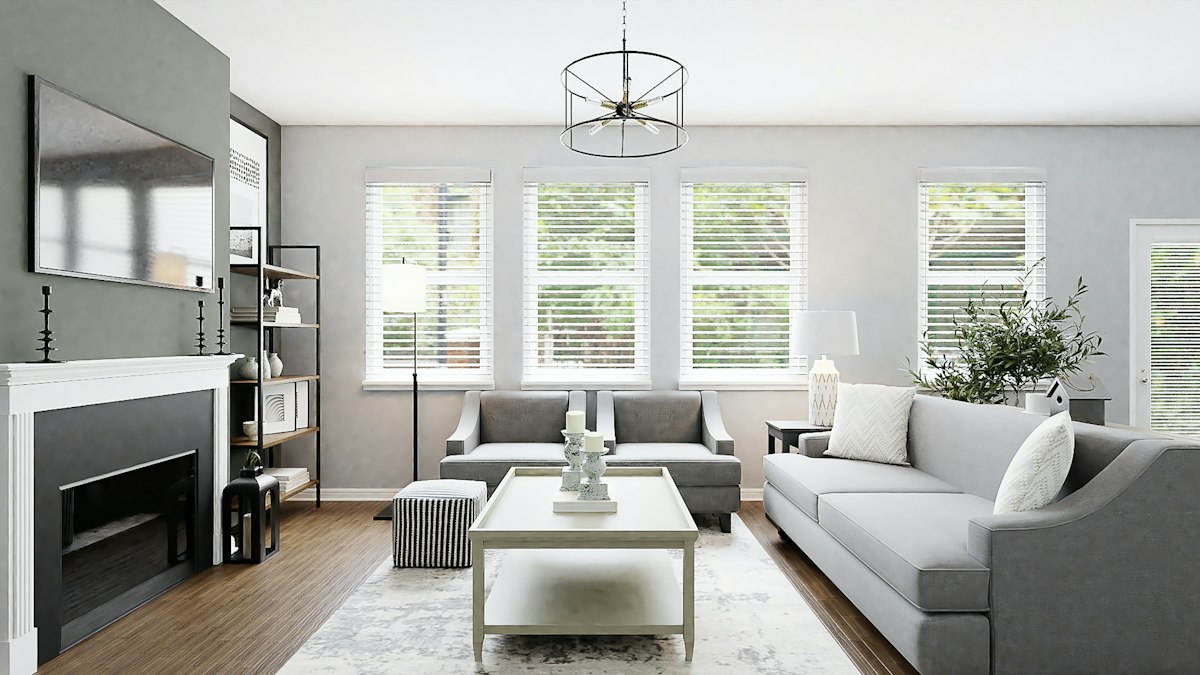 Bespoke furniture in a villa-scale living room: where design narrative, material depth, and artisan precision converge.
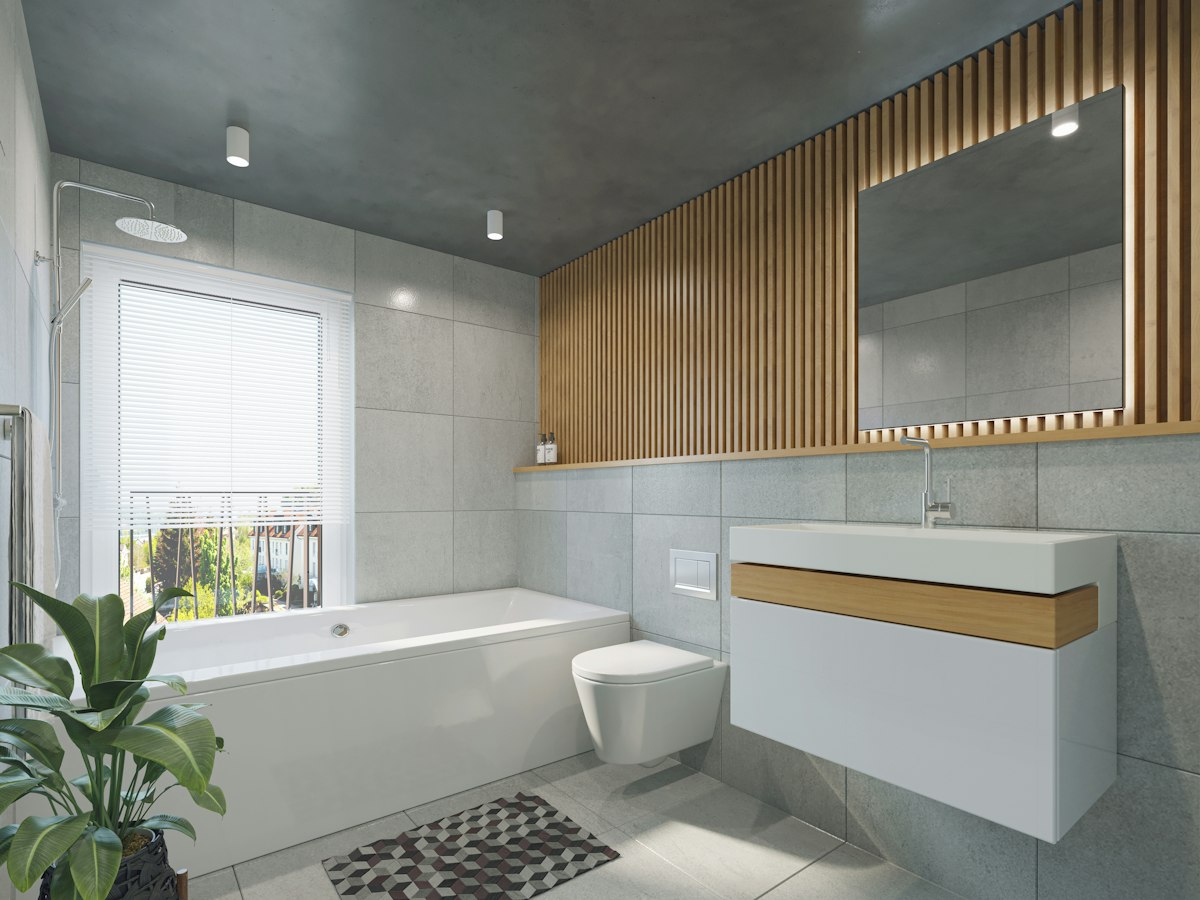 Smart furniture in a luxury villa context: technology fully concealed within the structure, the experience seamless, the aesthetic uncompromised.
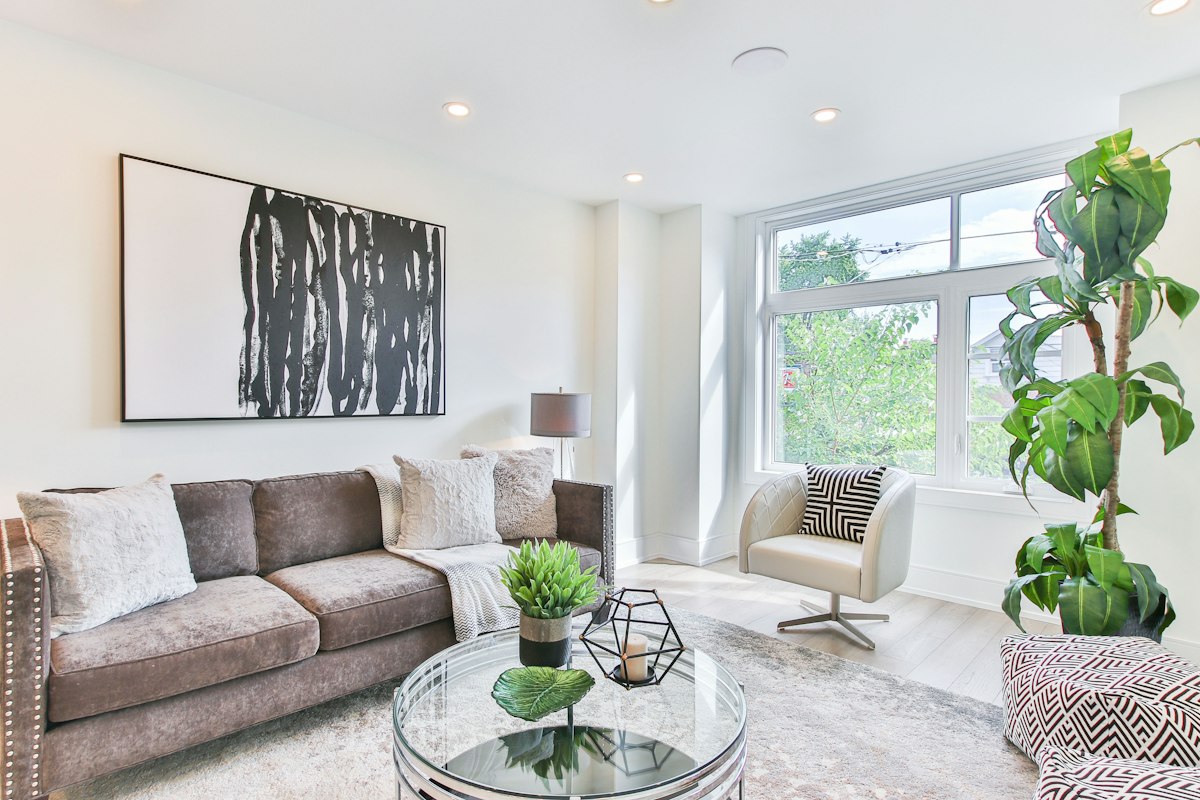 Heritage craftsmanship in a contemporary context: the hand-carved detail that no production line can replicate — and that clients remember long after the room photograph is taken.
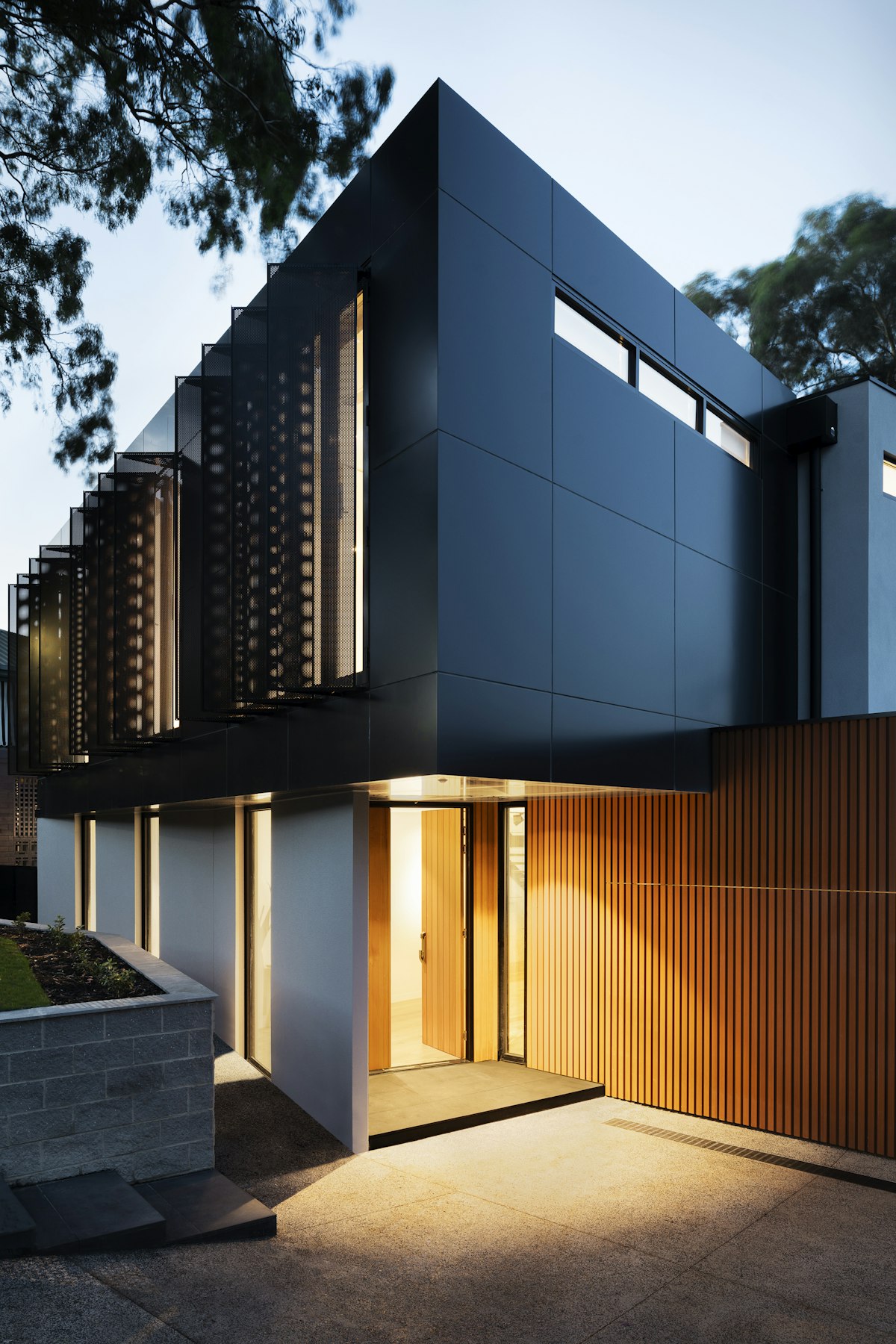 Seamless indoor-outdoor living: the outdoor furniture program matches the material language of the interior — making the transition between zones a design statement, not an interruption.
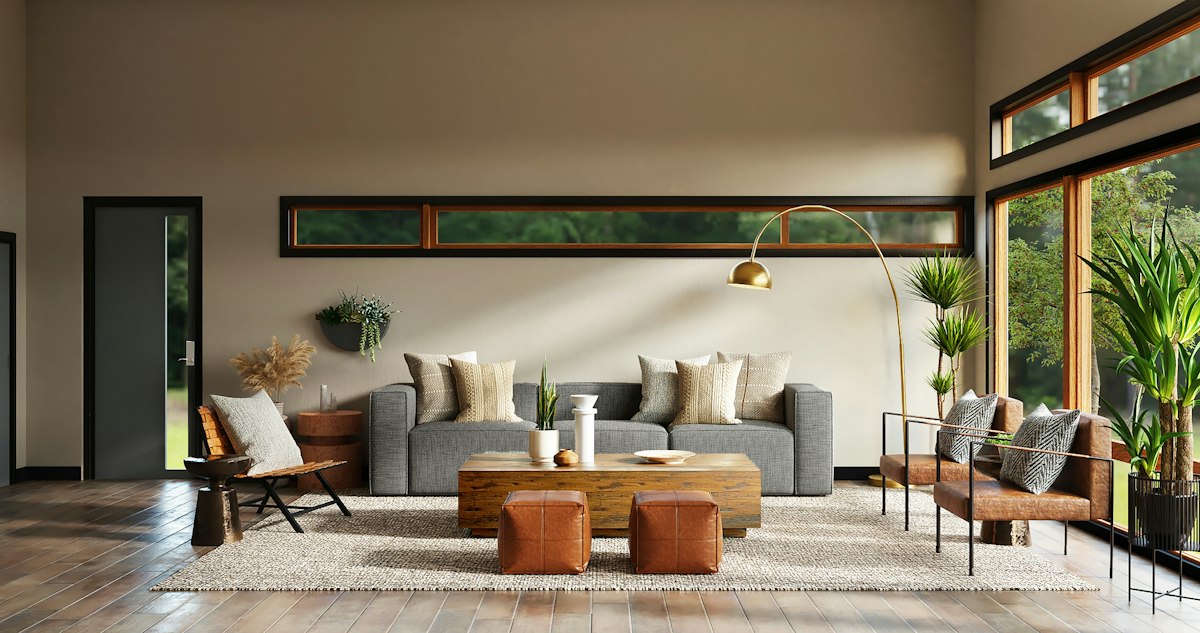 Quiet luxury in execution: the room reads as calm and restrained — but every surface and joint rewards the close attention your most discerning clients will give it.