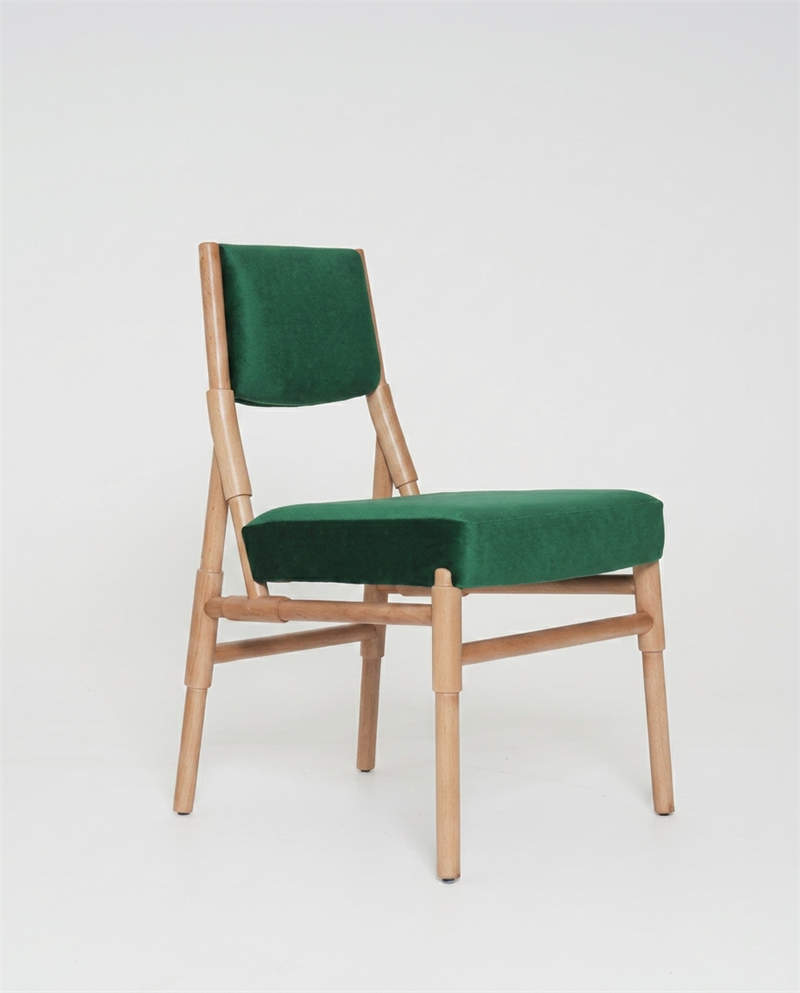
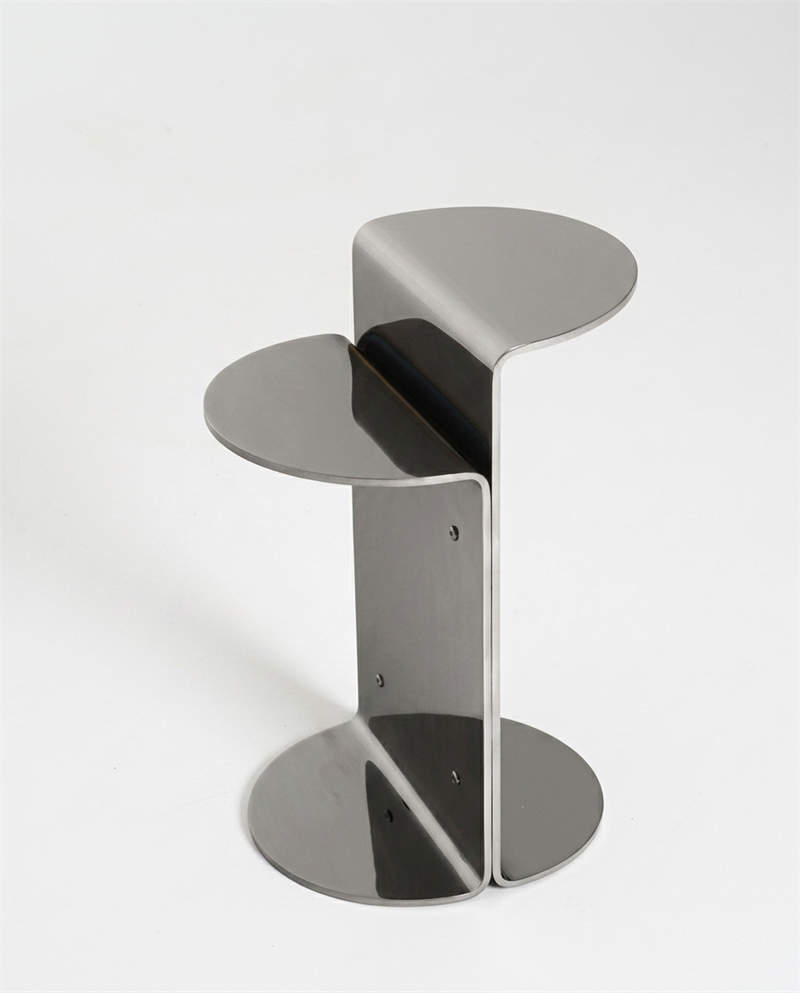
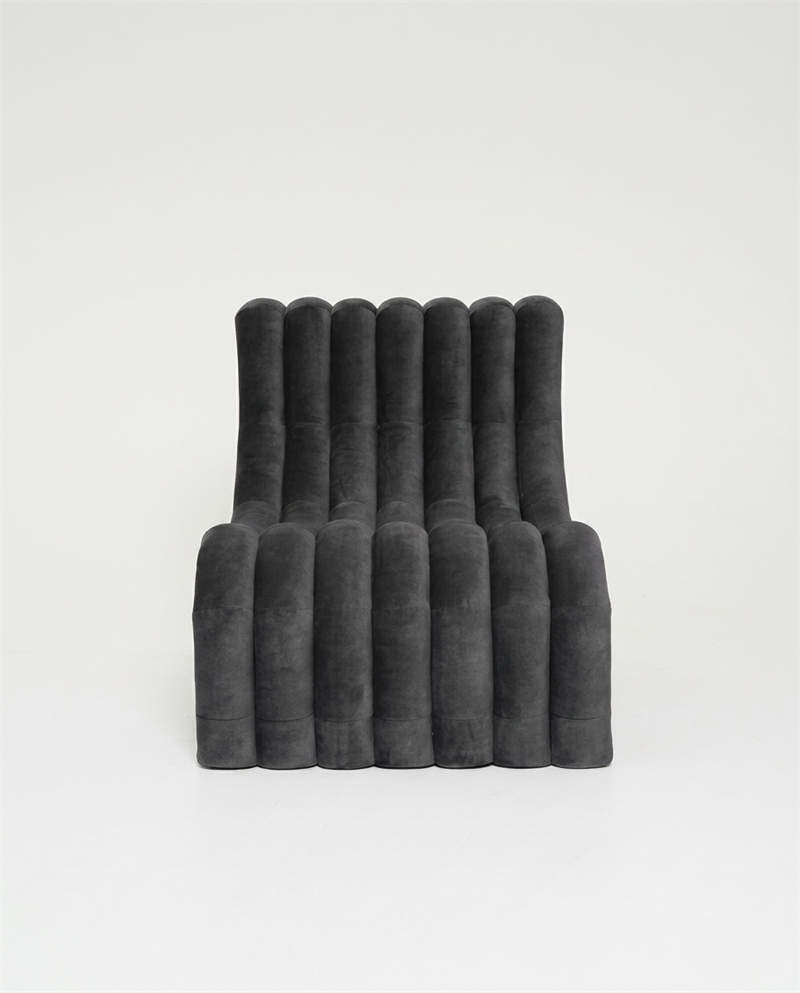
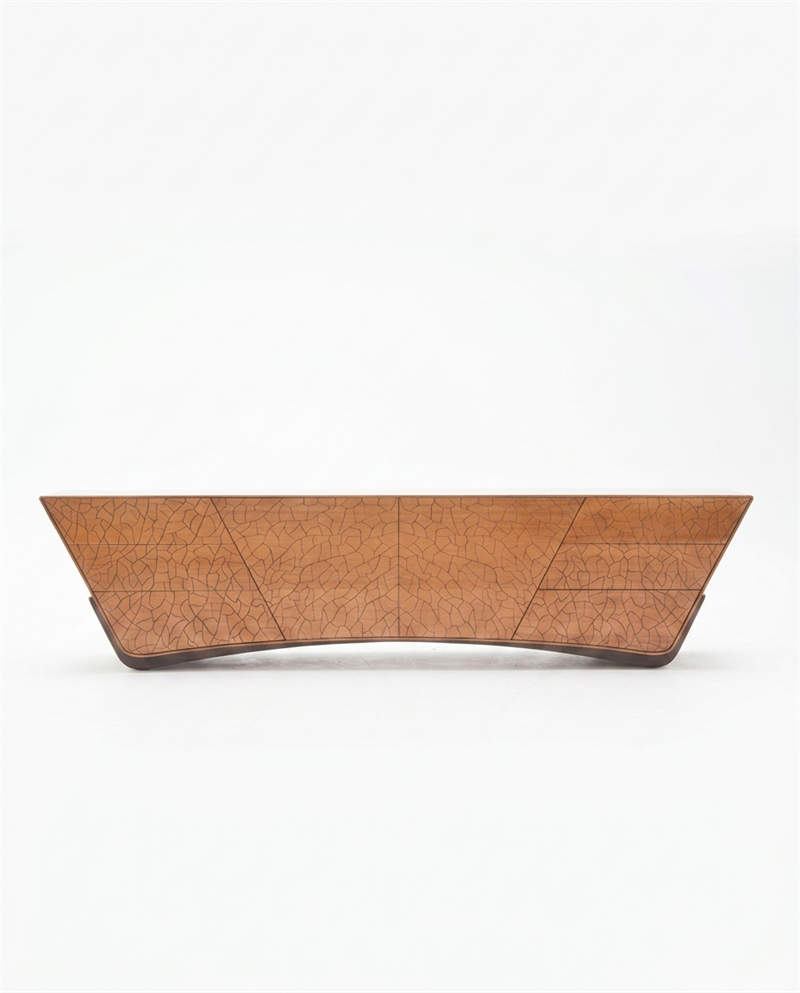
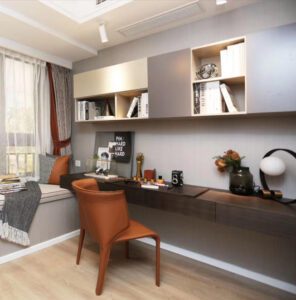
A procurement intelligence guide for high-end importers, villa developers, FF&E…
A procurement intelligence guide for high-end importers, villa developers, FF&E buyers, interior designers, and luxury brand owners who cannot afford to get this decision wrong.
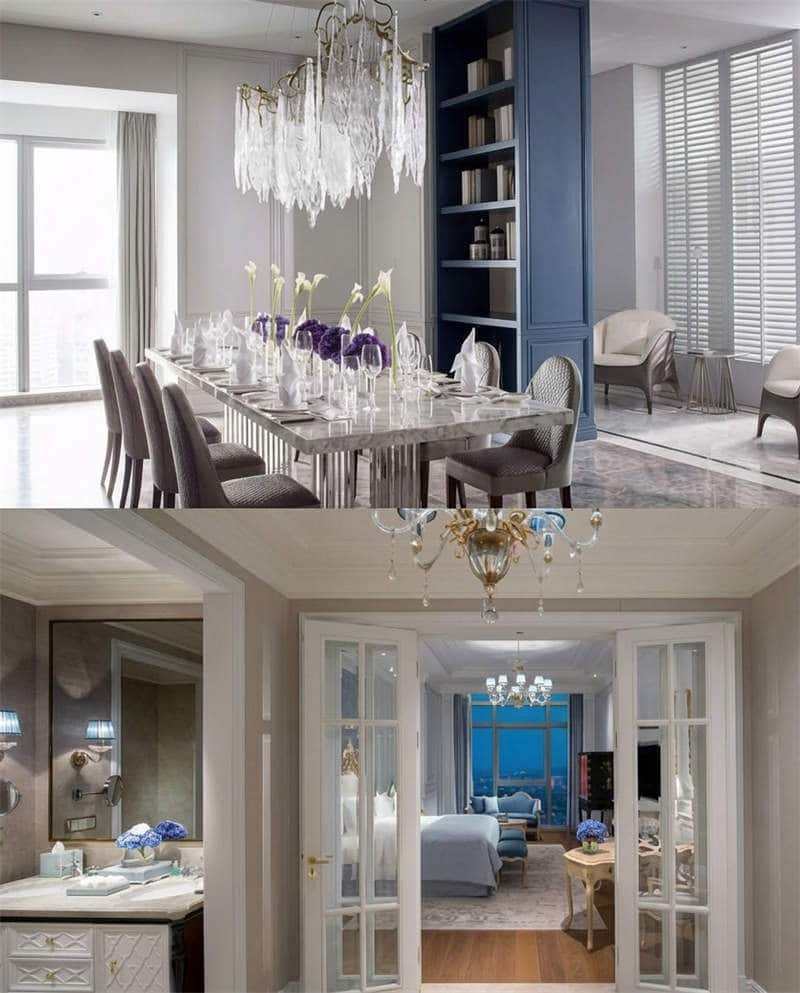
A five-star suite where every FF&E piece was sourced with lifecycle value — not invoice price — as the primary metric.
The Hidden Costs Behind Low-Cost Foshan Furniture
Foshan is responsible for a significant share of the world’s furniture supply. In 2024, China exported USD $36.44 billion in furniture globally, with Foshan’s manufacturing clusters at the heart of that figure. More than 30,000 enterprises operate in the region — from small-batch workshops to factories supplying European luxury houses and five-star hotel chains across three continents.
That scale creates a paradox that catches experienced buyers off guard every year.
Because Foshan produces at every quality tier — from mass-market flat-pack to hand-finished bespoke — a low price is not always a signal of smart sourcing. It is often a signal of what has been removed from the product to make that price possible: the grade of timber, the density of foam, the thickness of veneer, the precision of joinery, the integrity of protective packaging. When those elements are absent from a villa fit-out or hotel FF&E package, the invoice savings evaporate — sometimes within the first year of use.
The real benchmark for procurement decisions is Total Cost of Ownership (TCO): the sum of what a furniture piece actually costs across its entire usable life, including replacement, logistics failures, client compensation, and the reputational exposure that comes with furniture that does not perform.
This guide gives you the framework to calculate that number — and the sourcing discipline to act on it.
The Anatomy of a “Bargain”: Why Cheap Foshan Furniture Arrives Damaged
When a container of furniture arrives with crushed corners, delaminating veneer, and chair legs that wobble under the first guest, the problem did not begin at the port. It began in the factory — and often in the quotation stage, when a buyer accepted a price that the real cost of production could not support.
Material Substitution: The Invisible Downgrade
The most common cost-cutting mechanism in low-tier Foshan production is material substitution. A specification calls for solid rubberwood frames; the factory delivers frames built from low-grade particleboard — a material that holds screws poorly, deteriorates rapidly in humid environments, and has a commercial lifespan of 18–36 months under regular use.
The difference in raw material cost between furniture-grade solid hardwood and standard particleboard can be as high as 60–70% per unit. That saving does not stay with the buyer — it stays with the factory margin. The buyer pays for it later, in replacement orders.
Similarly, upholstery foam specified at 38–42 kg/m³ density (the industry standard for commercial seating) is routinely substituted with 25–28 kg/m³ foam in low-price production runs. The visual difference is undetectable on arrival. The performance difference becomes obvious within 90 days of use: visible seat collapse, permanent compression, and the kind of sagging that no guest at a luxury property should ever encounter.
Packaging: The Last Line of Defense That Gets Cut First
Transit damage is one of the highest-frequency complaints in furniture importing — and one of the most preventable. For a 40-foot container crossing 20+ days of ocean freight, furniture packaging is not a formality. It is an engineering decision.
Low-cost Foshan suppliers use single-wall cardboard, generic foam strips, and no internal bracing. For a standard dining chair or side table, this may be adequate. For a hand-lacquered credenza, a solid wood bed frame with carved detailing, or a curved upholstered sofa, it is not. Corner impacts during container loading alone can cause finish chips, joint separation, and structural damage that is invisible until unboxing — at the client’s home or the hotel site.
Labor Compression: When Rushing Becomes the Standard
Premium furniture requires time. Time for wood to properly acclimatize in the factory’s humidity-controlled workshop before cutting. Time for adhesives to cure fully between lamination layers. Time for lacquer coats to dry and harden before sanding between applications.
When a factory is operating on compressed margins, that time is the first casualty. A multi-stage lacquer finish that should involve 5–7 coats with intermediate curing is reduced to 3. Joints that should be hand-fitted and clamped for 24 hours are rushed through in 4. The furniture looks correct at handover. It looks very different six months later.
Calculating Total Cost of Ownership (TCO): Beyond the Purchase Price
TCO is the financial model that separates experienced procurement professionals from reactive buyers. It asks a simple question: not “how much does this furniture cost?” but “how much will this furniture cost me over its useful life?”
The formula is straightforward:
TCO=Unit Cost+Shipping+Insurance+Customs+Assembly+Replacement+Downtime Cost+Reputational Risk Value
Most buyers calculate the first four variables. The last four are where the real money hides.
The 5-Star Hotel Case Study: 30% Saved, 200% Lost
A mid-size hotel developer in Southeast Asia sourced FF&E for a 120-room property from a low-tier Foshan supplier, accepting a quote 32% below the next competitive offer. The initial saving across the full package: approximately USD $180,000.
Within 14 months of opening:
Dining chair frames in the restaurant began showing structural failure at welded joints — the chairs had been built with hollow steel tube below the specified wall thickness. Emergency replacement order: USD $28,000 plus USD $12,000 in air freight to meet the operational deadline.
Bedroom headboard veneer in 34 rooms delaminated due to inadequate adhesive cure time. Replacement: USD $51,000 in materials, plus USD $19,000 in on-site installation labor.
TripAdvisor reviews mentioning “worn” and “cheap-feeling” furniture: 17 in the first year. Estimated revenue impact from reduced booking conversion at the relevant price tier: modeled at USD $90,000+ over 24 months.
Total hidden cost: USD $200,000+ — on top of the original invoice. The “saving” did not exist.
3-Year Lifecycle Comparison: Low-End vs. Premium Foshan Sourcing
Cost Category
Low-End Supplier
Premium Supplier
Unit cost per room (120 rooms)
$420
$780
Total initial FF&E
$50,400
$93,600
Replacement at year 1 (est. 15% failure)
$12,600
$0
Replacement at year 2 (est. 25% failure)
$18,900
$4,680 (2% warranty claim)
Emergency freight (2 incidents)
$22,000
$0
Reputational/revenue impact (est.)
$45,000
$0
3-Year TCO
$148,900
$98,280
Cost per room over 3 years
$1,241
$819
The premium supplier delivered a 34% lower real cost over three years — while delivering a product that could serve 7–10 years in a well-maintained commercial environment.
The hotel industry’s own data supports this: a typical 150-room hotel invests $2.5–4.5 million in FF&E at construction, with replacement cycles requiring $150,000–$400,000 every 5–7 years. Choosing quality once is dramatically less expensive than replacing cheap furniture repeatedly.
Premium upholstery for a high-end residential project — engineered to hold its structure for a decade of daily use, not just a photo shoot.
Quality Sourcing in Foshan: What Truly Defines “Premium” Manufacturing?
“Premium” is not a marketing label. In a manufacturing context, it describes a set of measurable, verifiable production inputs and management systems. Here is what they look like in practice.
Certifications That Signal Real Commitment
Certifications are not bureaucratic checkboxes — they are third-party audits that force factories to meet documented standards or lose the right to claim them. The ones that matter most for premium buyers:
FSC (Forest Stewardship Council): Confirms all solid wood is sourced from responsibly managed forests. Mandatory for EU-conscious procurement and LEED-aligned projects.
CARB Phase 2 (California Air Resources Board): Limits formaldehyde emissions from composite wood panels (MDF, plywood, particleboard). Required for US-bound products; increasingly demanded by Australian and EU buyers.
ISO 9001: Certifies that the factory operates a documented quality management system — meaning quality control is systematic, not dependent on individual inspectors having a good day.
BIFMA (Business and Institutional Furniture Manufacturers Association): The North American benchmark for commercial furniture structural durability. BIFMA-tested pieces have passed defined load, cycle, and drop tests. For hotel lobby seating or contract dining chairs, this is a meaningful differentiator.
SGS / TÜV / Intertek test reports: Third-party laboratory verification of specific performance claims — finish adhesion, joint strength, foam density, fabric rub count. A premium factory has these documents for its standard product range and will produce them without being asked twice.
The Kiln-Drying Standard: Why It Matters More Than You Think
Furniture-grade solid hardwood must be kiln-dried to 6–9% moisture content before it is workable. Wood cut and machined at higher moisture levels will shrink, warp, and split as it acclimatizes to its destination environment — particularly critical for furniture shipped from Foshan’s high-humidity climate (averaging 70%+ relative humidity) to dry-climate destinations like the UAE, Australian interior regions, or air-conditioned European apartments.
A factory that cannot produce a moisture meter reading for its raw timber is a factory that cannot guarantee dimensional stability in the finished product. Ask for it.
Multi-Stage Finishing: The Detail That Separates Categories
Premium lacquer finishing involves at minimum: wood preparation (sanding through progressive grits), sealer coat, intermediate sanding, multiple top-coat layers (typically 5–7), final hand-polishing or burnishing. Each stage requires controlled drying time and proper environmental conditions — temperature between 18–25°C, humidity below 65%.
This process takes time. It cannot be compressed without visible consequence. The factories doing it correctly invest in climate-controlled finishing booths, trained applicators, and staged production schedules that respect curing windows. The result is a finish with depth, consistency, and durability that holds up to daily cleaning, UV exposure, and the kind of surface contact a hotel room receives every day.
🎬 Watch Before You Order: What Buyers Miss When Sourcing in Foshan
An essential watch for importers, FF&E buyers, and designers planning their first or next sourcing trip to Foshan — covering quality tells, factory red flags, and the questions most buyers forget to ask.
The Hidden Time Tax: Project Delays, Client Complaints, and Reordering Cycles
Time has a price in project management, and it is rarely calculated when furniture is being sourced.
When a container of non-conforming or damaged furniture arrives on a project site, the clock starts running on a sequence of events that consumes professional capacity and frequently delays handover. Based on industry experience, managing a problematic shipment — documentation, claim filing, supplier negotiation, reorder management, and replacement logistics — typically consumes 12–40 hours of project management time per container. At a consulting rate of $150–$250/hour for an experienced procurement professional, that is $1,800–$10,000 in unrecovered labor cost before a single replacement piece has been ordered.
The downstream effects compound:
Project Handover Delays
A luxury villa project in Southeast Asia had its handover delayed by six weeks because a backorder for 14 replacement dining chairs — originally non-conforming due to incorrect fabric application — could not be expedited within the contract timeline. The developer faced a penalty clause with the client worth $35,000. The furniture cost $4,200.
Client Satisfaction and Repeat Business
For interior designers, a furniture failure is not just a logistical problem — it is a client relationship event. A single instance of a custom sofa arriving in the wrong fabric, a dining table with a finish defect, or a headboard that separates from its frame within three months of installation is enough to cost a designer a client who would otherwise have placed three more projects in the same practice over the next decade.
The Reorder Trap
Low-tier suppliers often cannot guarantee production consistency between a sample order and a full production run, or between a first order and a replacement order 18 months later. A buyer who sources custom-stained walnut dining chairs from a supplier without documented finish formulas and raw material records will find — when reordering replacements — that the new batch does not match. Replacing damaged pieces then requires replacing the entire set to maintain visual consistency. A problem affecting 12% of the original order becomes a 100% replacement cost.
Custom solid-oak bed frame for a luxury penthouse project — where finish consistency across a 24-unit building was non-negotiable.
Strategic Sourcing: Building Direct Relationships with Reliable Foshan Factories
Alibaba and trade directory searches have a role in initial discovery. They are not a sourcing strategy for premium projects.
The challenge with platform-based discovery is selection bias: the factories with the most polished listing pages and the most competitive headline prices are optimized for attracting clicks, not for executing complex, high-specification orders. The factories genuinely operating at the premium manufacturing tier in Foshan are often not competing on price per click. They are competing on portfolio quality, technical capability, and the depth of their existing client relationships.
Vetting That Actually Works
The vetting process for a premium Foshan supplier involves three non-negotiable stages:
First, a material sample audit — request physical cut samples of every material specified: timber cross-sections with visible grain and density, foam samples with density measurements, fabric swatches with Martindale test certificates. A factory that cannot produce these within five business days is not operating at the level your project requires.
Second, a production transparency review — request video of the active production floor for your product category. What you are looking for: evidence of climate-controlled finishing areas, proper timber stacking and storage, QC stations at production stages (not only at the end), and the general operational discipline of the facility.
Third, a factory audit — either in person or through an accredited third-party firm like QIMA, Intertek, or SGS. A structured audit evaluates production capacity, quality management systems, material traceability, and social compliance. For a first-time supplier relationship involving a project order over USD $100,000, this is not an optional step.
MOQ Flexibility for Boutique and Custom Clients
One of the persistent myths about premium Foshan manufacturing is that minimum order quantities are prohibitive for boutique brands and custom designers. In practice, many top-tier Foshan workshops offer MOQs as low as 10–20 units for high-margin, design-sensitive clients — because these relationships represent exactly the kind of long-term, specification-driven work that sophisticated factories prefer over anonymous high-volume commodity orders.
The key is approaching the conversation correctly: present your project pipeline, not just a single order. A factory that sees a boutique hotel brand with 4–6 properties in development is looking at a relationship, not a transaction. That changes the MOQ conversation entirely.
Private Label and Co-Development
For private label furniture brands, the sourcing relationship needs to go one level deeper than manufacturing. You need a factory with genuine design and engineering capability: an in-house 3D rendering team, a prototyping room, and documented IP protection protocols.
At JL&C Furniture, co-development engagements for private label clients include NDA-backed design development, proprietary finish formula documentation, and production records maintained for consistent re-order matching — the infrastructure that turns a one-time project into a defensible product line. When entering any co-development arrangement, insist on a bilingual NNN agreement (Non-Disclosure, Non-Use, Non-Circumvention) rather than a standard NDA — this is the legally appropriate instrument for protecting design IP in a Chinese manufacturing context.
Shipping & Logistics: Why Freight Isn’t the Only Cost Factor
The cost of moving furniture from a Foshan factory to a project site is not a single line item. It is a chain of decisions, each carrying its own risk and cost profile — and the choices made at the quotation stage determine what happens when something goes wrong.
Incoterms: Understanding Where Your Risk Begins
Incoterms (International Commercial Terms) define the point at which responsibility for goods, freight costs, and risk transfers from the seller to the buyer. The three most common terms in furniture importing:
Incoterm
Seller Responsibility Ends
Who Pays Freight
Who Manages Customs
Best For
FOB
When goods are loaded at origin port
Buyer
Buyer
Experienced importers with freight infrastructure
CIF
At destination port (cost, insurance, freight included)
Seller
Buyer
Buyers wanting freight managed, but handling own customs
DDP
At buyer’s named delivery location
Seller
Seller
Buyers wanting full cost certainty, no logistics exposure
DDP arrangements are typically 10–20% more expensive at the invoice level — but for project buyers without established freight and customs infrastructure in the destination country, that premium frequently represents the cheaper overall option when the full cost of self-managing logistics is calculated.
The Insurance Claim Reality
Marine cargo insurance for furniture shipments is not a theoretical protection. It is a financial instrument — and it performs very differently depending on the quality of the supplier relationship and the packaging specification.
For low-cost suppliers using standard export packaging: insurance claim approval rates for transit damage are below 40% in many markets, because adjusters routinely attribute damage to “inadequate packaging” — a condition that falls outside standard policy coverage. The buyer has paid the premium. The claim is denied. The replacement cost falls entirely on the project budget.
For premium suppliers with documented packaging specifications — custom crating, corner protection designed for the specific piece geometry, humidity-control packaging for climate-sensitive materials — approved claims are the norm, not the exception, because the packaging standard eliminates the adjuster’s primary exclusion argument.
Air Freight: The Emergency Tax
When a sea freight delivery fails — damaged goods, production delays, quality rejection at pre-shipment inspection — the fallback is air freight. For large or heavy furniture pieces, air freight costs run 4–8x the equivalent sea freight rate. A hotel headboard that cost $180 to ship by sea costs $900–$1,440 to air freight urgently. Multiply that across 20 replacement pieces and the “savings” on the original order are entirely consumed.
The prevention cost — a properly priced factory audit, a higher-quality supplier relationship, a pre-shipment inspection — is a fraction of the emergency freight invoice.
Custom dining furniture for a private residential project — where every material was third-party verified before production commenced.
Sustainability & Longevity: Aligning with ESG Goals in High-End Design
In 2025, sustainability moved from a differentiator to a procurement requirement for an increasing share of the high-end hospitality and residential development market. A recent analysis of hotel procurement found that ESG commitments are now actively influencing RFP decisions at major hotel brands — and the furniture supply chain is directly in scope.
The Environmental Math of Quality Furniture
The sustainability case for premium furniture is also an economic case, expressed differently.
One solid hardwood dining chair, properly constructed with FSC-certified timber, multi-stage finishing, and robust joinery, has a commercial lifespan of 10–15 years in a well-maintained hospitality environment. A budget equivalent — particleboard frame, thin veneer, basic lacquer — needs replacement in 2–3 years under the same conditions.
Carbon Impact=Manufacturing Emissions×Replacement Frequency
If a budget chair is replaced 4 times over a 12-year period while a premium chair serves the full term, the carbon footprint of the budget procurement decision is 4x higher — including all manufacturing, packaging, and shipping cycles. For developers pursuing LEED, WELL, or BREEAM certification on their properties, this calculation belongs in the procurement policy.
What ESG-Aligned Sourcing Looks Like in Practice
ISO 14001 certification at the factory level: confirms that environmental management — energy use, waste output, water consumption, emissions — is systematically monitored and improved. This is a management system audit, not a product label.
Water-based lacquer systems: Reduce VOC (volatile organic compound) emissions by 60–70% compared to solvent-based alternatives. Increasingly the default at premium Foshan factories; still optional at lower-cost tiers.
CARB Phase 2 compliance: Limits formaldehyde off-gassing from composite wood panels — directly relevant to indoor air quality in hotel rooms, serviced apartments, and residential properties.
FSC chain of custody: Ensures timber traceability from forest to finished product — documentable for green building certification purposes.
For developers building ESG reporting into their annual disclosures, the ability to document the sustainability credentials of the FF&E supply chain is a real operational requirement, not a marketing nice-to-have.
Protecting Your Brand Reputation: The Cost of Compromised Aesthetics & Functionality
For interior designers, a furniture specification is a professional endorsement. When a custom dining table arrives with a finish that oxidizes within four months, or a bespoke armchair develops a permanent lean from inadequate frame construction, the client does not blame the manufacturer. They blame the designer who recommended it.
The reputational cost of a furniture failure is not easily quantified — but it is real, and it is lasting. A repeat client who would have placed four more projects with the same design firm over the next decade represents a lifetime value that comfortably exceeds the cost difference between a premium and a budget furniture specification.
The Hotel Review Problem
For hotel operators, furniture quality is experienced directly by guests and reviewed publicly on TripAdvisor, Google, and Booking.com. Reviews mentioning “worn furniture,” “wobbly tables,” or “cheap-looking finishes” are not isolated reputation events — they are permanent, searchable records that affect booking conversion for months and years after the item is eventually replaced.
A 2025 hospitality industry analysis found that guest experience quality — directly influenced by FF&E condition — is one of the top five factors affecting hotel review scores and, by extension, RevPAR (Revenue Per Available Room) performance. The furniture decision made during procurement directly influences revenue performance across the full operating cycle of the property.
Private Label Brand Integrity
For private label furniture brands, a returns and warranty claim rate above 3–5% is a meaningful business problem: it erodes margin, consumes customer service capacity, and — if the product reaches retail shelves with a recognizable brand name — creates a public record of quality failure that is difficult to recover from.
Premium sourcing with proper pre-production sampling, third-party inspection, and documented quality controls routinely achieves warranty claim rates below 1% for well-specified products. That difference in claim rate, multiplied across a distribution network of hundreds or thousands of units, is the difference between a profitable private label operation and one that is perpetually managing its own product failures.
Premium outdoor furniture for a penthouse development — certified for UV stability, salt-air resistance, and a 10-year structural warranty.
Actionable Framework: A 5-Step Decision Matrix for High-Value Furniture Procurement
This is the operational framework. Use it before you sign any purchase order for a high-value furniture package.
Step 1 — Define Lifecycle Expectations
Before requesting any quotes, define the minimum acceptable lifespan of the furniture in its intended use environment. A private villa dining room used by one family requires different structural specifications than a hotel restaurant turning 200 covers per day. Document this expectation and communicate it explicitly in your technical brief. A supplier who cannot confirm compliance to a specified lifecycle standard is not an appropriate partner for your project.
For residential projects: a reasonable premium specification targets a 15+ year lifespan with normal maintenance. For hospitality contract use: the industry benchmark is 7–10 years before major refurbishment, as supported by hospitality lifecycle analysis.
Step 2 — Audit Supplier Quality Controls and Material Traceability
Request and verify:
Material specifications for every component (species, grade, density, moisture content)
Third-party test certificates (foam density, fabric rub count, finish adhesion)
Production process documentation (finishing stages, curing times, QC checkpoints)
Factory certification status (ISO 9001, FSC, CARB2, BIFMA where applicable)
Do not accept self-declarations as substitutes for third-party documentation. A factory with genuine quality management systems will have these documents readily available.
Step 3 — Calculate TCO Using Real Project Data
Apply the TCO formula to your specific project parameters. Estimate conservatively on replacement rates (10–20% for low-tier suppliers in contract environments is realistic) and include a realistic value for management time. Present this calculation to your client or project stakeholders — it frequently changes the budget conversation in ways that support the case for quality sourcing.
Step 4 — Negotiate Terms with Performance-Based Milestones
A well-structured purchase agreement for a high-value furniture order includes:
Pre-production sample approval requirement
Payment tied to milestone verification (30% deposit, balance against pre-shipment inspection sign-off)
Written warranty terms with defined defect criteria, response timelines, and replacement responsibility
Penalty clauses for delivery delay beyond agreed milestones
Material specification confirmation in writing before production commences
Step 5 — Sample First, Scale Later
For any new supplier relationship — regardless of how strong the factory’s references appear — begin with a sample order covering your most specification-sensitive items. Evaluate the finished sample against your documented acceptance criteria. Commission a third-party inspection if the sample is being manufactured remotely. Approve the sample in writing, retain a physical reference piece, and confirm that the full production run will use the same materials, production line, and team.
This approach eliminates the most common cause of large-order quality failures: a factory that performs well on samples and deprioritizes quality management when attention moves to production volume. The QIMA pre-shipment inspection framework — covering pre-production, during-production (DUPRO), and final random inspection (FRI) stages — provides a structured quality verification protocol appropriate for orders of any scale.
The team at JL&C Furniture supports clients through every stage of this framework — from initial factory evaluation through production monitoring, pre-shipment inspection coordination, and post-delivery warranty management. That end-to-end accountability is what makes sourcing from Foshan work at the level these projects require.
Glossary of Key Terms
TCO (Total Cost of Ownership): The complete financial cost of a purchase decision across its entire usable life — including acquisition, maintenance, failure, replacement, and associated indirect costs such as project delays and reputational exposure.
BIFMA: Business and Institutional Furniture Manufacturers Association — the North American trade body that sets commercial furniture durability and safety test standards. BIFMA-tested products have passed defined structural and cycle tests.
CARB Phase 2: A California Air Resources Board regulation limiting formaldehyde emissions from composite wood panels (MDF, plywood, particleboard). The global benchmark for indoor air quality compliance in furniture.
Martindale: A European fabric abrasion test standard that measures the number of rubbing cycles a fabric can withstand before showing visible wear. Higher cycle ratings indicate greater durability.
Incoterms: International Commercial Terms — standardized trade definitions that specify where the seller’s responsibility ends and the buyer’s responsibility begins in a shipping transaction.
DDP: Delivered Duty Paid — an incoterm in which the seller is responsible for all costs and risks, including freight, customs clearance, and import duties, until the goods reach the buyer’s named delivery location.
FOB: Free On Board — an incoterm in which the seller’s responsibility ends when the goods are loaded onto the vessel at the origin port.
DUPRO: During Production inspection — a third-party quality check conducted while manufacturing is in progress, before goods are completed, to identify and correct defects before they multiply across the full production run.
NNN Agreement: Non-Disclosure, Non-Use, Non-Circumvention — the legally appropriate IP protection instrument for manufacturing relationships in China, more enforceable than a standard NDA in Chinese courts.
Questions fréquemment posées
Why does Foshan furniture often arrive damaged despite being labeled “export-packed”?
The term “export-packed” has no standardized definition — it signals that the factory has applied some form of protective packaging, but says nothing about the specification or adequacy of that packaging for the specific product. Low-cost suppliers use single-wall cardboard, generic foam strips, and no internal bracing or custom crating. For standard commodity items, this may be marginally adequate. For hand-finished luxury pieces, carved detailing, or oversized upholstered items, it is not — and transit damage is predictable, not accidental. The solution is to specify packaging standards contractually and require photographic evidence of packed condition before container loading.
How can I verify if a Foshan factory uses solid wood versus engineered materials?
Request physical cross-section cut samples of the specified timber components — solid wood will show visible grain continuity through the full thickness of the section; engineered composites will show lamination layers, veneer faces, or particulate structure. Ask for a moisture meter reading on raw timber stock (furniture-grade solid hardwood should read 6–9%). For definitive independent verification, commission a third-party lab material analysis through SGS, Intertek, or a similar accredited testing body. On-site audits with a technically experienced inspector remain the most reliable method for ongoing supplier relationships.
What is the average lifespan of low-end versus high-end Foshan furniture in commercial use?
Budget Foshan furniture — particleboard frames, low-density foam, thin veneer, basic lacquer finish — typically lasts 1–3 years under commercial use conditions (hotel, restaurant, high-traffic residential). Premium Foshan furniture, produced with furniture-grade solid hardwood, high-density upholstery foam (38–45 kg/m³), multi-stage lacquer finishing, and robust joinery, can realistically serve 10–15 years in the same commercial environment with standard maintenance. The hospitality industry’s own benchmarks set the expectation at 7–10 years for well-sourced contract FF&E before major refurbishment is required.
Are there Foshan factories that fully meet European and U.S. safety and emissions standards?
Yes — and these factories exist specifically because their client base requires it. Look for documented CARB Phase 2 compliance (US formaldehyde standard for composite wood), FSC chain-of-custody certification (timber traceability), and TÜV or Intertek test reports for specific compliance requirements. These factories have invested in low-formaldehyde adhesive systems, water-based or compliant solvent-based finishes, and third-party testing programs to maintain ongoing certification. The certification portfolio is a meaningful filter: factories that have invested in these credentials are not the same factories cutting material costs.
How do I reduce the risk of quality inconsistency across large production orders?
Implement a three-stage inspection protocol: pre-production inspection (confirming materials and production setup before the run begins), DUPRO inspection (checking quality during active production, typically when 20–30% of the order is complete), and pre-shipment inspection (full random sampling of completed goods against your approved sample before container loading). Commission these inspections through independent third-party firms — do not rely on factory self-inspection reports for high-value orders. Retain a physically signed approval sample that travels with the production reference and is used as the comparison standard at each inspection stage.
Can I get custom designs from Foshan without high minimum order quantities?
Many premium Foshan workshops now offer MOQs of 10–20 units for high-margin custom and private label clients — particularly for boutique hotel projects, luxury villa fit-outs, or branded furniture collections where the per-unit value justifies the production setup cost. The conversation is more productive when you present your full project pipeline rather than a single order: a factory that sees 4–6 projects in development over 18 months is looking at a relationship, and MOQ flexibility tends to follow from that commercial context.
What are the most common hidden costs in Foshan furniture imports?
The costs that most buyers fail to budget for include: rework and on-site remediation labor when furniture arrives with defects that are correctable but not acceptable without attention; client compensation or contractual penalties when project timelines are affected by furniture delays or failures; air freight charges for emergency replacement shipments; extended storage costs when damaged goods must be held pending supplier resolution; and the management time cost of handling claims, reorders, and inspection coordination. Collectively, these costs routinely exceed the original “saving” that motivated the low-price sourcing decision.
How do I handle warranty claims with Foshan suppliers effectively?
Warranty terms must be documented in the purchase contract before production begins — not negotiated after a problem emerges. Specify: the warranty period (minimum 1–2 years for upholstery, 3–5 years for solid wood structural components), the definition of a qualifying defect (referenced to the approved pre-production sample), the supplier’s response timeline for claim acknowledgment (typically 48–72 hours), and the replacement or repair timeline (parts within 14 days, full replacement units within 30–45 days). For orders above USD $200,000, consider structuring payment to hold a percentage in escrow until the warranty period’s first milestone — this maintains financial leverage throughout the relationship, not just at the point of order.
Is it worth paying more for Foshan furniture with hand-carved details or artisan finishes?
For the client profile this guide is written for — luxury villas, five-star hotels, branded residential developments, high-end private label collections — the answer is consistently yes. Artisanal detail work is not purely aesthetic: hand-carved elements require higher-skilled labor, closer attention to material quality, and longer production times that filter out the factories cutting corners across their entire operation. A supplier that executes hand-carving or hand-applied patina finishes well has demonstrated production discipline that extends to every other stage of the build. The premium also differentiates the finished product in ways that matter to the end client — and that justifies the positioning.
How can I ensure color and finish consistency across multiple production batches?
Require the factory to use standardized color matching under D65 lighting (the international standard for furniture color evaluation, approximating natural daylight). Retain a physically signed approval sample from the first production batch — signed by both parties, with an agreed date — and confirm in the contract that all subsequent batches will be matched to that sample under the same lighting conditions. Request the factory’s finish formula record for your specific finish (lacquer color codes, tint ratios, sheen level specifications) and confirm they maintain this documentation for the duration of the commercial relationship.
What is the difference between “Foshan-made” and “Foshan-designed” furniture?
“Foshan-made” simply describes the manufacturing location. “Foshan-designed” implies original intellectual property developed within the factory’s design team. The distinction matters because a large proportion of Foshan furniture production involves copying or adapting designs from international sources — a practice that creates IP exposure for buyers who subsequently try to commercialize those designs with their own brand name. If you require genuinely original design development, verify that the factory has an in-house design team (not outsourced), has produced original collections under their own brand, and has experience executing NNN agreements for private label client programs.
How do I avoid getting stuck with a container of subpar furniture?
Never ship a full production run without a pre-shipment inspection (PSI) by an independent third-party firm. Firms like QIMA, Intertek, and SGS operate across Guangdong Province and can complete a final random inspection within 48 hours of booking, producing a documented report with photographic evidence of sampled pieces. If the inspection results in a fail-grade report, you retain the ability to reject the shipment or negotiate remediation before the container is sealed. Once the container is loaded and the balance payment is made, your leverage disappears.
Can I visit Foshan factories without speaking Mandarin?
Yes — factories operating at the export tier routinely have English-speaking sales and project managers, and many have international business development teams fluent in English and, in some cases, additional European languages. For technical discussions involving production specifications, material standards, and quality control procedures, engaging a local sourcing agent or technical interpreter significantly improves the quality of the conversation. Foshan is approximately 40 minutes from Guangzhou Baiyun International Airport and is conveniently combined with a visit to the China International Furniture Fair (CIFF) or Canton Fair for a productive sourcing trip.
What payment terms should I use to protect myself when sourcing from Foshan?
The standard for established supplier relationships is 30% deposit on order confirmation, 70% against copy of Bill of Lading (the shipping document confirming the goods are loaded). For new supplier relationships — particularly those above USD $100,000 in order value — a Letter of Credit (LC at sight) provides a bank-intermediated payment mechanism that releases funds only when defined shipping documents are presented. Escrow services are also available for high-value orders and provide an additional layer of buyer protection. Avoid arrangements requiring 100% upfront payment with any supplier you have not independently audited — this eliminates all financial leverage before you have confirmed product compliance.
How do I scale from a sample to full production without quality drop-off?
The most important protection is contractual: specify that the full production run must be manufactured using the same raw materials (by grade and source), on the same production line, and with the same skilled labor team that produced the approved sample. Confirm this in writing before production begins. Then enforce it through DUPRO inspection at the 20–30% production completion stage — this is the point at which quality variations from the sample are detectable and correctable, before the problem is replicated across the full order. A factory that resists DUPRO inspection for a client with a large production order is a factory that does not want its production process scrutinized. That is an answer in itself.
This guide was built for decision-makers who measure furniture procurement in years — not just in invoice totals. The true cost of furniture is not on the first page of the quote. It is in the project timeline, the client relationship, the property review score, and the brand reputation that outlasts any single purchase order.
If you are ready to source with that standard of discipline, start the conversation with the team at JL&C Furniture.
Want to cooperate with a Leading Luxury Furniture Manufacturer and Supplier? Or do you want to get custom furniture?
Shanghai JL&C Furniture Co., Ltd. is a leading manufacturer and solution provider of luxury furniture and customized furniture in China.
China Furniture Sourcing Agent Roles for High-End Buyers What a China Furniture Sourcing Agent Actually Does for High-End Buyers Every finished luxury room sits on
How to Vet a China Furniture Sourcing Agent Before Signing A single curved sofa like this goes through dozens of approvals, including frame, foam, fabric
China Furniture Sourcing Agent vs Direct Factory Buying: A Strategic Guide for High-Value Buyers When one project includes 400 hotel rooms, a 20-seat marble dining
Advanced Tips to Get More from Your China Furniture Sourcing Agent Powerful Strategies for High-Performance Sourcing – Tailored for Elite Buyers, Designers & Operators Your
How to Work Better With Your China Furniture Supplier After Ordering A Practical Playbook for High-End Furniture Importers, Interior Designers, FF&E Buyers, Villa Owners, Private

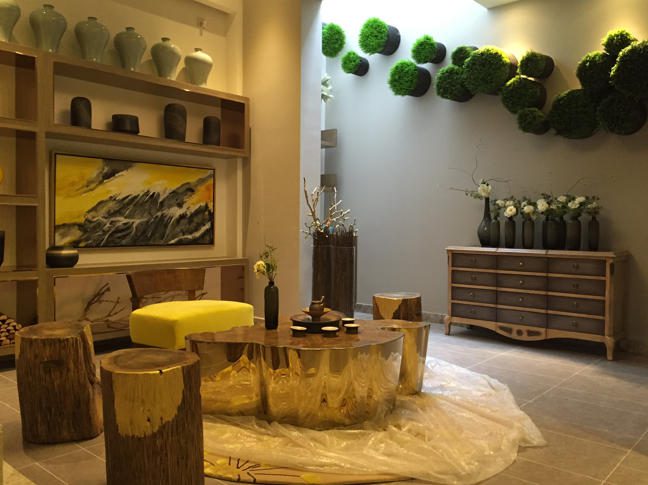

 Premium upholstery for a high-end residential project — engineered to hold its structure for a decade of daily use, not just a photo shoot.
 Custom solid-oak bed frame for a luxury penthouse project — where finish consistency across a 24-unit building was non-negotiable.
 Custom dining furniture for a private residential project — where every material was third-party verified before production commenced.
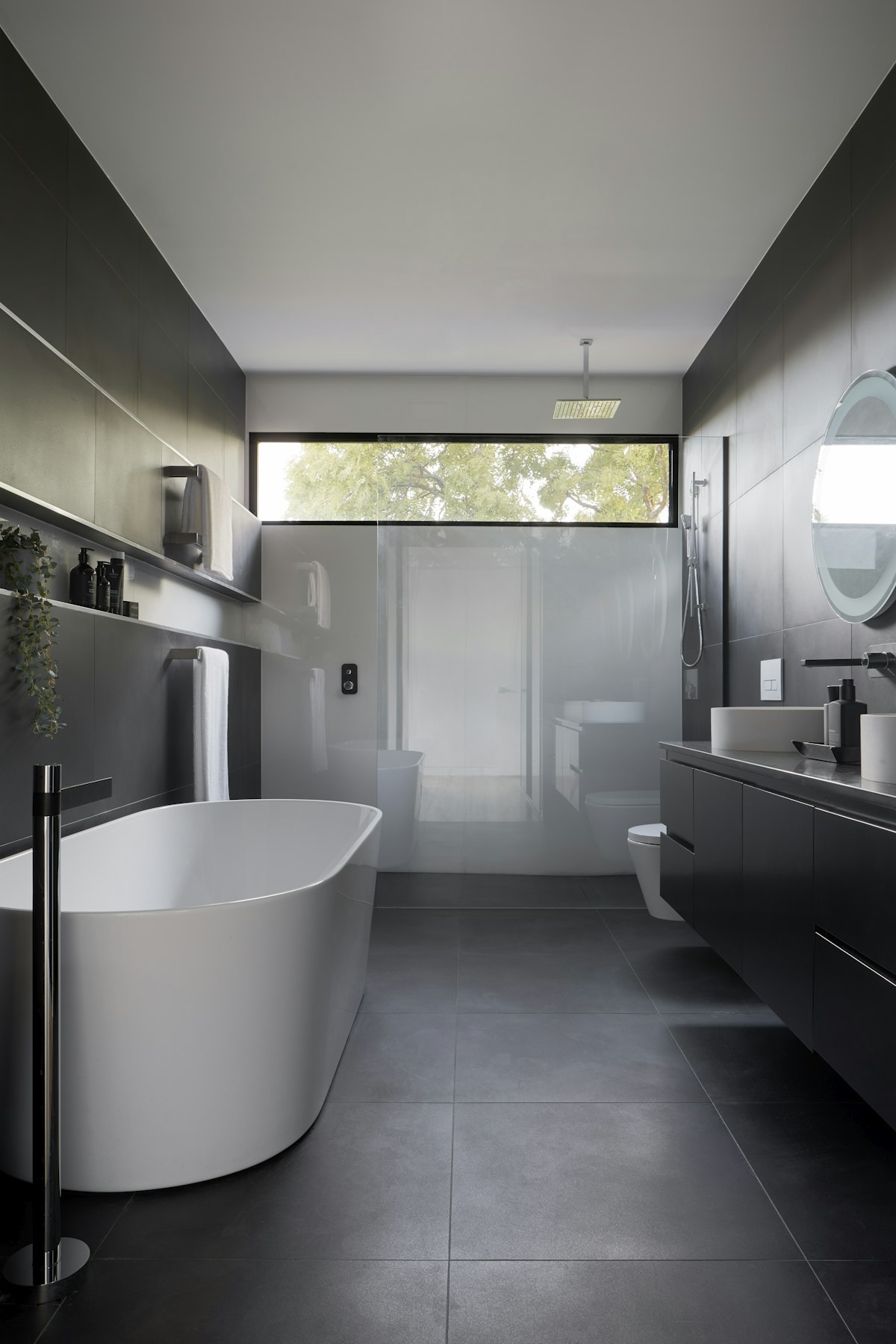 Premium outdoor furniture for a penthouse development — certified for UV stability, salt-air resistance, and a 10-year structural warranty.