A showflat must create a premium impression, but its furniture budget is rarely unlimited. Developers and procurement teams therefore face a delicate question: where should they invest, and where can they simplify without making the interior feel inexpensive?
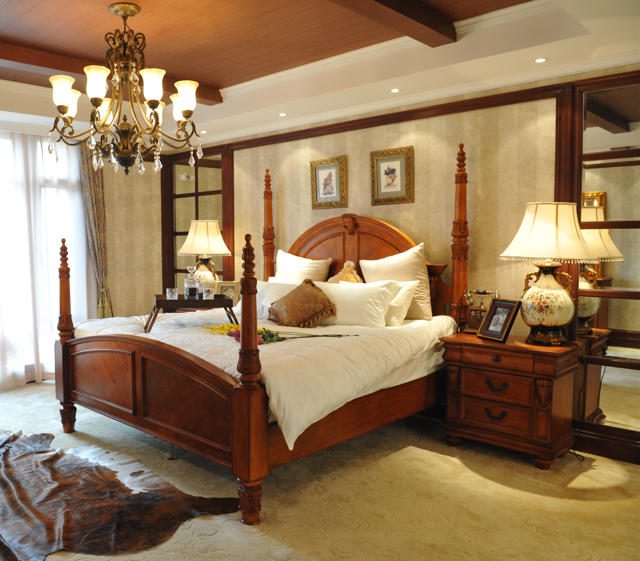
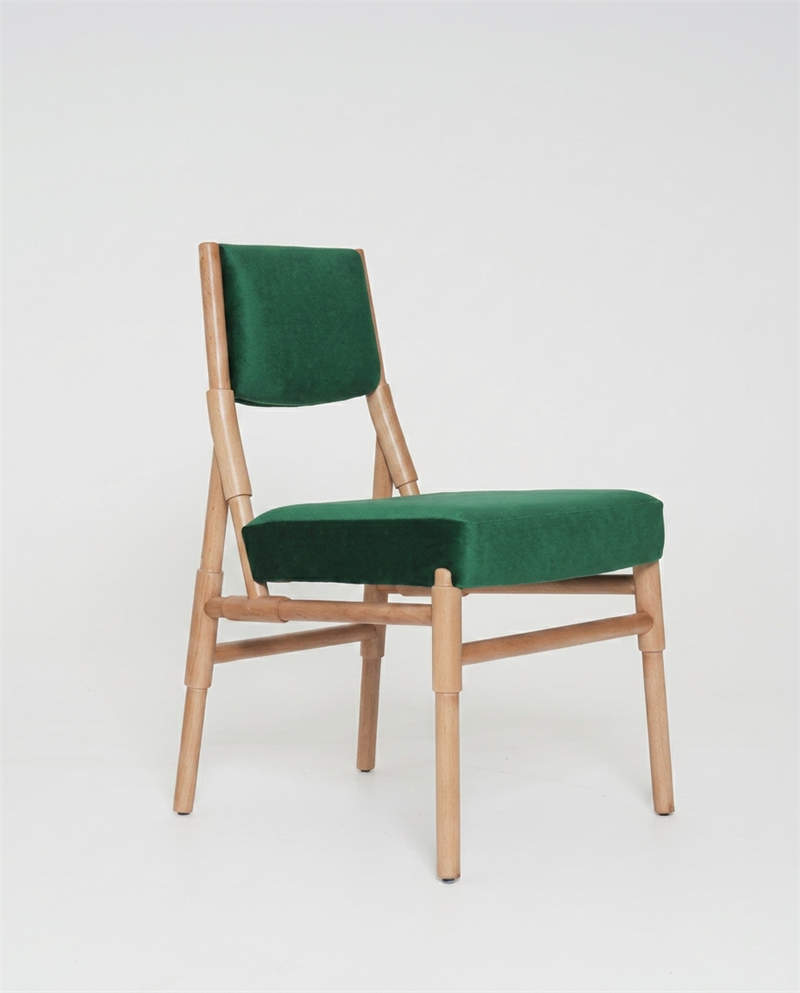
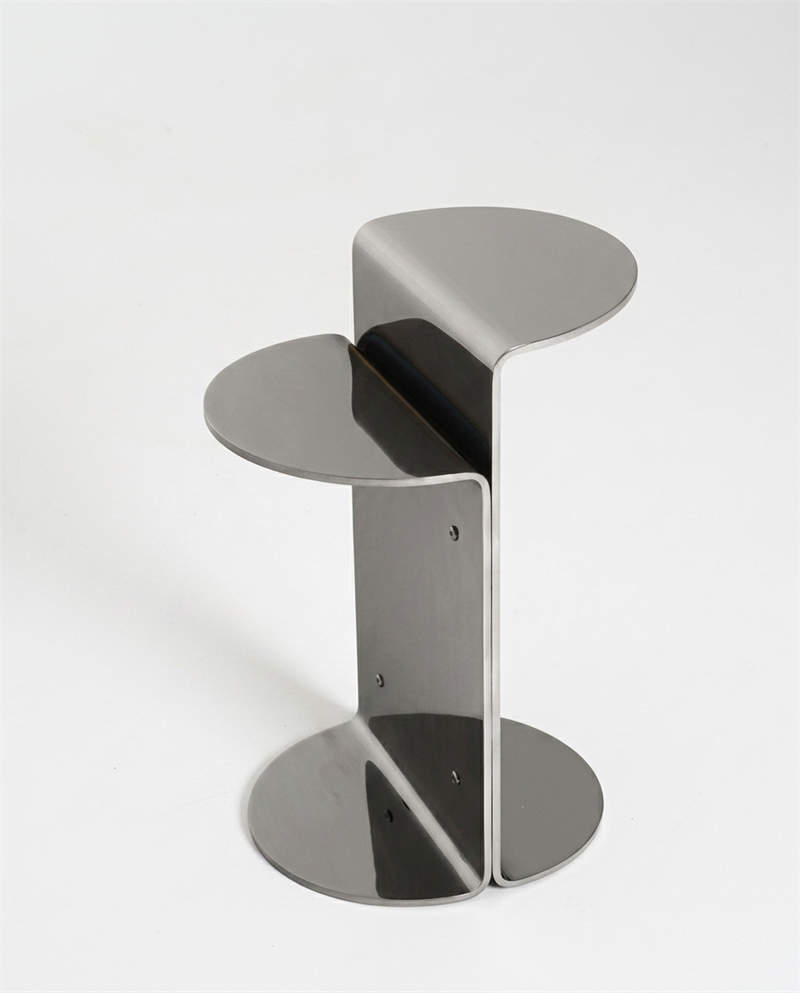
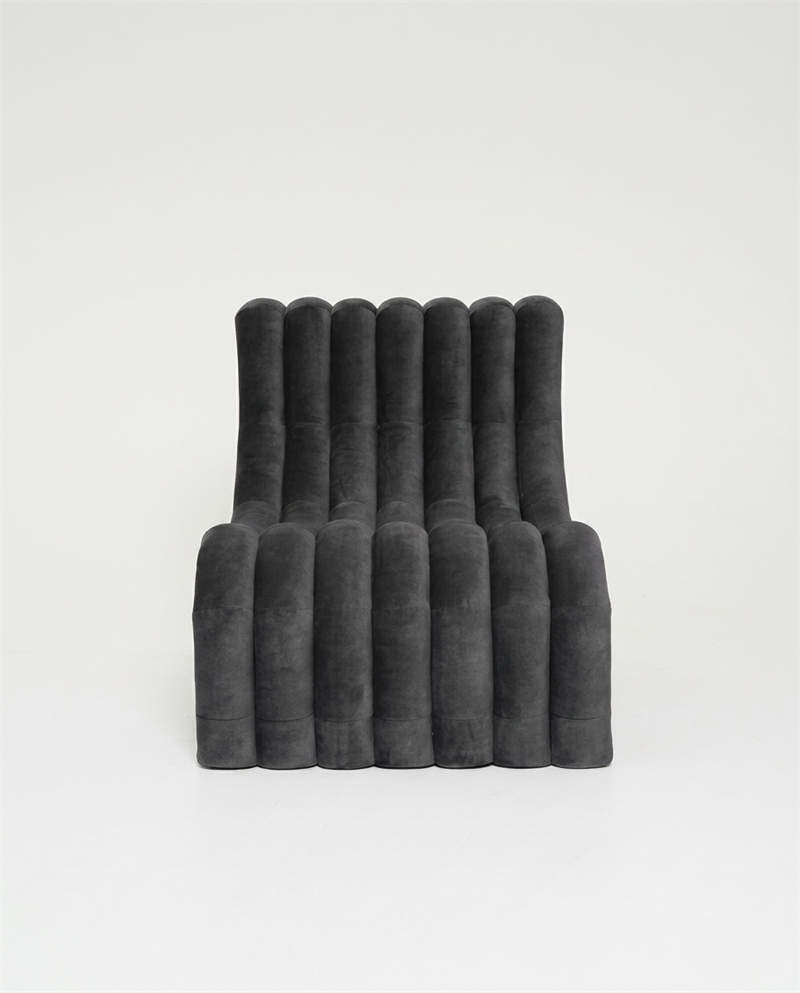
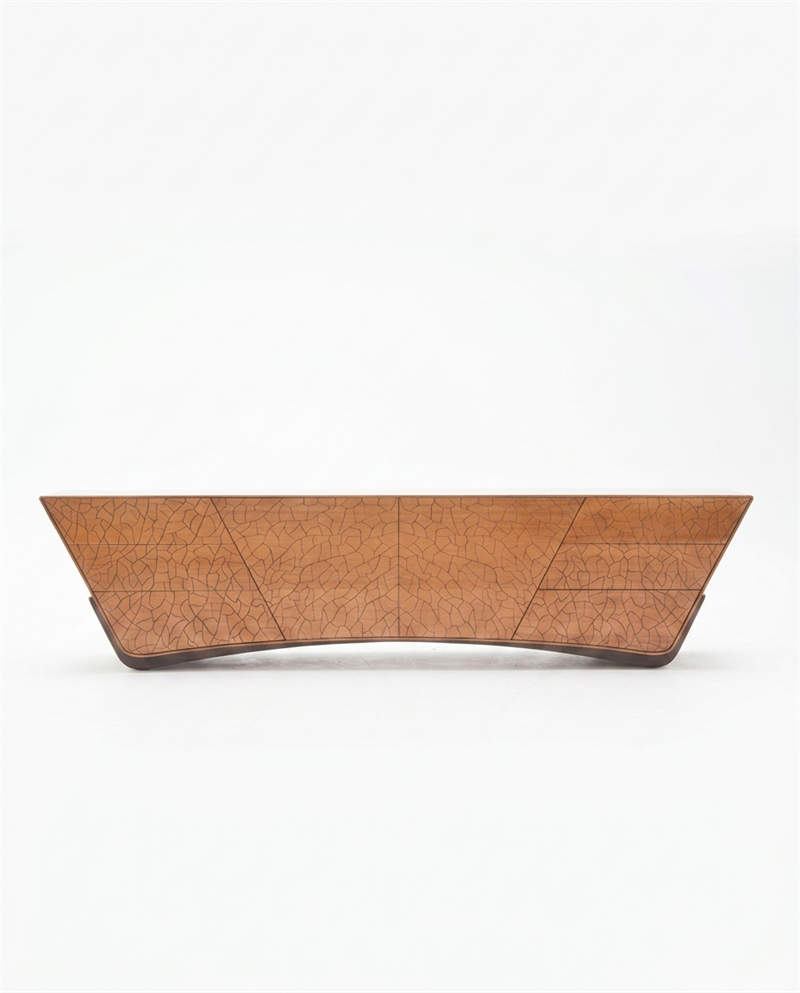
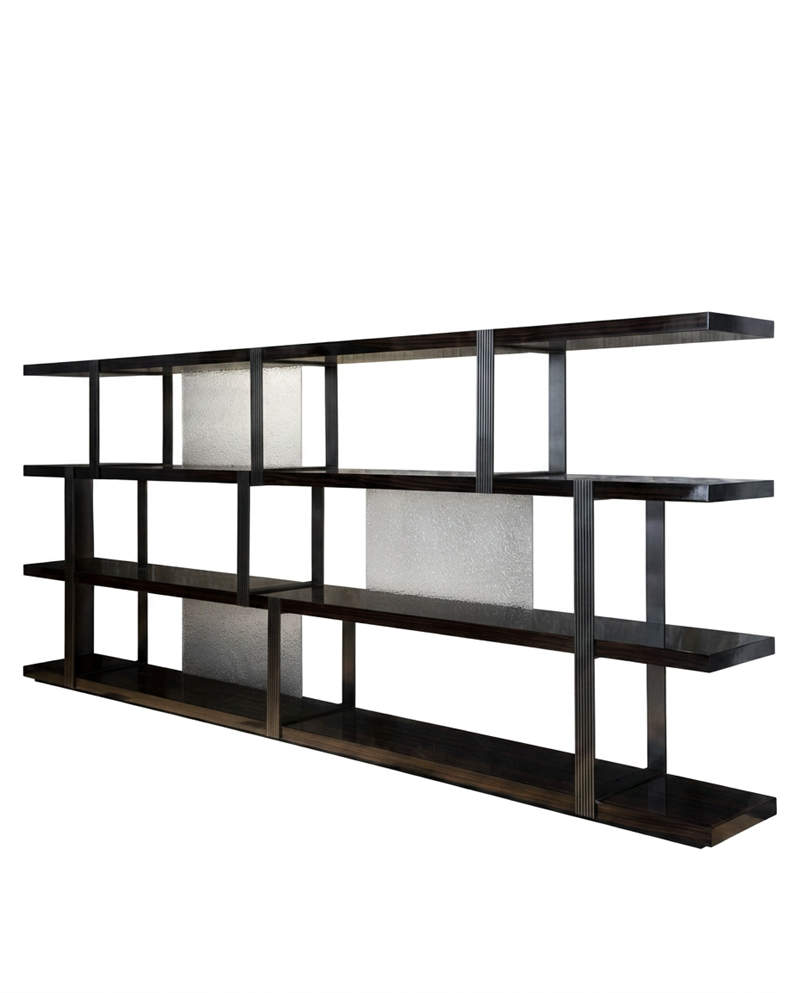
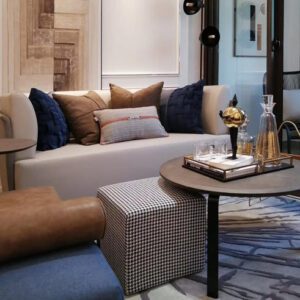
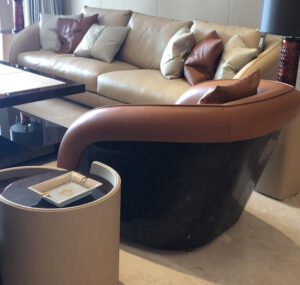
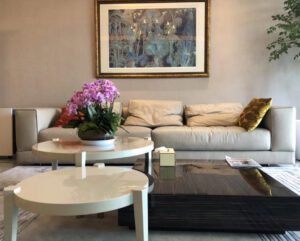
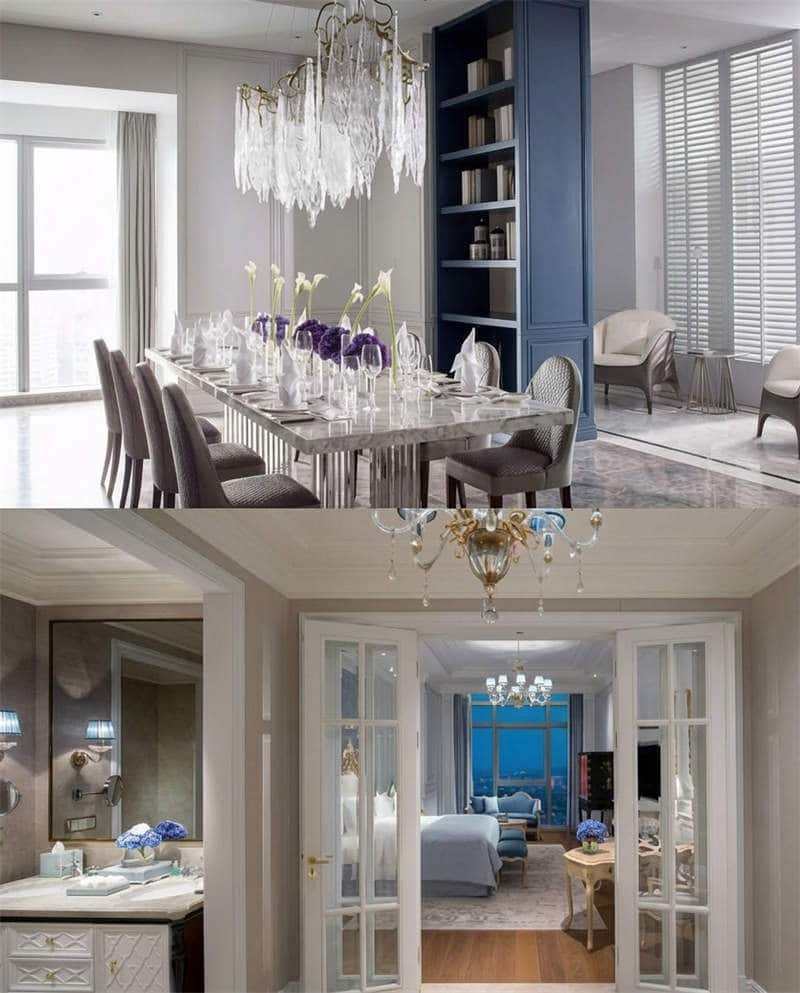
The Showflat Furniture Projects gallery from JL&C Furniture contains 17 photographs. The album presents living-room seating, lounge chairs, dining furniture, an entrance console, storage pieces, a dresser, an upholstered bed, a bedroom bench and details involving wood, metal, fabric and joinery.
This collection provides a useful reference for discussing furniture value engineering. The objective is not to select the cheapest construction for every product. It is to direct the available budget toward the details that visitors notice and the structures that must perform reliably.
Project Overview: Designing Around Perceived Value
Showflat furniture serves a different purpose from ordinary inventory. It must make rooms feel aspirational, express the positioning of the development and photograph well for marketing materials.
However, visual value is not distributed equally across every component.
A visitor is more likely to notice:
- The silhouette of the main sofa
- The scale of the dining table
- The comfort and upholstery of lounge seating
- The height and detailing of the headboard
- The finish of a console placed near the entrance
- The relationship between timber, metal and fabric
- The decorative hardware on prominent cabinets
The visitor is less likely to evaluate a concealed structural component unless it causes instability, misalignment or visible deformation.
Effective value engineering therefore begins by identifying which elements influence perception, which affect performance and which can be simplified safely. It should never mean reducing specifications indiscriminately.
The album does not publish the showflat’s address, development name, total furniture quantity, contract amount, delivery date or installation duration. These remain undisclosed rather than assumed.
Build a Furniture Investment Hierarchy
Before requesting quotations, the buyer can divide the proposed furniture into three investment levels.
Level A: Visual anchors
Visual anchors are the pieces that define the room at first glance. Examples may include the principal sofa, dining table, upholstered bed or an entrance console.
These pieces deserve a larger share of the budget because their proportions, finishes and details strongly influence the overall impression. Reducing their scale or removing distinctive features can make the whole setting appear less considered.
For visual anchors, buyers should protect:
- Overall silhouette
- Visible material quality
- Upholstery tailoring
- Decorative metalwork
- Edge profiles
- Important curves
- Color consistency
- Comfort at primary contact points
Level B: Coordinating furniture
This group can include lounge chairs, dining chairs, bedside pieces, side tables, benches and dressers. These products support the main design language but do not all need the same level of decorative complexity.
Cost can sometimes be managed by repeating selected finishes, standardizing hidden components or sharing hardware across multiple models.
Level C: Supporting elements
Supporting items complete the composition without becoming focal points. Their forms can often be quieter and their construction more standardized.
Simplification may involve:
- Fewer finish combinations
- Reduced decorative routing
- Standard drawer systems
- Common leg profiles
- Shared metal colors
- More efficient component dimensions
- Knock-down construction where technically appropriate
This hierarchy allows the project team to protect the strongest visual moments instead of spreading the budget evenly across products with unequal influence.
Where Value Engineering Can Go Wrong
A lower quotation does not necessarily represent a better value-engineered solution. It may simply reflect an incomplete specification.
Changing external dimensions
Reducing the dimensions of a sofa, dining table or headboard may lower material and freight costs, but it can also alter the intended relationship between furniture and architecture. The room might then appear under-furnished.
Dimensions should only change after checking the updated proportions against the floor plan and interior elevations.
Substituting visible materials
Replacing a specified veneer, metal treatment or upholstery with a lower-cost alternative may create a noticeable difference under showflat lighting. Material substitution requires a physical sample rather than approval from a digital image.
Removing structural support
Hidden construction can be optimized, but it should not be weakened. Upholstered frames, long table spans, cabinet shelves and large headboards require suitable reinforcement.
A cheaper internal structure that causes movement or sagging is not value engineering. It transfers cost from procurement to repair and replacement.
Using one comfort specification everywhere
A dining chair, occasional lounge chair and main sofa do not perform the same function. Applying one foam configuration to every seating model can create inappropriate comfort or poor shape retention.
Seat use, depth, height, cushion thickness and expected frequency of use should guide the upholstery specification.
Ignoring packaging during price comparison
A quotation that excludes adequate protection can look competitive until products arrive with damaged corners, marked metalwork or compressed upholstery. Packaging is part of the delivered product cost and should be assessed during supplier comparison.
Practical Cost-Control Opportunities by Furniture Category
Upholstered seating
The strongest visual contribution often comes from proportion, fabric selection and tailoring. Buyers may reduce unnecessary complexity by limiting fabric changes, standardizing concealed frame components or selecting more production-efficient seam arrangements.
The following details should remain protected:
- Frame stability
- Seat support
- Fabric alignment
- Consistent stitching
- Cushion recovery
- Smooth curves
- Clean junctions between upholstery and exposed frames
Dining furniture
Dining tables can become expensive because of oversized surfaces, complex bases, thick edges and mixed materials. The manufacturer may propose a structurally efficient substrate while preserving the approved external finish and edge profile.
Dining chairs can share upholstery or frame finishes with living-room seating, reducing the number of separately purchased materials.
Beds and headboards
The headboard usually provides more visual impact than the concealed bed-frame construction. Budget allocation can therefore prioritize the headboard’s scale, upholstery and edge treatment while keeping hidden supports practical.
The bed specification should still confirm mattress dimensions, mattress recess, support method, bedside clearance and assembly access.
Cabinets and dressers
Casegoods offer several controlled optimization opportunities:
- Standardizing internal finishes
- Limiting unnecessary hardware variations
- Sharing drawer runners across models
- Adjusting noncritical internal divisions
- Using a decorative finish only on visible surfaces
- Reducing complex detailing on concealed areas
Door alignment, drawer operation and the finish of visible edges should not be compromised.
Occasional tables and consoles
Side tables and entrance consoles may combine timber, metal, stone-like surfaces or lacquer. A cost review can determine whether every material is functionally necessary or whether the same appearance can be achieved through a more efficient construction.
Any proposed substitute must be evaluated for weight, stability, edge durability, cleaning and visual consistency.
Manufacturing Input Before Finalizing the Design
Furniture value engineering is most effective before drawings are frozen. Once sampling or production has started, late changes can create rework, material waste and inconsistent revisions.
JL&C Furniture describes itself as a Shanghai-based manufacturer with more than 20 years of furniture design and manufacturing experience. Its published profile also reports service to over 30 countries, more than 200 skilled artisans and specialists, over 500 completed projects, and a portfolio of more than 500 SKUs. Further background is available on the JL&C Furniture company information page.
A factory review can help identify design details that increase cost without adding equivalent visual or functional value. Typical questions include:
- Can multiple products use the same finish system?
- Can one metal color replace several similar treatments?
- Is a decorative feature visible after installation?
- Does the selected edge thickness require additional reinforcement?
- Can dimensions be adjusted to improve material yield?
- Will a large item require special packing or site assembly?
- Does the design create avoidable production steps?
- Can hardware be standardized without changing appearance?
These discussions should produce written alternatives rather than informal verbal suggestions.
Each alternative should state:
- The original requirement
- The proposed adjustment
- The reason for the change
- The expected visual effect
- The structural effect, if any
- The price difference
- The sample or approval required
This makes cost decisions traceable and prevents an approved optimization from becoming an unauthorized downgrade.
Quality Control After Cost Optimization
Once substitutions have been approved, quality inspection must follow the revised specification—not the original concept image alone.
The inspection reference should include:
- Final drawings
- Approved dimensions
- Material names and codes
- Finish samples
- Upholstery references
- Hardware schedule
- Construction notes
- Packaging requirements
- Signed change records
For upholstered furniture, inspection should cover frame stability, seat feel, fabric direction, seam position and cushion fit. Casegoods should be checked for alignment, surface appearance, hardware operation and stability. Tables need dimensional, level and base-connection checks.
JL&C Furniture’s published B2B furniture quality guide discusses supplier evaluation and manufacturing controls in greater detail. Product-specific tests, certifications and compliance documents must still be requested according to the destination and intended use; they should never be inferred from photographs.
Brand Trust Through Transparent Cost Decisions
Overseas distributors must often explain why one proposal costs more than another. A transparent value-engineering record makes this conversation easier.
Instead of presenting only a final price, the distributor can show:
- Which elements were protected
- Which features were simplified
- Which substitutions were sampled
- How dimensions were verified
- Which materials require testing
- How packaging was included
- What remains optional
- What is excluded from the quotation
This approach helps distinguish an engineered proposal from a low-cost offer based on unspecified materials.
A capable supplier should also be willing to state when a requested saving creates unacceptable risk. Agreeing to every reduction may win the initial order but can damage the finished interior and the distributor’s reputation.
Request a Value-Engineered Showflat Proposal
To prepare an accurate showflat furniture review, buyers should provide:
- Floor plans and room dimensions
- Interior renderings
- Furniture reference images
- Required quantities
- Target budget by room or package
- Priority statement pieces
- Preferred finishes and upholstery
- Destination market
- Intended opening date
- Access and delivery restrictions
- Required testing or documentation
- Features that may not be altered
Clearly identify whether the goal is to reduce the total budget, meet a target price, simplify manufacturing, lower freight volume or create multiple specification levels.
Professional buyers can submit their drawings, furniture schedule and commercial requirements through the JL&C Furniture project enquiry page.
Successful value engineering does not make every piece cheaper. It places the right level of investment where it contributes the most to appearance, performance and buyer perception.