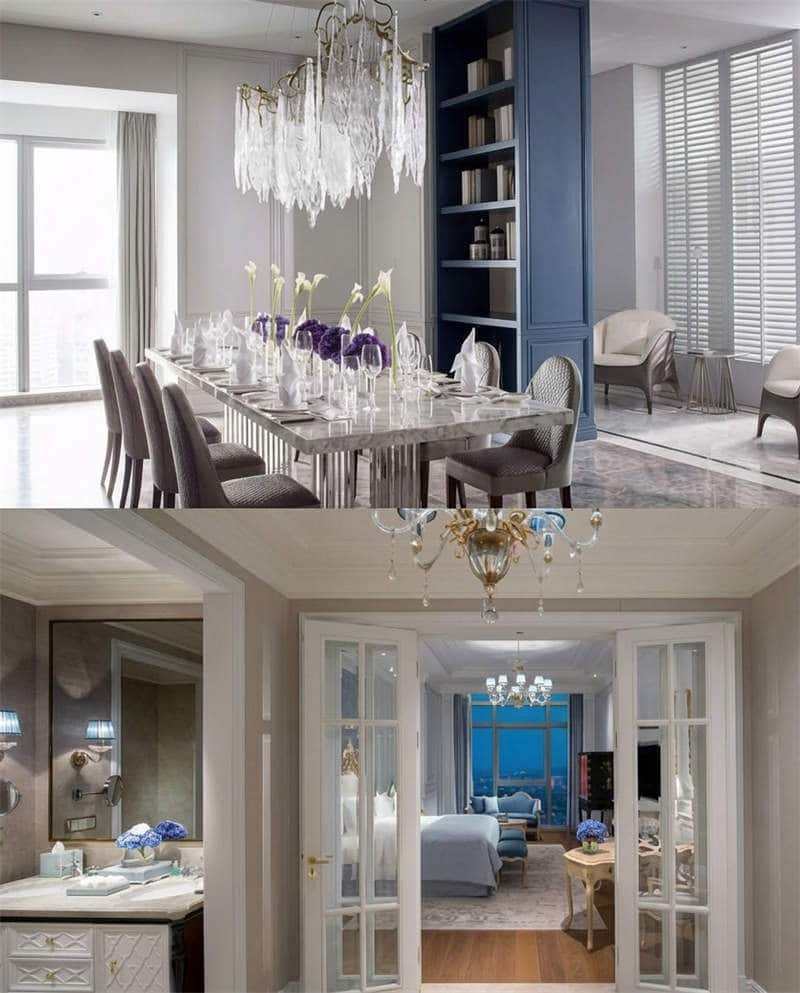
Advanced Tips to Streamline Repeat Furniture Orders from China: A...
Advanced Tips to Streamline Repeat Furniture Orders from China: A Strategic Guide for High-Value Buyers
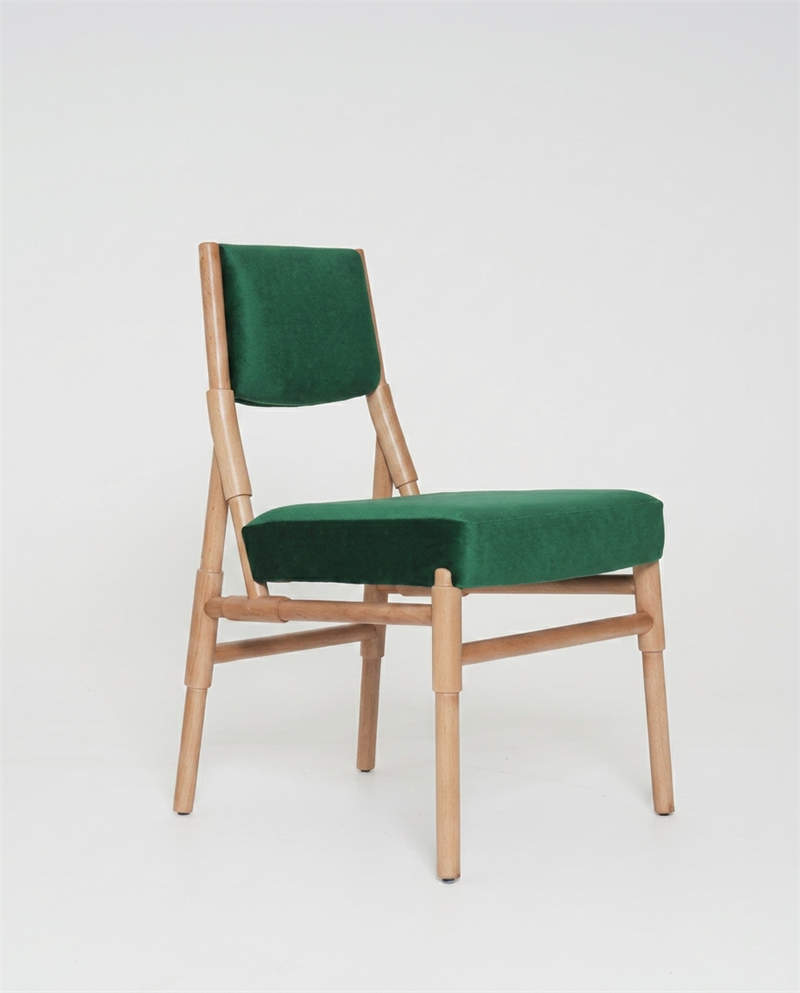
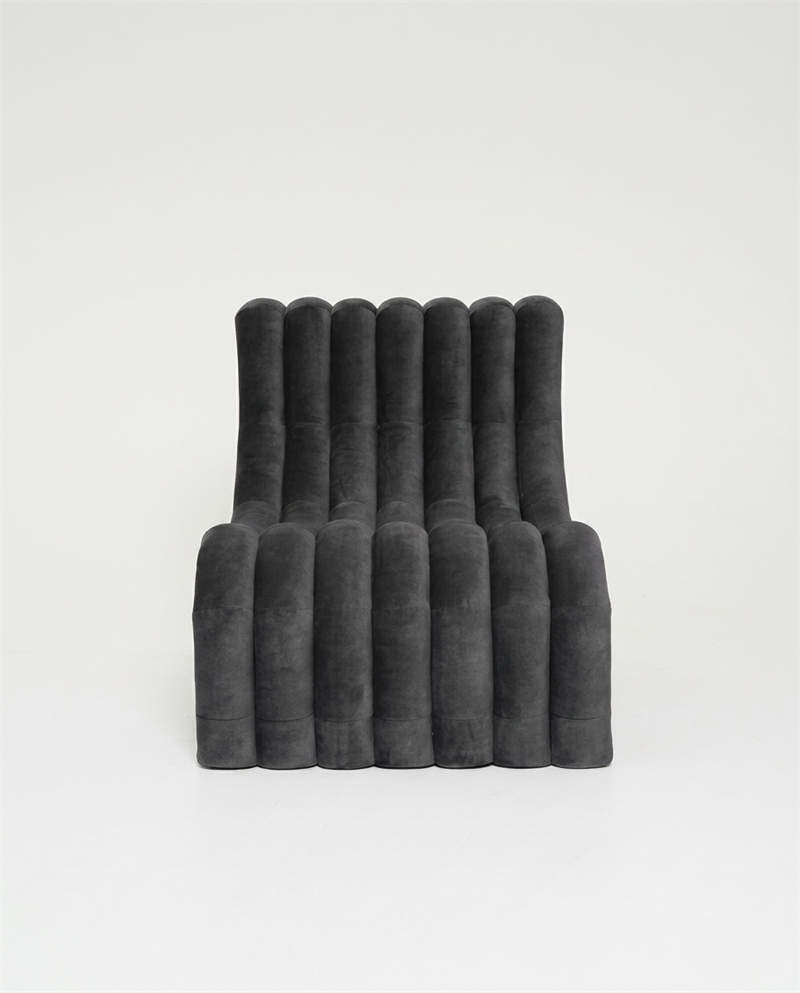
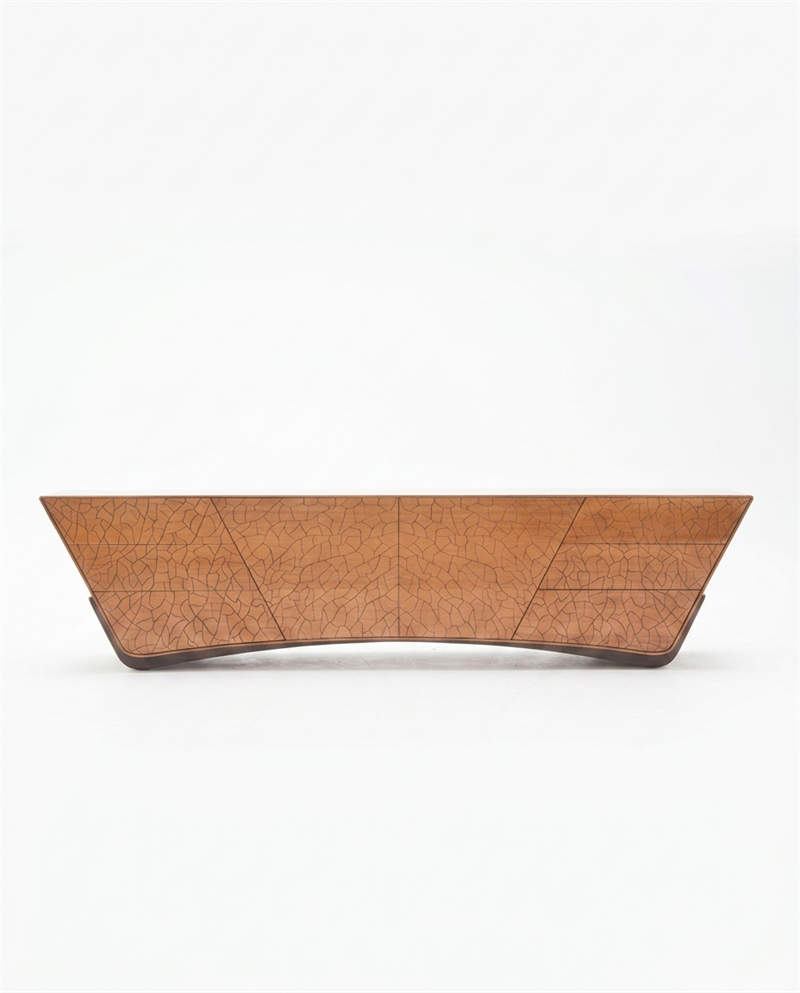
Alt: Luxury bespoke furniture showroom with custom upholstered seating, solid wood cabinetry, and quality inspection setup in a premium Chinese manufacturing facility
Why Repeat Orders Are Where the Real Risk Lives
Most buyers focus heavily on the first order — and for good reason. But here’s the truth that experienced FF&E directors and private label brand managers know well: the second, third, and tenth orders are where procurement strategies either hold together or quietly fall apart.
The global luxury furniture market is valued at $38.2 billion in 2026, projected to reach $60.79 billion by 2035 (Business Research Insights). As more high-end projects — luxury villas, boutique hotels, branded residences — source from China, the pressure to maintain quality consistency across multiple production runs has never been higher.
Consider this scenario: A hospitality developer places a 300-room hotel order in two phases. The first 150 rooms are flawless. The second batch arrives with a 4mm height variation across all headboards and a noticeably different fabric sheen. Now the project manager is dealing with client complaints, the interior designer is on the phone, and the supplier is offering vague apologies. The fix costs more than the margin on the entire order.
This guide exists to prevent exactly that. These are 10 field-tested, operationally specific strategies used by serious buyers who move six- and seven-figure furniture programs through Chinese factories without losing sleep.
1. Build a Strategic Reorder Specification Framework
Eliminate Ambiguity Before It Becomes a Defect
The single most common cause of inconsistency between furniture batches is not factory negligence — it is incomplete or uncontrolled buyer documentation. When a factory interprets a missing dimension, an unspecified wood grain direction, or an ambiguous finish code, they use their own judgment. And their judgment and yours may not align.
A master specification template (also called a tech pack) is your insurance policy. It should include:
Exact material grades (e.g., “FSC-certified European Beech, Grade A, 28mm thick” — not just “wood”)
Hardware types with brand and model number (e.g., Blum Clip Top 110° soft-close hinges)
Finish codes in RAL or Pantone, specifying sheen level (matte, satin, gloss), application method, and number of coats
Dimensional tolerances — for structural members ±2mm, for visible surfaces ±1mm
Fabric details: Martindale abrasion rating, pile direction, repeat pattern alignment, fire certification (CAL 117 or BS 5852)
Revision control log that tracks every change made across batch iterations
For architectural and hospitality projects, BIM-integrated specs (BIM stands for Building Information Modelling — a digital 3D model used by architects and developers to plan a building’s full design) allow your design team to extract exact furniture dimensions and verify them against as-built drawings. Requiring suppliers to provide BIM-compatible objects eliminates a major source of coordination error between the factory floor and the site.
At JL&C Furniture, every custom order begins with a formal tech pack review and sign-off before production is released — a process that has consistently reduced revision requests on repeat orders by keeping all stakeholders aligned from day one.
2. Create a Digital Documentation Hub with Version Control
One Source of Truth for Every Stakeholder
Imagine your interior designer is working from a spec sheet saved in their email. Your project manager has a different version printed from three months ago. The factory floor supervisor is using a WhatsApp photo of a sample. This is not a hypothetical — this is how most procurement disputes begin.
A centralised, cloud-based documentation system solves this. Tools such as SharePoint, Notion, or a dedicated ERP platform allow every authorised party — including factory representatives — to access only the current, approved version of every document. This includes:
Approved sample photos (taken under standardised lighting conditions)
Tech packs with version history
Compliance certificates: FSC chain-of-custody, GREENGUARD, CARB Phase 2 (California Air Resources Board standard for formaldehyde emissions in composite wood)
Past QC (Quality Control) inspection reports with defect logs
Material swatch libraries with batch reference numbers
Version control means that when you update a finish specification in Week 8 of a project, the factory cannot accidentally revert to the Week 3 version. Every change is timestamped and traceable.
The operational payoff is significant: buyers who centralise documentation report faster sample approval cycles — often cutting approval time from 3 weeks to under 10 days on repeat orders — because there is no ambiguity about what “approved” looks like.
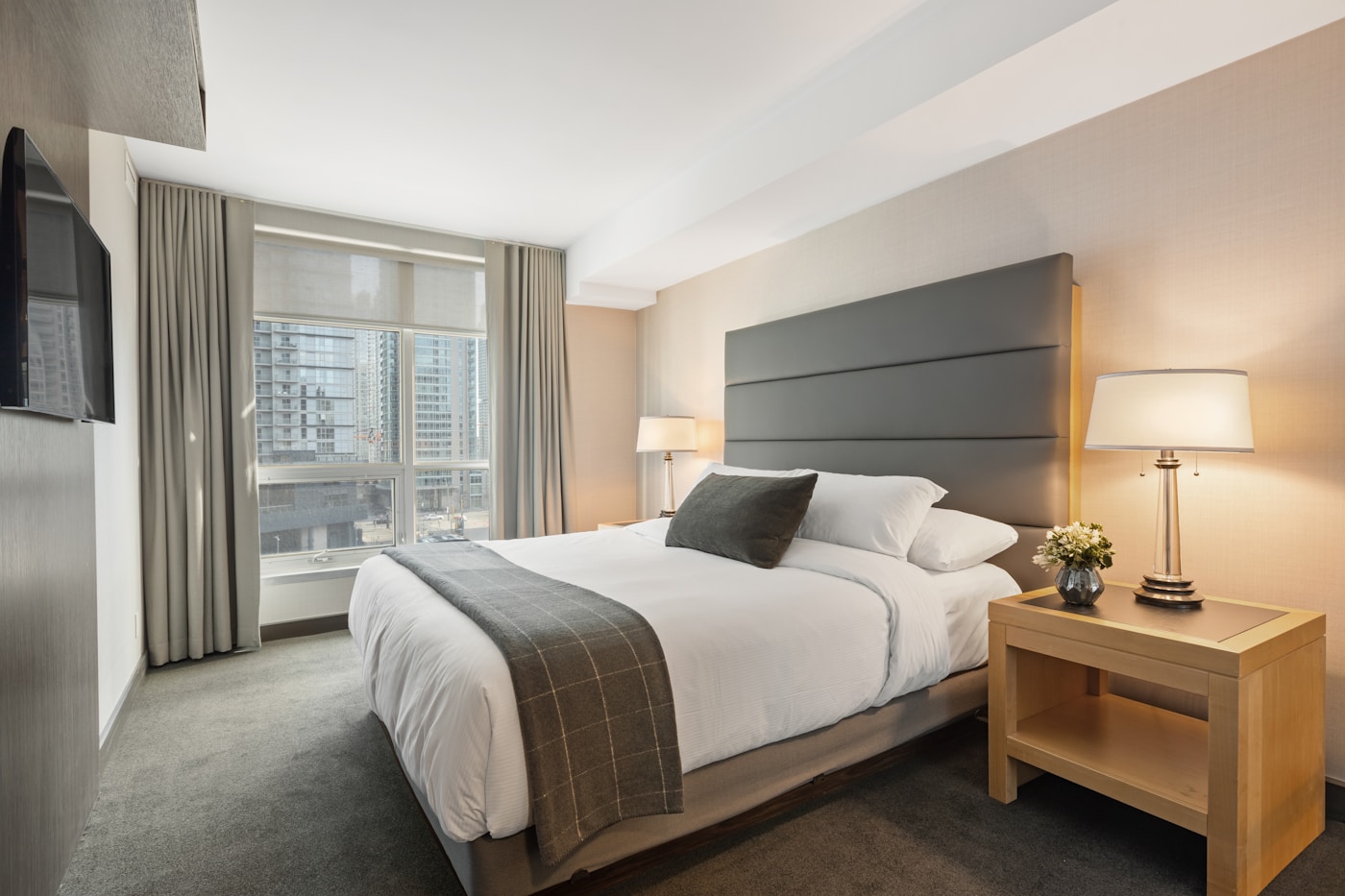
Alt: Premium hotel suite with bespoke upholstered headboard, custom nightstands, and artisan wood paneling sourced from a high-end Chinese furniture manufacturer
AQL, or Acceptable Quality Level, is the statistical threshold that defines the maximum number of defective units you will tolerate in a given sample size. It is the global standard for managing production quality without inspecting every single piece. For luxury furniture, use the following tiered AQL settings:
Slight surface scratch below hardware, minor packaging scuff
AQL 2.5
The three-stage QC model looks like this:
Stage 1 — Pre-Production Sample Approval: Before mass production begins, the factory produces one or two pre-production samples using the confirmed materials and processes. Your buyer or a third-party inspector physically approves these and they become the “golden sample” — the physical, archived benchmark against which every future unit is compared.
Stage 2 — In-Line Inspections at 30% and 70% Completion: When 30% of the order is produced, an inspector visits the factory to check dimensional accuracy, finish quality, and material consistency. This catches problems when they are still fixable. The 70% checkpoint ensures corrections were implemented and the remaining production is on track.
Stage 3 — Pre-Shipment Final Inspection: A random sample is drawn from the completed batch, inspected against the golden sample, and accepted or rejected based on AQL thresholds.
For orders exceeding 50 units or $30,000 in value, we strongly recommend using a third-party inspection agency such as SGS, QIMA, or Bureau Veritas. Their reports carry independent credibility and create an audit trail that protects both buyer and supplier in the event of a dispute.
The golden sample archive is not optional. One furniture brand sourcing lounge chairs for a 180-room resort discovered — on their third production run — that the factory had quietly switched to a slightly narrower seat cushion because their foam supplier had changed. The original golden sample was the only objective reference that allowed the buyer to quantify the deviation and enforce a correction at the factory’s cost.
4. Negotiate Dedicated Production Lines and Capacity Locking
Secure Priority Manufacturing Before You Need It
In a standard factory environment, your order competes for floor space, equipment time, and skilled labour with every other buyer’s order. During peak production periods — typically August through October as factories prepare for year-end deliveries — this competition intensifies significantly. Lead times that normally run 10–14 weeks can stretch to 18–22 weeks.
Capacity locking means negotiating a formal agreement with your supplier to reserve a defined portion of their production capacity for your program. This is not just a verbal commitment. A formal capacity agreement should specify:
The number of production hours or units reserved per month
The notice period required to activate a run (typically 4–6 weeks)
The minimum order volume that triggers the reserved capacity
Any pricing implications — reserved capacity often comes with a small premium (5–10%) that is far less costly than a delayed hotel opening
For private label furniture brands managing seasonal collections or hotel operators coordinating synchronised delivery to multiple properties, this is particularly valuable. A luxury hotel group opening three properties in the same calendar year cannot afford one property’s furniture to arrive on schedule while another’s sits waiting for production slots.
Consider also discussing tooling co-investment with your supplier. If your furniture program uses custom-designed moulds, jigs, or CNC programs, contributing to the tooling cost (typically $2,000–$8,000 per tool set) entitles you to exclusivity and ensures those tools are not used for other buyers’ orders.
5. Build a Supplier Relationship Escalation Matrix
Move from Vendor to Strategic Partner
A transactional supplier relationship — where communication only happens when there is a purchase order or a problem — is a fragile relationship. It offers no priority, no early warning system, and no pathway for collaborative improvement.
A supplier relationship escalation matrix defines the formal structure of your partnership across multiple levels:
To move up this ladder, you need to offer the factory something in return: consistent order volumes, advance production forecasting (sharing your project pipeline 6–12 months ahead), and timely payment. Factories reserve their best production teams, their most skilled artisans, and their fastest response times for buyers who make their business predictable.
Define your KPIs (Key Performance Indicators — measurable targets for supplier performance) clearly and share them with your supplier:
On-time delivery rate: target ≥95%
Quality pass rate at final inspection: target ≥97%
Sample approval cycle time: target ≤10 business days
Response time to buyer enquiries: target ≤24 hours
Corrective action implementation: target ≤72 hours from written notification
Conduct formal bi-annual performance reviews using a scorecard. Share the results transparently with your supplier. The best Chinese furniture manufacturers respond well to structured, respectful performance feedback — particularly when paired with recognition for strong performance.
Assign dual contacts on both sides: on your team, a commercial lead (for pricing and PO management) and a technical lead (for spec review and QC oversight); on the factory side, an account manager and a production manager. This prevents single points of failure and ensures that technical issues never get stuck in commercial conversations.
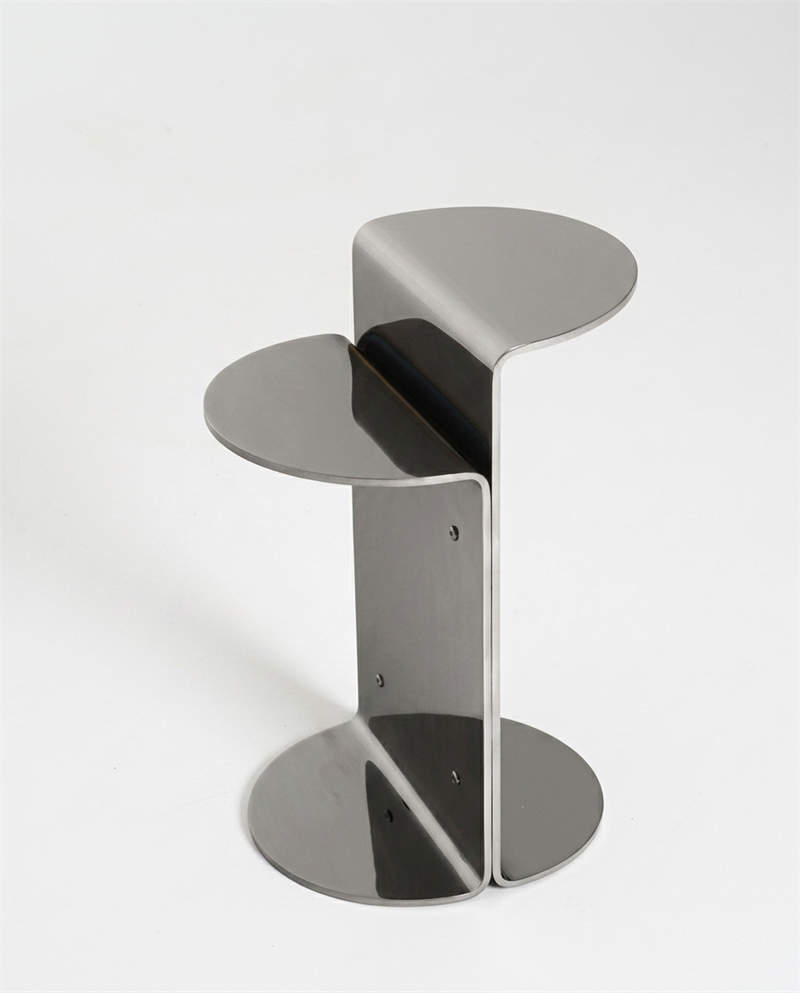
Alt: High-end solid wood dining furniture with hand-carved detailing and brushed brass hardware displayed in a luxury showroom setting
6. Enforce Material Sourcing and Substitution Governance
Prevent Unauthorized Changes from Undermining Your Brand
This is one of the most underestimated risks in repeat furniture procurement. A supplier’s fabric vendor raises prices. Their usual foam supplier is out of stock. A hardware component is discontinued. In each of these cases, the factory will find a substitute — and unless you have a formal process in place, you may not find out until the order arrives.
Material substitution governance means that any change to an approved material or component requires written buyer approval before implementation. This should be a clause in your manufacturing agreement, not just a verbal understanding.
Implement a material passport for each product line. A material passport (a structured document that catalogues every material and component in a piece of furniture, including its origin, specification, supplier, and compliance data) should list:
Primary approved material with full specification
Pre-approved alternative materials, each with test results confirming equivalency
Compliance data: FSC certification number, CARB Phase 2 test report, REACH (European chemicals regulation) compliance letter, fire test results
Visual reference images under standardised lighting
The EU’s Digital Product Passport (DPP) regulation, phased in from 2025 onward, is making this type of documentation legally mandatory for furniture sold in Europe. Even if your market is outside the EU, adopting DPP-aligned documentation now future-proofs your sourcing program and strengthens your sustainability narrative with clients.
For architects and developers specifying furniture for LEED or BREEAM-certified buildings, documented material traceability is not optional — it is a scoring requirement.
7. Optimise Logistics and Customs Documentation for Repeat Shipments
Reduce Transit Risk Through Standardisation
Every repeat shipment is an opportunity to eliminate the friction that slowed down the previous one. Buyers who treat each shipment as a standalone logistics exercise consistently pay more, wait longer, and face more customs complications than those who build standardised shipping systems.
HS Code accuracy (Harmonized System codes — the international numerical system used to classify goods for customs) is the single most impactful logistics decision you can make. Furniture falls primarily under HS Chapter 94, but sub-classifications vary significantly by material, construction, and intended use. An incorrect HS code can trigger customs holds, duty miscalculations, or penalty flags. Work with a licensed customs broker to confirm the correct codes for each SKU and document them in your product library.
Standardise your packaging protocol across all repeat orders: carton dimensions, packing density, foam corner protection specifications, and pallet configuration. This has two benefits — it reduces damage rates during transit (industry data suggests poor packaging accounts for approximately 30% of furniture import damage claims) and it makes container loading plans reusable, saving your freight forwarder time on every shipment.
Pre-clear customs documentation by maintaining a master library of past import records: commercial invoices, packing lists, certificates of origin, phytosanitary certificates (required for solid wood furniture), and fumigation certificates. For repeat shipments with identical products, much of this documentation can be templated.
Key logistics decisions for each shipment:
Incoterm
Who Manages Freight
Who Bears Risk During Transit
Best For
EXW (Ex Works)
Buyer
Buyer from factory gate
Buyers with strong freight partners
FOB (Free on Board)
Buyer from port
Buyer once loaded
Most common for China furniture exports
CIF (Cost, Insurance, Freight)
Seller to destination port
Seller until destination port
Buyers who prefer consolidated cost
DDP (Delivered Duty Paid)
Seller to destination
Seller throughout
Buyers who want full-service delivery
Stay current on tariff changes — US furniture imports from China under HS Chapter 94 have been subject to Section 301 tariffs ranging from 25% to 125% depending on classification and trade policy developments. Verify current rates at the USITC Harmonized Tariff Schedule before committing to landed cost projections.
8. Integrate a Feedback Loop Between the Field and the Factory
Turn Installation Data Into Better Products
Most furniture procurement programs end at delivery. The order arrives, the project is handed over, and any issues that emerge during installation, use, or client feedback disappear into an informal complaint process — or simply go unrecorded. This is a significant missed opportunity.
A closed-loop feedback system connects the people who live with the furniture (installers, site managers, housekeeping teams in hotels, villa owners) back to the factory, through a structured reporting channel. Here is what it captures:
Assembly challenges: hardware that does not align, unclear instructions, components that require force to fit
Finish durability: areas that show wear, discolouration, or delamination within the first 6–12 months
Functional issues: drawer slides that stick, upholstery that loses shape, joinery that develops movement
Client aesthetic feedback: elements that photograph differently than expected, scale issues in the actual room
This information is then translated into technical drawing refinements before the next production run. A hospitality design firm managing a 500-room rollout across three properties used this approach to eliminate a recurring wardrobe door alignment issue between Property 1 and Property 2. The factory adjusted the hinge positioning by 3mm based on field reports — a fix that cost nothing in production and saved approximately $18,000 in site correction labour.
Assign a field quality coordinator (this can be a role within your project management team, not necessarily a dedicated headcount) whose job is to collect, document, and transmit field feedback in a structured format — not as verbal complaints but as written technical observations tied to specific batch numbers.
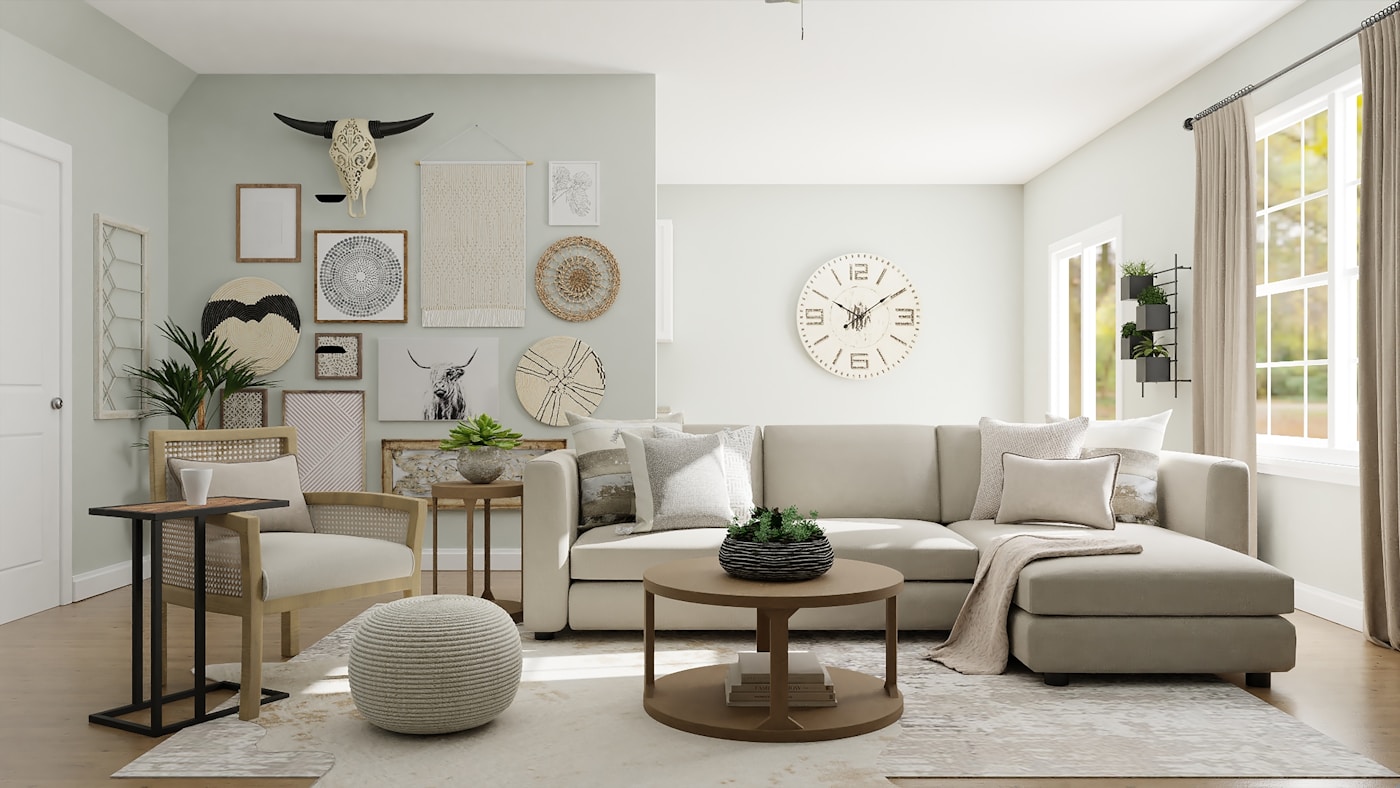
Alt: Contemporary luxury villa living room with modular custom sofa system, bespoke wood side tables, and premium fabric upholstery in neutral tones
9. Integrate ERP, PLM, and Supplier Portals for Scalable Automation
Stop Managing Multi-Million-Dollar Programs in Spreadsheets
If you are managing more than $500,000 in annual furniture procurement from China in a spreadsheet and email thread, you are operating below your risk threshold. The operational complexity of multi-batch, multi-supplier, multi-project furniture programs requires integrated technology.
ERP (Enterprise Resource Planning) systems manage the commercial side: purchase orders, inventory levels, delivery scheduling, cost tracking, and payment terms. Leading ERP platforms with strong furniture-industry applications include Infor CloudSuite Industrial and cloud-based options such as NetSuite.
PLM (Product Lifecycle Management) systems manage the design side: technical drawings, spec version control, sample approval workflows, and compliance documentation. When your PLM is connected to your ERP, a specification change in the design system automatically flags any open purchase orders that reference the affected product.
Supplier portals are the bridge between your internal systems and the factory. A supplier portal gives your Chinese manufacturer controlled access to the information they need — current POs, approved tech packs, inspection schedules — without exposing your full ERP environment. The factory can update production milestones directly, which triggers automatic notifications to your project management team.
Automated reordering triggers are the next level. When your ERP inventory data shows that a specific SKU is approaching its minimum stock threshold — common for private label brands managing showroom inventory — the system can generate a draft purchase order for buyer review, pre-populated with the last approved specification and pricing. For FF&E procurement teams managing tight project timelines, this eliminates a significant source of administrative delay.
The ROI case is straightforward: a mid-sized importer sourcing $2 million annually from China, implementing an ERP-PLM-portal integration, typically reports a 15–25% reduction in order cycle time and a 40–60% reduction in specification-related disputes within the first 12 months of operation.
10. Build a Long-Term Partnership That Scales With Your Vision
The Suppliers Worth Keeping Are the Ones You Invest In
There is a ceiling to what you can extract from a supplier through negotiation alone. Price pressure without volume growth, without forecast visibility, and without relationship investment produces a supplier who is technically compliant but not motivated to solve your problems proactively.
The buyers who consistently get the best outcomes from Chinese furniture manufacturers — fastest prototyping, most transparent communication, first access to new materials and production capacity — are the ones who treat their top suppliers as long-term business partners, not interchangeable vendors.
Practical partnership investment looks like this:
Share your 12-month project pipeline every quarter — not just the current PO. Factories plan production capacity based on expected demand. Giving them visibility reduces lead times and improves scheduling flexibility.
Pay on time, consistently. This is the most underappreciated relationship tool. A buyer with a reputation for timely payment receives priority scheduling without needing to ask for it.
Conduct an annual factory visit. A $3,000–$5,000 trip to spend two days on the production floor builds more trust and operational understanding than six months of email exchanges. You will see things you would never learn remotely.
Co-invest in exclusive tooling or processes. When a factory invests in custom jigs, moulds, or training programs specifically for your product lines, they have a financial stake in your success.
Recognise strong performance. A simple written acknowledgment when a factory delivers ahead of schedule or resolves a problem efficiently creates goodwill that pays forward on the next difficult order.
The JL&C Furniture team builds every client engagement around this partnership model — providing transparency on production schedules, proactive communication on material availability, and co-development support for private label and FF&E programs that need to evolve across multiple project cycles.
The following table provides a reference framework for tracking supplier performance across repeat order programs. Adapt the weighting to reflect your specific priorities.
KPI Metric
Measurement Method
Minimum Threshold
Target (Strategic Partner)
Weight
On-Time Delivery Rate
% of orders delivered on agreed date
≥90%
≥97%
25%
Quality Pass Rate (Final Inspection)
% of orders passing AQL at pre-shipment
≥93%
≥98%
30%
Sample Approval Cycle Time
Business days from tech pack submission to sample approval
≤15 days
≤8 days
15%
Defect Rate Per 1,000 Units
Number of defective units per 1,000 produced
≤20
≤8
20%
Communication Responsiveness
% of enquiries answered within 24 hours
≥85%
≥98%
5%
Corrective Action Close Rate
% of NCRs (Non-Conformance Reports) resolved within agreed timeframe
≥80%
≥95%
5%
Review this scorecard formally every six months for established partners and quarterly for new or underperforming suppliers.
Repeat Order Project Timeline: From Forecast to Final Delivery
Week
Action
Responsible Party
Week 1–2
Buyer issues 12-month forecast and capacity lock request
Buyer
Week 3
Supplier confirms capacity, updates pricing if applicable
Supplier
Week 4
Buyer issues formal PO with current tech pack version
Buyer
Week 5–6
Pre-production sample production begins
Supplier
Week 7
Pre-production sample shipped to buyer / third-party inspector
Supplier
Week 8
Sample reviewed; approval issued or revisions requested
Buyer
Week 9
Mass production commences
Supplier
Week 12
In-line inspection at 30% completion
Third-Party Inspector
Week 14
In-line inspection at 70% completion
Third-Party Inspector
Week 16
Pre-shipment final inspection; AQL assessment
Third-Party Inspector
Week 17
Packing, container loading, customs documentation
Supplier + Freight Forwarder
Week 18
Shipment departs
Freight Forwarder
Week 21–24
Goods arrive at destination port; customs clearance
Buyer + Customs Broker
Timeline is indicative for a standard custom furniture repeat order. Complex upholstery or lacquer programs may add 2–4 weeks. Adjust for Chinese New Year closures (typically Weeks 6–8 of Q1).
Watch: How Furniture Dealers Are Streamlining Orders and Logistics with Technology
This video explores how leading furniture buyers and distributors are using technology to manage order tracking, coordinate logistics, and maintain quality consistency at scale.
Alt: Sophisticated private label luxury bedroom furniture collection with upholstered bed frame, custom lacquered wardrobe, and brass accent side tables in a show villa
Key Industry Insights at a Glance
The global luxury high-end furniture market is valued at $38.2 billion in 2026, projected to reach $60.79 billion by 2035 — a CAGR of approximately 5.3% (Business Research Insights)
China accounts for over 37% of global furniture production output, making it the world’s dominant manufacturing hub for high-volume and custom programs
Repeat orders from established Chinese suppliers typically carry lead times of 8–14 weeks compared to 14–20 weeks for new supplier setups (Jade Ant, 2026)
Poor packaging accounts for approximately 30% of furniture import damage claims, making standardised packing protocols a direct cost-saving measure
Buyers who implement ERP-PLM-supplier portal integrations report a 15–25% reduction in order cycle time within 12 months of deployment
The EU’s Digital Product Passport (DPP) framework for furniture is being phased in from 2025, requiring documented material traceability for all furniture sold in European markets (Digital Product Passport EU Guide)
Glossary of Key Terms
AQL (Acceptable Quality Level): A statistical sampling standard that defines the maximum acceptable number of defective units in a production batch. Lower AQL numbers mean stricter quality thresholds.
BIM (Building Information Modelling): A digital 3D modelling system used by architects and developers that integrates structural, spatial, and product data. Furniture with BIM-compatible specs integrates directly into project models.
CARB Phase 2: California Air Resources Board standard for formaldehyde emissions in composite wood products (plywood, MDF, particleboard). Required for furniture sold in the US market.
ERP (Enterprise Resource Planning): Business management software that integrates procurement, inventory, finance, and logistics into one platform.
FOB (Free on Board): An international shipping term where the seller is responsible for the goods until they are loaded onto the vessel at the origin port. Risk and cost transfer to the buyer at that point.
FSC (Forest Stewardship Council): An international non-profit that certifies responsible forest management. FSC chain-of-custody certification traces wood from forest to finished product.
Golden Sample: A physically archived, buyer-approved reference unit used as the benchmark for quality comparison across all subsequent production batches.
HS Code (Harmonized System Code): An internationally standardised numerical system for classifying traded goods, used by customs authorities worldwide to determine duties and regulations.
MOQ (Minimum Order Quantity): The smallest number of units a supplier will accept in a single production run.
NCR (Non-Conformance Report): A formal document that records a deviation from an approved specification, including the nature of the defect, affected batch numbers, and the required corrective action.
PLM (Product Lifecycle Management): Software that manages a product’s technical data — drawings, specifications, compliance documents — from design through production and beyond.
REACH: European Union regulation on the Registration, Evaluation, Authorisation and Restriction of Chemicals. Applies to chemical substances used in furniture finishes, adhesives, and textiles.
Tech Pack: A comprehensive document package containing all technical specifications required for a manufacturer to produce a product to the exact buyer standard.
Frequently Asked Questions (FAQs)
1. How can we ensure wood grain and stain consistency across multiple furniture batches?
Request that the factory build a colour and grain library — a physical archive of approved veneer and solid wood samples organised by batch reference. Require factory photography of each production batch under standardised daylight-equivalent lighting (6500K colour temperature) for remote comparison. For critical projects, include a side-by-side comparison requirement in your pre-shipment QC protocol.
2. What should a master tech pack for repeat orders include?
A complete tech pack covers: detailed CAD or technical drawings with tolerances, material specifications (species, grade, thickness), finish codes (RAL/Pantone, sheen level, coat count), hardware brand and model numbers, fabric specifications (Martindale rating, fire test certification, colour reference), packaging instructions, QC checklist, compliance documents (FSC, CARB, REACH), and a revision history log.
3. How do we handle a supplier’s request to change fabric or foam suppliers mid-project?
Enforce your material substitution governance clause. Require the supplier to provide swatches, fire test reports (e.g., CAL 117 or BS 5852), foam density and ILD (Indentation Load Deflection — a foam firmness rating) test data, and written written justification before any substitution is approved. Do not accept verbal assurances that the new material is “the same.”
4. What is the best way to reduce lead time variability across repeat orders?
Lock production capacity in advance through a formal capacity agreement. Maintain a buffer stock of long-lead-time raw materials (e.g., exotic veneers, custom hardware) at the factory level. For time-critical components, consider air freight as a contingency. Add 3–4 weeks contingency to all project schedules that include Chinese New Year (typically late January to mid-February).
5. How can interior designers verify that production matches the design intent without travelling to China?
Require annotated photo reports at each production stage — pre-production material approval, 30% completion, 70% completion, and final inspection. Photos should be taken against a standard background with a colour reference card. For high-value commissions, a virtual factory walkthrough via video call with the production manager provides real-time visibility. Third-party inspectors such as QIMA offer remote inspection services with live-streamed walkthroughs.
6. What are the risks of not maintaining a golden sample archive?
Without a physical golden sample, quality disputes become subjective. A supplier can claim their output matches the original specification with no objective way to disprove it. The golden sample is your contractual reference point. Without it, you lose the leverage to enforce corrections or charge-backs for non-conforming batches. Archive golden samples in a climate-controlled environment and photograph them under standardised lighting immediately upon approval.
7. How do we scale repeat orders across multiple properties without quality dilution?
Use a tiered supplier system: a primary factory handles your core volume, and a pre-qualified secondary supplier can absorb overflow during peak periods. Enforce identical spec frameworks across both. Increase third-party inspection frequency proportionally with volume — for orders over 500 units, consider 100% inspection of critical visible surfaces rather than AQL sampling alone.
8. Can repeat furniture orders be automated?
Partially. ERP systems integrated with supplier portals can automate PO generation, delivery milestone tracking, and reorder triggers based on inventory thresholds. The human elements — sample approval, QC sign-off, and supplier relationship management — should remain manual and deliberate. Full automation without oversight is a quality risk in custom furniture programs.
9. What KPIs should we track for supplier performance on repeat orders?
The five most impactful KPIs for luxury furniture repeat programs are: on-time delivery rate (target ≥97%), quality pass rate at final inspection (target ≥98%), defect rate per 1,000 units (target ≤8), sample approval cycle time (target ≤8 business days), and corrective action close rate (target ≥95% within the agreed timeframe). Review these formally at least twice per year.
10. How do we manage customs delays on repeat shipments?
Use consistent, verified HS codes for every shipment of the same product. Maintain a master document library including past customs clearance records, phytosanitary certificates (required for solid wood furniture with wooden packing), certificates of origin, and fumigation certificates. Work with a licensed customs broker experienced in furniture imports — their fee ($400–$800 per shipment) is a fraction of the cost of a single customs hold. Check current tariff rates at USITC before finalising landed cost projections.
11. What role does a third-party inspection agency play in repeat orders?
Third-party inspectors provide objective, independent quality verification that neither the buyer nor the seller can dispute. They create a formal audit trail — critical for warranty claims, supplier accountability, and insurance purposes. For high-value repeat programs, their presence also acts as a deterrent against factory shortcuts. Agencies like SGS issue detailed reports with photographic evidence and defect classification that are legally defensible.
12. How can developers ensure furniture aligns with BIM models on large-scale projects?
Require suppliers to provide BIM objects — digital files in Revit or IFC format — with exact dimensional data for each furniture piece. Verify these against the as-built BIM model during the design approval phase, before production begins. At pre-shipment QC, cross-reference the physical furniture dimensions against the BIM-extracted data sheet. This eliminates the installation-day surprises that cost developers significant time and money.
13. How often should we formally review supplier performance?
For strategic partners managing significant annual volumes: bi-annually, with informal check-ins quarterly. For new suppliers within the first 12 months: quarterly reviews with monthly progress calls. For any supplier that triggers an NCR (Non-Conformance Report): a special review within 30 days of the incident, with a corrective action plan required before the next order is released.
14. What is the best way to handle warranty claims across multiple batches?
Maintain a centralised warranty log that links every claim to a specific batch number, production date, and inspection report. When a claim is filed, trace it to the batch and identify whether the issue is systemic (affecting multiple units from the same run) or isolated. Require your supplier to submit a written Root Cause Analysis (RCA) and a Corrective and Preventive Action (CAPA) plan within 10 business days of any validated warranty claim. Tie future order placement to timely CAPA completion.
15. How can private label furniture brands protect their designs during repeat production?
Register your designs in the relevant jurisdictions (China, EU, US) where registration is available and cost-effective. Require suppliers to sign a China-law NNN Agreement (Non-Disclosure, Non-Use, Non-Circumvention — a contract specifically enforceable under Chinese law, which is more robust than a Western-style NDA in the Chinese legal context). Limit tech pack access to named, authorised factory personnel only. For high-value proprietary designs, work with a legal specialist familiar with Chinese IP law — resources such as the Harris Sliwoski China Law Blog provide practical guidance on enforceable IP protection frameworks.
Turn Repetition Into a Competitive Advantage
For elite buyers in luxury residential, hospitality, and commercial design, repeat furniture orders from China should not be a source of anxiety. They should be the most reliable, well-oiled part of your procurement operation — a system that delivers consistent quality, predictable timelines, and strong supplier relationships that compound in value over time.
The 10 strategies in this guide are not theoretical. They are operational frameworks used by high-performing FF&E teams, private label brands, and villa developers who have learned — sometimes through expensive mistakes — that structure is the foundation of quality at scale.
Start with the areas where you feel the most friction today. Tighten your spec documentation. Establish a golden sample archive. Define your supplier KPIs in writing. Each improvement builds on the last, and the cumulative effect transforms procurement from a logistical challenge into a strategic advantage that your competitors cannot easily replicate.
This article is periodically reviewed and updated to reflect current market data, regulatory changes, and procurement best practices. Last reviewed: September 2026.
Want to cooperate with a Leading Luxury Furniture Manufacturer and Supplier? Or do you want to get custom furniture?
Shanghai JL&C Furniture Co., Ltd. is a leading manufacturer and solution provider of luxury furniture and customized furniture in China.
Best Ways to Order Furniture from China: Factory, Agent, or Marketplace A decision guide for high-end furniture importers, FF&E buyers, hotel developers, villa owners, interior
How to Order Furniture from China Without Costly Mistakes A Strategic 8-Step Roadmap for High-End Furniture Importers, Interior Designers, FF&E Buyers, Developers & Private Label
Advanced Tips to Streamline Repeat Furniture Orders from China: A Strategic Guide for High-Value Buyers Alt: Luxury bespoke furniture showroom with custom upholstered seating, solid
Custom furniture sourcing done right starts here — before a single factory conversation, before a single sample request. The Ultimate Guide to Custom Furniture Sourcing
Top Trends in Custom Furniture for Villa Owners and Private Label Brands A strategic guide for the designers, developers, importers, and brand owners who need