
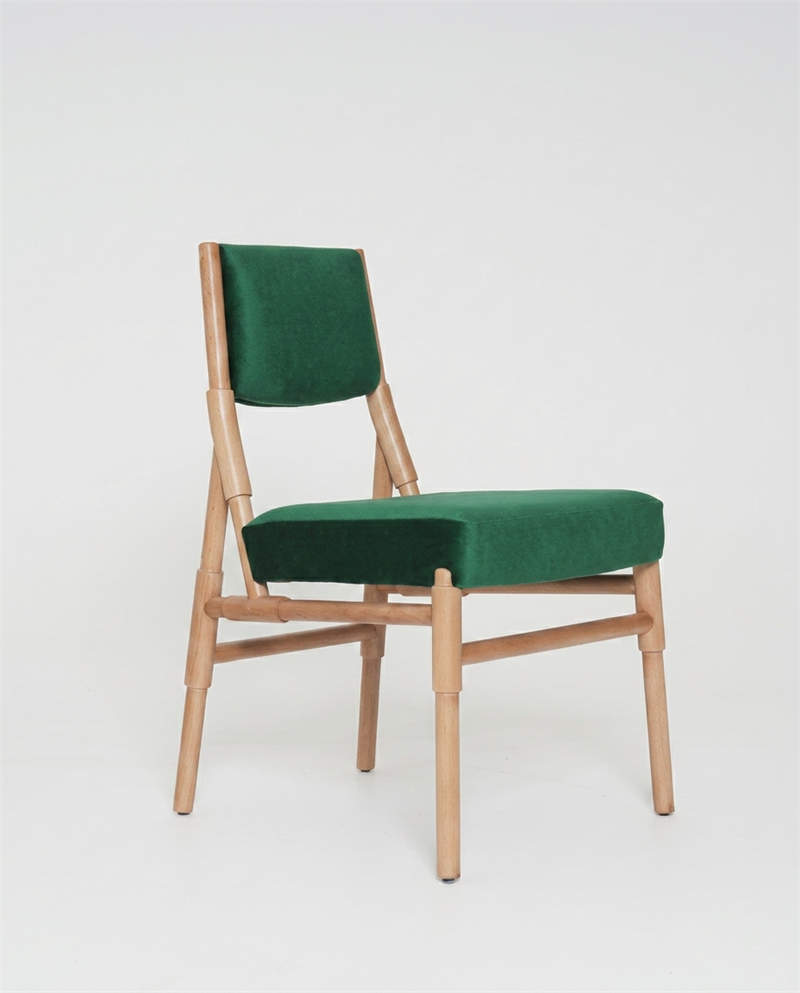

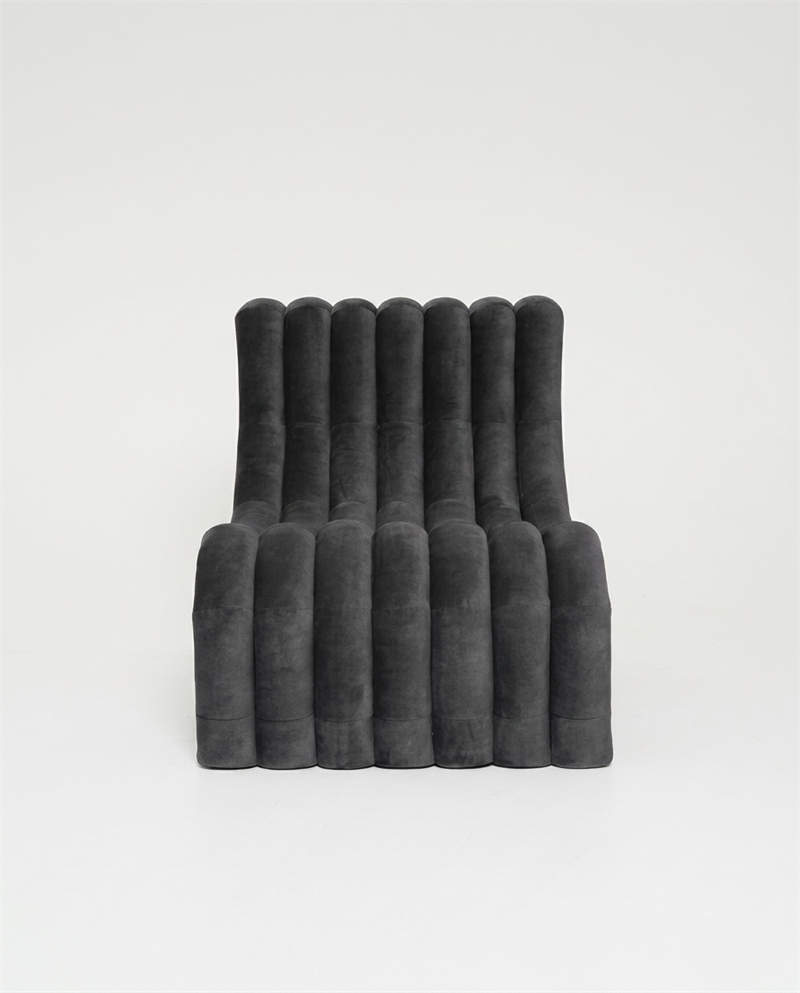

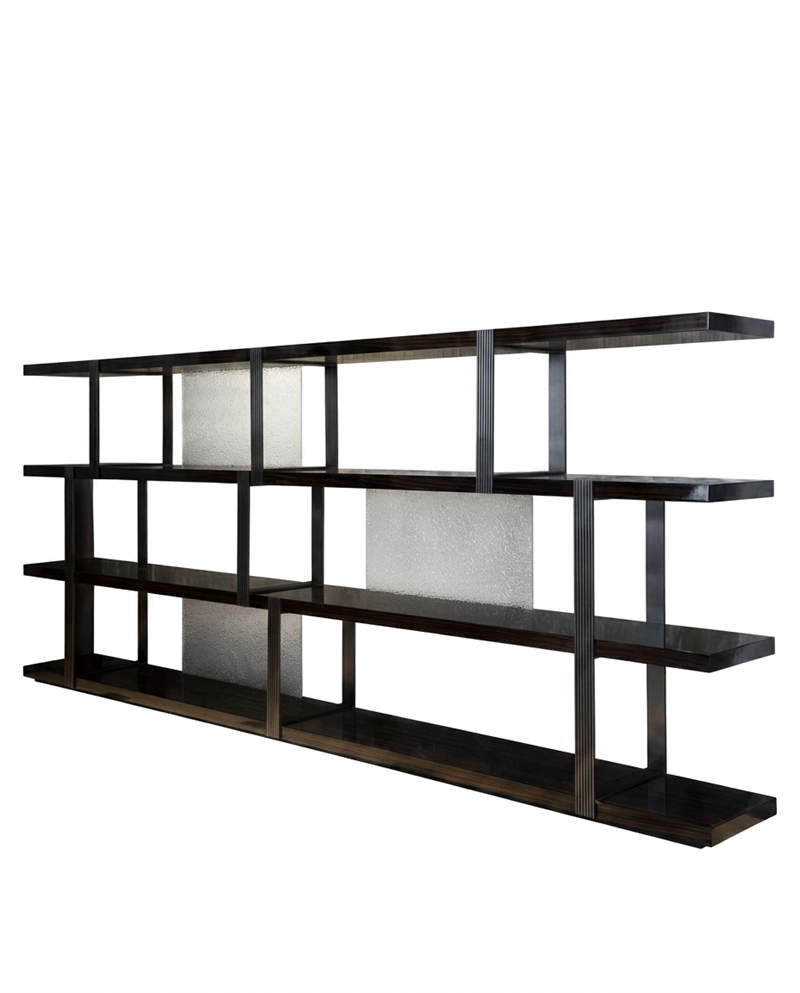

новости компании

China Furniture Sourcing Agent: Roles for High-End Buyers
China Furniture Sourcing Agent Roles for High-End Buyers What a China Furniture Sourcing Agent Actually Does for High-End Buyers Every finished luxury room sits on

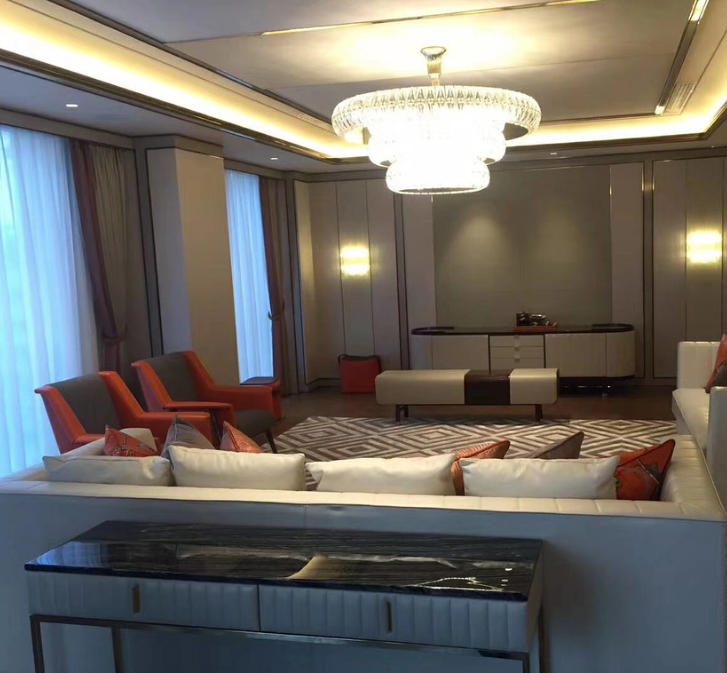
Powerful Strategies for High-Performance Sourcing – Tailored for Elite Buyers, Designers & Operators

Your first order from China went well. The samples looked right, the container arrived, and your client was happy.
Then the reorder came in. The walnut was a shade warmer. The bouclé felt thinner. Two of the forty dining chairs sat 8 mm lower than the rest. Nobody did anything obviously wrong, yet the result was wrong.
Most seasoned importers, interior designers, and FF&E buyers have been through this. The fix is rarely a new supplier. Usually the fix is getting much more out of the China furniture sourcing agent you already have.
This guide is for buyers who already know the basics. If you are still choosing between buying direct, using an agent, or using a marketplace, start with this comparison of ordering from a China factory, agent, or market. If you are past that point, read on.
Here are the terms we use most often below, each defined in plain language with an example.
| Term | What It Means | Real Example |
|---|---|---|
| Sourcing agent | A company or person in China who finds factories, negotiates, checks quality, and manages shipping for you | An agent in Shanghai managing five factories for one hotel project |
| SKU | Stock Keeping Unit: a unique code for one exact product version | “DC-204-WAL-BCL” = dining chair 204, walnut, bouclé |
| AQL | Acceptable Quality Limit: a statistical method that inspects a sample of goods, not every piece | Checking 32 chairs out of 200 and allowing a set number of minor defects |
| FF&E | Furniture, Fixtures & Equipment: the movable items in a hotel or commercial project | Beds, lounge chairs, lamps, and artwork in a guest room |
| DDP | Delivered Duty Paid: the seller covers freight, customs, and duties up to your door | You pay one agreed price and the goods arrive at your warehouse cleared |
| Tech pack | A technical package: the full set of drawings, specs, and instructions for making a product | CAD drawings, finish codes, hardware list, and carton specs for a sofa |
| Lab dip | A small dyed or finished sample made to match a color standard before bulk production | A 10×10 cm leather swatch dyed to match your master sample |
| CBM | Cubic meter: the unit freight companies use to price space | A 3-seat sofa carton often takes up 1.2 to 1.8 CBM |
| FMD / HPD | Full Material Disclosure / Health Product Declaration: documents listing every material and chemical in a product | Required by many LEED or WELL-certified hotel projects |
Crafting detailed, structured briefs keeps repeat orders consistent and cuts down on errors. High-end clients cannot afford deviations in finish, material, or craftsmanship.
A brief tells your agent and the factory exactly what “right” looks like. Most failures on repeat orders trace back to vague instructions, not bad workmanship. “Same as last time” is not a spec.
What to include:
The chart below is an illustrative breakdown of where repeat-order deviations typically begin in custom upholstered and case goods projects.
Industry insight: In our experience, the top two causes, unclear finish specs and fabric lot changes, account for more than half of repeat-order complaints. Both can be solved on paper before a single board is cut.
A simple brief checklist:
| Brief Field | Weak Version | Strong Version |
|---|---|---|
| Finish | “Dark walnut” | “Finish code WN-07, 20% sheen, matched to master panel #A12” |
| Fabric | “Grey velvet” | “Mill ref. VLV-883, lot 24-117, rub test 50,000 Martindale” |
| Dimensions | “Same as sample” | “Seat height 460 mm ±3 mm, arm height 640 mm ±3 mm” |
| Hardware | “Brass handles” | “Solid brass, brushed, 160 mm centers, brand and part no. listed” |
| Packaging | “Export carton” | “5-ply carton, corner guards, foam wrap, drop-tested” |
For a wider view of how briefs fit into procurement, see this custom furniture sourcing guide for distributors and designers.
Avoid costly rework by building approval checkpoints into the critical stages of production.
A milestone approval is a formal “go / no-go” decision at a set stage of production. The idea is simple: find problems while they are still cheap to fix.
The bar chart below shows the relative cost of fixing the same defect at each stage. It uses an illustrative multiplier model common in manufacturing quality planning.
Real-world scenario: A designer finds wrong leg taper on a 60-piece lounge chair order at the pre-production sample. It costs one remade leg and three days. The same problem found after delivery to a Dubai hotel means 60 chairs shipped back, or local rework at hotel labor rates, plus a missed opening date.
Milestone approval table:
| Milestone | What You Approve | Evidence to Request |
|---|---|---|
| Material sourcing | Timber grade, fabric lot, leather hide | Photos of labeled materials, mill certificates |
| Pre-production sample | Shape, comfort, finish, dimensions | Video walkaround, tape-measure photos |
| Mid-production (30–50%) | Consistency across units | Random-unit photos with batch tags |
| Pre-shipment | Final quality, packing, labeling | Inspection report, carton drop test video |
Your sourcing agent should act as a strategic partner in supplier optimization.
Supplier tiering means ranking your factories by performance and risk, then deciding which ones get your most important work.
Supplier scorecard example:
| Metric | Tier A (Strategic) | Tier B (Reliable) | Tier C (Watch List) |
|---|---|---|---|
| First-pass QC rate | 97%+ | 92–96% | Below 92% |
| On-time delivery | 95%+ | 85–94% | Below 85% |
| Audit status | Current, no major findings | Current, minor findings | Expired or major findings |
| Communication response | Same day | 24–48 hours | 48+ hours |
Industry insight: Factory capacity in China gets tight in the months before Chinese New Year. Many workers leave early and return late. A backup factory that has already been qualified can be the difference between keeping or losing a spring hotel opening. For more on how to check factories before they reach Tier A, read how to vet wholesale furniture suppliers in China.
Go beyond basic inspections with custom QC checklists that match what luxury clients expect.
Standard AQL sampling was designed for mass-market goods. It accepts a small number of defects per batch. For a USD 12,000 sofa going into a private villa, even one visible flaw is too many.
AQL vs. luxury QC protocol:
| Checkpoint | Standard AQL Approach | Luxury QC Approach |
|---|---|---|
| Sample size | Statistical sample (e.g., 32 of 200) | 100% for visible parts |
| Veneer grain | Checked for major defects only | Book-matched, sequence-checked panel by panel |
| Metal finish | Minor scratches often accepted | Zero visible welds, even brushing direction |
| Upholstery | Seam straightness checked | Pattern alignment across cushions, piping tension, no puckering |
| Lacquer | No drips or bubbles | Gloss meter reading within set range, checked under raking light |
Совет: Put in writing which surfaces are “Class A,” meaning visible to the end user. Your QC team then knows exactly where zero tolerance applies and where normal tolerance is fine, such as the underside of a drawer.
Maximize cost and time efficiency through strategic freight coordination.
Consolidation means combining goods from several suppliers into one container. Instead of paying for three half-empty shipments, you pay for one full one.
Shipping option comparison:
| Option | Best For | Cost Control | Risk Level |
|---|---|---|---|
| Separate LCL (Less than Container Load) shipments | Small, urgent samples | Low: charges per shipment add up | Higher handling damage |
| Consolidated FCL (Full Container Load) | Multi-supplier project orders | High: one freight bill | Lower: one loading, supervised |
| FOB (Free On Board) | Buyers with their own forwarder | Medium | You manage customs |
| DDP | Designers and developers who want one landed price | Highest transparency | Agent carries clearance risk |
Industry insight: Freight is often not the biggest hidden cost. Destination charges, demurrage (fees for leaving a container at port too long), and customs exams can add a surprising amount. See this China furniture sourcing cost breakdown guide for the line items buyers most often miss.
Protect your custom designs and brand integrity when sourcing in China.
IP (intellectual property) covers your original designs, drawings, and brand. Private label owners and designers with signature collections have the most to lose here.
Practical IP protection layers:
| Layer | Action | Why It Works |
|---|---|---|
| Legal | NNN agreement under Chinese law | Enforceable locally, unlike many Western-style NDAs |
| Registration | Design patent filing in China | Gives you legal standing against copies |
| Production | Split components across factories | No single factory has the complete product |
| Digital | Watermarked, access-limited files | Leaks can be traced to their source |
For private label owners building a full collection, this guide to private label furniture manufacturing success in China covers brand protection in more depth.
Tap into manufacturing expertise for material and design innovation.
Good factories do more than build to drawing. The best ones have their own R&D teams, material suppliers, and finishing specialists.
Example: A distributor wants a signature finish for its flagship dining collection. Working with the factory’s finishing lab, it develops a hand-rubbed smoked oak with a matte, fingerprint-resistant topcoat. That finish becomes a selling point that competitors cannot order off a catalog page.
At JL&C Furniture, this is how many long-term partnerships begin. A designer arrives with a sketch and leaves with a finish, a joint detail, or a frame construction built for their project.
Eliminate email chaos with centralized project management platforms.
A shared digital workspace is one online space where you, your agent, and your team see the same tasks, files, and approvals.
What to track in your workspace:
| Record Type | Why It Matters |
|---|---|
| Signed approvals | Settles “who approved this?” disputes instantly |
| Change orders | Shows cost and lead-time impact of every revision |
| QC reports with photos | Builds a quality history for each supplier |
| Shipping documents | Speeds up customs and insurance claims |
| Master sample photos | Gives a visual reference for future reorders |
For a full workflow on handling budgets, timelines, and several suppliers at once, see the furniture sourcing coordinator’s playbook.
Meet global ESG standards with agent-supported due diligence.
ESG stands for Environmental, Social, and Governance. More and more hotel groups, developers, and corporate clients will not approve a supplier without ESG proof.
Compliance quick reference:
| Standard | What It Covers | Who Usually Asks |
|---|---|---|
| FSC | Responsibly sourced timber | Hotel brands, EU and US retailers |
| ISO 14001 | Factory environmental management | Corporate and developer clients |
| amfori BSCI | Labor and social conditions | European importers and retailers |
| Low-VOC (e.g., CARB, E1/E0) | Indoor air quality | Residential and healthcare projects |
| FMD / HPD | Full ingredient transparency | LEED / WELL-certified projects |
Industry insight: Ask for certificates early. A factory that needs weeks to find its FSC chain-of-custody paperwork is telling you something about how it runs.
Transform your agent into a true extension of your supply chain leadership.
A transactional agent processes orders. A strategic agent helps you plan, warns you about risks early, and brings you opportunities.
Transactional vs. strategic agent:
| Area | Transactional Agent | Strategic Agent |
|---|---|---|
| Communication | Reacts to your requests | Warns you about risks before they hit |
| Supplier base | Uses whoever is available | Builds and tiers a vetted network |
| Pricing | Quotes per order | Plans cost savings across the year |
| Problem solving | Passes issues to the factory | Owns root-cause analysis and fixes |
| Innovation | None | Brings new materials and factories to you |
To keep the relationship strong once production is running, read how to work better with your China furniture supplier after ordering.
This video goes behind the scenes of factory visits, showrooms, and product inspections, which gives useful context for the strategies above.

https://www.youtube.com/watch?v=z0XeHNwcbx8
1. How do I ensure color and finish consistency across multiple production batches?
Use physical master samples, Pantone codes, and lab dip approvals before production. Keep one signed master sample at the factory and one with you, and check every new batch against both under the same lighting.
2. What should I include in a technical package for a custom luxury furniture piece?
Include detailed CAD drawings, material specs, finish samples, hardware brands, packaging instructions, and quality benchmarks. Add tolerance ranges (for example, ±3 mm) and mark which surfaces count as Class A visible surfaces.
3. How can I reduce lead times without sacrificing quality?
Work with your agent to pre-book factory capacity, use modular designs, and keep safety stock of bestsellers. Pre-ordering long-lead materials such as specialty leather or marble slabs often saves the most time.
4. What’s the best way to handle a quality issue discovered after shipment?
Have your agent’s local QC team run a root-cause analysis, then negotiate corrective action or compensation. Timestamped pre-shipment photos make this conversation faster and fairer for both sides.
5. How do I verify that a factory is not subcontracting my order?
Require direct factory audits, batch traceability, and GPS-tagged production photos. Unannounced visits during mid-production are the most reliable check.
6. Can my sourcing agent help me scale private label production across Asia?
Yes. Top agents have networks in Vietnam, Malaysia, and Indonesia and can manage sourcing across several countries. This helps with tariff planning and capacity spikes.
7. How do I protect my custom designs when working with Chinese manufacturers?
Use NDAs, split production across factories, watermark files, and register designs with the China Copyright Protection Center or as design patents with CNIPA. File before you share full drawings.
8. What are the benefits of DDP (Delivered Duty Paid) terms in furniture importing?
DDP removes surprise customs fees, simplifies logistics, and gives you full cost transparency. For designers quoting clients a fixed project budget, it makes the landed cost predictable.
9. How often should I audit my suppliers, and can my agent manage this?
Audit key suppliers twice a year. Your agent should coordinate social, quality, and environmental audits and share the findings with you.
10. How can I ensure my furniture meets international fire safety and durability standards?
Require test reports for CAL 117 (California upholstery flammability), BS 5852 (UK furniture ignitability), EN 1022 (seating stability), and ISTA packaging certification. Confirm that the reports match your exact materials, not a similar product.
11. What’s the most effective way to manage container loading and space optimization?
Use 3D loading plans and have your agent supervise container stuffing (the loading process) with real-time photo updates. Good planning can fit noticeably more pieces per container and reduce transit damage.
12. How can I get faster sample turnaround for design approvals?
Pay for expedited sampling, use materials the factory already has in stock, and work with factories that can prototype quickly. Approving a white-body (unfinished) sample first also speeds up shape sign-off.
13. Can my sourcing agent assist with after-sales service or replacement parts?
Yes. Advanced agents manage spare parts inventory and coordinate replacements for damaged items. For hotels, ask for a spare kit of common parts such as glides, hinges, and cushion covers.
14. How do I handle currency fluctuations and payment risks when sourcing from China?
Use forward contracts, split payments (30% deposit, 70% against the Bill of Lading copy), and work with agents who carry trade insurance. Note: this is general information, not financial advice. Please consult your financial advisor.
15. What makes a sourcing agent truly strategic versus transactional?
Strategic agents offer market intelligence, supplier development, innovation support, and full supply chain transparency. They help you plan, not just place orders.
This guide was written for furniture importers, designers, and operators who expect precision, need to scale, and want partners for the long term, because your brand’s reputation rests on every detail.

China Furniture Sourcing Agent Roles for High-End Buyers What a China Furniture Sourcing Agent Actually Does for High-End Buyers Every finished luxury room sits on
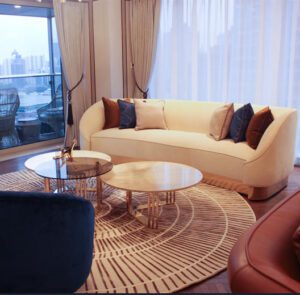
How to Vet a China Furniture Sourcing Agent Before Signing A single curved sofa like this goes through dozens of approvals, including frame, foam, fabric

China Furniture Sourcing Agent vs Direct Factory Buying: A Strategic Guide for High-Value Buyers When one project includes 400 hotel rooms, a 20-seat marble dining

Advanced Tips to Get More from Your China Furniture Sourcing Agent Powerful Strategies for High-Performance Sourcing – Tailored for Elite Buyers, Designers & Operators Your

What Wholesale Furniture Suppliers in China Can Offer High-Value Buyers A statement luxury living room — the kind of space that begins with the right

How to Work Better With Your China Furniture Supplier After Ordering A Practical Playbook for High-End Furniture Importers, Interior Designers, FF&E Buyers, Villa Owners, Private