новости компании

China Furniture Sourcing Agent: Roles for High-End Buyers
China Furniture Sourcing Agent Roles for High-End Buyers What a China Furniture Sourcing Agent Actually Does for High-End Buyers Every finished luxury room sits on

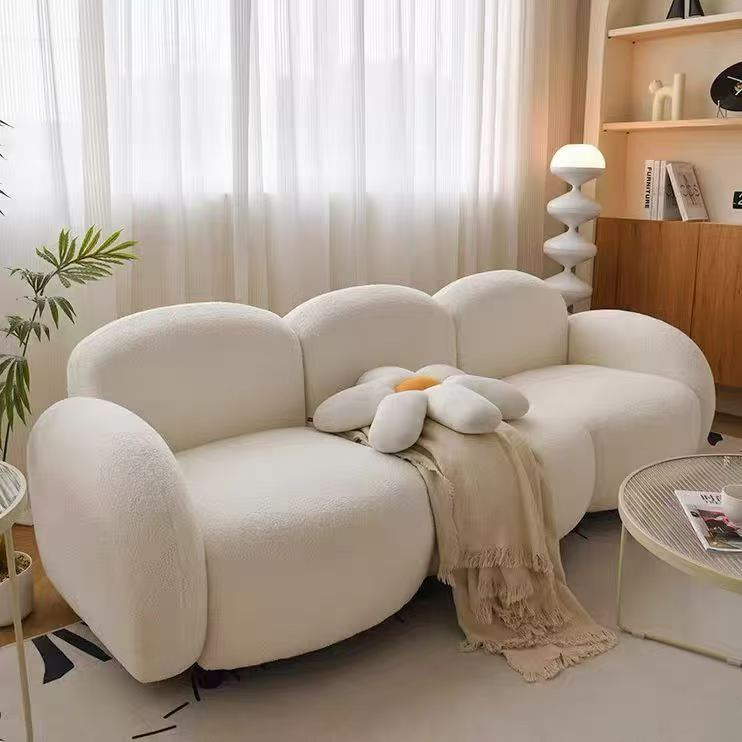
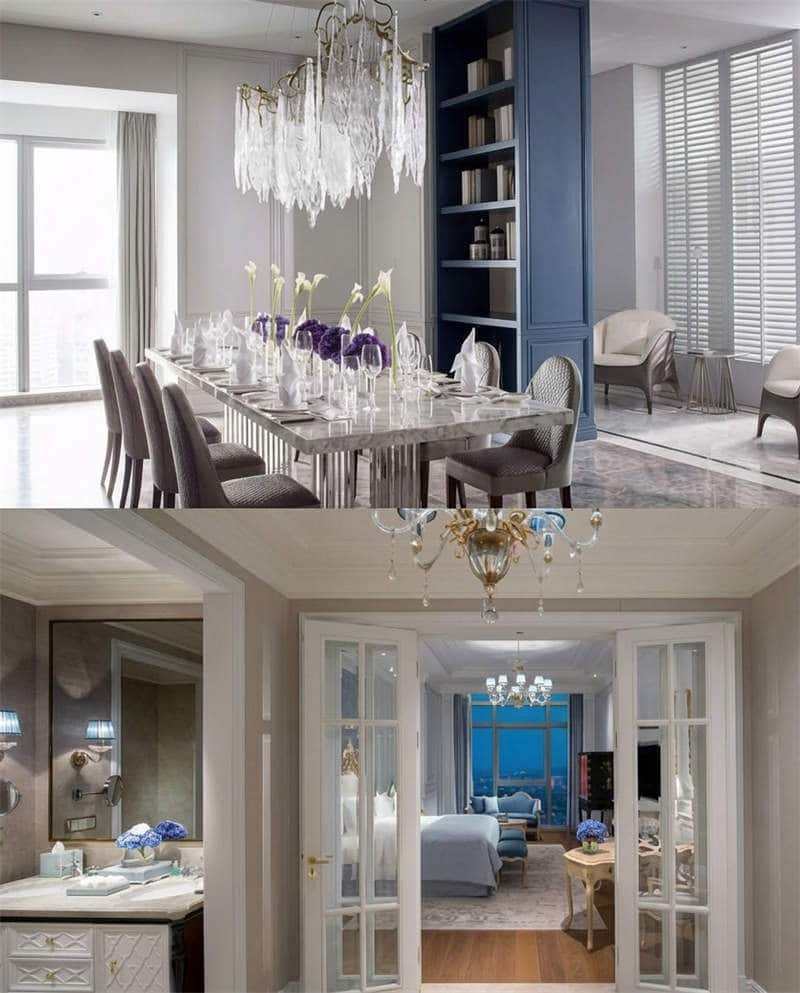
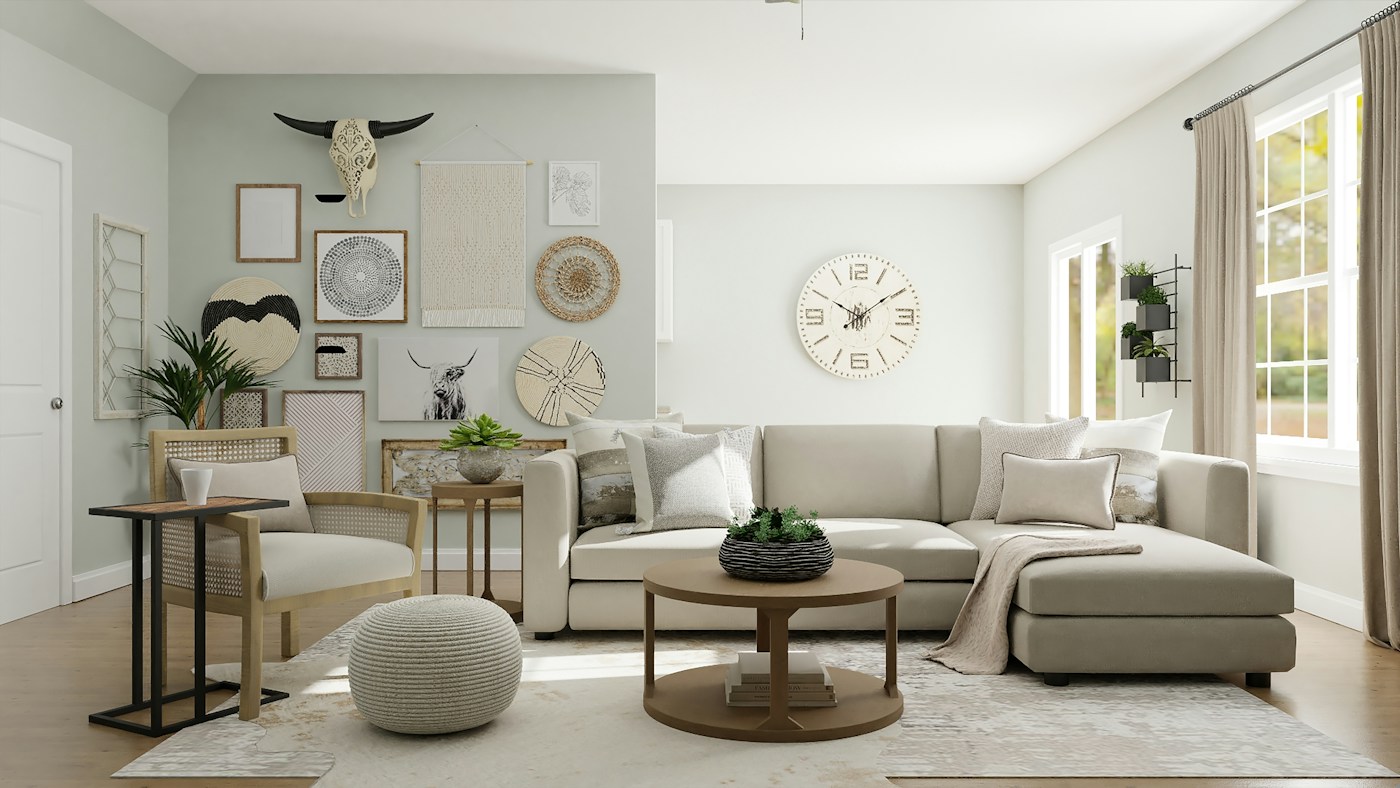 A luxury interior that exemplifies where the high-end furniture market is heading in 2025–2026.
If you’ve spent any time in the luxury furniture space lately — whether you’re speccing a 300-room resort, curating a private villa collection, or building a private label brand — you already know the pressure. Client expectations are climbing. Lead times are still unpredictable. And the line between a project that wins awards and one that loses clients is getting thinner every season.
The Furniture Manufacturing Expo is no longer just a place to browse new SKUs and collect brochures. It’s become the industry’s most concentrated intelligence event — where manufacturers, material scientists, logistics experts, and design forecasters all converge to show where the next 18 months are heading. For serious buyers and specifiers, missing it isn’t just an inconvenience. It’s a competitive disadvantage.
This article breaks down the eight most actionable trends from this year’s expo — not for casual reading, but as a working brief you can take directly into your next project, sourcing conversation, or client presentation. At JL&C Furniture, we’ve distilled the signal from the noise so you don’t have to.
Why Trends Matter More Than Ever in Luxury Furniture:
In the mass market, trends are optional. In the luxury segment, they’re currency. A high-net-worth client commissioning a penthouse fit-out in Dubai or a boutique hotel owner selecting FF&E for a property in Lisbon isn’t just buying furniture — they’re buying a statement about who they are and what they value. When those values shift — toward sustainability, toward intelligent design, toward hyper-individuality — the furniture has to shift with them. Brands and buyers that spot these shifts early capture the margin. Those who lag scramble to discount.

Hand-finished FSC-certified hardwood: where ethical sourcing meets premium craft.
The shift to sustainable materials in luxury furniture is no longer an ethical choice layered on top of a business decision. It is the business decision. At this year’s expo, the most heavily trafficked stands were those showcasing FSC-certified hardwoods — the Forest Stewardship Council being the globally recognized body that verifies responsible forest management — alongside recycled metals, plant-based leathers, and zero-VOC (volatile organic compound) finishes.
What makes this commercially meaningful is the pricing dynamic. Eco-certified materials that were once positioned as a “responsible alternative” are now commanding premiums of 15–25% over conventional equivalents in high-end markets — and buyers are paying them willingly. The reasoning is straightforward: when a guest at a $1,200-per-night resort reads that the furniture in their suite is made from FSC-certified timber and plant-based upholstery, that detail reinforces their sense of having made a sophisticated choice. It’s no accident that one major luxury hotel chain documented a 32% increase in guest satisfaction scores after transitioning their FF&E specification to sustainable materials across three flagship properties.
For importers and distributors, the implication is direct: your sourcing conversations need to include material provenance as a standard line item, not an afterthought. Requesting a Full Material Disclosure (FMD) sheet from manufacturers — a document listing every component’s origin and certification status — is quickly becoming the industry standard for due diligence. Look specifically for GREENGUARD certification (verifying low chemical emissions for indoor air quality) and Cradle to Cradle certification alongside FSC when evaluating new suppliers.
For private label brand owners, this is a brand positioning opportunity. Collections built around verified sustainable sourcing now have a narrative that resonates with the 2025–2026 luxury buyer — one that increasingly sees ethics and aesthetics as inseparable.
The phrase “smart furniture” used to conjure images of clunky gadgetry bolted onto otherwise elegant pieces — USB ports sprouting awkwardly from armrests, wires snaking beneath cushions. What the expo revealed this year was fundamentally different: the technology has disappeared.
Leading manufacturers are now embedding wireless charging surfaces flush within solid timber tabletops, integrating motorized mechanisms so seamlessly into upholstered frames that the movement feels like it’s part of the material itself, and developing climate-responsive fabrics — textiles that adjust their thermal conductivity based on room temperature — for high-specification hospitality and residential environments. According to business research on the luxury hotel furniture market, IoT integration in hospitality furniture is projected to be one of the fastest-growing segments through 2030.
For boutique hotel operators and resort developers, this matters enormously. The guest who can charge their phone by simply setting it on the bedside table — no cable, no pad, no visible technology — notices. The guest who can adjust the firmness of their lounge chair from a concealed touchpad notices. These are the details that translate into five-star reviews and repeat bookings.
For private label brands looking to differentiate in a crowded market, “invisible tech” is the 2025 answer to the question every buyer eventually asks: What makes this piece worth the price? When the answer is demonstrable — the wireless charging works, the motorized cabinet opens silently and precisely — the premium writes itself. The key sourcing principle: look for manufacturers who have invested in in-house engineering teams, not those who are simply purchasing off-the-shelf tech components and retrofitting them.
Smart villa developers should be building smart furniture specifications into project documentation from the design development stage — not as an add-on during interior fit-out, but as a coordinated layer of the building’s intelligence architecture.
Trend Comparison Snapshot:
| Trend | Primary Beneficiary | ROI Signal | Adoption Timeline |
|---|---|---|---|
| Sustainable Luxury Materials | Importers, Hotel Operators | +32% guest satisfaction | Now — fast adoption |
| Smart Furniture Integration | Developers, Boutique Hotels | Premium differentiation | 12–18 months |
| Biophilic Design | Residential, Hospitality | 78% client request rate | Now — high demand |
| Hyper-Personalization (3D Config) | Designers, Distributors | 40% faster client approval | Now |
| Modular Luxury | Developers, Urban Villas | Space efficiency premium | 6–12 months |
| Artisan-Tech Fusion | Villa Owners, Hoteliers | Exclusivity narrative | Now |
| Color/Texture Shift | FF&E Buyers, Designers | Alignment with design cycles | Now — 2026 |
| Supply Chain Nearshoring | All Buyer Types | 30–50% lead time reduction | Now |

Organic silhouettes and natural textures define the biophilic luxury interior of 2025–2026.
Biophilic design — the practice of incorporating natural forms, materials, and spatial relationships into built environments to strengthen the human-nature connection — has been building momentum for several years. What the expo confirmed is that it has crossed from trend to expectation in the luxury residential segment.
The data point that should inform every designer’s and developer’s next project brief: 78% of high-end residential clients now actively request biophilic elements in their specifications. That’s not a fringe preference — that’s a market majority. The specific request patterns vary: some clients want organic, curvaceous forms that echo natural growth patterns (think furniture that appears to have grown rather than been manufactured); others want raw-edge timber surfaces, stone-inlaid tabletops, or woven natural fiber panels that bring tactile connection to the materials themselves.
The evolution happening now is a move from surface-level biophilic gestures — a wooden accent panel here, a plant motif there — toward structural biophilia, where the entire spatial narrative is built around indoor-outdoor fluidity, natural light manipulation, and furniture that functions as an extension of the landscape. At the expo, several manufacturers were showcasing pieces developed using parametric design tools — software that uses algorithmic modeling to generate complex organic forms that would be impossible to produce through conventional pattern-making — allowing clients to commission genuinely unique biomorphic pieces at commercial scale.
For architecture and engineering firms working on high-end residential or hospitality projects, this is the moment to integrate furniture sourcing into the early-stage design process rather than treating it as a late-stage procurement exercise. The parametric design connection between furniture manufacturers and BIM (Building Information Modeling) software is maturing rapidly — a point we return to in the action plan below.
The era of selecting from three fabric options and two wood finishes is over — at least in the luxury segment. What the expo showcased this year in real-time 3D customization technology genuinely changes the client experience of specifying furniture.
Digital configurators — platforms that allow clients to build and visualize a piece in real time, adjusting dimensions, materials, finishes, hardware, and proportions, with photorealistic rendering updating instantly — have reached a level of sophistication that removes the primary friction point in high-end furniture sales: the gap between what a client imagines and what they’re asked to approve on paper. According to data shared at the expo, interior designers using visual configurators in client presentations are seeing 40% faster approval rates — fewer revision cycles, fewer approval delays, faster project momentum.
For distributors, the strategic implication is significant. Offering bespoke configuration without holding custom inventory is now technically feasible: a client selects and approves through the configurator, the spec sheet is generated automatically, and the manufacturer produces to order. Minimum order quantities for customized pieces are shrinking — some manufacturers at the expo were offering configured pieces at MOQs of one unit, with no tooling surcharge for minor dimensional or material variations.
For private label brand owners, configurator technology is the answer to the “how do we compete with larger brands on breadth of offering” question. A well-structured digital catalog with a robust configurator allows a small brand to present thousands of de facto SKU options from a tightly controlled physical inventory — maximizing the perception of choice without the capital exposure.
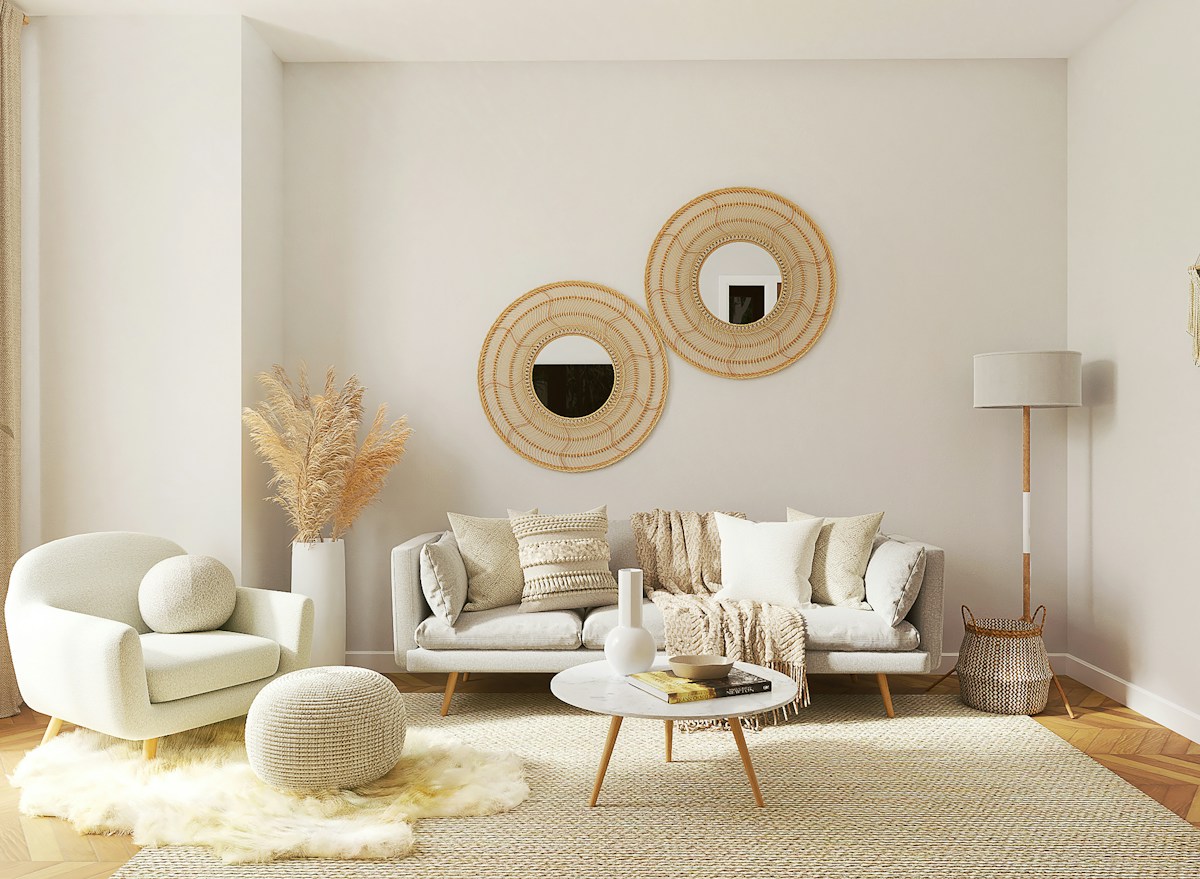 Modular luxury furniture that adapts to space without sacrificing a gram of aesthetic quality.
There is a persistent myth in luxury furniture that “multi-functional” is a euphemism for “compromised.” The expo shattered that assumption comprehensively. The modular luxury pieces on display this year were not fold-out sofas with a futon mechanism — they were engineered systems where a dining configuration transforms into a workspace with the release of a single precision-machined lever; where a lounge system reconfigures from intimate seating to a full entertainment layout in under two minutes; where a bedroom storage piece converts seamlessly into a home office without a single exposed hinge or seam.
This matters acutely for three client types: urban villa developers working with premium but constrained floor plates, boutique hotel operators fitting out suites where every square meter has a revenue implication, and serviced apartment operators whose inventory needs to flex across different tenancy configurations. In each case, modular luxury furniture delivers what fixed, single-function pieces cannot: spatial intelligence without aesthetic sacrifice.
The developers and FF&E buyers who are ahead of this trend are already building modular furniture specifications into their project briefs at the feasibility stage, modeling the space-utility gains as a line item in their development financial models. One framing that resonated at the expo: a $15,000 modular lounge system that serves three distinct functional configurations delivers a per-configuration cost of $5,000 — versus three single-function pieces at $7,000–$10,000 each.
The luxury furniture market has always traded on craft narrative — the idea that each piece carries the mark of a human hand, that skill and time are embedded in the material. What’s changing now is the relationship between that hand and the machines that work alongside it.
At the expo, the most compelling manufacturing showcases were from producers who have invested in what they’re calling “artisan-tech fusion”: CNC (Computer Numerical Control) routers and robotic finishing systems that achieve micron-level precision in structural components, working alongside hand carvers, hand polishers, and hand stitchers who apply the final layer of human character to each piece. The result is furniture that carries the consistency and structural integrity of precision manufacturing и the irreplaceable warmth of hand finishing — the slight variation in a hand-rubbed patina, the subtle depth of a hand-carved detail, the exactness of hand-applied inlay.
For villa owners and boutique hoteliers, this fusion is the answer to the “one-of-a-kind” brief without the “one-of-a-kind” six-month lead time. The structural precision of robotics means that the craft-intensive finishing stages can be completed without rework or correction — reducing total production time while increasing quality consistency. When sourcing, look specifically for manufacturers who maintain in-house artisan studios alongside their automated production lines. Suppliers who outsource both are not delivering genuine fusion — they’re delivering assembly.
Cold, bleached-out minimalism had its moment. The palette is warming — and the texture is arriving with it. The color and material direction from the expo, validated by Pantone’s current trend forecasting and leading design studios across Milan, Paris, and Copenhagen, is pointing decisively toward warmth, depth, and tactile richness.
Terracotta — not the chalky, flat terracotta of a decade ago, but deep, oxidized, clay-rich tones with warmth and mineral complexity — is appearing across upholstery, lacquered frames, and ceramic hardware. Moss green in its more sophisticated forms — earthy, slightly muted, with an organic quality — is moving from accent to primary tone in luxury residential and hospitality contexts. Brushed bronze has solidified as the hardware and metal accent finish of choice, replacing the brushed gold that defined the previous half-decade.
Pantone’s 2025 Color of the Year, Mocha Mousse — a rich, cocoa-toned medium brown that communicates comfort, retreat, and quiet luxury — is the single most commercially actionable data point for FF&E buyers right now. Collections and procurement decisions made in alignment with this palette direction will look current and considered in client environments for the next 18–24 months. Those still speccing cool greys and flat whites will look dated before the project reaches its opening.
On texture: the movement is toward surfaces that reward touch. Bouclé, ribbed velvet, nubuck leather, honed stone, and hand-brushed natural wood are all gaining specification share over smooth, high-gloss, and lacquered surfaces. The sensory dimension of luxury — how a piece feels when touched — is becoming as commercially significant as how it looks in a photograph.

Modern regional manufacturing hubs are delivering luxury-grade furniture in 8–12 weeks — down from the former 16+ week industry standard.
If the past three years taught the luxury furniture industry one lesson, it’s that a single-origin supply chain is a single point of failure. The expo’s supply chain sessions were among the most attended, driven by a clear shared anxiety: importers and developers who found themselves with $2M+ of FF&E delayed by port closures, raw material shortages, or production bottlenecks have no appetite to repeat the experience.
The solution emerging is regional manufacturing diversification — deliberately distributing sourcing across multiple production hubs rather than concentrating in one geography. The expo highlighted three emerging regions that are gaining serious traction for quality-compliant, luxury-grade production: Vietnam, Portugal, and Turkey.
Vietnam is already the world’s second-largest furniture exporter by volume, with 2025 exports projected at $17.2 billion and a rapidly growing segment of manufacturers capable of meeting EU and US quality and compliance standards. Lead times from Vietnamese producers who have invested in logistics optimization are now running 8–12 weeks for small-batch luxury orders — compared to the 16+ weeks that was standard two years ago. Portugal offers EU-standard production with genuine craft heritage, particularly for bespoke upholstery and natural stone work, and shorter sea freight times to North American and European markets. Turkey combines strong textile and metalwork manufacturing traditions with highly competitive pricing for mid-to-high specification work.
For importers and distributors working with JL&C Furniture, the strategic recommendation is to build a sourcing matrix that maps your product categories against regional manufacturing strengths — rather than asking a single supplier to cover your entire range. This approach reduces lead time variance by 30–50%, according to logistics analysis shared at the expo, and eliminates the existential risk of a single-origin disruption. Implement digital spec tracking tools and establish on-site audit protocols with new regional partners before committing to volume orders.
For a visual overview of where luxury interior design and furniture are heading, this is one of the most comprehensive video briefings available:

2025 Luxury Decor Sourcing: Shop the Look & Design Your Dream Home — A comprehensive look at how the world’s leading luxury interior brands are interpreting 2025’s most defining design movements.
Knowing the trends is one thing. Translating them into competitive advantage before your peers do is another. Here is a structured approach for each client type, designed to be actionable within your next 30 to 90 days.
For High-End Furniture Importers & Distributors, the first move is a sourcing audit. Map your current supplier base against the eight trend areas above and identify the gaps — which trends are you unable to service right now? Then run parallel qualification conversations with regional manufacturers in Vietnam, Portugal, and Turkey. Prioritize suppliers who offer digital configurator integration, as this will become a baseline expectation from your designer and developer clients within 12 months. The JL&C Furniture product catalog can serve as a reference framework for the specification level your high-end clients expect.
For Interior Designers, the most time-sensitive action is updating your mood board and material libraries to reflect the 2025–2026 palette direction — terracotta, moss green, brushed bronze, warm tactile textures. Position yourself ahead of the client brief, not behind it. Explore 3D configurator platforms offered by your key suppliers and begin integrating them into your client presentation workflow. The 40% approval time reduction is not a marginal efficiency gain — it’s a meaningful competitive advantage in project timelines.
For Villa Owners & Private Residential Clients, the priority is engaging your design and sourcing partners early. Communicate your sustainability requirements, smart integration preferences, and biophilic design interests at project inception — not during the FF&E selection stage. Pieces that meet these specifications require longer sourcing lead times and more complex manufacturing briefs. Starting the conversation 12 months before your completion target is not overcautious — it’s realistic.
For FF&E Buyers & Hotel Operators, the action items are both immediate and strategic. For near-term projects: align your current specs with the color and texture direction above and request sustainable material certification documentation from all active suppliers. For pipeline projects: build smart furniture specifications into design development documentation and commission a supply chain risk assessment to identify single-origin dependencies before they become liabilities.
For Developers & Architecture/Engineering Firms, the most forward-looking action is initiating conversations with manufacturers who can provide 3D BIM-compatible furniture models. Digital twin integration — importing manufacturer-generated 3D models directly into BIM (Building Information Modeling) workflows — allows spatial planning with accurate furniture geometry from early design stages, eliminating the costly discrepancies that emerge when FF&E is specified after spatial planning is locked. This is no longer an experimental capability; it is a standard service offering from leading manufacturers.
For Private Label & Brand Owners, evaluate configurator-based catalog expansion as your most capital-efficient route to breadth of offering. Commission a sustainability story for your brand — identifying the certifications, material sources, and production practices that give you a genuine, verifiable narrative. Early-adopter private label brands in luxury segments are reporting 20–35% faster sell-through rates and measurably stronger brand perception scores versus competitors who have not yet differentiated on these dimensions.
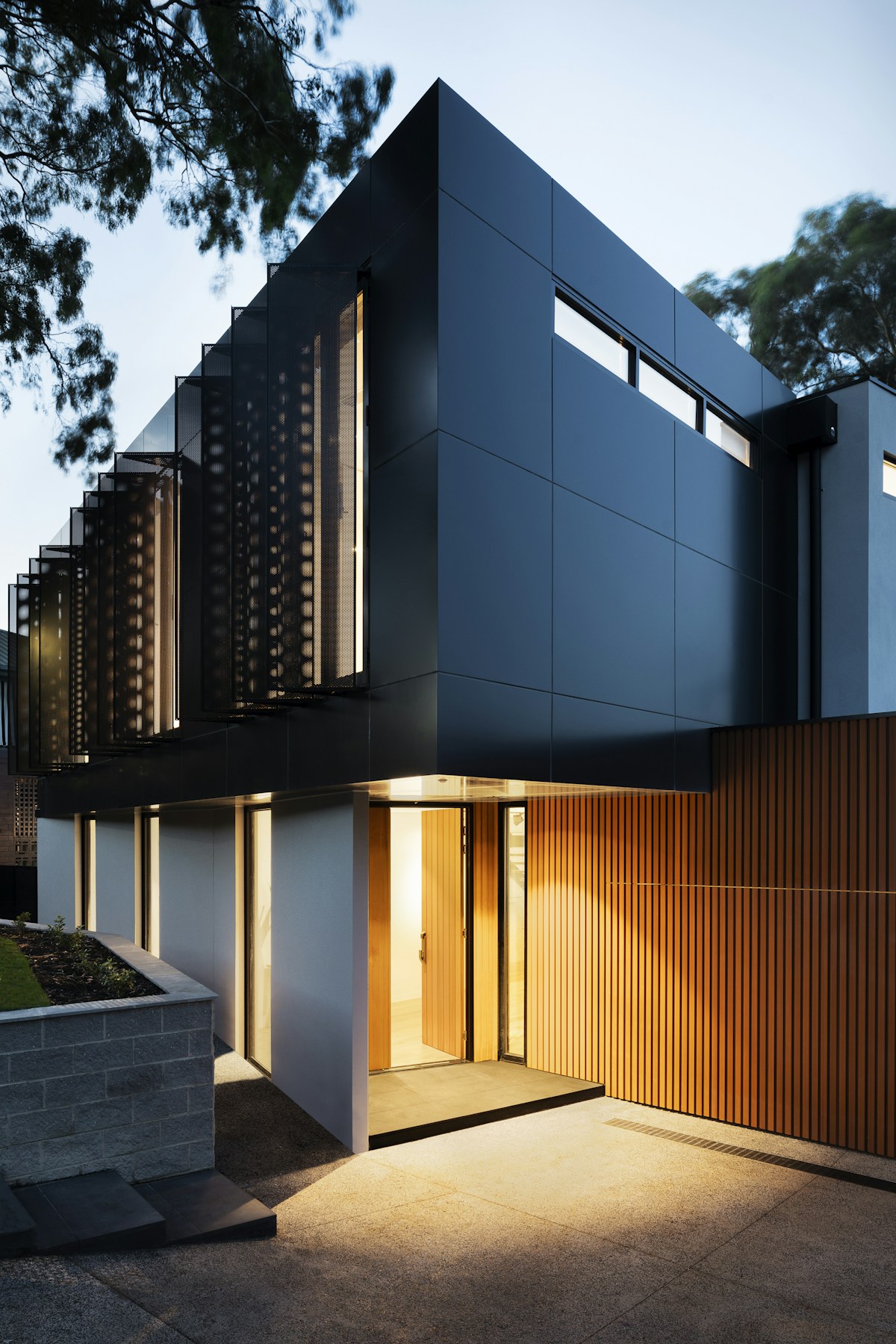 The luxury outdoor segment is experiencing the same biophilic and sustainable materials shift as interiors — creating new sourcing opportunities for specifiers.
For readers new to some of the technical concepts referenced in this article, here are clear, working definitions:
FSC Certification: A label issued by the Forest Stewardship Council verifying that wood used in a product comes from responsibly managed forests. It is the global benchmark for sustainable timber sourcing.
FMD (Full Material Disclosure): A complete list of every material and chemical used in a product, including its origin and any applicable certifications. It is the due-diligence document for sustainability-conscious procurement.
Parametric Design: A design methodology that uses algorithmic rules to generate complex, organic forms — allowing furniture manufacturers to create custom biomorphic shapes that would be impractical or impossible through conventional pattern-making.
BIM (Building Information Modeling): A digital process used by architects and engineers to create accurate 3D models of buildings, incorporating all structural and interior elements. Furniture integration into BIM allows spatial planning with precise, manufacturer-accurate geometry.
MOQ (Minimum Order Quantity): The lowest number of units a manufacturer will produce in a single order. In luxury custom furniture, MOQs are falling — some configurator-enabled manufacturers now offer single-unit custom production.
CAL 117 / BS 5852 / EN 1021: Fire safety standards applicable to upholstered furniture in the United States (CAL 117), United Kingdom (BS 5852), and European Union (EN 1021) respectively. Critical compliance checkpoints for commercial hospitality furniture.
Digital Twin: A digital replica of a physical object or space, used in architecture and engineering to simulate real-world conditions. In furniture, digital twins allow designers to visualize and test pieces in the actual project environment before production.
How can I verify the sustainability claims of new materials showcased at the expo?
The most reliable approach is to request third-party certifications directly from manufacturers — FSC for timber, GREENGUARD for indoor air quality, and Cradle to Cradle for circular design standards. Beyond certifications, request a Full Material Disclosure sheet, which itemizes every component, its origin, and its certification status. Certifications without disclosure sheets are incomplete due diligence.
Are smart furniture pieces durable enough for high-traffic luxury hotels?
Yes — the category has matured significantly. Leading manufacturers now offer commercial-grade smart furniture with 10-year performance warranties on embedded mechanisms and charging surfaces. The key specification question to ask suppliers is the duty-cycle rating of any motorized components — commercial-grade should be rated for a minimum of 50,000 actuations.
Can biophilic furniture designs be customized to match a specific architectural style?
Absolutely. The parametric design tools now available to manufacturers allow them to generate organic, nature-inspired forms that can be calibrated to a project’s specific spatial geometry, material palette, and proportional system. The process typically requires detailed design briefs and 3D reference models from the architecture team — another reason to engage furniture sourcing early in the design process.
What is the current average lead time for modular luxury furniture from new regional suppliers?
For small-batch orders — typically 10 to 50 pieces — current lead times from well-established regional manufacturers in Vietnam, Portugal, and Turkey are running 8 to 12 weeks. This is a significant improvement from the 16+ week standard that was common prior to regional hub development. Large-scale FF&E projects with hundreds of pieces should still plan for 14 to 18 weeks including quality inspection and logistics.
How do I justify the higher unit cost of sustainable luxury furniture to clients?
The most effective framing is total-cost-of-ownership rather than purchase price. Sustainable luxury furniture typically uses higher-grade materials with longer service lives — a well-sourced FSC-certified hardwood piece will outlast a comparably priced piece made from lower-grade materials by a measurable margin. Combine that with the brand alignment value — particularly for hospitality operators where guest perception of ethical sourcing has a direct relationship with review scores and repeat booking rates — and the premium resolves itself logically.
Is hyper-personalization through digital configurators cost-effective for small-batch private label brands?
Yes. The economics have shifted materially. Many manufacturers offering configurator integration have eliminated tooling charges for dimensional and material variations below a threshold — the configurator-generated spec sheet goes directly into production without pattern adjustments that previously triggered tooling costs. This means a private label brand can offer dozens of effective variations with no additional capital exposure beyond the base unit cost.
Which regions are the most reliable for high-end furniture production right now?
Vietnam leads on volume and value for wood and upholstered furniture, with a rapidly maturing compliance infrastructure for EU and US market requirements. Portugal offers genuine craft heritage — particularly for bespoke upholstery, stone work, and joinery — with EU-standard production and shorter logistics chains to European and East Coast US markets. Turkey is strong in metalwork, textiles, and hybrid craft-manufacturing for mid-to-high specification work. Each serves a different product category profile; the strongest sourcing strategies use all three rather than choosing one.
How do I integrate smart furniture without compromising a minimalist luxury aesthetic?
The answer is supplier selection. Choose manufacturers who have invested in designing smart integration as part of the piece’s architecture, not manufacturers who are adapting off-the-shelf tech into existing designs. Request to see — and test — the integration before committing. The benchmark is simple: if the technology is visible in the finished piece, it hasn’t been engineered well enough for a luxury specification.
Are there recognized fire safety certifications for new eco-friendly upholstery fabrics?
Yes — this has been one of the areas of fastest progress in sustainable material development. Many new plant-based textiles and recycled fiber fabrics now carry CAL 117 certification (US), BS 5852 (UK), and EN 1021 (EU) ratings for commercial use. Always request certification documentation for any fabric specified in hospitality or commercial residential environments, regardless of its sustainability profile.
How can architecture and engineering firms integrate furniture trends into early-stage project planning?
The most efficient workflow is digital twin integration: requesting BIM-compatible 3D models from furniture manufacturers and importing them into the project’s Building Information Model at design development stage. This allows accurate spatial planning, FF&E coordination with MEP (mechanical, electrical, and plumbing) systems, and client visualization without the geometric approximations that cause late-stage conflicts. Leading manufacturers in the premium segment are increasingly providing this service as standard.
Can biophilic luxury furniture be specified to meet ADA compliance requirements in hospitality projects?
Yes. Many new luxury collections are designed with universal design principles embedded from the outset — meaning ADA-compliant seat heights, clearances, and use requirements are integrated without compromising aesthetic integrity. When briefing manufacturers, specify ADA compliance as a mandatory parameter alongside aesthetic requirements rather than as an afterthought during technical review.
What is the typical ROI for a private label brand that adopts these trends early?
Based on data shared at the expo and industry tracking across the luxury segment, early adopters report 20 to 35% faster sell-through rates on collections that align with sustainable luxury, biophilic design, and personalization trends. Brand perception scores — tracked through buyer surveys and industry panel feedback — also show measurable improvement for brands that build a coherent, verifiable sustainability and craft narrative. The compounding effect is significant: faster sell-through reduces inventory carrying costs, and stronger brand perception supports margin expansion.
How do I maintain quality consistency when sourcing from multiple regional manufacturers?
The foundational requirement is a standardized quality assurance protocol applied consistently across all supplier relationships — covering material specifications, dimensional tolerances, finish standards, and packaging requirements. Digital spec tracking tools that allow real-time comparison of production samples against approved standards are increasingly available and affordable. On-site audits before initial volume orders are non-negotiable, as is establishing a dedicated quality liaison contact within each supplier organization. The JL&C Furniture sourcing framework includes these protocols as standard for multi-origin procurement clients.
Are co-development or financing models available with innovative manufacturers?
Some manufacturers — particularly those who have invested in proprietary technologies or design capabilities — are open to co-development agreements for exclusive designs or large-scale developer projects. These arrangements typically involve a shared IP framework, where the developer or brand co-owns the design, and the manufacturer retains a defined production exclusivity period. For large FF&E specifications — hotel projects with 200+ rooms, for example — it is worth initiating co-development conversations as part of the supplier qualification process, as the economics can be compelling for both parties.
How can I stay current on furniture trends without attending every major international expo?
The most efficient approach is building direct relationships with manufacturers and sourcing partners who provide structured post-expo intelligence — trend briefings, sample distributions, and material library updates following major events like the Furniture Manufacturing Expo, Salone del Mobile, и Maison & Objet. Subscribing to trend intelligence services from Pantone, WGSN, and leading design research firms supplements this with forward-looking forecast data. And staying connected with a sourcing partner like JL&C Furniture — who monitors developments across multiple production regions and design markets — provides a practical, commercially filtered view of what’s actually moving in the luxury segment.
This article is published by the team at JL&C Furniture — specialists in high-end furniture sourcing, private label development, and FF&E supply for luxury hospitality and residential projects. We work with importers, distributors, interior designers, developers, and hotel operators who require precision, quality, and supply chain reliability at the highest specification levels. Explore our full product range or contact our sourcing team to discuss your next project.

China Furniture Sourcing Agent Roles for High-End Buyers What a China Furniture Sourcing Agent Actually Does for High-End Buyers Every finished luxury room sits on
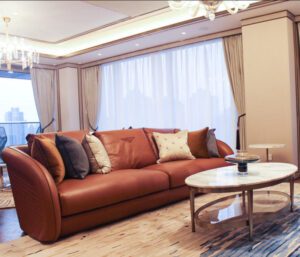
How to Vet a China Furniture Sourcing Agent Before Signing A single curved sofa like this goes through dozens of approvals, including frame, foam, fabric
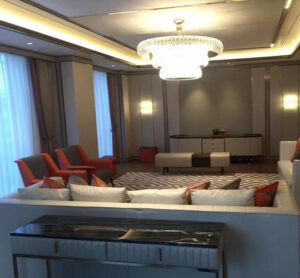
China Furniture Sourcing Agent vs Direct Factory Buying: A Strategic Guide for High-Value Buyers When one project includes 400 hotel rooms, a 20-seat marble dining
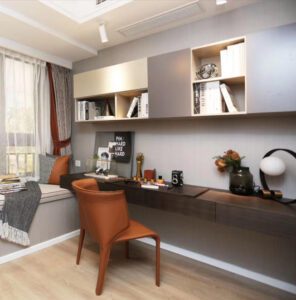
Advanced Tips to Get More from Your China Furniture Sourcing Agent Powerful Strategies for High-Performance Sourcing – Tailored for Elite Buyers, Designers & Operators Your
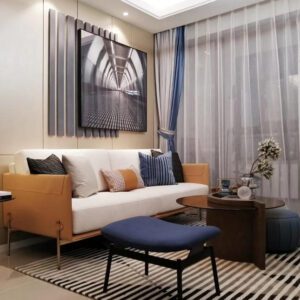
What Wholesale Furniture Suppliers in China Can Offer High-Value Buyers A statement luxury living room — the kind of space that begins with the right
How to Work Better With Your China Furniture Supplier After Ordering A Practical Playbook for High-End Furniture Importers, Interior Designers, FF&E Buyers, Villa Owners, Private