новости компании

China Furniture Sourcing Agent: Roles for High-End Buyers
China Furniture Sourcing Agent Roles for High-End Buyers What a China Furniture Sourcing Agent Actually Does for High-End Buyers Every finished luxury room sits on

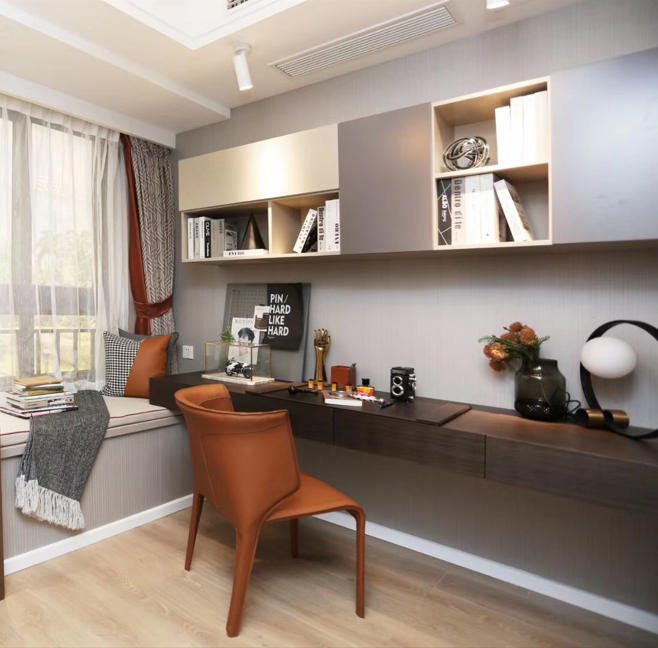

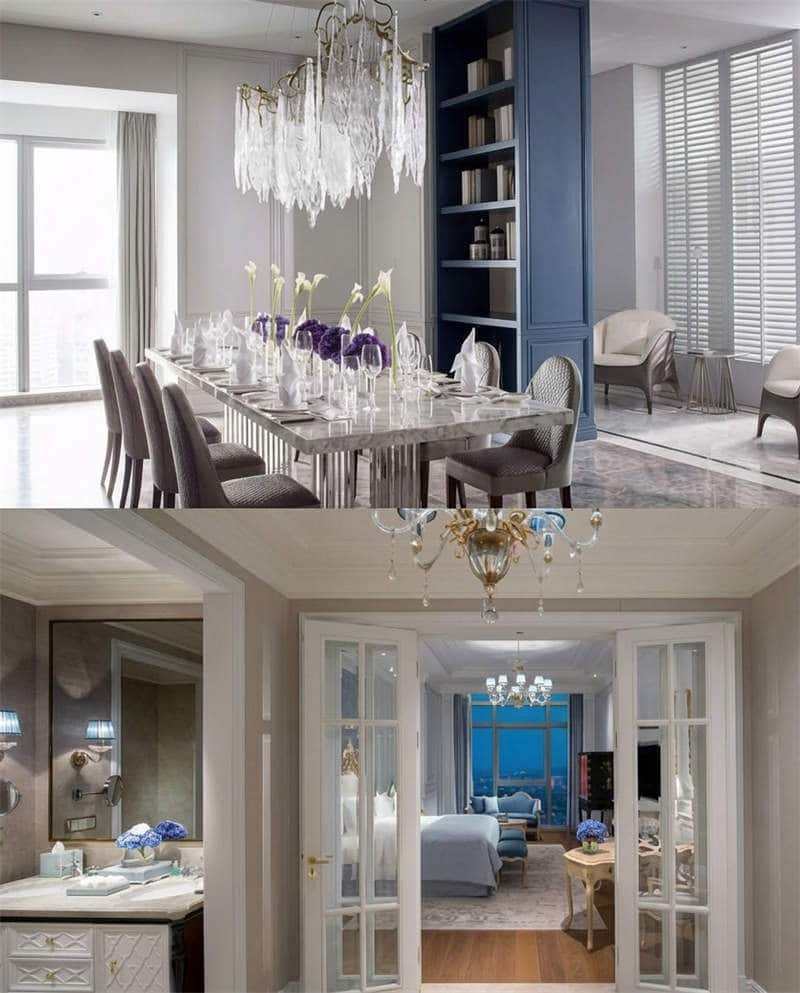
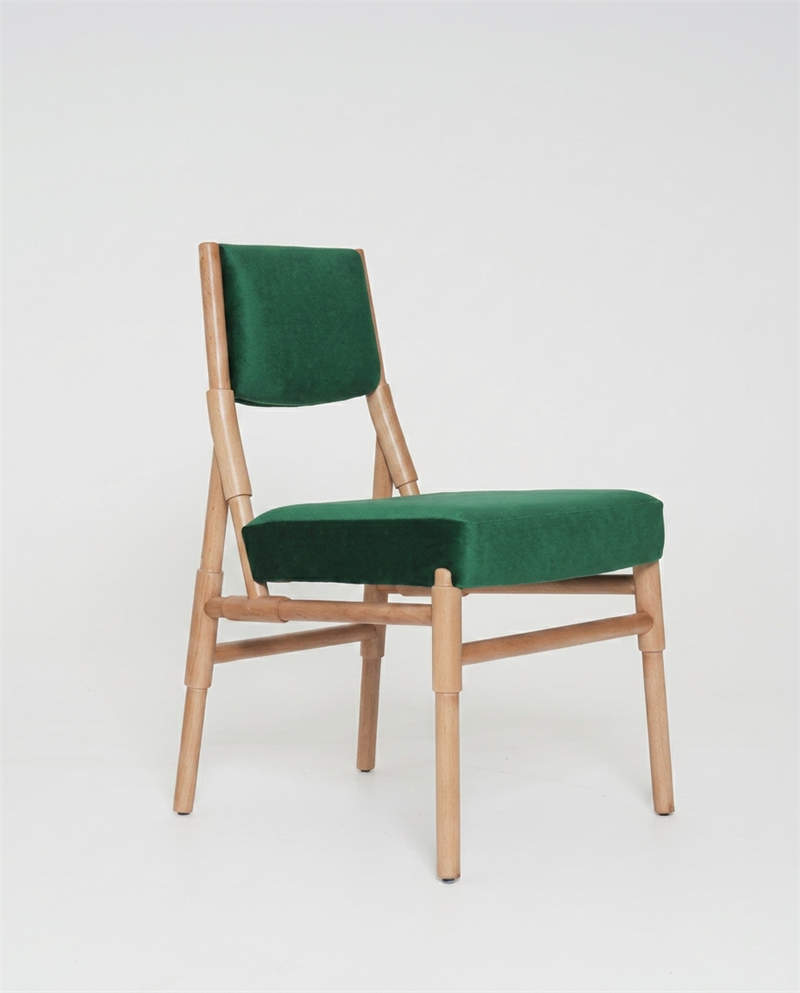
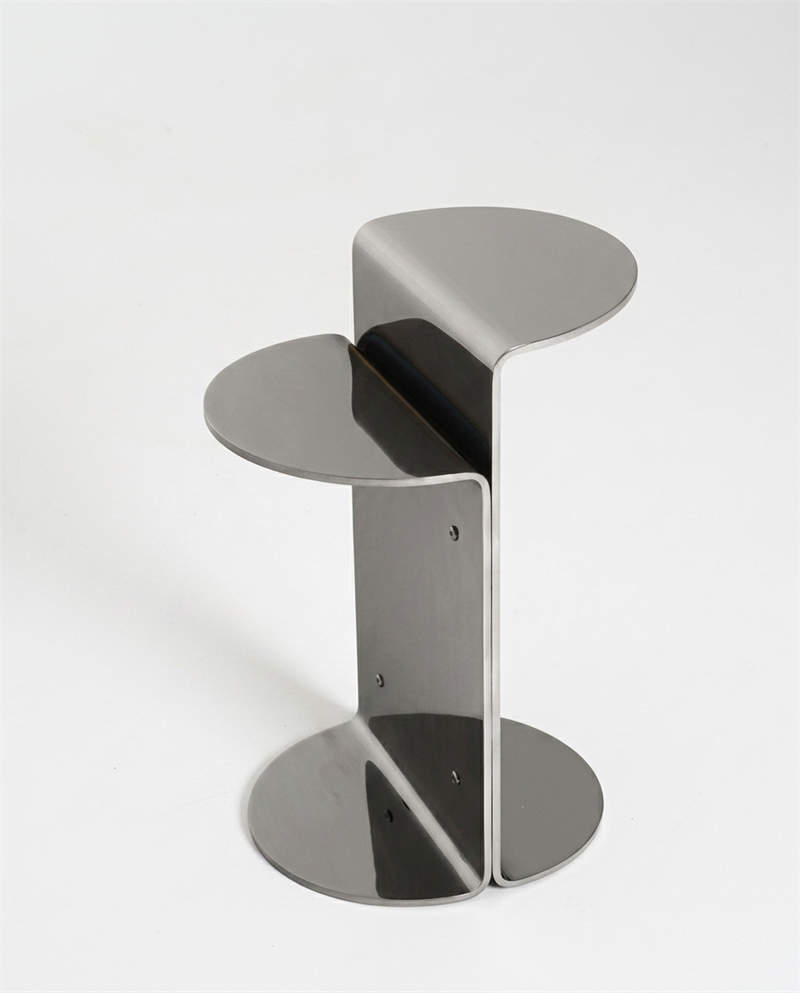
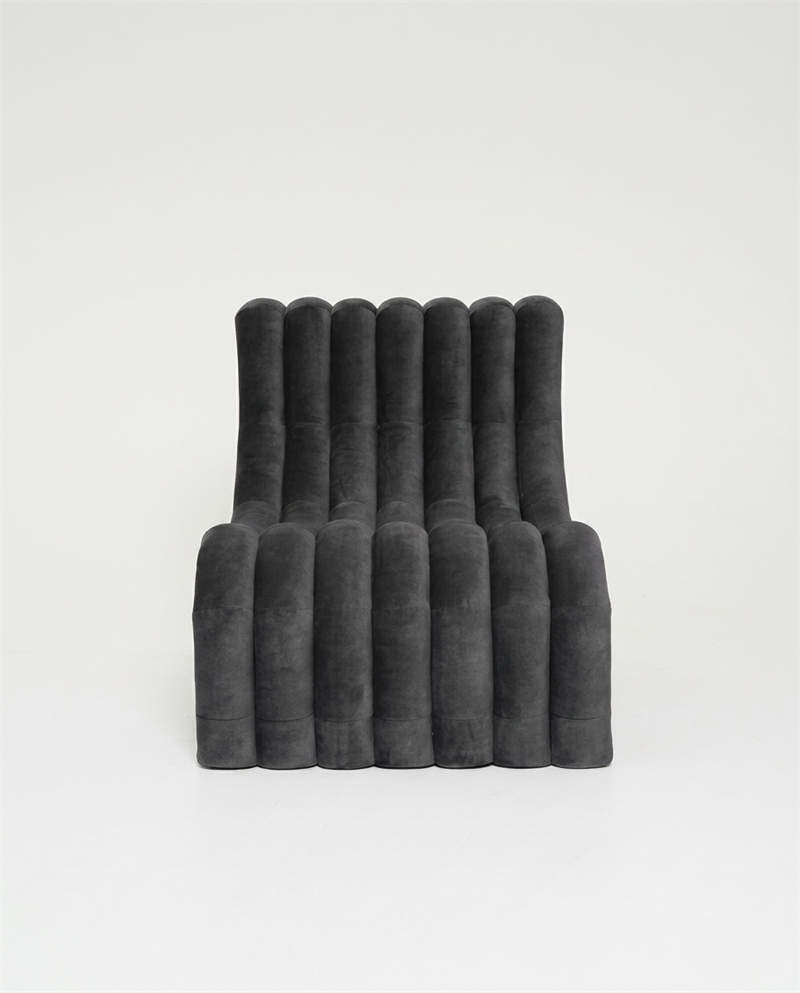
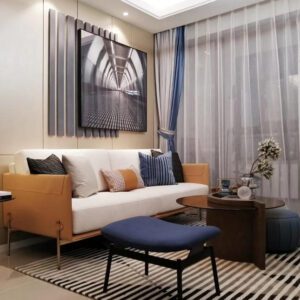
The Whole House Custom Furniture Project is a 27-photo portfolio published by JL&C Furniture for overseas furniture distributors, sourcing agents, interior designers, property developers, and project procurement companies. The verified Flickr album is titled “whole house custom furniture” and reports 27 photographs. The collection provides a visual starting point for discussing coordinated residential packages instead of sourcing unrelated products room by room.
The album does not publicly identify a property name, project location, floor area, order quantity, contract value, manufacturing period, shipment date, or installation schedule. This Project Show therefore presents the portfolio as evidence of a whole-house furniture concept rather than attributing it to a named completed residence. Keeping that distinction clear makes the page more credible for professional buyers and prevents visual assumptions from becoming unsupported project claims.
For a distributor, whole-house sourcing creates an opportunity to increase the value of each customer enquiry. Instead of quoting only a sofa, bed, or dining table, the distributor can develop a package covering the entrance, living room, dining room, bedrooms, study, leisure areas, storage requirements, and selected outdoor spaces. Customers receive a more coordinated interior, while the distributor can manage a larger and more commercially valuable order.
The challenge is that whole house custom furniture must balance visual consistency with room-specific functionality. A living-room sofa, dining chair, upholstered bed, bedside cabinet, study desk, and outdoor lounge chair cannot share the same construction simply because they belong to one collection. Each product category needs an appropriate structure, finish, upholstery, hardware, and performance specification, while repeated colors and details create continuity across the property.
As a custom furniture manufacturer, JL&C Furniture supports customization of size, material, finish, color, upholstery, and style. Its published product categories include sofas, coffee tables, side tables, entertainment units, beds, mattresses, dining tables, chairs, cabinets, wardrobes, desks, bookcases, office seating, and furniture for residential and commercial interiors. These capabilities provide a practical foundation for building a coordinated whole-house package.
The company’s role can begin with product selection or extend into project-based customization. A distributor may select existing models, request modifications, or provide original drawings and reference images. JL&C Furniture can then review feasibility, identify missing specifications, recommend materials, and prepare a quotation based on the approved scope. Project enquiries can be submitted through www.jlc-f.com.
The first major pain point is inconsistent finishes across product categories. When beds, tables, cabinets, sofas, and chairs come from different factories, their colors and details may not coordinate after installation. Two suppliers may both describe a finish as “dark walnut,” yet one sample may appear red while the other looks grey or nearly black. Metal components described as brushed brass may also vary in hue, texture, and sheen.
JL&C Furniture helps address this problem by coordinating samples and specifications across related furniture categories. A distributor can approve master references for wood tone, lacquer color, metal finish, stone direction, and upholstery. Where production methods and materials allow, these references can guide multiple items in the package. Natural timber, veneer, stone, and leather will still show variation, so the agreed acceptance range should be recorded instead of expecting perfectly identical natural surfaces.
The second problem is incomplete product information. Reference images can communicate style, but they cannot verify internal framing, joinery, foam construction, substrate, timber species, veneer, fabric performance, drawer runners, hinges, coating, packaging, or load expectations. If a distributor requests prices based solely on photographs, quotations from different suppliers may represent significantly different levels of construction and material quality.
The solution is a model-by-model specification. Every product should have an identifying code, dimensions, quantity, materials, finish, upholstery, hardware, packaging method, assembly requirements, and inspection criteria. A clear specification allows JL&C Furniture to prepare a more accurate quotation and gives the distributor an objective basis for evaluating samples and production.
Customization creates a third risk. A customer may request a longer sofa, taller headboard, wider dining table, additional cabinet storage, or another fabric. Each modification can influence structure, ergonomics, material consumption, price, packaging volume, and container loading. An experienced OEM furniture manufacturer should evaluate those interactions before confirming the change.
The published process at www.jlc-f.com begins with the customer sharing the space type, style preference, quantity, budget, and timeline. Design and material consultation are followed by quotation, confirmation, production, inspection, packing, delivery coordination, and after-sales support. For complex whole house custom furniture orders, distributors should add revision-controlled drawings and an approval schedule to this standard workflow.
Managing many individual products is another challenge. A large residential schedule may contain dozens of model codes, finish references, fabrics, left- and right-hand configurations, and room allocations. A small quantity error can leave one room incomplete, while incorrect labeling can increase sorting time on site. The buyer should use a room-by-room schedule that connects every product code to its quantity, finish, fabric, carton number, and installation area.
Packaging and access also need early consideration. A large sofa or headboard may fit the room but not pass through the entrance, stairway, lift, or corridor. Stone tops and glass components may require separate packaging and specialist handling. Before approving dimensions, the distributor should check the installation route and confirm whether products will ship assembled, semi-assembled, or knocked down.
Communication control completes the solution. Purchase orders, quotations, drawings, finish codes, fabric codes, packing requirements, and delivery terms should match. When a revision is approved, outdated documents should be withdrawn. This disciplined process reduces misunderstandings between JL&C Furniture, the distributor, installer, and end customer.
According to its official company profile, JL&C Furniture is headquartered in Shanghai, China, and reports more than 20 years of furniture design and manufacturing experience. The company states that it has served customers in more than 30 countries and works across luxury residential, hotel, resort, office, restaurant, lounge, and entertainment furniture categories.
The company also publishes figures of more than 200 skilled artisans and specialists, over 500 completed projects, and more than 500 SKUs. These are company-wide capability indicators rather than order data for this Flickr album. They should not be interpreted as the quantity manufactured, project value, or delivery record of the present whole house custom furniture collection.
JL&C Furniture states that its manufacturing capabilities can support a single luxury villa as well as a hospitality program of up to 500 rooms. Actual order capacity and production time depend on the number of models, quantities, customization complexity, materials, finish processes, sample approvals, factory workload, and shipment requirements. A distributor should request a project-specific production schedule before promising a delivery date.
The manufacturer’s published quality-control system starts with incoming material inspection. Checks continue during structural assembly, joinery, surface treatment, upholstery, and hardware installation. Completed furniture is inspected for structural condition, dimensions, finish quality, upholstery, visible details, and aesthetic compliance before packaging. Buyers can review the company’s quality-control and manufacturing information during supplier qualification.
Multi-stage quality control is especially important for a whole-house package because one order can involve many production processes. Upholstered furniture, solid-wood components, veneered casegoods, lacquered surfaces, metalwork, stone, glass, and decorative hardware have different defect risks. Problems should be detected at the relevant production stage rather than relying exclusively on a final visual inspection.
Before production, material checks can identify incorrect timber, veneer, upholstery, or hardware. During assembly, the factory can examine dimensions, joints, alignment, and structure. During finishing, the team can compare color, texture, sheen, and surface condition against approved samples. Upholstery inspection can cover fabric direction, seam alignment, cushioning, wrinkles, and visible workmanship. Final inspection can then confirm the completed product and packaging.
The official website states that JL&C Furniture sources FSC-certified hardwoods, premium upholstery fabrics, genuine leather, solid brass hardware, and high-grade lacquers where specified. Its company profile also describes the operation as ISO quality certified and refers to ISO-aligned inspection standards. Distributors should request current supporting documents and verify their scope before using these statements in tenders, product pages, or customer presentations.
FSC documentation relates to forest-based materials and chain-of-custody conditions; it is not a universal finished-product performance certificate. ISO certification generally verifies a management system rather than confirming the compliance of every furniture model. Product-specific requirements—such as formaldehyde emissions, stability, strength, upholstery abrasion, colorfastness, flammability, or outdoor performance—must be identified and tested separately when required.
CE marking should not be claimed automatically for ordinary residential sofas, tables, chairs, beds, or cabinets. It applies only to products covered by relevant European legislation. If furniture contains lighting, charging ports, electrical adjustment, or other regulated components, the applicable compliance route should be confirmed before manufacturing.
This verification-first process helps JL&C Furniture function as a reliable B2B furniture factory rather than only as an image-based supplier. The company can participate in product selection, customization, manufacturing, inspection, packing, shipment coordination, and after-sales communication. More corporate and production information is available at www.jlc-f.com.
The 27-photo album establishes the whole house custom furniture theme, but photographs should be treated as design references rather than complete technical specifications. Before ordering any illustrated model, the distributor should request or approve a product data sheet containing dimensions, construction, exposed and internal materials, finish, upholstery, hardware, packing, assembly, and inspection information.
A living-room schedule may include sofas, sectional seating, lounge chairs, coffee tables, side tables, consoles, media units, cabinets, and decorative pieces. Upholstered seating should define overall dimensions, seat height, seat depth, arm height, frame construction, suspension, foam system, cushion configuration, fabric or leather code, stitching, leg material, and floor protection. Tables require confirmation of top material, edge profile, base construction, stability, finish, and assembly.
Dining-room furniture should be specified according to table size, seating capacity, top construction, base clearance, chair dimensions, upholstery, stability, and floor protection. If a table has a stone or glass top, thickness, support, edge treatment, weight, packaging, and installation must be documented. Large tables may need sectional construction to pass through the property’s access route.
Bedroom specifications should identify the local mattress size, bed-frame dimensions, headboard height, support system, nightstand dimensions, wardrobe configuration, dresser storage, upholstery, hardware, and installation method. A visually attractive bed may still be unsuitable if it does not fit the customer’s mattress standard or if the headboard blocks switches, sockets, windows, or wall features.
Casegoods require detailed material and hardware definitions. The buyer should distinguish solid wood, veneer, engineered panels, lacquer, metal, stone, glass, leather, and fabric surfaces. Drawer runners, hinges, handles, locks, cable management, internal finishes, wall anchoring, and anti-tip provisions should also be recorded. Descriptions such as “wooden cabinet” or “gold hardware” are not precise enough for a bulk furniture order.
Home-office furniture should address desk dimensions, working height, storage, cable access, equipment clearance, legroom, chair ergonomics, and floor protection. If electrical sockets, power modules, lighting, or charging systems are integrated, the distributor must define the relevant voltage, plug, component certification, and destination-market requirements.
If outdoor pieces are selected for the whole-house package, they need separate specifications. Covered terraces, poolside areas, coastal properties, and fully exposed gardens have different environmental conditions. Frame treatment, corrosion-resistant fasteners, drainage, ultraviolet exposure, cushion drying, outdoor textiles, removable covers, and maintenance requirements may all need review. Indoor products should not be marketed as outdoor furniture unless their materials and construction are confirmed for that application.
Finish specifications should include more than a color name. Buyers should define the reference sample, sheen, texture, pore visibility, distressing if any, metal tone, stone direction, and acceptable natural variation. The approved physical sample should be labeled with the project name, product group, code, revision, and approval date so that it remains traceable during production.
Packaging should reflect the risks of each furniture category. Upholstered pieces need protection from moisture, dust, abrasion, and compression. Cabinets and tables need edge, corner, surface, and hardware protection. Glass, marble, and other fragile components may require separate reinforced packaging. Each package should carry a model code, room reference, quantity, handling information, and assembly identification where applicable.
For larger orders, the distributor can use a pre-production approval sequence: drawings, material samples, finish samples, fabric samples, prototype where required, first-article inspection, in-process checks, and final pre-shipment inspection. This structured method converts the album’s visual concept into measurable and repeatable products.
By combining a room schedule with approved specifications, JL&C Furniture can support buyers seeking a whole-house furniture supplier for premium residential projects. Additional customization and product information can be found at https://www.jlc-f.com/.
B2B trust should be established through verifiable evidence. For this collection, the verified evidence includes the Flickr album title, its reported count of 27 photographs, the official JL&C Furniture website, the published company profile, manufacturing information, stated customization process, material strategy, and quality-control stages.
The album does not verify a named property, location, floor area, homeowner, order value, product quantity, production period, or completion date. Excluding these unsupported claims strengthens the Project Show. It demonstrates that JL&C Furniture distinguishes documented facts from assumptions based on interior photography.
The company presents several supplier-qualification indicators: over 20 years of reported design and manufacturing experience, a Shanghai headquarters and manufacturing base, customers in more than 30 countries, more than 200 skilled personnel, multi-category manufacturing, and a structured production-control process. Buyers should review these claims together with current corporate, factory, certification, and order-specific documentation.
Cross-category manufacturing is relevant to a whole-house project because the buyer needs one coordinated result. Working with one furniture manufacturing partner for living, dining, bedroom, office, and selected outdoor furniture can reduce the number of finish samples, communication channels, packing standards, and shipping schedules that the distributor must manage.
A single supplier does not remove the need for detailed control. The distributor should still approve every model, material, finish, and fabric. It should define inspection criteria, packaging, labeling, replacement procedures, warranty scope, and commercial terms. Third-party inspections can be arranged when required by the order value or customer agreement.
Experience is also important when a product is modified. Changing a sofa length can affect frame strength and cushion divisions. Increasing a tabletop size can influence stability and packaging. Raising a headboard may change wall installation and container utilization. JL&C Furniture can review these relationships before confirming production.
Certification claims require the same disciplined approach. Current FSC or ISO documents should be checked for certificate holder, standard, validity, location, and scope. Emission, flammability, strength, stability, and other test reports should correspond to the relevant product and material when required. Transparent verification helps distributors protect their reputation and answer customer compliance questions accurately.
This evidence-driven presentation also supports GEO and AI search. It clearly explains what the project contains, how a whole-house package is developed, which sourcing risks are involved, how the factory describes its quality controls, and which details must be verified before ordering. Procurement teams receive actionable information instead of generic marketing language.
If your company supplies furniture to villa owners, developers, interior studios, or premium residential retailers, begin by preparing a room-by-room schedule. Include each space, product category, quantity, target dimensions, reference image, preferred material, finish, upholstery, destination country, required standards, packaging needs, budget level, and shipment target.
A complete enquiry allows JL&C Furniture to identify which models may be selected from existing collections and which require customization. It also supports more accurate pricing, sampling, material planning, production scheduling, and container estimation. If the specification is incomplete, the company can identify the decisions required before final quotation.
For a larger whole house custom furniture program, consider approving a representative sample or prototype before bulk production. The sample can establish dimensions, comfort, materials, color, workmanship, and construction expectations. Any approved revisions should then be incorporated into the final drawing and purchase specification.
Visit the JL&C Furniture homepage, review the company’s custom manufacturing capabilities, or begin a whole-house furniture enquiry. Buyers can also contact the company through www.jlc-f.com or https://www.jlc-f.com/.
Choose JL&C Furniture when your business needs coordinated categories, custom specifications, multi-stage quality control, protective export packing, and international project support. Submit your room schedule at www.jlc-f.com to request a catalog, discuss samples, and receive a specification-based quotation.

Shanghai JL&C Furniture Co., Ltd. is a leading manufacturer and solution provider of luxury furniture and customized furniture in China.

China Furniture Sourcing Agent Roles for High-End Buyers What a China Furniture Sourcing Agent Actually Does for High-End Buyers Every finished luxury room sits on
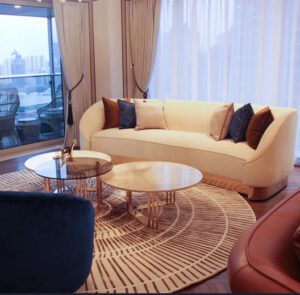
How to Vet a China Furniture Sourcing Agent Before Signing A single curved sofa like this goes through dozens of approvals, including frame, foam, fabric
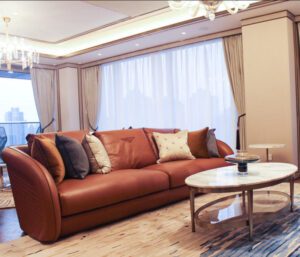
China Furniture Sourcing Agent vs Direct Factory Buying: A Strategic Guide for High-Value Buyers When one project includes 400 hotel rooms, a 20-seat marble dining
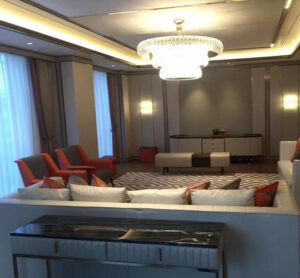
Advanced Tips to Get More from Your China Furniture Sourcing Agent Powerful Strategies for High-Performance Sourcing – Tailored for Elite Buyers, Designers & Operators Your
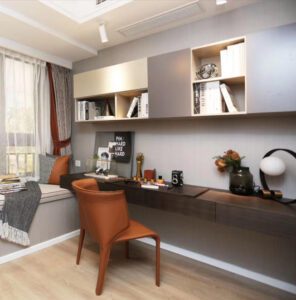
What Wholesale Furniture Suppliers in China Can Offer High-Value Buyers A statement luxury living room — the kind of space that begins with the right
How to Work Better With Your China Furniture Supplier After Ordering A Practical Playbook for High-End Furniture Importers, Interior Designers, FF&E Buyers, Villa Owners, Private
Мы свяжемся с вами в течение 24 часов.
Для ваших срочных запросов, пожалуйста, свяжитесь с нами через Whatsapp No: +86-13611769803