Today’s furniture buyers have completely changed how they shop. They...
Today’s furniture buyers have completely changed how they shop. They research online, compare options before visiting, and expect seamless omnichannel experiences. This guide shows distributors, showroom owners, and designers how to adapt your business model to meet customers where they actually are — and win their loyalty in the process.
Modern showroom visits are not discovery trips — they are confirmation appointments. Your space needs to be designed for buyers who already know what they want.
Introduction: Why the Traditional Furniture Showroom Model Is Failing Your Bottom Line
There is a version of the furniture business that still exists in many distributors’ and showroom owners’ heads: a customer walks in on a Saturday afternoon, wanders the floor, discovers a sofa they hadn’t considered, and walks out having spent $8,000. The showroom was the beginning, middle, and end of the sale.
That version of the business is gone. Not fading — gone.
The customer who walks into your showroom in 2025 has already spent two to three weeks online. They’ve watched six YouTube room tours, saved 40 Pinterest pins, read reviews on three platforms, and compared your prices against at least two competitors. They have, in most cases, already decided which pieces they want. They’re visiting to sit in them, confirm the fabric looks right in person, and hand you a credit card.
The problem is that most furniture businesses are still operating as though the showroom is where the journey begins. They’re staffing for discovery conversations that customers don’t want, building merchandising strategies around inspiration that buyers have already found elsewhere, and wondering why their close rate on walk-ins has dropped.
This guide is the honest assessment of what’s changed, who it affects — furniture distributors, showroom owners, interior designers, agents, and hotel fit-out professionals — and what a modern business model actually looks like when it’s built around how customers genuinely behave today.
1. The Shift Has Already Happened: Understanding the Modern Furniture Buyer Journey
What Customers Actually Do Before They Walk Through Your Door
According to research by HomeByMe, 63% of furniture consumers begin their buying journey by seeking inspiration online. First Chair research puts the figure even higher for millennial buyers, with 50% spending two to three weeks researching before completing a purchase, and 75% crossing channels between digital and physical before deciding.
The practical implication for your business is this: by the time a buyer contacts you or walks into your showroom, 70% of their decision framework is already in place. They’ve identified what style they want, what quality level they’re considering, roughly what they expect to pay, and which suppliers they consider credible enough to investigate further.
Your job at the point of contact is not to introduce them to furniture. It is to confirm what they already suspect — that you are the right supplier — and remove whatever remaining friction stands between their existing intent and an order.
Why Showroom Foot Traffic Is Declining (And It’s Not What You Think)
Foot traffic in furniture showrooms hasn’t declined because people don’t want to experience furniture in person. Physical product experience remains genuinely important in furniture — the weight of a chair, the texture of a fabric, the scale of a piece in a room — none of this is fully replicable digitally.
What has changed is when in the decision process that physical experience happens. Customers used to visit showrooms early in the process, to discover what existed. Now they visit late in the process, to confirm what they’ve already chosen. This means fewer visits per purchase cycle — but each visit represents a more committed buyer. Casual browsing isn’t declining because customers care less about furniture. It’s declining because their time is more constrained and their research tools are better.
The showrooms that are thriving are the ones that have recognized this shift and repositioned accordingly — creating environments designed for confirmation and conversion rather than discovery.
The Role of Digital Touchpoints in the Pre-Purchase Phase
Before a buyer makes any contact with your business, they’ve interacted with you digitally — or decided you don’t exist because they couldn’t find you. Your website is your first handshake. Your Instagram feed is your portfolio. Your Google reviews are your references.
The digital touchpoints a buyer encounters before contact are not supplementary to your sales process. They are the front end of it. A business that treats its physical showroom as primary and its digital presence as secondary has inverted the customer journey that actually exists in the market.
2. The Death of Casual Browsing: What Distributors and Showroom Owners Are Losing
Why “Walk-Ins” Are Becoming Extinct
The economics of casual browsing have shifted against it. A senior interior designer managing three concurrent projects has six hours of uncommitted time this week. She will not spend two of them wandering a showroom on the off-chance of finding inspiration. She will spend 20 minutes online, identify three candidate pieces, and book a targeted 45-minute showroom visit to see the finalists in person.
The implication for showroom design and staffing is direct: your floor plan, your merchandising, and your team’s energy should be optimized for the committed, informed buyer — not the casual browser who may never arrive. Spaces designed for wandering discovery (vast open floors, minimal wayfinding, staff trained to intercept browsing customers) are being replaced by spaces designed for efficient confirmation (curated vignettes, material sample libraries, private consultation areas).
The Cost of Relying on Foot Traffic for Sales
Every overhead dollar spent on a showroom floor optimized for high foot traffic is partially misallocated if that traffic is declining in quality. Casual browsers have low conversion rates, high per-visit service costs, and low average order values. Informed, researched buyers have higher conversion rates, shorter time-to-close, and are more likely to have a clear specification that meets or exceeds your margin targets.
Businesses that redirect investment from foot traffic generation (expensive location premiums, walk-in marketing, impulse purchase merchandising) toward digital presence (website quality, content, SEO, social platforms) are reallocating toward a higher-quality buyer at a lower cost of acquisition.
How This Impacts Your Sales Team’s Workload and Effectiveness
A sales team built for casual browser management — greeting, inspiring, educating from scratch, overcoming “I’m just looking” resistance — is a team calibrated for the wrong buyer. When that team encounters the informed buyer who walks in knowing exactly what they want, the traditional sales approach creates friction: the buyer is over-explained at, under-listened to, and asked questions they’ve already answered themselves online.
The modern sales role in furniture requires a different skill set: the ability to quickly understand what the buyer has already decided, confirm where they need validation, and execute the transaction without adding complexity. This is a consultative close, not an educational pitch — and it’s a meaningfully different conversation to train for.
Hotel fit-out designers arrive at supplier conversations with specifications already drafted. The question they’re asking isn’t “what do you have?” — it’s “can you deliver exactly this?”
3. Where Your Customers Actually Are: The New Furniture Buying Ecosystem
Online Research Is the New Showroom Floor
Pinterest drives more referral traffic to furniture websites than any other social platform, with boards organised by room, style, and material functioning as active sourcing tools for both consumers and professionals. Instagram serves as a portfolio platform where an interior designer’s feed of completed projects is the primary credibility signal to prospective clients. YouTube provides the long-form product context — room tours, unboxing, designer walkthroughs — that a static product page cannot deliver.
Google Shopping and furniture aggregator platforms mean your products are being compared against competitors in real time, without your involvement. This isn’t a threat to manage — it’s a market reality to plan around. Businesses that provide the richest, most accurate product data on these platforms are the ones whose products survive the comparison.
The Role of Social Media in Furniture Discovery
For B2B buyers specifically — interior designers, hotel procurement teams, furniture agents — social platform behaviour is distinct from consumer browsing. LinkedIn is where wholesale sourcing relationships begin, where procurement professionals follow industry voices, and where your brand credibility is established with professional buyers. Houzz — the platform designed specifically for interior design and renovation professionals — hosts active professional communities where your product presence has direct implications for your consideration in design projects.
A distributor or showroom with a strong LinkedIn presence — sharing project outcomes, industry insights, product launches, and client stories — is visible to the professional B2B buyer at the moment they’re building their supplier shortlist. A distributor who isn’t on LinkedIn doesn’t exist in that buyer’s research.
Why Your Website Is Now Your Primary Showroom
The furniture e-commerce market was valued at $68.4 billion in 2025, according to DataIntelo research, and is projected to reach $168.9 billion by 2034 at a 10.6% CAGR. This is not a niche channel — it is rapidly becoming the primary channel, and the businesses competing most effectively for online-researched buyers are those that have invested in their website as a primary commercial asset rather than a supplementary brochure.
Your website must perform the functions that a skilled showroom salesperson performs: answer product questions, demonstrate quality through photography and video, establish credibility through project documentation, and make the path to purchase or enquiry frictionless. If your website cannot do these things, it is failing its primary commercial purpose — regardless of how good your showroom looks in person.
The Growing Importance of Online Marketplaces and Aggregators
B2B furniture buyers increasingly use aggregator platforms to pre-qualify suppliers before direct engagement. Being discoverable on platforms where your target professional buyers research — whether through Houzz’s professional directory, B2B sourcing platforms, or industry-specific trade portals — is not optional for distributors who want to be in the consideration set before a designer makes their initial shortlist. At JL&C Furniture, maintaining consistent, accurate product information across all relevant discovery platforms is treated as a core operational discipline, not a marketing afterthought.
4. The Pre-Purchase Research Phase: What Customers Are Actually Looking For
Detailed Product Information That Actually Matters
A buyer researching a contract-grade dining chair for a hotel restaurant needs: exact dimensions in centimetres and inches, frame material and joinery specification, fabric options with fabric codes and performance ratings (rub count, fire rating), maximum weight capacity, lead time for standard and custom configurations, and care and cleaning protocol. They need this without asking for it, because if they have to ask, they’re already considering whether you’re worth the effort.
The businesses that win in the pre-purchase research phase are those whose product data is comprehensive enough that a designer can make a provisional specification decision — complete enough to put in a client presentation — from the website alone. Every missing specification is a reason to choose the competitor whose page has it.
High-Quality Imagery and Virtual Showroom Experiences
The standard for furniture product photography has moved decisively beyond the single studio image. Buyers in 2025 expect multiple angles, lifestyle context shots showing the piece in a realistic room environment, detail photography of materials and joinery, and — increasingly — 3D visualisation tools that allow them to model the piece in their own project renders.
For designers and hotel fit-out professionals, this isn’t aesthetic preference — it’s a professional workflow requirement. A designer who needs to present furniture options to a client in a board meeting requires images that communicate scale, material quality, and design intent convincingly. A single product image on a white background does not do that work.
Transparent Pricing and Inventory Availability
In the B2B furniture segment, pricing opacity is not a negotiation advantage — it is a disqualification signal. A hospitality procurement manager who can’t get a ballpark price range from your website or without initiating a formal enquiry will move to the competitor who gives them enough pricing context to assess viability before investing time in a conversation.
Real-time inventory visibility — or at the minimum, honest lead time information by product and configuration — prevents the scenario that generates the most corrosive buyer frustration: discovering a piece is unavailable only after committing to a specification, presenting it to a client, and waiting three days for a quote response.
Customer Reviews and Social Proof
Trustpilot research consistently shows that B2B buyers trust peer reviews more than any form of brand communication. In furniture, where the stakes of a poor purchase decision are high — a designer’s client relationship, a hotel opening timeline, a significant capital commitment — the absence of social proof is itself a risk signal.
Case studies from completed projects, named testimonials from design firms and hospitality operators, and portfolio documentation with real project outcomes are not optional credibility extras. They are the evidence base that B2B buyers use to de-risk the decision to trust you.
Research Channel
Buyer Segment Using It
What They’re Looking For
Your Action Required
Google Search
All segments
Product specs, pricing, reviews, comparison
SEO-optimised product pages, blog content
Instagram
Interior designers, residential
Aesthetic inspiration, portfolio quality
Consistent high-quality project photography
Pinterest
Interior designers, retail buyers
Style curating, mood boarding
Boards by collection, room type, project style
LinkedIn
Agents, distributors, hotel procurement
Supplier credibility, industry knowledge
Regular professional content, company page
Houzz
Interior designers, residential pros
Portfolio, peer reviews, product discovery
Complete professional profile with portfolio
YouTube
All segments
Product demos, room tours, how-to guides
Product video content, designer testimonials
B2B Marketplaces
Distributors, agents, hotel chains
Bulk pricing, certifications, MOQs
Accurate product listings with trade pricing
Google Reviews
All segments
Reliability, service quality, delivery
Active review management, response strategy
5. How Interior Designers and Fit-Out Professionals Shop Differently Now
The Designer’s Workflow Has Fundamentally Changed
Interior designers no longer block three days to visit five showrooms. Their workflow is digital-first and time-compressed: they identify candidate products online, build a preliminary specification using digital assets from the supplier’s website, present options to clients using mood board software, and request samples or site-specific consultation only for the shortlisted pieces.
Studio Designer research confirms the efficiency expectation: the fastest-improving firms are those treating discovery, pricing, and purchasing as an integrated digital workflow rather than separate manual steps. Suppliers who integrate into this workflow — by providing digital lookbooks, downloadable spec sheets, and CAD-compatible files — become structurally embedded in the designer’s process. Suppliers who don’t get reviewed only when a designer has the time to initiate a separate interaction.
Why B2B Relationships Now Start with Digital Presence
Before a designer calls your showroom, they have visited your website and formed an opinion. Before a hotel procurement manager sends an RFQ (Request for Quotation — a formal document sent to multiple suppliers requesting detailed pricing and specification), they have reviewed your portfolio and assessed whether your work is relevant to their project standard.
This means the first impression you make is no longer a handshake in a showroom — it’s your website’s homepage, your Instagram feed, or your LinkedIn company page. And those impressions are formed under zero social pressure, with your competitors one browser tab away. The quality of your digital presence is the primary determinant of whether a professional buyer decides you’re worth their time before they ever speak to a member of your team.
The Importance of Digital Lookbooks and Curated Collections
A designer presenting three furniture options to a high-net-worth client in a 45-minute presentation needs those options formatted in a way that communicates design intent, quality, and specificity — not a PDF of your general catalogue. Digital lookbooks — curated collections organized by aesthetic direction, project type, or room application — allow designers to extract a relevant subset of your range in a format that works in their client communications.
Suppliers who provide this capability become part of the designer’s presentation toolkit. Suppliers who don’t create extra work at exactly the moment when the designer is deciding which supplier to feature. The choice is made for practical reasons, not necessarily product quality ones.
Streamlined Ordering and Account Management Tools
Professional buyers managing multiple projects simultaneously need ordering and account management infrastructure that matches their operational requirements. The ability to check current stock and lead times without a phone call, submit and track multiple orders in parallel, access past order records and invoice history, and receive proactive updates on production and delivery status — these are not premium service features in the professional B2B market. They are table stakes.
A hotel procurement manager who has to make three phone calls to get a stock status update is working with a supplier whose systems are adding friction to their job, not removing it. That supplier is vulnerable to replacement the moment a competitor offers equivalent product with better operational support.
Interior designers today curate, present, and approve furniture specifications digitally before a single showroom visit is booked. Your digital assets are your sales team for the first 70% of their decision.
6. The Showroom’s New Role: From Discovery to Conversion
Repositioning Your Physical Space for a Post-Browsing World
The physical showroom is not obsolete — it is more valuable than ever, precisely because its role has clarified. It is no longer doing the work of discovery, inspiration, and initial product awareness. It is doing the work of confirmation, relationship deepening, and final decision closure — and doing that work with buyers who are already qualified and already interested.
This repositioning has direct implications for how showrooms should be designed, staffed, and merchandised. Less space allocated to broad discovery (extensive category coverage, high SKU density) and more space allocated to depth experiences (fully dressed vignettes, material and finish sample libraries, private consultation environments) reflects the buyer’s actual need at the point of showroom visit.
Creating Experiences That Justify the Visit
A buyer who has done extensive online research and chosen to visit your showroom has made an investment of time that reflects a meaningful level of interest. The experience they receive should be calibrated to that level of commitment — not the generic floor greeting and wandering that was designed for a casual browser.
Private consultation areas where a designer can sit with a product specialist, review their project brief in detail, and work through a tailored specification — this is an experience that justifies the visit and creates the relationship depth that drives long-term loyalty. A consultation room with material samples, finish options, and a large screen displaying product configurations is more valuable to a professional buyer than 3,000 square feet of generic display.
How to Use Your Showroom as a Content Creation Hub
Every product in your showroom, photographed professionally in its display context, becomes a digital asset that serves your website, your social media, and your email marketing. A showroom that is photographed systematically — complete vignettes, detail shots, lifestyle contexts — generates a continuous stream of high-quality visual content that represents the actual scale and quality of your product in a way that studio photography cannot achieve.
This investment pays returns across every channel simultaneously. The photography that fills your Instagram grid, supports your Pinterest boards, and illustrates your blog content was already being spent on displaying product in your showroom. The marginal cost of capturing it systematically is a fraction of its marketing value.
Building Relationships Instead of Transactions
For your most valuable clients — established interior designers, hotel fit-out teams, high-volume agents — the showroom visit is an opportunity to invest in the relationship that generates years of repeat business. This means your team needs to shift from transactional selling skills to relationship management skills: understanding a designer’s current project pipeline, remembering the preferences they’ve expressed in past interactions, proactively connecting them to new products that match their aesthetic direction.
The showroom visit that turns a project client into a relationship client is worth an order of magnitude more than a one-time transaction at equivalent value.
7. Bridging the Digital-to-Physical Gap: Omnichannel Strategies for Distributors and Showroom Owners
Creating a Seamless Experience Across All Touchpoints
Omnichannel — the integration of online and offline customer experiences into a single, consistent journey — is the operational strategy that modern furniture businesses need. It means that a product a buyer found on your Instagram appears in your showroom. It means that a conversation begun on live chat is continued by a showroom salesperson who has read the transcript. It means that a quote requested through your website is followed up with a phone call that references the specific products the buyer was viewing.
According to Revalize Software research, furniture businesses that implement integrated omnichannel strategies see higher average order values and stronger repeat purchase rates than those operating digital and physical channels as independent silos. The consistency of experience across touchpoints is what converts initial interest into committed purchase relationships.
Integrating Online Inventory with Physical Stock
For professional buyers, nothing creates more operational friction than a disconnect between what is shown online and what is actually available. A designer who builds a project specification around a product listed as available on your website, presents it to their client, and then discovers a 16-week backorder on first contact with your team has experienced a credibility failure — through no fault of their design work.
Real-time inventory visibility — accurate lead times displayed at the product page level, immediate flagging of low-stock positions — is the infrastructure that prevents this scenario. For distributors and showroom owners, integrating warehouse management with website product availability is a technical investment with a direct, measurable return in reduced post-specification frustration and improved buyer trust.
Using CRM Systems to Track the Customer Journey
A CRM (Customer Relationship Management) system configured for furniture distribution captures every touchpoint a buyer has with your business — website visits, product page views, enquiry submissions, showroom visits, quote requests, order history — into a single accessible record. This is the intelligence that allows your sales team to pick up a conversation where it left off, regardless of how long ago the last interaction was or which team member was involved.
Platforms like HubSpot at the entry level, or Salesforce for larger operations, provide this capability with furniture-specific configuration possible through their app ecosystems. The return on investment in a well-implemented CRM is not measured in software features — it is measured in the conversations your team can have, and the relationships they can maintain, that would be impossible to manage from memory or disconnected spreadsheets.
Enabling Online Ordering with Showroom Fulfillment Options
Different buyers want different transactional pathways. A retail consumer might want to browse your website, add to cart, and complete a purchase entirely online. A designer might want to browse online, visit the showroom to confirm material choices, and place the order through a dedicated account portal. A hotel procurement manager might want to submit a formal project specification via email and receive a structured project proposal in response.
Your systems should support all of these pathways without creating operational complexity for your team. The principle is: the buyer’s preferred transaction method should never be the reason you lose a sale.
🎥 Watch: How to Adapt Your Furniture Sales Strategy for Modern Buying Habits
This practical breakdown covers how the furniture sales process has evolved, what modern buyers expect at each stage, and the specific strategies retailers and distributors are using to close more business in a digital-first market.
8. Content Strategy: Becoming the Authority Customers Research
Why Content Marketing Is Now Essential for Furniture Businesses
When buyers are spending two to three weeks researching before purchase, the business that provides the most useful content during that research phase is the business that arrives at the point of purchase with the most trust already banked. A B2B furniture supplier case study published by WTM Digital documented a 50% increase in website traffic and a 40% increase in leads following a structured content strategy implementation — without any increase in paid advertising spend.
The mechanism is straightforward: a designer Googling “how to specify contract-grade upholstery for a restaurant” finds your detailed guide on exactly that topic. You’ve answered a professional question with genuine expertise. They’re now more likely to consider you when they need to source the product your guide helped them specify.
Building a Content Library That Serves Your Customer Segments
Interior designers need case studies that demonstrate your product in the context of real, completed projects — with photography that communicates scale, quality, and design intelligence. Hotel fit-out professionals need technical guides covering compliance requirements, lead times for large-volume custom orders, and multi-property consistency management. Furniture agents and distributors need market intelligence: trend reports, pricing analysis, and competitive positioning content that helps them make better sourcing decisions.
Content that solves a specific problem for a specific professional buyer segment is content with genuine commercial value. Content that talks generally about how good your products are has no commercial value in a market where every competitor is saying the same thing.
Leveraging Video Content for Product Discovery and Education
YouTube is the second-largest search engine in the world, and furniture professionals use it with genuine intent — searching for product demonstrations, installation guidance, design tutorials, and material science explanations. A four-minute video demonstrating the construction quality of a contract-grade dining chair — showing the joinery, the foam specification, the fabric performance test — communicates quality evidence that no amount of marketing copy achieves.
JL&C Furniture’s approach to video content is grounded in what professional buyers actually need to see: production process, material quality evidence, real project applications, and specification support — not promotional brand videos.
Using Customer Success Stories and Case Studies to Build Credibility
A named case study — “How a 180-room hotel in Singapore achieved brand-compliant, on-schedule delivery of a complete bedroom furniture package” — provides the specific, verifiable social proof that a comparable buyer uses to assess your capability for their own project. It answers the question “has this supplier done something like this before?” with evidence rather than assertion.
The businesses that invest in documenting and publishing completed project outcomes — with client permission, with specific project detail, with before/after photography — are systematically building the credibility infrastructure that makes the next comparable project easier to win.
9. The Technology Stack You Need to Compete
Essential Tools for Modern Furniture Distributors and Showroom Owners
The technology investment required to compete in the modern furniture market is not a single platform — it is an integrated stack of tools that cover the full customer journey. The core components are a website that functions as a primary commercial asset (not a static catalogue), a CRM that tracks all buyer interactions across digital and physical channels, an analytics layer that reveals buyer behaviour and conversion patterns, and — for distributors with B2B clients — an order management system that provides the professional portal experience that trade buyers expect.
The sequence matters as much as the components. A CRM without quality lead data is an empty database. Analytics without a website worth analysing is measuring noise. Start with the foundation — a high-quality website with comprehensive product data — and build the rest of the stack on top of that foundation.
E-Commerce Capabilities: Do You Need Them?
Not every furniture business needs full transactional e-commerce. But every furniture business needs the ability for buyers to browse inventory, compare specifications, view pricing context, and initiate purchase or enquiry without leaving the website. The question is not “do we need e-commerce?” but “what is the minimum online capability that our target buyer needs before they’ll engage with us?”
For most B2B furniture businesses, this means: comprehensive product pages with full specifications and pricing frameworks; a functional quote request system with a defined response turnaround; and — for distributors with repeat trade clients — a password-protected portal with trade pricing, order history, and real-time stock status.
Digital Asset Management for Product Photography and Specifications
A DAM (Digital Asset Management — a centralised system for organising, storing, and distributing product photography, technical drawings, and marketing materials) system ensures that your product data is consistent, complete, and accessible across every channel simultaneously. A product that has four different dimension specifications across your website, your PDF catalogue, your trade portal, and your showroom display card is a product that generates enquiry confusion and credibility questions.
Consistency in product data is a proxy for operational quality in the minds of professional buyers. If your spec sheets don’t agree with your website, what else doesn’t agree?
Analytics and Customer Insights to Guide Your Strategy
Google Analytics 4 (free) combined with a heat mapping tool like Microsoft Clarity (also free) provides a clear view of which product pages attract the most attention, where in the buyer journey people disengage, and which content types drive the most enquiry. This is not data for its own sake — it is the intelligence that tells you where to focus the next improvement iteration.
A distributor who discovers that their most-visited product page has a 90% exit rate without an enquiry knows they have a specific conversion problem on that page. The diagnosis takes ten minutes. The fix — adding more specification detail, improving photography, adding a clearer quote request pathway — takes a day. The revenue impact of fixing that specific page may be larger than any other single marketing investment that month.
Technology Component
What It Does
Recommended Starting Point
Monthly Investment
Professional Website + CMS
Primary commercial presence; product catalogue
WordPress + WooCommerce; Shopify
$50–$300
CRM System
Tracks all buyer interactions; manages leads
HubSpot CRM (Free tier), Pipedrive
Free–$50
Email Marketing Automation
Nurtures prospects; re-engages lapsed clients
Klaviyo, ActiveCampaign
$30–$150
Analytics + Heat Mapping
Reveals buyer behaviour; identifies drop-off
Google Analytics 4 + Microsoft Clarity
Free
3D Product Visualisation
Reduces specification uncertainty
Roomvo, Vividworks
$200–$800
Live Chat / Consultation Booking
Captures high-intent research-phase visitors
Tidio (free tier), Calendly
Free–$30
DAM (Digital Asset Management)
Organises product photography + spec sheets
Canto, Bynder (entry tier)
$300–$1,000
Inventory Management Integration
Syncs stock levels with website + CRM
STORIS, Lightspeed Retail
$200–$600
10. The Competitive Advantage: Acting on This Shift Now
First-Mover Advantage in Your Market Segment
In most regional furniture distribution markets, the digital transformation gap between leaders and laggards is still significant — and the distance is widening. A distributor or showroom owner who implements a comprehensive digital presence strategy today is competing against businesses who are 18 to 36 months behind in website quality, content depth, and omnichannel capability.
The window for first-mover advantage in digital presence is not permanently open. As the industry continues its digital shift, the cost of delayed action compounds: the competitor who builds their content library and SEO authority today will have a 24-month lead in organic search visibility by the time a late mover begins the same investment. The relationship trust that comes from consistent professional content — built over two years — is not replicable by six months of catch-up effort.
How to Audit Your Current Customer Journey and Identify Gaps
Walk through your customer journey from the beginning, with the perspective of a designer or hotel procurement professional encountering you for the first time. Search for the product categories you sell on Google — do you appear? When you find your website, can you locate the technical specifications a designer needs without asking? Is there a clear path from product interest to quote request? When you submit a test enquiry, how long does a response take?
This self-audit — honest, with no credit given for intentions — will reveal your three highest-priority improvement areas more accurately than any external analysis. The gaps between what your journey currently delivers and what a professional buyer expects are your conversion losses.
Creating an Action Plan to Modernize Your Business
The mistake most businesses make when facing a significant strategic shift is attempting to implement everything simultaneously. The result is incomplete implementation across too many fronts, with no single area reaching the quality threshold that changes buyer behaviour.
Prioritize by impact: the improvement that fixes the highest-traffic/lowest-conversion gap in your current journey delivers the largest immediate return. For most furniture distributors, this is the website — specifically, the product page quality that determines whether a researching buyer considers you worth contacting. Fix this first. Add CRM and automation second. Build content marketing third. Each layer compounds the effectiveness of the one before it.
Measuring Success and Iterating Based on Customer Feedback
The metrics that matter in a digitally transformed furniture business are not the same as the metrics that mattered in a foot-traffic business. Showroom visit count is a lagging indicator with declining relevance. Website organic traffic quality, lead-to-quote conversion rate, quote-to-order conversion rate, time-to-close, repeat purchase rate at 12 months, and Net Promoter Score (NPS — a single-question measure of whether clients would recommend your business) are the leading indicators of a healthy modern operation.
Review these metrics monthly, connect changes in metrics to specific actions you took, and build an iterative improvement culture around the data your systems generate. The businesses growing fastest in this market are not the ones who made the biggest single investment in digital transformation — they are the ones who made consistent small improvements, measured relentlessly, and compounded those improvements over 24 months.
The businesses gaining market share in this new environment aren’t necessarily larger — they’re more visible during research, more useful during specification, and easier to work with at every stage of the transaction.
Conclusion: The Future Belongs to Customer-Centric Furniture Businesses
The death of casual furniture browsing is not a crisis for distributors and showroom owners who are willing to see it clearly. It is a structural improvement in the quality of buyer who reaches your business. Customers who have researched extensively, compared options, and arrived at your door with a clear intent are better customers in every measurable dimension: they convert faster, they buy with fewer returns, their specification is clearer, and they are more likely to become repeat clients because their expectations were informed, not impulse-driven.
The businesses winning in this landscape are not those with the largest showrooms or the biggest marketing budgets. They are the ones who meet buyers where they actually are — in digital research environments — with the information those buyers actually need, delivered in formats that make the professional buyer’s workflow easier rather than harder.
Whether you’re a furniture distributor managing a portfolio of manufacturer relationships, a showroom owner competing for designer loyalty, an independent agent building a B2B client base, or a hotel fit-out professional sourcing furniture for complex projects — the time to adapt your business model to reflect how buyers actually behave is now. Not because it’s a trend worth following, but because your customers have already moved, and every month of delay is market position given away to a competitor who moved first.
CTA: Ready to Transform Your Furniture Business for the Modern Buyer?
Start with the most honest question you can ask: if you were a designer or distributor encountering your business for the first time online, would you trust what you see? Would you find what you need? Would you know how to take the next step?
The answers will show you exactly where to focus first.
In 20 minutes, we’ll review your current digital presence against the expectations of your target B2B buyer and identify the three highest-leverage improvements you can make immediately — no investment pitch, just an honest assessment of where your journey is and where it needs to be.
Glossary of Key Terms
Omnichannel: A business strategy that integrates all customer interaction channels — website, social media, physical showroom, phone, email — into a single consistent experience, so that a buyer’s journey moves seamlessly between digital and physical touchpoints without information loss.
CRM (Customer Relationship Management): Software that centralizes all buyer interactions — enquiries, orders, communications, visit history — into one accessible record, enabling your team to provide consistent, personalized service regardless of which team member is handling the interaction.
DAM (Digital Asset Management): A system for organizing, storing, and distributing product photography, technical drawings, specification sheets, and marketing materials, ensuring consistent and complete product data across all channels simultaneously.
SEO (Search Engine Optimization): The practice of structuring website content and technical configuration so that it ranks highly in search engine results when buyers search for relevant terms — the primary mechanism for capturing buyers during the online research phase.
RFQ (Request for Quotation): A formal document used by professional buyers — particularly in hospitality and commercial procurement — to request detailed pricing and specification responses from multiple suppliers simultaneously. Responding to RFQs effectively is a core skill for distributors seeking to win commercial projects.
NPS (Net Promoter Score): A single-question customer satisfaction metric — “On a scale of 0–10, how likely are you to recommend us to a colleague?” — that provides a consistent measure of relationship quality and buyer satisfaction over time.
GEO (Generative Engine Optimization): The practice of structuring content to be accurately retrieved and cited by AI-powered answer engines and large language models — an emerging discipline that complements traditional SEO for professional and B2B content visibility.
Perguntas frequentes
1. Why are customers no longer browsing furniture showrooms like they used to?
Modern buyers — especially B2B professionals like interior designers, hotel procurement teams, and furniture agents — are time-constrained and research-capable. Digital tools have transferred the discovery and inspiration phase entirely online: Pinterest, Instagram, design blogs, and YouTube give buyers access to more inspiration and product information in 30 minutes of online research than three hours of showroom browsing used to deliver. By the time a buyer visits a showroom, they’ve already formed strong preferences. The visit is a confirmation trip, not a discovery trip, which is why the casual browser has essentially disappeared from serious furniture showrooms.
2. How much of the furniture buying decision happens before a customer contacts us?
Research consistently places pre-contact decision-making at 60 to 70% of the overall buying process. For B2B furniture buyers specifically — whose decisions involve more research depth, more stakeholders, and higher financial stakes — the pre-contact phase often accounts for an even higher share of the total decision journey. By the time a designer calls your showroom or submits an enquiry form, they’ve typically already identified the specific pieces they’re considering, assessed your credibility against competitors, reviewed your portfolio for project relevance, and decided you’re worth their time. Your sales process needs to begin at the pre-contact stage, not at the first conversation.
3. What information do furniture customers expect to find online before visiting a showroom?
Professional B2B buyers need, at minimum: detailed dimensions in both metric and imperial, frame material and construction specification, fabric and finish options with codes and performance ratings, lead times for standard and custom configurations, compliance certifications relevant to their project type (fire ratings, structural testing, formaldehyde emissions), pricing frameworks, and clear contact or quote request pathways. For designers, CAD-compatible files and digital lookbook capability are increasingly expected. For hospitality procurement, compliance documentation packs should be downloadable without requiring a direct request. Any item missing from this list is a friction point in the pre-qualification process.
4. How should interior designers adjust their sourcing strategy in this new environment?
Build a digital-first sourcing workflow: identify candidate products through Pinterest, Instagram, and manufacturer websites; use digital lookbooks and mood board tools to pre-qualify options before requesting samples; establish relationships with suppliers whose websites, documentation, and response times reflect professional-grade operations; and prioritize suppliers who provide CAD-compatible product files that integrate into your existing design workflow. Visiting showrooms remains valuable — but for confirmation of shortlisted pieces and relationship investment, not initial discovery. Suppliers who require you to visit in person before accessing basic specification information are adding friction that a digital-native competitor has already eliminated.
5. Is a physical showroom still necessary in the furniture business?
Yes — but its function has completely changed, and showrooms that haven’t adapted their design and staffing accordingly are operating an expensive asset sub-optimally. The modern furniture showroom’s value lies in: providing a physical experience of product quality that digital photography cannot fully replicate, creating relationship-deepening environments for established professional clients, enabling final-stage decision confirmation for pre-researched buyers, and functioning as a content creation studio for the digital assets that drive the pre-contact research phase. The showrooms that are growing profitably are those that have leaned into this evolved function rather than continuing to operate as traditional discovery environments.
6. What role does social media play in furniture sales for B2B businesses?
Each platform serves a different function in the B2B buyer journey. LinkedIn builds professional credibility with agents, distributors, and procurement professionals — it’s where supplier vetting conversations begin. Instagram serves as a visual portfolio for interior designers evaluating your aesthetic alignment with their client base. Pinterest drives early-stage inspiration and discovery, particularly for residential designers. Houzz provides platform-specific visibility within the professional interior design and renovation community. An absence on the platforms where your target buyers are conducting research means you’re not in their consideration set — not because you lack product quality, but because you lack digital presence.
7. How can furniture distributors compete with online marketplaces?
The competition with marketplaces is not primarily on price — it is on professional service, product expertise, customization capability, and relationship depth. Marketplace buyers are accepting lower service standards in exchange for price convenience. Your B2B target buyers — designers, agents, hotel procurement — are not primarily motivated by the cheapest available price. They are motivated by reliability, quality documentation, responsive account management, and a supplier who makes their professional work easier. Compete by being demonstrably better in those dimensions, while ensuring your digital presence is sufficient to be discoverable before buyers default to marketplace options.
8. What technology do small furniture showrooms need to modernize their business?
Start with three foundational capabilities before adding anything else. First, a professional website with complete product specifications, high-quality photography, and a functional enquiry or quote request system — this is your primary commercial asset and the most common point of failure in small showroom digital presence. Second, a CRM at even the free tier (HubSpot CRM is appropriate) to track enquiries and ensure follow-up consistency. Third, Google Analytics 4 (free) to understand where website visitors are engaging and where they’re dropping off. Add email marketing automation, 3D visualisation, and an inventory management integration once the foundational three are working effectively.
9. How should furniture businesses measure the success of their digital transformation?
Track leading indicators that predict commercial outcomes, not just trailing revenue metrics. Website organic traffic quality (are the right buyer types visiting?), enquiry-to-quote conversion rate, quote-to-order conversion rate, time-to-close by buyer segment, repeat purchase rate at 12 months, and NPS (Net Promoter Score) are the metrics that reveal the health of your buyer journey. Before and after comparisons on these specific metrics — tracked against the implementation of specific changes — tell you which investments are working and which aren’t. Monthly review of this dashboard, with at least one specific improvement action per review cycle, is the operational rhythm of a business that gets better systematically rather than accidentally.
10. Why is detailed product information critical for furniture sales?
Because the buyer who reaches your product page is in the middle of an active evaluation process — comparing your offering against two or three alternatives with similar design intent. The decision to continue the evaluation (request a sample, ask for a quote, book a showroom visit) or eliminate you from consideration is made at this page, and it is made primarily on the completeness and quality of your product information. A product page that answers every professional question — dimensions, materials, performance ratings, compliance certifications, lead times, customization options — keeps the buyer in your funnel. A page that requires the buyer to ask for basic information sends them to a competitor who has already provided it.
11. How can hotel fit-out designers efficiently source furniture in the modern buying environment?
Prioritize suppliers whose digital infrastructure reflects the operational requirements of large commercial projects: comprehensive online specification libraries, downloadable compliance documentation packs, clear lead times for large-volume custom orders, and account management processes designed for multi-stakeholder procurement workflows. Tools like ReadyBid simplify the RFQ process for hospitality procurement, and suppliers who are already accustomed to responding to structured RFQs with complete, accurate documentation are inherently better suited to the hospitality procurement workflow. Establish digital relationships with preferred suppliers early in the project planning phase — before the project timeline creates urgency that limits your supplier options.
12. What’s the relationship between customer reviews and furniture sales?
For B2B buyers making high-stakes purchasing decisions — a designer recommending a $60,000 specification to a client, a hotel procurement manager committing to a $1M furniture package — the absence of verifiable social proof is itself a risk signal. Peer reviews, named testimonials from established design firms, and documented case studies from comparable projects provide the specific, credible evidence that a professional buyer uses to de-risk the decision to trust a supplier. The presence of strong, specific social proof accelerates the pre-contact qualification process. Its absence extends evaluation timelines and increases the likelihood of elimination in favour of a supplier whose track record is more visible.
13. How should furniture businesses approach content marketing?
Create content that answers the specific questions your target buyers are asking during their research phase — not content that describes how good your products are. For designers: material guides, project case studies organized by design style and room type, trend intelligence with practical application guidance. For hotel procurement teams: compliance requirement summaries by market, lead time guides for large-volume projects, multi-property consistency management strategies. For distributors and agents: market trend reports, pricing structure explanations, manufacturer comparison guides. Publish this content on your website where buyers are searching, and distribute it through the social platforms where each segment is professionally active. Measure which content types generate the most qualified enquiries, and invest more in those categories.
China Furniture Sourcing Agent Roles for High-End Buyers What a China Furniture Sourcing Agent Actually Does for High-End Buyers Every finished luxury room sits on
How to Vet a China Furniture Sourcing Agent Before Signing A single curved sofa like this goes through dozens of approvals, including frame, foam, fabric
China Furniture Sourcing Agent vs Direct Factory Buying: A Strategic Guide for High-Value Buyers When one project includes 400 hotel rooms, a 20-seat marble dining
Advanced Tips to Get More from Your China Furniture Sourcing Agent Powerful Strategies for High-Performance Sourcing – Tailored for Elite Buyers, Designers & Operators Your
How to Work Better With Your China Furniture Supplier After Ordering A Practical Playbook for High-End Furniture Importers, Interior Designers, FF&E Buyers, Villa Owners, Private

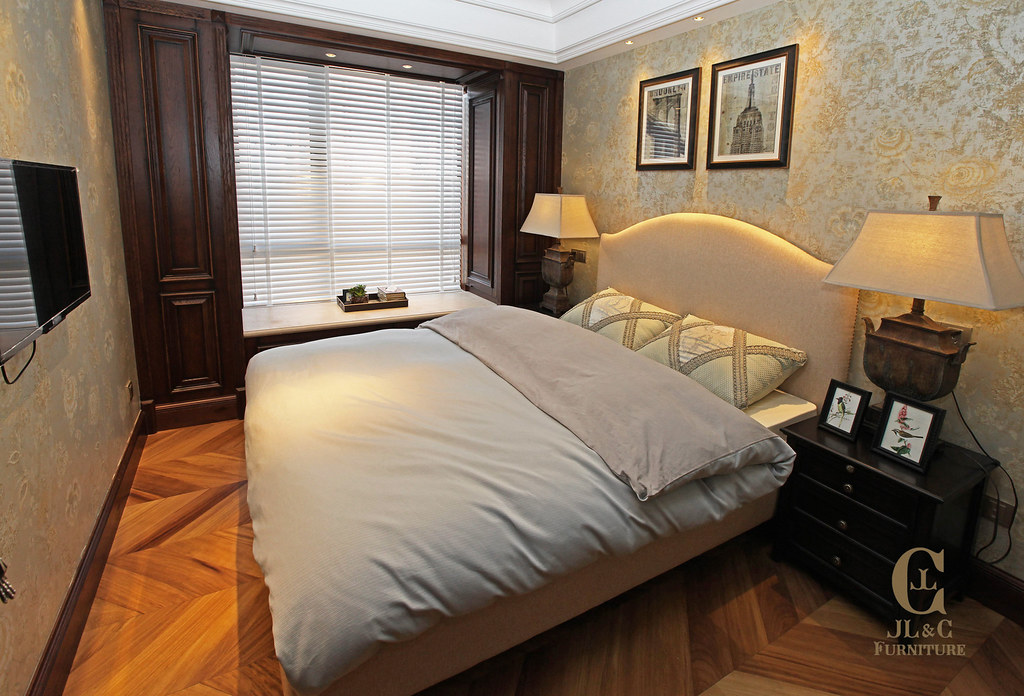


 The businesses gaining market share in this new environment aren’t necessarily larger — they’re more visible during research, more useful during specification, and easier to work with at every stage of the transaction.