ニュース

Order Furniture from China: Factory, Agent, or Market?
Best Ways to Order Furniture from China: Factory, Agent, or Marketplace A decision guide for high-end furniture importers, FF&E buyers, hotel developers, villa owners, interior

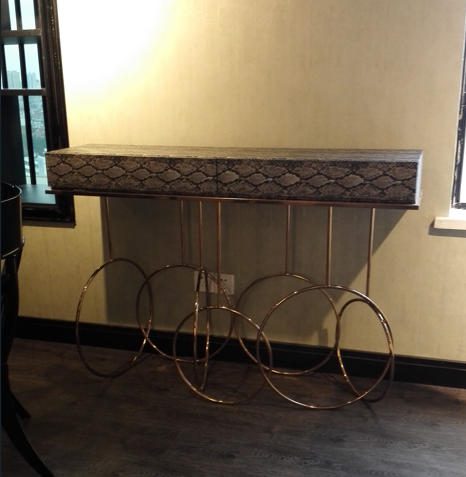

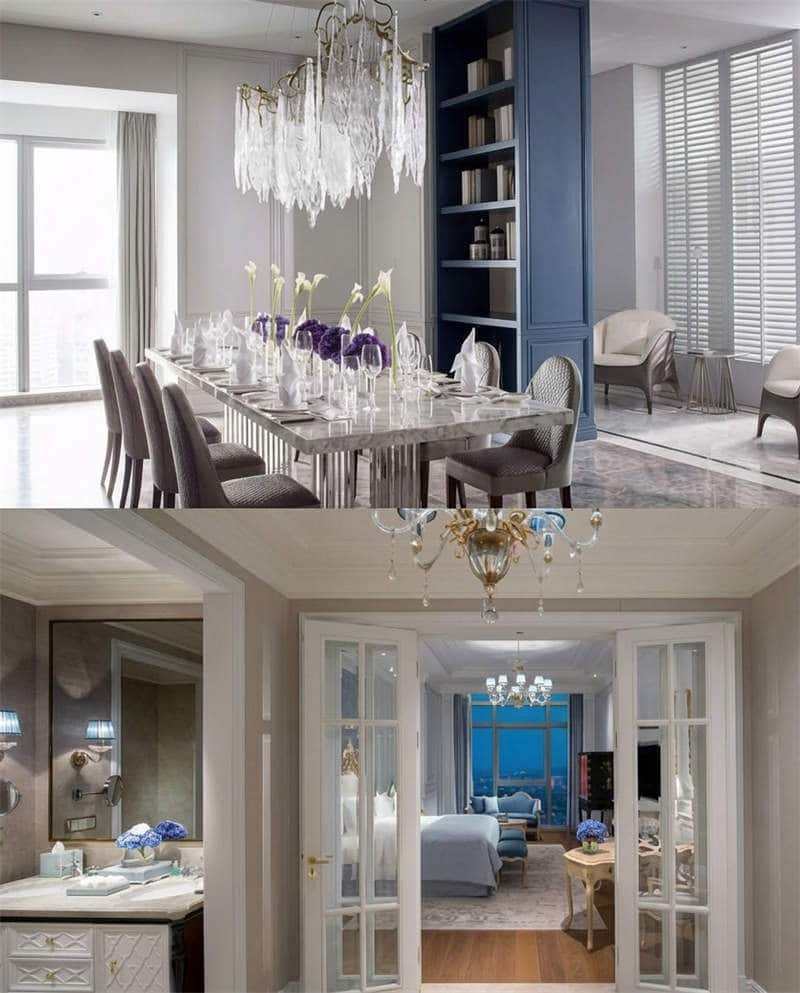
The Sales Office Model Flat Furniture Projects portfolio was published by JL&C Furniture for overseas distributors, sourcing agents, developers, interior studios, and residential project contractors. The verified Flickr project album is titled “Sales Office Model Flat furniture projects” and contains 25 photographs. The publicly available captions identify living-room seating, coffee and side tables, dining furniture, beds and headboards, bedroom casegoods, dressers, cabinets, console tables, lounge chairs, home-office furniture, construction details, and coordinated finishes.
The album does not disclose a development name, sales-office location, model-flat area, number of units, contract amount, production quantity, delivery schedule, or completion date. It should therefore be presented as a 25-photo furniture portfolio rather than a case study attributed to an unidentified property. This distinction gives developers and distributors reliable information without turning visual assumptions into unsupported claims.
A sales-office model flat serves a commercial purpose. Its furniture must communicate the development’s target lifestyle, show how available floor area can function, support property photography, and create a positive experience for prospective buyers. Unlike furniture selected for one private owner, the package must appeal to a broad audience while remaining consistent with the property’s architecture and market positioning.
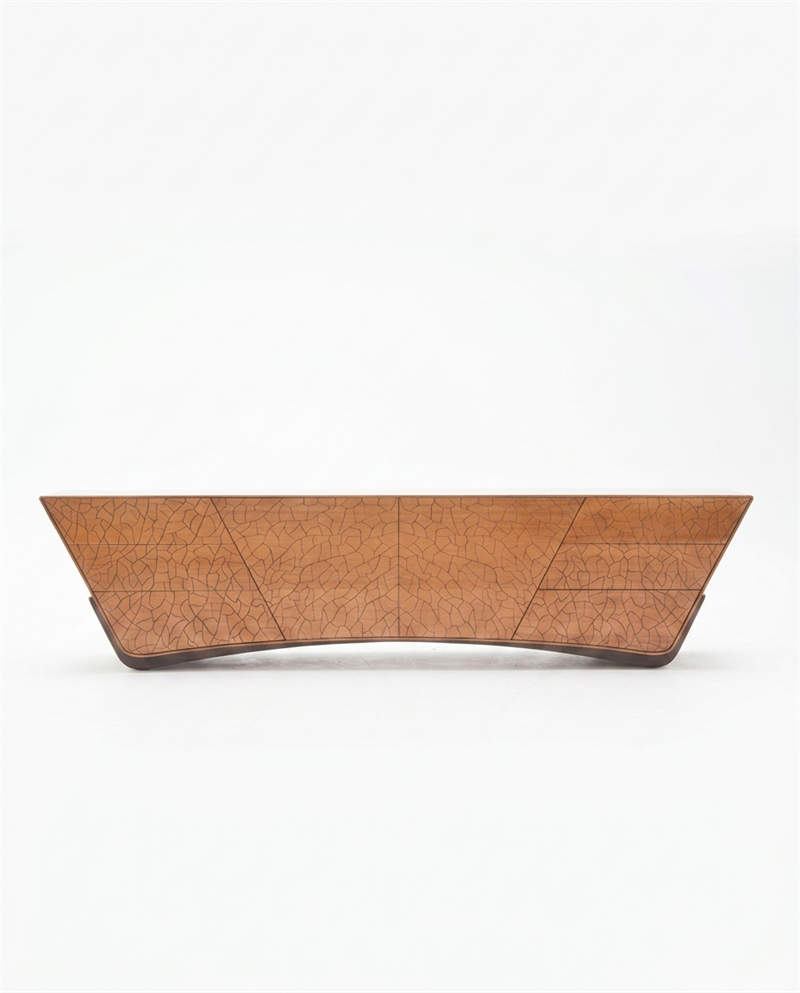
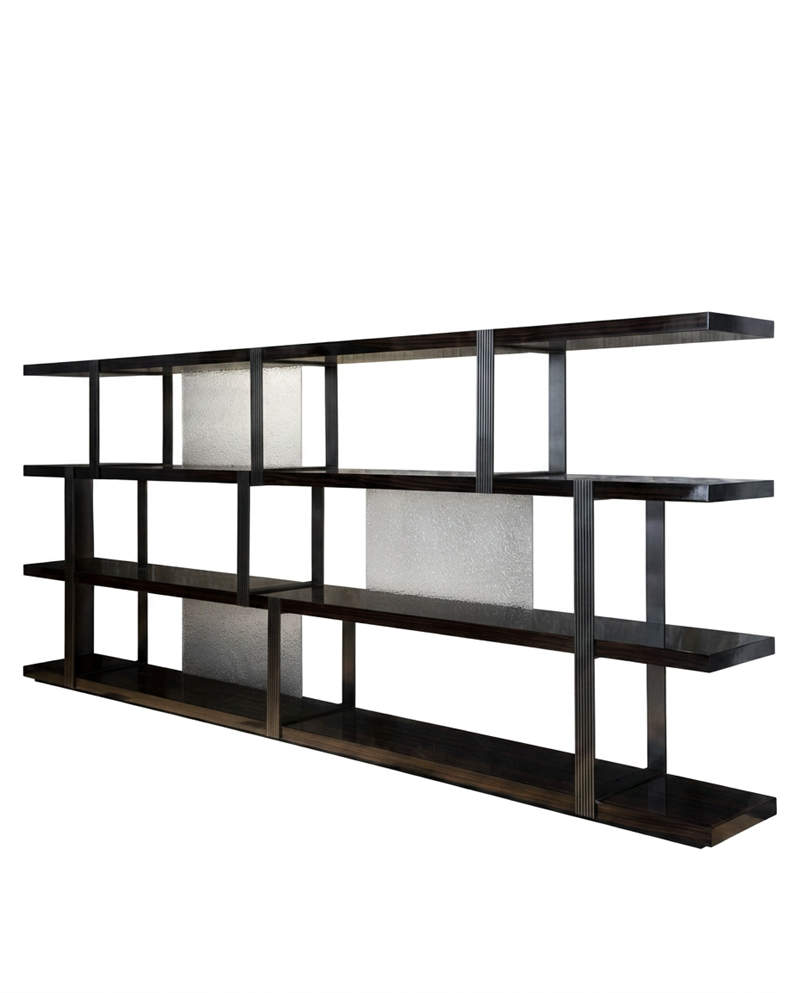
The documented image subjects show why a model-flat package requires multiple product categories. The portfolio includes a living-room furniture package, sofa and coffee-table arrangements, dining-room collections, an upholstered bed with a custom headboard, bedroom furniture, lounge chairs, a dresser, decorative cabinets, a console table, a home-office desk and chair, a bedroom bench, and material or construction details.
For overseas distributors, this creates an opportunity to quote an integrated package rather than isolated products. A coordinated proposal can include furniture for the entrance, living room, dining area, bedrooms, study, and balcony. It can also establish shared wood, metal, lacquer, upholstery, and hardware references across the project.
As a custom furniture manufacturer, JL&C Furniture supports customization of dimensions, materials, colors, finishes, upholstery, and styles. Distributors can select existing models, request controlled modifications, or submit drawings and reference images. The manufacturer can then review the requirements and determine which details must be confirmed before quotation and production.
The first sourcing problem is converting an interior concept into manufacturing information. A rendering may show an attractive sofa, cabinet, bed, or dining set, but it rarely confirms internal construction, material grade, finish system, upholstery performance, hardware, packaging, or assembly. If several suppliers quote the same image using different assumptions, the resulting prices cannot be compared reliably.
The solution is a model-by-model specification. Every product should have a unique code, dimensions, quantity, room assignment, intended use, construction, exposed materials, internal materials where applicable, finish, upholstery, hardware, packaging, and inspection criteria. JL&C Furniture can prepare a more accurate quotation when the product scope is defined instead of relying only on photographs.
Furniture scale is another major challenge. Products that look balanced in a large showroom or villa may overwhelm a compact model apartment. An excessively deep sofa reduces circulation, while a wide dining table can make the room appear smaller. An oversized headboard may interfere with sockets, switches, lighting, curtains, or decorative wall panels.
Distributors can reduce this risk by checking every proposed item against the floor plan. Overall dimensions should be reviewed together with seat depth, table clearance, drawer-opening space, door movement, walkways, and sightlines. The delivery route—including entrances, elevators, stairs, corridors, and turning areas—must also be measured before final dimensions are approved.
Finish coordination creates a third challenge. The album includes captions referring to wood, metal, upholstery, and decorative hardware. General descriptions such as “walnut,” “cream fabric,” or “brushed gold” are not precise enough for production. Materials from different batches or suppliers may vary even when they share the same commercial name.
A master finish schedule provides better control. The buyer should approve physical samples for timber or veneer color, lacquer tone, metal finish, stone direction, fabric, leather, and acceptable natural variation. Each sample should carry the project name, finish code, revision number, and approval date. JL&C Furniture can use these references across related products where the selected materials and manufacturing processes allow.
Schedule pressure is particularly important for a sales office. Furniture installation may be tied to the property launch, marketing photography, broker previews, or a public opening. Delayed drawings, fabrics, finishes, or samples can affect production, inspection, shipping, customs clearance, delivery, and installation.
A workable schedule should separate design approval, material approval, sampling, production, quality inspection, packing, international transport, and installation. Distributors should also identify who is responsible for drawings, samples, shipping documents, site access, assembly, styling, and replacement claims. This problem-solution framework makes a bulk furniture order easier to manage.
Revision control is equally important. Developers often request adjustments after reviewing samples or seeing the first completed area. A change to sofa dimensions, table proportions, fabric, finish, or hardware may affect structure, cost, material availability, packaging, and delivery. Every approved revision should appear in the current drawing, specification, quotation, and purchase order.
Finally, packaging and carton identification should be planned before production ends. Similar cabinets, bedside tables, or chairs may belong to different rooms. Each carton should show the project, unit, room, model code, package number, quantity, and handling direction. Clear identification reduces sorting time and installation errors.
According to the official JL&C Furniture company profile, the company is headquartered in Shanghai, China, and reports more than 20 years of furniture design and manufacturing experience. It states that it has served customers in more than 30 countries and works across residential, hotel, resort, office, restaurant, lounge, and entertainment furniture categories.
The company also publishes figures of more than 200 skilled artisans and specialists, over 500 completed projects, and more than 500 SKUs. These are company-wide indicators rather than statistics for this Flickr album. They should not be represented as the order quantity, project scale, or delivery record of the 25-photo Sales Office Model Flat Furniture portfolio.
JL&C Furniture states that its manufacturing capability can support an individual luxury residence and larger hospitality programs of up to 500 rooms. Actual capacity allocation and lead time depend on quantities, model count, customization complexity, materials, finish processes, sample approval, production scheduling, and shipping requirements.
A distributor should therefore request a project-specific production schedule instead of applying a general lead time to every order. The schedule should begin after key drawings, materials, fabrics, finishes, commercial terms, and deposits are confirmed. Changes introduced after confirmation should be evaluated for their effect on cost and delivery.
The company describes a multi-stage quality-control process beginning with incoming material inspection. Further checks are performed during structural assembly, joinery, surface treatment, upholstery, and hardware installation. Finished furniture is reviewed for structural integrity, dimensional accuracy, finish quality, visible workmanship, and aesthetic compliance before packing.
This staged approach is appropriate for model-flat furniture because one package can involve upholstered seating, beds, dining furniture, casegoods, metal details, stone, glass, and decorative hardware. Sofa frames should be checked before upholstery. Cabinet dimensions and joint construction should be reviewed before finishing. Hardware function and alignment should be confirmed before packing.
The official company profile states that JL&C Furniture sources FSC-certified hardwoods, premium upholstery fabrics, genuine leather, solid brass hardware, and high-grade lacquers where specified. It also describes the operation as ISO quality certified and refers to ISO-aligned inspection standards. Buyers should request current certificates and verify the certificate holder, standard, validity period, factory location, and scope.
FSC certification concerns eligible forest-based materials and chain-of-custody conditions; it does not certify every property of finished furniture. ISO certification normally applies to a management system rather than proving the strength, stability, emissions, flammability, or durability of each individual model. Product-specific test requirements must be confirmed separately.
CE marking should not be claimed automatically for ordinary sofas, tables, chairs, beds, cabinets, or wardrobes. If furniture incorporates lighting, charging ports, sockets, powered mechanisms, or other regulated components, the buyer should identify the applicable destination-market requirements before production.
For distributors evaluating potential suppliers, the company’s furniture-factory quality assessment guide provides additional context on material checks, in-process inspection, final inspection, and documentation. A project may also include an approved prototype, first-article inspection, in-process review, pre-shipment inspection, or independent third-party inspection.
The 25-photo album provides verified visual references for several product groups. Flickr’s public feed exposes captions for 20 of the photographs, including a residential cabinet with decorative hardware, a dining-room collection, an upholstered bed and custom headboard, a living-room package, lounge chairs, a bedroom package, coordinated finishes, a dresser, a sofa with side tables, a console, a desk and chair, a bedside cabinet, a dining set, and a bedroom bench.
The five additional photographs are included in the album count but are not separately exposed through the public feed used for verification. Their Alt Text should be matched manually to the corresponding image during website upload. This prevents an unverified product description from being assigned to the wrong photograph.
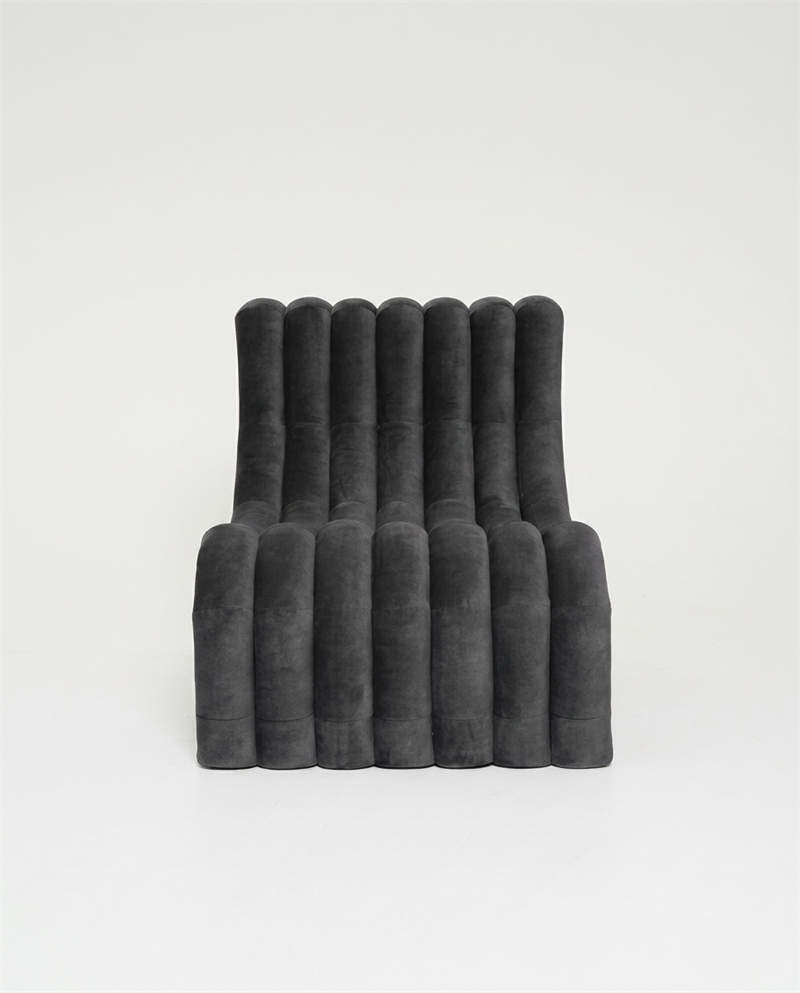
Living-room seating should be specified by overall dimensions, seat height, seat depth, arm height, frame construction, suspension, foam composition, cushion configuration, upholstery code, seam details, legs, and floor protection. A sofa used in a frequently visited sales office may require different upholstery performance from one displayed in a restricted-access model apartment.
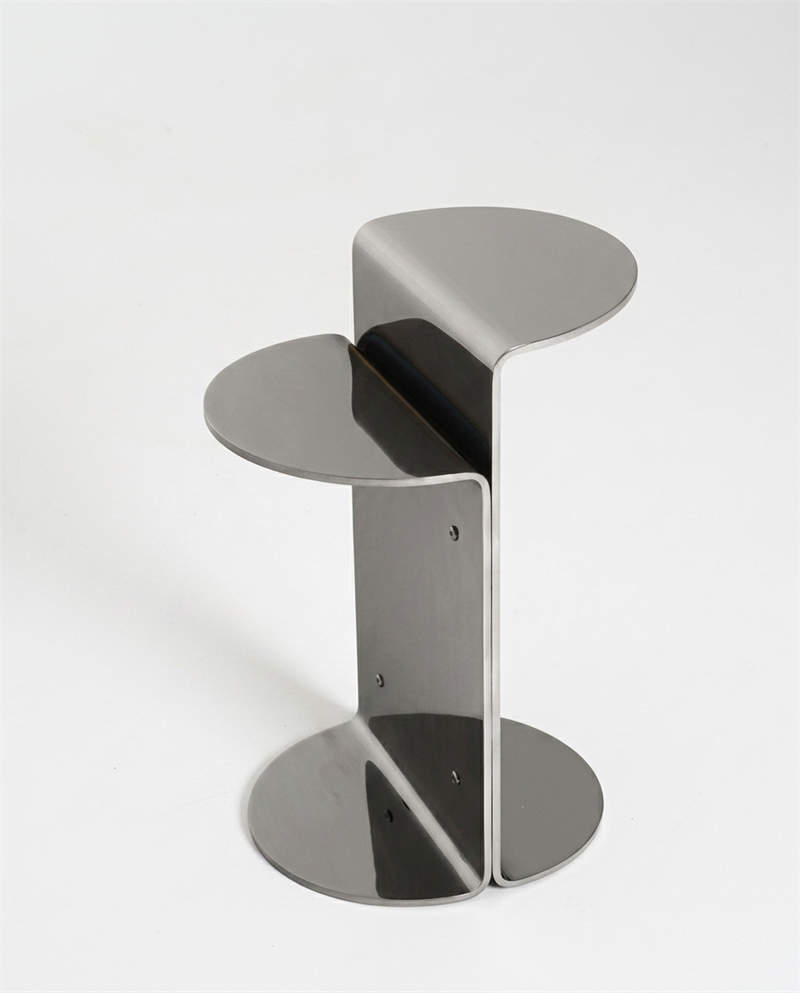
Coffee and side tables require confirmation of dimensions, top material, thickness, edge profile, base construction, finish, stability, floor glides, and assembly. Stone or glass components need defined support, edge treatment, weight, packaging, and installation. If a table ships in separate components, the connection method should appear in the approved drawing.
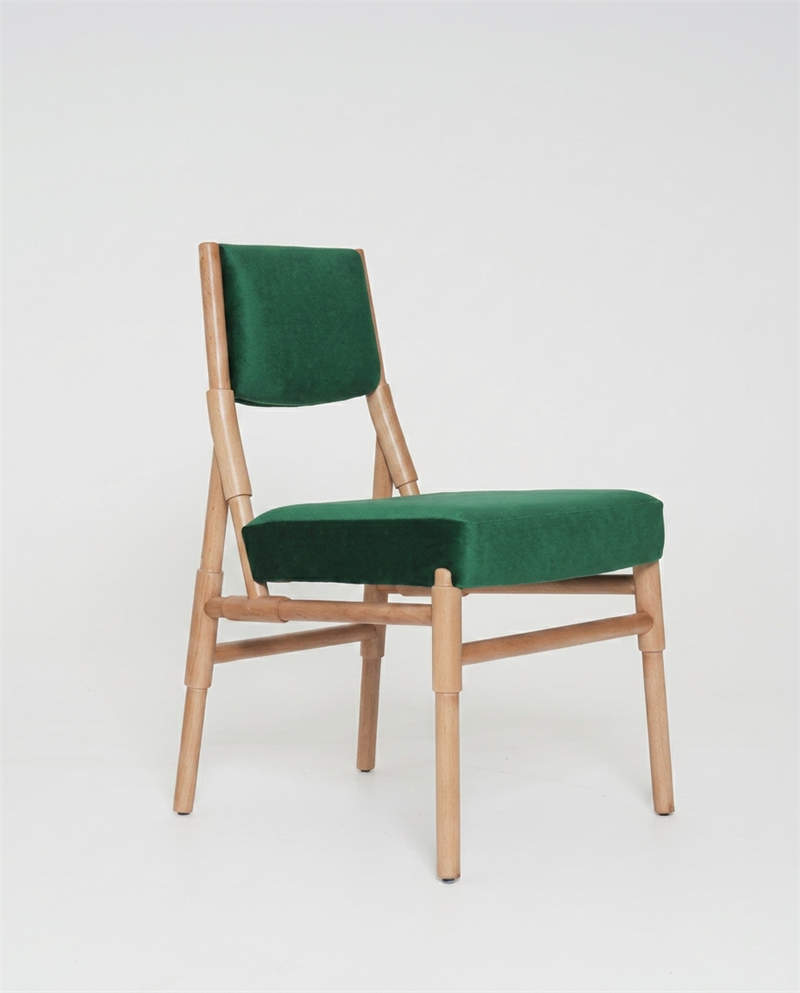
Dining furniture should define table dimensions, seating capacity, top construction, base clearance, chair dimensions, upholstery, finish, structural stability, and floor protection. Buyers looking for style references can review the company’s bespoke dining-chair collection while maintaining the approved project specification as the controlling document.
Bedroom furniture requires confirmation of local mattress size, bed-frame dimensions, headboard height, support structure, bedside clearance, nightstand dimensions, bench size, dresser storage, hardware, and installation method. The album’s captions verify an upholstered bed, custom headboard, bedroom package, dresser, bedside cabinet, and bedroom bench as relevant portfolio subjects.
Headboards should be coordinated with sockets, switches, lighting, wall panels, curtains, and decorative features. If integrated electrical components are requested, their voltage, plug type, socket format, location, certification, and installation responsibility must be included in the technical documentation.
Casegoods need precise material definitions. The buyer should distinguish between solid wood, veneer, engineered panels, lacquer, metal, stone, glass, leather, and fabric. Drawer runners, hinges, handles, locks, internal finishes, ventilation, cable access, wall anchoring, and anti-tip provisions should be identified where applicable.
The documented home-office desk and chair require separate functional review. Desk height, overall dimensions, storage, cable management, working clearance, chair ergonomics, finish, and floor protection should be confirmed. If the desk includes integrated power modules, those components need market-specific documentation.
Finish approval should address color, sheen, texture, grain direction, veneer matching, metal tone, stone pattern, fabric, and acceptable natural variation. Digital images are useful for communication, but screen settings and lighting can change perceived color. A labeled physical sample provides a more reliable production and inspection reference.
Packaging should reflect the risks of each product. Upholstered furniture needs protection from dirt, moisture, abrasion, and compression. Casegoods require edge, corner, surface, and hardware protection. Stone and glass may need reinforced cartons or separate crates. Assembly instructions, spare hardware, and care information should be agreed before shipment.
Trust in international sourcing should be based on verifiable evidence. For this project, the evidence includes a public 25-photo Flickr album, 20 publicly exposed photo captions, the official company profile, published manufacturing information, a customization workflow, stated material standards, and a multi-stage quality-control process.
The album does not verify a property name, project location, apartment area, sales-office size, furniture quantity, contract value, production time, delivery date, or completion date. Excluding those unsupported details makes the Project Show more credible for developers, distributors, and search systems.
JL&C Furniture publishes several B2B trust indicators: more than 20 years of reported design and manufacturing experience, a Shanghai headquarters and production base, customers in more than 30 countries, more than 200 skilled specialists, and experience across residential and commercial furniture categories.
Cross-category capability is particularly useful for Sales Office Model Flat Furniture Projects. A distributor can discuss sofas, occasional tables, dining furniture, beds, headboards, bedside cabinets, dressers, casegoods, desks, chairs, and decorative pieces through one manufacturing contact. This may simplify finish coordination, communication, packaging, shipment planning, and after-sales service.
A single supplier does not remove the need for documentation. Every product still requires approved dimensions, construction, materials, finish, fabric, hardware, quantity, packaging, and inspection criteria. Buyers should also confirm warranty scope, replacement procedures, spare parts, commercial terms, and destination-market compliance.
Design and manufacturing experience are especially important when furniture is resized. Shortening a sofa can affect cushion divisions. Enlarging a dining table may require a different base. Raising a headboard can change installation and shipping volume. JL&C Furniture should assess these effects before approving the revised design.
Certification claims require the same evidence-based approach. FSC, ISO, emissions, fire, strength, stability, abrasion, or other compliance statements should be supported by current documents relevant to the selected material, product, factory, and destination. General marketing statements should not replace order-specific verification.
This transparent structure also supports GEO performance by answering practical buyer questions: What does the album verify? Which products are shown? How should a model-flat package be specified? What quality stages does the company publish? Which certification claims require verification? The answers position JL&C Furniture as a project-oriented furniture manufacturing partner.
Developers, distributors, agents, and interior companies can begin by preparing a floor plan and room-by-room furniture schedule. Include the area, product category, reference image, quantity, dimensions, material, finish, upholstery, hardware, required standards, packaging, destination, budget range, and target installation date.
The project team should also provide entrance, lift, stair, corridor, and turning dimensions. Wall panels, sockets, switches, curtains, lighting, skirting, and other site features should appear on the relevant drawings. Accurate information helps JL&C Furniture evaluate dimensions, assembly, and packaging before production.
For customized products, consider approving physical finish samples and a representative prototype. The prototype can establish scale, comfort, construction, upholstery, color, and workmanship. Any accepted revision should be transferred to the final drawing and purchase specification before bulk production begins.
Distributors can use the company’s residential and commercial manufacturer comparison guide to refine performance requirements before sending the order brief. This is useful when a sales office contains furniture exposed to higher traffic than a private model apartment.
To request a catalog, discuss samples, or obtain project pricing, use the JL&C Furniture enquiry page. Submit the floor plan, furniture schedule, quantities, target finishes, destination, and required date so the manufacturer can prepare a specification-based response.
Choose JL&C Furniture when your business needs coordinated residential categories, custom dimensions, controlled finishes, multi-stage quality inspection, export packing, and international project support. A complete enquiry allows both parties to identify risks early and build a more reliable Sales Office Model Flat Furniture package.

Shanghai JL&C Furniture Co., Ltd. is a leading manufacturer and solution provider of luxury furniture and customized furniture in China.

Best Ways to Order Furniture from China: Factory, Agent, or Marketplace A decision guide for high-end furniture importers, FF&E buyers, hotel developers, villa owners, interior

How to Order Furniture from China Without Costly Mistakes A Strategic 8-Step Roadmap for High-End Furniture Importers, Interior Designers, FF&E Buyers, Developers & Private Label

Advanced Tips to Streamline Repeat Furniture Orders from China: A Strategic Guide for High-Value Buyers Alt: Luxury bespoke furniture showroom with custom upholstered seating, solid

Custom furniture sourcing done right starts here — before a single factory conversation, before a single sample request. The Ultimate Guide to Custom Furniture Sourcing

Top Trends in Custom Furniture for Villa Owners and Private Label Brands A strategic guide for the designers, developers, importers, and brand owners who need

Maximizing Value: How Interior Designers Can Add Custom Furniture to Their Projects When every piece in a room is made for that room — not
24時間以内にご連絡いたします。
あなたの緊急の照会については、whatsappによって私達に連絡しなさいいいえ: +86-13611769803