ニュース

China Furniture Sourcing Agent: Roles for High-End Buyers
China Furniture Sourcing Agent Roles for High-End Buyers What a China Furniture Sourcing Agent Actually Does for High-End Buyers Every finished luxury room sits on

Understanding China’s furniture manufacturing ecosystem is essential for distributors, agents, and designers who need reliable supply chains, consistent quality, and innovative designs. This comprehensive behind-the-scenes guide reveals how Guangzhou and Foshan’s production hubs operate—helping you make informed sourcing decisions, negotiate better terms, and confidently recommend products to your clients.
 A statement dining piece of the kind regularly produced in Foshan’s premium manufacturing district — photographed here in a high-end showroom context. Image: Unsplash
What You’ll Discover in This Guide:
Every distributor, agent, and interior designer working in the premium furniture space eventually arrives at the same realization: the gap between a profitable, seamless supply chain and a frustrating, margin-eroding one almost always comes down to how well you understand what happens before the container is loaded. This guide exists to close that gap.
Inside, you will find an honest, granular account of how the Guangzhou–Foshan manufacturing corridor actually operates — not a marketing brochure, but a working professional’s map of the production landscape. You will understand why these two cities serve more than 150 countries, how factories keep design pipelines ahead of global trends, where quality control checkpoints sit in the production timeline, and what levers you actually have when negotiating terms, sampling timelines, and customization scopes. Whether you are placing your first bulk order or renegotiating an existing supplier relationship, the intelligence in this guide will sharpen your decisions.
When buyers talk about “sourcing from China,” they are almost always — whether they know it or not — talking about a roughly 60-kilometer corridor between Guangzhou and Foshan in Guangdong Province. Guangzhou alone hosts more than 8,000 furniture manufacturers, a concentration that has no parallel anywhere in the world. That density is not accidental; it took decades of deliberate infrastructure investment, port expansion, and supply-chain clustering to build.
The Guangzhou port complex — Nansha Terminal in particular — handles container volumes that make it one of the five busiest port facilities on earth. For you as a buyer, that translates into freight options: weekly sailings to Europe, North America, the Middle East, and Southeast Asia, with consolidated (LCL) services that make smaller orders economically viable. The city’s Pazhou International Convention and Exhibition Center hosts the Canton Fair twice yearly, functioning as a live sampling floor where thousands of manufacturers present their latest collections under one roof — an intelligence-gathering opportunity that no trade catalog can replicate.
China’s furniture manufacturers collectively reported revenues of approximately USD $95 billion in 2024, with the country accounting for nearly 30% of global furniture exports by value. The Guangdong cluster — Guangzhou and Foshan combined — generates the largest share of that output, supported by a logistics infrastructure that reduces lead times for buyers in the US by roughly 18–22 days compared to sourcing from Vietnam or Indonesia for equivalent product categories.
If Guangzhou is the volume engine, Foshan is the craft laboratory. By 2024, Foshan’s furniture industry alone achieved an annual output value exceeding USD $14.3 billion, with more than 30,000 enterprises — roughly 7,000 of which are dedicated manufacturers — operating across its districts. The Lecong and Longjiang sub-districts are particularly concentrated in upholstered seating, modular bedroom systems, and solid-wood case goods, with machinery investment levels that regularly exceed what you would find in competing hubs in Europe or Southeast Asia.
For showroom owners and interior designers sourcing bespoke pieces, Foshan’s real competitive advantage lies in its skilled labor density combined with advanced CNC and robotics infrastructure. The result is a production environment where a sofa frame can be cut to millimeter-level precision by automated machinery and then hand-finished by craftspeople trained in traditional joinery — a combination that is genuinely difficult to replicate in lower-cost manufacturing regions. Factories here regularly supply to European luxury brands on a white-label basis, manufacturing to specifications that satisfy EN 12520 (seating durability) and EN 14073 (office storage) standards.
The most important competitive advantage the Guangzhou–Foshan cluster offers your business is optionality within proximity. When you source from a single country or region with limited factory density, a supply disruption — a factory fire, a labor dispute, a regulatory shutdown — leaves you exposed. In this corridor, you can identify three to five qualified suppliers for the same product category within a 40-kilometer radius, giving you the negotiating leverage and redundancy that protects your client delivery commitments.
Raw material proximity compounds this advantage. Timber supply chains from Southeast Asia and domestically grown birch and rubber wood feed directly into Guangdong through dedicated logistics channels. Fabric and foam suppliers, hardware manufacturers, lacquer and finishing chemical producers — all operate within the same industrial ecosystem, which means your factory partner is not waiting weeks for components from distant suppliers before they begin your production run.
 Hand-finishing detail work in a Guangdong premium furniture workshop — the kind of craftsmanship that distinguishes Foshan’s output from purely automated manufacturing. Image: Unsplash
A persistent misconception among first-time buyers is that Chinese factories are purely reactive — waiting for a client brief before a design team wakes up. The reality at the tier-one Guangzhou and Foshan factories is nearly the opposite. Most established manufacturers of scale maintain in-house design studios staffed by designers who monitor Salone del Mobile in Milan, Maison & Objet in Paris, and High Point Market in North Carolina. They subscribe to WGSN and Trendalytics, and many have established co-design relationships with European and North American design consultancies.
This investment in trend intelligence means that when you arrive with a client brief referencing “warm minimalism” or “organic modernism,” a capable factory design team already has material samples, silhouette references, and production-ready CAD files in development — not because they guessed what you wanted, but because they have been watching the same market signals your most sophisticated clients are responding to.
For seasonal buying, this matters practically: factories typically release two to three new collections annually, with pre-production samples available for review 90–120 days before the intended launch window. Distributors who participate in these early-stage reviews gain first-mover access to differentiated products before competitors see them at trade fairs.
Sample development is where many distributor relationships either deepen or stall. The standard timeline for a custom sample — a piece built to your modified specification from an existing base design — is 15 to 25 working days, though complex structural modifications or novel material combinations can push this to 35 days. Ground-up original designs typically require 30–45 days for a first sample.
Sample fees at reputable factories range from approximately $200 to $500 per piece, and most factories will credit this against your first production order once you place it. The critical practice is to provide explicit reference materials upfront: dimensioned technical drawings, physical material swatches where possible, reference photographs with annotations, and written specifications for any functional requirements (drawer load capacity, seating depth, weight-bearing standards). The more precise your brief, the fewer revision cycles you absorb — and each revision cycle adds 7 to 14 days to your timeline.
Quality control begins at the sample stage. When you receive your prototype, conduct a structured evaluation: check dimensions against specification, assess finish uniformity under different lighting conditions, test functional hardware through 50+ open/close cycles, and evaluate fabric tension and upholstery seaming. Document every finding photographically and return a written punch list rather than verbal feedback — this creates a paper trail that protects both parties.
The more progressive factories in the Foshan cluster have invested significantly in digital pre-production visualization. CAD modeling (primarily in AutoCAD and SolidWorks) is standard practice; photorealistic 3D rendering that allows you to present a finished piece in a client’s specific room context before sampling begins is increasingly common among tier-one suppliers. Some factories offer virtual showroom environments where your interior design clients can configure and visualize furniture selections in real time — a capability that reduces revision requests and accelerates client approval.
From a sustainability standpoint, digital pre-production also reduces material waste: a design validated digitally before physical sampling eliminates one to two physical sample iterations, reducing the wood, fabric, and chemical inputs consumed in the development process.
📺 Watch: Foshan High-End Furniture Factory Tour — Production Floor, Quality Control & Showrooms

The Louvre International Furniture Mall in Foshan — the world’s largest furniture market — gives a visceral sense of the scale and sophistication of the Guangdong manufacturing ecosystem. (Source: YouTube)
The materials that arrive at a factory loading dock determine the ceiling on what can be produced — no amount of craftsmanship recovers a piece built from warped lumber or substandard foam. Reputable Guangzhou and Foshan manufacturers operate incoming material inspection (IMI) protocols that verify wood moisture content (typically required to be within 8–12% for interior furniture to prevent post-production warping), fabric tensile strength and abrasion resistance (minimum Martindale ratings of 25,000–50,000 rubs for commercial-grade upholstery), and hardware torque specifications.
For distributors and agents supplying hospitality clients — hotels, resorts, serviced apartments — the material traceability question is non-negotiable. Reputable factories maintain batch records that link each production run to specific material lots, enabling you to respond credibly if a hotel procurement manager asks about wood sourcing or chemical compliance. Factories holding FSC Chain of Custody certification can provide documentation confirming that wood components originated from responsibly managed forests — a requirement that is increasingly written into hotel brand procurement specifications.
The table below illustrates the core certifications you should verify, what each covers, and the practical implication for your business:
| Certification | What It Covers | Why It Matters to You |
|---|---|---|
| FSC | Responsible forest sourcing of wood | Required by major hotel brands & eco-conscious retailers |
| OEKO-TEX Standard 100 | Fabric free from harmful chemicals | Critical for children’s furniture; increasingly standard |
| ISO 9001:2015 | Quality management systems | Baseline for consistent production processes |
| ISO 14001 | Environmental management system | Supports your sustainability claims to clients |
| EN 12520 / EN 12521 | Seating strength & durability | Mandatory for EU market entry |
| ANSI/BIFMA | Office & commercial furniture performance | Required for US commercial projects |
| SA8000 / SEDEX | Labor practices & social responsibility | Supports ethical sourcing narratives |
| CARB Phase 2 | Formaldehyde emissions in wood products | Required for California market; good global baseline |
The most commercially successful factories in the Foshan cluster have resolved what might initially seem like a contradiction: they run highly automated production lines for structural components while maintaining skilled handwork stations for finishing, detailing, and quality-critical assembly. A typical high-end sofa production line might use CNC foam cutting machines (accurate to ±2mm) and automated fabric-cutting plotters for component preparation, then pass frames and covers to experienced upholsterers who hand-stitch button tufting, align pattern-matched fabric panels, and apply final finishing details.
This is the distinction that separates Foshan’s premium tier from low-cost manufacturing alternatives: automation handles repeatability and speed, while skilled human hands handle the variability points that machinery cannot resolve reliably — curved upholstery transitions, hand-rubbed lacquer finishes on solid wood, marquetry inlay work on statement pieces. For showroom owners and designers specifying luxury residential furniture, understanding this balance helps you explain to clients why a piece produced in this corridor at a given price point is genuinely better than an equivalent-priced domestic or European product.
Modern Guangdong furniture factories are organized around cellular manufacturing principles — production cells grouped by product family rather than process type, which reduces work-in-progress inventory and minimizes handling damage between stages. For you as a buyer, the practical implication is that your order moves through the factory as a cohesive batch rather than individual components scattered across a sequential line, making it easier for your factory contact to give you an accurate, real-time production progress update.
Most established factories operate ERP (Enterprise Resource Planning) systems that track material consumption, production stage completion, and quality hold flags in real time. When you are managing delivery commitments to your own clients, asking your factory contact for weekly production milestone updates — rather than waiting for a shipping notification — allows you to identify and address delays before they become client relationship problems.
 Premium upholstered seating — a category in which Foshan manufacturers hold a globally recognized production advantage. Image: Unsplash
Quality control in a well-run Guangzhou or Foshan factory is not a single event at the end of production — it is a continuous process woven through every stage of manufacturing. The structure typically follows three checkpoints.
Incoming Material Inspection (IMI) occurs before any production begins: materials are sampled against specification sheets, and non-conforming lots are quarantined and returned to the supplier. In-Process Quality Control (IPQC) monitors critical assembly stages — frame jointing, foam layering, upholstery tensioning, hardware installation — with documented checkpoints that halt production if parameters fall outside specification. Final Random Inspection (FRI) applies a statistical sampling methodology (commonly AQL 2.5 for general defects, AQL 1.0 for critical defects) to finished goods before packing.
For orders above a certain value threshold — typically $30,000+ depending on the factory — many experienced distributors commission an independent third-party inspection through firms such as QIMA, Bureau Veritas, or SGS. A pre-shipment inspection report from a credentialed third party costs approximately $250–$400 per man-day and provides documented evidence of conformity that you can present to your clients and that protects you in any shipping damage or defect dispute.
Understanding which testing standards apply to your specific product categories and target markets is one of the highest-leverage pieces of knowledge you can acquire as a buyer. The table below maps key standards to product categories and markets:
| Standard | Product Category | Applicable Market |
|---|---|---|
| EN 1728 / EN 12520 | Upholstered seating strength | European Union |
| EN 716 | Children’s beds safety | European Union |
| ANSI/BIFMA X5.1 | Office seating durability | United States |
| California TB 117-2013 | Upholstery flammability | USA (California) |
| BS 7177 / Crib 5 | Mattress/upholstery flammability | United Kingdom |
| REACH / RoHS | Chemical substance restrictions | European Union |
| CARB Phase 2 | Formaldehyde (composite wood) | USA (all states) |
Reputable factories maintain these certifications for their standard product lines. For custom pieces or new material combinations, confirm which certifications apply to your specific order and request test reports from accredited laboratories — not just factory self-declarations.
When defects are identified — whether by your factory-side inspection or upon receipt — the process matters as much as the outcome. Document everything with timestamped photographs, measurements, and written descriptions before any goods are moved or processed. Notify your factory contact within the claim window specified in your agreement (standard practice is 10–15 days from confirmed delivery for visible defects, longer for latent structural issues).
Reputable factories will respond with one of three resolutions: rework and reship the affected units, issue a replacement production run with a priority timeline, or apply a credit against your next order. The critical variable is whether these resolution options and their associated timelines are written into your supplier agreement in advance — factories that resist committing to written defect resolution terms should be treated as a yellow flag during the qualification process.
Custom capability is where the Guangzhou–Foshan cluster’s combination of design talent, material access, and production scale creates a genuine commercial advantage for the distributors and agents who know how to use it. Dimension modifications — adding 100mm to a sofa depth for a specific residential project, reducing a bed frame height to clear a sloped ceiling — are typically achievable with a 3–7 day design adjustment period before production begins, with minimal or no additional tooling cost.
Material substitutions are similarly flexible within a factory’s established supplier network. A frame designed for beech veneer can typically be produced in walnut, oak, or ash with 5–10 working days for material sourcing confirmation. Fabric substitutions from outside a factory’s standard library require physical sample approval and may add 10–15 days for supplier procurement. Finish customizations — RAL color matching for lacquer, custom stain development for wood — involve a physical sample approval step that adds 7–14 days but delivers a result your client cannot source from a generic catalog.
At JL&C Furniture, our clients — showroom owners, hospitality designers, and regional distributors — regularly leverage this customization depth to create exclusivity in their markets. A distributor in the Middle East, for instance, specified a sectional sofa in a custom sand-toned performance fabric with hand-carved frame detailing, a combination that was commercially impossible to source anywhere else at their required price point and MOQ.
White-label production is a substantial and growing segment of the Guangzhou–Foshan output, and it represents one of the clearest paths to margin improvement for distributors and agents operating in competitive markets. Under a private-label arrangement, you supply your brand name, logo, and packaging specification; the factory produces goods that arrive at your customer’s door branded as your product. The differentiation value is real: your clients cannot comparison-shop the item on a search engine because it does not exist under a generic manufacturer’s name.
MOQs for branded production typically start at 50–200 units per SKU for established factories, though this varies significantly by product type and factory scale. Packaging customization — branded foam inserts, custom-printed outer cartons, assembly instruction booklets bearing your logo — adds approximately $3–$12 per unit to landed cost depending on complexity, a figure that is generally recoverable within the first order at the margin improvement white-labeling enables.
A professional-grade factory relationship delivers documentation, not just product. Before your first production order ships, you should expect to receive: dimensioned technical drawings in PDF and DWG format, material specification sheets with supplier batch references, color/finish approval samples signed off against production, assembly instructions in your required language, and applicable test reports and certifications. This documentation package serves three functions: it protects your quality baseline for repeat orders, it gives your sales team accurate and defensible product information, and it reduces after-sale service costs by ensuring your clients’ installation teams have the information they need.
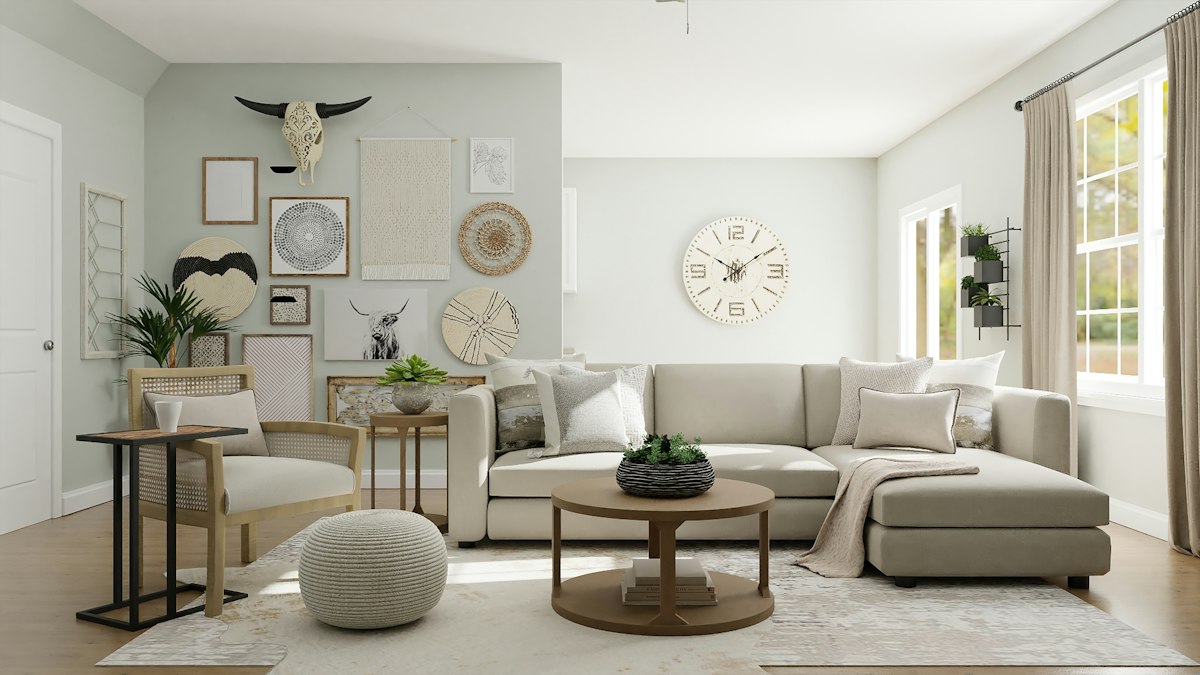 The kind of specification-driven interior design outcome your end clients are targeting — high-end residential living spaces demand furniture sourced from manufacturers capable of delivering at this level. Image: Unsplash
Fast-moving standard items at established Guangzhou and Foshan factories are typically held in finished goods inventory (FGI), meaning lead time for a repeat order of a stock design is the shipping transit time plus packing and documentation preparation — typically 5–7 business days ex-factory. Custom made-to-order pieces enter production on order confirmation and follow the full production timeline from that point.
For distributors managing regular restocking cycles, the most effective practice is to negotiate safety stock arrangements with your primary factory: a pre-agreed buffer quantity of your highest-volume SKUs held at the factory on a rolling basis, replenished automatically when inventory falls below a trigger level. This arrangement typically requires a deposit of 20–30% of the buffer stock value and converts your lead time exposure on those items from 30–60 days to 5–7 days — a competitive advantage when your retail clients need fast replenishment.
Furniture damage in transit is one of the most common and avoidable margin erosion events in this business. Professional factories invest in multi-layer protective packaging: EPE (expanded polyethylene) foam corner protectors, stretch-wrapping of completed pieces before cartonning, corrugated carton walls reinforced with edge protectors, and internal bracing for structural components. For premium upholstered goods, non-woven fabric bags protect finished fabric surfaces from abrasion before the outer carton layer is applied.
When reviewing a new factory’s packaging, ask specifically about compression test data for their standard carton specifications and request photographs of how your specific product type is packed. Damage claims that arrive at your warehouse are expensive not just in replacement cost, but in client relationship capital — a hotel project coordinator who receives scratched headboards from your delivery does not easily forget it.
Sea freight from Guangzhou/Foshan to major import ports follows predictable transit windows: approximately 25–30 days to the US West Coast, 32–38 days to the US East Coast via Panama Canal, 25–30 days to the Middle East (Dubai/Jebel Ali)そして 28–35 days to Northwest Europe. For time-sensitive orders, air freight from Guangzhou Baiyun International Airport is viable for smaller shipments (under 500kg), with transit times of 3–7 days at a cost premium of approximately 6–10x sea freight per kilogram.
The table below provides a practical lead time reference for planning purposes:
| Order Type | Production Lead Time | Sea Freight (to US West Coast) | Total Estimated Timeline |
|---|---|---|---|
| Stock reorder (existing design) | 5–7 days | 25–30 days | 30–37 days |
| Minor custom modification | 20–30 days | 25–30 days | 45–60 days |
| Standard custom order | 30–60 days | 25–30 days | 55–90 days |
| Complex custom / large volume | 60–90 days | 25–30 days | 85–120 days |
Always add a buffer of 7–10 days to these estimates when communicating with clients — port congestion, customs clearance variations, and inland delivery schedules routinely add time that is outside your or your factory’s control.
The shift in client sentiment toward sustainable sourcing has moved from aspirational to contractual for a significant segment of the hospitality and high-end residential markets. Hotel brands operating under IHG, Marriott, and Hilton standards increasingly embed environmental procurement requirements into their FF&E (Furniture, Fixtures & Equipment) specifications. Interior design firms with LEED-certified project portfolios face similar expectations from their developer clients.
Leading Guangdong manufacturers have responded with tangible — and documentable — investments: solar panel installations on factory rooftops (several Foshan manufacturers generate 30–40% of their production electricity from on-site renewables), water recycling systems in finishing departments, zero-formaldehyde binder resins in MDF and particleboard components, and low-VOC (Volatile Organic Compound) lacquer and coating systems compliant with European decarb targets. When your clients ask “is this furniture sustainable?”, the answer you need is not a philosophical one — it is a documentation set: FSC certificates, energy audit reports, and third-party environmental management certification (ISO 14001).
Factory labor conditions in Guangdong are a topic where documented verification matters more than verbal assurance. SA8000 (Social Accountability International) is the most widely recognized labor management system standard, covering working hours, wages, freedom of association, and child labor prohibition. SEDEX (Supplier Ethical Data Exchange) provides a shared audit platform that major retail and hospitality buyers reference during supplier qualification. Factories carrying these certifications have submitted to independent auditing — not merely made self-declarations.
For distributors and agents presenting to procurement-conscious clients, the ability to provide a SEDEX audit report or SA8000 certificate on your supplier’s behalf converts a potential objection into a selling point.
The most commercially valuable form of factory transparency is pre-qualified documentation ready for client presentation. If a hotel chain’s procurement team requests an audit report on your furniture supplier with a 48-hour turnaround, a factory relationship built on transparency delivers that within hours. Factories that operate open-door audit policies — meaning they welcome unannounced or short-notice third-party inspections — signal a confidence in their processes that is worth significant risk premium to a distributor whose reputation is attached to their recommendations.
Explore JL&C Furniture’s verified supplier network to see how transparency in manufacturing translates directly into client confidence and repeat business.
 Hospitality FF&E projects increasingly require documented sustainability credentials alongside the aesthetic and durability specifications. This is where factory transparency becomes a commercial asset. Image: Unsplash
The time zone gap between the Guangdong production hub (UTC+8) and your operating base — whether that is the US East Coast (UTC-5/UTC-4), Europe (UTC+1/UTC+2), or the Middle East (UTC+3/UTC+4) — creates a structural communication challenge that costs money when it is not managed proactively. The factories that deliver the best long-term outcomes for their distribution partners are those with dedicated account managers whose role is to own the communication relationship: not a shared sales inbox, but a named individual with direct messaging access, authority to make day-to-day production decisions on your behalf, and accountability for your order outcomes.
Establish early in any new factory relationship what your communication expectations are: minimum response time on business inquiries (reasonable expectation: 4–8 hours during their business day), preferred channel (WeChat remains dominant in China for working communication; email for formal documentation), and reporting cadence for active production orders. Factories that agree to weekly production milestone reports in writing — and then deliver them consistently — demonstrate an operational maturity that predicts supply chain reliability.
Effective price negotiation with Chinese furniture manufacturers is a medium-term game, not a transaction-level one. The most durable margin improvements come from order consolidation and volume consistency rather than hard bargaining on individual line items. A factory that receives 10 separate orders of $8,000 each over a year is much less motivated to offer price optimization than a partner who consolidates to 4 orders of $20,000 — the latter reduces their production scheduling complexity, improves their material procurement economics, and justifies investment in your relationship.
On payment terms, the standard starting position for new relationships is 30% deposit on order confirmation, 70% balance before shipment. As your relationship matures and payment track record is established, many factories will negotiate to 30/70 with the balance due 30 days after bill of lading date — effectively extending your working capital cycle by 3–4 weeks. For larger volume accounts, some factories offer net-30 or net-45 terms with established credit limits.
Currency exposure management deserves explicit attention: virtually all Guangdong furniture factories price in USD, which insulates you from RMB fluctuation but exposes you to USD/your-home-currency volatility. For orders above $50,000, consider a simple forward contract through your bank to lock in the exchange rate at order placement — the hedging cost is typically negligible relative to the volatility risk on a production timeline of 45–90 days.
The after-sale relationship is where long-term supplier partnerships are won or lost. Before finalizing any supplier relationship, clarify: what is the warranty coverage period and scope, what documentation is required to file a warranty claim, who is responsible for return shipping costs, and what is the maximum response time for a resolution decision. A factory that provides a written warranty commitment — typically 1–2 years covering manufacturing defects in structure and upholstery — signals confidence in their own quality output and reduces your liability exposure with clients.
Learn more about how JL&C Furniture structures its after-sale support and warranty procedures for distribution partners across different market segments.
Inventory management is the perennial challenge for furniture distributors: hold too little and you risk stockouts and lost sales; hold too much and your working capital is tied up in product sitting in a warehouse. The most effective resolution is a tiered inventory strategy that segments your product portfolio by velocity.
High-velocity, standard SKUs (the items that move consistently month over month) should be held as local safety stock, replenished on a rolling 60-day cycle. Medium-velocity items can be managed with a virtual stock arrangement at your factory — reserved manufacturing capacity and pre-purchased materials that convert to a 15-day production cycle on demand. Low-velocity custom pieces should remain pure made-to-order, with client lead time expectations set accordingly in your sales process.
Communication tools make this workable at scale: a shared production tracking spreadsheet updated weekly by your factory account manager, or access to your factory’s ERP portal for real-time production status, eliminates the information asymmetry that causes distributors to panic-order excess inventory as a buffer against uncertainty.
Inconsistency between repeat orders — slightly different upholstery tension, marginally different stain depth, hardware that feels different to the touch — is one of the most corrosive quality issues in furniture distribution, because it undermines your credibility with clients who trust you to deliver a consistent product. The most effective defense is a reference sample protocol: a physical sample of every SKU you source, documented with high-resolution photography, dimensioned specification sheets, and material batch references, kept on file at both your location and the factory.
Before each new production run of an existing design, send your factory a written specification package referencing the approved reference sample. On receipt of the first shipment of a new batch, conduct a structured comparison against your reference sample before accepting the consignment. Any deviation — even minor — should be documented and communicated before the factory moves on to the next production run.
Furniture manufacturing input costs — timber, foam, fabric, hardware, shipping — are subject to volatility driven by factors including commodity markets, energy prices, and geopolitical supply chain events. Distributors who are blindsided by a 15% factory price increase mid-season find themselves in an uncomfortable conversation with clients who have already been quoted. The mitigation is proactive: review cost structure with your factory partners quarterly, understand the key cost drivers in your specific product categories, and build a price escalation clause into multi-year supply agreements that ties any increases to documented index movements (timber price indices, polymer price indices) rather than unilateral factory decisions.
For the longer-term picture, the China furniture manufacturing sector is investing heavily in automation and process efficiency that partially offsets rising labor costs. Factories with higher automation investment tend to have more stable pricing over time — another reason why factory qualification should include a review of capital investment history, not just current product quality.
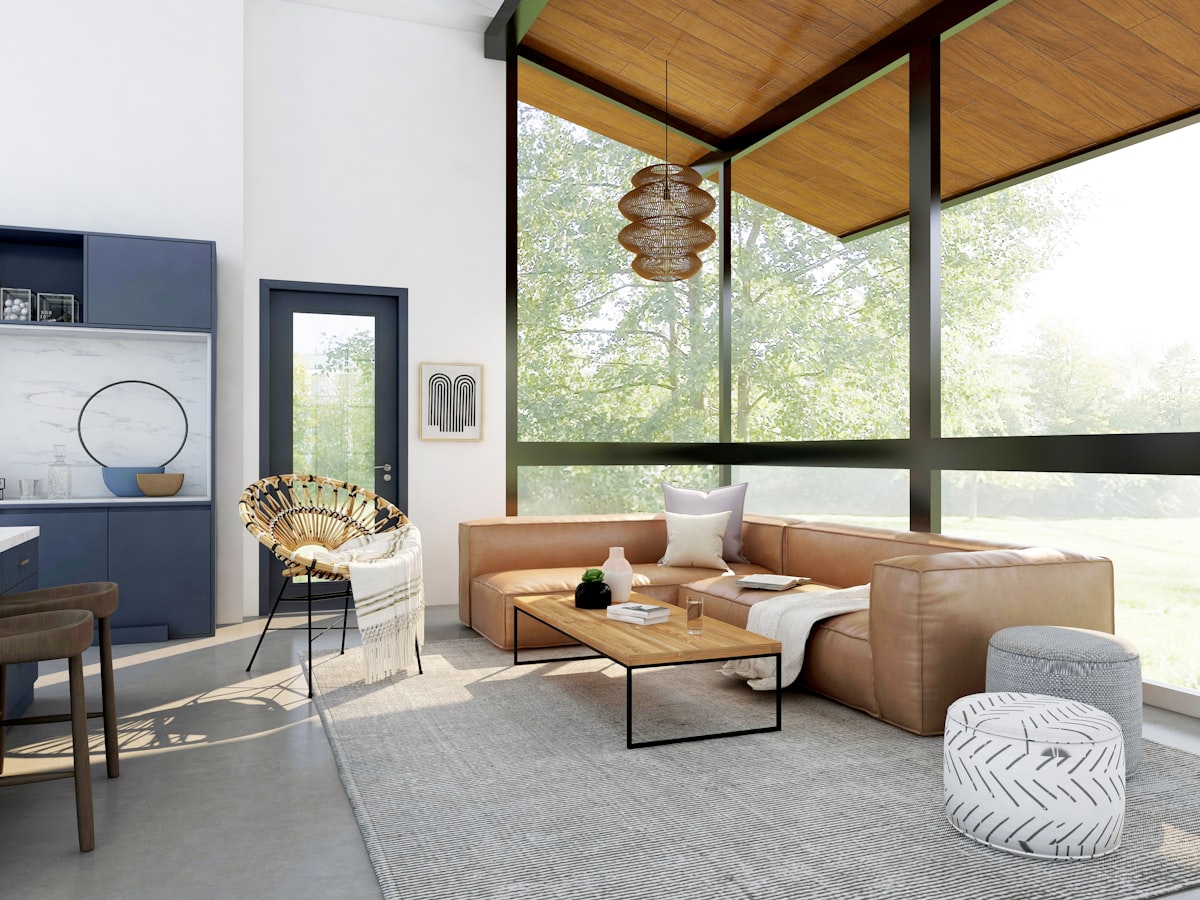 The intersection of skilled hand-finishing and precision manufacturing is where Guangdong’s premium tier creates product that holds its value in competitive distribution markets. Image: Unsplash
The documentary value of factory transparency — raw footage of production lines in operation, close-up documentation of quality control checkpoints, and direct interviews with master craftspeople — has become a meaningful commercial asset for distributors and designers who use it in their own sales processes. A 3-minute video clip of the sofa your client is specifying being built — frame jointing, foam application, fabric cutting, and final upholstery — answers quality questions before they are asked and creates an emotional connection to the provenance of the product that no specification sheet can replicate.
Factories in the Foshan premium tier are increasingly open to documented factory tours — both in-person and virtual video production — as part of their transparency and relationship-building strategy. When planning a sourcing trip to the Guangzhou–Foshan corridor, build two to three dedicated factory tour days into your itinerary. Arrive with a brief for what documentation you want to bring home: production line footage, quality control checkpoint documentation, material storage conditions, and craftspeople interviews. This content has a long shelf life in your sales toolkit.
The practical value of factory-floor transparency is greatest in three commercial contexts. First, hospitality project presentations: hotel owners and developers investing $500,000+ in FF&E want to understand the supply chain behind their specification. A distribution partner who can show them a factory tour video and a certification documentation pack wins over one who offers a catalog and a price list. Second, high-end residential clients: an interior designer specifying $40,000 of furniture from your showroom will feel more confident in the recommendation if they can see where and how it is made. Third, competitive differentiation: when a client is comparing your proposal against a competitor’s, factory transparency is a tie-breaker that is genuinely difficult to replicate without the underlying supplier relationships.
Every factory visit — virtual or in-person — should produce a structured debrief document that captures: production capacity assessment (can this factory scale with your business?), quality system observations (where are the checkpoints and who is accountable?), lead time verification (does the stated timeline align with what you observed on the floor?), and relationship quality indicators (how did the factory team engage with your questions?). Over time, this institutional knowledge becomes a sourcing intelligence asset that new entrants in your market cannot easily replicate.
Visit JL&C Furniture’s partner pages to explore how our factory partnerships are structured and what documentation is available to distribution partners on request.
Understanding the complete manufacturing journey in Guangzhou and Foshan — from the moment raw materials arrive at a factory’s loading dock to the moment a finished container departs for your market — is not just an operational exercise. It is the foundation of every credible conversation you have with your clients about product quality, delivery reliability, and value for money. The distributors, agents, showroom operators, and designers who thrive in the premium furniture segment are, without exception, the ones who have taken the time to understand what they are actually selling.
This guide has mapped the terrain: the geographic and infrastructure advantages that make the Guangdong corridor globally dominant, the design intelligence and sampling processes that can make your product offering distinctive, the quality control architecture that protects your client relationships, the customization capabilities that allow you to create market exclusivity, and the logistical and financial mechanics that determine whether your supply chain is a profit center or a cost drain.
Your Next Steps are concrete and sequenced. Identify which factories in the Guangzhou–Foshan corridor align with your specific product categories, order volumes, and client quality expectations. Schedule facility tours or request the video documentation series that allows you to evaluate without immediate travel. Establish written quality baselines — reference samples, specification packages, and inspection protocols — before your first production order. Develop a sourcing strategy that explicitly balances cost, quality, lead time, and supply chain resilience, rather than optimizing for any single variable.
Ready to Transform Your Sourcing Strategy?
Download our exclusive Factory Partner Evaluation Checklist — a practical tool designed specifically for distributors, agents, and designers sourcing from China’s premium furniture manufacturing hubs. It covers the critical qualification questions, the certification standards to verify, and the red flags that experienced buyers use to filter out unreliable factory partners.
Download Your Free Checklist Now and take control of your supply chain with the confidence that comes from knowing exactly what to look for.
1. What’s the typical lead time for custom furniture orders from Guangzhou and Foshan factories?
Lead times typically range from 30 to 60 days for standard custom orders, depending on design complexity and current factory capacity. Simple modifications to existing designs — a dimension change, a fabric substitution — may be achievable in 20 to 30 days. Complex custom pieces involving structural design changes, novel material combinations, or large volume runs can extend to 90+ days. Always build a buffer of 7 to 10 days into the timeline you communicate to your clients to account for shipping documentation, port processing, and inland delivery variables that sit outside factory control.
2. How do I verify that a factory meets international quality standards?
Request original certification documents (ISO 9001, relevant EN or ANSI standards, FSC or OEKO-TEX as applicable) and verify them directly with the issuing body — certificate numbers can typically be checked on the certification body’s website. Commission a third-party pre-shipment inspection through QIMA, Bureau Veritas, or SGS for significant orders. Ask for references from other Western buyers, and visit the factory in person if your order volume justifies it. Reputable factories welcome and facilitate this due diligence; resistance to independent inspection is a red flag.
3. What’s the minimum order quantity (MOQ) for custom branded (white-label) furniture?
MOQs for private-label production typically range from 50 to 500 units per design, varying by product type, factory scale, and the complexity of your branding requirements. Established relationships and consistent order volumes often enable downward negotiation on MOQs. If you are building a new product line, discuss MOQ flexibility explicitly during initial factory conversations — some factories offer a “development order” at a lower minimum to prove the commercial case before committing to full brand production volumes.
4. How do factories handle design changes mid-production?
Most factories can accommodate minor design changes before production begins at minimal or no additional cost, but modifications requested after material cutting or frame production has started incur both cost penalties (rework, material waste) and time delays. The most effective practice is to conduct a formal design freeze sign-off — a written confirmation that all specifications are final — before issuing a production order. Establish a clear change request procedure in your supplier agreement, including maximum response time for cost impact assessment and a decision window before the change either proceeds or is withdrawn.
5. What payment terms should I negotiate with Chinese furniture manufacturers?
The market standard for new relationships is 30% deposit on order confirmation with 70% balance before shipment. As your payment track record develops, negotiate toward 30% deposit with the balance due 30 days after the bill of lading date, which improves your working capital position significantly. Volume commitments — a forward order calendar showing 4 to 6 orders per year at a stated minimum value — provide the strongest leverage for better terms. For high-value single orders, some factories will consider third-party escrow arrangements as an alternative to full prepayment.
6. Are there environmental certifications I should require from suppliers?
Yes, and the specific certifications you require should be driven by your target market and client base. FSC Chain of Custody (wood sourcing responsibility) and OEKO-TEX Standard 100 (textile chemical safety) are the most commercially relevant for the premium residential and hospitality markets. ISO 14001 (environmental management system) demonstrates systemic commitment rather than product-level compliance. CARB Phase 2 compliance for formaldehyde emissions in composite wood is essential for the US market and a sensible global baseline. For hotel and commercial clients, ask specifically what certifications their procurement standards require, then work backward to your supplier qualification criteria.
7. How do I manage currency fluctuations when ordering from China?
Since most Guangdong factories price in USD, your primary exposure is your home currency against the dollar. For orders above $30,000 to $50,000 with a production and shipping timeline exceeding 60 days, a forward contract through your bank locks in the exchange rate at order placement at minimal cost — typically 0.5 to 1.5% depending on your currency pair and timeline. For your client-facing pricing, build a currency buffer of 3 to 5% into quoted prices on long-lead-time projects, or include an explicit currency clause that allows for a price adjustment if the rate moves beyond a defined threshold before final payment.
8. What happens if I receive damaged or defective goods?
Immediately document all damage with timestamped photographs before moving or processing any goods, noting both packaging condition and product condition. Preserve original packaging for any shipment damage claims against the carrier. Notify your factory contact in writing within the claim window specified in your agreement — standard practice is 10 to 15 days from confirmed delivery for visible defects. For concealed structural defects discovered during installation, a separate, longer claim window (typically 30 to 90 days) should be written into your supplier agreement. Reputable factories resolve straightforward damage claims with replacement units or credits; persistent disputes may require third-party mediation.
9. Can I request samples before placing a large order?
Yes, and you should make this non-negotiable for any new product or new factory relationship. Sample fees typically range from $200 to $500 per piece depending on complexity, and most reputable factories credit this amount against your first production order. Sample production timelines are generally 15 to 25 working days. Provide the most detailed brief possible upfront — technical drawings, physical swatches, annotated reference photographs — to minimize revision cycles. Treat the sample process as a paid quality evaluation, not an inconvenience: the information it generates is worth far more than the fee.
10. How do I ensure consistency across multiple orders of the same product?
Establish a reference sample protocol: physical approved samples documented with high-resolution photography, dimensioned specifications, and material batch references held at both your location and the factory. Issue a written specification package with every new production order, explicitly referencing the approved reference sample and requiring the factory to sign a specification confirmation before production begins. Commission a structured comparison inspection on the first shipment of each new batch. Consistency problems are almost always traceable to a specific process variable — a new material supplier, a new machine operator, a production scheduler substituting a material — which is why documentation and inspection at the batch level are more effective than general quality management conversations.
11. What’s included in the warranty for furniture I source from these factories?
Manufacturing defect warranties from Guangdong factories typically cover structural failures (frame joint separation, spring collapse, drawer mechanism failure) and primary material defects (fabric tearing at seams, veneer delamination) for a period of 12 to 24 months from the date of shipment. Exclusions commonly include normal wear and tear, damage from commercial use exceeding the product’s designed application, customer-specified materials or finishes applied outside the factory’s recommendation, and damage from improper assembly. Clarify the full scope of warranty coverage, documentation requirements for claims, and resolution timeline commitments in writing before placing your order.
12. How do I handle large orders with tight deadlines?
Communicate your required delivery date at the inquiry stage — before price negotiation — so factory capacity can be confirmed against your timeline rather than promised and then managed around. Expect a rush surcharge of 10 to 20% for production timelines that require overtime or priority scheduling. Finalize all specifications before issuing a production order to eliminate the revision cycles that most commonly cause deadline failures. For exceptionally large or complex orders, consider a split-factory strategy: placing portions of the order across two qualified factories reduces the risk that a single production issue delays your entire delivery.
13. What documentation do I receive for customs and regulatory compliance?
A standard export documentation package from a professional Guangdong factory includes a commercial invoice, packing list, certificate of origin (authenticated by the Guangzhou Chamber of Commerce or a notarized equivalent), and any relevant quality or test certifications. For US shipments, CARB compliance documentation for composite wood products is essential. For EU market shipments, REACH/RoHS compliance declarations and relevant EN test reports may be required depending on product type. For flammability-regulated markets (US, UK, Australia), fire safety test reports from accredited laboratories should be specified at the order stage, not requested after production. Clarify your documentation requirements in your purchase order, not in a post-shipment email.
14. Can factories produce furniture that meets my specific client’s design brief?
This is a core capability of the Guangzhou–Foshan tier-one manufacturers — it is what distinguishes them from commodity producers. The most effective brief package combines: dimensioned technical drawings (AutoCAD DWG or PDF format), physical material and finish samples where possible, high-resolution reference photographs with annotations identifying the elements you want to replicate or adapt, and written functional specifications (weight-bearing requirements, drawer load ratings, outdoor versus indoor use). Budget for a design consultation fee of $500 to $2,000 for complex original briefs, and expect a minimum of two review rounds before proceeding to sample production. Factories with strong in-house design teams can significantly accelerate this process.
15. How do I transition from one factory to another without disrupting my supply chain?
Plan the transition as a parallel operation rather than a hard cutover. Place your first order with the new factory while continuing to receive from your existing supplier, so any production issues at the new factory do not create a supply gap for your clients. Obtain complete documentation from your existing factory — technical drawings, material specifications, approved samples, test reports — before the relationship ends; this information belongs to you and is necessary to brief the new supplier effectively. Time the transition to your slower business season where possible, which reduces the risk exposure if the new factory requires more than one order cycle to calibrate to your quality standards.

China Furniture Sourcing Agent Roles for High-End Buyers What a China Furniture Sourcing Agent Actually Does for High-End Buyers Every finished luxury room sits on
How to Vet a China Furniture Sourcing Agent Before Signing A single curved sofa like this goes through dozens of approvals, including frame, foam, fabric
China Furniture Sourcing Agent vs Direct Factory Buying: A Strategic Guide for High-Value Buyers When one project includes 400 hotel rooms, a 20-seat marble dining
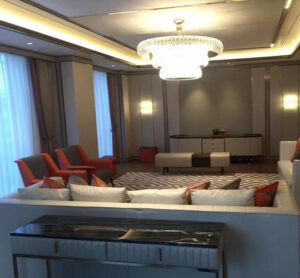
Advanced Tips to Get More from Your China Furniture Sourcing Agent Powerful Strategies for High-Performance Sourcing – Tailored for Elite Buyers, Designers & Operators Your
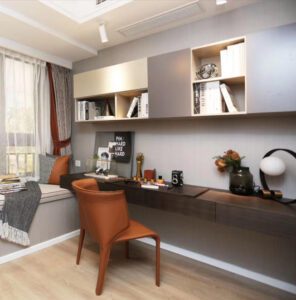
What Wholesale Furniture Suppliers in China Can Offer High-Value Buyers A statement luxury living room — the kind of space that begins with the right
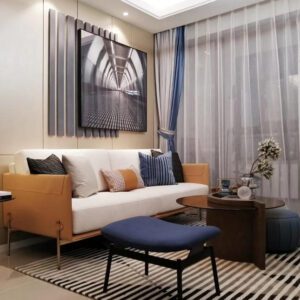
How to Work Better With Your China Furniture Supplier After Ordering A Practical Playbook for High-End Furniture Importers, Interior Designers, FF&E Buyers, Villa Owners, Private