company news

China Furniture Sourcing Agent: Roles for High-End Buyers
China Furniture Sourcing Agent Roles for High-End Buyers What a China Furniture Sourcing Agent Actually Does for High-End Buyers Every finished luxury room sits on

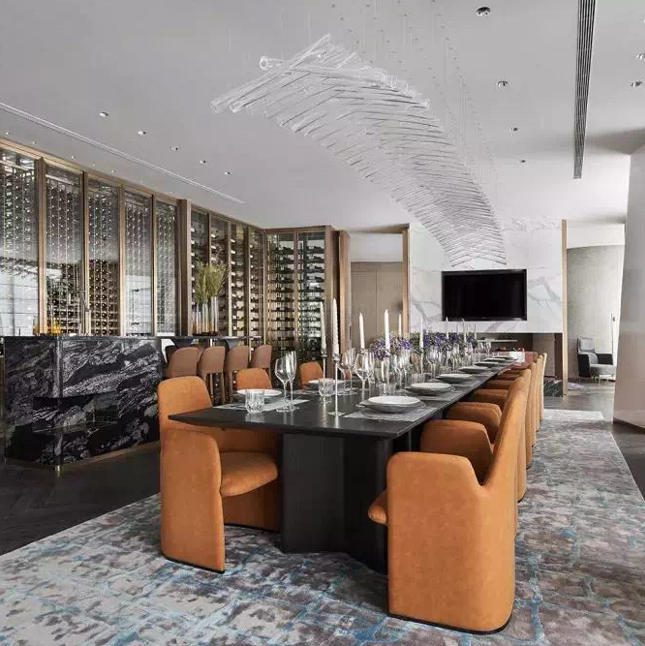
How to leverage Italian design principles to differentiate your offerings, command premium pricing, and build lasting client relationships
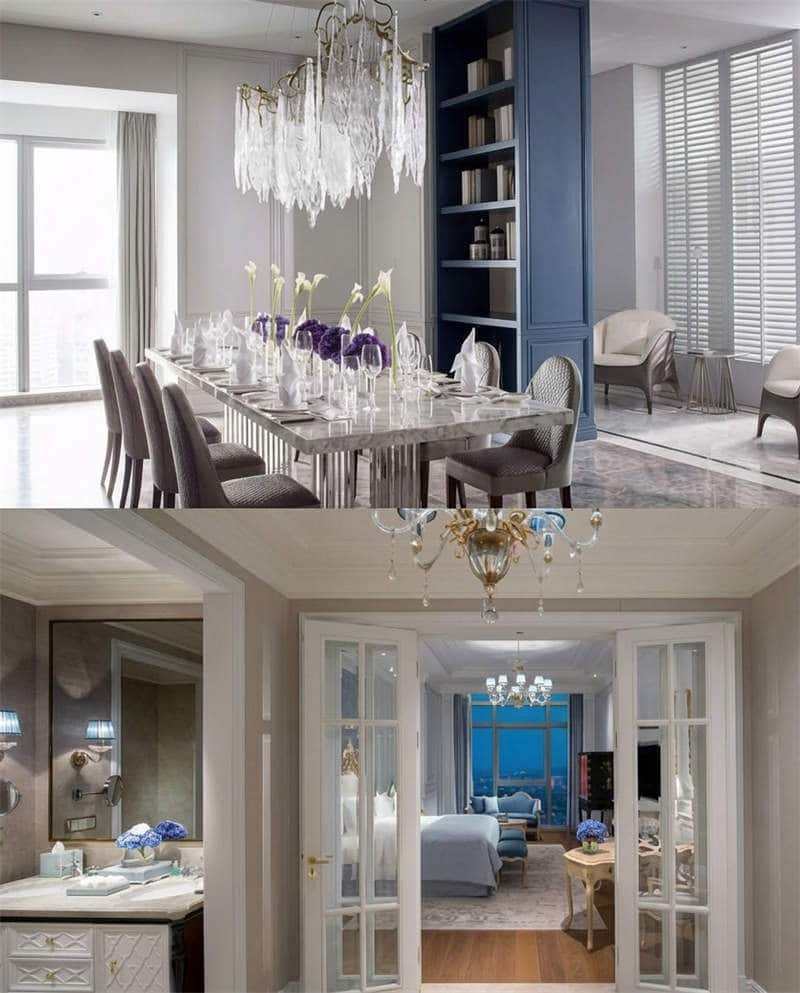
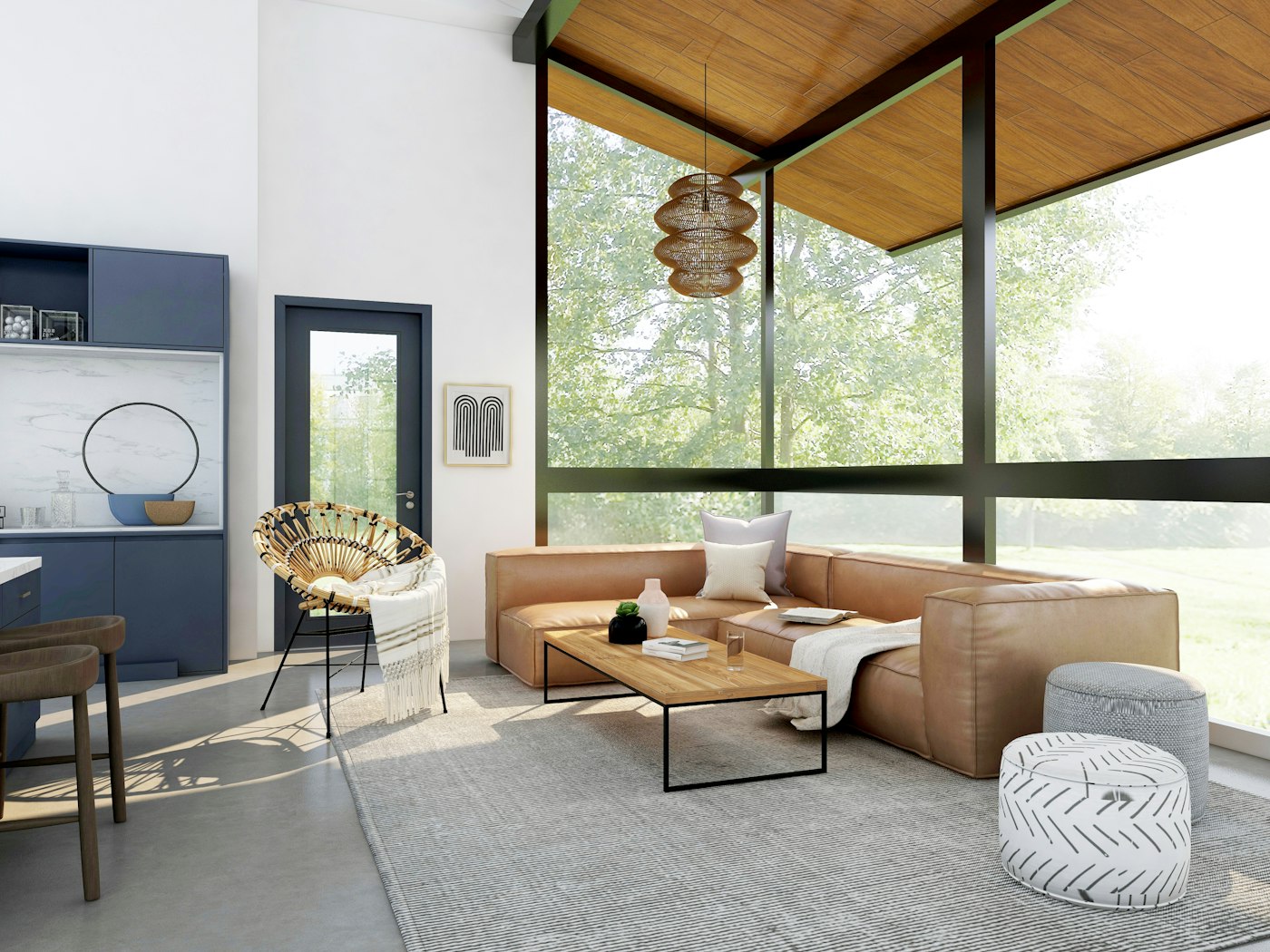 A masterclass in Italian restraint: clean volumes, deliberate material contrast, and layered texture working in unison.
Here is an uncomfortable truth most distributors and showroom owners already know but rarely say out loud: in today’s market, product access is no longer a differentiator. A boutique hotel developer in Singapore, a high-end residential designer in Dubai, a contract furniture buyer in New York — they can all source from the same factories, browse the same wholesale platforms, and access the same catalogs. The barrier to entry for carrying “Italian-inspired” furniture has never been lower. Which means the barrier to standing out has never been higher.
The B2B professionals who are growing margins, attracting loyalty from top-tier architects and interior designers, and winning high-value hospitality contracts are not the ones with the widest catalog. They are the ones with the deepest understanding of why certain pieces work, and the credibility to communicate that understanding with precision and conviction.
Italian design philosophy is that competitive advantage — and it is one that is genuinely difficult to replicate. Italy’s furniture industry generated a trade surplus of €8.4 billion in 2025, maintaining European market leadership despite global headwinds. That number is not an accident. It reflects a 70-year commitment to a design discipline rooted in three foundational principles: clean volumes, refined contrasts, and layered textures. When these three elements work together, the result is furniture that justifies premium pricing, holds its relevance across decades, and performs across wildly different project contexts — from a 500-room luxury hotel in Abu Dhabi to a boutique residential apartment in Milan.
This guide is written for the people who sit between the manufacturer and the end user: distributors, agents, showroom owners, interior designers, and hotel fit-out specialists. It is a practical, role-specific framework for translating design knowledge into commercial results — better margins, stronger client relationships, and a market position that cannot be easily undercut.
The term “clean volumes” gets used constantly in furniture marketing, and precisely because of that overuse, it has started to lose its meaning. Walk into any mid-market furniture trade show and you will hear it applied to everything from a simple rectangular coffee table to a sofa with rounded armrests. That imprecision is your opportunity — because when you can define clean volumes with accuracy, you immediately signal to architects and designers that you are speaking a different language than your competitors.
Defining clean volumes in practical terms your clients will understand: A clean volume in furniture design is a three-dimensional form that is geometrically intentional, free from decorative distraction, and proportionally balanced without relying on ornamentation to justify its presence in a space. Think of it this way — if you removed every surface treatment, every material choice, and every color from a piece, would the underlying form still hold dignity? In authentic Italian design, the answer is always yes. The silhouette alone carries the aesthetic weight. A Minotti sofa does not need the cashmere upholstery to look sophisticated — the geometry does that work. The materials are there to deepen the experience, not to rescue a weak form.
Why minimalist form translates to better margins and faster sales cycles: Interior designers and architects who work at the premium level have a specific frustration: they spend an enormous amount of time justifying furniture selections to clients who question every line item. A piece with a coherent, clean form is dramatically easier to justify than one layered with decorative complexity. When the form is resolved, the conversation moves away from “why does it look like that?” and toward “where does this go?” That shift accelerates the specification process, reduces revision cycles, and ultimately compresses the time between proposal and purchase order. For distributors and showroom owners, this translates directly to faster inventory turnover and fewer markdowns on slow-moving pieces with confused visual identities.
Not every piece marketed as “modern Italian” or “contemporary design” actually reflects the principle of clean volumes. Many manufacturers borrow the vocabulary without doing the underlying design work.
Red flags — when “clean” design is actually just poorly designed: The most common mistake is confusing emptiness with intentionality. A poorly designed piece stripped of ornamentation does not become a clean volume — it becomes an unresolved form. Watch for these specific warning signs: legs that seem like an afterthought rather than an integrated design decision; surfaces that appear flat rather than resolved; proportions that look slightly “off” without any clear design rationale; and transitions between materials that are abrupt rather than deliberate. Authentic clean volumes have a sense of inevitability about them — you look at the piece and think, “it could not have been any other way.”
Evaluating pieces for your showroom — questions to ask manufacturers: When reviewing a supplier’s collection, ask: “Can you walk me through the design brief for this piece — specifically the form decisions?” A manufacturer with genuine design integrity will have an answer. Ask about the proportional system: “How did you arrive at the height-to-depth ratio on this seating?” Ask about the structural logic: “Is the frame doing design work, or is it purely structural?” These questions reveal whether design is embedded in the product development process or applied as a surface-level afterthought.
The language that resonates with architects and interior designers: The word “minimalist” is often misunderstood by end clients as cold, sterile, or uncomfortable. The better language is “architecturally resolved” or “spatially intelligent.” When talking to an architect, describe how a clean volume creates breathing room in a space and allows architectural features — ceiling heights, window proportions, material finishes — to be read clearly. When talking to a residential interior designer, position clean volumes as pieces that “give the room permission to evolve” — a client can change wall colors, introduce new textiles, or refresh soft furnishings over the years without the furniture ever looking out of place.
Positioning clean volumes as solutions, not just aesthetics: Your client’s real problem is never “I want clean volumes.” Their real problems are: “I need a piece that won’t date in three years,” “I need something that works in both a residential and hospitality context,” or “I need furniture my client will still love in five years when their tastes evolve.” Clean volumes are the answer to all three. Frame them that way.
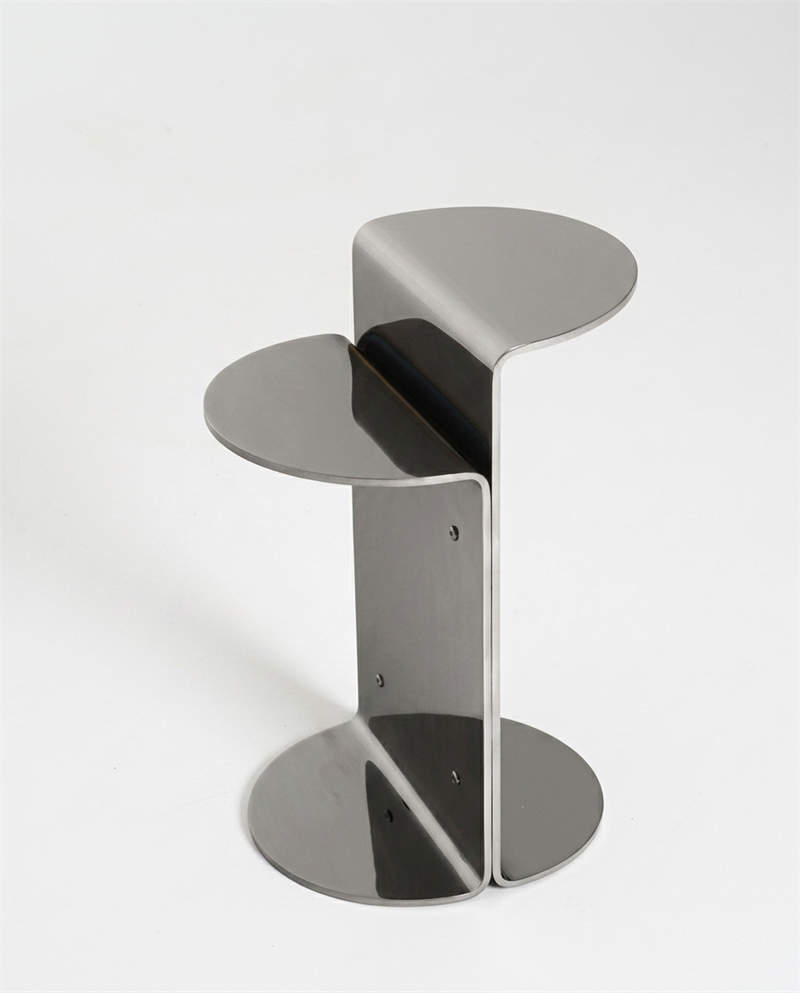
 Refined contrast in practice: warm cognac leather against cool brushed steel — each element heightening the other’s presence.
In Italian design, contrast is not decoration. It is architecture. The deliberate pairing of opposing elements — warm against cool, smooth against tactile, light against shadow — is what gives a piece of furniture its visual depth and spatial authority. Understanding this distinction will change how you buy, curate, and sell.
Material contrast, color contrast, and textural contrast explained: Material contrast is the pairing of fundamentally different substances — solid walnut against anodized aluminum, hand-stitched leather against polished lacquer, travertine against brushed brass. Color contrast operates through tonal opposition: a deep, smoked oak finish against a pale, chalky upholstery fabric; a matte black frame against a cream linen seat. Textural contrast is perhaps the most sophisticated of the three: it operates through the sense of touch as much as sight, pairing a rough-woven fabric with a high-gloss lacquered surface, or a hammered metal base with a butter-soft nubuck upholstery. What makes Italian design exceptional is that these contrasts are never arbitrary — they follow a logic of visual tension and resolution that creates a sense of rightness when you look at a well-composed piece.
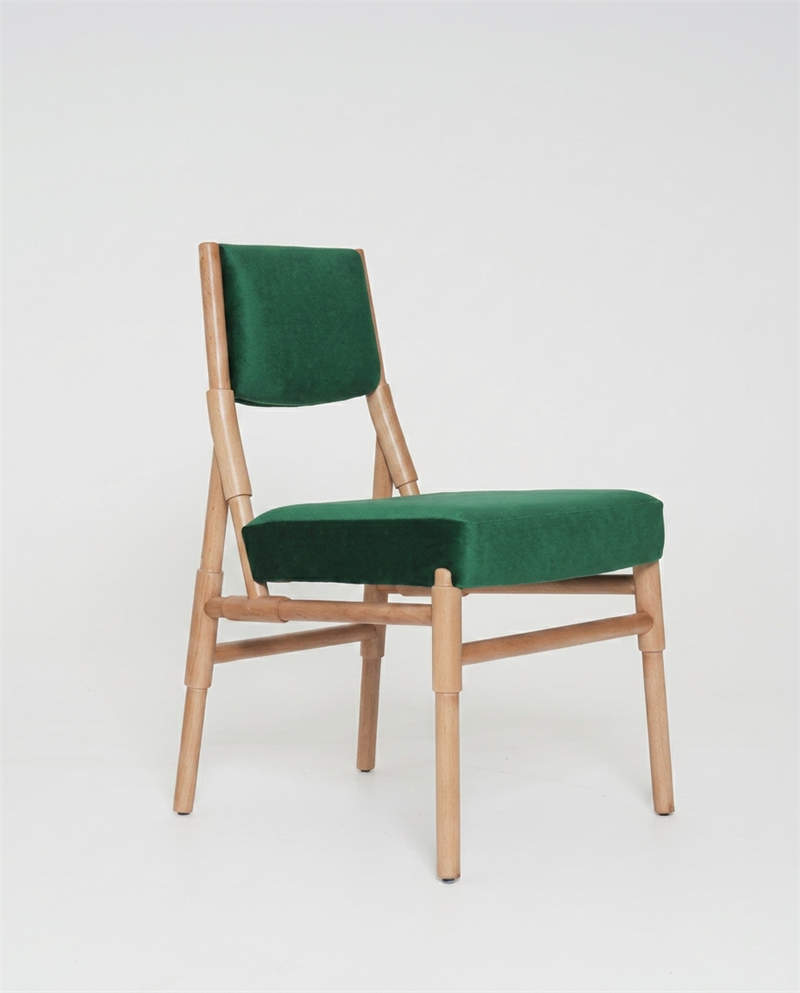
How refined contrasts make pieces work across residential, hospitality, and commercial projects: A piece with resolved contrasts carries its own design logic into any context. A dining chair that pairs a matte oak frame with a cognac leather seat does not need to be “matched” to a room — it brings its own internal harmony, which means it can work equally well in a Michelin-starred restaurant, a luxury residential dining room, or a high-end hospitality suite. For specifiers working across multiple project types, this versatility is commercially critical. It means fewer SKUs can serve more clients, which drives both margin and inventory efficiency.
The luxury furniture market is unfortunately full of pieces that use contrast as a trend signal rather than a design principle. Recognizing the difference is a core curatorial skill.
The difference between intentional contrast and trend-chasing: Trend-driven contrast changes every 18 to 24 months. Three years ago it was rose gold against concrete grey; before that it was copper against white marble. These combinations are immediately recognizable as products of a specific moment, which means they carry an expiration date. Intentional contrast is timeless because it is rooted in optical logic rather than trend forecasting. Warm against cool, natural against industrial, matt against gloss — these pairings have been operating in high design for over a century because they respond to how the human eye perceives and resolves visual tension. When evaluating a piece, ask yourself: “Would this contrast have looked sophisticated in 1985, and will it look sophisticated in 2035?” If the answer is yes, you have intentional contrast.
Building your eye — what to look for when curating collections: Spend time with reference points that sit outside the trend cycle. Study the collected works of designers like Vico Magistretti, Afra and Tobia Scarpa, and Antonio Citterio — not to copy their outcomes, but to develop an understanding of the visual logic that makes their contrasts feel inevitable rather than arbitrary. When reviewing new collections, examine the contrast decisions through this lens. Is the material pairing surprising but harmonious? Does it create depth without creating confusion? Does it feel like the result of a design decision or a trend meeting?
How to communicate contrast as a design feature, not a product attribute: When your sales team describes a dining table, the conversation too often goes like this: “It has a marble top and a black steel base.” That is a product spec, not a design story. The design story sounds like this: “The cold mineral density of the marble creates a visual weight at the top of the piece that the slender, dark steel base deliberately refuses to match — which creates this sense of the surface floating, almost levitating. That tension is what makes it read as luxury rather than just expensive.” Same piece. Completely different commercial impact.
Real-world examples — contrasts that work in luxury hotels, high-end residential, and boutique showrooms: In hospitality projects, the most enduring contrast combinations are those that reinforce the brand narrative: a coastal luxury resort might use bleached linen against dark wenge, evoking the contrast of sand against shoreline. A metropolitan boutique hotel might pair crinkled leather against polished concrete surfaces. In high-end residential projects, interior designers consistently return to the combination of raw natural stone against refined metalwork — because that pairing captures a sense of considered luxury without appearing contrived. At JL&C Furniture, collections are built around these enduring contrast principles rather than seasonal trend responses, which is why they serve effectively across residential, hospitality, and commercial specifications.
Ask a client why they chose one sofa over an apparently similar alternative at twice the price, and they will almost never point to a spec sheet. They will reach out and touch it. They will run their hand across the surface. They will describe how it “feels substantial” or “looks like it has depth.” What they are responding to is layered texture — and it is the single most powerful driver of perceived value in high-end furniture that most B2B professionals under-leverage.
How texture depth creates perceived value and justifies premium pricing: Perceived value and actual cost are not the same thing. A piece can be manufactured from genuinely expensive materials and still feel visually flat. A piece can be manufactured with relatively modest material costs and still feel extraordinarily luxurious — if its surface textures have been thoughtfully layered. The operative principle is this: the human eye and hand perceive value through complexity and depth. A single-texture piece reads as simple. A layered-texture piece reads as rich, considered, and artisanal. In practical commercial terms, layered texture is the design mechanism that allows you to charge a premium that clients feel is justified without requiring them to understand technical production details.
Texture as the bridge between minimalist form and luxury perception: This is perhaps the most important insight in this entire section. Clean volumes, by definition, minimize decorative complexity. For clients who equate luxury with elaborateness, this can create a communication challenge — how do you position a simple, resolved form as genuinely premium? The answer is texture. When a clean geometric form is resolved in a hand-stitched leather with subtle grain variation, or a tight, hand-knotted upholstery weave with depth and shadow, the minimalist form becomes unmistakably luxurious. Texture is how Italian design resolves the apparent paradox of simplicity and luxury.
Natural vs. manufactured textures — what your clients actually want: There is a fundamental difference in how natural and manufactured textures read and age. Natural textures — hand-stitched leather, hand-knotted wool upholstery, hand-applied lacquer finishes with slight surface variation — improve in perceived quality as they develop a patina over time. Manufactured textures — embossed faux leather designed to simulate grain, printed fabric patterns designed to simulate weave depth — tend to degrade in perceived quality over time, often revealing their inauthenticity as they wear. For B2B professionals whose clients are making long-term investments, this distinction is commercially significant: the natural texture piece will still be earning compliments at year seven; the manufactured texture piece will be generating replacement conversations at year three.
Spotting authentic texture work vs. superficial finishes: When evaluating upholstery, look for consistency of stitching tension and spacing — genuinely skilled craftsmanship shows in the regularity and precision of hand work. Run your hand across the grain of the fabric in multiple directions; a quality weave will have consistent depth and a slight resistance that synthetic alternatives lack. On lacquered or finished wood surfaces, examine the surface at an oblique angle — authentic hand-applied finishing techniques create a depth of surface that machine-applied finishes cannot replicate. For leather pieces specifically, look at the back edges of panels; authentic full-grain leather shows consistent fiber structure and natural variation at cut edges, whereas bonded or corrected-grain leather reveals a uniform, processed surface.
The language that moves inventory — tactile appeal, quality perception, and longevity: When training your sales team to discuss texture, give them language that engages the senses rather than the intellect. “This upholstery has been woven at 42 threads per inch” is a fact; it does not sell. “The depth you’re feeling in this fabric is what makes it look different in morning light than it does in evening light — it changes with the room, which is why clients describe it as ‘alive'” — that sells. Move your team from specification to experience.
Case studies — how designers use texture to justify project budgets: A high-profile interior design firm working on a luxury residential project in Dubai reported that their ability to justify a 40% higher furniture budget to the client was directly attributable to presenting the tactile experience of the selected pieces in person. The client, initially resistant to the premium pricing, ran their hand across the selected upholstery fabrics and said simply, “I understand now.” The physical experience of authentic, layered texture communicates value more effectively than any specification document — which is why showroom experience and tactile sampling programs are among the highest-ROI investments a distributor or showroom owner can make.
 A cohesive Italian design showroom: each piece plays a role in a unified narrative — form, contrast, and texture speaking the same language.
This is where most B2B professionals make their most costly mistake. They understand clean volumes, they understand refined contrasts, they understand layered textures — but they communicate them as separate features rather than as an integrated philosophy. The result is a product conversation instead of a design conversation, and product conversations are infinitely easier to undercut on price.
Common mistakes — selling clean volumes, contrasts, and textures as separate features: When a sales consultant says, “This sofa has clean lines, great material contrast, and beautiful texture,” they have described three attributes. When they say, “This sofa is built around a geometric form that deliberately underplays itself, which is what gives the contrast between the dark frame and the pale upholstery room to breathe — and the texture of the fabric is what prevents that restraint from reading as cold,” they have described a design philosophy. The second version is impossible to compare on a specification matrix. It lives in an entirely different commercial conversation.
The Italian approach — how design elements create a cohesive philosophy: The genius of authentic Italian design is that clean volumes, refined contrasts, and layered textures are not independent decisions — they are a system. The volume determines how contrast will read (a complex form needs simpler contrasts; a clean form can support more sophisticated contrasting). The contrast defines the texture strategy (if the material contrast is strong, the texture can be subtle; if the material contrast is understated, the texture needs to carry more expressive weight). Training your team to understand these relationships transforms them from product presenters into design guides — and design guides command fundamentally different margins.
Auditing your current inventory through the lens of Italian design philosophy: Take your existing catalog and evaluate every piece against three questions: Does the form hold dignity independent of its surface treatment? Does the piece use at least one form of deliberate, resolved contrast? Does the surface texture create perceived depth and tactile richness? Map your inventory against this matrix. You will likely find that a minority of your pieces meet all three criteria — these are your anchor pieces and deserve prominent placement. A portion will meet two of three — these are candidates for repositioning or vendor conversation. The pieces that meet none of the three criteria are probably contributing to margin compression and design credibility erosion.
Identifying gaps and opportunities in your product mix: The audit exercise almost always reveals a specific pattern: most distributors and showroom owners have strong representation in one principle (often clean volumes, as it is the most widely understood) and weaker representation in the others. A collection gap in layered texture, for example, is a specific commercial opportunity — it means you are potentially leaving premium margin on the table by not having pieces that deliver the tactile richness that luxury clients respond to most viscerally.
Positioning your showroom, agency, or design practice as a curator of authentic Italian design: The word “curator” does significant commercial work. A vendor carries products. A curator selects and contextualizes them. Vendors compete on price and availability; curators compete on judgment and taste. The same physical space, carrying the same physical products, can be positioned either way — and the pricing and margin implications are substantial.
Training your sales team to communicate design philosophy: Develop a simple, three-part conversation framework for your team. Part one: the form decision (“This piece works because the geometry is resolved — notice how it holds the room without competing with the architecture”). Part two: the contrast logic (“The material pairing is doing specific work here — see how the warmth of the leather reads differently depending on whether you’re in natural or artificial light”). Part three: the texture argument (“The surface depth is what you’ll still be noticing in ten years — it’s what prevents this piece from feeling dated”). Practice this framework until it becomes instinctive, and watch how the quality of your client conversations — and your closing rates — transform.
The fundamental commercial question for any distributor or agent is not “can I sell this product?” It is “can I build a defensible position around this product that competitors cannot easily replicate?” Italian design philosophy provides the framework for doing exactly that — but it requires supplier relationships built on design alignment, not just price negotiation.
Questions to ask manufacturers about design philosophy and consistency: Before entering into a distribution agreement, ask the manufacturer to articulate their design philosophy in three sentences. If they cannot — or if their answer is generic — that is material information about whether their collections will maintain coherence over time. Ask to see collections from three to five years ago alongside current offerings; a manufacturer with genuine design integrity will show evolution within a consistent philosophy, not radical stylistic shifts chasing trend cycles. Ask specifically: “Can you show me how your approach to clean volumes, material contrast, and texture has developed over the past five years?” Their answer will tell you everything you need to know about whether this is a partnership worth investing in.
Negotiating exclusivity around curated Italian collections: Design philosophy is a negotiating asset, not just a selling tool. When you can demonstrate to a manufacturer that you understand their design intent at a level that most distributors do not — and that you have a sales team and showroom strategy built around communicating that intent — you are in a fundamentally stronger position to negotiate geographic exclusivity, priority production allocation, and preferential pricing. The argument is simple: “We are not going to sell your pieces as commodity furniture. We are going to sell them as the expression of a specific design philosophy to clients who will pay premium prices for that philosophy. That positioning protects your brand equity as much as it drives our margins.” That is a conversation most manufacturers want to have.
Creating margin opportunities through design education and positioning: One of the most consistently underutilized margin drivers for distributors is design education programming — hosting workshops, lunch-and-learn sessions, and trade events for architects and interior designers that center on design philosophy rather than product promotion. Distributors who invest in this approach consistently report that attendees specify their collections at rates three to four times higher than cold-outreach clients — and they do so with significantly less price sensitivity, because the educational relationship has already established a design authority that price-only competitors cannot easily match.
How to arrange and display pieces to highlight Italian design principles: The single most effective display decision a showroom owner can make is to stop arranging pieces by category (all sofas together, all dining tables together) and start arranging them by design philosophy vignettes — compositions that demonstrate how clean volumes, refined contrasts, and layered textures work together in a realistic spatial context. An architect or interior designer who walks into a vignette composed around these principles experiences the design logic intuitively, in a way that even the best product photography cannot replicate. Light your vignettes to highlight texture depth — raking light at a low angle across upholstered surfaces reveals the richness that overhead lighting flattens and destroys.
Creating content that establishes your showroom as a thought leader: Document your curation process. Publish the thinking behind your collection selections — not just “we chose this piece because it’s beautiful,” but “we chose this piece because its form is resolved enough to work in both residential and hospitality contexts, its material contrast is timeless rather than trend-driven, and its surface texture will continue creating perceived value over years of use.” This level of curatorial transparency builds the kind of trust with architects and designers that no catalog can generate.
Building a personal library of Italian pieces that solve recurring design challenges: Every experienced interior designer has a set of recurring challenges: the client who wants a room to feel luxurious but not heavy; the space that needs a focal piece that won’t date; the project that needs furniture versatile enough to work across a large multi-room commission. Build a personal reference library organized around these challenges, with Italian pieces catalogued by the specific design problems they solve. When a client presents a challenge, you reach for a solution rather than starting from scratch — which compresses your specification timeline and signals expertise that clients notice.
Communicating design philosophy to clients — justifying selections and budgets: When a client questions why a specific piece costs significantly more than an apparently similar alternative, the answer that works is never “it’s better quality.” Quality is abstract. The answer that works is specific and experiential: “The piece I’m recommending will still look appropriate in this room in ten years, regardless of how your tastes evolve, because its design is rooted in proportion and material logic rather than trend. The alternative might feel perfect right now, but in three years we’ll be having a conversation about refreshing it.” Clients who understand the long-term investment argument — and who have experienced the difference in person — make significantly faster and more confident purchase decisions.
How Italian design principles work in hospitality contexts: The specific demands of hospitality design — durability, maintenance, visual coherence across dozens or hundreds of rooms, timelessness against a commercial refresh cycle that might be seven to ten years — are precisely the conditions under which Italian design philosophy delivers its greatest ROI. Clean volumes are resistant to the visual fatigue that complex, ornamental forms generate over time; guests in a room with architecturally resolved furniture consistently rate the space as “timeless” and “sophisticated” even after years of occupancy. Refined contrasts in hospitality should be drawn from a palette that will feel neither immediately contemporary nor visibly dated — the aim is a quality of “always” rather than “now.”
Sourcing pieces that maintain design coherence across multiple rooms and spaces: The hospitality challenge that most fit-out designers underestimate is the coherence challenge — ensuring that 300 rooms feel like a unified design statement rather than a collection of arbitrary selections. Italian design philosophy provides the coherence framework: if every piece in the specification is evaluated against the same three criteria (resolved form, intentional contrast, layered texture), the collection will hold together even as individual pieces vary across room categories. Work with suppliers like JL&C Furniture who can maintain design consistency across large-scale production runs, ensuring that the tenth floor guest room and the penthouse suite share the same design DNA even when they are furnished with different specific pieces.
Balancing aesthetic vision with project budgets and timelines: The timelessness argument is your most powerful budget protection tool. Every dollar invested in a piece that will not require replacement or significant refresh for ten years is worth significantly more than a dollar invested in a trend-driven piece that will feel dated in five. Frame your material selections and furniture budget in terms of cost-per-year-of-relevance, not just initial purchase price. A chair that costs $800 and remains specification-appropriate for twelve years represents a fundamentally different investment than a chair that costs $400 and requires replacement in four.
 A luxury hotel suite where timeless Italian design principles create an environment that will feel relevant for years — reducing refresh costs and protecting ROI.
This is the most common challenge reported by furniture distributors and interior designers working at the premium end of the market, and it is almost entirely a communication problem rather than a pricing problem.
Communicating the difference between trend-driven design and timeless design: The most effective approach is to remove the conversation from the present moment entirely. Bring out examples of furniture from the 1960s and 1970s that still appear in current high-end residential and hospitality specifications — pieces from designers like Magistretti, Scarpa, or Bellini. Ask your client why those pieces still work. The answer will always point toward the same principles: resolved form, intentional contrast, surface depth. Then point to the piece you are recommending and demonstrate how it operates from the same principles. You have just given them the visual and logical evidence for the premium.
The ROI of investing in pieces that work across multiple projects and years: For interior design clients specifically, the ROI argument has a dimension that is rarely discussed: pieces with genuine design integrity get specified again and again. An interior designer who discovers a dining chair that works in a residential dining room, a boutique hotel restaurant, a corporate hospitality suite, and a high-end retail environment has found a design asset — not just a product. The time saved in not having to re-specify, re-present, and re-justify a piece across multiple projects represents a significant efficiency gain over a career. That is a compelling ROI argument for a professional audience.
The timelessness test — evaluating pieces for longevity: Before adding any piece to your specification portfolio, subject it to this specific test: look at the piece and consciously try to identify the year it was designed. If you can — if it reads as immediately contemporary, visibly shaped by current trend language — that is a red flag. Pieces with genuine longevity should feel neither of-the-moment nor obviously historical; they should inhabit a kind of temporal quality that design professionals describe as “always.”
Why Italian design philosophy is the antidote to fast furniture: The fast furniture cycle — trend-driven pieces designed for rapid market penetration and short relevance windows — is a race to the bottom for B2B professionals who have invested in premium positioning. Italian design philosophy is structurally incompatible with fast furniture because it prioritizes design integrity over trend responsiveness. This incompatibility is a feature, not a limitation. It allows you to say with confidence: “The pieces in our collection are not here because they are trending right now. They are here because they will still be earning compliments in your client’s space in a decade.”
Moving beyond product to philosophy: When every showroom in your market carries the same brands and the same collections, the differentiator is not the product — it is the editorial intelligence you bring to its selection, presentation, and contextualization. A piece available from multiple sources becomes exclusive when it is presented with the depth of understanding that most competitors cannot match. Your curation story — why you selected this piece, what design principles it embodies, how it solves specific client problems — is a differentiator that cannot be undercut by a competitor who is simply carrying the same SKU.
Curating collections that reflect a point of view: The most commercially powerful showrooms in any market are those that reflect a clear, consistent design sensibility. Clients do not visit these showrooms because they have the most products; they visit them because they trust the editorial judgment of the curators. Build that trust by being consistent and transparent about your selection criteria. “We carry pieces that meet specific criteria around form, contrast, and texture — and if a piece doesn’t meet those criteria, we don’t carry it” is a positioning statement that creates genuine market authority.
Building a shared language around design principles: The practical starting point for any training program is a shared vocabulary. Before your team can sell design philosophy, they need to be able to identify and describe the three core principles with precision and confidence. Create a “piece analysis” exercise: take five pieces from your current collection and have each team member write three sentences describing the form decision, the contrast logic, and the texture strategy. Review these analyses as a group, refine the language, and repeat until the vocabulary is instinctive.
Creating internal resources and training programs: Develop a design philosophy handbook for your organization — not a product catalog, but a curatorial document that explains why each piece in your collection was selected and what design principles it embodies. This document serves three functions: it onboards new team members, it gives existing team members language for client conversations, and it demonstrates to prospective clients and trade partners that you operate from a coherent design perspective rather than purely commercial opportunism.
Creating content that educates your market: The shift from vendor to authority happens primarily through content. Blog posts that explain design principles with specificity and insight — not generic “Italian design is beautiful” content, but precise analyses of why specific design decisions work and how they translate to commercial outcomes — build trust with architects, interior designers, and developers in a way that advertising cannot replicate. Video walkthroughs of collection curation decisions, case studies that document real project outcomes, and behind-the-scenes content showing your engagement with manufacturers’ design processes all contribute to an authority positioning that creates long-term commercial competitive advantage.
Hosting workshops and seminars for architects and designers: The most effective format for establishing design authority with your target professional audience is the small-group, in-depth workshop. Limit attendance to eight to twelve participants, focus the content on a specific design challenge relevant to their practice (specifying for longevity, curating hospitality collections, building client confidence in premium selections), and use your collection as the physical illustration of the principles you are discussing. Participants consistently report that these sessions fundamentally change how they think about specification — and they consistently become high-value, loyal clients.
Publishing a curated lookbook that showcases your design philosophy: The traditional product catalog — price, spec, image — is a commodity document. A curated lookbook that presents pieces in designed compositions, with editorial commentary on the design principles at work, is a design authority document. The production cost difference is modest; the commercial positioning difference is substantial. Distribute your lookbook exclusively to architects, interior designers, and developers through direct mail and personalized digital delivery. The exclusivity of the channel reinforces the exclusivity of the positioning.
How design philosophy creates stickiness and repeat business: Clients who buy a product come back when they need another product. Clients who buy into a design philosophy come back for every project that falls within that philosophy — which, for good architects and interior designers, is most of them. The relationship dynamic is fundamentally different: you are no longer a supplier responding to briefs; you are a creative partner whose judgment clients seek out at the beginning of new projects. This shift dramatically increases the average lifetime value of each client relationship and substantially reduces the cost of client acquisition for new projects.
Using Italian design principles to expand beyond single projects: Every completed project is a portfolio piece and a referral engine — but only if the pieces you specified continue to perform. Italian design philosophy’s emphasis on timelessness means that your specification choices will still be earning compliments — and generating questions about provenance — years after project completion. Each question about where a piece came from is a warm referral opportunity. Every photograph of a beautifully aged, still-relevant piece that appears in a design publication or social media post is organic marketing that money cannot buy.
How timeless design philosophy protects your reputation: The most damaging commercial outcome for a premium furniture professional is being associated with a trend that visibly ages. Clients remember who recommended the piece that now looks dated, and that memory colors how they think about future recommendations. The timelessness orientation of Italian design philosophy provides protection against this risk: when your selections are rooted in enduring design principles rather than trend responsiveness, your professional reputation compounds over time rather than eroding.
Knowing when to say “no” to products that don’t align with your vision: One of the most commercially powerful things a curated showroom or agency can do is decline to carry a product. “We considered that collection and decided it didn’t meet our design criteria” is a statement that communicates more about your curatorial authority than any promotional copy could. Clients trust editors who make genuine editorial decisions — including decisions to exclude. Build the confidence to say no, and your yes means more.
Building a checklist for evaluating pieces: The following evaluation framework translates the three principles of Italian design philosophy into a practical decision-making tool for your organization.
| Evaluation Criterion | Questions to Answer | Pass Standard |
|---|---|---|
| Clean Volumes — Form Integrity | Does the form hold dignity without surface treatment? Is the geometry intentional and proportionally resolved? Are there unnecessary decorative elements that could be removed? | Form stands independently. No unresolved transitions. Geometry has a logic you can articulate. |
| Refined Contrasts — Material Logic | Is there at least one deliberate contrast (material, color, or texture)? Is the contrast balanced and resolved? Does the pairing feel timeless or trend-specific? | Contrast creates visual depth without confusion. You could see this pairing working in 10 years. |
| Layered Textures — Surface Depth | Does the surface create perceived depth through texture variation? Is the texture authentic (natural) or manufactured? Does the texture enhance the form or compete with it? | Texture creates tactile and visual richness. Authentic materials. Supports rather than contradicts the form. |
| Collection Coherence | Does this piece work within the design language of your existing collection? Does it open new specification possibilities? | Adds depth without contradiction. Expands versatility. |
Documenting your design point of view: Write a one-page design philosophy statement for your organization. Not a mission statement — a genuine articulation of the design criteria that govern your curation decisions. This document should be specific enough that it could serve as a decision-making guide when evaluating new products, and clear enough that a new team member could read it and understand what makes a piece “right” for your collection within fifteen minutes.
Questions to ask suppliers about design intent and philosophy: The most productive supplier conversations start with design rather than price. Before discussing MOQs, lead times, or margins, establish whether the design philosophy alignment is present: “Can you describe the design brief for this collection? What problem were your designers trying to solve?” “How does this piece relate to collections you designed five and ten years ago — what has stayed consistent?” “If I asked you to identify the one design decision in this piece that was most debated during development, what would it be?” These questions reveal whether the manufacturer has genuine design depth or is producing furniture-shaped objects in response to market demand.
Building partnerships with manufacturers who understand timeless design: The ideal supplier relationship at the premium B2B level is one where the manufacturer’s design philosophy and your curation philosophy are genuinely aligned — where the manufacturer is as committed to the integrity of the design as you are to the integrity of your collection. JL&C Furniture, with 20 years of design experience across residential and commercial categories, approaches production from exactly this perspective: every collection decision is evaluated against the dual criteria of design integrity and long-term commercial performance, which aligns directly with the curatorial priorities of premium distributors, showroom owners, and designers.
Creating a design philosophy manual for your organization: A comprehensive training resource for your team should include: a clearly articulated statement of your design philosophy (the what and the why); annotated examples of pieces in your collection that exemplify each principle; worked examples of design conversations showing how to move from product specification to design philosophy discussion; and practice scripts for common client objections and questions. Update this document whenever you add significant new pieces to your collection.
Building accountability around design-led selling: Design philosophy training is only valuable if it changes behavior on the showroom floor and in client meetings. Create accountability mechanisms that reinforce design-led conversation habits: mystery shopping exercises where a team member acts as a client and evaluates whether the conversation stays at the design philosophy level; client feedback surveys that specifically ask about the depth and quality of design conversation; and sales performance reviews that examine not just revenue but margin — as a leading indicator of whether design philosophy conversations are actually changing pricing dynamics.
The challenge — competing on price in a commoditized market: A mid-size furniture distributor operating in a Southeast Asian market found itself in a position that will be familiar to many reading this: carrying broadly similar products to three or four other distributors in the same city, competing primarily on price, and watching margins erode with each tender cycle. Their sales team was technically competent but conversation-limited — they could describe product specifications with precision but struggled to hold design conversations at the level required by the architects and interior designers they were trying to reach.
The solution — repositioning through Italian design philosophy: The distributor undertook a six-month repositioning program built around three pillars. First, they audited their entire inventory against the Italian design philosophy framework (clean volumes, refined contrasts, layered texture) and discontinued carrying the 30% of products that failed all three criteria. Second, they invested in a design education program for their sales team, including monthly workshops using their own collection as the subject material. Third, they restructured their showroom into design philosophy vignettes rather than product category sections.
The results — premium pricing, designer loyalty, and sustainable growth: Within 18 months, their average order value had increased by 67%. Their gross margin had more than doubled on Italian-philosophy-aligned pieces compared to the commodity products they had discontinued. More significantly, their ratio of repeat business from architects and interior designers — their highest-value client segment — had increased from 23% to 71% of total revenue. The investment in design knowledge had fundamentally changed their market position.
The challenge — standing out in a crowded design market: An interior designer with eight years of experience and a solid residential client base found herself winning fewer new commissions than her portfolio warranted. Client feedback consistently used language like “professional” and “competent” — which was accurate but not compelling. She lacked a distinctive design point of view that made prospective clients feel she was the only person who could execute their vision.
The solution — developing a cohesive design point of view: She spent three months studying Italian design philosophy and systematically building a reference library of pieces organized around the three principles. She began turning down commissions that required her to work against her developing design sensibility — a difficult short-term decision — and focused on building a portfolio that reflected a consistent, articulate design philosophy. She began publishing detailed case studies explaining not just what she specified but why — the specific design decisions and the principles behind them.
The results — higher project budgets, faster selections, and stronger client relationships: Within two years, her average project budget had increased by approximately 85%. More significantly, her selection and approval process had accelerated dramatically: clients who came to her specifically because of her design philosophy point of view trusted her recommendations at a level that eliminated most revision cycles. Her referral rate — clients recommending her to others because of the distinctive quality of her design perspective — became her primary client acquisition channel.
The challenge — designing spaces that will feel relevant in 10 years: A hotel development company investing in a 180-room boutique property was facing a challenge common to hospitality developers: how to create a design identity that would feel relevant and premium at opening, remain compelling through the high-occupancy middle years of the property’s first design cycle, and still justify the room rates at year eight or nine without requiring a full refurbishment that would blow the original development budget assumptions.
The solution — applying Italian design philosophy to hospitality: The fit-out design team specified the project’s furniture exclusively against the Italian design philosophy framework. Every piece in every room type — from guest rooms to lobby to restaurant — was required to demonstrate resolved form, intentional contrast, and layered texture. Trend-responsive elements were confined to accessories and soft furnishings that could be refreshed at low cost; the furniture investment was concentrated entirely in pieces with long-term design integrity.
The results — reduced refresh cycles and improved ROI on design investments: At year six of operation, the property’s guest review language around the interiors remained consistently positive — guests described the rooms as “classic,” “elegant,” and “timeless” rather than using language that dated the design to its opening year. The development team’s internal analysis projected a design refresh cycle of eleven to twelve years rather than the industry average of six to seven, representing a capital expenditure saving of approximately $2.3 million on the furniture and soft furnishings budget alone. The ROI case for Italian design philosophy in hospitality had been empirically demonstrated.
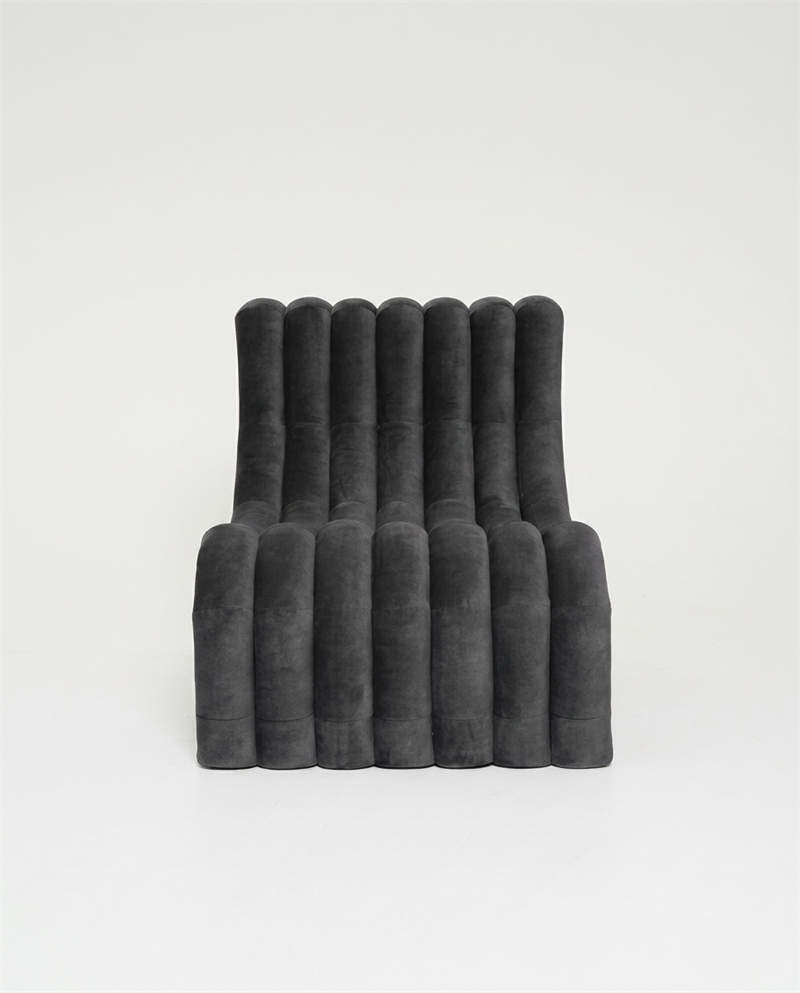
 The details that define the premium: hand-stitched leather seams, precise material transitions, and surface depth that rewards close attention.
Audit your current collection against Italian design principles: Set aside a full day to physically walk through your current inventory or catalog — not as a commercial exercise, but as a design audit. Apply the evaluation framework from Section 8 to every significant piece. Be honest about what you find. The pieces that score well against all three criteria are your commercial anchors — they deserve premium positioning, prominent display, and the deepest investment of your team’s selling attention. The pieces that score poorly are candidates for discontinuation or renegotiation.
Identify three pieces that exemplify clean volumes, refined contrasts, and layered texture: Choose three specific pieces from your current collection that best embody the integrated Italian design philosophy. These become your sales team’s training subjects — the pieces they learn to discuss with design-level precision and confidence. When your team can articulate the form decision, the contrast logic, and the texture strategy of these three pieces instinctively, the framework will begin to transfer to the rest of your collection.
Draft talking points for your sales team: Using the language frameworks from this guide, write a one-page talking points document for your team. It should cover: how to introduce the concept of Italian design philosophy in a client conversation without being didactic; how to transition from product specification to design philosophy discussion; and how to handle the three most common client objections (price, trend relevance, and versatility). Distribute, discuss, and practice before the end of the month.
Develop a design philosophy statement for your organization: Use the insights from your collection audit and your own developing understanding of Italian design principles to write a clear, specific statement of your curatorial philosophy. This is not a marketing document — it is a decision-making tool and a communication foundation. It should be specific enough to guide genuine decisions (including the decision to not carry certain products) and clear enough to be understood by clients with no design background.
Create internal training materials: Develop the design philosophy manual described in Section 8. Invest in quality photography that shows your anchor pieces in ways that highlight form, contrast, and texture. Include worked examples of design conversations. Create a piece analysis template that your team can use to document their developing understanding of each piece in your collection.
Reach out to key suppliers to discuss their design philosophy: Schedule conversations with your three most important supplier relationships specifically focused on design philosophy rather than commercial terms. The questions from Section 8 provide the agenda. These conversations will simultaneously deepen your own design understanding and signal to your suppliers that you are operating at a different commercial level than most of their distribution partners — which positions you for the exclusivity and partnership conversations that drive long-term margin advantage.
Publish thought leadership content: Begin a content program organized around Italian design philosophy. Aim for one substantive piece per month — a case study, a piece analysis, a design principles explanation, or a project documentation. Distribute through your website, LinkedIn, and direct email to your target professional audience. Consistency over 12 months builds a body of work that establishes genuine authority.
Host designer workshops and seminars: Plan and execute your first invitation-only design workshop within the next 6 months. Keep it small (eight to twelve participants), keep the content specific and substantive (not a product presentation dressed up as education), and document it for content repurposing. The attendees become your highest-value client prospects; the content becomes your most credible marketing material.
Build a reputation as a design authority in your market: Authority is built through consistent, specific, substantive engagement with design ideas over time. By month twelve of this program, if you have audited your collection, trained your team, published consistent thought leadership, hosted substantive events, and deepened your supplier relationships around design philosophy, you will occupy a market position that competitors cannot replicate quickly — because it is built on knowledge, relationships, and trust rather than simply product access or price.
{% include youtube.html id=”FeraqxGnmDA” %}
Watch: How Poltrona Frau, one of Italy’s most iconic furniture houses, defines and communicates Italian design philosophy to a global professional audience.
Embed this YouTube video: https://www.youtube.com/watch?v=FeraqxGnmDA — Milan Design Week 2025: How Poltrona Frau Defines Italian Craftsmanship
The competitive advantage available to B2B professionals who genuinely master Italian design philosophy is not marginal — it is structural. It changes the category in which you compete. When you move from product vendor to design authority, you exit the price comparison market almost entirely. Your clients are not choosing between you and a competitor who carries similar products at a lower margin; they are choosing you because your design judgment, your curation intelligence, and your ability to guide them through complex decisions is something they cannot access anywhere else.
Better margins, faster sales cycles, and stronger client relationships are not abstract benefits — they are the specific, measurable commercial outcomes that flow from investing in design knowledge. Distributors who have completed collection audits against Italian design principles consistently find that their highest-margin products are precisely the ones with the strongest design integrity. Interior designers who develop a coherent design point of view consistently report faster client decision-making and higher average project budgets. Hotel developers who specify against timeless principles consistently find that their design investments retain value longer and require less frequent refresh capital.
The knowledge embedded in this guide is harder to replicate than product access. Any competitor can carry the same brands. Very few can communicate the design philosophy behind those brands with the precision, confidence, and client-centered relevance that the framework in this guide provides. That gap is your competitive moat — and unlike price advantages or distribution agreements, it deepens rather than erodes over time.
Your path forward is clear: position yourself as a curator, not just a vendor. Let your design knowledge lead every client conversation. Let your curation decisions reflect a genuine point of view. And let Italian design philosophy — with its three enduring, commercially powerful principles — be the foundation on which that position is built.
Download our Italian Design Philosophy Evaluation Checklist — a free resource developed specifically for distributors, showroom owners, and design professionals — and start auditing your collection today. Identify which pieces in your current inventory embody true Italian design principles, and which ones are quietly holding back your margin performance and design credibility.
The checklist covers all three core evaluation dimensions: clean volume integrity, refined contrast logic, and layered texture authenticity — with specific, actionable questions for each criterion.
→ Get Your Free Checklist from JL&C Furniture
Explore JL&C Furniture’s curated collections — built for B2B professionals who demand design integrity alongside manufacturing precision: www.jlc-f.com
For B2B sourcing guides and design resources: Furniture Supply Chain Guide | B2B Sourcing Strategy | Design Professional Trade Program
1. What exactly is “Italian design philosophy” and why should I care as a distributor or designer?
Italian design philosophy is a systematic creative framework that prioritizes three interdependent elements: clean geometric forms that hold dignity independent of surface treatment; intentional material and color contrasts that create visual depth and sophistication; and layered textures that generate perceived value through tactile and visual richness. For B2B professionals, it matters because it is the foundation for commanding premium pricing — furniture buyers at the trade level who understand design philosophy consistently close at margins 25–40% higher than those competing on product specification alone. More importantly, it builds the kind of reputation that generates referrals and repeat business across multiple project cycles.
2. How do I distinguish between authentic Italian design and pieces that just look Italian?
Authentic Italian design follows a coherent internal logic — the form, contrast, and texture decisions reinforce each other and feel inevitable rather than arbitrary. Pieces that “look Italian” typically cherry-pick one element: a sleek silhouette without resolved proportions, or a marble-and-metal material combination without the careful contrast logic that makes it work. The most reliable test is the temporal one: authentic Italian design should be difficult to date — it should feel neither immediately contemporary nor obviously historical. Trend-referencing “Italian-style” pieces almost always reveal their moment clearly, because their appeal depends on the trend context rather than enduring design principles.
3. Can I apply Italian design principles to non-Italian furniture?
Absolutely. Italian design philosophy is a framework, not a geographic restriction. The three principles — clean volumes, refined contrasts, layered textures — are operational in any manufacturing context. Many of the world’s most respected furniture manufacturers are not Italian but produce pieces that embody Italian design philosophy with complete integrity. The key is evaluating pieces against the criteria themselves rather than relying on country-of-origin labeling, which has become more commercially unreliable as the market for Italian-branded furniture has expanded globally.
4. How do I explain Italian design philosophy to clients who just want “nice-looking furniture”?
Frame everything around their actual pain points. “Timelessness” resonates with clients who have been disappointed by pieces that felt dated after three years. “Versatility” resonates with designers who need pieces that work across multiple project contexts and style directions. “Investment value” resonates with developers and hospitality buyers who think in terms of capital expenditure cycles. Design philosophy is the mechanism; the client’s problem is the conversation. Once you establish that the philosophy solves a specific problem they recognize, the design language becomes accessible and compelling.
5. Will Italian design principles work for hospitality and hotel projects, or is it too residential-focused?
Italian design principles are arguably more valuable in hospitality than in any other context. The specific demands of hospitality — visual coherence across many rooms, resistance to the visual fatigue generated by complex ornamental forms, durability that justifies premium initial investment, and timelessness that extends the design refresh cycle — are precisely the conditions under which clean volumes, refined contrasts, and layered textures deliver their greatest commercial ROI. Hotels that specify against Italian design principles consistently report longer design relevance windows, reduced refresh capital requirements, and higher guest satisfaction scores related to room aesthetics.
6. How do I train my sales team to sell design philosophy instead of just product specs?
Start with vocabulary, then move to practice. Create a shared language around the three principles and require your team to articulate each principle as it applies to specific pieces in your collection. The shift from “this chair has a walnut frame and wool upholstery” to “this piece uses the warmth of natural wood to create a visual tension with the cooler tones of the upholstery — the contrast is what prevents the minimal form from reading as cold” requires practice but becomes instinctive. Monthly piece analysis exercises, client conversation role-plays, and direct feedback after client meetings are the accountability mechanisms that embed the behavioral change.
7. What’s the difference between “refined contrasts” and just mixing different materials?
Refined contrasts are intentional, balanced, and rooted in optical logic — they create visual tension that the eye resolves as sophistication. Random material mixing creates visual confusion that the eye experiences as noise. The practical test: does the material pairing feel surprising but harmonious? Does each element enhance the other’s qualities, rather than simply coexisting? Warm leather against cool steel works because the warmth of the organic material is heightened by the industrial coolness of the metal — they bring out each other’s essential qualities. Random combinations typically produce visual outcomes where the elements neither enhance nor complement each other.
8. How can I use Italian design philosophy to justify higher prices without sounding pretentious?
The key is to make the value argument specific, concrete, and client-centered rather than abstract and aesthetic. “This piece embodies Italian design philosophy” is pretentious and meaningless to most clients. “This piece is built around design decisions that will keep it feeling relevant in your client’s space for the next decade, regardless of how their tastes evolve — which means you won’t be having a replacement conversation with them in three years” is concrete, specific, and directly addresses a commercial concern that every professional in this industry recognizes. Focus on longevity, versatility, and ROI rather than aesthetics.
9. Should I specialize in Italian design or offer a broader range?
The commercial evidence strongly favors specialization for professionals competing at the premium end of the market. Specialization builds curatorial authority — the trust that clients place in your judgment — which is the foundation for margin premium and client loyalty. A broader range offers flexibility but dilutes the editorial point of view that makes premium positioning sustainable. The most useful framing is this: what is your primary competitive advantage? If it is design expertise and curatorial credibility, specialization compounds that advantage. If it is breadth, availability, and price competitiveness, that is a different — and inherently more margin-compressed — strategy.
10. How do I evaluate a new collection from a manufacturer to see if it aligns with Italian design principles?
Apply the three-question framework consistently: First, do the pieces have forms that would hold dignity if you removed every surface treatment and material choice? Second, do the pieces use contrasts — material, color, or textural — that feel balanced, deliberate, and timeless rather than trend-responsive? Third, do the surface textures create perceived depth and tactile richness that would justify premium pricing to a tactile-experience-driven client? If the answer to all three is a clear yes, the collection warrants serious consideration. If the answer to any one of the three is no, that is a design integrity gap that will eventually create commercial problems — typically in the form of client dissatisfaction, margin pressure, or trend-related obsolescence.
11. Can Italian design work in budget-conscious projects, or is it only for luxury?
Italian design principles are entirely scalable across price points — the philosophy is about intentionality, not expense. A piece with a clean, resolved form, one deliberate material contrast, and a quality surface texture can embody Italian design philosophy even when manufactured at a modest price point. The difference between a budget piece and a luxury piece operating within the same design framework is material quality and production execution, not design approach. This is commercially significant because it allows you to offer entry-level and luxury tiers within a unified curatorial framework — which builds client loyalty across budget cycles and avoids the positioning trap of being associated exclusively with a price point.
12. How do I handle clients who want trend-driven pieces but I want to steer them toward timeless design?
The most effective approach is not to resist the trend but to contextualize it. “That trend piece works beautifully as an accent element — it brings energy and contemporaneity to the space. For the foundational pieces — the seating, the case goods, the dining furniture — let’s choose things that will feel as right in eight years as they do today. The combination of both is what creates a space that feels current but not dated.” This approach honors the client’s aesthetic instincts while using your expertise to protect them from the commercial and aesthetic consequences of trend-dependent core furniture selections.
13. What’s the relationship between Italian design philosophy and sustainability?
The relationship is structurally strong and commercially compelling. Timeless design means pieces are not discarded when trends shift — which represents a direct reduction in material consumption and manufacturing waste. Quality construction, which is inherent to authentic Italian design, means longer product lifespans and lower lifecycle replacement costs. Natural, layered textures typically mean materials that are sustainably sourced, biodegradable, and aligned with the increasing environmental standards of corporate and hospitality procurement. For clients with sustainability commitments — which now includes a significant and growing proportion of corporate and hospitality buyers — Italian design philosophy is the design-based argument for sustainable specification.
14. How do I build a collection that reflects Italian design philosophy without getting stuck with slow-moving inventory?
Start with anchor pieces — products that demonstrate all three principles with clarity and that solve specific, recurring specification challenges for your target clients. These are your consistent performers; invest in depth of inventory here. Build complementary pieces around these anchors: products that extend the design language into different product categories or different price points without introducing contradictory design logic. Avoid one-off acquisitions driven by trend appeal or opportunistic pricing. The goal is a collection where pieces work together as a curated whole — where the internal coherence of the collection is itself a selling point that no individual piece can provide on its own.
15. How do I communicate Italian design philosophy in a way that resonates with architects vs. interior designers vs. hotel developers?
The same design principles require different entry points depending on the audience’s professional priorities. With architects, emphasize spatial logic and formal resolution — “the clean volume of this piece creates a spatial pause that gives the architectural volume of the room room to breathe.” With interior designers, emphasize versatility and layering capability — “the restrained contrast in this piece means it works across completely different decorative registers — you could use it in a minimalist composition or a more layered, textured interior and it would read correctly in both.” With hotel developers, emphasize longevity and capital efficiency — “this piece is designed to generate positive guest feedback at year one and year eight, which directly impacts your design refresh cycle and capital requirements.” Same philosophy; three precision-targeted entry points.
This article is produced by the editorial team at JL&C Furniture — a Shanghai-based manufacturer and design partner for premium residential, hospitality, and commercial furniture projects worldwide. Explore our collections and B2B resources at www.jlc-f.com.

China Furniture Sourcing Agent Roles for High-End Buyers What a China Furniture Sourcing Agent Actually Does for High-End Buyers Every finished luxury room sits on
How to Vet a China Furniture Sourcing Agent Before Signing A single curved sofa like this goes through dozens of approvals, including frame, foam, fabric
China Furniture Sourcing Agent vs Direct Factory Buying: A Strategic Guide for High-Value Buyers When one project includes 400 hotel rooms, a 20-seat marble dining
Advanced Tips to Get More from Your China Furniture Sourcing Agent Powerful Strategies for High-Performance Sourcing – Tailored for Elite Buyers, Designers & Operators Your
What Wholesale Furniture Suppliers in China Can Offer High-Value Buyers A statement luxury living room — the kind of space that begins with the right

How to Work Better With Your China Furniture Supplier After Ordering A Practical Playbook for High-End Furniture Importers, Interior Designers, FF&E Buyers, Villa Owners, Private