Build trust with your B2B clients through transparent supply chain…
Build trust with your B2B clients through transparent supply chain storytelling. This comprehensive guide shows furniture distributors, agents, showrooms, and designers how a documentary series reveals manufacturing excellence, quality standards, and craftsmanship—transforming skepticism into confidence and strengthening long-term business relationships.
Why Supply Chain Transparency Matters for B2B Furniture Partnerships
In the high-end luxury furniture industry, purchasing decisions are rarely impulsive. When a furniture distributor commits to a container-load order, or a hospitality designer specifies custom seating for a 500-room luxury resort, they are not just buying physical goods. They are investing in a promise of durability, consistency, and structural integrity. Historically, global supply chains have been treated as proprietary black boxes, leaving B2B buyers to rely solely on glossy catalogs and promises from sales representatives.
However, high-ticket sourcing carries significant risk. A single failure in structural joinery or a delayed shipment due to poor production management can cost a design firm its reputation or eat away a showroom’s profit margins. This is where transparent supply chain storytelling shifts the paradigm. By creating a professional, cinematic “Day-in-the-Life” documentary series, luxury furniture manufacturers can demystify their processes.
For industry leaders like JL&C Furniture, showcasing the actual journey from raw material selection to final delivery is the ultimate trust accelerator. This guide provides a detailed blueprint for planning, producing, and leveraging a supply chain documentary series that turns transparency into a powerful commercial asset for B2B furniture partnerships.
Understanding the Power of Supply Chain Transparency in B2B Furniture Sales
How Documentary Content Builds Trust with Distributors and Designers
High-end distributors and interior designers are risk-averse by necessity. Their brand equity depends entirely on the long-term performance of the products they specify. When a manufacturer uses documentary-style video content to show exactly how their furniture is engineered, it eliminates guesswork.
Instead of reading that a sofa features an eight-way hand-tied spring system, a designer can watch a master craftsman meticulously tensioning each knot. This raw, unfiltered proof builds a level of cognitive trust that no brochure can replicate, reassuring buyers that the premium price tag corresponds to elite-tier craftsmanship.
The Psychology Behind Transparency in Business Relationships
In B2B commerce, transparency acts as an expensive signal of quality. According to signaling theory in economics, only high-performing firms can afford to fully expose their internal operations.
By pulling back the curtain on the factory floor, a brand signals that it has nothing to hide—no cut corners, no substandard materials, and no exploitative labor practices. This level of vulnerability establishes psychological safety, transforming the buyer-supplier dynamic from a transactional negotiation into a collaborative, long-term alliance.
Case Studies: Brands That Increased B2B Sales Through Supply Chain Storytelling
Luxury lifestyle brands and premium contract manufacturers have successfully leveraged raw production footage to capture market share. For instance, high-end European joineries regularly publish cinematic deep-dives into their timber-harvesting processes in the Alps. By showing the slow, meticulous kiln-drying process, these brands justify their 16-week lead times.
Distributors who watch these documentaries understand that speeding up the process would compromise the timber’s cellular stability. Consequently, these manufacturers report fewer price negotiations and a dramatic increase in early-stage distributor sign-ups.
The Competitive Advantage of Showing Your Manufacturing Process
Differentiating Your Furniture Brand in a Crowded B2B Market
The luxury furniture sector is saturated with brands using identical marketing buzzwords. Terms like “handcrafted” and “premium quality” have lost their meaning.
By visually documenting your physical manufacturing steps, your brand moves from making claims to presenting undeniable evidence. While competitors hide behind stock photography, showing your actual facility, customized machinery, and dedicated artisans sets your brand apart in a crowded marketplace.
Addressing Client Concerns Before They Become Deal-Breakers
B2B buyers routinely worry about structural defects, off-gassing of volatile organic compounds (VOCs), and maritime shipping damage. A documentary series allows you to proactively address these concerns.
By showing your chemical-free finishing booths, structural stress-testing machinery, and specialized export packaging techniques, you resolve client objections before they ever reach the sales team.
ROI Metrics for Documentary-Based Marketing Initiatives
Measuring Engagement and Lead Generation from Video Content
To justify the investment in professional video production, manufacturers must track specific digital metrics. Key performance indicators (KPIs) include video completion rates on B2B portals, click-through rates (CTR) on email campaigns containing video links, and inbound inquiries from high-value target accounts.
B2B Conversion ROI=Production CostValue of New Contracts−Production Cost×100%
Converting Documentary Viewers into Long-Term B2B Partners
Video content acts as a highly effective top-of-funnel filter. Prospects who watch a multi-episode factory documentary series have a significantly higher conversion rate. The table below illustrates the typical performance differences between traditional outbound catalogs and documentary-led outreach:
Metric
Traditional Catalog Outreach
Documentary-Led Outreach
Average Email Open Rate
15% – 18%
32% – 40%
Sales Cycle Length
6 – 9 Months
3 – 4 Months
Showroom Onboarding Rate
2.5%
8.8%
Inbound RFQ Quality
Low (Price-Sensitive)
High (Quality-Focused)
Planning Your Day-in-the-Life Documentary Series Strategy
Defining Your Target Audience and Their Pain Points
What Distributors Need to See (Quality Assurance, Consistency, Scalability)
Distributors operate on volume and predictability. In your documentary, they want to see scalable precision.
Your content must show that your factory can produce 100 identical dining tables without a single millimeter of deviation. Highlight your advanced five-axis CNC machinery working in tandem with skilled hand-carvers to demonstrate both scale and artistry.
What Interior Designers Want to Understand (Customization, Timelines, Reliability)
Interior designers care about customization, material integrity, and strict adherence to project timelines. For this audience, document your bespoke engineering division.
Show how your CAD designers translate hand sketches into technical shop drawings, and highlight the flexible staging areas where custom finishes are mixed and verified under multi-spectrum lighting.
Setting Clear Objectives for Your Documentary Series
Building Brand Authority and Industry Credibility
The primary goal of your series is to position your brand as an industry authority. Showcasing specialized processes—such as complex marquetry or advanced metal-to-wood joinery—establishes your facility as a center of manufacturing excellence.
Establishing Yourself as a Transparent, Trustworthy Supplier
Trust is built when what you say aligns with what you show. Your objective should be to display your factory floor exactly as it is: organized, safe, highly efficient, and staffed by respected, skilled professionals.
Budgeting and Resource Planning for Professional Production
In-House vs. Professional Production: Making the Right Choice
While modern smartphones can capture quick social media updates, a B2B documentary series targeted at luxury buyers requires professional production.
High-end furniture requires sophisticated lighting to capture subtle wood grains and rich fabric textures. Hiring an experienced commercial production crew ensures that your brand’s commitment to quality is reflected in the video’s production values.
Timeline Considerations for Multi-Episode Series Development
A high-quality 4-to-6 episode documentary series typically requires a 12-to-16 week production cycle. This timeline includes script development, storyboarding, site preparation, filming across multiple production batches, editing, color grading, and sound design.
The Factory Floor Stage—Showcasing Manufacturing Excellence
Capturing Raw Material Selection and Sourcing Processes
Demonstrating Quality Control at the Source
The journey of luxury furniture from JL&C Furniture begins long before the assembly line. Document the arrival of raw lumber, showing inspectors using digital moisture meters to verify that the timber’s moisture content is balanced between 8% and 12%. This step is essential to prevent warping, cracking, or splitting in regional climates worldwide.
Highlighting Sustainable and Ethical Sourcing Practices
Capture close-up shots of the FSC stamps on incoming logs and interview your purchasing director about your ethical sourcing practices. This reassures clients that their supply chain is legally compliant and environmentally responsible.
+------------------------------------------------------------+
|             GLOSSARY: HIGH-LEVEL TECHNICAL TERMS           |
+------------------------------------------------------------+
| * Mortise and Tenon: A classic woodworking joint where a    |
|   projecting tongue (tenon) fits precisely into a corresponding|
|   cavity (mortise). Known for exceptional structural strength.|
|                                                            |
| * Five-Axis CNC Machining: Computer-controlled carving that|
|   operates along five axes simultaneously, enabling complex|
|   sculptural shapes with tolerances tighter than 0.1mm.   |
|                                                            |
| * Martindale Rub Test: An industry-standard test simulating|
|   natural wear by rubbing fabric against an abrasive surface.|
|   Heavy commercial use requires >40,000 rubs.              |
+------------------------------------------------------------+
Documenting Skilled Craftsmanship and Production Techniques
Featuring Master Craftspeople and Their Expertise
Highlight the human element of your production. Feature close-up, slow-motion footage of your master craftspeople performing traditional techniques, such as hand-tied springs, intricate veneer matching, or hand-applied gold leaf. These scenes emphasize the artistry and human care that define premium furniture.
Explaining Advanced Manufacturing Technologies and Traditional Methods
A successful documentary shows how classic techniques and modern technology complement each other. Highlight the contrast between high-speed precision CNC routers cutting complex internal frames and the hand-finishing processes that give each piece its final, refined texture.
Revealing Production Standards and Consistency Measures
Walk-Throughs of Quality Checkpoints Throughout Production
Show your quality control inspectors at key points along the production line. Document how they check the squareness of frames and verify the alignment of wood grain patterns at every stage of assembly.
Showing How You Maintain Standards Across Large-Scale Orders
Explain the systems you use to ensure consistency across large production runs. Show how digital patterns, standardized assembly jigs, and regular calibration of machinery ensure that the first chair off the line matches the hundredth exactly.
The Quality Inspection Stage—Proving Your Commitment to Excellence
Comprehensive Testing Protocols and Certification Processes
Structural Integrity Testing and Safety Compliance
To prove durability to contract buyers, show your testing equipment in action. Capture pneumatic pistons applying repeated force to chair backs and seat cushions to simulate years of heavy use. This visual proof demonstrates compliance with global safety standards like ANSI/BIFMA.
Material Durability and Longevity Verification
Show your quality control team performing Martindale rub tests on leather and textiles, as well as scratch-resistance testing on lacquer finishes. This footage reassures commercial specifiers that your materials are built to withstand high-traffic environments.
Detailed Inspection Procedures at Multiple Production Stages
First-Article Inspection (FAI) and Sample Approval Processes
Document your sample approval process for custom contract orders. Show how your engineers inspect the very first production prototype, comparing it to CAD models and color specifications before starting full-scale manufacturing.
Final Quality Audits Before Packaging and Shipment
Capture the final inspection process in a clean, brightly lit QC bay. Show inspectors checking every surface under specialized lighting, verifying that drawers slide smoothly, doors align perfectly, and there are no surface blemishes.
Batch Tracking and Serial Numbering for Full Accountability
Explain your tracking systems. Show how each finished piece of furniture receives a unique QR code or serial number, linking it back to the specific batch of raw wood, the craftsmen who assembled it, and the quality inspector who approved it.
Digital Records That Support B2B Warranty and Service Claims
Show how these digital records are archived. This system allows B2B clients to easily request replacement parts or file warranty claims by scanning the product’s unique serial number.
The Packaging and Logistics Stage—Ensuring Safe Delivery
Professional Packaging Techniques for International Shipping
Materials and Methods That Protect Furniture During Transit
Shipping high-end furniture globally requires robust, specialized packaging. Document your packing team wrapping finished pieces in high-density EPE foam, adding thick corner guards, and placing them in heavy-duty, double-wall honeycomb cardboard cartons. For fragile glass, stone, or high-gloss lacquer items, show the construction of custom wooden crates.
Figure 2: Secure export-ready packaging ensures that every piece of premium furniture arrives in pristine condition.
Sustainable Packaging Solutions That Appeal to Modern Distributors
Modern brands must prioritize sustainability. Document your use of recyclable, biodegradable packaging materials and FSC-certified cardboard boxes. This choice helps global distributors reduce their waste disposal costs and aligns with modern environmental standards.
Warehouse Management and Inventory Control
Organized Storage Systems and Efficient Order Fulfillment
Showcase your organized warehousing facilities. Clear, high-angle shots of your racking systems demonstrate that products are stored in climate-controlled environments, protecting delicate wood and upholstery from excessive humidity or temperature swings.
Real-Time Tracking Systems for B2B Client Visibility
Introduce the software systems that manage your inventory. Show how your warehouse team scans items upon dispatch, generating real-time tracking links that keep B2B buyers updated on their shipments.
Shipping Partner Selection and Coordination
Choosing Reliable Logistics Partners for International Delivery
Outline your criteria for selecting global freight forwarders. Explain that you work exclusively with top-tier ocean carriers and logistics firms specializing in fragile cargo. This focus minimizes transit delays and ensures careful handling.
Managing Customs and Documentation for Smooth Clearance
Show your documentation team preparing essential export paperwork, such as bills of lading, certificates of origin, and phytosanitary certificates. Having accurate, complete documentation prevents delays at international customs checkpoints.
The Final Delivery Stage—Completing the Customer Promise
Last-Mile Delivery Coordination and Customer Communication
Professional Delivery Teams and Installation Support
The delivery journey is complete only when the furniture is placed in its final location. Document your white-glove installation teams or your partnerships with premium local delivery providers. Show them unboxing and assembling pieces with professional care.
Damage Prevention Protocols During Final Handoff
Highlight the protective measures used during installation, such as floor runners and padded door covers. These steps demonstrate respect for the client’s property and protect finished surfaces from scratches or scuffs during assembly.
Post-Delivery Support and Quality Assurance Follow-Up
Inspection Checklists That Empower B2B Clients
Provide B2B clients with detailed receiving checklists. These guides show receivers exactly how to inspect joinery, upholstery, and mechanisms, ensuring any transit-related issues are noted immediately.
Rapid Response Systems for Any Quality Issues
Detail your support processes. Show your after-sales team reviewing a customer inquiry and coordinating the immediate dispatch of replacement parts, demonstrating your commitment to long-term satisfaction.
Building Long-Term Relationships Through Exceptional Service
Feedback Loops and Continuous Improvement Initiatives
Explain how you use feedback from showrooms and interior designers to refine your designs and manufacturing processes, ensuring your products continue to meet evolving market demands.
Creating Case Studies from Successful Installations
Document your finished furniture in completed commercial spaces, such as luxury boutique hotel lobbies or premium residential projects. These visual records provide powerful social proof for future buyers.
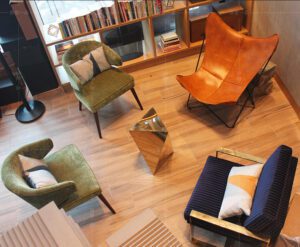
Figure 3: Completed white-glove installation showcasing bespoke hospitality seating in a luxury boutique hotel.
Production Best Practices—What Your Documentary Should Highlight
Cinematography and Storytelling Techniques for B2B Audiences
Professional Lighting, Camera Work, and Audio Quality Standards
To appeal to luxury buyers, your video content must match the quality of your furniture. Use high-definition 4K cameras, steady gimbal work, and high-quality audio recording to capture the crisp sounds of woodworking and sewing.
Narrative Structure That Maintains Engagement for Business Decision-Makers
Keep your storytelling focused and professional. Structure each episode around a specific production challenge and how your team solves it, demonstrating technical expertise and problem-solving capabilities.
Below is an example of a professional supply chain and artisan storytelling documentary. Watch how world-class workshops capture manufacturing detail to build ultimate buyer trust:
Featuring Key Personnel and Their Expertise
Introducing Factory Managers, Quality Directors, and Craftspeople
Introduce the key professionals behind your products. Hearing directly from your lead structural engineer or quality director about their commitment to excellence adds a personal, trustworthy dimension to your brand.
Building Personal Connections That Humanize Your Brand
When B2B buyers know the people managing their orders, they feel more secure in their partnership. Humanizing your factory team turns a distant manufacturing facility into a reliable partner.
Visual Documentation of Certifications and Compliance
On-Screen Display of ISO Certifications and Industry Standards
When discussing quality standards, display your official certifications on-screen. Showing actual ISO 9001 certificates or emissions compliance documents reinforces your claims.
Regulatory Compliance Documentation and Third-Party Audits
Document visits from third-party auditors and show your laboratory testing processes. This transparency provides buyers with independent verification of your factory’s standards.
Distribution and Promotion Strategy for B2B Success
Multi-Platform Distribution Channels
LinkedIn and Industry-Specific B2B Platforms for Maximum Reach
LinkedIn is the primary platform for connecting with furniture distributors, showroom owners, and contract specifiers. Share short, engaging video segments that highlight specific details, such as structural joint strength or upholstery stitching techniques.
Email Marketing Campaigns Targeting Distributors and Designers
Incorporate video links into your regular newsletters to design partners and trade buyers. A short, interesting production video achieves much higher engagement rates than a standard product promotion email.
Integrating Documentary Content Into Sales Presentations
Creating Customizable Video Clips for Different Buyer Personas
Segment your main documentary into shorter, targeted clips. Your sales team can share sourcing and sustainability clips with eco-conscious designers, while sending machinery and capacity videos to large-scale retail buyers.
Using Short-Form Content for Social Media and Website Integration
Create a dedicated “Our Process” page on your website to host the full documentary series. Use shorter highlights on social media channels to drive interested professionals back to your main site.
Leveraging Content for Trade Shows and Industry Events
Booth Displays and In-Person Screening Opportunities
Display your cinematic factory footage on large high-definition screens in your exhibition booth. This motion and detail draw visitors in and provide a great starting point for sales conversations.
QR Codes and Digital Access for Real-Time Engagement
Place QR codes on your product catalog pages and showroom display cards, allowing visitors to instantly scan and watch the manufacturing process of the specific piece they are viewing.
Measuring Success and Optimizing Your Series
Key Performance Indicators for Documentary Marketing
Tracking Views, Engagement Rates, and Lead Generation Metrics
Monitor which episodes generate the most views, where viewers pause or stop watching, and how many leads request pricing after watching a video.
Analyzing Time-on-Page and Content Completion Rates
High completion rates indicate that your content is interesting and valuable to busy professionals. Use these insights to refine the length and focus of future videos.
Gathering Feedback from B2B Clients and Partners
Surveys and Interviews to Understand Impact on Purchase Decisions
Ask new distributors and interior designers if your documentary content influenced their decision to work with you. Their feedback will help you understand which aspects of your production build the most trust.
Refining Future Episodes Based on Audience Insights
If clients request more detail on specific processes, such as leather selection or metal finishing, dedicate future episodes to those topics to address their interests directly.
Continuous Improvement and Series Evolution
Updating Content to Reflect Process Improvements and New Technologies
As you invest in new equipment or refine your production methods, update your video library to ensure your marketing materials always reflect your current capabilities.
Expanding the Series with Specialized Episodes for Niche Markets
Consider creating specialized episodes for specific sectors, such as flame-retardant furniture standards for the hospitality industry or custom joinery details for high-end residential projects.
Common Challenges and Solutions in Documentary Production
Balancing Transparency with Proprietary Information
Protecting Trade Secrets While Remaining Genuinely Open
You can demonstrate manufacturing quality without revealing proprietary designs. Focus on showing material quality, structural joinery, and testing processes, rather than proprietary machinery setups or unique technical drawings.
Determining What to Show and What to Keep Confidential
Establish clear guidelines with your production team before filming begins, ensuring that proprietary processes are kept off-camera while key quality steps are highlighted.
Managing Production Timelines and Factory Operations
Scheduling Shoots Without Disrupting Manufacturing Schedules
Plan your filming schedule around your normal factory operations. Conduct interviews during shift changes and film detailed processes with small, nimble production crews to avoid interrupting production.
Coordinating with Multiple Departments and Stakeholders
Assign an internal project manager to coordinate between the video production crew and your factory managers, ensuring filming goes smoothly without affecting daily output.
Ensuring Authenticity While Maintaining Professional Quality
Avoiding Over-Produced Content That Feels Inauthentic
B2B buyers appreciate genuine, realistic representations. Avoid overly staged scenes; instead, focus on the real, skilled work of your craftspeople in their natural environment.
Balancing Scripted Elements with Genuine Documentary Feel
Use structured outlines to guide your narrative, but allow staff interviews and factory processes to flow naturally to preserve the authentic documentary feel.
Frequently Asked Questions (FAQs)
Q1: Why should B2B furniture companies invest in documentary-style content when traditional marketing works?
Documentary content builds trust at a deeper level than traditional marketing. For B2B buyers making significant purchasing commitments, seeing authentic behind-the-scenes processes reduces perceived risk and creates confidence in your product quality and business practices.
Q2: How long should each episode be to maintain engagement with busy B2B decision-makers?
The optimal length is 8 to 15 minutes for full episodes and 2 to 4 minutes for short-form content. B2B professionals appreciate concise storytelling; longer episodes can be segmented into chapters for flexible viewing.
Q3: What is the typical timeline from concept to launching a full documentary series?
Plan for 4 to 6 months for a professional 6-to-8 episode series. This includes planning (4 weeks), filming (6-8 weeks), editing (8-10 weeks), and post-production (4-6 weeks).
Q4: Can we film the documentary series without disrupting our regular manufacturing operations?
Yes. Coordinate with production teams during lower-capacity periods, schedule shoots during shift changes, and work with experienced crews who understand factory environments and safety protocols.
Q5: How do we protect proprietary manufacturing techniques while still being transparent?
Focus on showing your quality standards, materials, craftsmanship, and testing processes rather than specific technical specifications. Highlight what makes you trustworthy rather than revealing exact methods.
Content and Production Questions
Q6: Should we hire an external production company or produce the documentary in-house?
External production companies bring professional quality, objectivity, and storytelling expertise. In-house production saves costs but may lack the polish that impresses B2B decision-makers. A hybrid approach—hiring professionals for filming while your team handles coordination—often works best.
Q7: What equipment and crew do we need for professional documentary production?
A standard setup includes a 4K cinema camera, professional audio equipment, lighting kits, and a crew of 3 to 5 professionals (director, cinematographer, audio technician, producer). Professional production typically requires $5,000 to $15,000 per episode depending on scope.
Q8: How do we make factory floor footage visually engaging for audiences used to polished commercial content?
Use varied camera angles, dynamic lighting, close-ups of details, time-lapse sequences, and thoughtful editing. Authentic environments become compelling when filmed with cinematic techniques and paired with professional sound design and narration.
Q9: Can we feature customer testimonials and installation footage in the series?
Absolutely. Including real B2B client stories and installation footage adds credibility and shows the complete journey from factory to successful implementation. This resonates powerfully with potential new clients.
Q10: What role should company leadership play in the documentary?
Leadership can provide valuable context about company values, quality philosophy, and commitment to clients. Keep appearances authentic and purposeful—brief, meaningful moments are more effective than lengthy executive interviews.
Distribution and Marketing Questions
Q11: Which platforms are best for distributing B2B documentary content?
LinkedIn (primary for B2B reach), your company website, YouTube, email marketing campaigns, and industry-specific platforms. Create platform-specific versions—longer for YouTube, short clips for LinkedIn, embedded on your website.
Q12: How should we incorporate the documentary into our sales process?
Use it as a pre-meeting resource (send links to prospects), during presentations (show relevant clips), and as a post-meeting follow-up. Create a dedicated landing page where prospects can watch the full series and request more information.
Q13: What’s the best way to measure if the documentary is actually driving B2B sales and partnerships?
Track metrics including video views, click-through rates, lead generation, time-to-conversion for viewers vs. non-viewers, and qualitative feedback from sales teams. Survey new clients about what influenced their decision to partner with you.
Q14: How do we update the documentary series as our processes evolve?
Plan for annual refreshes or special episodes highlighting new technologies, expanded capabilities, or improved processes. This keeps content current and shows continuous improvement to existing and potential partners.
Q15: Can we create specialized versions of the documentary for different customer segments (distributors vs. designers vs. showrooms)?
Yes. Create a core series, then produce specialized 3-5 minute clips emphasizing elements most relevant to each audience—focus on scalability and bulk pricing for distributors, customization and timelines for designers, and retail appeal for showrooms.
Q16: How does documentary content compare to other B2B marketing strategies in terms of ROI?
Documentary content typically generates 2-3x higher engagement than traditional marketing materials and significantly improves conversion rates once prospects watch it. The investment pays off through longer customer relationships and reduced sales cycle friction.
Q17: What if competitors attempt to replicate our documentary approach?
Authenticity is difficult to replicate. Your unique story, team, facilities, and processes can’t be copied. Focus on being genuinely transparent and continuously improving, which will keep you ahead of competitors attempting to follow your model.
Q18: How do we handle negative feedback or criticism about our manufacturing processes?
Address concerns transparently in the documentary or follow-up content. If criticism is valid, use it as an opportunity to explain improvements you’re making. This honesty strengthens rather than weakens trust with B2B partners.
Q19: Should the documentary focus more on the product or the people making it?
Balance both. B2B buyers care about product quality (materials, testing, consistency) but also about the people and culture behind it (expertise, commitment, reliability). The best documentaries show how skilled people create excellent products.
Q20: What’s the ideal frequency for releasing new episodes in a documentary series?
Release 1-2 episodes monthly to maintain momentum without overwhelming your audience. This allows time for promotion and engagement between episodes while keeping the series fresh in prospects’ minds.
Transforming Supply Chain Visibility Into Competitive Advantage
Documentary storytelling isn’t just about showing your factory—it’s about proving your commitment to excellence, transparency, and partnership. For B2B furniture professionals evaluating suppliers, a well-executed day-in-the-life series answers critical questions before they’re asked, builds confidence in your capabilities, and establishes you as a trustworthy long-term partner.
By documenting every stage from factory floor to final delivery, you’re not just marketing a product—you’re inviting your B2B clients into your world, demonstrating the care, precision, and professionalism that goes into every piece. In an industry where trust and reliability are paramount, this transparency becomes your most powerful competitive advantage.
Ready to launch your documentary series and transform how B2B clients perceive your brand?
Start by auditing your current manufacturing processes to identify the most compelling stories to tell. Schedule a consultation with a professional production team experienced in B2B documentary work, develop your episode outline, and commit to 6 months of dedicated production. Your first episode could be launching within 90 days—ready to change how distributors, designers, and showrooms evaluate your furniture.
The question isn’t whether you can afford to create this content—it’s whether you can afford not to, as your competitors discover the power of transparent storytelling. Discover how JL&C Furniture elevates manufacturing standards by exploring our custom capabilities today.
Want to cooperate with a Leading Luxury Furniture Manufacturer and Supplier? Or do you want to get custom furniture?
Shanghai JL&C Furniture Co., Ltd. is a leading manufacturer and solution provider of luxury furniture and customized furniture in China.
China Furniture Sourcing Agent Roles for High-End Buyers What a China Furniture Sourcing Agent Actually Does for High-End Buyers Every finished luxury room sits on
How to Vet a China Furniture Sourcing Agent Before Signing A single curved sofa like this goes through dozens of approvals, including frame, foam, fabric
China Furniture Sourcing Agent vs Direct Factory Buying: A Strategic Guide for High-Value Buyers When one project includes 400 hotel rooms, a 20-seat marble dining
Advanced Tips to Get More from Your China Furniture Sourcing Agent Powerful Strategies for High-Performance Sourcing – Tailored for Elite Buyers, Designers & Operators Your
How to Work Better With Your China Furniture Supplier After Ordering A Practical Playbook for High-End Furniture Importers, Interior Designers, FF&E Buyers, Villa Owners, Private

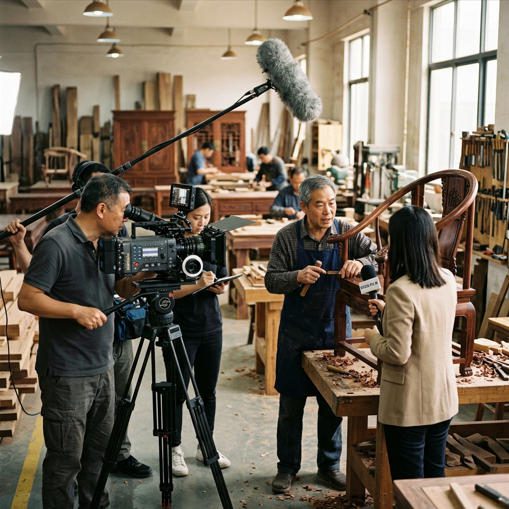
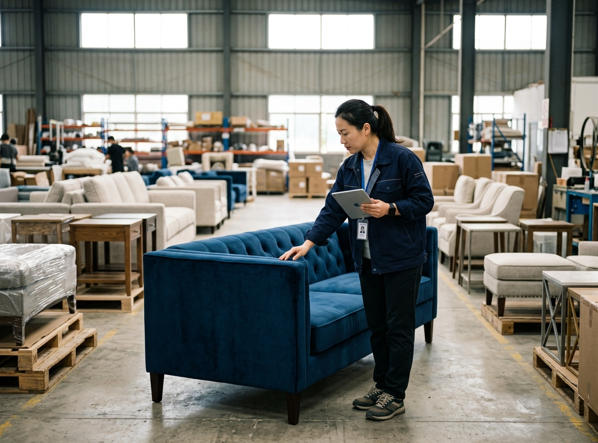
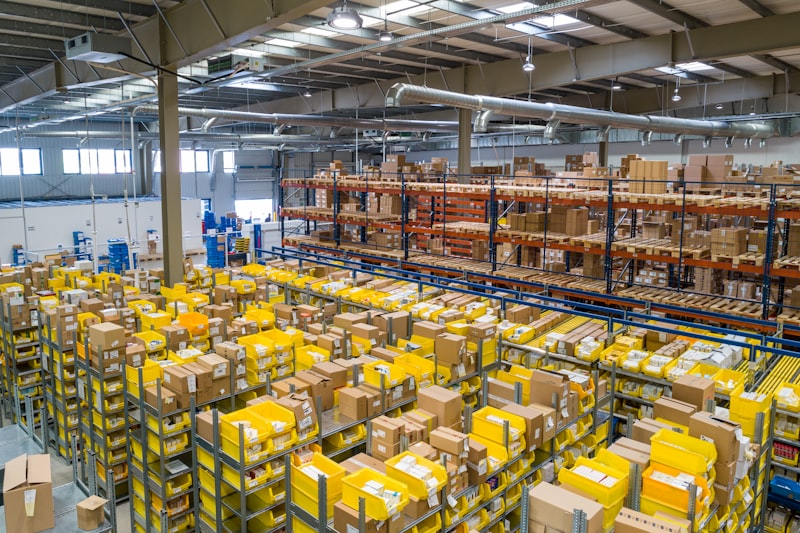 Figure 2: Secure export-ready packaging ensures that every piece of premium furniture arrives in pristine condition.
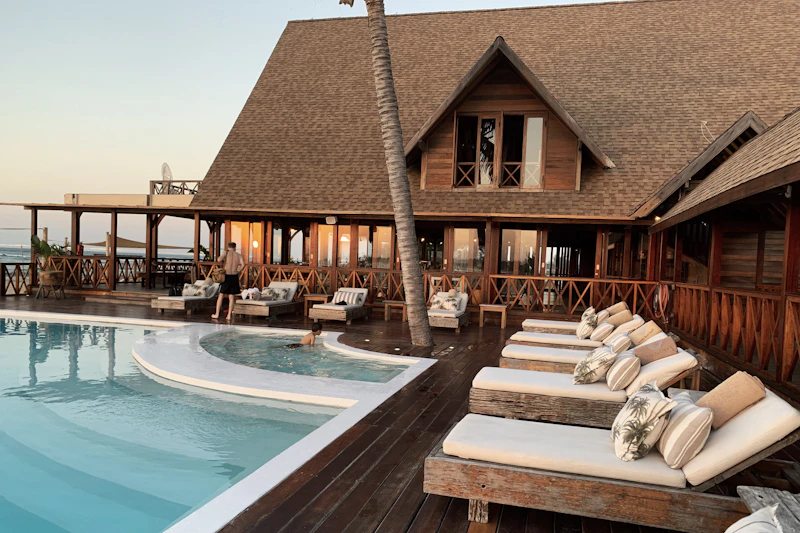 Figure 3: Completed white-glove installation showcasing bespoke hospitality seating in a luxury boutique hotel.