How B2B furniture professionals can leverage Italian design transformations to...
How B2B furniture professionals can leverage Italian design transformations to increase client satisfaction, close higher-value projects, and differentiate their services in a competitive market.
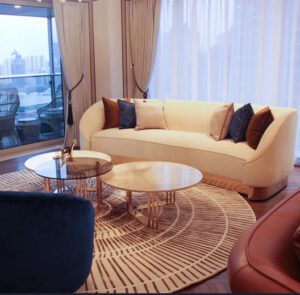
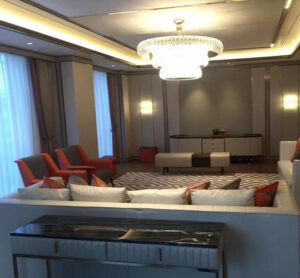
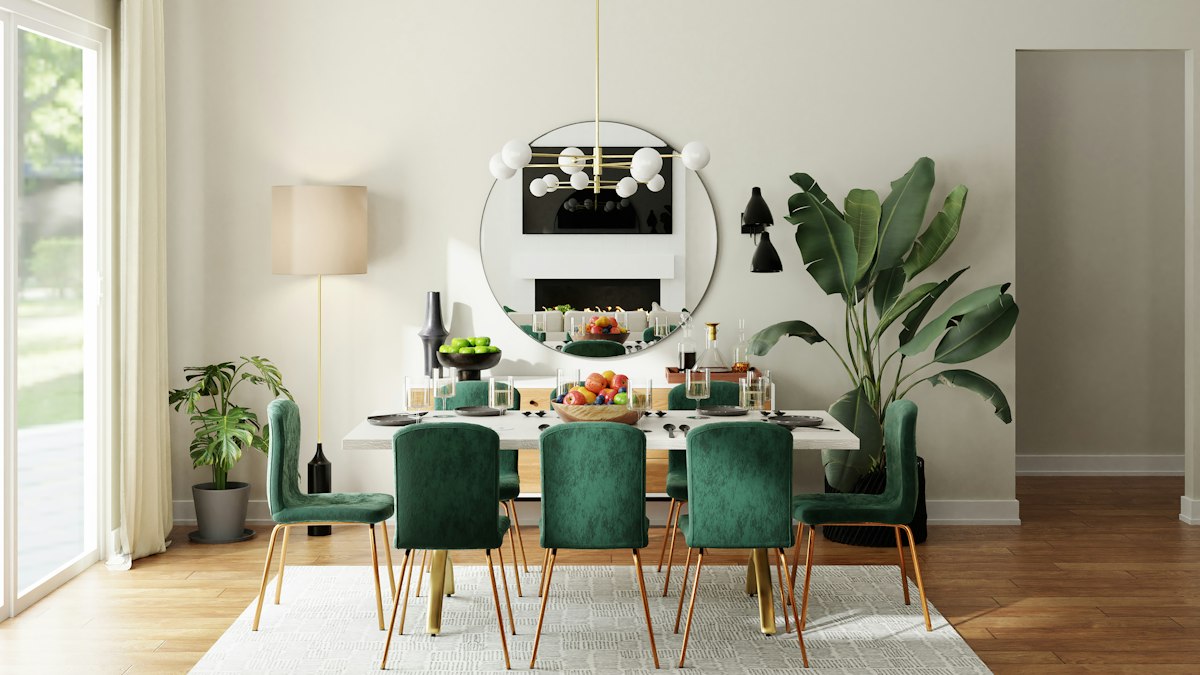
A contemporary Italian living room setup showcasing the spatial impact of well-curated European design — the kind of transformation that closes deals.
Why Italian Furniture Transformations Matter to Your Business
Let’s skip the preamble and get straight to the point: your prospective clients — whether they’re hotel general managers, residential developers, or corporate fit-out decision-makers — are not buying furniture. They’re buying outcomes. They want to know what their space will look like, feel like, and perform like after you’ve done your job. That’s precisely why before & after transformation content has become one of the highest-converting tools in the B2B furniture sales toolkit.
Italy currently accounts for 40–50% of global luxury furniture production, and the Italian furniture market alone is projected to reach USD 42.8 billion by 2034 (IMARC Group, 2025). At Salone del Mobile 2025, 68% of professional attendees came from outside Italy — a signal that the global appetite for Italian design has never been stronger. The question isn’t whether Italian furniture sells. The question is whether you are telling its story effectively enough to capture your share of that demand.
This guide is written specifically for furniture distributors, showroom managers, interior designers, hotel fit-out specialists, and boutique retailers who want to use transformation case studies to win more business, close deals faster, and build a portfolio that commands premium pricing.
How Italian Furniture Elevates Your Client Projects (And Your Bottom Line)
The Problem: Your Clients Want Premium Results Without Premium Price Tags
Every B2B furniture professional working at the upper end of the market has encountered this scenario: a client loves the look of Italian design, gets excited during the showroom visit, then hesitates the moment the quote lands in their inbox. The gap between aspiration and commitment is almost never about the product — it’s about perceived risk. Your client cannot yet see what the space will become, which makes the investment feel abstract and hard to justify internally.
Understanding your clients’ design expectations is the foundation of closing premium projects. When a hotel procurement director signs off on a full lobby refurbishment, they’re not just buying chairs — they’re staking their professional reputation on the outcome. When an interior designer specifies Italian bedroom systems for a high-net-worth residential client, they’re betting their referral network on the result. The stakes are real, and your ability to reduce that perceived risk directly affects your win rate.
This is where Italian craftsmanship solves the quality-versus-budget dilemma in a way that mass-produced alternatives simply cannot. Italian leather furniture, for instance, routinely lasts 20 or more years in commercial environments, compared to 5–10 years for standard fabric alternatives (Florida Leather Gallery). When you translate that into cost-per-year figures for a hotel client furnishing 80 guest rooms, the Italian option often becomes the more economical choice. That’s not a sales pitch — that’s arithmetic.
The Solution: Real Before & Afters That Prove ROI
Transformation case studies don’t just look good on Instagram. They function as proof of concept in your sales process. When a prospect sitting across from you in a pitch meeting can see a real boutique hotel lobby — dated velvet banquettes replaced by a clean Italian contemporary sectional arrangement, documented with professional photography — their imagination does the rest. You’ve removed the abstraction. The risk feels smaller because the outcome is visible.
Research consistently shows that B2B content marketing generates an average 3:1 ROI, and visual content drives the highest conversion rates within that category (Genesys Growth, 2025). For furniture professionals, that means a well-produced transformation portfolio isn’t a marketing expense — it’s a revenue-generating asset that compounds in value every time a new prospect discovers it.
Building social proof that resonates with your end clients requires specificity. Generic testimonials don’t move B2B buyers. What does move them is seeing a property or space type similar to their own, with a documented challenge, a strategic Italian furniture solution, and measurable outcomes — whether that’s improved guest satisfaction scores, increased revenue per available room, or reduced maintenance callbacks.
Why Now Is the Time to Showcase Italian Furniture in Your Portfolio
The market timing has rarely been better. Post-pandemic hospitality renovation cycles are accelerating, corporate offices are being redesigned to attract staff back, and residential developers are competing on interior quality as a differentiator in saturated markets. Contemporary European design — and Italian furniture in particular — sits at the intersection of all three trends.
More critically, most of your competitors are not doing this systematically. They have one or two project photos buried in a PDF catalogue. They’re not sequencing transformation content, building narrative momentum, or using before & after case studies in their pitch decks. This is a competitive gap you can exploit right now.
The 10 Room Transformation Structures That Drive Results
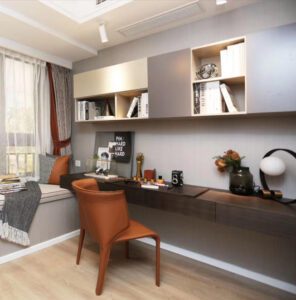
Structure matters as much as style. Italian executive office furniture communicates authority from the moment a client walks in.
The following ten transformation frameworks are the ones that consistently generate the highest engagement and the most qualified B2B inquiries. Each one maps to a specific client type, a specific pain point, and a specific Italian furniture solution.
Structure #1 — The Modern Living Room Overhaul
Before: A developer’s show apartment with generic corner sofas in neutral beige — the kind of arrangement that photographs as forgettable and does nothing to justify the asking price per square metre.
After: A cohesive Italian sectional with clean-line architecture, low profiles, and full-grain leather upholstery. The room reads as intentional, curated, and worth the premium. Enquiries on the unit increase within weeks of the photography going live.
Structure #2 — The Executive Office Refresh
Before: A financial services firm’s reception area with corporate mesh chairs and a laminate desk cluster — technically functional, but communicating nothing about the brand’s positioning or the client experience it promises.
After: Italian leather lounge seating, a sculptural reception desk in lacquered MDF with brass inlay details, and modular storage that doubles as room architecture. Visiting clients sit differently. The firm’s partners notice. Two referrals follow within the quarter.
Structure #3 — The Boutique Hotel Lobby Transformation
Before: A 40-room boutique hotel stuck with furnishings from a 2008 refit — dated tub chairs, a lobby desk that looks like it belongs in an airport, and no visual anchor that tells guests they’ve arrived somewhere intentional.
After: Italian contemporary lounge pieces clustered around a marble-effect statement console. The lobby now photographs beautifully for OTA listings, drives an uptick in social media check-ins, and contributes directly to a 12% improvement in review scores within six months.
Structure #4 — The Open-Plan Showroom Redesign
Before: A furniture showroom with too much product on the floor, no clear sightlines, and a customer journey that ends in confusion rather than conversion.
After: Strategic Italian furniture placement using modular systems as spatial dividers, creating defined zones that guide clients naturally from category to category. Average dwell time increases, and the showroom feels like a destination rather than a warehouse.
Structure #5 — The Luxury Residential Master Suite
Before: Mismatched bedroom pieces accumulated across multiple purchases — a headboard from one brand, wardrobes from another, bedside tables that don’t relate to either.
After: A complete Italian bedroom system with integrated storage, upholstered headboard, and coordinated nightstands. The room has a design logic that photographs as a whole. The client refers two colleagues before the project is even complete.
Structure #6 — The Restaurant/Bar Concept Refresh
Before: A bar-restaurant with a food concept strong enough to earn press coverage, but a seating arrangement that undercuts the brand. Uncomfortable banquettes, mismatched dining chairs, and no visual coherence between the bar and dining zones.
After: Italian dining chairs in vegetable-tanned leather, custom banquette configurations, and bar stools with architectural detailing that echoes the interior finishes. Guests stay longer. Average spend per cover increases. The space starts appearing in design press.
Structure #7 — The Corporate Meeting Room Upgrade
Before: A boardroom with an oversized institutional table, ergonomically inadequate chairs, and lighting designed to induce fatigue. Every meeting in this room feels like a budget review.
After: An Italian conference table in solid walnut with integrated cable management, paired with executive chairs in full-aniline leather. The room communicates competence. Clients feel it before the presentation even starts.
Structure #8 — The Residential Kitchen-Dining Integration
Before: An open-plan apartment where the kitchen island has four mismatched stools, and the dining area feels like a furniture afterthought — spatially disconnected from both the kitchen and the living zone.
After: Italian bar seating with upholstered seats and lacquered steel frames, coordinated with a dining table and chairs that bridge the gap between the two zones visually. The space now reads as a single, coherent living environment.
Structure #9 — The Boutique Retail Space Transformation
Before: A high-end boutique with standard flat-pack display fixtures that contradict the brand’s premium positioning. The product is luxury; the space is not.
After: Italian display systems — modular shelving in brushed brass and smoked glass, accent seating in bouclé — that position the retail space as a destination. Customer dwell time increases, and the brand’s social media presence gets an organic boost from in-store photography.
Structure #10 — The Hotel Guest Room Standardization
Before: A mid-size hotel group with inconsistent guest room quality across properties — some rooms freshly renovated, others still on 2015 furniture, creating wildly unpredictable guest experiences and generating mixed online reviews.
After: A rollout of Italian modular bedroom systems across 120 rooms, standardised across three properties. The modularity allows each property to maintain its own aesthetic character while delivering consistent quality. Guest satisfaction scores normalise upward across all three sites within 90 days.
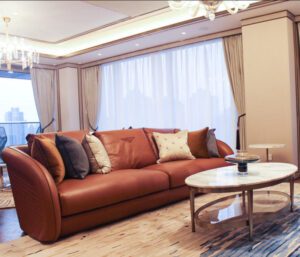
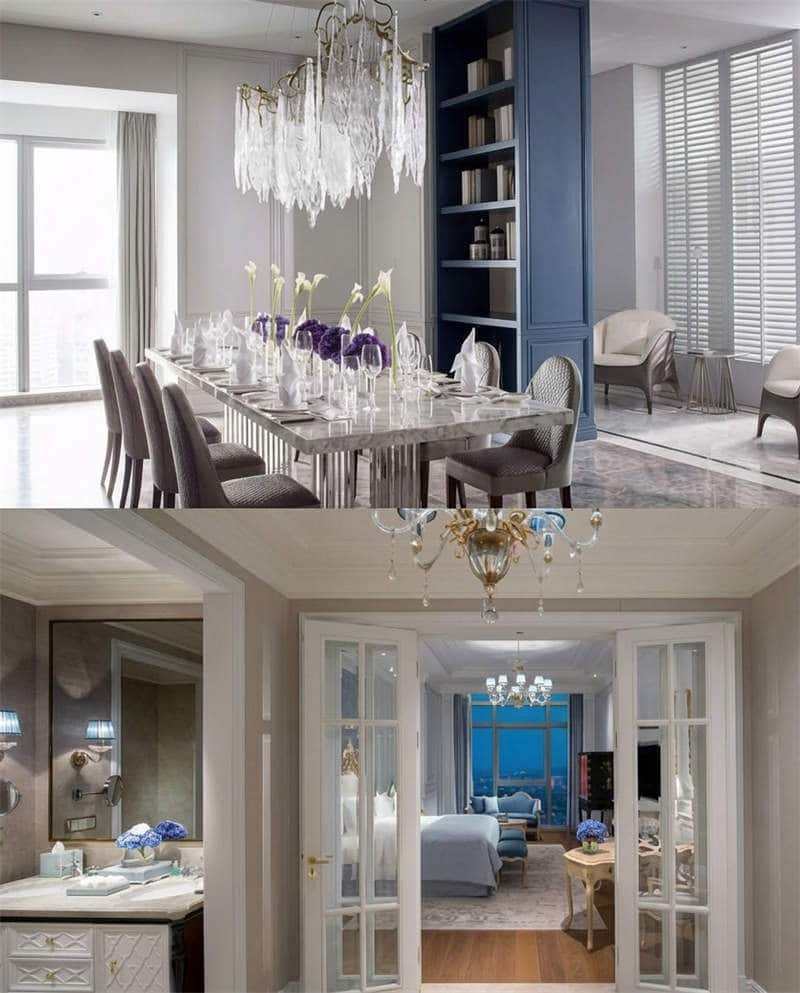
The difference between a dated hotel lobby and one that drives five-star reviews often comes down to three or four Italian furniture decisions.
How to Create Compelling Before & After Content Your B2B Clients Will Actually Share
Photography and Videography Best Practices for Furniture Transformations
The most common mistake furniture professionals make with transformation content is inconsistency between before and after shots. If your before photo is taken at a wide angle in morning light, and your after photo is a tight detail shot taken at dusk, viewers can’t process the transformation emotionally. The spatial shift — the one that triggers the “I want this” response — gets lost.
Shoot from identical positions and distances. Use consistent lighting conditions. For Italian craftsmanship specifically, you need a dedicated set of detail shots that showcase grain, stitching, joinery, and finish quality. These close-up images serve a different purpose: they justify the investment to procurement teams and interior designers who need to see why Italian construction costs more.
Video outperforms static photography across every B2B platform for transformation content. A 10-second before-to-after transition filmed at 60fps, graded with warm tones, and cut to a single audio moment will drive more saves and profile visits than ten static images. Invest once, distribute repeatedly.
Storytelling That Converts Viewers Into Leads
Lead with the problem, not the product. The most effective transformation narratives start with a clear articulation of what wasn’t working and why it mattered. “A 60-room hotel was losing TripAdvisor ratings because guests consistently described the lobby as cold and dated” is more compelling than “We furnished a hotel lobby with Italian furniture.” The former creates a problem the viewer recognises; the latter is just a product claim.
Position Italian furniture as the strategic solution to a specific business challenge. Durability in a high-traffic hotel corridor, acoustic comfort in a corporate meeting room, spatial flexibility in an evolving office environment — these are the language your B2B buyers use internally when they’re justifying a capital expenditure. Speak their language.
Platform-Specific Content Optimization
For Instagram Reels, 15–30 second dramatic reveals with a clean transition effect at the mid-point consistently generate the highest save rates in the furniture category. The save rate matters more than the like count because saves signal intent — someone is bookmarking this to show a client or return to when they’re ready to buy.
TikTok rewards pattern-interruption. A quick-cut transformation with trending audio that builds anticipation over the first 8 seconds, then delivers the reveal, consistently outperforms polished branded content. The platform’s algorithm amplifies completion rate, so structure your content to keep viewers watching to the final frame.
For blog content that establishes authority with interior designers and showroom managers, detailed design narratives that explain the reasoning behind material choices — why a full-aniline leather was specified for this project rather than a corrected-grain alternative, why the joinery method chosen for this conference table will still be solid in 15 years — signal expertise that generic product descriptions cannot replicate.
Solving Your Key Pain Points With Italian Furniture Transformations
Pain Point #1: Justifying Premium Pricing to Price-Sensitive Clients
Price objections are almost always a proxy for value uncertainty. When a hospitality procurement manager pushes back on the per-unit cost of Italian seating versus a lower-cost alternative, they’re not saying the Italian furniture is too expensive — they’re saying they can’t yet see the difference in a way they can take to their board. Before & after documentation changes this. A case study showing that a comparable hotel achieved a 15% improvement in guest satisfaction scores and a 3% RevPAR uplift following an Italian furniture refresh is a business case, not a sales pitch. That’s a very different conversation.
Add to this the lifecycle cost argument: Italian full-grain leather furniture used in commercial settings routinely delivers 15–20 years of serviceability, versus 3–5 years for most mass-market hospitality-grade alternatives. Over a 10-year horizon, the Italian option frequently costs less per year of use and generates zero mid-cycle replacement disruption — a significant operational benefit for hotel GMs who hate re-closing rooms for refurbishments.
Pain Point #2: Differentiating Your Services in a Crowded Market
At JL&C Furniture, we’ve seen how quickly a well-documented transformation portfolio shifts a distributor’s positioning from “furniture supplier” to “design partner.” The distinction matters commercially: design partners retain clients, attract referrals, and command margins that transactional suppliers cannot. Building a signature aesthetic around Italian furniture’s clean geometry, material honesty, and structural integrity gives your business a visual identity that competitors without a clear sourcing philosophy cannot easily replicate.
Pain Point #3: Managing Client Expectations and Reducing Revisions
Visual case studies do something that mood boards and fabric samples cannot: they show real outcomes in real environments. When a client can look at an existing transformation that closely mirrors their own project type, spatial scale, and design direction, the brief-writing process becomes dramatically more efficient. Expectations are anchored to reality from the first meeting, which means fewer revision cycles, fewer change orders, and a client who arrives at handover day feeling like the project delivered exactly what was promised.
Pain Point #4: Converting Hotel and Hospitality Prospects
Hotel and hospitality procurement is driven by metrics, not aesthetics. Guest satisfaction indices, maintenance budgets, replacement frequency, and brand standard compliance all factor into furniture specification decisions. Transformation case studies that include outcome metrics — not just photographs — convert hospitality prospects at significantly higher rates than visual-only content. If a previous hotel client saw a measurable reduction in maintenance requests after switching to Italian leather seating, that data point belongs in your case study.
Pain Point #5: Accelerating Your Sales Cycle
Sales cycles in B2B furniture — particularly for hospitality and commercial fit-out — routinely run 6–18 months from first contact to purchase order. Transformation content shortens this. When a prospect has been consuming your case studies for two months before your first formal pitch meeting, they’ve already done a significant portion of their own due diligence. They arrive at the meeting pre-sold on the concept; your job is to close, not to educate from zero.
The Technical Side: Materials, Craftsmanship, and Why It Matters to Your Clients
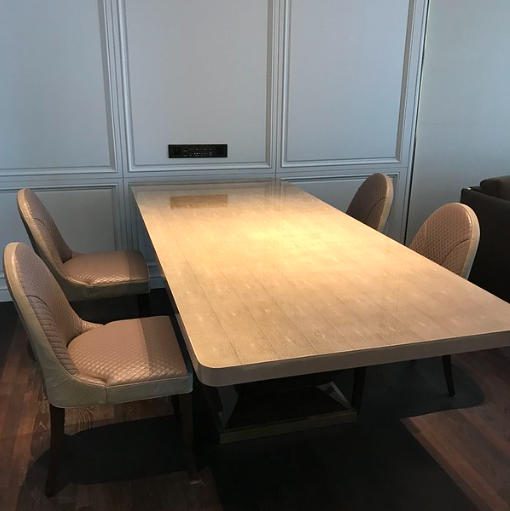
The difference between Italian leather and mass-market alternatives is visible under any quality of light. Your clients feel it the moment they sit down.
Italian Leather and Upholstery: What Sets It Apart
Italian leather’s reputation isn’t marketing mythology — it’s the product of a tanning tradition concentrated in the Tuscan town of Santa Croce sull’Arno, where over 200 tanneries produce leather using full vegetable-tanning processes that have been refined over centuries. The result is a hide that breathes, ages with character rather than deterioration, and resists the cracking and peeling that accelerates the failure of chrome-tanned or bonded leather alternatives.
For commercial applications — hotel lobbies, executive lounges, restaurant banquettes — this matters because the furniture is subject to significantly higher use cycles than residential pieces. Italian vegetable-tanned leather in a well-specified commercial chair can handle 200,000+ Martindale rub cycles, compared to 50,000–80,000 for standard upholstery-grade fabrics. For a hotel with 150 lobby seats, the difference in replacement frequency over a 10-year period represents a substantial capital saving.
Wood Selection and Joinery That Justifies Investment
Italian furniture manufacturers — particularly those in the Brianza district north of Milan, historically the centre of Italian fine furniture production — specify solid hardwoods and traditional mortise-and-tenon or dowel joinery techniques that produce structural integrity measurable in decades, not years. The difference between a dining table constructed this way and one assembled from MDF with cam-lock connectors is not apparent in the showroom photograph. It becomes apparent in year three, when the first table is still level and the second has begun to warp at the joint.
For B2B clients operating in high-humidity commercial environments — spas, pool-adjacent hotels, restaurant kitchens — this distinction is commercially significant. Proper wood selection and joinery directly reduces warranty claims and callbacks, which protects your reputation and your margins.
Design Innovation: Modular Systems That Adapt to Changing Needs
One of Italian furniture design’s most commercially valuable contributions to the B2B market is the modular system — furniture designed from the outset to be reconfigured, extended, or repurposed as spatial needs evolve. For corporate clients whose office layouts change with headcount, or hotel groups that need to refresh room configurations without full refurnishment, modularity reduces the risk associated with a capital furniture investment. Explore JL&C Furniture’s full range of Italian modular systems to see how flexibility and elegance can coexist.
Building Your Content Strategy Around Transformations
Creating a Content Calendar That Drives Consistent Engagement
Seasonal project cycles create natural content cadences for furniture professionals. January through March is peak specification season for hospitality projects targeting summer openings — your transformation content should skew toward hotel and restaurant case studies during this period. September through November aligns with corporate office fit-out decisions for the following year — pivot your content calendar toward executive office and meeting room transformations.
For posting frequency, Instagram Reels and TikTok transformation content performs best at 3–4 posts per week, while long-form blog content at 1–2 posts per month provides the depth that search engines and professional audiences reward. The critical variable isn’t frequency — it’s consistency. An account that posts four times a week for six months outperforms one that posts twelve times in a week then goes silent for a month, every single time.
Repurposing One Transformation Across Multiple Channels
A single well-documented project transformation can realistically generate 8–12 discrete pieces of content across platforms. The professional shoot produces a wide hero image for the blog and website, a detail shot for Instagram’s carousel format, a before-and-after pair for LinkedIn, and raw footage for a 30-second Reel. The design narrative becomes a 1,200-word blog post. The blog post gets condensed into an email campaign. The email campaign links back to the blog. The cycle compounds reach without requiring new production investment for each piece.
Encouraging Client Participation and Permission
Approach the permission conversation during project closeout, when client satisfaction is at its highest. Offer genuine value in exchange: professional photography they can use on their own platforms, a feature post that drives traffic to their business, or priority access to new Italian collections before they go to general distribution. Most commercial clients — particularly those in hospitality and retail — are building their own content strategies and will see co-created transformation content as a mutual benefit rather than a favour to you.
Measuring Success: Metrics That Matter to Your Bottom Line
Engagement metrics are useful only insofar as they predict commercial outcomes. Within the furniture B2B context, the engagement signal with the strongest correlation to conversion is saves and reposts — not likes. A save signals that someone is archiving your content because it’s relevant to a decision they’re in the process of making. Track this metric by transformation type to understand which spaces and styles resonate most with your specific audience.
For attribution — connecting content views to closed deals — UTM parameters on all links from social to your website are non-negotiable. Ask every new lead which content piece first brought you to their attention. Over 12 months, this data will tell you which transformation types are your highest-performing sales assets, allowing you to double your content investment in the formats that actually drive revenue.
Portfolio impact compounds over time. Interior designers and showroom managers who work with JL&C Furniture consistently report that a documented portfolio of 10–15 Italian furniture transformations increases average project value by moving client conversations from “what’s your budget?” to “what’s possible?”
📺 Watch: Modern Italian Interior Design — Creating Warm & Sophisticated Spaces
This video breaks down the principles behind Italian interior design that translate directly into the transformation outcomes your clients are looking for. Understanding these principles helps you brief photographers, write case study narratives, and advise clients more confidently.
Advanced Tactics: Turning Transformations Into a Content Engine
A transformation sequence — lobby to dining room to guest suite — tells a more powerful story than any single room reveal.
Creating Transformation Series That Build Narrative Momentum
Rather than presenting individual before & afters as disconnected posts, sequence them as chapters of a larger story. A hotel renovation documented across five posts — arrival experience, lobby, restaurant, meeting rooms, guest suite — builds anticipation and demonstrates your capability across an entire property, not just a single room. This format outperforms standalone posts for engagement and generates significantly more portfolio enquiries from prospects who operate similar properties.
Partnering With Complementary Professionals
Architects, interior designers, acoustic consultants, and lighting designers all work on the same projects you do, and all of them have audiences that include your prospective clients. Co-created transformation content — where you share the narrative, divide the photography costs, and cross-post to both audiences — expands your reach without expanding your content budget. For external inspiration on how leading design professionals leverage collaborative content, resources like Architectural Digest’s design partner programmes offer useful frameworks. Similarly, Dezeen’s commercial design coverage demonstrates how transformation narratives are positioned for professional audiences.
Using Transformations to Establish Thought Leadership
Beyond the before & after format, detailed design analysis content — explaining why specific Italian furniture choices were made for a specific brief, what alternatives were considered and rejected, how the spatial reasoning evolved through the design process — positions you as a strategic partner rather than a supplier. This content attracts a different quality of client: one who is selecting a partner for the long term, not shopping for the lowest quote.
Implementation Roadmap: From Concept to Consistent Content
Phase
Timeline
Key Actions
Expected Outcome
Planning & Preparation
Month 1
Audit past projects, identify top 5–10 candidates, secure retroactive permissions, plan first 4 shoots
Shoot-ready pipeline of high-quality transformation candidates
Production & Publishing
Months 2–3
Execute professional shoots, create multi-format content from each, establish posting schedule
First wave of transformation content live across all platforms
Optimization & Scaling
Month 4+
Analyse performance data, identify top performers, plan next shoot round, integrate into pitch decks and email campaigns
Content engine running with measurable commercial outcomes
Month 1: Planning and Preparation focuses on identifying the projects already in your history that are worth documenting. Most established furniture professionals have 5–10 past projects that photograph well and tell a compelling story — the barrier is usually getting retroactive permission from clients, which is easier than most assume if you approach it as a value exchange rather than a request.
Months 2–3: Production and Publishing is where the investment pays off. Budget for professional photography and videography — the production cost of a single shoot, distributed across 8–12 content pieces, typically runs to a cost-per-content-piece that is substantially lower than paid advertising for equivalent reach.
Month 4 onwards: Optimization and Scaling is where data replaces guesswork. By this stage, you will know which transformation types are generating the most qualified engagement, which platforms are driving actual showroom visits and consultation bookings, and which Italian furniture categories are appearing most frequently in your closed deals.
Why Italian Furniture Transformations Are Non-Negotiable for B2B Furniture Professionals
The market is shifting toward proof. B2B buyers in furniture, hospitality, and commercial design are increasingly sophisticated — they’ve seen enough generic product catalogues, and they know the difference between a brand that has done the work and one that is hoping they won’t ask hard questions. Italian furniture transformations, documented rigorously and distributed strategically, are your proof. They demonstrate capability, establish trust, and create the emotional readiness for a commercial conversation.
The luxury furniture market is projected to grow from USD 34.3 billion in 2025 to over USD 53 billion by 2034 (Straits Research). That growth will not be distributed evenly. It will concentrate among the professionals and businesses that have built the most compelling evidence of their ability to deliver transformational results — the ones whose portfolios clients find before they find their competitors’.
Italian furniture’s trade surplus of €8.4 billion in 2025 (Intesa Sanpaolo, 2026) is not an accident. It reflects decades of accumulated trust in the origin, craft, and design intelligence embedded in Italian-made pieces. When you align your content strategy with that heritage — when you show exactly what Italian furniture does to a space, to a business, to a client experience — you’re borrowing credibility from one of the world’s most trusted design traditions. Use it.
Start Your Transformation Content Strategy Today
The before & after transformation format is one of the most powerful tools available to furniture distributors, showroom managers, interior designers, and hospitality fit-out specialists. Real projects with real results build the credibility that generic product marketing cannot buy.
You don’t need hundreds of transformations. Start with 5–10 of your best projects. Get permissions. Invest in professional photography or videography. Begin sharing your work strategically on the platforms where your prospects spend their professional attention. The content compounds over time, building a portfolio that works for you continuously — generating inquiries, shortening sales cycles, and justifying premiums that price-sensitive conversations cannot touch.
Your competitors are waiting for the perfect moment to start. That moment doesn’t exist. The best time is now.
Ready to Showcase Your Italian Furniture Expertise?
Start building your transformation portfolio today. Explore our full Italian furniture range at JL&C Furniture and discover the collections that are generating the most compelling before & after results for distributors, designers, and hospitality professionals worldwide.
Contact JL&C Furniture to discuss your transformation content strategy, explore sourcing partnerships, or request samples for your next specification project.
Glossary of Key Terms
Full-aniline leather: Leather dyed exclusively with soluble dyes, with no surface coating, preserving the natural grain and producing the softest, most breathable result. Used in premium Italian residential and executive furniture.
Corrected-grain leather: Leather that has been sanded to remove imperfections and coated with a polymer surface. More uniform in appearance but less breathable and less durable than full-aniline.
Martindale rub test: The industry-standard method for measuring upholstery fabric durability, expressed in the number of rubs a material withstands before showing visible wear.
Modular furniture system: A furniture design approach where individual components are engineered to interconnect, allowing configurations to be changed without requiring new pieces.
UTM parameter: A tagging code added to URLs that allows analytics platforms to identify which specific content piece or campaign drove a website visit.
RevPAR: Revenue Per Available Room — the key hospitality industry metric for measuring hotel financial performance, directly influenced by guest satisfaction and property quality.
Common Questions About Italian Furniture Transformations
FAQ #1: How do we get permission to feature client projects on our social media?
Start with a simple conversation during project closeout, when client satisfaction is at its peak. Frame it as a mutual benefit: you’ll provide professional photographs they can use on their own platforms, and you’ll tag or feature their business in your posts. Create a one-page permission form that’s straightforward to sign and clearly specifies what types of content will be produced and where it will be shared. Commercial clients — particularly hotels and restaurants building their own social presence — generally welcome the exposure. The key is making the ask feel like a service rather than a request.
FAQ #2: What’s the best way to photograph before & afters to show the most dramatic transformation?
Shoot from identical camera positions and distances in both the before and after sessions. Consistent lighting — natural light at the same time of day is ideal — ensures that viewers can process the spatial transformation rather than being distracted by exposure differences. Include wide shots for spatial context and detail shots that showcase Italian craftsmanship specifics. Video produces even higher impact: a 10-second before-to-after transition with a smooth cut creates an emotional response that static images rarely achieve.
FAQ #3: How do we handle projects where clients don’t want their spaces publicly featured?
Respect the request immediately — it protects the relationship. Then ask whether you can feature the project anonymously, with identifying details removed or obscured. In many cases, clients are comfortable with the furniture and design being showcased as long as the specific location isn’t identifiable. These anonymised case studies can still function effectively as internal sales tools, pitch deck materials, and platform content where the focus is the Italian furniture’s impact rather than the specific property.
FAQ #4: Which transformation types generate the most leads for our business?
It depends on your target market. For showrooms and distributors, hospitality transformations — particularly hotel lobby and restaurant refreshes — drive the strongest B2B enquiry volume. For interior designers, high-end residential master suites and open-plan living transformations generate the most prestige and referral activity. For hotel fit-out specialists, large-scale commercial transformations that demonstrate your ability to standardise quality across multiple rooms or properties prove capability at the scale hospitality procurement teams require. Track your own data over 3–6 months to identify your specific high-performers.
FAQ #5: How often should we post transformation content without oversaturating our audience?
For short-form video on Instagram Reels and TikTok, 3–4 posts per week is a sustainable frequency that maintains algorithm visibility without audience fatigue. For long-form blog content, 1–2 posts per month provides sufficient depth and SEO value without requiring unsustainable production effort. Consistency matters more than volume: a regular schedule that your audience can anticipate always outperforms sporadic bursts of high-frequency posting followed by silence.
FAQ #6: What’s the ROI on investing in professional photography and videography for transformations?
A professional transformation shoot typically yields 8–12 usable content pieces across formats. When you divide the shoot cost by the number of pieces produced, and compare the cost-per-piece to paid social media advertising CPMs in the furniture and interior design categories, professional photography almost always wins on a cost-per-qualified-impression basis. Most professionals who track attribution systematically find that quality transformation content pays for itself within 2–3 months through increased enquiries and higher average project values.
FAQ #7: How do we showcase Italian furniture benefits without sounding like we’re just selling products?
Lead with the client’s problem and the business outcome, not the product specifications. “This hotel’s lobby furniture was generating consistent negative mentions in guest reviews — within 90 days of the Italian furniture refresh, those mentions had shifted to compliments about the space” is more persuasive than “we installed Italian leather chairs.” Let the transformation tell the story. Use technical details — leather grade, construction method, modularity — to educate viewers who are already engaged, not to open the conversation.
FAQ #8: Can we use transformation content in our sales pitch meetings with prospects?
Absolutely — this is one of the most effective uses of transformation content in the B2B furniture context. Match the case study to the prospect: show hospitality transformations to hotel GMs, retail space transformations to boutique brand directors, corporate office transformations to facilities managers. Walk the prospect through the before state, the design challenge, the Italian furniture solution, and the measurable outcome. This narrative structure consistently closes deals faster than generic product presentations because it answers the question the prospect is actually asking: will this work for me?
FAQ #9: How do we handle transformations where the client used multiple furniture brands, not just Italian pieces?
Focus your case study narrative on the Italian furniture as the primary design intervention. Show how the Italian pieces established the visual and spatial logic that unified the entire project — because in well-designed spaces, this is usually the accurate version of events. You can acknowledge complementary elements without diminishing the role Italian furniture played. The transformation story is about the outcome; Italian furniture is the protagonist that made it possible.
FAQ #10: What should we do if a transformation project didn’t turn out as well as expected?
Be selective about what you feature. Not every project will be portfolio-worthy, and a curated portfolio of excellent work is more commercially effective than a comprehensive archive of everything you’ve ever done. If a project had real challenges but ultimately delivered for the client, a case study that honestly addresses the problem-solving process — and shows how Italian furniture’s adaptability helped navigate the obstacles — can actually be more compelling than a flawless transformation, because it demonstrates resilience and expertise rather than just luck.
FAQ #11: How do we measure whether transformation content is actually generating business results?
Use UTM parameters on every link from social media to your website so that your analytics platform can tell you exactly which content piece drove each visit. Ask every new lead directly which content they saw before reaching out. Track which transformation types appear most frequently in the backgrounds of your closed deals. Monitor saves and reposts (not just likes) as your leading engagement indicator. Over 6–12 months, this data gives you a clear picture of which Italian furniture transformation types are your highest-value commercial assets — and allows you to invest your content budget where it demonstrably returns.
The luxury furniture market is built on the evidence of transformation. Build yours.
Want to cooperate with a Leading Luxury Furniture Manufacturer and Supplier? Or do you want to get custom furniture?
Shanghai JL&C Furniture Co., Ltd. is a leading manufacturer and solution provider of luxury furniture and customized furniture in China.
China Furniture Sourcing Agent Roles for High-End Buyers What a China Furniture Sourcing Agent Actually Does for High-End Buyers Every finished luxury room sits on
How to Vet a China Furniture Sourcing Agent Before Signing A single curved sofa like this goes through dozens of approvals, including frame, foam, fabric
China Furniture Sourcing Agent vs Direct Factory Buying: A Strategic Guide for High-Value Buyers When one project includes 400 hotel rooms, a 20-seat marble dining
Advanced Tips to Get More from Your China Furniture Sourcing Agent Powerful Strategies for High-Performance Sourcing – Tailored for Elite Buyers, Designers & Operators Your
How to Work Better With Your China Furniture Supplier After Ordering A Practical Playbook for High-End Furniture Importers, Interior Designers, FF&E Buyers, Villa Owners, Private

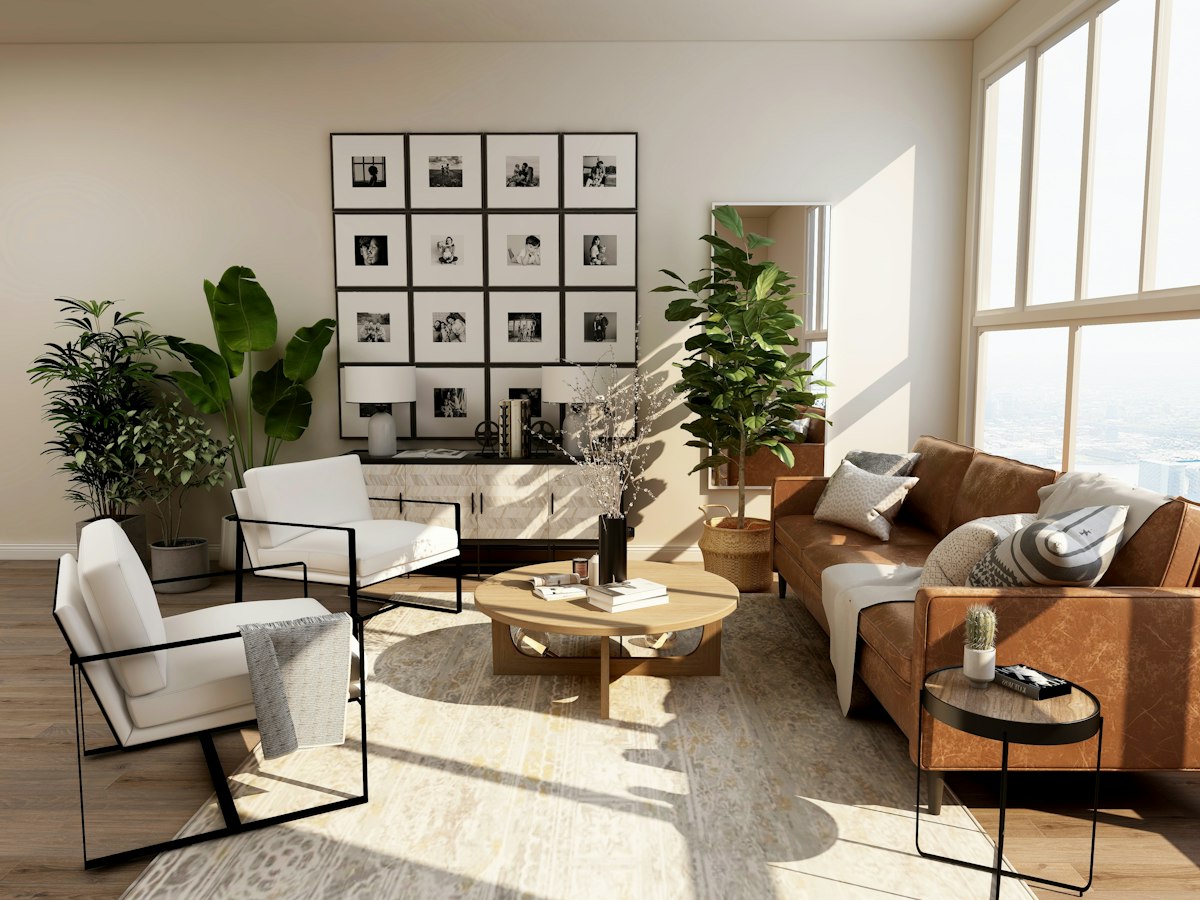 A contemporary Italian living room setup showcasing the spatial impact of well-curated European design — the kind of transformation that closes deals.
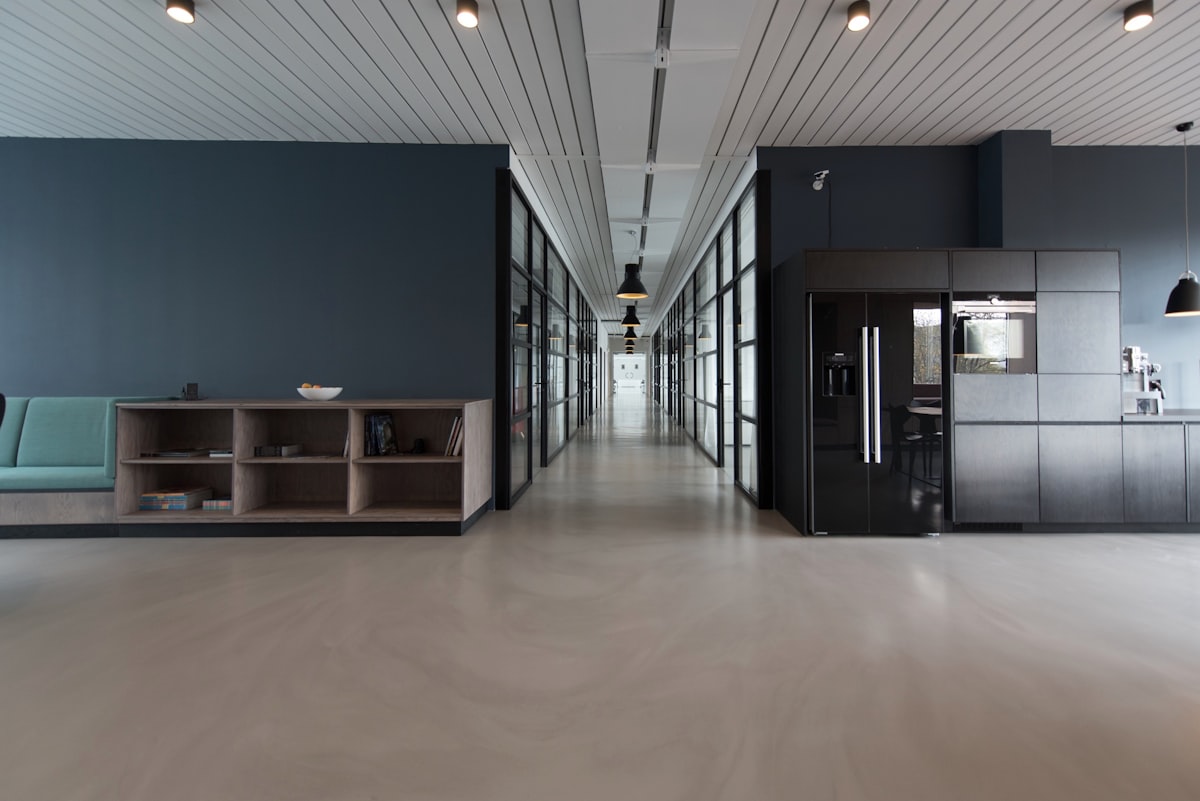 Structure matters as much as style. Italian executive office furniture communicates authority from the moment a client walks in.
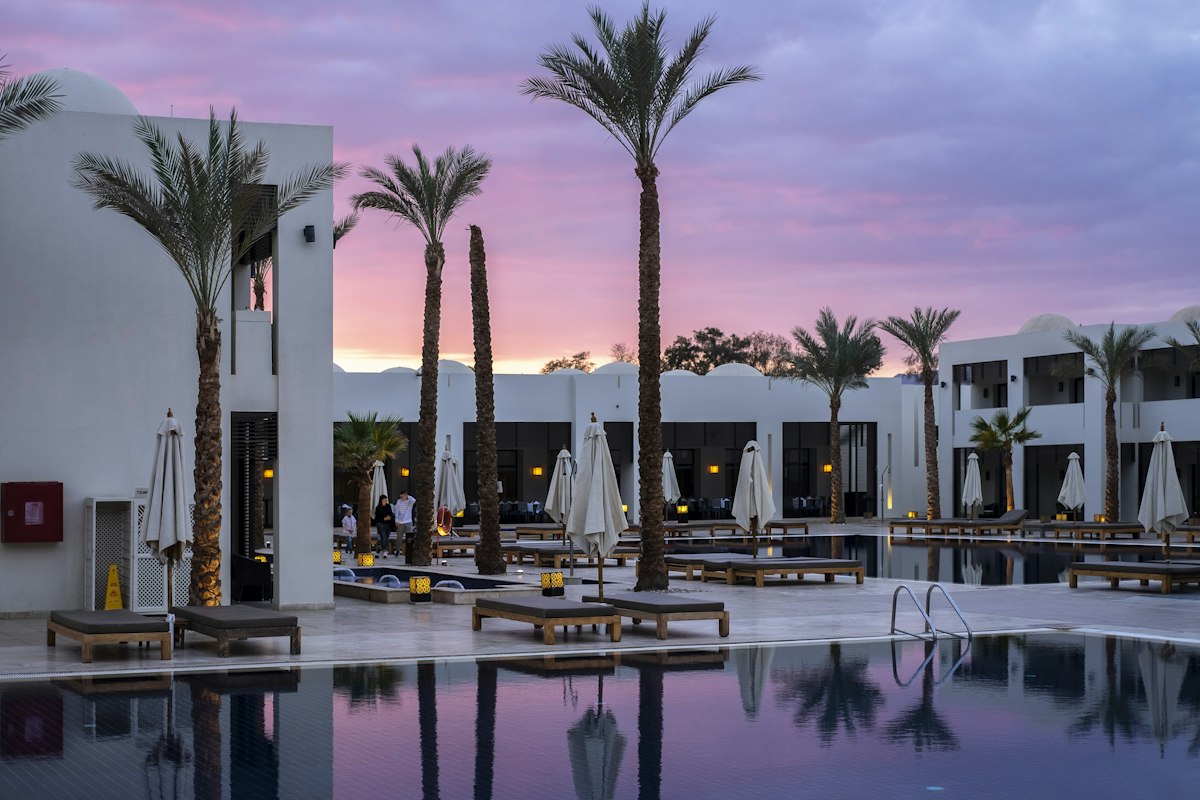 The difference between a dated hotel lobby and one that drives five-star reviews often comes down to three or four Italian furniture decisions.
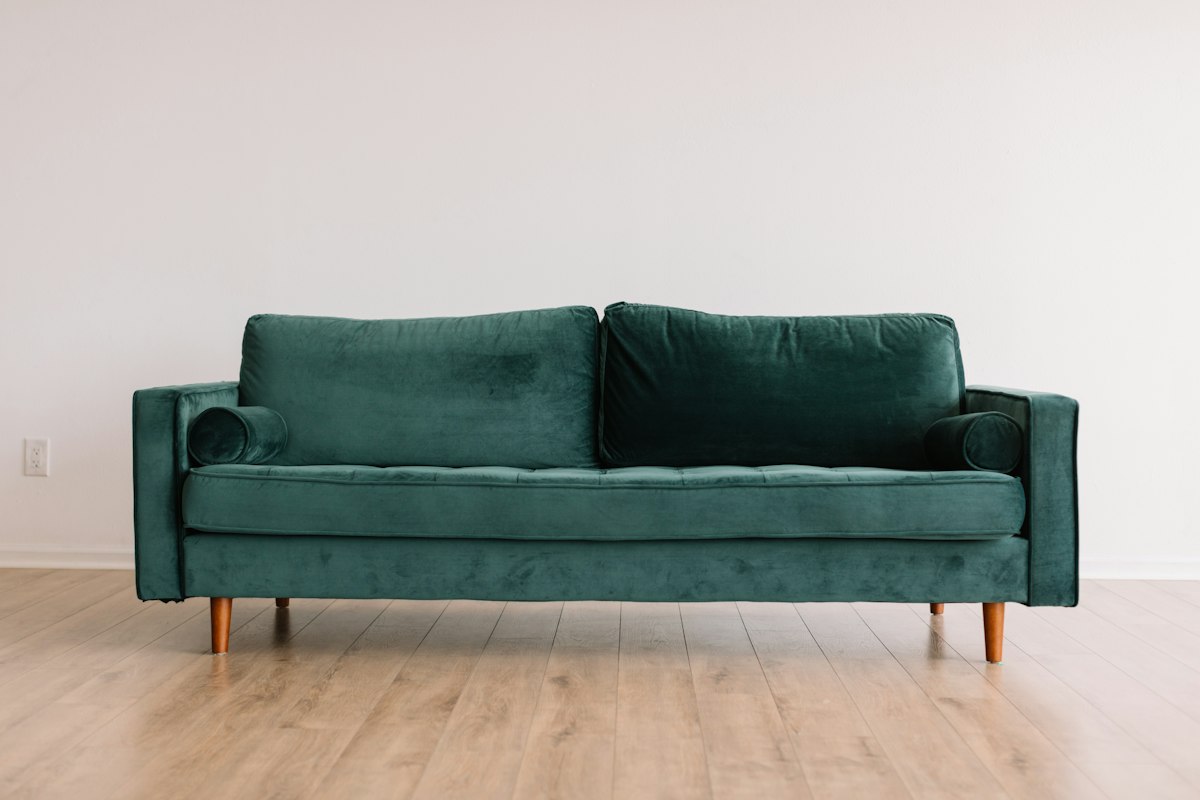 The difference between Italian leather and mass-market alternatives is visible under any quality of light. Your clients feel it the moment they sit down.
 A transformation sequence — lobby to dining room to guest suite — tells a more powerful story than any single room reveal.