Best Wholesale Furniture Suppliers in China: Buyer Comparison Guide Strategic...
Best Wholesale Furniture Suppliers in China: Buyer Comparison Guide
Strategic Insights for High-Value Buyers in Luxury & Commercial Interiors
Matching the right supplier type to your project profile is the single most important decision in luxury furniture procurement from China.
1. Executive Summary: Why Supplier Selection Is a Strategic Decision
China’s furniture manufacturing sector is valued at USD 161 billion in 2025, growing at a CAGR of 5.42% toward USD 233 billion by 2032. It accounts for roughly 37% of global furniture output and supplies markets across the US, Europe, the Middle East, and Southeast Asia. At the premium tier, China’s factories are not just competitive on price — they offer genuine craftsmanship, material depth, and customization capability that rival European manufacturers at a fraction of the landed cost.
But the market’s size is exactly what makes supplier selection so consequential. With over 7,400 furniture manufacturers competing for international buyers, choosing the wrong supplier structure costs you more than a bad shipment. It costs you delayed hotel openings, rejected containers, client trust, and brand equity.
Here is what poor supplier fit actually produces in practice:
A boutique hotel developer in Southeast Asia sourced 480 dining chairs through an online marketplace supplier. The fire safety certificates could not be verified with the issuing body. A pre-opening safety inspection failed the entire batch. The replacement and delay cost exceeded USD 90,000 — not including the reputational damage with the property investor.
A private-label furniture brand in Europe commissioned a custom sofa design from a factory that had never signed an NNN Agreement (the correct China-law instrument for IP protection). Six months later, the same silhouette appeared in a competitor’s catalog. There was no enforced remedy.
These are not edge cases. They are the standard experience for buyers who treat supplier selection as a catalog search rather than a strategic decision.
This guide gives you the frameworks to choose correctly — matching supplier type to your specific buyer profile, vetting capability against measurable criteria, and managing risk before it becomes a cost.
2. The 10 Key Supplier Structures in China’s Furniture Market
China’s furniture manufacturing ecosystem is not a single category. It spans ten distinct supplier models, each with a different production philosophy, capability set, and ideal buyer profile. Understanding the differences is the foundation of every good procurement decision.
1 — Large-Scale OEM/ODM Factories
(Examples: Man Wah Holdings, Sunon Group)
These are China’s industrial-tier manufacturers. Man Wah Holdings, for example, exports over 31,000 container shipments globally and supplies major retailers and hotel chains across North America and Europe. Sunon Group produces over one million chairs annually and serves nearly 200 Fortune Global 500 companies across 128 countries.
Strengths: High-volume production with dedicated R&D teams, in-house logistics, and global compliance infrastructure. These factories can manage CARB Phase 2, REACH, FSC chain-of-custody, and BIFMA documentation as a standard deliverable — not an exception.
Limits: MOQs typically start at 500+ units. Customization flexibility is constrained by production line configurations designed for high-volume efficiency. Design turnaround cycles are longer because changes must pass through formal engineering approval.
Best for: FF&E buyers furnishing hotel chains at scale, developers with large room counts, private-label brands requiring consistent production at 1,000+ units annually.
2 — Specialized Luxury Craftsmanship Workshops
These are smaller, artisan-oriented manufacturers — typically 50–200 workers — specializing in solid wood joinery, hand-applied lacquer, Italian leather upholstery, or hand-carved detail. Many are located in Fujian, Suzhou, and Zhejiang, where classical Chinese furniture traditions have been refined over generations.
Strengths: Access to premium raw materials (FSC-certified American Black Walnut, European Oak, full-grain Italian cowhide leather), artisanal finishing techniques, and precision detailing that automated production lines cannot replicate.
Limits: Limited automation means longer lead times — typically 14–20 weeks for a complex custom piece. Pricing is premium. Production scalability is constrained.
Best for: Villa owners requiring bespoke one-of-a-kind pieces, boutique hotel concepts where design exclusivity is non-negotiable, and luxury interior designers who need craft-level quality without European manufacturing price tags.
3 — Integrated Design-Manufacture Export Hubs
These manufacturers function as end-to-end project managers — not just product suppliers. They maintain modular design libraries, in-house logistics teams, and experience coordinating multi-category deliveries across international shipping lanes. Some operate as exclusive suppliers to major global retailers or as the manufacturing backbone behind internationally recognized interior design brands.
Strengths: Complete project management from first specification to site delivery, modular design systems that allow cost-efficient customization within a design family, and coordination of complex FF&E packages across 20+ product categories.
Limits: Design standardization limits brand exclusivity. Products are often shared across multiple buyer accounts within the same category.
Best for: Architecture and engineering firms managing turnkey interior deliveries, developers who need a single coordinated supplier across all FF&E categories, and FF&E contractors managing multiple properties simultaneously.
4 — Private Label & White-Label Specialists
Private label — where a manufacturer produces goods that the buyer brands as their own — is one of the fastest-growing segments of China’s furniture export market. These manufacturers combine manufacturing capability with branding infrastructure: packaging design, label production, brand logo integration, and IP protection agreements.
OEM (Original Equipment Manufacturer) means you provide the design; the factory produces it. ODM (Original Design Manufacturer) means the factory provides the design; you brand it.
Strengths: Full branding support including custom packaging, hang tags, and care labels. IP protection agreements are standard practice for experienced private-label operators. Low minimum orders for ODM designs (sometimes 10–20 units) make this model accessible for emerging brands.
Limits: Design ownership is constrained for ODM — if you are selling the factory’s existing design, your exclusivity is limited. Template-based customization means your design differentiation starts from a shared silhouette.
Best for: E-commerce furniture brands launching a first collection, emerging importers building a brand identity, and distributors seeking to differentiate from competitors selling identical catalog product.
5 — Custom Project-Based Manufacturers
These manufacturers specialize in one-off or low-volume custom projects requiring CAD integration, site-specific dimension planning, and client-specification production. Sunon Group, for example, has delivered custom workspace solutions for over 200 Fortune 500 companies — including designs built from client-supplied CAD files with proprietary hardware requirements.
Strengths: Genuine design collaboration capability — these factories employ in-house designers, CNC engineers, and prototype specialists who can translate architectural drawings into production-ready specifications. CAD/CAM integration shortens the gap between design intent and manufactured reality.
Limits: Higher unit costs than catalog or semi-custom production. Longer negotiation cycles as specifications are worked out in detail. Not suitable for buyers who need to move quickly.
Best for: Interior design firms managing high-specification villa or boutique hotel projects, hotel operators with unique concept requirements that catalog suppliers cannot accommodate.
6 — Hybrid Design Studios with In-House Production
This model sits at the intersection of design consultancy and manufacturing. These studios employ original design teams whose work is then produced in their own controlled manufacturing environment — creating a tighter loop between design intent and production output. Some operate co-creation models where the buyer’s design team collaborates directly with the studio’s team.
Strengths: Access to trend-forward original designs developed by recognized designers. Co-creation agreements can include design IP ownership for the buyer. The tight integration between design and production reduces specification drift.
Limits: Production capacity is often limited — these studios are not set up for high-volume runs. Pricing reflects the design investment. Lead times can extend during peak demand periods.
Best for: Design-forward private-label brands, luxury developers who want furniture that differentiates their project as a design statement, and curated residential developers who position interior quality as a primary sales proposition.
7 — Export-Focused Trading Companies with QC Teams
Trading companies are intermediaries — they do not manufacture anything but source from a network of factories and provide consolidated export services including multi-factory QC, logistics coordination, and language support. For buyers who need multi-category sourcing managed by a single point of contact, a professional trading company can provide genuine operational value.
Strengths: Multi-factory access across product categories without requiring the buyer to manage separate factory relationships. QC teams who conduct inspections on the buyer’s behalf. Strong language support and logistics coordination.
Limits: Trading markup is embedded in the quoted price — typically 10–20% above factory-direct pricing. The buyer has no direct relationship with or visibility into the actual production factory. For quality issues, the trading company’s response depends on their relationship with the factory, which the buyer cannot assess directly.
Best for: First-time importers who need a managed entry into China sourcing, small-to-mid distributors sourcing multiple product categories simultaneously, and time-constrained buyers who cannot invest in building multiple direct factory relationships.
8 — Smart & Multifunctional Furniture Specialists
China’s smart furniture segment has grown significantly as urban developers and boutique hospitality operators seek space-optimizing, technology-integrated solutions. These manufacturers hold patents on mechanisms for convertible beds, fold-out dining systems, motorized adjustable workstations, and furniture with integrated charging and connectivity features.
Strengths: Proprietary mechanism technology, space-saving design expertise, and growing experience integrating smart home connectivity (Zigbee, Z-Wave, and Matter protocol compatibility). Their R&D investment creates genuine product differentiation.
Limits: The expertise is focused — a smart furniture specialist may excel at convertible bedroom systems but produce only a limited range of decorative styles. Design aesthetics often skew toward contemporary/minimalist.
Best for: Urban apartment developers, boutique hospitality operators with compact room formats, and modern villa interiors where technology integration is a design feature.
9 — Sustainable & Eco-Certified Manufacturers
The global eco-friendly furniture market was valued at USD 53.77 billion in 2025 and is projected to grow at a CAGR of 10.0% to USD 113.9 billion by 2033. Sustainable materials — FSC-certified hardwoods, organic fabrics, low-VOC finishes, bamboo and reclaimed materials — carry a typical price premium of 15–30% above standard specification, but that premium is justifiable against ESG brand positioning and increasingly mandatory for green-certified hotel and residential developments.
Key certifications to know:
FSC (Forest Stewardship Council): Certifies that solid wood components come from responsibly managed forests. Verifiable at fsc.org by certificate number.
GREENGUARD Gold: Certifies low chemical emissions — relevant for schools, healthcare, and premium hospitality environments.
CARB Phase 2: California Air Resources Board standard for formaldehyde emissions from composite wood — the de facto standard for US-bound furniture.
Strengths: Full compliance documentation for ESG reporting frameworks, bamboo and reclaimed material specialization, and the ability to supply certifiable green credentials for hotel LEED certification applications.
Limits: Raw material sourcing cycles are longer than conventional production. Higher input costs are passed through to the buyer. Not all categories are available from eco-certified specialist manufacturers.
Best for: ESG-focused developers, hotels pursuing LEED or BREEAM certification, and eco-luxury brands for whom sustainability is a primary brand proposition.
10 — Digital-First B2B Platforms with Verified Supplier Networks
Platforms like Alibaba.com Premium Suppliers and Made-in-China Gold Suppliers provide digital access to vetted manufacturer databases with standardized verification, sample ordering, escrow payment protection, and transaction history transparency.
Strengths: Speed of access — you can receive multiple quotations for a standard specification within 48 hours. Platform verification (trade assurance, Gold Supplier status, transaction history) provides a baseline of supplier credibility assessment. Escrow payment systems protect buyers on initial orders.
Limits: Platform verification does not equal production quality assurance. Listings frequently mix factories and trading companies without clear differentiation. Fully custom designs with proprietary specifications are not suitable for marketplace sourcing. Design confidentiality is not enforceable through platform channels. According to a 2025 analysis by Good Can Trading, China-origin supplier scams account for 67% of reported import fraud incidents — and price points 30–50% below market comparables are the strongest single indicator.
Best for: Buyers testing new suppliers with low-risk sample orders, sourcing urgent replacement items for standard catalog products, and buyers evaluating the market rate for a standard specification before engaging factory-direct.
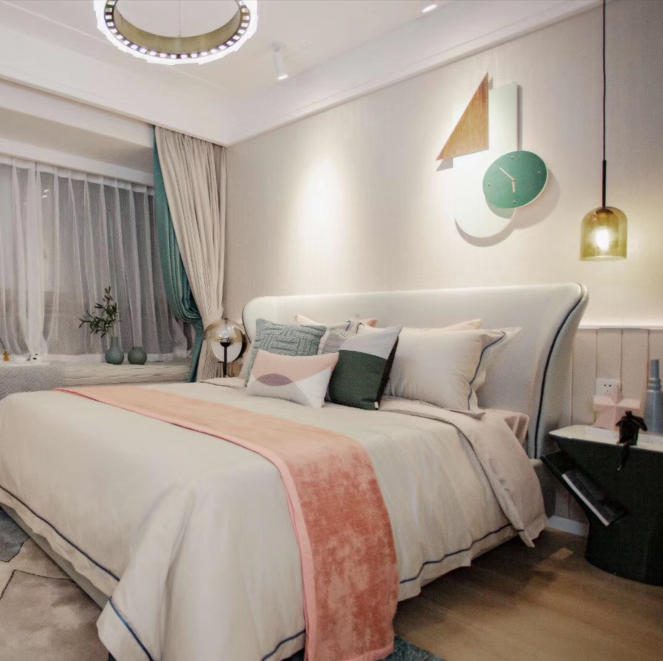
Villa projects with bespoke upholstery, custom stone, and proprietary hardware detail require a craftsmanship workshop or custom project-based manufacturer — not a high-volume OEM factory.
3. Buyer-to-Supplier Fit Matrix: Matching Your Needs to the Right Model
Use this matrix to identify your primary and secondary supplier types based on your buyer profile and procurement priorities.
Practical note: Most high-value projects combine supplier types. A 150-room boutique hotel might source its guestroom casegoods from a Type 1 OEM factory, its lobby statement pieces from a Type 6 hybrid design studio, and its outdoor terrace furniture from a Type 9 eco-certified specialist. The matrix guides your primary sourcing decision — not a one-size-fits-all rule.
4. Shortlist Criteria Checklist: 12 Non-Negotiables for High-Value Buyers
Every supplier that reaches your shortlist should pass these twelve checkpoints before a purchase order is discussed. These are not nice-to-haves — they are the commercial and reputational safeguards that experienced buyers treat as minimum requirements.
#
Criterion
What to Verify
Red Flag
✅ 1
Proven Track Record with international luxury/commercial clients
Client references in your specific market and product category
References only in domestic or lower-tier markets
✅ 2
In-House QC Team with third-party audit capacity
SGS, Bureau Veritas, or Intertek audit reports — not self-assessments
No documented QC process or inspection records
✅ 3
Design & Engineering Capability
CAD/3D rendering capability, prototyping infrastructure, in-house design team
“We can do anything” without examples
✅ 4
Material Traceability & Certifications
FSC, OEKO-TEX, REACH — verified by certificate number, not photocopy
Certificates without verifiable numbers
✅ 5
IP Protection Agreement
Signed China-law NNN Agreement before any design files shared
Refusal or unfamiliarity with NNN
✅ 6
MOQ Flexibility
Confirmed minimum order aligned with your volume needs
MOQs requiring immediate full-scale commitment on a new design
✅ 7
Destination Market Compliance
CA TB 117 (US upholstery), EN 12521 (EU tables), BIFMA (commercial seating)
Verbal assurances without test reports
✅ 8
Project Management Support
Dedicated account manager, documented milestone tracking system
Sales-only contact with no production access
✅ 9
Logistics & DDP Experience
Track record of door-to-door delivery with customs clearance to your destination
No freight forwarding relationships
✅ 10
Warranty & After-Sales Policy
Written policy covering defect types, replacement timelines, replacement method
“We’ll handle it” with no written terms
✅ 11
ESG Reporting Capability
Carbon footprint documentation, waste management policy, supplier code of conduct
No ESG documentation for an ESG-critical project
✅ 12
On-Site Audit Access
Factory visit welcomed or virtual tour available — production floor, not showroom
Showroom-only access, vague factory location
Scoring guidance: A supplier who passes all 12 is a candidate for partnership. One who fails 3 or more is a risk you do not need to take when the alternatives are available.
Hotel FF&E at 200+ rooms requires a supplier who can pass every item on the 12-point checklist — including verifiable compliance documentation and documented project management infrastructure.
5. Supplier Comparison: Key Metrics at a Glance
This table gives high-value buyers a fast-reference comparison of the ten supplier models across the criteria that drive most procurement decisions.
Supplier Type
Typical MOQ
Lead Time
Customization
IP Protection
Compliance Docs
Best Price Point
1 — Large OEM/ODM Factory
500+ units
10–16 weeks
Medium
Standard contracts
Full suite available
Competitive at scale
2 — Luxury Craftsmanship Workshop
5–30 units
14–20 weeks
Very High
NNN — negotiate
FSC, OEKO-TEX
Premium
3 — Integrated Export Hub
100–300 units
12–18 weeks
Medium-High
Project contracts
Full suite available
Moderate-premium
4 — Private Label / White Label
20–100 units
10–16 weeks
High (ODM/OEM)
NNN standard
FSC, CARB, REACH
Moderado
5 — Custom Project Manufacturer
10–50 units
14–22 weeks
Very High
NNN — negotiate
Client-specific
Premium
6 — Hybrid Design Studio
10–30 units
16–24 weeks
Highest
Co-design IP agreements
Selective
Premium-luxury
7 — Trading Company with QC
20–50 units
10–14 weeks
Low-Medium
Varies
Sourced from factories
Markup over factory
8 — Smart / Multifunctional
30–100 units
12–18 weeks
Medium
Patent protection
Tech integration docs
Moderate-premium
9 — Sustainable / Eco-Certified
20–100 units
14–20 weeks
Medium
FSC chain-of-custody
Full ESG suite
15–30% premium
10 — Digital B2B Platform
5–50 units (platform)
4–8 weeks (catalog)
Bajo
None enforceable
Variable
Lowest to variable
6. Risk Mitigation: Red Flags to Watch For — and What They Signal
Every red flag in supplier due diligence is a signal. Understanding what it signals helps you decide whether to investigate further or move on.
No verifiable client references signals that the supplier has not worked with buyers at your level of expectation — or has relationships that did not go well enough to produce endorsements. Ask specifically for hotel or villa projects in your target market. A luxury residential reference in Guangdong does not confirm export-grade hotel FF&E capability.
Unwillingness to sign contracts or IP agreements is not a cultural misunderstanding — it is a business decision. A factory that has invested in legitimate export relationships understands IP agreements. One that resists signing a China-law NNN Agreement is telling you that they intend to retain the right to use your designs for other buyers.
No QC documentation or third-party testing is the most common source of quality failure at delivery. Self-declarations of quality — “our production standards are very high” — are not the same as AQL inspection reports from SGS, Bureau Veritas, or Intertek. For any compliance-critical specification (fire safety, CARB, REACH), require test reports with verifiable certificate numbers and verify them with the issuing body.
Pressure for full upfront payment removes all commercial leverage the buyer holds. Standard terms — 30% deposit, 70% before shipment — are industry-standard for a reason. A supplier who insists on 100% prepayment is either managing cash flow problems (concerning) or optimizing for the scenario where they can deliver at a lower quality without consequence (alarming).
Vague communication on materials or lead times during the quotation stage predicts the quality of communication during production. A supplier who cannot specify wood species, foam grade, or fabric supplier in a quotation cannot produce to a documented specification during manufacturing. Ambiguity at this stage is not an oversight — it is the supplier’s default operating standard.
According to the Harris Sliwoski China manufacturing risk analysis, 2025 has seen increased sophistication in coordinated import fraud, including counterfeit supplier identities and IP theft structured as systematic operations rather than opportunistic one-offs. The buyers who avoided these outcomes were the ones who conducted factory audits, signed China-law agreements, and used third-party inspectors — not the ones who trusted presentation decks.
7. Case Study: Luxury Hotel Chain Sourcing 500+ Custom Guestroom Sets
The Brief:
A four-star-plus hotel chain with properties across the Middle East and Southeast Asia needed to FF&E (furnish, fixture, and equip) a new 520-room property. The procurement requirement: complete guestroom packages including custom headboards, upholstered beds, lacquered casegoods, desk-and-chair sets, and lounge seating — all to a single coordinated design direction, compliant with local fire codes, and delivered within a 16-week production window before the building handover.
The Challenge:
Five specific problems made this procurement complex:
Compliance: The destination market required BS 5852 fire testing for all upholstered items — a standard not automatically included in standard Chinese export production.
Consistency: 520 rooms means 520 headboards that must match each other and the approved sample within a defined color tolerance (ΔE ≤1.5 for the lacquer finish).
Timeline: A 16-week production window was achievable, but only with a factory already set up for hotel-grade FF&E at this volume. New factory relationships would add 4–6 weeks to the qualification process.
Coordination: The guestroom package spanned six product categories sourced from two specialized factories — casegoods from one facility, upholstered seating from another — requiring a single coordinated inspection and shipping plan.
Documentation: The hotel group’s procurement policy required ISO 9001 certification for all major suppliers, plus verifiable FSC chain-of-custody for solid wood components and CARB Phase 2 test reports for composite wood panels.
The Approach:
The procurement team worked through a shortlisting process that matched each supplier type to the project’s specific requirements:
For guestroom casegoods (nightstands, desks, wardrobes, TV units), a Type 1 Large OEM/ODM Factory was selected — one with an existing hotel client portfolio in the Middle East market, ISO 9001 certification, in-house spray booth infrastructure for consistent lacquer application across large batches, and documented FSC chain-of-custody.
For upholstered headboards and lounge seating requiring BS 5852 compliance, a Type 5 Custom Project Manufacturer with a documented BS 5852 testing history was engaged. An independent third-party pre-production audit confirmed the factory’s foam specification, fabric supplier, and fire-barrier construction method.
Both factories signed China-law NNN Agreements. Both were audited by Bureau Veritas before any production authorization. An independent third-party inspector conducted milestone inspections at 30% and 70% of production for both factories. The final pre-shipment inspection used AQL Level II sampling — 32 pieces inspected from every lot of 150 — against signed reference samples that both factories and the buyer had retained from the prototype approval stage.
The Result:
Production completed within the 16-week window. The final pre-shipment inspection passed all 520 headboards and all casegood lots without a single rejection requiring container delay. Compliance documentation — including BS 5852 test reports with verifiable certificate numbers, FSC chain-of-custody certificates, CARB Phase 2 reports, and ISO 9001 records — was submitted to the hotel group’s procurement team 10 days before the first container loaded.
Total production and logistics cost: 28% below the hotel group’s previous European FF&E supplier for a comparable project.
Key lessons for FF&E buyers:
Matching supplier type to product category is not optional — a general-purpose factory cannot reliably produce fire-compliant upholstery at scale if they do not have documented fire testing experience.
In-process inspections at 30% and 70% are the mechanism that catches batch-level consistency problems early enough to correct without container delays.
Compliance documentation needs to be specified at the quotation stage, not requested after production. Factories who can produce compliant goods will tell you their process upfront. Those who cannot will agree and then deliver paperwork you cannot verify.
For hotel and villa projects requiring this level of coordination, JL&C Furniture’shotel and villa furniture manufacturing capability covers the range of product categories — guestroom casegoods, upholstered seating, dining furniture, lounge pieces, and outdoor — with the multi-stage QC process, FSC-certified material options, and international project delivery experience that complex hospitality programmes require.
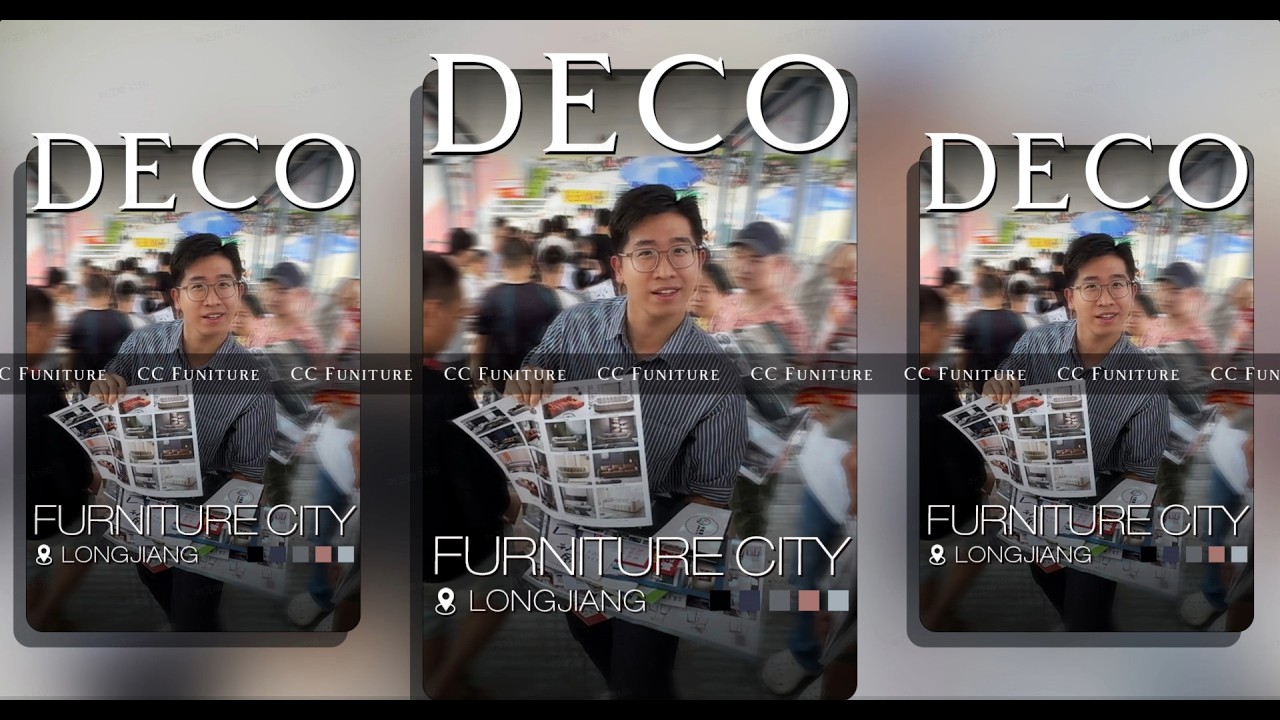
8. Watch: Inside China’s Luxury Furniture Sourcing — Factory, Showroom, and What Buyers Actually See
Before committing to any supplier relationship, understanding what a professional factory sourcing visit actually looks like gives you the framework for your own due diligence.
Inside China’s Largest Furniture Market — a buyer’s walkthrough of Foshan’s manufacturing hub: what to look for, what separates premium factories from mid-tier production, and how professional sourcing visits are structured.
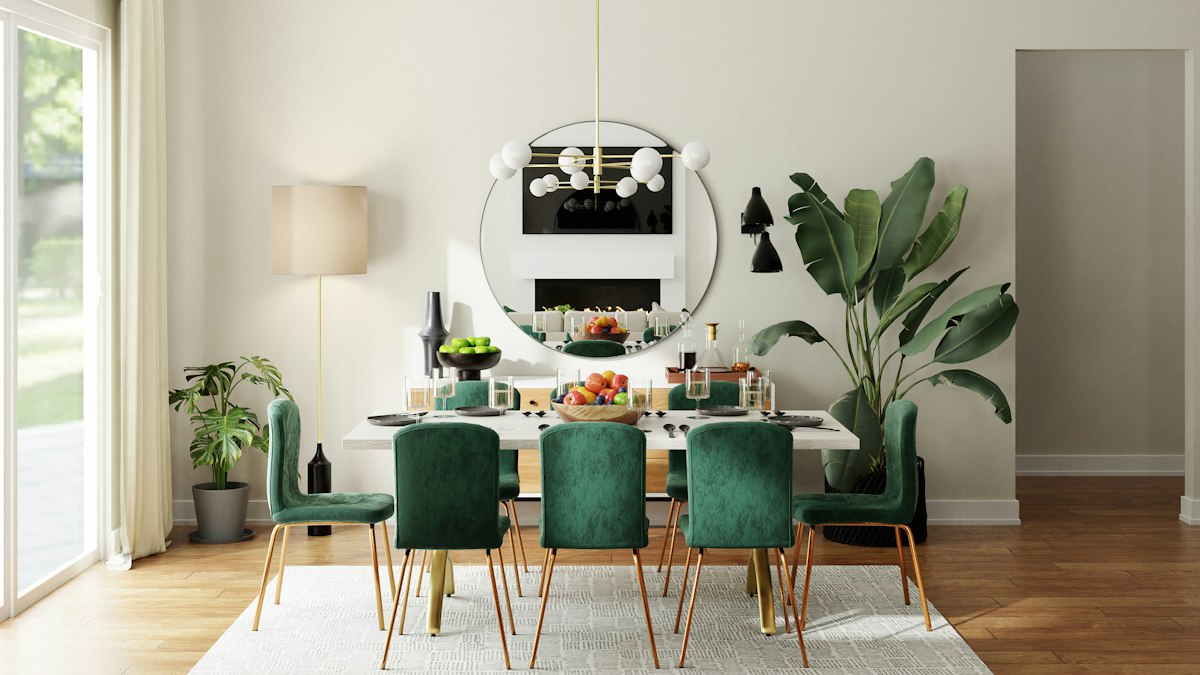
Custom dining furniture at this specification — book-matched walnut veneer, multi-axis curved leather chairs — requires a custom project manufacturer with in-house CAD capability and artisan-level upholstery workshop.
9. Regional Sourcing Intelligence: Where in China to Find What You Need
China’s furniture manufacturing is not evenly distributed. Understanding which geographic cluster specializes in what category gives buyers a production-floor advantage when shortlisting suppliers.
Foshan, Guangdong handles approximately 75% of China’s furniture output and hosts the world’s largest furniture wholesale market in the Lecong district. Within Foshan, Longjiang specializes in integrated residential and commercial furniture with a strong export orientation. If you are sourcing hotel casegoods, upholstered seating, or dining furniture at commercial scale, Foshan is your primary geographic target.
Suzhou and Jiangsu Province preserve China’s classical Ming and Qing furniture traditions. These workshops specialize in hand-carved solid hardwood, lacquer artistry, and classical proportion systems. For villa owners or boutique hotel operators seeking furniture with genuine cultural heritage resonance — not just classical styling — Suzhou craftsmanship workshops are unmatched.
Shanghai and surrounding Yangtze River Delta has become China’s contemporary design manufacturing hub. The factories here are more likely to have worked with international designers, to maintain in-house design teams with Western academic credentials, and to operate hybrid design-manufacture studio models (Type 6). For design-forward projects where original aesthetic intelligence matters as much as production quality, Shanghai-area suppliers deserve a place on your shortlist.
Fujian Province specializes in solid wood furniture — particularly American Black Walnut, European Oak, and Teak. The region’s craftsmanship tradition in solid wood joinery is among the strongest in China. For private-label brands or villa owners requiring genuinely solid wood construction (not veneer over engineered board), Fujian-based factories are the primary source.
Guangzhou (CIFF Hub) is China’s design intelligence center — home to the China International Furniture Fair (CIFF), which brings together manufacturers from every region and category for two annual shows. For buyers who want to evaluate the market comprehensively, a sourcing trip built around a CIFF show provides direct access to 2,000+ exhibitors in five days. CIFF Guangzhou’s official buyer resources provide pre-show planning frameworks for international buyers.
10. Building a Long-Term Supplier Portfolio: The Three-Partner Model
The most resilient sourcing model for high-value buyers is not a single supplier relationship — it is a structured portfolio of three qualified manufacturing partners.
Primary Partner (60–70% of volume): Your main manufacturing relationship — the factory that knows your standards intimately, has produced at least 3–5 significant orders for you, and receives your production priority in return for reliability and quality consistency. This is the relationship you invest in most heavily: annual visits, co-investment in production tooling for exclusive designs, advance production forecasts.
Secondary Partner (20–30% of volume): A fully qualified, relationship-invested backup for your primary product categories. This factory does not receive your full volume, but receives enough consistent business to maintain their familiarity with your standards and their readiness to scale if your primary partner faces disruption. According to C.H. Robinson’s supply chain resilience analysis, buyers with dual-sourcing strategies for critical categories demonstrate significantly superior supply continuity through disruption events compared to single-source buyers.
Trial Partner (5–10% of volume): A factory being actively evaluated for potential promotion to secondary or primary status. Every strong supplier portfolio started as an untested relationship. Allocating a small, defined portion of your volume to supplier trials — with full QC oversight — is how you build your optionality before you need it.
This three-partner architecture eliminates the highest-risk moment in furniture importing: when your only qualified supplier for a critical product category has a problem and you have no backup that knows your standards.
JL&C Furniture works with importers, distributors, interior designers, and hotel developers who are building this kind of structured, professional supply chain relationship. With over 20 years of design and manufacturing experience, a Shanghai production base, and a portfolio spanning luxury residential, hospitality, commercial, and custom project categories, JL&C operates across supplier model types 2, 4, and 5 — making it a strong candidate for primary or secondary partner positioning in luxury residential and hospitality procurement programmes.
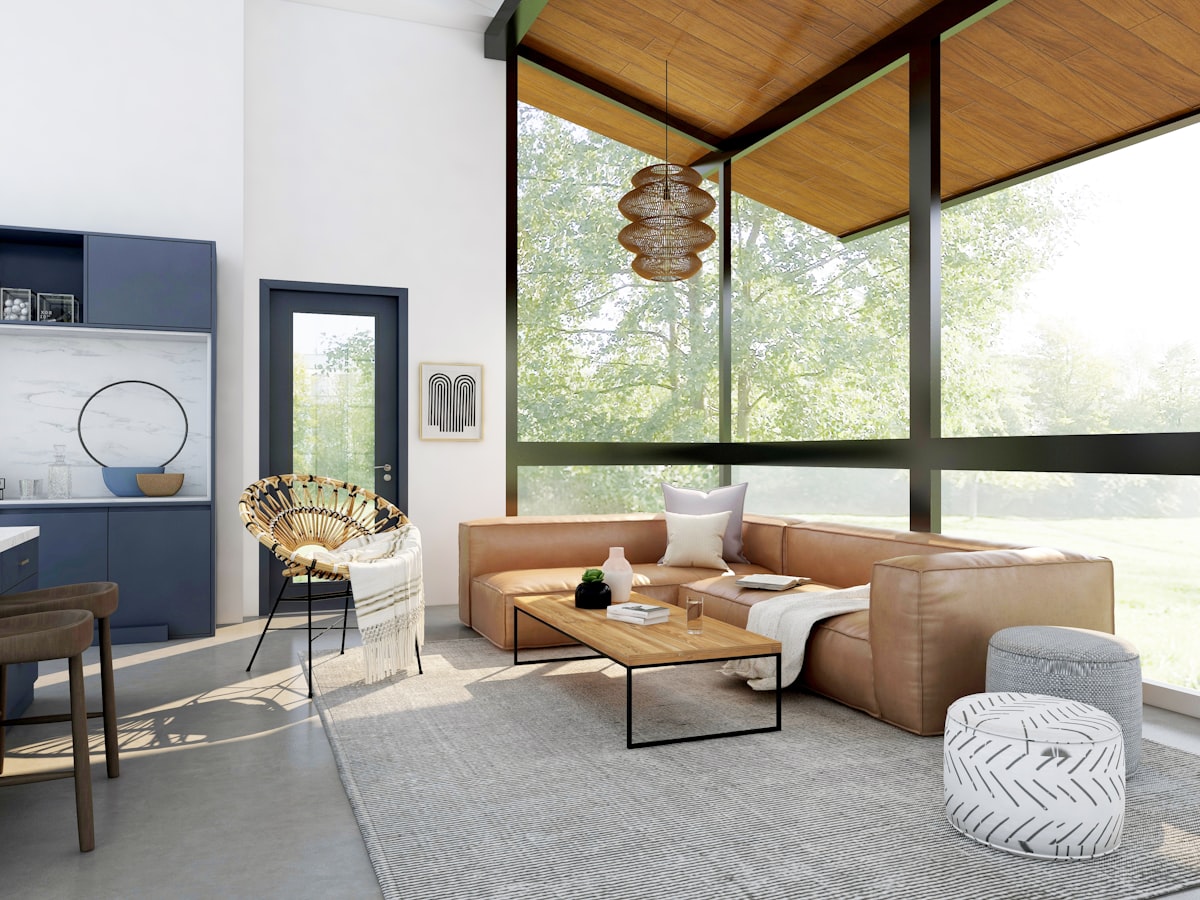
Outdoor furniture for luxury villa terraces requires a supplier with verified FSC chain-of-custody documentation and performance materials tested for UV, moisture, and coastal salt exposure — not a catalog item with an environmental claim.
Glossary of Key Terms
OEM (Original Equipment Manufacturer): You provide the design or specification; the factory produces it under your brand. You own the design.
ODM (Original Design Manufacturer): The factory provides the existing design; you license and brand it. The factory owns the base design.
NNN Agreement: Non-Disclosure, Non-Use, Non-Circumvention Agreement — the legally correct instrument for IP protection in Chinese jurisdiction. Must be in Mandarin and drafted under Chinese law to be enforceable in Chinese courts.
AQL (Acceptable Quality Level): Statistical sampling standard defining the maximum defect rate acceptable in a production batch. AQL 0.65 is recommended for luxury furniture (major defects); AQL 2.5 applies to standard commercial furniture.
FOB (Free on Board): The price of goods at the Chinese port of export. Buyer assumes cost and risk from the moment goods are loaded on the vessel. Does not include freight, insurance, duty, or delivery.
DDP (Delivered Duty Paid): Supplier handles all freight, customs clearance, duty payment, and delivery to the buyer’s door. The most buyer-protective Incoterm.
CARB Phase 2: California Air Resources Board regulation limiting formaldehyde emissions from composite wood products — the standard for US-bound furniture with engineered wood components.
FSC (Forest Stewardship Council): Certification that solid wood components come from responsibly managed forests. Verifiable at fsc.org by certificate number.
BIFMA: Business and Institutional Furniture Manufacturers Association — the standard for commercial-grade structural and durability testing on seating and casegoods.
FF&E: Furniture, Fixtures, and Equipment — the standard procurement category for hotel and commercial interior fit-outs, covering all movable items that are not part of the building structure.
Guanxi : The Chinese concept of professional relationships built on mutual trust, obligation, and reciprocal goodwill. Building guanxi with a factory partner earns production priority, candid communication, and operational flexibility.
ESG: Environmental, Social, and Governance — the framework through which companies and investors assess sustainability and ethical business practices.
12 FAQs: Critical Concerns for Professional Buyers
1. How do I verify a supplier’s real production capacity versus what they claim?
Request a factory capability audit from SGS, Intertek, or Bureau Veritas before placing any significant order. The audit report will cover equipment types, monthly output capacity, workforce size, and quality management documentation. Supplement this with a video walkthrough of the production floor — specifically the cutting, assembly, and finishing areas for your product category. A factory that claims 10,000 units per month capacity with 50 production workers is providing numbers that do not reconcile. Auditors spot these discrepancies immediately. Additionally, cross-reference claimed capacity against the factory’s documented shipment history if their export record is visible through customs data platforms.
2. What is the average lead time for custom high-end furniture from China?
For custom pieces developed from technical drawings: 60–120 days from production authorization to production-ready goods, before freight. This range accounts for prototyping and sample approval (3–6 weeks), material pre-purchasing (1–3 weeks), and production run (4–10 weeks depending on complexity and volume). Add 2–4 weeks for Chinese New Year disruption for any order touching the January–February window, and 14–25 days for ocean freight to most destinations. Total timeline from order to delivery: 90–150 days for most custom luxury projects.
3. Can I own the design IP if I commission a custom piece from a Chinese factory?
Yes — but only with the correct legal instrument. A signed China-law NNN Agreement (Non-Disclosure, Non-Use, Non-Circumvention), drafted in Mandarin and governed by Chinese law, establishes your ownership of the design and prohibits the factory from producing it for any other buyer. For your most commercially valuable designs, supplement this with Chinese design patent registration — the process is faster and less expensive than most buyers assume, and registration in China creates enforceable rights in Chinese courts. A standard Western NDA does not carry the same enforceability in Chinese jurisdiction.
4. How do I ensure consistent quality across large orders of 200+ units?
Three mechanisms in combination: First, a signed physical reference sample retained by both buyer and factory — every in-process and pre-shipment inspection is conducted against this sample, not against a photograph or specification document alone. Second, batch documentation — a written record of the specific materials (wood lot, foam grade, fabric dye lot, finish formula) used in the approved first batch, so that subsequent batches can be reproduced to the same standard. Third, AQL Level II statistical sampling at pre-shipment — for a batch of 200 units, this means inspecting 32 pieces to AQL 0.65 for major defects, with written inspector sign-off before container loading. A supplier who cannot commit to all three mechanisms is not positioned to deliver large-batch quality consistency.
5. Are Chinese manufacturers compliant with EU and US fire and safety codes?
Top-tier manufacturers maintain compliance documentation for major international standards — but “we are compliant” is not the same as holding current, verified test reports. For US hospitality upholstery, require CA TB 117-2013 test reports. For EU public-space upholstered furniture, require EN 1021 Part 1 and 2 certificates. For US composite wood components, require CARB Phase 2 reports from a CARB-approved third-party laboratory. For commercial seating, require BIFMA x5.1 structural test documentation. All test reports should carry verifiable certificate numbers that can be confirmed with the testing laboratory. Self-declarations are not adequate for any of these standards in a commercial contract context.
6. What is the typical MOQ for luxury furniture suppliers?
MOQs vary significantly by supplier type and customization level. Luxury craftsmanship workshops (Type 2) may accept 5–20 units for highly custom pieces from established buyers. OEM/ODM factories (Type 1) typically require 500+ units for full production runs. Custom project manufacturers (Type 5) commonly accept 10–50 units. For first orders with new suppliers, a premium of 10–15% above standard pricing is often negotiable for reduced MOQs — most professional factories will accommodate a qualified buyer who presents credible longer-term volume plans in writing.
7. How do I handle after-sales issues — damaged goods or quality defects on arrival?
The outcome of any after-sales claim depends on how well you documented the agreement before shipment. Required documentation: a pre-shipment inspection report from a third-party inspector that defined what was passed and what the defect standards were, photographic evidence of each defect found post-delivery, and written communication to the factory within the notification window in your contract (typically 30–60 days from delivery). Propose a specific resolution — replacement units on the next shipment, credit note, or rework at factory expense — and give a defined response timeline. Factories with professional export relationships resolve claims efficiently when the documentation supports the claim. The contractual penalty clause for defects and the factory’s warranty policy must be in writing before any order is placed.
8. Can I visit the factory before placing an order?
Reputable factories not only welcome visits — they expect them from serious buyers. A factory that resists or deflects a factory visit request is providing important information about what they do not want you to see. For suppliers in your primary shortlist, plan a structured factory visit covering: the production floor for your specific product category, the quality control area and inspection records, the material storage and incoming inspection point, and a meeting with production management — not just the export sales team. Virtual factory tours (structured video calls walking through the production floor in real time) are a legitimate first-step alternative for initial supplier evaluation.
9. Do suppliers offer turnkey FF&E solutions for hotels?
Integrated Export Hubs (Type 3) and large OEM/ODM factories (Type 1) with hotel project portfolios typically offer the most complete turnkey capability — covering sourcing across multiple product categories, coordinated QC, consolidated container programs, and logistics coordination from factory to site. The best hotel FF&E programmes involve suppliers who have delivered comparable room counts (200+) to comparable destinations (the same destination market compliance requirements) with verifiable client references. For hotel operators who want a single point of contact managing the full FF&E package, this is the supplier model to prioritize. Always confirm whether the “turnkey” scope includes installation coordination and post-delivery warranty coverage — these are not automatically included.
10. How do I protect against design copying?
Three-layer protection: A China-law NNN Agreement with liquidated damages clauses signed before any design files are shared — the liquidated damages clause should specify a financial penalty large enough to be commercially meaningful (typically USD 50,000–200,000+ depending on order scale). Chinese trademark or design patent registration for your key silhouettes and brand elements — IP registered in China is enforceable in China. Component segregation for distinctive design elements — splitting production of the proprietary hardware component, the signature upholstery shape, or the carved detail across different suppliers, so no single factory holds your complete design. Work with factories that have significant reputational investment in their export client relationships — they have more to lose from IP theft than they could gain.
11. What payment terms are standard for high-value orders?
The industry standard is 30% T/T deposit at order confirmation, 70% T/T balance before shipment — paid against a copy of the Bill of Lading or upon pre-shipment inspection sign-off. For first orders with new suppliers, some factories request 50/50 terms — reasonable for a new relationship involving significant custom material pre-purchasing. Never pay 100% upfront regardless of incentive or deadline pressure. For orders above USD 100,000, consider a Letter of Credit (LC) through a reputable international bank, which releases payment only upon presentation of verified shipping documents. For established partnerships with strong track records, a 30/40/30 structure (deposit, mid-production milestone, balance) improves buyer cash flow while maintaining the factory’s security.
12. Are sustainable materials 15–30% more expensive? Is the premium justified?
Yes — FSC-certified solid wood, GREENGUARD-certified fabrics, and low-VOC finishes typically carry a 15–30% material cost premium over standard specification. The business justification depends on your market positioning. For ESG-focused hotel groups pursuing LEED or BREEAM certification, the premium is a direct prerequisite — sustainable material sourcing is built into the certification scoring framework. For eco-luxury residential brands, the premium is the differentiation argument. For standard commercial projects, it requires a client willing to pay for the positioning. The eco-friendly furniture market’s 10% CAGR through 2033 suggests that buyer demand is increasing fast enough to support the premium across more project types than it did five years ago.
Want to cooperate with a Leading Luxury Furniture Manufacturer and Supplier? Or do you want to get custom furniture?
Shanghai JL&C Furniture Co., Ltd. is a leading manufacturer and solution provider of luxury furniture and customized furniture in China.
China Furniture Sourcing Agent Roles for High-End Buyers What a China Furniture Sourcing Agent Actually Does for High-End Buyers Every finished luxury room sits on
How to Vet a China Furniture Sourcing Agent Before Signing A single curved sofa like this goes through dozens of approvals, including frame, foam, fabric
China Furniture Sourcing Agent vs Direct Factory Buying: A Strategic Guide for High-Value Buyers When one project includes 400 hotel rooms, a 20-seat marble dining
Advanced Tips to Get More from Your China Furniture Sourcing Agent Powerful Strategies for High-Performance Sourcing – Tailored for Elite Buyers, Designers & Operators Your
How to Work Better With Your China Furniture Supplier After Ordering A Practical Playbook for High-End Furniture Importers, Interior Designers, FF&E Buyers, Villa Owners, Private

 Villa projects with bespoke upholstery, custom stone, and proprietary hardware detail require a craftsmanship workshop or custom project-based manufacturer — not a high-volume OEM factory.
 Hotel FF&E at 200+ rooms requires a supplier who can pass every item on the 12-point checklist — including verifiable compliance documentation and documented project management infrastructure.
 Custom dining furniture at this specification — book-matched walnut veneer, multi-axis curved leather chairs — requires a custom project manufacturer with in-house CAD capability and artisan-level upholstery workshop.