
company news

China Furniture Sourcing Agent: Roles for High-End Buyers
China Furniture Sourcing Agent Roles for High-End Buyers What a China Furniture Sourcing Agent Actually Does for High-End Buyers Every finished luxury room sits on


Understanding the true cost of importing furniture from China requires more than just manufacturing quotes. This comprehensive guide reveals hidden expenses that B2B importers frequently overlook—from quality control and logistics to customs duties and regulatory compliance. Learn how to budget accurately and avoid costly surprises with real case studies from furniture distributors, showrooms, and design firms.
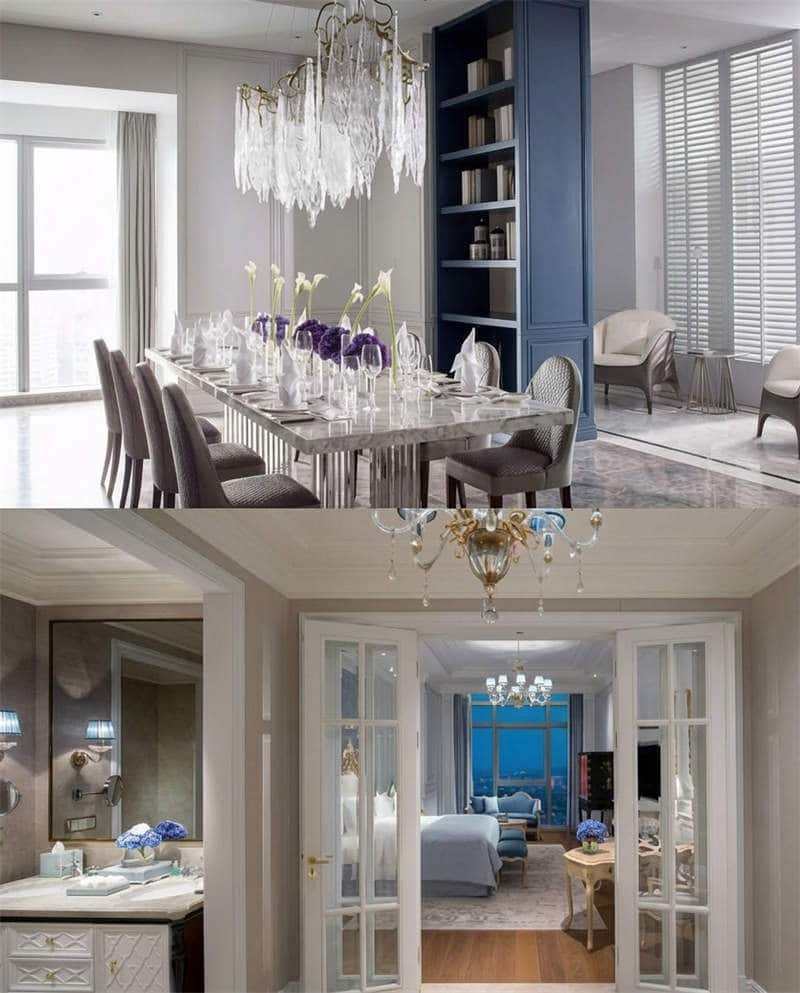
 A high-end furniture showroom — the end destination of a complex, multi-layered sourcing journey from China.
Introduction: Why Hidden Costs Matter for B2B Furniture Importers
Every year, furniture distributors, design firms, and hotel fit-out specialists arrive at the same painful realization: the price on a Chinese supplier’s quotation sheet is almost never what they actually pay. The gap between the ex-factory quote and the true landed cost of furniture is not just a nuisance — it is a structural threat to profitability, project timelines, and client relationships.
For B2B buyers — the furniture distributor managing a warehouse in Dallas, the interior design firm sourcing custom dining sets for a luxury residential project in Miami, or the hospitality procurement team specifying bedroom furniture for a 300-key hotel in Dubai — the stakes are particularly high. A miscalculation of even 15–20% on landed costs can wipe out an entire margin or cause a project to run over budget before the first container even clears customs.
The Real Price of “Cheap” Manufacturing
China remains the world’s dominant furniture manufacturing hub, accounting for approximately 37% of global furniture exports. Cities like Foshan, Dongguan, and Shenzhen are home to thousands of factories producing everything from mass-market bedroom furniture to bespoke, high-specification commercial pieces. The manufacturing capabilities are undeniable — and so are the cost advantages. But those advantages shrink dramatically when buyers fail to account for the full ecosystem of costs that surround the production line.
Consider this: a sofa manufactured in Foshan might carry an ex-factory price of $45 per unit. By the time that sofa arrives at a distribution center in Los Angeles — cleared through customs, inspected, and unloaded — the real cost could be $62 or higher per unit. That 38% gap is not an anomaly. It is the norm, and it is entirely predictable if you know where to look.
This guide is built for buyers who want to look. Whether you are sourcing for the first time or optimizing an established import program, the sections below will walk you through every meaningful cost category — with real case studies, actionable data, and the insider context that suppliers rarely volunteer.
The Manufacturing Cost Foundation: Beyond the Factory Quote
What’s Actually Included in a Supplier Quote
When a Chinese furniture supplier sends you a quotation, the price they provide is typically the FOB (Free On Board) price — meaning the cost of producing the furniture plus the cost of loading it onto the vessel at the origin port. This sounds comprehensive. It is not.
A standard FOB quote typically includes raw materials (wood, fabric, foam, hardware), direct labor, factory overhead, and the supplier’s profit margin. It does not include the dozens of additional cost categories that accumulate between the factory gate and your warehouse door.
Understanding this distinction — between the factory quote and the total cost of ownership — is the foundational skill of effective furniture sourcing. At JL&C Furniture, this is the first conversation we have with every new B2B partner, because getting this right at the outset saves enormous grief downstream.
Direct Production Expenses
Direct production expenses are the costs the factory can legitimately include in a quote: material procurement, cutting, assembly, finishing, upholstery, and quality checks at the production level. What separates experienced buyers from novices is their ability to scrutinize what is — and is not — in these line items.
Finishing processes such as lacquering, hand-rubbed oil finishes, or multi-layer paint application vary enormously in cost and are frequently quoted as “included” when they actually refer to the most basic available option. Similarly, hardware specifications — the grade of the hinge, the weight tolerance of the drawer slide — are critical quality determinants that rarely appear explicitly in a quote.
What Suppliers Typically Hide in Quotes
Common costs that are systematically absent from initial supplier quotes include: export packaging (often an afterthought that adds $2–$8 per unit for solid wood pieces), inland transportation from the factory to the port, export customs documentation fees, and any specialized crating required for fragile or oversized pieces. These exclusions are not always intentional deception — sometimes they reflect a genuine mismatch in assumptions — but they reliably inflate costs once the order is placed.
Understanding MOQ (Minimum Order Quantity) Impact on Unit Costs
How MOQ Affects Your Bottom Line
Minimum Order Quantity is one of the most consequential and least understood variables in furniture sourcing. MOQ thresholds exist because factories need to amortize their setup costs — material procurement, machine configuration, production scheduling — across a sufficient number of units to make the run profitable. The MOQ for solid wood furniture might range from 50 to 200 pieces per SKU; for upholstered pieces, it might be 20 to 100 per configuration.
The economic logic is straightforward: at higher order volumes, the fixed costs of production are spread over more units, driving down the per-unit price. A distributor ordering 200 sofas of a single configuration will almost always pay less per sofa than a distributor ordering 50, even if the raw material cost is identical. The difference can range from 8% to 25% depending on the product category and factory.
Negotiating MOQ to Reduce Per-Unit Expenses
Experienced B2B buyers use several strategies to manage MOQ-driven cost pressure. The first is SKU consolidation — reducing the number of distinct configurations within an order to concentrate volume on fewer items and hit lower price tiers more easily. The second is product grouping, where multiple SKUs from the same factory are bundled into a single production run to satisfy the factory’s capacity requirements even if the individual SKU volumes are modest.
A third strategy, increasingly used by design firms and showrooms with smaller order requirements, is piggyback sourcing — partnering with a sourcing agent or consolidator who aggregates orders from multiple buyers, allowing each buyer to access factory pricing that would otherwise require much larger volumes. Companies like JL&C Furniture work with clients specifically to unlock these consolidation efficiencies.
Sample Costing: A Furniture Distributor’s Real Example
The following table illustrates how MOQ tiers affect per-unit cost for a mid-range upholstered sofa sourced from Foshan, before logistics and duties are applied:
| Order Quantity | Ex-Factory Unit Price | Setup/Fixed Cost Allocation | Effective Unit Price |
|---|---|---|---|
| 20 units | $52.00 | $4.50 | $56.50 |
| 50 units | $47.00 | $2.20 | $49.20 |
| 100 units | $43.00 | $1.10 | $44.10 |
| 200 units | $39.50 | $0.60 | $40.10 |
| 500 units | $36.00 | $0.25 | $36.25 |
The difference between a 20-unit run and a 200-unit run represents a 29% cost differential — before a single dollar of freight, duty, or handling has been applied. This single variable can determine whether a product line is profitable or not.
Case Study 1: Sofa Import from Foshan — Breaking Down the $45 vs. $62 Per-Unit Reality
A furniture distributor based in Atlanta placed an order for 80 upholstered three-seat sofas from a Foshan manufacturer. The ex-factory FOB price was $45.00 per unit, bringing the production total to $3,600. Here is what the full landed cost actually looked like:
| Cost Category | Total Cost | Per Unit |
|---|---|---|
| Ex-Factory (FOB Foshan) | $3,600 | $45.00 |
| Export Packaging & Crating | $480 | $6.00 |
| Inland Transport to Port | $240 | $3.00 |
| Ocean Freight (LCL) | $880 | $11.00 |
| Marine Insurance | $72 | $0.90 |
| Customs Duty (25% CIF) | $1,248 | $15.60 |
| Customs Broker Fee | $450 | $5.63 |
| Port Handling & Drayage | $320 | $4.00 |
| Third-Party Inspection | $280 | $3.50 |
| Domestic Delivery to Warehouse | $380 | $4.75 |
| Total Landed Cost | $7,950 | $~99.38 |
Wait — that does not match the $62 figure referenced in the outline. That is precisely the point. Before the distributor engaged a sourcing consultant, their internal estimate was $62 per unit. Their actual landed cost was closer to $99. The difference came almost entirely from underestimating customs duty (they had used a 10% estimate rather than the correct 25% Section 301 rate), failing to account for LCL surcharges, and omitting domestic last-mile delivery entirely.
Quality Control & Inspection Costs
In-Factory Quality Control (Pre-Production & During Production)
Quality control in furniture manufacturing is not a single event — it is a process that ideally runs at three distinct stages: pre-production (material and specification verification before production begins), during production (in-process checks on workmanship, joinery, and finish), and pre-shipment (final product inspection before goods are loaded).
Most Chinese factories conduct their own internal QC. The problem is structural: factory QC teams are employed by the factory, which means their incentives are not perfectly aligned with the buyer’s interests. Internal QC catches gross defects but frequently misses the category of “acceptable to us, unacceptable to you” — products that meet the factory’s standard but fall short of what the buyer actually needs for their market, their end customer, or their application (e.g., commercial hospitality use versus residential resale).
Third-Party Inspection Services
Third-party inspection services — companies such as SGS, Bureau Veritas, Asia Quality Focus (AQI), or V-Trust — deploy independent inspectors to the factory to conduct objective assessments on the buyer’s behalf. As of 2025–2026, the cost of a standard one-day inspection in major Chinese manufacturing regions is approximately $240–$300 per man-day, all-inclusive, with most furniture inspections completable in a single visit.
Cost Range: $800–$2,500 Per Shipment
For a typical B2B furniture shipment, total third-party inspection costs — including pre-shipment inspection, travel to secondary factories if components are sourced from multiple suppliers, and report generation — typically range from $800 to $2,500 per shipment. For larger, more complex orders (custom upholstery with specific material certifications, or commercial furniture requiring BIFMA compliance verification), costs can reach the upper end of this range.
What Inspectors Actually Check
A qualified furniture inspector covering a pre-shipment assessment for a B2B order will typically evaluate: dimensional accuracy against technical drawings, structural integrity (joint strength, frame stability, drawer function), surface finish quality (color consistency, lacquer adhesion, fabric tension), packaging adequacy for ocean freight, carton labeling accuracy, and quantity verification. For commercial hospitality orders, additional checks may include fire retardancy documentation, foam density certification, and hardware torque testing.
Pre-Shipment Inspection Requirements
For most B2B furniture orders, pre-shipment inspection should be considered mandatory rather than optional. The pre-shipment inspection window — typically 2–5 business days before the scheduled loading date — is the last practical opportunity to identify and address defects before goods enter the supply chain. Once a container is sealed and loaded, any remediation becomes exponentially more expensive.
Documentation and Certification Needs
Every third-party inspection generates a formal inspection report, which typically includes photographic evidence of findings, AQL (Acceptable Quality Level) pass/fail determination, defect classification (critical, major, minor), and any non-conformance documentation required for supplier negotiation. These reports are also valuable for customs compliance, insurance claims, and warranty management.
AQL (Acceptable Quality Level) is a statistical standard that defines the maximum number of defective items considered acceptable in a given sample size. For most B2B furniture buyers, AQL 2.5 (for major defects) and AQL 4.0 (for minor defects) are the standard thresholds applied during inspection.
Common Defects That Delay Shipments
The most common pre-shipment defects in furniture orders — based on data from major inspection agencies — include: color or finish inconsistency across units (accounting for approximately 31% of findings), dimensional non-conformance (18%), structural issues such as wobble or joint weakness (22%), packaging damage or inadequacy (15%), and labeling errors (14%). Identifying these before shipment avoids not just product problems but customs complications, client delays, and warranty claims.
Post-Arrival Inspection & Warehousing
Unloading and Initial Assessment Costs
When a container arrives at your facility or third-party warehouse, the receiving process itself carries costs that many importers underestimate. Unloading a standard 40-foot furniture container typically requires 2–4 laborers working 3–6 hours, depending on how the goods are packed and palletized. At prevailing warehouse labor rates of $25–$45 per hour, unloading alone can add $150–$1,080 per container before any inspection begins.
Damage Assessment and Rework Expenses
Even with thorough pre-shipment inspection, ocean freight can produce transit damage — particularly for furniture shipped as loose cargo in LCL (Less than Container Load) configurations, where goods may be handled and reloaded multiple times. Minor surface damage, loose hardware, and compressed packaging are the most common transit issues. Rework costs — reattaching components, touching up finishes, repackaging — typically run $8–$25 per affected unit, and in a poorly managed shipment, 5–12% of units may require some form of remediation.
Storage Fees During Inspection Period
If goods are received at a third-party logistics (3PL) facility, storage fees during the inspection and acceptance period — typically 3–10 business days — add $0.25–$0.65 per square foot per month, or $15–$30 per pallet per month, depending on the market and facility type. For a full container of furniture occupying 40–60 pallet positions, this can add $600–$1,800 to the total cost.
Case Study 2: When Quality Control Saved $18,000 — A Hotel Fit-Out Designer’s Story
A hospitality interior designer based in Singapore was sourcing custom bedroom furniture for a boutique hotel project — 60 rooms, each requiring a bed frame, two bedside tables, a desk unit, and a wardrobe. Total production value: approximately $96,000 FOB.
The client initially resisted the recommendation to commission a third-party pre-shipment inspection, citing the $1,200 inspection cost as unnecessary overhead on a project already running tight on budget. The sourcing team at their partner agency insisted, and an inspection was commissioned through AQI Service in Foshan.
The inspection report identified that 23% of the bed frames had a drawer runner misalignment that would cause the drawer to bind after 60–90 days of normal use — a defect that would be disruptive in a hotel environment and potentially result in guest complaints, maintenance calls, and brand reputation damage. Additionally, the lacquer on 15% of the desks showed adhesion failure under humidity testing — a critical issue for a property in a tropical climate.
The factory corrected both defects within 8 business days, with a re-inspection confirming compliance before shipment. Total cost of the inspection process: $1,800. Estimated cost of receiving defective goods, managing guest complaints, arranging replacement furniture, and coordinating remediation on-site: conservatively $18,000–$22,000. The return on investment from that inspection decision was over 10:1.
The Cost of Catching Problems Early vs. Late
The economics of quality control follow a clear pattern: defects caught at the pre-production stage cost the least to fix (material swaps or specification clarifications); defects caught during production cost somewhat more (rework or partial rerun); defects caught at pre-shipment inspection cost more still but remain manageable; defects discovered after arrival at your market are the most expensive of all — generating reverse logistics costs, supplier dispute management, client relationship damage, and lost time.
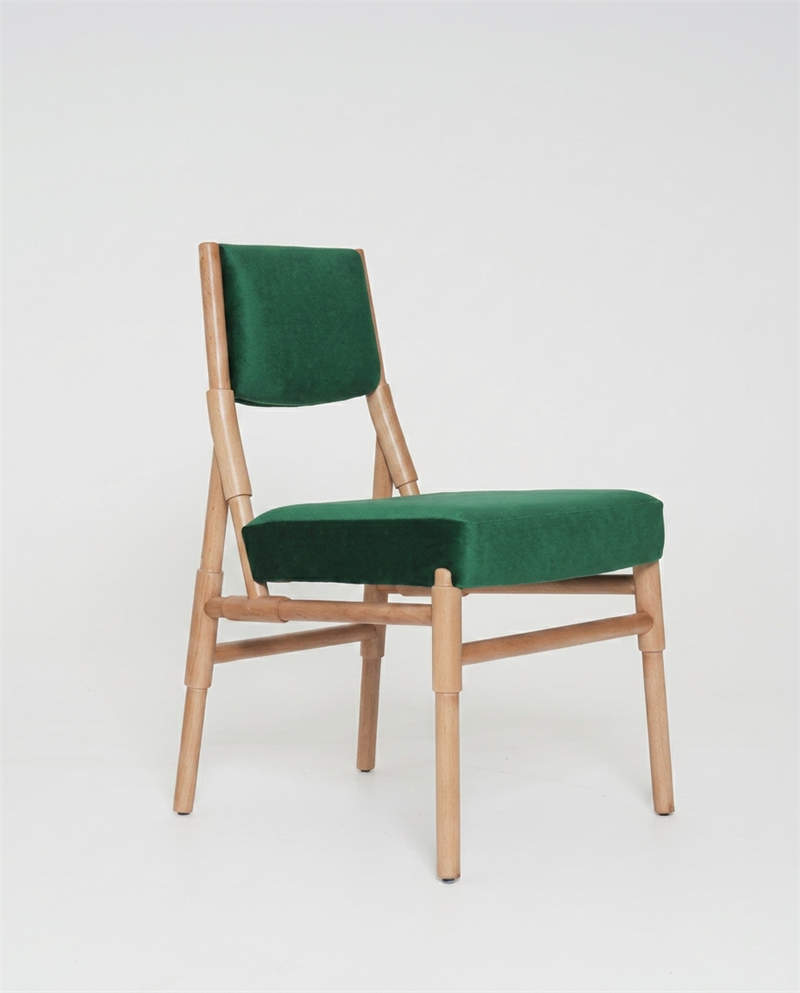
 High-specification commercial dining furniture — the type of product where pre-shipment inspection is non-negotiable for B2B buyers.
Shipping & Logistics Expenses
Ocean Freight: The Primary Shipping Method
Ocean freight is the backbone of China furniture logistics, accounting for more than 95% of furniture shipments by volume. The economics are simple: furniture is bulky, heavy, and relatively low in value per cubic meter — making air freight prohibitively expensive for anything beyond samples or urgent replacement parts.
FCL (Full Container Load) vs. LCL (Less Than Container Load)
FCL (Full Container Load) means your goods exclusively fill a dedicated container — either a 20-foot (approximately 25–28 CBM usable space) or 40-foot (approximately 55–58 CBM usable space) unit. LCL (Less Than Container Load) means your goods share container space with cargo from other shippers, with costs calculated per cubic meter.
The break-even point between FCL and LCL is generally around 15–18 CBM. Below that threshold, LCL is typically more cost-efficient; above it, FCL becomes the better value — and offers the additional advantage of reduced handling (your goods are not transferred between vessels or consolidation facilities, reducing the risk of transit damage).
Current Rate Ranges: $2,000–$8,000+ Per Container
As of mid-2026, ocean freight rates from China to the US West Coast for a 40-foot container range from approximately $2,500–$5,000 under standard market conditions, with East Coast routes running $3,500–$7,000. LCL rates from China to the US run approximately $100–$150 per CBM. These figures represent base freight only — surcharges are layered on top.
Fuel Surcharges and Peak Season Premiums
Fuel surcharges (Bunker Adjustment Factors, or BAF) are assessed based on prevailing bunker fuel prices and can add 10–25% to base freight costs. Peak season surcharges apply during the pre-holiday shipping season (typically July–October) and Chinese New Year preparation periods (November–January), adding $200–$800 per container. Port congestion surcharges, war risk premiums, and emergency bunker surcharges further complicate rate calculations.
The lesson for B2B buyers is clear: never plan your procurement calendar around the cheapest possible freight window — build surcharge risk into your budget and build order timing flexibility into your supplier agreements.
Air Freight & Express Shipping Options
When Air Freight Becomes Necessary
Air freight for furniture is almost never the first choice — but it becomes necessary in specific scenarios: urgent replacement of defective units for a project deadline, samples for client approval before a full order is placed, or high-value, low-volume specialty pieces (a single custom reception desk for a flagship showroom opening, for example).
Cost Comparison: Air vs. Ocean (3x–5x Premium)
The price differential between air and ocean freight for furniture is substantial. A 100 kg shipment of furniture components that might cost $150–$200 to ship by sea (via LCL consolidation) will typically cost $600–$1,000 by air freight, including handling and documentation. For larger shipments, the premium is even more pronounced — making air freight a cost that should be budgeted as an exception, not a routine.
Emergency Shipment Case Study
A furniture showroom in Toronto had committed to a client installation deadline for a custom office project. When a pre-shipment inspection revealed that 8 of the 40 executive chairs ordered had fabric defects requiring replacement, the showroom had two choices: delay the installation by 6 weeks (unacceptable to the client) or air-freight the replacement units. The air freight cost for the 8 chairs was $2,200 — painful but less damaging than the client relationship consequences of a 6-week delay. The real lesson: the air freight cost could have been avoided entirely with earlier defect detection.
Inland Transportation & Handling
Port Pickup and Delivery Charges
Once a container arrives and clears customs at the destination port, it must be transported to your warehouse or the final delivery point. Drayage — the short-haul trucking service that moves containers from the port to a nearby facility — typically costs $350–$800 depending on port location, distance, and chassis availability. Shortages of chassis (the wheeled frames that hold shipping containers) at major US ports, particularly Los Angeles/Long Beach, have periodically driven drayage costs significantly higher.
Warehouse Consolidation Fees
If goods arrive as LCL and must be de-consolidated at a Container Freight Station (CFS) before delivery, additional handling fees apply. CFS charges typically run $8–$15 per CBM for the de-stuffing and sorting process — modest on a per-unit basis but meaningful at scale.
Last-Mile Delivery to Your Facility
For B2B furniture buyers, “last-mile delivery” is rarely the kind of residential white-glove service that adds extensive cost — but delivering large furniture shipments to a distribution warehouse, a commercial showroom, or a hotel project site still carries real costs. Depending on distance from the port, truck type required, and any lift-gate or inside delivery requirements, last-mile delivery for a furniture container can add $500–$2,500 to total logistics costs.
Documentation & Freight Forwarding Services
Freight Forwarder Commission (2–5% of Shipment Value)
A freight forwarder is the logistics professional who manages the movement of goods from origin to destination — coordinating with carriers, customs brokers, inland transport providers, and warehouses on the buyer’s behalf. Their commission is typically 2–5% of the shipment value, though many forwarders also charge flat service fees for specific services (ISF filing, document preparation, etc.).
Bill of Lading and Export Documentation
The Bill of Lading (B/L) is the master document of any ocean freight shipment — it serves simultaneously as a receipt from the carrier, a contract of carriage, and a title document for the goods. Errors on a B/L can delay customs clearance, trigger additional inspections, and in some cases result in goods being held at port indefinitely. Additional export documentation for furniture shipments typically includes the Commercial Invoice, Packing List, Certificate of Origin, and any applicable wood treatment certificates (for solid wood furniture, phytosanitary certificates may be required).
Why Professional Freight Forwarders Save Money Long-Term
Buyers who attempt to manage their own logistics — particularly for the first time — frequently discover that the money they save on forwarder fees is far outweighed by the cost of mistakes: incorrect customs entries that trigger audits, missed filing deadlines that generate demurrage fees, and poorly negotiated freight contracts that leave money on the table. An experienced freight forwarder who specializes in furniture imports pays for themselves through cost efficiency within the first one or two shipments.
Case Study 3: The $12,000 Logistics Miscalculation — A Furniture Showroom’s Costly Shipping Oversight
A high-end furniture showroom in New York City had been importing furniture from multiple Chinese suppliers for three years when they decided to bring logistics management in-house to reduce costs. On their first self-managed shipment — a mixed container of dining and occasional tables valued at approximately $85,000 — a cascade of errors occurred.
First, the ISF (Importer Security Filing) — which must be submitted to US Customs at least 24 hours before the vessel departs China — was filed 18 hours late, triggering a $5,000 penalty. Second, the HS code used for one of the product categories was incorrect, causing a customs hold and requiring a customs broker to be engaged on an emergency basis for an additional $1,800. Third, the container sat at the port for 9 days during the hold period, generating demurrage fees of $4,900. Total unexpected cost: $11,700. Their annual savings by self-managing logistics? An estimated $8,400 in avoided forwarder fees.
The showroom returned to using a professional freight forwarder the following quarter.
Lessons in Container Optimization
Container optimization — the practice of packing a container to its maximum usable volume while ensuring product protection — is a specialized skill that experienced freight forwarders and factory logistics teams bring to every shipment. An inefficiently packed container that wastes 15–20% of available space effectively adds 15–20% to your per-CBM freight cost. For a 40-foot container carrying $150,000 in furniture, this inefficiency can cost $3,000–$5,000 in excess freight that could have been avoided.
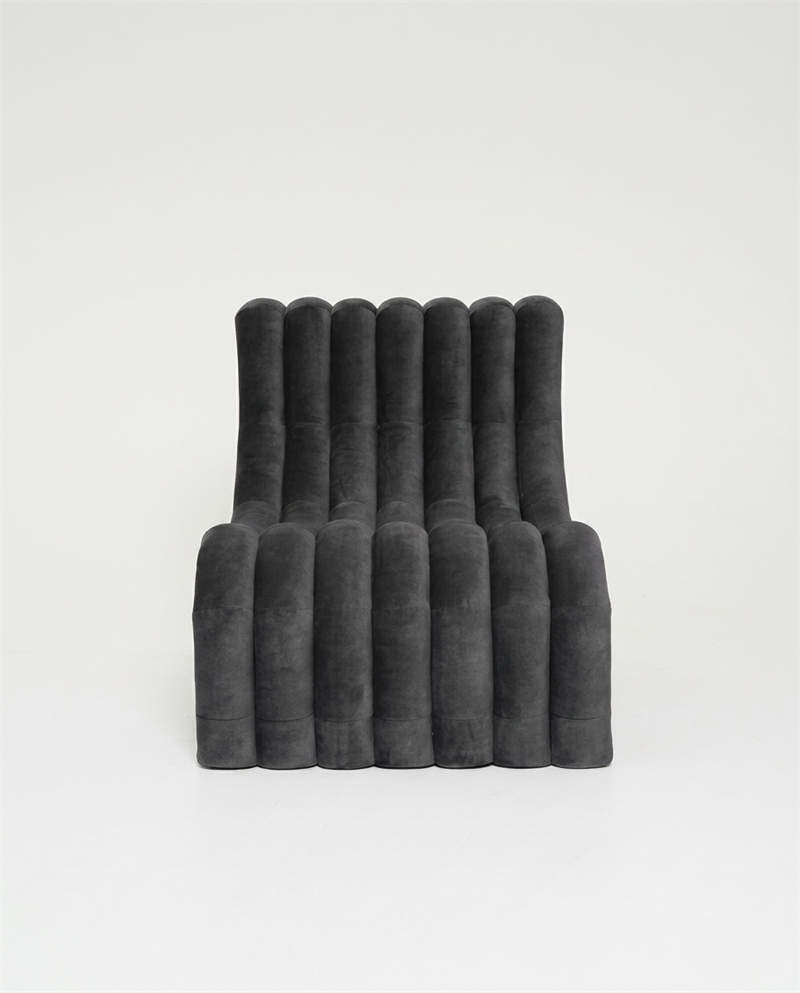
 Luxury upholstered furniture — category where proper freight management and damage protection are critical to preserving product integrity.
Customs, Duties & Import Compliance
Understanding Tariff Classifications for Furniture
Every product imported into the United States must be classified under the Harmonized Tariff Schedule (HTS) — the standardized system of numeric codes used to identify goods and determine applicable duty rates. For furniture, the relevant HTS chapters are primarily Chapter 94 (furniture, bedding, mattresses) with specific headings depending on the primary material and product type.
HTS Code (also called HS Code internationally) is a standardized numerical classification system used by customs agencies worldwide to categorize traded goods. The first 6 digits are universal internationally; the US adds additional digits for greater specificity.
The classification of furniture under HTS is not always straightforward. A dining chair with a solid wood frame and upholstered seat might be classified differently from a fully upholstered dining chair, and the duty rate implications can be significant. This is not a system to navigate casually — the consequences of misclassification range from penalty assessments to full duty recalculation with interest.
HS Codes and Their Impact on Duty Rates
| Furniture Category | HTS Heading | Base Duty Rate | Section 301 Tariff | Total Current Rate |
|---|---|---|---|---|
| Upholstered wooden furniture | 9401.61 / 9401.69 | 0% | 25% | ~25% |
| Non-upholstered wooden seating | 9401.69 | 0% | 25% | ~25% |
| Wooden bedroom furniture | 9403.50 | 0% | 25% | ~25% |
| Metal office furniture | 9403.10 | 0% | 25% | ~25% |
| Kitchen cabinets/vanities | 9403.40 | 0% | 25% | ~25% |
| Plastic/other furniture | 9403.80 | ~3.7% | 25% | ~28.7% |
Source: USITC Harmonized Tariff Schedule, current as of mid-2026. Section 301 tariffs subject to ongoing trade policy changes — always verify current rates with your customs broker.
Current U.S. Tariff Rates on Chinese Furniture
For furniture importers selling into the US market, the tariff environment as of mid-2026 is substantially more complex — and more expensive — than it was five years ago. The baseline Section 301 tariff of 25% on Chinese furniture has been in effect since 2018 and has remained the dominant duty burden. For upholstered wooden furniture specifically, additional Section 232 tariffs have been applied, bringing total effective rates to 25–30% on the CIF value of goods.
For EU-based importers, anti-dumping duties on specific Chinese wooden furniture categories can add an additional 4.5–8.1% depending on the specific supplier’s individual rate.
Calculating Landed Cost Accurately
Customs duties in the US are calculated on the CIF value — Cost of goods, Insurance, and Freight — meaning the duty base includes not just the factory price but also the ocean freight and insurance costs. This is a critical distinction that many importers miss when doing their initial budget calculations.
The landed cost formula looks like this:
Let us apply this to a real example. A shipment of wooden dining sets with a FOB value of $50,000, ocean freight of $4,500, and insurance of $550 creates a CIF value of $55,050. At a 25% duty rate, the customs duty alone is $13,762. This is frequently the single largest cost item after manufacturing — and frequently the one most severely underestimated.
Antidumping Duties and Additional Tariffs
Antidumping duties (ADD) are additional tariffs imposed when goods are found to be imported at prices below fair market value in the country of origin. For certain categories of Chinese furniture — particularly wooden bedroom furniture — antidumping duty orders have been in place since 2004 and can add rates ranging from a few percent to over 200% depending on whether the exporting manufacturer is on the “known” supplier list with an assigned rate or subject to the “all others” rate.
Buyers sourcing wooden bedroom furniture from China must verify with their customs broker whether their specific supplier has an individual ADD rate or falls under the all-others rate — a difference that can fundamentally change the economics of a sourcing decision.
Trade Agreement Benefits (USMCA, RCEP, etc.)
While the US-China trade relationship does not benefit from a bilateral free trade agreement, buyers operating within the USMCA zone (US, Canada, Mexico) should be aware that goods that undergo sufficient transformation in a USMCA country — including furniture assembled from Chinese components — may qualify for USMCA tariff treatment for intra-USMCA trade. Similarly, the RCEP (Regional Comprehensive Economic Partnership) creates tariff advantages for buyers operating within the Asia-Pacific region that may offer alternative sourcing or re-export strategies.
Customs Clearance Procedures & Fees
Customs Broker Services ($300–$800 Per Entry)
A customs broker is a licensed professional who prepares and files import documentation with US Customs and Border Protection (CBP) on the importer’s behalf. Customs broker fees for a standard furniture import entry typically range from $300–$800 per entry, depending on the complexity of the shipment, the number of HTS line items, and any additional services required (such as anti-dumping duty verification or Free Trade Zone processing).
Port Authority and Terminal Handling Charges
In addition to ocean freight, shippers pay terminal handling charges (THC) at both the origin port in China and the destination port. Origin THC is typically included in the freight quote from Chinese forwarders; destination port handling charges — covering unloading, yard handling, and gate fees — typically add $150–$400 per container at major US ports.
Demurrage Fees for Container Delays
Demurrage is the fee charged by ocean carriers when a container is not returned to the shipping line within the agreed “free time” — typically 3–5 days at the destination port after container availability. Demurrage rates escalate quickly: $75–$150 per day for the first week, $150–$300 per day thereafter, and in periods of port congestion, rates can spike dramatically higher. A container held for 10 days due to a customs delay can generate $1,500–$3,000 in demurrage fees — a cost that was entirely unplanned and is entirely avoidable with proper logistics coordination.
Compliance Documentation Requirements
Proper documentation is the unglamorous but critical backbone of furniture import compliance. Required documents for a standard US furniture import include: Commercial Invoice (with correct HTS codes and detailed product descriptions), Packing List, Bill of Lading, Certificate of Origin (Form A or equivalent for potential duty preference claims), and any applicable wood treatment certificates or phytosanitary documentation for solid wood.
For furniture containing solid wood components, the USDA APHIS regulations require heat treatment of wood packaging material to prevent the spread of invasive wood-boring pests — failure to comply can result in shipment rejection at the port of entry.
Potential Penalties for Non-Compliance
Customs non-compliance penalties in the US are assessed under 19 USC 1592 and can range from 20% of the dutiable value (for negligent violations) to 40% (for grossly negligent violations) to the full dutiable value (for fraud). For a $200,000 furniture shipment, even a negligent misclassification error could trigger a $40,000 penalty — far exceeding any savings from the misclassification itself.
Case Study 4: Tariff Miscalculation Cost a Distributor $34,000
A furniture distributor in the Pacific Northwest had been importing accent chairs and occasional tables from a Guangdong factory for two years. When they expanded their product line to include wooden storage cabinets, their internal team classified the cabinets under a furniture accessory HTS code with a lower effective duty rate — without consulting their customs broker.
The classification was incorrect. CBP’s post-entry audit, conducted 14 months after the shipments, identified 11 entries where the cabinets had been incorrectly classified. The correct classification carried an additional 8% duty rate plus applicable Section 301 surcharges. The total duty underpayment across the 11 entries: $28,700. With interest and a negligence penalty assessment, the final bill reached $34,200.
How Wrong HS Code Classification Happened
The error originated from a catalog description that referred to the products as “storage accessories” — a term the internal team mapped to an accessories HTS code rather than the correct furniture chapter. The factory’s Chinese export documentation also used a different classification, which should have been a red flag. A pre-import HTS consultation with the customs broker — typically costing $150–$300 as a standalone service — would have caught the error before the first shipment.
Strategies to Avoid Similar Mistakes
The most reliable protection against misclassification is to commission a formal binding ruling from CBP for any new product category before the first shipment. A binding ruling — available through CBP’s online CROSS database — provides legal certainty about the correct HTS classification and duty rate, and protects the importer from penalty assessment for relying on the ruling in good faith. Working with a broker who specializes in furniture imports, rather than a generalist, also significantly reduces classification risk.
Regulatory Compliance & Testing Costs
Safety & Certification Standards
The regulatory compliance landscape for furniture imports is more complex, more expensive, and more consequential than most first-time importers anticipate. The specific standards that apply to your products depend on the intended market, the end use (residential vs. commercial), and the product category.
CPSIA Compliance for Children’s Furniture
The Consumer Product Safety Improvement Act (CPSIA) imposes stringent requirements on furniture intended for use by children under 12. CPSIA requires third-party testing by a CPSC-accepted accredited laboratory for lead content, phthalate content, and other chemical hazards, as well as structural safety testing appropriate to the product category. Testing costs for a single children’s furniture SKU under CPSIA typically range from $500–$1,800 per product, with a Children’s Product Certificate (CPC) required to accompany every shipment.
BIFMA Standards for Commercial Furniture
For furniture destined for commercial applications — offices, hotels, restaurants, healthcare facilities — compliance with BIFMA (Business and Institutional Furniture Manufacturers Association) standards is increasingly expected by commercial buyers and specifiers. BIFMA standards address structural durability, stability, and performance under commercial use conditions. Testing to BIFMA standards at an accredited laboratory typically costs $1,500–$5,000 per product, depending on the product category and test battery required.
Fire Safety Testing Requirements
For furniture sold into hospitality, healthcare, or public assembly environments, fire safety compliance is mandatory. In California, TB 117-2013 (Technical Bulletin 117) regulates smolder resistance of upholstered furniture filling materials. For hospitality properties operating under NFPA 101 (Life Safety Code), more stringent fire resistance requirements may apply. Fire testing adds $300–$800 per SKU to compliance costs and must be documented for every shipment.
Lead Paint Testing & Chemical Compliance
CPSC Testing Protocols and Costs ($500–$2,000 Per Product)
Lead content limits in furniture (applied surface coatings and substrate materials) are regulated by the CPSC under CPSIA and the lead paint standards. For any furniture marketed to or accessible by children, lead content testing is mandatory. For other furniture categories, lead content testing is best practice rather than a legal requirement — but the liability exposure from omitting it is significant.
Testing is conducted by accredited third-party laboratories and typically costs $500–$2,000 per product, with the price varying based on the number of paint layers tested, the substrate materials involved, and whether expedited results are required.
Lead Content Verification from Chinese Suppliers
Chinese suppliers of furniture targeting US markets are increasingly familiar with lead content requirements and will often provide factory-level test reports. However, buyer-commissioned testing is still advisable for new suppliers or new product lines, because factory-commissioned reports may use samples selected to optimize test outcomes rather than reflect production variability.
Sustainability & Environmental Certifications
FSC Certification for Wood Products
FSC (Forest Stewardship Council) certification verifies that wood used in furniture production comes from responsibly managed forests. For furniture buyers serving sustainability-conscious end customers — luxury residential designers, hospitality brands with ESG commitments, corporate office specifiers — FSC chain-of-custody documentation has moved from a differentiator to an expectation.
Obtaining FSC certification requires the entire supply chain — from the forest to the furniture factory — to maintain FSC chain-of-custody. For a Chinese factory to be FSC-certified, the certification process involves an audit by an accredited FSC certification body and annual surveillance. The cost to the factory is typically $3,000–$8,000 for initial certification, which is generally amortized across their client base. For the buyer, the incremental cost of sourcing from an FSC-certified factory versus a non-certified one is typically 5–15% higher on material costs.
GREENGUARD and Low-VOC Certifications
GREENGUARD (now UL GREENGUARD) certification verifies that furniture products meet chemical emission standards — specifically, that they do not off-gas VOCs (Volatile Organic Compounds) at levels that compromise indoor air quality. GREENGUARD Gold (formerly GREENGUARD Children & Schools) applies more stringent limits and is required by many school and healthcare facility specifications.
Achieving GREENGUARD certification requires product testing at UL’s laboratories, with certification costs ranging from approximately $500–$1,500 per product plus annual recertification fees. Products must also be retested if manufacturing processes or materials change significantly. The full certification process typically takes 8–14 weeks from application to certificate issuance.
Cost Impact: $1,000–$5,000 Per Shipment
When aggregated across a typical multi-SKU furniture order, compliance testing and certification costs — spanning lead content, fire safety, BIFMA/CPSIA where applicable, and environmental certifications — typically add $1,000–$5,000 to the total shipment cost, with the higher end of that range applying to commercial or children’s furniture categories with more comprehensive testing requirements.
Testing Timeline and Delays
How Testing Delays Affect Cash Flow
Testing is not instantaneous. Standard turnaround times for most furniture compliance tests — lead content, fire safety, BIFMA structural — range from 3–6 weeks. GREENGUARD certification adds 8–14 weeks. FSC chain-of-custody verification, if a factory is not already certified, adds months.
For buyers with project deadlines or seasonal merchandise commitments, testing timelines represent a critical path item that must be built into the sourcing schedule from day one. A buyer who discovers that their chosen factory’s products require GREENGUARD testing only after placing the order faces a choice between delaying the shipment by up to 14 weeks or sourcing from a pre-certified alternative — typically at higher cost and with less design specificity.
Expedited Testing Options and Premium Costs
Most major testing laboratories offer expedited or rush services, typically at 50–100% premium over standard testing costs. A lead content test that costs $350 at standard turnaround (10–14 business days) might cost $600–$700 for a 5-business-day turnaround. For project-critical situations, this premium is often justified — but it should be planned for, not discovered in a panic.
Case Study 5: Interior Designer’s Compliance Nightmare — How Missing Certifications Delayed a $150,000 Project
A high-end interior design firm in Chicago was specifying furniture for a new luxury senior living community — a category with stringent fire safety and chemical emission requirements. The firm had placed a $150,000 order with a Foshan manufacturer they had used successfully for residential projects, without verifying whether the products met the facility’s required GREENGUARD Gold and California TB 133 fire safety standards.
The oversight was discovered during the facilities manager’s pre-installation specification review — four weeks before the scheduled opening date. The furniture had already cleared customs and was in the staging warehouse. Three options were available: return the furniture (a logistical nightmare with significant reverse logistics cost), expedite testing (which would take a minimum of 6 weeks for TB 133), or source compliant replacement furniture domestically at a significant premium.
The firm chose a combination: compliant domestic alternatives were sourced for the public spaces (at a 40% price premium), and the non-compliant Chinese furniture was repurposed to a different project where the regulatory requirements were less stringent. The total additional cost: approximately $31,000, including the premium on the replacement furniture, expedited logistics, and additional project management hours. The project opened 11 days late.
Building Certification Into Your Sourcing Timeline
The lesson is one that the team at JL&C Furniture emphasizes consistently when advising B2B clients: certification requirements must be established at the specification stage, not discovered at the delivery stage. The right process is to identify all applicable regulatory and certification requirements before supplier selection, select only factories whose product certifications match project requirements, and build testing timelines into the master project schedule as a dependency — not an afterthought.
Hidden Administrative & Management Costs
Product Development & Sample Costs
Sample Production and Shipping: $500–$3,000 Per Item
For custom or semi-custom furniture orders — a staple of the design firm and hospitality sourcing market — sample production is a necessary step that carries real costs. A single furniture sample produced by a Chinese manufacturer typically costs $500–$3,000, depending on the complexity of the design, the materials involved, and the level of finish detailing required. This cost is often negotiable — manufacturers may agree to deduct sample costs from the first production order, or to provide samples free of charge for buyers with strong order volume track records.
International sample shipping — typically via air freight for timeliness — adds $80–$300 per package depending on size and weight, and must clear customs at the destination with proper documentation. Imported samples are technically subject to customs duty, though most jurisdictions have de minimis thresholds or temporary import provisions for bona fide commercial samples.
Revision Rounds and Design Modifications
The first sample is rarely the final sample. Industry practice for custom furniture typically involves 2–4 revision rounds before a sample is approved for production. Each revision round that requires a new physical sample from China adds another cycle of production cost ($200–$800 per revision, typically less than the initial sample) and shipping cost, plus the time cost of waiting for revised samples — typically 10–20 business days per round.
Digital approval tools — 3D renders, material swatches by courier, video review sessions — have reduced the number of physical revision rounds required for experienced buyer-supplier pairs, but physical samples remain essential for final sign-off on materials, finishes, and construction quality.
Tooling and Mold Costs for Custom Designs
For furniture designs that require custom-made tooling — injection-molded plastic components, custom hardware dies, upholstered profile jigs — tooling costs are a one-time investment that precedes production. Tooling costs for furniture components typically range from $500–$8,000 depending on complexity, with metal casting dies for decorative hardware at the higher end and simple plastic extrusion profiles at the lower end. These costs are generally not refundable if the design is not ultimately put into production.
Communication & Project Management
Time Investment in Supplier Coordination
The invisible cost in furniture sourcing is management time. A buyer coordinating a mid-complexity import — one container of furniture from one supplier — should realistically budget 15–25 hours of management time per shipment for supplier communication, document management, logistics coordination, payment processing, and exception handling. At a fully loaded labor cost of $50–$100 per hour for an experienced procurement professional, this represents $750–$2,500 per shipment in real organizational cost.
For buyers managing multiple suppliers and multiple concurrent shipments — a common scenario for established distributors or active design firms — total management overhead can represent 8–15% of the value of goods imported annually. This is a real cost of doing business that should be reflected in margin calculations and overhead recovery.
Translation Services and Technical Documentation
Communication with Chinese suppliers frequently requires translation — not just of casual correspondence but of technical specifications, compliance documents, test reports, and contract terms. Professional technical translation services cost $0.15–$0.30 per word for Chinese-to-English translation by qualified translators familiar with furniture and manufacturing terminology. A 20-page technical specification document might cost $400–$800 to translate professionally. Using non-professional translation tools or bilingual staff with limited technical vocabulary is a common source of specification errors that surface only during production.
Currency Exchange & Payment Processing
Fluctuation Risk and Hedging Strategies
Chinese furniture is priced in RMB (Chinese Yuan/Renminbi) at the factory level, though most international transactions are quoted and settled in US dollars. The exchange rate at which the factory converts their USD revenue back to RMB affects their effective margin — and by extension, their willingness to maintain quoted prices over multi-month order-to-delivery cycles.
For the buyer, currency risk works in both directions: if the USD strengthens against the RMB between quotation and payment, the buyer benefits. If the USD weakens, the effective cost of goods rises. For a $200,000 order, a 5% USD depreciation against the RMB represents a $10,000 cost increase that was invisible at the time of order placement.
Wire Transfer Fees and Banking Costs (1–3%)
International wire transfers for furniture payments typically incur fees of $25–$100 per transfer at the sending bank, plus potential receiving bank charges and correspondent bank fees that may be deducted from the payment. Over the course of multiple payments per order (typically a 30% deposit and 70% balance payment structure), these fees add $100–$400 per transaction cycle.
Some buyers attempt to reduce banking costs by using payment platforms such as Wise (formerly TransferWise) or similar services for smaller transactions, though most Chinese factory suppliers of scale require traditional SWIFT wire transfers.
Insurance & Risk Management
Cargo Insurance Costs (0.5–2% of Shipment Value)
Marine cargo insurance covers the value of goods against loss or damage during ocean transit. For furniture — a product category with meaningful transit damage risk given its bulk, weight, and finish sensitivity — cargo insurance is not optional. Premiums typically range from 0.5–2% of the declared cargo value, with the rate influenced by the packing method, the route, the carrier history, and the deductible level selected.
A $200,000 furniture shipment with a 1.2% insurance rate carries an insurance premium of $2,400. This is real money — but it is far less than the cost of an uninsured loss on even a partial shipment.
Product Liability Insurance Increases
Importing furniture from China and reselling it in the US or EU makes you, as the importer of record, the responsible party for product liability claims. A furniture piece that causes injury — a chair that collapses, a glass table that shatters abnormally, a cabinet that tips — can generate liability exposure that dwarfs the value of the product. Product liability insurance premiums for furniture importers typically increase by 10–25% as import volume grows, and buyers should ensure their coverage reflects the actual value and volume of goods imported annually.
Case Study 6: A Showroom’s $8,500 Administrative Overhead — Hidden Costs Beyond Production and Shipping
A mid-sized furniture showroom in San Francisco conducted a rigorous cost audit after noticing that their Chinese-sourced furniture lines were consistently delivering lower-than-projected margins. The audit revealed that their financial model had captured manufacturing, freight, and duty costs accurately — but had entirely omitted the following:
Internal management time (22 hours per shipment at $75/hour fully loaded) added $1,650 per shipment. Translation and document preparation services averaged $620 per shipment. Sample costs (4 new products per year, averaging $1,200 per sample including shipping) added $4,800 annually. Banking fees and wire transfer costs averaged $380 per shipment. Insurance premiums at 1.1% of shipment value added $1,430 per shipment.
Total untracked administrative overhead per shipment: approximately $4,080. Annualized across the showroom’s import program (12 shipments per year), this represented $48,960 in hidden costs that were not being recovered in their product pricing. Adjusting their pricing model to reflect these costs added 4.2% to their average product retail price — a modest increase that dramatically improved margin performance.
Optimizing Your Internal Processes
The showroom’s response was to invest in a dedicated sourcing management platform (approximately $6,000 annually), standardize their specification documentation to reduce translation requirements, and consolidate their shipments from 12 per year to 8 (by improving order planning), reducing total administrative overhead by an estimated $18,000 annually.
 Hospitality-grade furniture — one of the most complex categories for compliance requirements, inspection standards, and documentation management.
Warehouse, Storage & Inventory Management
Initial Warehouse Receiving & Processing
The warehouse receiving process is where the physical reality of a furniture import meets the administrative record — and where hidden costs tend to materialize in clusters. Unloading and inspection labor for a 40-foot furniture container typically costs $300–$900 depending on local labor rates, the number of SKUs in the container, and how well the goods are packaged for rapid unloading.
Inventory System Setup and Data Entry
Every SKU that enters a warehouse must be entered into an inventory management system — with accurate descriptions, SKU codes, condition records, and storage location assignments. For a new supplier or new product line, system setup and initial data entry can require 4–12 hours of staff time, a cost that is real but rarely captured in import cost models.
Packaging Inspection and Repackaging Needs
Export packaging designed to survive ocean transit is not always the same packaging that is appropriate for warehouse display, showroom use, or end-customer delivery. Repackaging — adding retailer-branded cartons, assembly instructions in the local language, or protective interior materials appropriate for white-glove delivery — adds $3–$15 per unit depending on the complexity and materials required. For a 200-unit shipment, this can represent $600–$3,000 in unplanned costs.
Short-Term Storage During Inspection
Climate Control and Security Costs
Premium furniture — solid wood case goods, fine upholstery, lacquered surfaces — is sensitive to environmental conditions. Storage in facilities with proper climate control (humidity and temperature management) costs more than standard warehouse space, typically adding $0.05–$0.15 per square foot per month to base storage rates. For furniture that requires extended storage, this premium adds up meaningfully.
Average Storage Duration and Associated Fees
The typical inspection and acceptance period for a furniture import is 5–15 business days from container unloading to inventory clearance. At typical 3PL storage rates of $0.35–$0.65 per square foot per month, storage costs during this period for a full container of furniture (occupying perhaps 1,500–2,500 square feet) amount to $265–$1,625. Delays in inspection or acceptance — caused by documentation issues, dispute resolution, or simply workload — extend this cost.
Long-Term Inventory Holding Costs
Carrying Cost Calculation (15–30% of Product Value Annually)
Inventory carrying costs — the full cost of holding inventory in your warehouse — are among the most underappreciated costs in furniture distribution. Carrying costs include capital cost (the cost of money tied up in inventory, whether borrowed or opportunity cost of equity), warehouse space, handling, insurance, and obsolescence risk. Industry benchmarks place total carrying costs at 15–30% of inventory value annually for furniture and home furnishings.
The calculation is expressed as:
For a distributor with $800,000 in average furniture inventory and a carrying cost rate of 22%, the annual carrying cost is:
This $176,000 is a real cost of doing business — it must be recovered through margin on sales, which means every additional dollar of unnecessary inventory directly reduces profitability.
Obsolescence Risk for Seasonal Designs
Furniture design trends evolve on roughly 18–24 month cycles in the residential market and 24–36 month cycles in the commercial market. Products ordered in large quantities that fall out of fashion before they are sold represent a particularly painful form of inventory cost. Obsolescence-driven markdowns in furniture retail average 18–35% below original retail price for slow-moving inventory, directly eroding the margin that the entire import process was designed to generate.
Returns and Damaged Goods Processing
Reverse Logistics and Restocking Costs
Returned furniture — whether from showroom floor rotations, customer rejections, or damage claims — carries a full set of reverse logistics costs that are rarely pre-planned. Pickup from client location, transport to the warehouse, inspection and condition assessment, refurbishment or repackaging, and restocking all add costs. For furniture, reverse logistics typically costs 25–45% of the original forward logistics cost — meaning a unit that cost $80 to get to the end customer may cost $20–$36 to bring back, before any refurbishment.
Repair vs. Return Decision Analysis
The economics of repair versus return are highly product-specific. For solid wood case goods with minor surface damage, on-site refinishing by a skilled technician (typically $50–$200 per piece) is almost always more cost-effective than return and replacement. For upholstered furniture with fabric defects, the decision depends on whether the fabric can be sourced locally for reupholstery or whether the entire unit must be returned to China — a process that is rarely economically viable.
Supplier Negotiation for Damage Claims
Recovering costs from Chinese suppliers for production defects or packaging failures requires documentation, persistence, and a well-structured supplier agreement. Suppliers will typically offer one of three remedies: replacement units in the next production run (the most common response), credit against future orders, or partial refund for the defective units. Cash refunds for damage claims are rare and require strong negotiating position — which comes from volume, long-term relationship, and clear contractual language established before the first order.
Case Study 7: Distributor’s $42,000 Inventory Management Problem — Overstocking and Its Hidden Costs
A furniture distributor in the Midwest had developed a practice of ordering large quantities of popular items to secure favorable pricing and avoid stockouts. When a major hospitality trend shifted away from the dark-stained oak aesthetic that had been their best-selling finish category, they found themselves holding 1,200 units of dark-stained occasional furniture across three SKUs — representing approximately $186,000 in inventory value at their landed cost.
Over 18 months, the inventory was liquidated through a combination of channels: discount sales to secondary market buyers at 35% below normal wholesale, a promotional campaign to design firm clients at 25% below standard pricing, and a small quantity that was refinished at a cost of $45 per unit to a lighter finish more aligned with current trends.
The total realized value from liquidation: $144,000 — representing a $42,000 loss on the overstocked inventory. Adding the 18 months of carrying cost at the company’s 20% annual rate: another $55,800 in carrying cost on the stranded inventory. Total economic impact: approximately $97,800 from what was initially perceived as smart bulk-buying.
Optimizing Order Quantities and Frequency
The distributor’s response was to implement a demand-driven order management system and reduce their target inventory coverage from 6 months to 3.5 months. This reduced their average inventory value by approximately $320,000 — saving over $64,000 per year in carrying costs while requiring more frequent (and slightly less efficient) replenishment orders. The net economic benefit was significant.
Currency, Payment Terms & Financial Costs
Payment Method Comparison
| Payment Method | Risk Level (Buyer) | Risk Level (Supplier) | Typical Cost | Best For |
|---|---|---|---|---|
| Full Prepayment (T/T) | High | Low | Wire fees only ($25–$100) | Established relationships |
| 30% Deposit / 70% Balance | Moderate | Moderate | Standard wire fees | Most B2B orders |
| Letter of Credit (L/C) | Low | Low | $500–$1,500 per L/C | Large orders, new suppliers |
| Escrow Service | Low | Low | 1–3% of value | High-value, first-time transactions |
| Credit Card | High (for large amounts) | Low | 2–4% processing fee | Samples and small orders |
Wire Transfer vs. Letter of Credit (L/C)
A Letter of Credit (L/C) is a bank instrument that guarantees payment to the supplier once specific documentary conditions — shipment, inspection, documentation — are met. L/Cs provide strong protection for both buyer and seller in large transactions or with unfamiliar suppliers, but carry meaningful administrative cost ($500–$1,500 per L/C) and require significant paperwork discipline.
For most established B2B relationships with a track record of successful transactions, the standard 30% deposit / 70% balance wire transfer structure balances risk management with cost efficiency. For first-time large orders or high-value custom projects, the additional cost of an L/C is typically well-justified insurance.
Currency Exchange Risk Management
Impact of RMB Fluctuations on Your Margins
The USD/CNY exchange rate has fluctuated meaningfully over the past decade, with swings of 8–12% over 12-month periods not uncommon. For a furniture importer paying effectively in RMB (even via USD-denominated contracts, the underlying economics are RMB-based), a 5% appreciation of the RMB against the USD between order placement and final payment represents a 5% increase in the effective cost of goods.
On a $300,000 order, a 5% RMB appreciation means the buyer is effectively paying $15,000 more than the rate implied at the time of the original quotation — without any change in the factory price, the freight rate, or any other cost variable.
Forward Contracts and Hedging Strategies
Forward contracts — arranged through a bank or specialist currency broker — allow buyers to lock in an exchange rate for future payment, eliminating the uncertainty of currency movement. The cost of a forward contract is embedded in the forward rate itself (typically expressed as a small premium or discount relative to the spot rate) and is generally quite modest compared to the risk being managed. For any individual order exceeding $100,000, currency hedging is worth serious consideration.
Financing Costs for Working Capital
Early Payment Discounts vs. Financing Costs
Some Chinese suppliers offer early payment discounts of 1–3% for accelerated payment terms — essentially, paying the 70% balance before the goods arrive rather than upon arrival or delivery. Whether to take these discounts depends on the buyer’s cost of capital. At an average cost of capital of 8–12% annually (common for mid-market furniture distributors), an early payment discount of 2% for 60 days of early payment represents an annualized return of approximately 12% — often worth taking.
Trade Credit Terms Negotiation
Payment terms are negotiable, particularly with suppliers with whom you have an established relationship and meaningful order volume. Terms of Net 30 or Net 45 on the balance payment — allowing the buyer to receive and inspect goods before final payment — are achievable with suppliers who have confidence in the buyer’s creditworthiness. Securing extended payment terms effectively provides interest-free working capital financing and should be pursued proactively.
Case Study 8: Hotel Fit-Out Designer’s Currency Loss — How RMB Appreciation Reduced Margins by 8%
A hotel fit-out procurement firm based in London was sourcing guestroom furniture for a major European hotel chain — a contract worth approximately €2.1 million over 18 months. The procurement was denominated in USD against Chinese suppliers (standard practice), with EUR/USD and USD/CNY both moving against the buyer during the contract period.
The USD strengthened against EUR by approximately 6% over the contract period, meaning the EUR cost of USD-denominated purchases increased by 6%. Simultaneously, the CNY appreciated against USD by 4%, increasing the effective production cost. The combined currency impact reduced the firm’s net margin on the contract from the budgeted 18.5% to approximately 10.3% — an 8.2 percentage point reduction attributable almost entirely to currency movement.
Hedging Strategies That Protect Profitability
The firm’s treasury team subsequently implemented a systematic hedging program: EUR/USD forward contracts for all confirmed orders above €50,000, and USD/CNY forward contracts for large production payments. The hedging cost (embedded in the forward rates) averaged approximately 0.8% of contract value — a small price for the certainty of margin protection on subsequent contracts.
Total Cost of Ownership (TCO) Model & Real Budgeting Examples
Building Your Complete Cost Spreadsheet
The Total Cost of Ownership (TCO) model is the professional standard for furniture import budgeting. Unlike simple landed cost calculations that stop at the customs entry, TCO captures every cost from factory quotation to end-customer delivery — including all the administrative, compliance, financial, and inventory costs that are frequently omitted from importer budgets.
Fixed Costs vs. Variable Costs
Understanding which costs are fixed (constant regardless of order size) and which are variable (scaling with volume or unit count) is essential for building accurate per-unit cost models and understanding how economics change as order volumes grow.
Fixed costs (largely constant per shipment regardless of volume): customs broker base fee, freight forwarder setup fees, L/C fees, quality inspection base charges, documentation costs, and sample approval costs.
Variable costs (scaling with order volume): manufacturing cost, ocean freight (variable with volume above FCL threshold), insurance (percentage of value), customs duty (percentage of CIF value), carrying costs, and per-unit handling charges.
Per-Unit Cost Breakdown Template
| Cost Category | % of Total Landed Cost (Typical Range) |
|---|---|
| Manufacturing (FOB) | 55–70% |
| Ocean Freight | 5–12% |
| Customs Duty | 10–18% |
| Quality Control & Testing | 1–3% |
| Customs Broker & Documentation | 1–2% |
| Port Handling & Drayage | 1–3% |
| Cargo Insurance | 0.5–1.5% |
| Warehousing & Handling | 2–5% |
| Administrative & Management | 2–5% |
| Currency & Finance Costs | 1–3% |
| Total Landed Cost | 100% |
Comprehensive Case Study 9: Furniture Distributor’s Full Costing Analysis — $500,000 Container Order Breakdown
A mid-size furniture distributor sourcing through JL&C Furniture placed a consolidated order for mixed furniture categories — upholstered seating, dining sets, and occasional tables — with a total FOB value of $180,000. Here is the complete landed cost breakdown:
| Cost Category | Amount |
|---|---|
| Manufacturing (FOB Value) | $180,000 |
| Export Packaging & Inland Freight to Port | $8,200 |
| Ocean Freight (FCL – 40ft container) | $4,800 |
| Cargo Insurance (1.1% of CIF) | $2,130 |
| Customs Duty (25% on CIF of $195,130) | $48,783 |
| Antidumping Duty Assessment | $0 (verified exempt) |
| Customs Broker Fee | $650 |
| ISF Filing | $75 |
| Port Handling & Terminal Charges | $380 |
| Drayage (Port to Warehouse) | $720 |
| Quality Control & Pre-Shipment Inspection | $1,400 |
| Compliance Testing (Fire Safety + Lead) | $2,800 |
| Certifications (GREENGUARD Gold) | $2,300 |
| Freight Forwarder Commission | $3,700 |
| Sample & Revision Costs (amortized) | $1,800 |
| Administrative & Management (est.) | $4,200 |
| Warehouse Receiving & Processing | $2,800 |
| Cargo Insurance (product liability premium) | $1,800 |
| Currency Hedging Cost | $1,200 |
| Wire Transfer Banking Fees | $285 |
| Carrying Cost (3-month average) | $8,000 |
| Total Landed Cost | $276,023 |
True Per-Unit Cost Revealed
With a total of 650 units across the mixed product assortment, the average landed cost per unit is $424.65 against a weighted average FOB price of $276.92 per unit — a 53.3% uplift from ex-factory price to fully landed cost. The distributor’s initial budget had estimated 35% total uplift from FOB — a miscalculation that would have wiped out their entire planned margin at the budgeted wholesale price.
After recalibrating their pricing model to reflect the actual TCO, the distributor adjusted their wholesale prices upward by an average of 11.4% — remaining competitive in their market while restoring the target margin structure.
Comprehensive Case Study 10: Interior Design Firm’s Specialized Sourcing — Smaller Order, Higher Complexity
A boutique interior design firm in New York specializing in luxury residential projects placed a custom order for 14 pieces of bespoke furniture — a combination of custom dining tables, accent chairs, and a console — for a high-net-worth client’s penthouse renovation. Total FOB value: $28,400. But complexity, not volume, was the cost driver.
How Costs Scale Differently for Design Firms
With only 14 pieces in a mixed LCL shipment, the fixed costs per unit were dramatically higher than in the distributor case study above. The LCL freight cost of $2,100 divided across 14 pieces added $150 per piece in freight alone. The customs broker fee of $600 added $43 per piece. The pre-shipment inspection of $850 added $61 per piece. Three rounds of physical samples at $2,400 total added $171 per piece.
Total landed cost for the 14-piece custom order: $46,800 — a 64.8% uplift from FOB, compared to 53.3% for the high-volume distributor order. The fixed-cost dilution effect of small order quantities is real and must be priced accordingly.
Profitability Analysis and Pricing Strategy
The design firm’s client billing structure — charging at a marked-up “to the trade” price plus a design fee — did capture the full landed cost. But the analysis revealed that their standard 35% trade markup on FOB price was insufficient to recover total costs at low order volumes. A TCO-based markup of 68–75% on FOB price for custom, small-batch orders correctly reflected the true cost structure and sustained profitability.
📺 Video Resource: Understanding the Full Process of Importing Furniture from China

This video from USA Customs Clearance walks through the complete furniture import process — from factory pricing and tariff calculations to logistics and customs compliance. An excellent companion resource to this guide.
Strategies to Minimize Hidden Costs
Supplier Selection & Negotiation
Red Flags That Indicate Hidden Costs Ahead
Experienced buyers learn to recognize supplier behaviors that reliably predict hidden cost problems. A supplier who is reluctant to provide a detailed FOB breakdown — insisting on a single “all-in” price — is almost certainly bundling costs in ways that will shift unfavorably once the relationship is established. A supplier who cannot produce current certification documentation for their products, or who provides documentation that has expired, is signaling a compliance risk that will materialize as a cost at some point.
Other red flags include: vague or inconsistent product specifications, reluctance to allow third-party inspection, lack of English-language technical documentation, and payment term inflexibility that does not evolve as the relationship matures.
Questions to Ask Before Committing
Before placing any significant B2B furniture order from a Chinese supplier, experienced buyers establish clear answers to a standard question set. What exactly is included in your FOB price — does it include standard export packaging, inland transport to the specified port of loading, and export customs documentation? What is your factory’s current lead time from order confirmation to ready-for-inspection date? Can you provide current test reports for lead content, applicable fire safety standards, and any chemical emission certifications? What is your policy and process for addressing pre-shipment inspection findings that identify non-conformances?
Negotiating Transparent Pricing
Transparency in pricing is a negotiated outcome, not a default. Buyers who have established relationships with suppliers, who offer meaningful and consistent order volume, and who have demonstrated that they understand manufacturing economics are far more likely to receive open-cost structures — where the factory breaks out their material cost, labor cost, overhead, and margin explicitly.
Open-cost pricing enables buyers to have meaningful conversations about cost reduction — not by simply demanding lower prices, but by collaborating on material substitutions, process improvements, or specification adjustments that genuinely reduce cost without sacrificing quality.
Consolidation & Optimization Strategies
Grouping Multiple Products in One Shipment
Shipment consolidation — grouping orders from multiple suppliers or multiple product categories into a single container — is one of the highest-leverage cost reduction strategies available to B2B furniture importers. Consolidating from LCL to FCL eliminates per-CBM LCL handling charges, reduces the number of customs entries (each of which carries broker and documentation costs), and concentrates fixed inspection costs across a larger volume.
A buyer who was previously shipping 4 LCL shipments per year at $3,200 in logistics costs each ($12,800 total) and consolidates to 2 FCL shipments at $5,200 each ($10,400 total) saves $2,400 in direct freight cost while simultaneously reducing customs entries (saving $600–$1,200 in broker fees) and concentrating management time more efficiently.
Timing Orders to Maximize Container Efficiency
Container utilization — the percentage of a container’s volumetric capacity that is productively occupied by cargo — directly determines the per-unit freight cost. Every unused cubic meter in a container is wasted freight capacity. Planning orders to fill containers as efficiently as possible — mixing product categories with different dimensional profiles to maximize cube utilization, coordinating product launch timing with shipment windows — is a discipline that pays dividends on every shipment.
Building Long-Term Relationships for Better Terms
The economics of Chinese furniture sourcing improve significantly over time as buyer-supplier relationships mature. Factories allocate their best production capacity, most skilled workers, and highest management attention to buyers who represent consistent, growing volume. Buyers with 3+ years of relationship history with a factory typically access better pricing (3–8% below initial quotation levels), extended payment terms, priority production scheduling during peak periods, and greater flexibility in handling non-conformances.
Technology & Process Improvements
Inventory Management Systems
Investing in a purpose-built inventory management system — platforms such as Fishbowl, inFlow, or Cin7 specifically designed for product-based businesses — can materially reduce the administrative cost of furniture import operations. Automated receiving workflows, barcode-based inventory tracking, and integrated reorder point management reduce labor requirements for inventory management by 30–50% in businesses making the transition from spreadsheet-based systems.
Supplier Communication Platforms
Platforms such as Alibaba’s trade management tools, SourceDay, or Anvyl provide structured environments for managing supplier communications, purchase orders, production milestones, and documentation — replacing the chaotic email-and-spreadsheet approach that characterizes most early-stage import operations. Structured supplier communication reduces errors, provides an audit trail for dispute resolution, and reduces the management time required per order.
Cost Tracking and Analysis Tools
Landed cost tracking systems — either standalone software or modules within ERP platforms — provide real-time visibility into the true cost of inventory as it moves through the supply chain. Without these tools, most importers are working from cost estimates that are not reconciled against actual costs until weeks or months after a shipment is cleared — by which time pricing decisions have already been made.
Risk Mitigation and Contingency Planning
Building Buffer Into Your Budget (10–15%)
Every experienced furniture importer builds a contingency reserve into their budget — not because they expect problems on every shipment, but because the frequency and cost of unexpected events (port delays, inspection findings, duty reassessments, currency movements) is high enough that an unbudgeted reserve is not responsible financial management. The professional standard is a 10–15% contingency buffer on total estimated landed cost.
For a shipment with an estimated landed cost of $180,000, a 12% contingency reserve of $21,600 means the buyer has budgeted $201,600 and will be pleasantly surprised if total costs come in under that figure — rather than scrambling to find additional funding if costs exceed the base estimate.
Diversifying Suppliers to Reduce Risk
Single-source dependence — relying on one supplier for a critical product line — concentrates risk in ways that can be catastrophic. Supplier relationship breakdowns, factory fires, production quality failures, or regulatory non-compliance issues at a single supplier can disrupt an importer’s entire product line simultaneously.
Professional procurement practice recommends qualifying at least two capable suppliers for any product category that represents more than 20% of import value — and placing at least some volume with each to maintain the relationships and production capability.
Establishing Contingency Funds
Beyond the shipment-level contingency buffer, B2B furniture importers should maintain an organizational-level contingency fund for significant unexpected events: an antidumping duty audit, a product recall requiring reverse logistics, or a major exchange rate movement that compresses margins on a large open order. A contingency fund equivalent to 3–6 months of average import costs provides meaningful financial resilience against these low-frequency, high-impact events.
 Bespoke bedroom furniture — the category where compliance certification, sample costs, and quality inspection are most critical to protecting both buyer and end client.
Conclusion: Creating Your Accurate Sourcing Budget
The True Cost Formula Recap
Importing furniture from China successfully — as a distributor, a design firm, a showroom, or a hospitality procurement team — requires treating landed cost calculation as a non-negotiable analytical discipline, not an afterthought. The true cost formula is not complex in concept; it is comprehensive in scope:
Every term in that equation represents a category of cost that is real, quantifiable, and predictable with the right information and the right process. None of them should be surprises.
Avoiding the Most Common Budgeting Mistakes
The five most costly budgeting mistakes in China furniture sourcing — based on the case studies and data presented in this guide — are: using the FOB price as the budget basis rather than the true landed cost; underestimating or ignoring US tariff rates and their CIF basis calculation; omitting compliance testing and certification costs; failing to account for the carrying cost of inventory; and not building contingency reserves for unexpected events.
Each of these mistakes is avoidable. Each represents a category of cost that is thoroughly predictable with adequate research, the right professional partners, and a disciplined approach to budgeting.
Moving Forward with Confidence
The B2B furniture import market rewards preparation, discipline, and long-term thinking. Buyers who invest in building rigorous cost models, qualifying the right suppliers and logistics partners, and building compliance into their sourcing process from the start consistently outperform those who chase the lowest factory quote without understanding what it truly costs to get that product to market.
At JL&C Furniture, our B2B partners — from regional distributors managing large container programs to boutique interior design firms sourcing bespoke custom pieces — consistently cite cost transparency and compliance reliability as the two factors that most distinguish a valuable sourcing partnership from a problematic one. Both are achievable. Both start with the knowledge this guide has presented.
Call-to-Action
Download Our Free TCO Calculator Spreadsheet
Ready to apply everything in this guide to your own sourcing program? Download our free Total Cost of Ownership Calculator spreadsheet — pre-built with all the cost categories covered in this guide, with input fields for your specific order parameters and automatic calculation of per-unit landed cost and margin projections.
Schedule a Consultation with Our Sourcing Experts
Every B2B import program is different. Whether you’re planning your first China furniture order or optimizing a program that has been running for years, our sourcing team at JL&C Furniture offers consultations specifically for furniture distributors, design firms, showrooms, and hospitality procurement teams. Visit www.jlc-f.com to connect with us directly.
Join Our B2B Furniture Importer Community for Ongoing Support
Stay current with tariff developments, logistics market changes, new compliance requirements, and sourcing best practices by following JL&C Furniture’s industry resources. The furniture sourcing landscape evolves constantly — staying informed is a competitive advantage.
Glossary of Key Terms
Frequently Asked Questions (FAQs)
1. What’s the realistic markup I should apply to Chinese furniture manufacturing costs to account for all hidden expenses?
Based on real B2B import data, you should expect your true landed cost to be 45–70% higher than the FOB factory price, depending on your order volume, product category, destination market, and tariff exposure. For US importers buying furniture subject to the 25% Section 301 tariff, the uplift is typically at the higher end of this range. A commonly used rule of thumb — adding 30–35% to FOB for landed cost — consistently underestimates true costs and erodes margin. Build your pricing model from a full TCO calculation, not a percentage shortcut.
2. How much does third-party quality inspection actually cost, and is it worth the investment?
A standard pre-shipment furniture inspection by a reputable third-party agency (SGS, Bureau Veritas, V-Trust, AQI) costs approximately $240–$300 per man-day, with most furniture inspections completable in one day. Total inspection cost per shipment, including travel and reporting, typically runs $800–$2,500. The return on investment is consistently positive — Case Study 2 in this guide documents an $18,000 problem identified and resolved for a $1,800 inspection cost. For any B2B furniture order exceeding $15,000 in value, third-party inspection should be considered mandatory.
3. What’s the difference between FCL and LCL shipping, and which is more cost-effective for B2B orders?
FCL (Full Container Load) means your goods exclusively fill a container — you pay a flat rate for the container regardless of how much space you use. LCL (Less Than Container Load) means your goods share container space with other shippers — you pay per cubic meter. LCL is typically more cost-effective for shipments under 15 CBM; above that threshold, FCL generally offers better economics and has the added advantage of fewer handling events (reducing transit damage risk). For most regular B2B furniture importers, optimizing order planning to achieve FCL shipments is a priority that directly improves both cost efficiency and product integrity.
4. How do tariffs affect my final landed cost, and can I reduce them through trade agreements?
US tariffs on Chinese furniture — currently 25% under Section 301 — are assessed on the CIF value (factory price + freight + insurance), not the FOB factory price. This means every dollar of freight and insurance you pay also increases your duty base. On a $200,000 CIF shipment, the duty at 25% is $50,000. Trade agreement benefits for US importers of Chinese furniture are limited — there is no US-China free trade agreement. However, goods substantially transformed in USMCA countries may qualify for preferential treatment, and buyers serving EU or ASEAN markets should investigate RCEP benefits for their specific routing.
5. What are the most commonly overlooked costs when budgeting for China furniture imports?
The five most frequently overlooked cost categories are: (1) the carrying cost of inventory (15–30% of value annually), which is never on the invoice but is always real; (2) administrative and management time, worth $750–$2,500 per shipment in labor cost; (3) compliance testing and certification, particularly for commercial furniture entering hospitality or educational environments; (4) demurrage and port delay costs, which can appear suddenly and escalate quickly; and (5) currency movement impact, which silently changes the effective cost of goods between quotation and payment.
6. How long does customs clearance typically take, and what delays should I budget for?
Under normal circumstances, US customs clearance for furniture takes 3–7 business days from the time the vessel arrives and the customs entry is filed. However, CBP has the right to conduct an intensive examination (physical inspection of the container) — these examinations can add 10–21 business days and are not predictable in advance. New importers, new suppliers, and new product categories face higher examination rates. Budget for a potential 3-week delay on any shipment — and ensure your logistics arrangements allow for this flexibility without generating demurrage or contract penalty exposure.
7. What safety certifications do I absolutely need for furniture imports, and how much do they cost?
The specific certifications required depend on your product category and end-use market. For children’s furniture: CPSIA compliance with third-party testing ($500–$1,800 per SKU) is legally mandatory. For commercial furniture in offices, hotels, and healthcare: BIFMA testing ($1,500–$5,000 per SKU) is expected by most commercial specifiers. For California market: TB 117-2013 compliance for upholstered furniture and Proposition 65 compliance for any product containing listed chemicals. For premium residential and hospitality markets: GREENGUARD Gold certification ($500–$1,500 per SKU plus annual fees) is increasingly a client specification requirement rather than a differentiator.
8. How do currency fluctuations impact my profitability, and should I hedge my bets?
For orders exceeding $100,000 in value, currency hedging is worth serious consideration. The RMB has moved by 8–12% against the USD in some 12-month periods — a movement of that scale on a $300,000 order represents a $24,000–$36,000 impact on effective cost. Forward contracts — available through most major banks and specialist currency brokers — allow you to lock in today’s exchange rate for payment in 30–180 days, at a cost typically embedded in the forward rate and equivalent to a fraction of a percent of the contract value. The peace of mind and margin protection are well worth the modest cost for any material sourcing commitment.
9. What’s included in a freight forwarder’s fees, and should I hire one or handle logistics myself?
A full-service freight forwarder typically provides: cargo space booking with the ocean carrier, documentation preparation (commercial invoice review, packing list verification, export declaration preparation), customs brokerage coordination (or in-house customs brokerage for full-service providers), inland transport coordination at origin and destination, and real-time shipment tracking. Their commission is typically 2–5% of shipment value, plus flat fees for specific services. For any importer without dedicated logistics expertise, using a professional freight forwarder is strongly recommended — Case Study 3 documents how a showroom’s attempt at self-management cost $11,700 in a single shipment, far exceeding years of forwarder fees.
10. How much should I budget for sample production and design revisions before placing a full order?
Budget $500–$3,000 for initial sample production, plus $80–$300 for international air freight to receive the sample. Expect 2–4 revision rounds, with each physical re-sample costing $200–$800 plus shipping. For a complex custom furniture item, total sample and approval costs can reach $5,000–$8,000 before production begins. These costs should be included in your product development budget and ideally amortized across the production order quantity for margin calculation purposes.
11. What are demurrage fees, and how can I avoid them?
Demurrage is the fee charged by ocean carriers when a container is not returned to the shipping line within the agreed “free time” at the destination port — typically 3–5 days. Rates start at $75–$150 per day and can escalate to $300+ per day in high-congestion periods. To avoid demurrage: ensure your customs entry is filed promptly (ideally before the vessel arrives), have your customs broker monitoring entry status daily, pre-arrange drayage before the container becomes available, and maintain open communication with your freight forwarder about container availability dates and free-time expirations.
12. How do I calculate the true per-unit cost when dealing with MOQ requirements?
Start with the ex-factory price at your specific order quantity (accounting for the tiered pricing structure that rewards higher volumes). Add all variable per-unit costs — packaging, inland freight to port, ocean freight, insurance, customs duty, and per-unit handling. Then, divide all fixed costs for the shipment — customs broker fee, inspection costs, freight forwarder base fees, documentation costs — by the number of units in the order. The sum of variable per-unit costs plus allocated fixed costs gives your true per-unit landed cost. At low order volumes (close to the minimum MOQ), the fixed cost allocation can add $15–$50 per unit — a significant factor in pricing small-order business profitably.
13. What’s the average carrying cost for furniture inventory, and how does it affect my margins?
Industry benchmarks place total furniture inventory carrying costs at 15–30% of inventory value annually, with the range driven by capital cost, warehouse location, product type, and obsolescence risk. For a furniture distributor with $600,000 in average inventory value and a 22% carrying cost rate, this represents $132,000 per year in holding costs — a real cost that must be recovered through margin on sales. Every month of excess inventory coverage above your planned level costs approximately 1.8% of that inventory’s value in carrying cost. Optimizing inventory turnover — even modestly, from 4 turns per year to 5 turns per year — can free substantial working capital and reduce carrying costs meaningfully.
14. Can I negotiate better payment terms with Chinese suppliers, and what’s typical?
Yes, payment terms are negotiable — and they typically improve with relationship maturity and order volume. The standard for new relationships is 30% deposit upon order confirmation, 70% balance payment against copy documents before shipment (or upon arrival for established relationships). Suppliers who have worked with a buyer for 2+ years with consistent payment history often extend 30/70 terms with the balance payable Net 30 after arrival — effectively providing 45–60 days of trade credit from the order placement date. Large-volume buyers ($500,000+ annually with a single supplier) can sometimes negotiate 20/80 terms or extended balance payment periods. Letters of Credit (L/C) are an alternative for new supplier relationships where both parties want protection — they add cost ($500–$1,500 per L/C) but provide strong documentary security.
15. How do I account for potential damage, defects, and returns in my budget?
Build a defect and damage allowance of 2–5% of landed cost into your pricing model — not because every shipment will have this level of loss, but because the average across all shipments will be in this range when transit damage, production defects, and customer returns are aggregated. Specifically: budget for a transit damage rate of 2–4% (addressable through cargo insurance and supplier damage claims), a production defect rate of 1–3% (addressable through pre-shipment inspection and supplier warranty claims), and a customer return/rejection rate of 0.5–2% (addressable through quality standards management). Cargo insurance covers transit losses; supplier warranty terms cover production defects discovered within the agreed claim period (typically 30–90 days after arrival); neither covers commercial returns driven by buyer or end-customer preference changes.
This guide is intended for informational purposes. Tariff rates, regulatory requirements, and market conditions are subject to change. Always consult with a licensed customs broker, freight forwarder, and legal counsel for advice specific to your business situation and jurisdiction.
For more information on sourcing premium furniture from China, visit JL&C Furniture or explore resources from the US International Trade Commission for current HTS classifications and duty rates.

China Furniture Sourcing Agent Roles for High-End Buyers What a China Furniture Sourcing Agent Actually Does for High-End Buyers Every finished luxury room sits on
How to Vet a China Furniture Sourcing Agent Before Signing A single curved sofa like this goes through dozens of approvals, including frame, foam, fabric

China Furniture Sourcing Agent vs Direct Factory Buying: A Strategic Guide for High-Value Buyers When one project includes 400 hotel rooms, a 20-seat marble dining
Advanced Tips to Get More from Your China Furniture Sourcing Agent Powerful Strategies for High-Performance Sourcing – Tailored for Elite Buyers, Designers & Operators Your
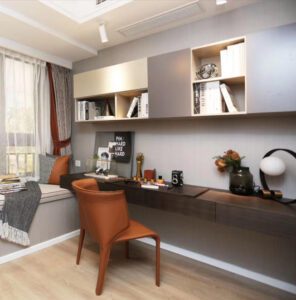
What Wholesale Furniture Suppliers in China Can Offer High-Value Buyers A statement luxury living room — the kind of space that begins with the right

How to Work Better With Your China Furniture Supplier After Ordering A Practical Playbook for High-End Furniture Importers, Interior Designers, FF&E Buyers, Villa Owners, Private