أخبار الشركة

China Furniture Sourcing Agent: Roles for High-End Buyers
China Furniture Sourcing Agent Roles for High-End Buyers What a China Furniture Sourcing Agent Actually Does for High-End Buyers Every finished luxury room sits on
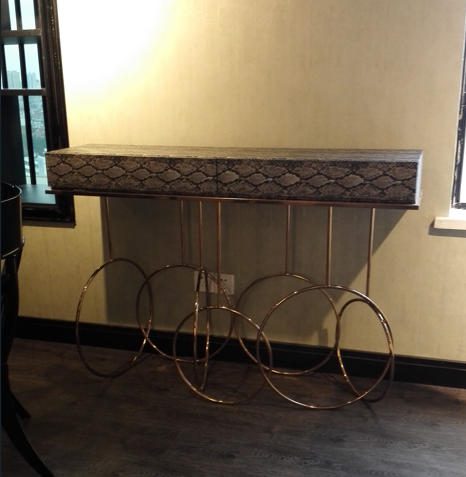

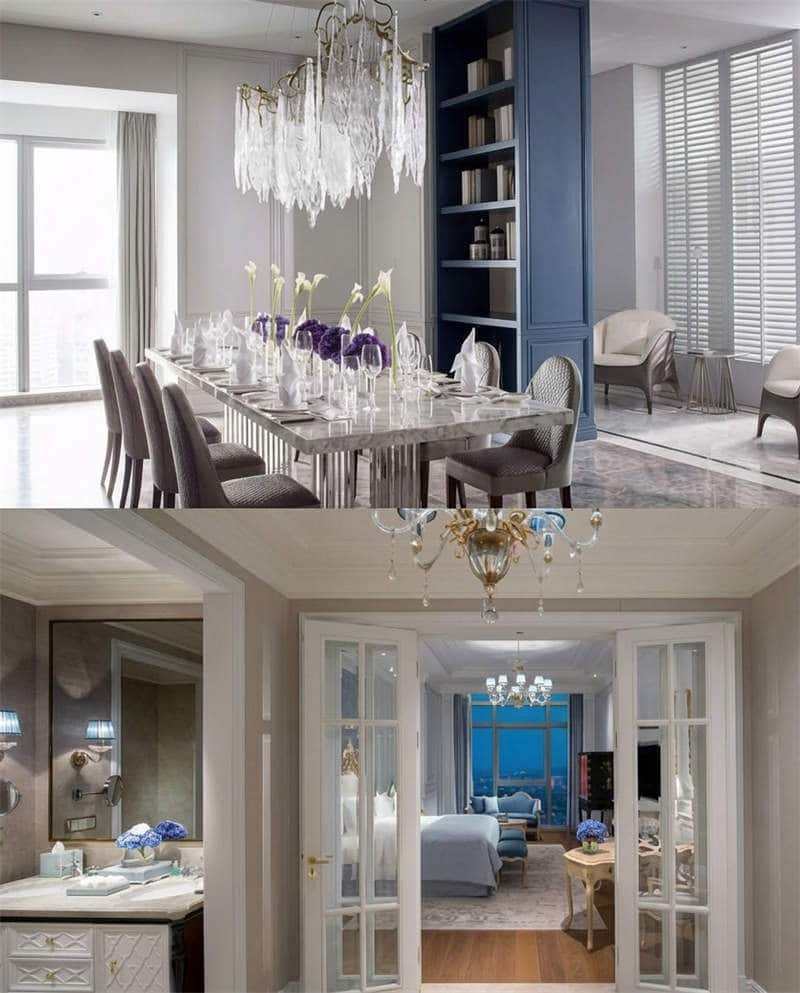
A high-end furniture showroom interior — the standard of quality to benchmark against when sourcing in Foshan.
Foshan is not a market. It is an ecosystem — and if you walk in without a map, you will leave with the wrong product, the wrong supplier, and a very expensive lesson.
Every year, thousands of hotel developers, interior designers, private label brands, and luxury importers fly into Guangdong province with high expectations and ambitious procurement timelines. Many leave having spent more time than planned, settled for “good enough” quality, or discovered — after the container arrives — that what they approved in a showroom and what was packed at the factory are two different things.
This guide exists to close that gap. It is not written for casual shoppers or first-time tourists curious about Chinese manufacturing. It is written specifically for professionals: FF&E buyers managing multi-room hotel rollouts, villa owners sourcing one-of-a-kind statement pieces, boutique furniture brands building private labels, and architecture and design firms integrating furniture specs into BIM-ready project files.
The guide is built around one core truth: Foshan rewards preparation and punishes improvisation. At JL&C Furniture, we have spent years helping high-end buyers decode this market — and this interactive guide packages that experience into a practical, on-the-ground resource you can use before, during, and after your sourcing trip.

Inside a world-class furniture exhibition hall — the scale and atmosphere of what awaits at the Louvre Furniture Market in Foshan.
The Louvre International Furniture Exhibition Center (路易莎国际家居展览中心) sits at the heart of Lecong Town, Shunde District, and spans approximately 300,000 square meters across six floors. With over 2,000 Chinese brands and 400 premium European brands under one roof, it is the largest furniture exhibition center in the world — and also the most disorienting for first-time buyers.
Understanding the layout before you arrive is not optional. It is the difference between a productive two-day visit and a four-day blur of showrooms that all start to look the same.
Floors 1–4: Chinese Premium Brands These floors house domestic Chinese manufacturers across a range of styles. Floors 1 and 2 lean toward transitional and modern luxury — think clean-lined silhouettes, high-gloss lacquer finishes, and solid wood joinery aimed at export markets. Floor 3 moves into the Oriental Elegance cluster, where you will find Ming-dynasty-inspired cabinetry, hand-painted lacquer panels, and craftsmen who have been working with rosewood and elm for generations. Floor 4 transitions toward European Classic reproductions — Baroque-influenced dining sets, Chesterfield-style upholstery, and ornate gilded mirrors that consistently appeal to Middle Eastern and Russian luxury hotel buyers.
Floors 5–6: International Luxury Brands Floor 5 houses international luxury exhibitors, including European and Italian marques. The Constellation Square on Floor 5, Zone C is worth a specific visit — it is an architectural centerpiece as much as a showroom cluster, and several smaller exhibitors there represent limited-distribution brands not easily accessible outside the fair season. Floor 6 requires a minimum 30-minute advance appointment — this is a deliberate exclusivity mechanism, and it works in your favor: the showrooms on this floor are operating-brand representatives rather than export middlemen.
Navigation Tips That Save Hours
The Hidden Gem Floor: The Exclusive Access Zone Most first-time buyers never reach the appointment-only suites adjacent to Floor 6’s European brand showrooms. These suites host factories that operate private-label manufacturing programs for globally recognized hospitality and retail brands — they do not advertise publicly, and introductions typically require a trade reference or a sourcing partner with established relationships. If you are building a boutique brand or sourcing for a flagship hotel project, getting into these suites is worth the extra step.
The Louvre gets all the press, but experienced buyers — especially those sourcing for full FF&E projects or private label programs — know that the real leverage lies in the broader Foshan-Shunde ecosystem. Here are the five alternatives that belong on every serious buyer’s itinerary.
① Shunde Longjiang Furniture City Longjiang Town is China’s largest furniture production base, with over 20,000 factories concentrated in a corridor that stretches roughly 10 miles. Unlike the Louvre, which is a showroom marketplace, Longjiang is a manufacturing base — meaning you are often visiting a factory’s own showroom attached to the production floor. This is significant: you can watch the joinery being assembled, inspect timber grading in real time, and have conversations with workshop managers rather than sales staff.
For premium buyers, Longjiang’s value is in custom production capability. Factories here regularly handle complex joinery, hand-carving, and multi-step lacquering processes. The Dragon Furniture Fair, held twice yearly in Longjiang, is where you will see the newest production capabilities before they reach the trade fairs. Expect prices to run 30–50% below equivalent Louvre showroom pricing for similar quality — the difference is presentation overhead.
② Lecong International Furniture City Lecong International Furniture City covers over 3 million square meters and houses more than 3,400 domestic and international distributors. While a portion of this market runs mid-range, the premium sections — particularly the Red Star Macalline cluster where every exhibitor has a connected factory — are genuine sourcing destinations for contract buyers. The unique value here is that you can negotiate directly with factory-backed showrooms, eliminating distributor margins without sacrificing the showroom presentation format.
③ Foshan Xinghongying International Furniture Mall Xinghongying sits in Nanhai District and occupies a distinctive niche: it specializes in European-style whole-house furnishing solutions, making it the preferred destination for villa developers and high-end residential interior designers who need to source complete room packages rather than individual pieces. The showrooms here tend to carry higher MOQ requirements but offer deeper customization, including client-supplied materials and bespoke hardware.
④ Nanhai Global Furniture Center Nanhai Global is the most undervisited of the major hubs — and that is precisely why it rewards exploratory buyers. The center specializes in contemporary Asian luxury, including Japanese-influenced minimalism, Korean-style premium residential furniture, and emerging Chinese design labels that are building luxury credentials for export markets. For buyers servicing clients in Southeast Asia, Australia, or design-forward North American markets, this hub often yields the most differentiated product.
⑤ Foshan Mingtang Ancient Furniture Market If your client base includes collectors, high-net-worth residential buyers, or hospitality projects requiring authenticity narratives, Mingtang is irreplaceable. This market specializes in genuine antique and high-quality reproduction classical Chinese furniture — Ming and Qing dynasty styles in rosewood , hongmu , and wenge. Pieces here carry provenance documentation and export compliance certificates. For boutique hotels or luxury villa projects where a statement piece matters as much as the full FF&E package, Mingtang offers pieces that no other market cluster can replicate.
| Market Hub | Specialty | Quality Tier | Best For |
|---|---|---|---|
| Louvre International | European & Chinese luxury brands | Ultra-premium | First assessment, brand benchmarking |
| Shunde Longjiang | Factory-direct custom production | Premium–Ultra | FF&E projects, private label |
| Lecong International | Wholesale + retail, all styles | Mid–Premium | Volume sourcing, contract buyers |
| Xinghongying International | European whole-house solutions | Premium | Villa developers, residential design |
| Nanhai Global | Contemporary Asian luxury | Premium | Differentiated markets, boutique buyers |
| Mingtang Ancient Furniture | Antique & classical reproduction | Collector-grade | Luxury hospitality, collectors |

The difference between premium craftsmanship and mass production is visible at the joinery level — if you know what to look for.
The single most common mistake high-end buyers make in Foshan is equating beautiful showroom photography with manufacturing capability. A showroom display piece may represent the factory’s best-case output — or it may be a sample purchased externally and placed to imply production capacity.
Here is how professionals separate the craftsmen from the order-takers.
Wood and Material Inspection Ask to see the timber storage area. Premium factories maintain climate-controlled drying rooms where lumber sits at controlled humidity levels for 30–90 days before use. Mass producers typically skip this step entirely, which is why their pieces develop cracks and warping within 12–18 months in destination climates. Request a moisture meter reading from the raw timber — kiln-dried solid hardwood for export should read between 6–10% moisture content. Anything above 12% is a red flag for post-delivery deformation.
Run your hand along any wood surface at a 45-degree angle under direct light. Premium finishing processes — especially those involving hand-sanding through multiple grit progressions — produce a surface where the grain texture is visible but the finish feels uniformly smooth. A mass-produced surface will show micro-scratches and inconsistencies in the lacquer build-up under this test.
Joinery Techniques Open a drawer and examine the dovetail joints at the corners. Hand-cut dovetails — the mark of skilled bench craftsmen — show slight variations in spacing and angle, while machine-cut versions are perfectly uniform but less structurally resilient under long-term stress. For upholstered pieces, turn a dining chair upside down and examine the corner blocks at the seat frame joints. Premium frames use double-dowelled and glued corner blocks; mass producers often skip the blocks entirely or use a single nail-and-glue attachment.
MOQ Flexibility as a Quality Signal This is counterintuitive but consistently accurate: factories that refuse any order below 200–300 units for standard designs are often wholesale commodity producers optimized for speed, not precision. Genuine high-end artisan workshops will accept MOQs of 50–100 units for complex designs because their costing model is based on craftsmanship hours, not line throughput speed. If a factory quotes you aggressively low prices but demands high MOQs, their model is volume — and quality control at that volume rarely meets luxury standards.
Export Experience Verification Ask to see a Bill of Lading from a previous shipment to your target market. Ask for references from existing clients in your region. Legitimate premium exporters will have FSC (Forest Stewardship Council) and SGS certifications, and many will carry ISO 9001:2015 quality management certification. Verify these documents independently — certification numbers can be checked directly on the certifying body’s website. At minimum, require proof of at least three completed export shipments to your target country before committing to production.
This section will save or cost you more money than any other part of this guide.
The most common mistake hotel buyers and developers make in Foshan negotiations is treating price as the primary lever. Experienced buyers — the ones who consistently get priority production slots and the best craftsmen assigned to their orders — negotiate on terms, timeline, and relationship structure, with price following naturally as a result.
The Container Leverage Principle Foshan factories operate on factory floor utilization. A buyer who commits to two containers per quarter is worth more to a factory than a buyer who places a single high-price order once a year. When you arrive at negotiation, lead with volume commitment across a defined period rather than unit price. A 12-month rolling purchase agreement gives you genuine leverage to request: sample cost recovery (standard samples can run $500–$3,000 USD per piece), packaging upgrades, priority production scheduling during peak seasons, and price stability clauses that protect you against timber cost fluctuations.
Payment Terms: Structure Matters More Than Rate The industry-standard split for first-time orders is 30% T/T (Telegraphic Transfer) deposit before production, with the remaining 70% due before vessel loading. For established relationships, the most protective structure for high-value orders — especially FF&E projects — is 30% T/T deposit, 60% T/T before shipment, and 10% retained for post-delivery quality confirmation. This structure keeps the supplier motivated through the inspection process and gives you leverage to address defects before final settlement.
L/C (Letter of Credit) provides the strongest buyer protection for very large orders (typically $100,000 USD+) because payment is conditional on document compliance verified by a third-party bank. However, L/C also creates friction with smaller workshops that lack the administrative infrastructure to manage bank-compliant documentation. Match the payment instrument to the supplier scale and your order value.
Negotiating Without Eroding Perceived Value Experienced luxury buyers understand that pushing too hard on price with a craftsman-operated workshop sends the wrong signal — it invites cost-cutting behavior in materials selection that you will not discover until production is complete. Instead, negotiate by expanding scope: request that sample costs be credited against the production order, ask for extended warranty terms (24 months rather than 12), or negotiate for a dedicated quality control liaison who sends weekly production photos. These additions cost the factory almost nothing but dramatically improve your risk-adjusted outcome.
{% include youtube.html id=”dfHx-KKJjdQ” %}
Three Days at the Louvre: How China Took Over the Global Furniture Industry — a rare behind-the-scenes look at how Foshan’s furniture ecosystem operates at scale.
Quality control in Foshan is not an event — it is a continuous process with three mandatory checkpoints that every serious buyer should build into their purchase contract.
Stage 1: Pre-Production Inspection This happens before raw materials are committed to your order. Verify: timber grade and moisture content, fabric or leather batch match against your approved sample (cut a 10cm swatch from the production roll and compare directly), hardware finish consistency (particularly for plated metals, which are prone to batch variation), and foam density for upholstered pieces (premium seating uses 45–55 kg/m³ density foam; anything below 40 kg/m³ will compress and flatten within 6–12 months of regular use).
Stage 2: In-Line Inspection (at 40–60% production completion) At this stage, 20–30% of units in production should be physically checked. Key checkpoints: joinery alignment, drawer slide functionality, surface finish uniformity under raking light, and structural stress testing (a properly constructed dining chair should support 150 kg of static load without any flex at the joints). For upholstered pieces, verify pattern alignment across seams — misaligned fabric patterns are a hallmark of rushed production.
Stage 3: Pre-Shipment Final Inspection Conduct this inspection before the factory packs for loading. Third-party inspection agencies — QIMA, V-Trustو AsiaInspection all operate bilingual services in Foshan — can execute this on your behalf for approximately $300–$500 USD per inspection day, which is among the best-value risk management investments in the sourcing process.
Critical Red Flags by Category:
| Category | Red Flag | Implication |
|---|---|---|
| Upholstery | Visible stitching tension inconsistency | Production rush, will unravel under use |
| Frame Structure | Audible creak under load | Inadequate joinery or missing corner blocks |
| Surface Finish | Cloudiness or fish-eye in lacquer | Temperature/humidity error during application |
| Hardware | Color variation between units | Different production batches mixed |
| Packaging | Single-wall cardboard without foam corners | High damage probability in container transit |
The most important principle: never accept a pre-shipment photo approval as a substitute for physical inspection on orders above $15,000 USD. The cost of a flight to Foshan for a final inspection is almost always less than the cost of resolving quality disputes after the container arrives.

Proper packaging and export compliance documentation are as critical as the furniture itself — a single missed document can delay an entire shipment.
For buyers managing tight project timelines — hotel opening dates, villa handover schedules, staged interior design installations — logistics is where well-sourced furniture becomes a crisis.
FOB vs. CIF: Choosing the Right Incoterm FOB (Free On Board) means the supplier is responsible for the goods until they are loaded onto the vessel at the Chinese port of origin. Risk and cost transfer to the buyer from that point. FOB gives buyers more control over freight carrier selection and insurance terms, and is generally preferred by experienced importers who have established freight relationships.
CIF (Cost, Insurance, and Freight) means the supplier arranges and pays for freight and insurance to the destination port. CIF is simpler for first-time importers but gives the supplier control over carrier selection, which can result in sub-optimal routing or insurance coverage gaps. For high-value luxury pieces, always review the insurance coverage under CIF arrangements — standard marine cargo insurance often covers only 110% of invoice value, which may be insufficient for custom artisan pieces.
HS Code Classification Accurate HS (Harmonized System) code classification is non-negotiable. Misclassification is one of the most common causes of customs delays and unexpected duty assessments. The primary codes for furniture exports from China include: 9403 for wooden furniture (other than seats), 9401 for seats and chairs, and 9404 for upholstered furniture bases. Verify the correct 8-digit HS code with your customs broker before the factory completes the commercial invoice — reclassification after the fact can delay clearance by 2–4 weeks.
Documentation Checklist:
Fumigation: The Step That Gets Skipped ISPM 15 (International Standards for Phytosanitary Measures No. 15) requires that all solid wood packaging materials — pallets, crates, dunnage — be heat-treated or fumigated and marked accordingly. Containers arriving without compliant ISPM 15 markings are subject to immediate quarantine and fumigation at the buyer’s expense upon arrival. For a full container, this can add $800–$2,000 USD in unexpected costs and 5–10 business days of delay. Confirm ISPM 15 compliance with the factory at the packing stage, not after loading.
For boutique furniture brands, private label program managers, and design-forward hospitality groups, Foshan’s OEM (Original Equipment Manufacturing) and ODM (Original Design Manufacturing) ecosystem is genuinely world-class — but it requires a different engagement model than standard procurement.
OEM vs. ODM: Understanding the Distinction In OEM arrangements, you supply the design — typically through CAD files, technical drawings, or detailed reference samples — and the factory produces to your specification under your brand. In ODM arrangements, you select and modify an existing factory design, which the factory then produces and brands for you. For buyers building genuine brand equity, OEM is preferable because it creates true product exclusivity. ODM is faster and less expensive, but your “exclusive” design may be available to other buyers once your first contract term expires.
IP Protection: What Actually Works The furniture industry in China has a nuanced IP landscape. Filing for design patent protection in China (外观设计专利, Design Patent) before sharing drawings with any factory provides legal recourse in the event of IP infringement — registration takes 6–12 months but applications are timestamped from filing date. Additionally, require a signed NDA (Non-Disclosure Agreement) with every factory contact before sharing proprietary designs. More practically, share only the minimum design information necessary at each stage — provide dimension drawings for quoting but release finish specifications and hardware details only after a formal supply agreement is signed.
Design Confidentiality in Practice Split your design files across multiple factories if you are testing production capability. Never share your complete design portfolio with a factory that has not yet produced a confirmed order for you. Top-tier Foshan exporters — those with proven track records of brand partnerships — maintain strict internal protocols, including digital watermarking of shared files and production floor access restrictions. Ask about these protocols explicitly during factory assessment.
Branding MOQ Reality Check Private label minimum order quantities for fully customized production (unique silhouette, exclusive material specs, proprietary hardware) typically start at 1–2 20-foot containers, which equates to roughly 50–80 pieces for seating or 20–40 pieces for case goods. Some high-quality Longjiang workshops accept as few as 30 units for premium designs where the per-unit craftsmanship hours justify the setup cost. For pure logo-on-existing-design branding programs, MOQs can be as low as 10–20 units.
The team at JL&C Furniture has helped multiple boutique brands navigate the transition from showroom selection to true private label production — the path is viable but requires a 6–9 month runway from initial brief to first container arrival.
Bespoke hotel lobby furniture — the result of long-term supplier partnerships that prioritize innovation and consistency over single-transaction pricing.
The buyers who get the best out of Foshan’s manufacturing ecosystem are not the ones who extract the lowest price on every order. They are the ones whose names factory owners mention when a new production capability is developed, whose orders get assigned to the senior craftsmen rather than the apprentices, and whose samples are completed on schedule even during the pre-fair production crunch.
This kind of relationship is built deliberately, not accidentally.
Factory Audits: What You Are Actually Measuring A structured factory audit covers three dimensions: production capacity (daily output, equipment age, workforce size), quality management systems (documented inspection processes, defect rate tracking, corrective action records), and financial stability (years of operation, banking relationships, client diversification). For luxury hotel and villa projects, the most important indicator is client diversification — a factory that does 80% of its volume with a single buyer is a supply chain risk; a factory with 15–20 active export clients across multiple geographies has demonstrated stable, multi-standard production capability.
Cultural Etiquette That Opens Doors Chinese business culture in manufacturing contexts values long-term orientation and face-preservation deeply. Arriving at a factory visit with a small gift (a locally recognized food specialty from your country, rather than branded corporate gifts), using the owner’s full title in initial introductions, and bringing a senior representative from your company signals that you are treating the relationship with appropriate seriousness. Factory owners in Foshan often host visiting buyers for lunch — accepting this invitation and engaging in genuine conversation about family and business history before discussing order specifics consistently produces better commercial outcomes than diving directly into negotiation.
Performance Tracking That Sustains Standards Establish a supplier scorecard from the first order. Track: on-time delivery rate, defect rate at pre-shipment inspection, defect rate at destination, response time on client communications, and documentation accuracy. Share this scorecard with the factory quarterly — it signals that you are a professional buyer who measures performance systematically, which motivates factory managers to maintain standards rather than letting them drift after the relationship is established.
Top-tier hotel chains and developers who consistently access priority production slots do so by providing 12-month rolling forecasts, paying on time without exception, and positioning themselves as partners in product development rather than transaction counterparties. JL&C Furniture applies this same long-term partnership model across our entire supplier network, which is why our hotel and villa clients consistently receive their orders on schedule — even during Chinese New Year production windows.
Professional sourcing in Foshan requires real-time tools — information that is useful when you are standing in a showroom or factory floor, not just when you are planning at a desk.
Downloadable Market Map A GPS-annotated market map covering the Louvre, Lecong, and Longjiang hubs with zone-by-zone breakdowns, recommended walking routes by product category, and GPS coordinates for key factory entrances in Longjiang’s industrial cluster is available through JL&C Furniture’s resource hub. The map is formatted for mobile offline use — critical for areas of the Longjiang complex where mobile data connectivity is unreliable.
Supplier Scorecard Template Structure your factory visits around a consistent scorecard that evaluates: production capacity, quality certifications, export history, sample quality, MOQ flexibility, communication responsiveness, and IP protection protocols. A standardized scorecard ensures that your notes from 10 factory visits in two days are comparable — without it, the visits blur together and recall bias favors the last factory visited rather than the best one.
Negotiation Framework Reference Key reference points for on-site negotiation: standard industry sample costs by product category (dining chairs: $200–$800; upholstered sofas: $800–$3,000; case goods: $500–$2,500), typical production lead times by complexity, and standard payment term structures for first, second, and ongoing orders. Having these benchmarks on your phone during negotiation prevents the common error of accepting terms that seem reasonable in isolation but fall outside market standards.
Third-Party Inspection Agency Contacts For on-site QC support, the following agencies offer bilingual services in Foshan and Shunde:
QR-Linked Video Clips for Real-Time Use Our guide includes QR codes linked to short-format video walkthroughs filmed inside Louvre zones, Longjiang factory corridors, and loading dock areas. These clips are designed for use during market visits — scan the QR code when you are standing in Zone D and the video shows you which side corridors lead to the appointment-only European brand suites. For design and architecture firms integrating sourcing into project workflows, these clips can also be shared with clients for live project documentation.
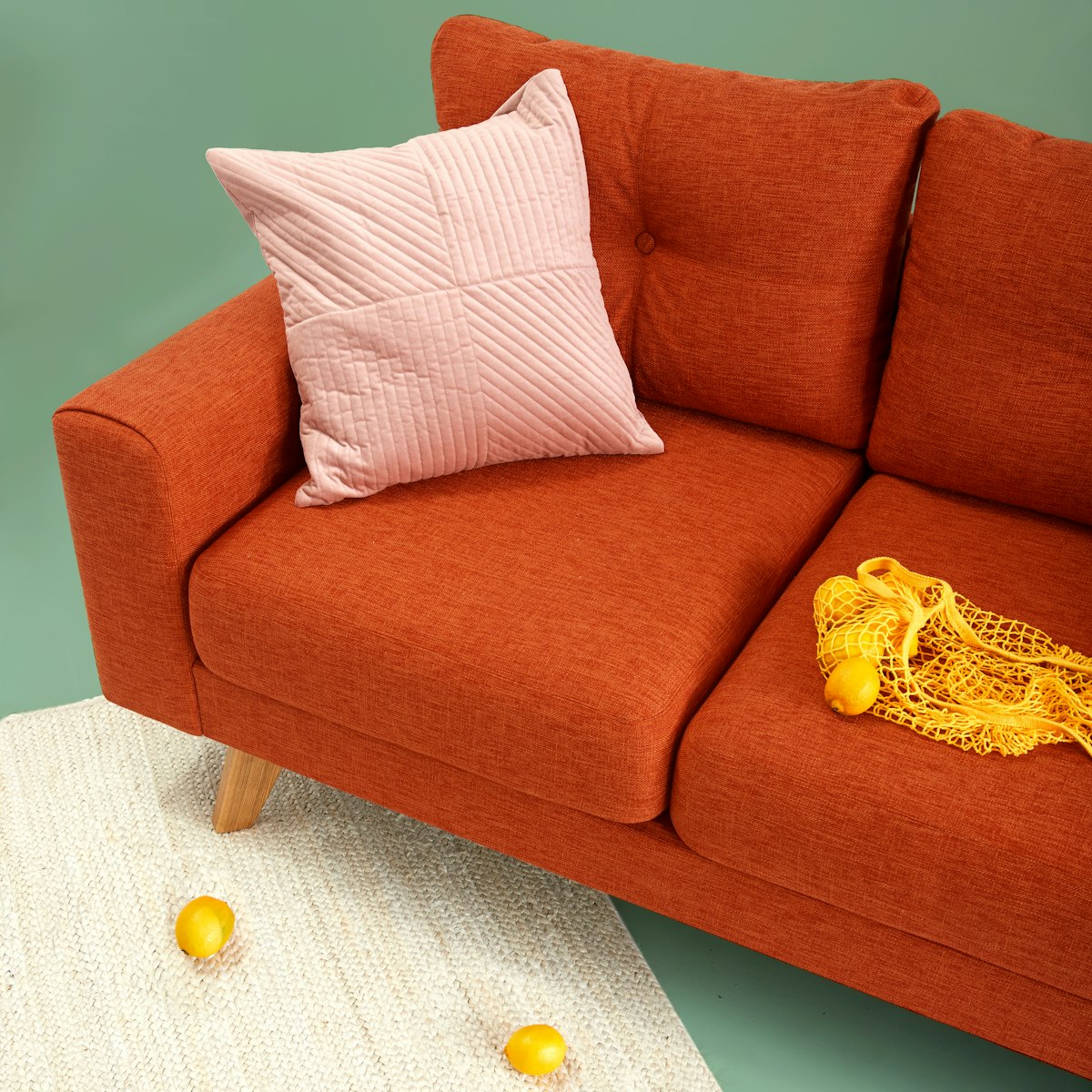 The destination: a completed luxury interior where every piece carries the story of strategic sourcing, rigorous quality control, and craftsman-level production.
Understanding the technical language of furniture sourcing saves time in every conversation with suppliers and logistics providers.
MOQ (Minimum Order Quantity): The minimum number of units a factory will produce per order. For luxury custom work, this typically ranges from 30–100 units for high-end workshops.
FOB (Free On Board): Incoterm where the seller’s responsibility ends when goods are loaded on the vessel at the origin port. The buyer assumes all costs and risk from that point.
CIF (Cost, Insurance, and Freight): Incoterm where the seller covers shipping and insurance costs to the destination port. Risk passes to the buyer when goods board the vessel.
T/T (Telegraphic Transfer): A direct bank-to-bank wire transfer. The most common payment method for furniture imports from China.
L/C (Letter of Credit): A bank-issued payment guarantee conditional on document compliance. Provides strong buyer protection for high-value orders.
OEM (Original Equipment Manufacturing): The buyer provides the design; the factory produces it. Creates genuine product exclusivity.
ODM (Original Design Manufacturing): The factory’s existing design is selected and modified by the buyer. Faster and cheaper but offers less exclusivity.
FF&E (Furniture, Fixtures & Equipment): The procurement category covering all movable items in a hotel or commercial property that are not permanently attached to the building structure.
FSC (Forest Stewardship Council): An international certification that verifies timber has been sourced from responsibly managed forests. Required for many EU, UK, and US import categories.
ISPM 15: International phytosanitary standard requiring all solid wood packaging materials in international shipments to be heat-treated or fumigated to prevent pest transfer.
HS Code (Harmonized System Code): An internationally standardized numerical system for classifying traded products, used by customs authorities worldwide to determine applicable duties.
BIM (Building Information Modeling): A digital design process used by architects and engineers that integrates furniture specifications into 3D building models — premium Foshan exporters can supply BIM-compatible product files.
How do I verify if a Foshan supplier is truly capable of high-end production? Request export certifications (FSC, SGS, ISO 9001:2015) and verify certificate numbers directly on the certifying body’s website. Ask to review a client portfolio that includes recognizable luxury hotel or residential brands, and request a live factory walkthrough — specifically the timber drying room, finishing workshop, and QC inspection area. An unannounced visit during active production (rather than a scheduled tour) gives you the most accurate picture of daily operating standards.
What is the average MOQ for custom luxury furniture in Foshan? For full design customization — unique silhouette, proprietary material specifications, exclusive hardware — expect MOQs starting at 1–2 containers (approximately 50–100 pieces for seating, 20–40 pieces for case goods). Some premium Longjiang workshops accept as few as 30 units for highly complex designs. Pure branding-on-existing-design programs can start at 10–20 units.
Can I bring my own fabric or hardware to Foshan factories? Yes, and many high-end workshops actively prefer it when buyers supply premium imported materials that the factory cannot source locally at equivalent quality. Establish a clear material specification agreement that defines acceptable substitution limits, and include a liability clause addressing damage or loss of client-supplied materials during production.
How long does production take for a custom hotel FF&E order? Plan for 60–90 days for standard custom casegoods and upholstered seating from approved shop drawings to container-ready goods. Complex pieces involving hand-carving, multi-stage lacquering, or marquetry can extend to 100–120 days. Large-scale projects (100+ rooms) typically require a 9–12 month total planning horizon including design approval, prototyping, production, and shipping.
Are there English-speaking quality inspectors available in Foshan? Yes. Third-party agencies including QIMA, V-Trust, and SGS all maintain bilingual inspection teams in the Foshan-Shunde region. Daily rates typically range from $300–$500 USD and include a detailed written report with photographs. Scheduling 2–3 weeks in advance during peak trade fair periods (March, August) is strongly recommended.
What are the biggest risks when sourcing from Foshan for the first time? The three most material risks are: quality misalignment between showroom samples and production output (mitigated by structured QC inspections), hidden costs in logistics and customs compliance (mitigated by working with an experienced freight forwarder), and IP leakage during design sharing (mitigated by registered design patents and staged disclosure protocols).
How do I protect my custom designs when working with Foshan manufacturers? File for design patent protection in China before sharing any proprietary drawings — the application is timestamped from filing date and costs approximately $150–$300 USD per design. Require a signed NDA before any design sharing, work only with factories that have a documented track record of brand partnerships, and disclose design specifications in staged increments aligned with contract milestones.
Which Foshan market is best for European-style luxury furniture? Louvre Furniture Market’s Floor 4 and Zone D concentrate the highest density of European Classic and transitional luxury showrooms, including both genuine European brand representatives and premium Chinese manufacturers producing to European design standards. Shunde Longjiang’s premium factory clusters are the right destination when you need custom production of European-style designs at scale.
Can I visit factories outside the main markets? Absolutely — and for serious procurement, you should. Most top-tier workshops are in Longjiang’s industrial zones, a 20–40 minute drive from the Louvre. Vetted factory tour routes for Longjiang’s premium production clusters are available through JL&C Furniture’s buyer services, including pre-arranged introductions to factory principals.
What payment terms are safest for large import orders? The most protective structure is 30% T/T deposit before production, 60% T/T before vessel loading (after pre-shipment inspection clearance), and 10% retained for 30 days post-delivery to cover any identified defects. Avoid 100% upfront payment with any supplier, regardless of relationship tenure — it removes the factory’s financial motivation to maintain quality through the production process.
How do I handle warranty or defect claims post-shipment? Build specific warranty clauses into your purchase contract before production begins. Standard terms for luxury furniture should include: 24-month defect warranty, replacement parts supply commitment, credit against future orders for defects identified within 90 days of delivery, and clear escalation procedures. For hotel and villa projects, include a clause addressing return logistics costs for items requiring factory repair — this is frequently omitted and becomes a dispute point.
Is air freight ever viable for high-value, low-volume luxury pieces? For individual statement pieces, prototypes, or urgent replacement items, air freight becomes economically viable when the piece value exceeds approximately $5,000 USD and the cost of delay (in a hospitality opening context, this can be measured in daily lost revenue) exceeds the freight differential. The air freight premium for a single luxury armchair from Guangzhou to European or US destinations typically runs $200–$600 USD — worthwhile for a $15,000 piece on a time-critical project.
Do Foshan suppliers offer 3D CAD drawings and renderings for approval? Top-tier exporters do, and increasingly offer BIM-compatible product files for architecture and engineering firms. Confirm this capability explicitly during initial supplier assessment, and request a sample CAD file before committing to production — file format compatibility and level-of-detail standards vary significantly between factories.
How can I ensure sustainable and ethical sourcing in Foshan? Prioritize factories carrying FSC Chain of Custody certification for timber products, and audit labor compliance documentation (BSCI or Sedex audits provide the most globally recognized frameworks). Ask for the factory’s timber sourcing disclosure — legal, documented timber sources are a baseline requirement for EU and UK importers under current due diligence regulations. Factories with long-term relationships with named timber suppliers are significantly lower risk than those sourcing through spot-market intermediaries.
What is the best time of year to visit Foshan for new collections? March (Spring Furniture Fair, Longjiang) and August (Autumn Preview) are when factories unveil new designs and showcase upgraded production capabilities. These visits maximize design discovery but require advance scheduling and carry longer wait times. For more productive negotiation and factory access, May–July offers the best balance of current collections and supplier availability.
This guide is updated regularly by the sourcing team at JL&C Furniture. For personalized sourcing support, factory introductions, or FF&E project consultation, contact our team directly.

China Furniture Sourcing Agent Roles for High-End Buyers What a China Furniture Sourcing Agent Actually Does for High-End Buyers Every finished luxury room sits on
How to Vet a China Furniture Sourcing Agent Before Signing A single curved sofa like this goes through dozens of approvals, including frame, foam, fabric
China Furniture Sourcing Agent vs Direct Factory Buying: A Strategic Guide for High-Value Buyers When one project includes 400 hotel rooms, a 20-seat marble dining
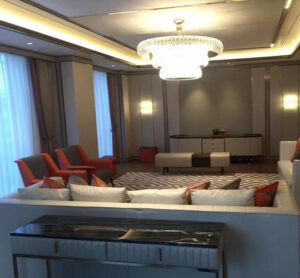
Advanced Tips to Get More from Your China Furniture Sourcing Agent Powerful Strategies for High-Performance Sourcing – Tailored for Elite Buyers, Designers & Operators Your
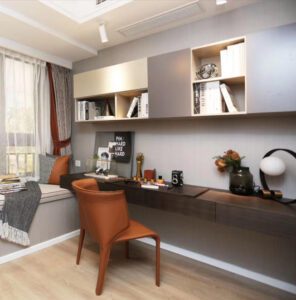
What Wholesale Furniture Suppliers in China Can Offer High-Value Buyers A statement luxury living room — the kind of space that begins with the right
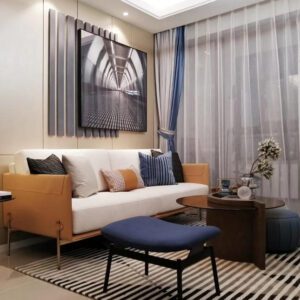
How to Work Better With Your China Furniture Supplier After Ordering A Practical Playbook for High-End Furniture Importers, Interior Designers, FF&E Buyers, Villa Owners, Private