أخبار الشركة

China Furniture Sourcing Agent: Roles for High-End Buyers
China Furniture Sourcing Agent Roles for High-End Buyers What a China Furniture Sourcing Agent Actually Does for High-End Buyers Every finished luxury room sits on

An Actionable, Step-by-Step Guide for High-End Buyers, Designers & Brands
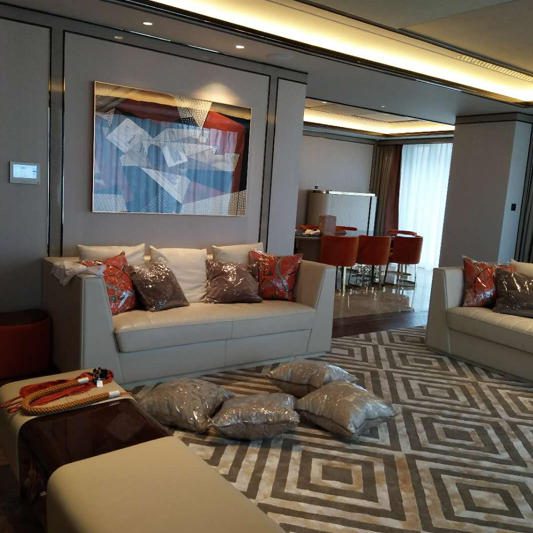
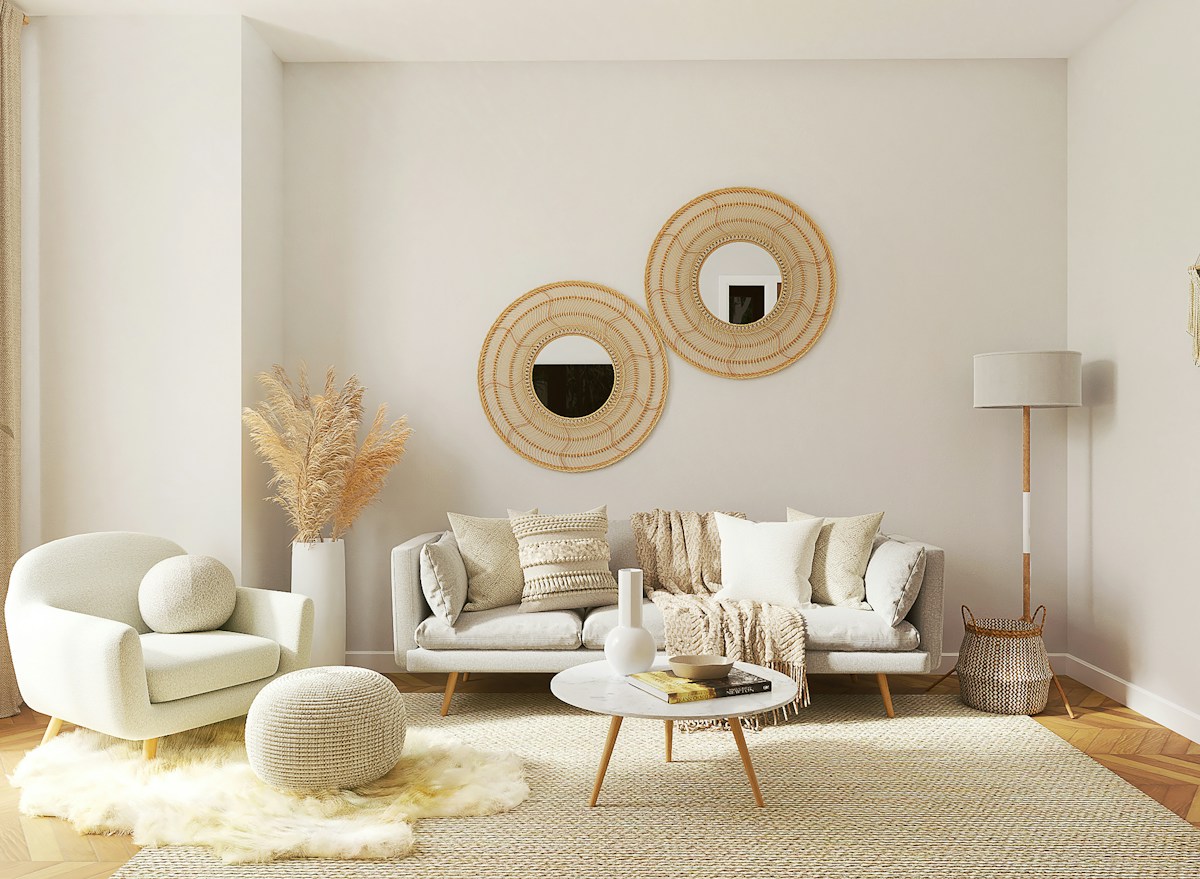 Bespoke luxury interiors start with precision sourcing — every piece counts.
Sourcing high-end furniture from Foshan isn’t complicated because China is far away. It’s complicated because most buyers walk in without a system — and walk out with delays, quality disappointments, and a supplier they can’t trust for the next project.
This checklist exists to change that.
Whether you’re furnishing a five-star resort, specifying for a luxury villa development, building a private label brand, or managing a large-scale FF&E procurement — this guide gives you a battle-tested, step-by-step framework used by elite designers, hotel operators, and furniture importers who source from Foshan with consistency and confidence.
At JL&C Furniture, we’ve spent years helping high-end clients navigate this process. What you’re reading is distilled from real projects, real factories, and real problems we’ve helped clients avoid.
Let’s get into it.
Why Foshan? A Quick Industry Reality Check:
Foshan, located in Guangdong Province, is not just “a furniture city.” It is the single largest furniture manufacturing ecosystem in the world, responsible for over 40% of China’s total furniture exports, with an annual output value exceeding USD 30 billion. The city’s five districts — particularly Shunde, Nanhai, and Lecong — house over 2,000 furniture manufacturers across every category: solid wood, upholstered, metal frame, outdoor, custom luxury, and hotel-grade contract furniture.
The Lecong–Longjiang corridor alone spans 10 kilometers of showrooms, factories, and material suppliers. When a 5-star hotel in Dubai, a luxury villa in Beverly Hills, or a boutique resort in Bali needs custom furniture — there’s a strong chance the supply chain runs through Foshan.
But volume creates noise. And within that ecosystem, the gap between a factory capable of producing genuinely luxury-grade product and one that simply says it can — is enormous.
This checklist closes that gap.
Step 1: Define Your Project Scope & Design Requirements
Clarify vision, style, function, and technical specs to avoid costly misalignment.
The number one reason sourcing projects go sideways — even before a single sample is produced — is ambiguity at the brief stage. A vague requirement like “modern luxury dining furniture in neutral tones” will produce a dozen different interpretations across a dozen factories. And at least ten of those interpretations will be wrong.
Before you approach any supplier, you need a fully resolved design brief. This means identifying the furniture category: are you sourcing indoor or outdoor pieces? Residential or commercial? Hospitality-grade seating rated for 250,000+ rub cycles, or residential upholstery for a private villa? These aren’t the same product, and they don’t come from the same factory.
Material specification is equally non-negotiable at this stage. Solid oak vs. engineered wood with veneer face is not a minor detail — it’s a 30–60% cost differential and an entirely different structural logic. Fabric grades, leather hide thickness (typically 1.0–1.4mm full-grain for luxury applications), metal gauge, and lacquer systems all need to be defined before the first conversation with a manufacturer.
Practical Project Scope Checklist:
| Specification Category | Details to Confirm |
|---|---|
| Furniture Type | Indoor / Outdoor / Residential / Commercial / Hospitality |
| Material | Solid wood species, leather grade, fabric rub count, metal type |
| Dimensions | Exact W×D×H per SKU, with tolerance range (±3mm typical luxury standard) |
| Finish | Paint system (water-based/NC/PU), color codes (RAL/Pantone/custom), sheen level |
| Custom Elements | Carved details, inlays, custom hardware, bespoke fabric |
| Timeline | Project delivery date, production window, milestone dates |
| Quantity | Per SKU quantities, total container estimation |
Lock these down before supplier outreach. Every hour spent clarifying requirements upfront saves three hours of revision, rework, and re-sampling later.
Step 2: Establish Budget & Sourcing Objectives
Balance quality, cost, and scalability for high-end positioning.
One of the most common mistakes high-end buyers make is treating price as the primary filter when approaching Foshan factories. Price is a result of specification — not a starting point. A factory quoting 40% below market either doesn’t understand your spec or plans to quietly substitute materials once the order is placed.
Set your per-unit and total project budget based on your market positioning, then build in a 10–15% contingency buffer for prototyping revisions, shipping fluctuations, or minor quantity changes. This isn’t padding — it’s the difference between a project that delivers on time and one that stalls at the finish line because the budget ran dry during QC revisions.
Beyond price, define your sourcing model clearly:
Also evaluate the long-term picture. A one-off procurement for a single villa project has different supplier requirements than an ongoing relationship for a furniture brand or hotel group managing multiple properties. Factories invest more in clients who bring repeat business — and that leverage is worth building deliberately.
Step 3: Conduct Targeted Market Exploration in Foshan
Navigate the Foshan furniture ecosystem efficiently and avoid unqualified suppliers.
 The Foshan furniture ecosystem spans thousands of manufacturers — knowing where to look is half the work.
Foshan is large, and without a map, you’ll waste days in the wrong showrooms. The three primary industrial clusters to target are:
Shunde District (Lecong–Longjiang Corridor): The dominant area for wholesale and export-grade furniture. Lecong houses hundreds of showrooms and is the go-to zone for hotel FF&E buyers and large importers. Longjiang specializes in panel furniture and living room sets.
Nanhai District: Home to many mid-to-high-end solid wood and upholstered furniture factories. Nanhai manufacturers tend to have stronger R&D capabilities and more export experience with Western markets (EU, US, Australia).
Chancheng District: Central Foshan, with a mix of fabric material suppliers, hardware merchants, and some higher-end custom manufacturers.
For sourcing at scale, the China International Furniture Fair (CIFF) — held annually in Guangzhou, adjacent to Foshan — is the most efficient single point of supplier vetting available. Over 3,000 exhibitors attend each year, and the fair’s CIFF official platform allows pre-registration and exhibitor browsing. Use it to build a shortlist of 15–20 candidates before committing to factory visits.
Industry Insight: Don’t rely solely on Alibaba or trade platform profiles for shortlisting. Many high-end factories don’t actively market on B2B platforms because their order books are already full with long-term clients. The best suppliers in Foshan are often found through referrals, trade fairs, or agents embedded in the local ecosystem.
Step 4: Shortlist & Vet Factories with Precision
Eliminate 90% of underperforming suppliers early with proven criteria.
Once you have a target list, apply a rigorous vetting filter before committing time to factory visits. The goal at this stage is to eliminate — not to collect options.
Factory Vetting Criteria:
| Criteria | What to Look For | Red Flags |
|---|---|---|
| Business Registration | Valid export license, min. 5 years operation | Newly registered entity, no export history |
| Client Portfolio | References from EU/US/AU high-end brands or hotels | Only domestic clients or unverifiable claims |
| In-House Capabilities | On-site R&D, finishing lab, CNC prototyping, QC team | Reliant on subcontractors for key processes |
| Production Capacity | Min. 2,000–5,000 units/month for serious suppliers | Tiny workshop unable to scale |
| Certifications | ISO 9001, FSC, CARB P2 compliance | No documentation, verbal assurances only |
| Communication | Dedicated English-speaking account manager | Responses only via translation apps |
When visiting factories, pay attention to what you don’t see as much as what you do. A factory floor with no quality control area, no material storage system, and no in-process inspection stations is a factory that doesn’t have quality built into its process — it has quality hoped for at the end.
The team at JL&C Furniture works with a curated network of verified Foshan manufacturers across categories — which means our clients skip this elimination round entirely and start with suppliers who’ve already been through it.
🎬 Watch: Inside the World’s Biggest Furniture Market — Foshan, China
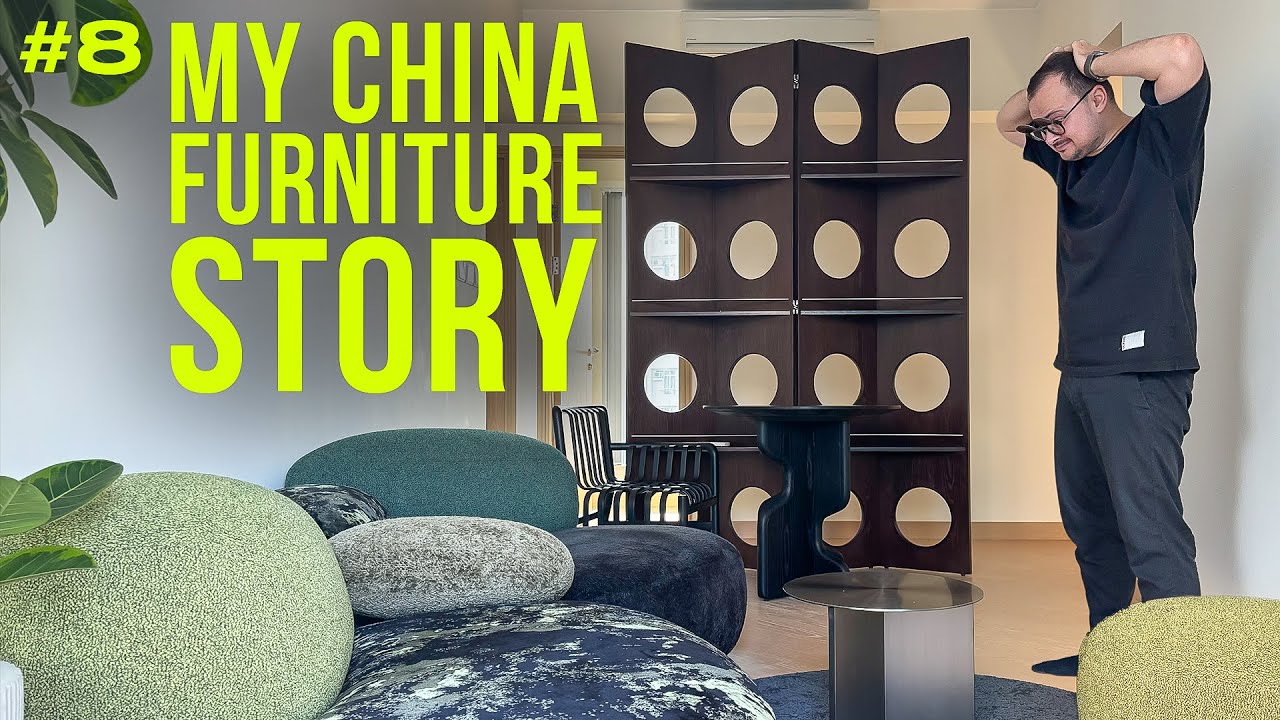
This video gives you an unfiltered look at how Foshan’s furniture ecosystem actually operates — essential viewing before your first sourcing trip.
Step 5: Request & Evaluate Samples Strategically
Use samples as a diagnostic tool — not just a preview.
Sampling is where most high-end buyers either win or lose the quality battle. A sample is not a marketing brochure. It is your most accurate prediction of what 500 units will look like when they arrive at your project site or warehouse.
Request full-scale prototypes — not swatches, not miniature models, not photos of “similar” products. A full prototype evaluated correctly will reveal joinery quality, material weight, finish adhesion, cushion density, and structural integrity in ways that no catalog image ever can.
For luxury and commercial applications, evaluate samples against these benchmarks:
 Material quality at this level — hand-stitched leather, precision joinery, custom hardware — is confirmed through physical sampling, not factory claims.
Sample Evaluation Matrix:
| Test Category | Standard | Luxury Benchmark |
|---|---|---|
| Fabric Rub Count | Min. 15,000 cycles (residential) | 50,000+ cycles (hospitality/commercial) — Martindale method |
| Structural Load | BIFMA X5.1 (seating: 250 lb static load) | EN 16139 Level 2 (contract grade) |
| Finish Durability | 500-hour UV resistance | 1,000+ hour UV rating for outdoor/tropical use |
| Joinery | Machine-cut dovetail | Hand-finished dovetail with PVA + mechanical fastener |
| Finish Surface | 60° gloss reading ±5 tolerance | Color Delta E ≤ 1.5 with spectrophotometer verification |
| Edge & Corner | Smooth to touch | Radius-finished, sanded to 240-grit minimum |
BIFMA (Business and Institutional Furniture Manufacturer’s Association) sets the benchmark for commercial furniture performance in the US market. EN 15372 is the European equivalent for table surface durability. If a factory hasn’t heard of these standards, that tells you something important.
Evaluate 2–3 competing samples side by side. The difference between a factory that hits luxury benchmarks and one that doesn’t is often visible within 30 seconds of handling the piece — surface uniformity, weight distribution, and the sound a drawer makes when it closes.
Step 6: Negotiate Terms with Commercial & Legal Safeguards
Protect your brand, timeline, and investment.
Negotiation in the Foshan context is not just about price — it’s about building a legal and commercial framework that protects you if anything goes wrong. And in international manufacturing, things occasionally do.
Pricing Structure: Clarify the Incoterms before anything else. FOB (Free On Board) is the most common for experienced importers — the seller delivers goods to the named port of shipment, and you control freight from there. EXW (Ex Works) gives you maximum control but maximum responsibility. CIF (Cost, Insurance, Freight) is convenient for first-time buyers but often hides freight markups.
Request a fully itemized price breakdown: raw material cost, labor, finishing, packaging, and factory margin. A factory unable or unwilling to provide this is a factory operating with something to hide.
Payment Terms: Standard structure for first-time orders is 30% deposit upon order confirmation, 70% balance before shipment (against shipping documents). For repeat orders with established suppliers, 20/80 or milestone-based payments are negotiable. Avoid any structure requesting 100% upfront — this removes your primary leverage for quality delivery.
Legal Protections to Include:
For design-sensitive projects, you can also register your designs with the China National Intellectual Property Administration (CNIPA) — a step many private label brands and luxury designers overlook until it’s too late.
Step 7: Implement a Multi-Stage Quality Assurance Plan
Ensure luxury-grade consistency across large orders.
This is the step that separates buyers who get what they ordered from buyers who get a polished version of something else. A single final inspection before container loading is insufficient for any order exceeding 50 units or a project value above USD 30,000. Here’s why: by the time you’re doing a final inspection, 90% of the production decisions have already been made and cannot be undone without costly rework.
A proper quality system for luxury furniture sourcing has three stages:
Stage 1 — Pre-Production Inspection (PPI) Conducted before manufacturing begins. Verify that the raw materials match approved specs: timber species, board density, leather hide lot, fabric batch, hardware finish. This is also when you lock in color matching using physical approved samples — not digital references.
Stage 2 — In-Line Inspection (ILI) Conducted at 30–50% production completion. Check craftsmanship quality, joinery methods, and whether the assembly process matches the approved prototype. Defects caught here cost a fraction of what they cost post-production.
Stage 3 — Final Random Inspection (FRI) Conducted when 100% of production is complete, before container loading. Use AQL (Acceptable Quality Limit) 1.0–1.5 for luxury-grade goods — this means for a 500-unit order, approximately 50 units are inspected at random, with a pass/fail threshold of 1–2 critical defects maximum.
AQL (Acceptable Quality Limit) is the international standard (ISO 2859-1) for statistically sampling production lots. AQL 1.0 is the standard used by luxury and hospitality buyers. AQL 2.5 is common in mass-market retail — never appropriate for premium sourcing.
Third-party inspection agencies like Asia Quality Focus و QIMA can be engaged for independent verification if your sourcing volume justifies it.
Step 8: Manage Packaging & Export Compliance
Prevent damage and customs delays with professional logistics prep.
A piece of furniture that survives 8,000 kilometers of ocean freight and then arrives with a crushed corner or moisture damage isn’t a logistics failure — it’s a packaging failure that was preventable.

Proper export packaging is non-negotiable for high-value furniture — foam corners, moisture barriers, and reinforced cartons protect your investment across every mile.
For high-end furniture, specify the following packaging standards in your purchase order:
On the compliance side, confirm your HS (Harmonized System) codes with your freight forwarder before production, not after. For furniture entering the US, CARB Phase 2 (California Air Resources Board) certification for formaldehyde emissions is mandatory for composite wood products. EU-bound shipments may require REACH compliance for chemical substances. Australian imports require DAFF biosecurity clearance for timber products.
Step 9: Coordinate Shipping & Last-Mile Delivery
Optimize lead time and cost without compromising care.
The Foshan–Guangzhou port corridor (primarily Nansha and Huangpu ports) provides direct access to major international shipping lanes. Your freight forwarder should have established relationships in this corridor — it affects booking priority and transit reliability.
LCL vs. FCL Decision Framework:
| Scenario | Recommended Mode | Notes |
|---|---|---|
| < 15 CBM, flexible timeline | LCL (Less than Container Load) | Consolidated with other cargo; cost-effective for small batches |
| 15–28 CBM, standard delivery | 20ft FCL | Dedicated container; less handling risk for luxury pieces |
| > 28 CBM, large projects | 40ft FCL (High Cube preferred) | Standard for hotel FF&E and large residential projects |
| Urgent delivery, low volume | Air freight or air-sea hybrid | Premium cost, but viable for key pieces on critical-path timelines |
A standard 40ft high-cube container holds approximately 65–72 CBM of furniture. For a luxury 5-bedroom villa project, this typically equates to one to two full containers depending on upholstery volume.
Real-Time Tracking: Work only with freight forwarders offering live container tracking. GPS-enabled container tracking is now standard with most Tier 1 forwarders — it gives you visibility into port dwell time, transhipment delays, and estimated arrival windows.
For buyers new to importing or working on time-sensitive hospitality projects, DDP (Delivered Duty Paid) terms — where the supplier or forwarder handles import duties, customs clearance, and last-mile delivery — dramatically reduce your administrative burden. The Foshan Sourcing Company and specialist freight providers offer this as a bundled service for furniture importers.
Step 10: Post-Delivery Review & Supplier Relationship Management
Turn one project into a long-term advantage.
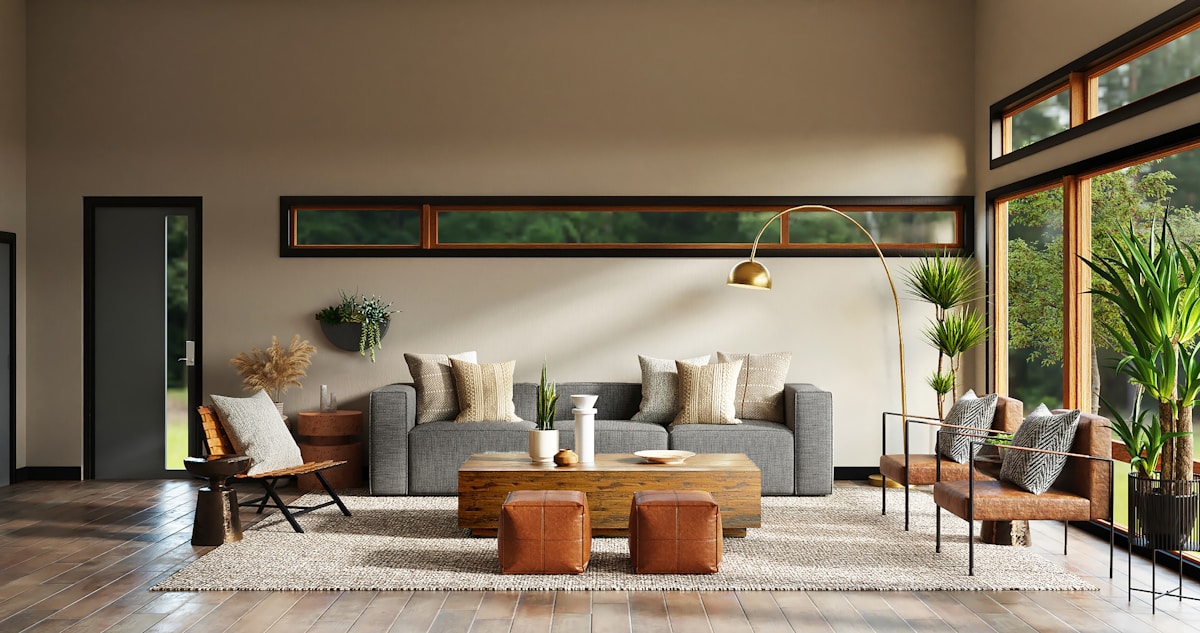 The project doesn’t end at delivery — a structured post-delivery review is how elite buyers build the supplier relationships that give them competitive advantage.
Most buyers treat delivery as the finish line. Elite buyers treat it as the start of the next conversation.
Within two weeks of delivery acceptance, conduct a structured post-delivery audit covering three areas: product performance (any defects, deviations from spec, or damage), delivery performance (timeline adherence, documentation accuracy), and communication quality (responsiveness, problem-solving speed during production).
Score your supplier on each dimension and document it. This scorecard becomes your negotiating foundation for the next order — and it signals to the factory that you are a serious, process-oriented client worth prioritizing.
Supplier Performance Scorecard Template:
| Metric | Weight | Score (1–10) | Notes |
|---|---|---|---|
| Product quality vs. approved sample | 35% | — | Based on defect rate and spec compliance |
| Timeline adherence | 25% | — | Days early/late vs. agreed delivery date |
| Communication & responsiveness | 20% | — | Average response time, proactive updates |
| Packaging & documentation accuracy | 10% | — | Correct HS codes, complete paperwork |
| Flexibility & problem-solving | 10% | — | How issues were handled in real time |
Suppliers who score above 80% in your first project should be immediately designated as preferred vendors and offered priority repeat business. Suppliers scoring below 65% on their first engagement rarely improve significantly — the operational DNA of a factory is visible early.
For clients working with JL&C Furniture, we manage this supplier relationship framework on your behalf — maintaining performance records, handling reorder coordination, and ensuring that every project builds on the last.
Industry-Specific Sourcing Insights: What the Data Tells Us
Beyond the checklist, here’s what experienced sourcing professionals know that first-time buyers typically learn the hard way:
On lead times: The industry average for custom high-end furniture from Foshan is 45–75 days from order confirmation to factory ready. Add 14 days for prototype review and revisions before production begins, and 25–35 days for ocean freight to Europe or North America. Your realistic project timeline from order to on-site delivery is 90–120 days for complex custom pieces — plan accordingly.
On quality vs. price: A 2024 analysis of furniture import claims in the US market found that orders placed with the lowest-cost Foshan suppliers had a defect-on-arrival rate of 12–18%, compared to 1.5–3% for mid-to-high-tier verified suppliers. At a USD 200,000 project value, that’s a USD 24,000–36,000 exposure on the low end, versus USD 3,000–6,000 with a quality-focused factory. The price premium for a reputable factory pays for itself in the first container.
On sustainable materials: According to FSC China, the number of FSC-certified furniture manufacturers in Guangdong has grown by over 60% since 2020, driven by EU and US import regulations and end-buyer ESG requirements. If your clients or projects require sustainable sourcing credentials — and increasingly they do — this is now achievable without compromising on quality or cost competitiveness.
On IP protection: Factories that have worked with Western luxury brands typically already have NDA processes in place. Ask for references from three to five non-competing Western clients before sharing any proprietary design files. The factories with the strongest IP track records are usually the ones who proactively bring up confidentiality, rather than waiting to be asked.
Glossary of Key Terms
For buyers new to international furniture procurement, here’s a quick reference for the technical terms used throughout this guide:
الأسئلة المتداولة
How do I verify if a Foshan factory is truly capable of luxury-grade production?
Look beyond marketing materials. Request physical samples from their existing production — not specially made showcase pieces. Ask for references from two to three Western luxury clients you can contact directly. Verify their export certifications (ISO 9001, FSC), and check whether they have an in-house design team and dedicated QC infrastructure (lab, measuring equipment, approved sample archive). Factories capable of luxury-grade production have documented quality processes, not just verbal assurances.
What is the realistic lead time for custom high-end furniture from Foshan?
For straightforward custom orders, plan for 45–75 production days from order confirmation. Add 14 days for prototype review and approval before production starts, and 25–35 days for ocean freight to Europe or the US East Coast. Your realistic door-to-door timeline is 90–120 days. For highly complex bespoke pieces involving mold development or custom hardware, allow up to 150 days. Build this into your project schedule from day one.
Can I realistically protect my design IP when working with Chinese manufacturers?
Yes — but only with the right legal structure. Use a signed NDA before sharing any drawings or design files. Work with a local Chinese legal advisor to register your designs with the China National Intellectual Property Administration (CNIPA). Include explicit IP ownership clauses in your purchase contract specifying that all molds, tooling, and design assets produced for your account are your exclusive property. Ask factory references specifically about their IP handling track record.
How do I prevent quality from dropping between the sample and the bulk production run?
This is the single most common sourcing disappointment. The solution is in-line inspection at the 30–50% production stage — not waiting for a final check. Lock the approved physical sample in a sealed bag and keep it at the factory as the reference standard throughout production. Conduct a pre-production material verification before a single unit is built. If quality drops, catching it mid-production costs a fraction of what post-production rework costs.
What is the most cost-effective shipping option for small luxury batches?
For volumes under 15 CBM, LCL (Less than Container Load) is your most practical option. Work with a freight forwarder experienced in luxury furniture consolidation — they’ll know how to co-load fragile, high-value pieces without putting them at risk from heavier freight. For urgent delivery of key hero pieces on a tight project timeline, an air-sea hybrid (air to Singapore or Dubai, sea for the remainder) is worth the premium.
Are Foshan factories equipped to work with sustainable and eco-certified materials?
Increasingly, yes. The number of Foshan factories holding FSC certification for timber sourcing has grown significantly since 2020. Many factories now also offer OEKO-TEX certified fabrics, E0-grade (near-zero formaldehyde) adhesives, and low-VOC lacquer systems. However, “eco-friendly” is heavily marketed and inconsistently delivered — always request the actual certificate number and verify it directly on the FSC certificate database or the OEKO-TEX label check before including it in your project documentation.
Should I visit the factory during production, and is it practical?
Yes, and it’s highly recommended for orders above USD 50,000. Top-tier Foshan suppliers welcome client factory visits — in fact, a factory that resists or discourages visits should be treated as a red flag. For remote buyers, most quality factories now offer scheduled video call tours of the production line, with live footage of your specific order. This is not a substitute for a physical visit on major orders, but it’s valuable for ongoing relationship management and mid-production check-ins.
How do I handle customs clearance efficiently for high-value furniture?
Work with a freight forwarder who specializes in furniture imports, not general cargo. They’ll know your destination country’s specific requirements: CARB Phase 2 for the US, REACH compliance documentation for the EU, DAFF biosecurity clearance for Australia. For buyers prioritizing simplicity, DDP (Delivered Duty Paid) terms push all customs responsibility to the seller or forwarder. Ensure your supplier provides a complete commercial invoice, packing list, certificate of origin, and any applicable compliance certificates before the container is sealed.
What payment methods provide the best protection when sourcing from Foshan?
T/T (Telegraphic Transfer) with a 30/70 split (30% deposit, 70% against copy of shipping documents) is the industry standard for established suppliers. For first-time orders with new factories, consider an LC (Letter of Credit) — it provides bank-level assurance that payment is only released upon presentation of compliant shipping documents. Avoid 100% upfront payments under any circumstances. Trade platforms like Alibaba Trade Assurance offer a middle ground for smaller orders but are insufficient for large custom projects.
Do Foshan factories offer private label and white-label services for furniture brands?
Yes — this is a significant part of the Foshan export business. Many mid-to-high-tier factories offer custom branding packages that include engraved or embossed logos on furniture frames, custom care label tags, branded tissue paper and inner packaging, and proprietary color finishes exclusive to your brand. For scale brands and hospitality groups, manufacturers can also develop custom hardware (drawer pulls, leg profiles, hinge styles) under exclusive tooling agreements.
How do I ensure color and finish consistency across multiple production batches?
Lock one physical production-approved sample (PAS) per SKU at the factory, sealed and signed by both parties. For critical color accuracy, request spectrophotometer readings of the approved sample and document the Delta E value. Any subsequent batch should be measured against this reference — a Delta E reading of 1.5 or below is typically imperceptible to the human eye and acceptable for luxury applications. A Delta E above 3.0 is visible and should be rejected.
What should I do if furniture arrives damaged?
First, document everything immediately: photograph all pieces before unloading, and capture packaging condition, visible damage, and container loading photos from origin (which you should have requested before shipment). File a claim with your cargo insurance provider — marine cargo insurance for furniture should be standard practice, and most reputable freight forwarders will help you arrange it. Then open a formal claim with the factory, referencing the defect clause in your purchase contract. If you have pre-shipment inspection reports showing the goods were in good condition at loading, liability is clearly on the logistics side. If not, the factory dispute becomes more complex.
Can Foshan source luxury outdoor furniture with genuine weather resistance?
Absolutely. Foshan has a strong cluster of outdoor furniture specialists producing in aluminum alloy (powder-coated to Qualicoat Class 2 standard for marine environments), A-grade teak (Grade A = tight grain, minimal knots, natural oil content), HDPE wicker (rated UV-stable to 3,000 hours), and Sunbrella-grade solution-dyed acrylic fabrics. The key is to verify the specific material grade and coating standard — not just the material name. “Aluminum” can mean anything from 1mm stamped sheet to 3mm extruded marine-grade alloy.
How do I scale from a prototype to bulk production without quality loss?
Quality consistency at scale requires three things: documented process standards at the factory (not just good intentions), mold and tooling investment for any repeat components (avoids dimension drift between batches), and phased production with inspection gates at each stage. Factories that produce luxury-grade output at scale have a documented “golden sample” system where every production run is measured against a locked physical reference. Ask to see this system in action during your factory visit.
How do I build a reliable long-term supplier network in Foshan?
Start with one well-managed project. Deliver clear briefs, pay on time, provide constructive feedback on samples, and communicate professionally. Factories prioritize clients who make their job easier — and in a market where factory capacity is always in demand, being a preferred client has real commercial value. After a successful first order, formalize the relationship with a framework agreement covering pricing structures, capacity allocation, and communication protocols. Introduce the supplier to your other project needs gradually — suppliers who know your quality standards across multiple product categories become genuinely strategic assets.
This guide is updated regularly to reflect current market conditions, shipping regulations, and manufacturing standards. For project-specific sourcing consultation, connect with the team at JL&C Furniture — we work directly with verified Foshan manufacturers across residential, hospitality, and commercial furniture categories.

China Furniture Sourcing Agent Roles for High-End Buyers What a China Furniture Sourcing Agent Actually Does for High-End Buyers Every finished luxury room sits on
How to Vet a China Furniture Sourcing Agent Before Signing A single curved sofa like this goes through dozens of approvals, including frame, foam, fabric

China Furniture Sourcing Agent vs Direct Factory Buying: A Strategic Guide for High-Value Buyers When one project includes 400 hotel rooms, a 20-seat marble dining
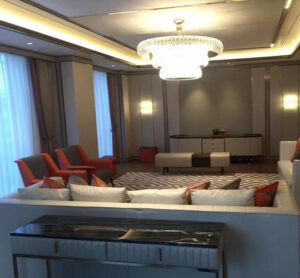
Advanced Tips to Get More from Your China Furniture Sourcing Agent Powerful Strategies for High-Performance Sourcing – Tailored for Elite Buyers, Designers & Operators Your
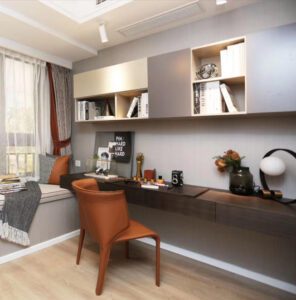
What Wholesale Furniture Suppliers in China Can Offer High-Value Buyers A statement luxury living room — the kind of space that begins with the right

How to Work Better With Your China Furniture Supplier After Ordering A Practical Playbook for High-End Furniture Importers, Interior Designers, FF&E Buyers, Villa Owners, Private