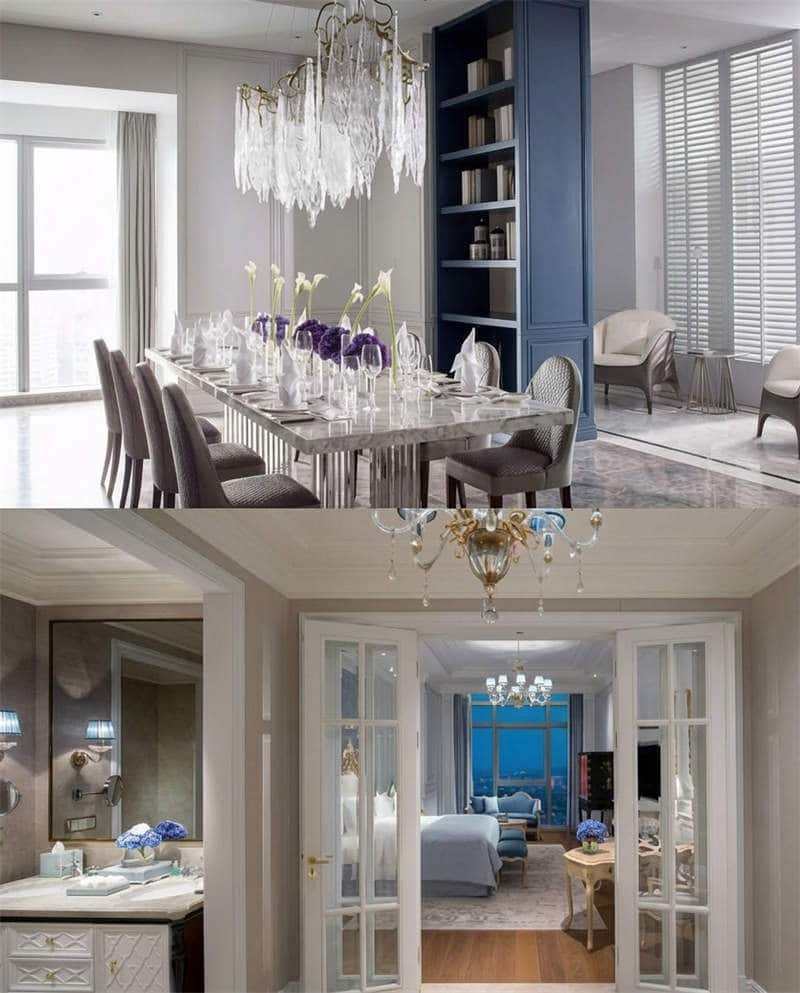
Show House Furniture Projects: Turning One Interior into a Repeatable Furniture Standard
A show house is more than a decorated property. For developers, furniture distributors and design firms, it can become a working prototype that defines how an entire residential collection should look, feel and function.
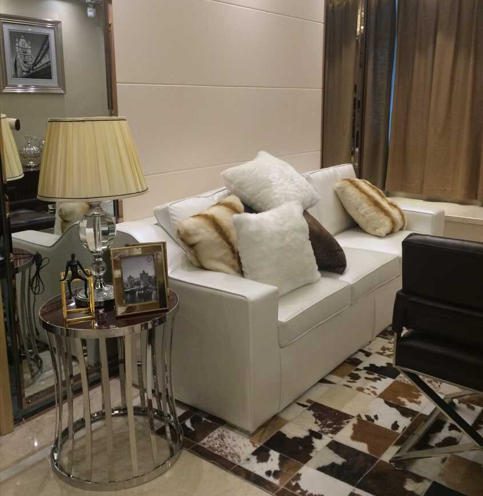
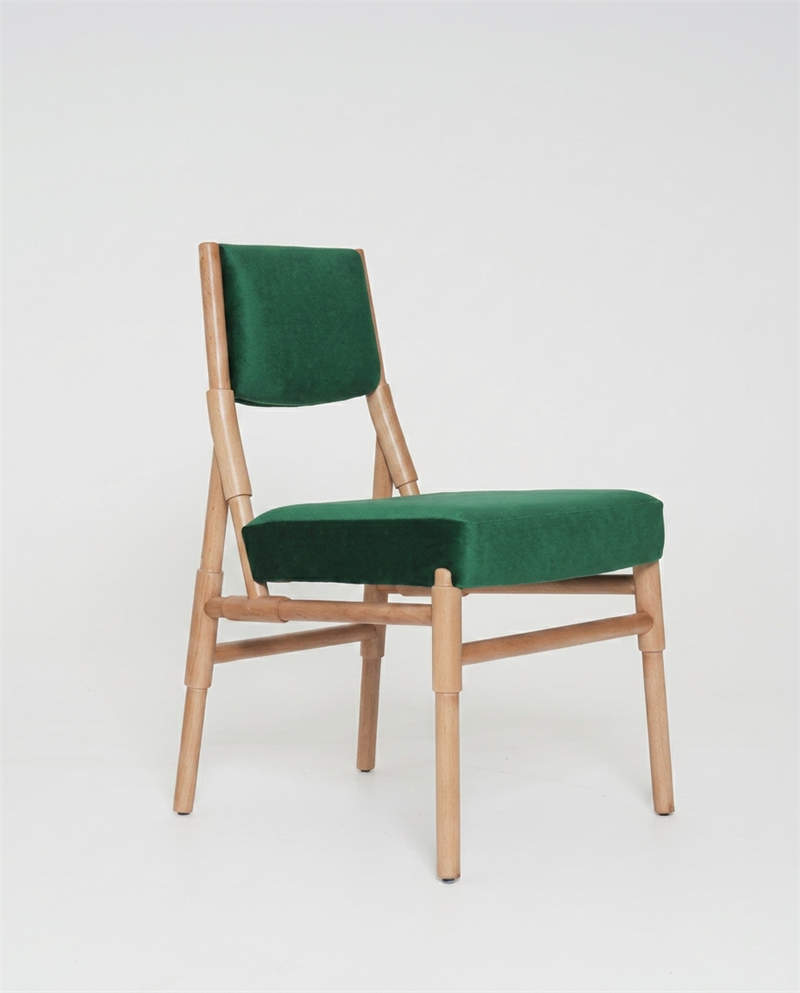
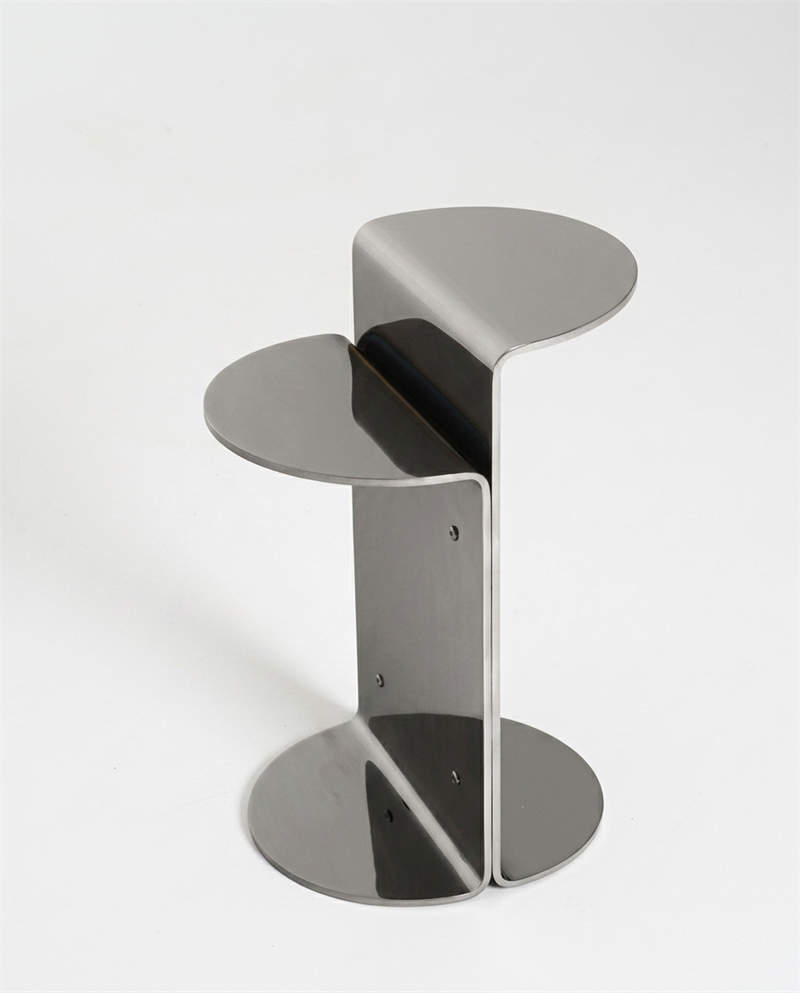
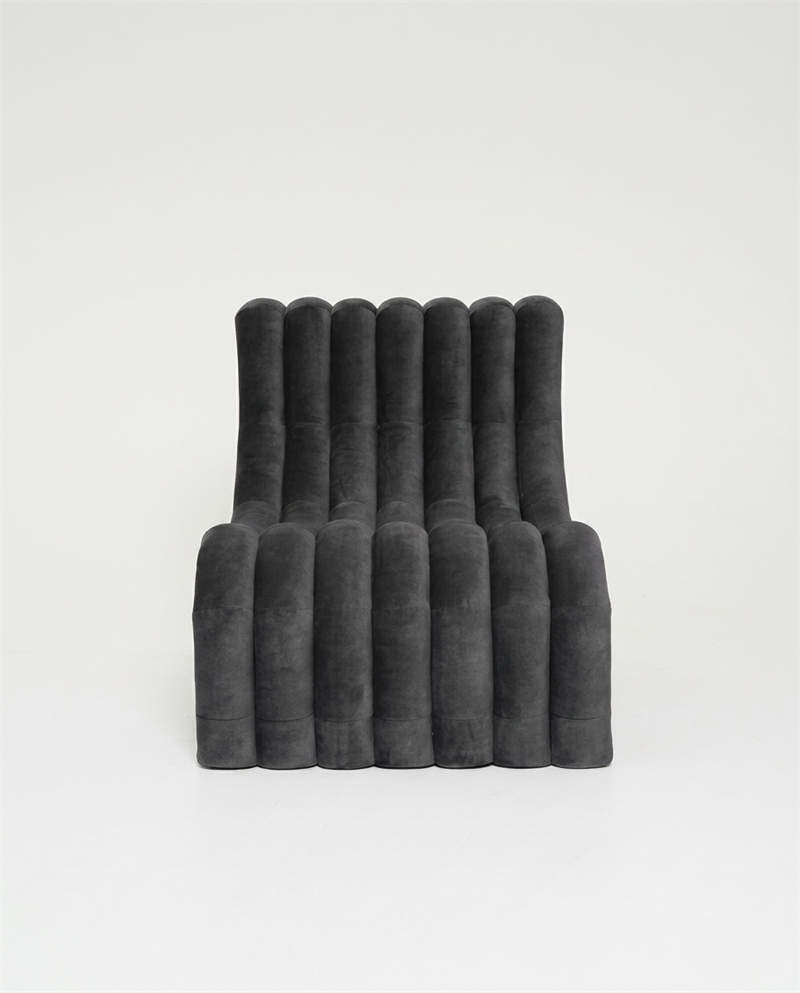
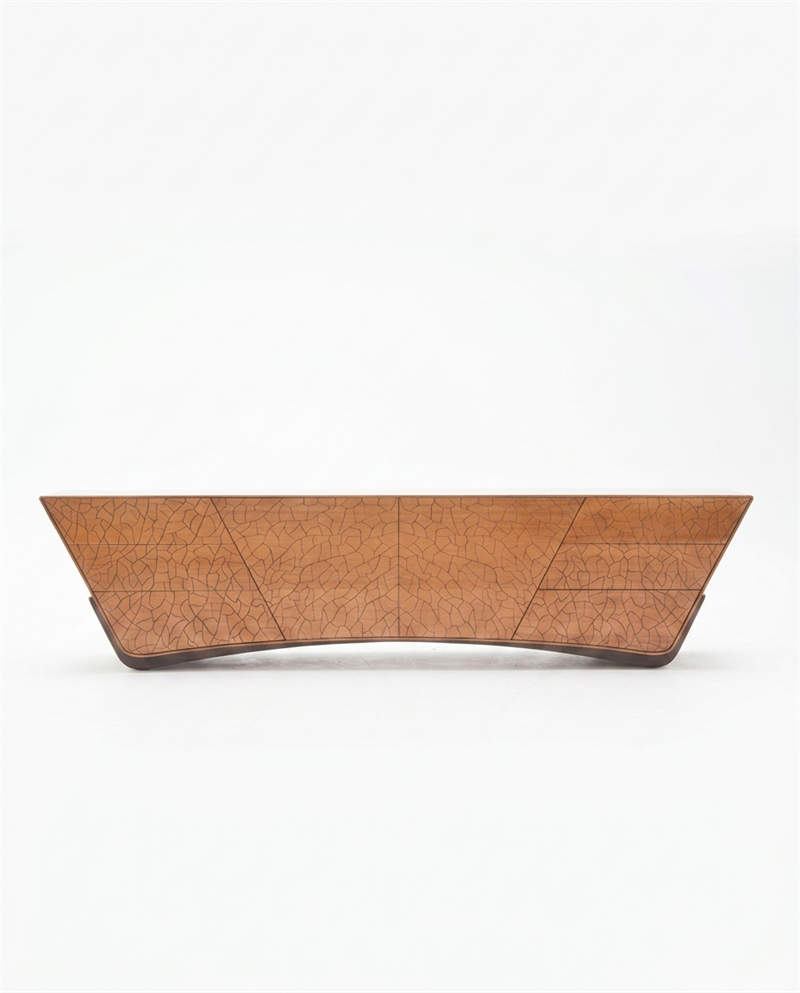
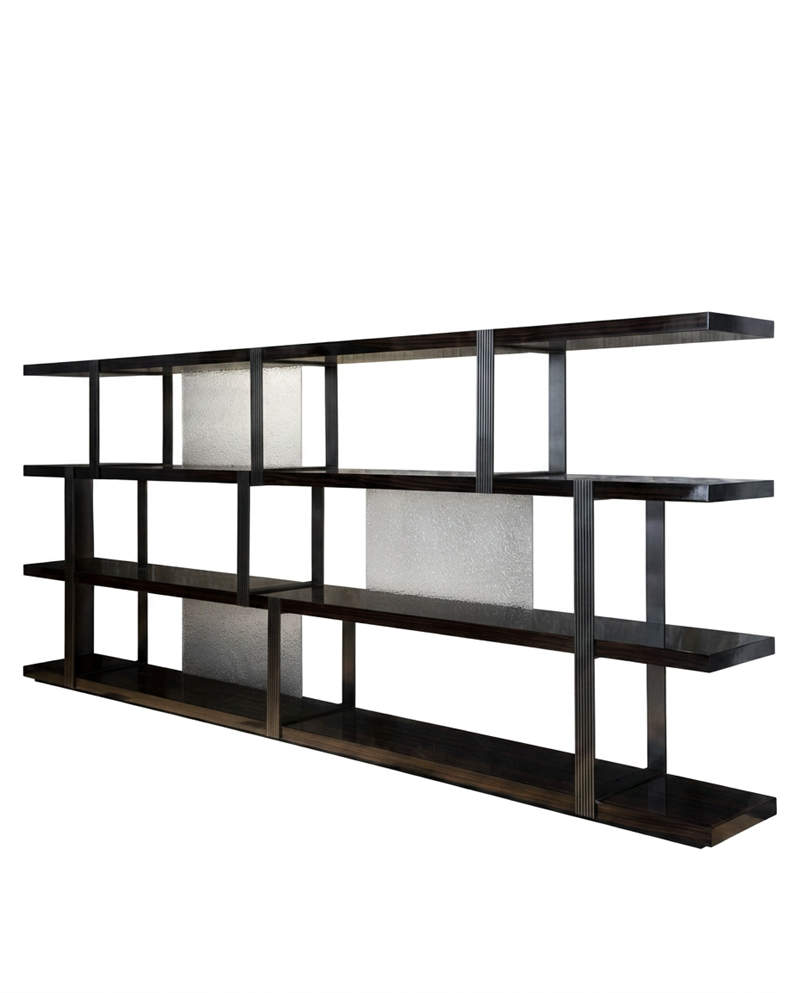
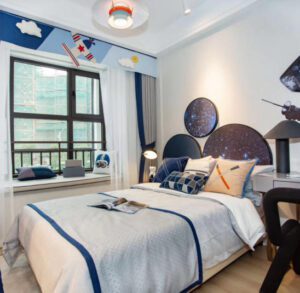
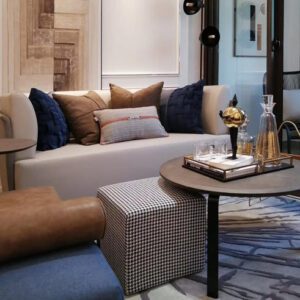
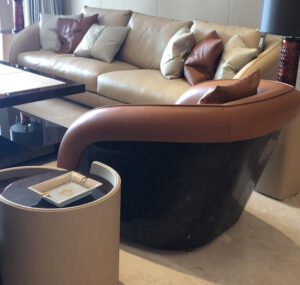
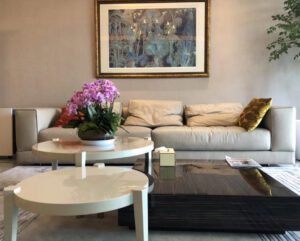
The Show House Furniture Projects album published by JL&C Furniture contains 19 photographs. The visible furniture includes living-room seating, lounge chairs, sofas, side tables, dining sets, console tables, cabinets, bedroom pieces, an upholstered bed, a bench and coordinated decorative finishes.
Rather than treating these products as isolated items, professional buyers can use the completed setting to establish a repeatable furniture language for future model homes, regional showrooms or related residential developments.
Project Overview: A Furnished Interior as a Physical Prototype
Furniture selected for a show house must communicate the positioning of the property immediately. Visitors form impressions through proportion, comfort, visual balance and the relationship between adjacent materials.
The album presents furniture across several functional zones:
- Living-room sofas and occasional tables
- Upholstered lounge and reception chairs
- Dining tables and fabric-covered dining chairs
- Entrance console furniture
- Decorative cabinets and dressers
- Upholstered bedroom furniture
- Benches and residential casegoods
- Coordinated wood, metal and textile finishes
- Visible construction and joinery details
Together, these categories create a useful prototype for a coordinated residential furniture package.
The published album does not identify the development name, city, property size, order quantity, contract value or manufacturing schedule. These details should therefore not be presented as confirmed project facts.
From Show House Concept to Product Standard
The commercial value of a show house increases when its furniture information is captured systematically. Without technical records, the completed interior remains only a visual reference. With controlled specifications, it can become the basis for repeat production.
Each approved item should receive a unique product code connected to the following information:
This documentation allows an overseas distributor to quote related projects without rebuilding the specification from the beginning. It also helps the designer protect the original concept when the furniture is reproduced months later.
Managing the Design DNA Across Different Rooms
A coordinated show house does not require every piece to look identical. Instead, the products need a controlled relationship.
Establish a limited finish vocabulary
A finish schedule might define one dominant wood tone, one supporting lacquer, one metal color and a restricted upholstery palette. Individual products may vary in shape, but their materials continue the same visual story.
Control scale through room relationships
A sofa should not be assessed independently from the coffee table, lounge chairs and surrounding circulation. Dining-chair width affects table capacity, while the depth of a bedroom bench influences the usable passage at the foot of the bed.
Before confirming production, buyers should compare furniture dimensions with:
- Floor plans
- Finished wall measurements
- Door swings
- Electrical positions
- Curtain clearances
- Walkways
- Elevator and corridor dimensions
- Photography sightlines
Identify signature and supporting pieces
Certain products create the main visual identity, while others provide functional support. A sculptural lounge chair or distinctive dining table may be treated as a signature item. Side tables, cabinets and benches can then use quieter forms while repeating selected finishes.
This hierarchy prevents every item from competing for attention.
Manufacturing Considerations for Repeatable Show House Furniture
JL&C Furniture states that it is headquartered in Shanghai and has more than 20 years of design and manufacturing experience. Its published company figures include service across more than 30 countries, over 200 skilled artisans and specialists, more than 500 completed projects, and over 500 SKUs. Buyers can review the manufacturer’s background and stated production process on the JL&C Furniture company profile.
For a show house program intended for later reproduction, manufacturing control should begin before the first production order.
Create finish control samples
Wood, lacquer, metal and upholstery references should be approved under suitable lighting. Each sample needs a code, approval date and defined tolerance. Natural materials require an agreed range rather than an unrealistic expectation of perfect uniformity.
Record construction behind the appearance
Two products can look similar in photographs while using very different structures. The bill of materials should define the internal frame, substrate, reinforcement, cushioning, hardware and surface system—not merely the visible color.
Approve one reference unit
For important customized models, the first completed unit can function as the physical standard. Production pieces should then be checked against its dimensions, comfort, finish and detailing.
Separate residential and contract requirements
A show house may receive relatively light use, while the same design placed in a sales lounge, serviced residence or hospitality setting could face much heavier traffic. The required structure and upholstery performance should be determined by the intended application. JL&C Furniture’s residential and commercial manufacturing comparison offers additional context for this distinction.
Any destination-specific fire, emissions, structural or material certification must be confirmed for the exact product. A general company statement should not be treated as evidence that every furniture model meets every market requirement.
Procurement Strategy for Overseas Distributors
Show house furniture projects often involve a wide variety of models but limited quantities per model. This creates a different procurement challenge from purchasing standardized wholesale inventory.
Distributors can reduce commercial uncertainty by dividing the process into four decision gates.
Gate 1: Concept validation
Confirm which images express the intended market position. Define the customer profile, target price range and rooms included in the proposal.
Gate 2: Technical translation
Convert references into dimensioned drawings, material schedules and construction requirements. Resolve impractical details before calculating the final price.
Gate 3: Sample approval
Review finish samples, upholstery, hardware and any required prototypes. Record all approvals in a shared register instead of relying on scattered messages.
Gate 4: Release for manufacturing
Issue a final product schedule containing quantities, revisions, packing instructions and delivery priorities. Production should not start from superseded drawings or unconfirmed material references.
This stage-based approach separates creative exploration from purchasing authorization. It also gives distributors a clearer basis for handling later changes.
A completed residential case study can help buyers understand how room-scale coordination is presented in practice. The Shanghai Bund House custom furniture project provides a separate reference for evaluating furniture inside a finished apartment environment.
Why the Prototype Approach Builds Brand Value
A successful show house can influence more than one sales presentation. When its product codes, finishes and construction details are preserved, it becomes a reusable design asset.
Developers can adapt the concept to another unit type. Distributors can present related pieces as a collection. Designers can maintain recognizable visual cues across different properties. Manufacturers can reproduce approved models without interpreting the concept again from incomplete photographs.
The objective is not to duplicate every room exactly. It is to preserve the essential design rules while allowing dimensions, upholstery and product combinations to respond to each new market.
JL&C Furniture’s broader range of customized residential and commercial solutions is available through its official furniture manufacturing website.
Start a Show House Furniture Brief
A useful enquiry should include:
- Floor plans and reflected dimensions
- Room-by-room furniture schedule
- Reference images or renderings
- Required product quantities
- Preferred dimensions
- Material and finish direction
- Upholstery requirements
- Target market and destination
- Intended use of each space
- Budget range
- Required completion window
- Testing or documentation requirements
- Site-access and packaging restrictions
To request a project review, drawing assessment or specification-based quotation, submit the information through the JL&C Furniture enquiry page.
A well-documented show house does more than present an attractive interior. It creates a controlled furniture platform that can support repeat orders, new locations and future residential collections.