Transform your furniture distribution business into a high-growth B2B e-commerce...
Transform your furniture distribution business into a high-growth B2B e-commerce powerhouse. This comprehensive guide shows furniture distributors, agents, showroom operators, and design professionals how to capture the lucrative contract furniture market — and scale profitably across education, healthcare, and workplace sectors.
The modern contract furniture opportunity: corporate environments increasingly demand curated, specification-grade furnishings that distributors and designers source and deliver at scale. Image: Unsplash
Why Contract Furniture E-Commerce Is No Longer Optional
There is a shift happening in furniture distribution that is separating operators who are growing from those who are grinding. It is not about having the best showroom, the most suppliers, or the lowest unit price. It is about whether your business model is built for the way institutional and commercial buyers actually purchase today.
The global contract furniture market — meaning furniture specified and purchased for commercial, institutional, and hospitality environments rather than individual consumers — was valued at USD $154.1 billion in 2024 and is projected to reach USD $209.5 billion by 2030, growing at a CAGR of approximately 4.5%. That is not a niche. That is a structural shift in how buildings are furnished, how organizations budget for space, and where the margin opportunity in furniture distribution has moved.
The buyers driving this market — facilities managers at universities, procurement directors at hospital systems, corporate real estate managers at Fortune 500 companies, interior designers specifying 80-room hotel fit-outs — are not browsing consumer e-commerce sites. They are searching for verified suppliers, requesting quotes in bulk, requiring product certifications, and making multi-year purchasing decisions. If your distribution business is not positioned to be found, evaluated, and transacted with on their terms, you are invisible to the market segment with the highest average order values and the most durable customer relationships.
This guide is the map. It covers every dimension of building a profitable contract furniture e-commerce operation: the technology foundation, the sector-specific sales strategies, the customization systems, the logistics infrastructure, and the partnership channels that turn first orders into long-term accounts.
Why Contract Furniture Is Different From Retail (And Why This Matters to Your Business)
The Economics That Make Contract Sales More Profitable
If you have operated in retail furniture distribution, you understand the economics: high marketing cost per customer, low average order value, unpredictable demand cycles, and a customer base that makes purchase decisions emotionally and then seeks the best available price online. Contract furniture operates on almost exactly inverted economics.
A single contract order for a 200-seat university lecture theatre renovation might carry a value of $180,000–$350,000. A hospital wing refurbishment — 40 patient rooms, staff areas, waiting zones — can represent $400,000 to $800,000 in furniture specification. A corporate headquarters fit-out for a 300-person organization might involve $600,000+ in FF&E (Furniture, Fixtures & Equipment — the complete furnishings package for a commercial space) of which your distribution margin covers a defined slice.
More importantly, these customers come back. An education facilities director who specifies your product for a new academic building and receives a professional, well-coordinated delivery and installation experience becomes a multi-year account: phased expansions, individual department updates, furniture replacement cycles. The customer acquisition cost is high on a per-first-order basis — and then amortized across a decade of repeat business. That is a fundamentally different profitability model from retail, where every customer relationship effectively resets.
Margins in contract distribution are shaped differently too. The list-price margins on contract furniture products are generally tighter than the equivalent retail markup — but the scale, consistency, and relationship depth of contract accounts make them more profitable per relationship than a comparable volume of retail orders spread across dozens of individual customers.
The Three Core Sectors Driving Growth
Education represents one of the most consistent long-cycle demand sources in the market. Schools and universities operate on capital planning cycles of 5–10 years for major facilities investments, with rolling annual budgets for maintenance and replacement. The US North American education furniture market alone accounts for a significant portion of the sector’s $38.56 billion regional contract furniture market. Critical for distributors: education procurement increasingly flows through cooperative contracts — pre-negotiated purchasing agreements that institutions can access without running individual tenders. OMNIA Partners and NASPO ValuePoint are the two largest in North America; being listed on these contracts opens access to thousands of institutions without individual sales calls.
Healthcare is the most specification-intensive sector in contract furniture — and for that reason, the most defensible once you establish a position. Hospitals, clinics, and senior living facilities require furniture that survives daily exposure to clinical disinfectants, meets ADA (Americans with Disabilities Act — accessibility standards for physical environments) height and clearance requirements, and passes infection control protocols that many furniture products simply cannot meet. This complexity creates a significant barrier to casual competition and substantial pricing power for distributors who understand and can document compliance.
Workplace is the sector with the most rapid change in specification requirements. Hybrid work models — combining in-office collaboration days with remote work — have transformed the commercial office from a fixed-desk environment into a flexible-use space requiring modular, reconfigurable furniture that can shift between focused work, collaboration, and social functions within a single floor plate. Activity-Based Working (ABW) — the design philosophy where employees select different work settings based on the task at hand rather than occupying an assigned desk — now shapes furniture specification across a significant proportion of corporate fit-outs. This creates continuous churn in workplace furniture specification: organizations that installed fixed-desk layouts 5 years ago are refurnishing for flexibility today.
Who Your Real Competitors Are (And What They’re Doing Right)
The competitive landscape in contract furniture has fragmented in a way that creates genuine opportunity for agile distributors and agents. Large established manufacturers — Steelcase, Herman Miller (now MillerKnoll), Haworth — dominate the upper end of the corporate workplace market through direct sales forces and authorized dealer networks. They compete on brand equity, warranty depth, and dealer ecosystem. They do not compete well on speed, customization flexibility, or price-to-specification ratio in the mid-market and emerging segments.
The more immediate competitive threat for a growth-oriented distributor is the emerging cohort of digitally native contract furniture platforms — operators who have built strong B2B e-commerce infrastructure, sector-specific content, and streamlined RFQ (Request for Quotation — a formal document where a buyer specifies requirements and requests price proposals from multiple suppliers) workflows. These operators are winning business not because their products are superior, but because their buying experience is faster and cleaner than traditional showroom-dependent distributors.
The market gap is in the middle: specification-grade product quality, competitive pricing enabled by direct Chinese manufacturing sourcing, and a B2B e-commerce experience that meets the standards today’s institutional buyers expect. That intersection is where JL&C Furniture‘s distribution partners are building defensible positions.
Education sector contract furniture — reading lounges, collaborative learning spaces, and student commons — represent one of the highest-volume, most predictable demand cycles in institutional procurement. Image: Unsplash
Building Your B2B E-Commerce Foundation
The Technology Stack Your Distribution Business Actually Needs
The single most consequential infrastructure decision in contract furniture e-commerce is choosing the right platform — and the most common mistake is building on a consumer retail e-commerce platform and attempting to retrofit B2B functionality. The workflows are fundamentally different.
A contract furniture buyer does not add items to a cart, enter a delivery address, and check out with a credit card. They submit an RFQ with specifications, receive a customized quote, go through internal approval cycles, issue a purchase order, require project-specific invoicing, and coordinate delivery against a construction or renovation timeline. Every step of that process needs to be supported natively by your platform.
The leading platform options for B2B furniture distribution in 2025 are:
Pre-built workflows for trade, samples, project management
Variable
For most mid-tier distributors entering contract furniture e-commerce, BigCommerce B2B Edition offers the most complete native B2B feature set — including customer-specific pricing, quote workflows, account hierarchies for design firms with multiple project teams, and invoice-based payment — without the extensive custom development that Magento requires.
Inventory management integration is the second critical technology decision. Your e-commerce platform must connect in real time to your inventory system so customers see accurate stock availability, not a static catalog that creates backorder surprises. For contract distributors managing stock across multiple warehouse locations, Brightpearl or NetSuite integrations provide the multi-location visibility that prevents the embarrassing scenario of confirming an order you cannot fulfill.
Creating a Pricing Structure That Works for Contract Sales
Flat-rate pricing — a single price per SKU regardless of order size — is commercially incompatible with contract furniture sales. It either leaves margin on small orders or makes you non-competitive on large ones. The framework that works is tiered volume pricing combined with customer segment differentiation.
A practical three-tier structure for most contract furniture distributors:
Tier 1 (Standard Trade): Interior designers, architects, and small facilities managers. Pricing at 20–30% below public retail, with standard lead times and MOQ of 1–5 units.
Tier 2 (Project Pricing): Verified project orders above a minimum value threshold (typically $10,000–$25,000). Pricing at 30–40% below retail, with project management support included.
Tier 3 (Contract Account): Institutional buyers and multi-property clients with annual volume commitments. Pricing at 40–50% below retail, with dedicated account management, priority production scheduling, and extended payment terms.
The key discipline is that pricing tiers are tied to verifiable criteria — not simply granted on request. A buyer who claims tier 3 pricing for a single $5,000 order is not a tier 3 buyer. Enforcing this distinction protects your margin structure and creates the right incentives for customers to consolidate orders.
Managing Complex Workflows: Quotes, Approvals, and Customization
The RFQ process — from initial inquiry to signed purchase order — is where most contract furniture distributors either accelerate a deal or lose it. Institutional buyers who submit an RFQ to three suppliers and receive responses at 3 days, 7 days, and 12 days have already formed a strong preference by the time the third response arrives.
A target response time for initial RFQ acknowledgment is same business day, with a complete quote within 48–72 hours for standard configurations and 5–7 business days for complex custom specifications. The infrastructure behind this speed requires: product specifications and pricing pre-loaded in your quoting system (not assembled manually for each quote), a clear escalation path for customization questions to your manufacturing partners, and a quote template that includes all the information an institutional buyer’s procurement team needs — not just a line-item price list.
Approval workflows built into your platform — allowing a design firm to submit a specification, a client’s procurement director to approve it, and your team to receive a confirmed purchase order without email chains — compress the sales cycle and reduce the administrative friction that causes deals to stall.
Mastering Product Customization and Specification
Documenting Your Customization Capabilities Clearly
Institutional buyers — architects, interior designers, facilities directors — specify furniture using technical documents. When they evaluate a supplier’s product range, they are looking for specification sheets (detailed technical documents covering dimensions, materials, structural performance, and compliance data), finish and fabric libraries, CAD files for architectural drawing integration, and compliance certifications. If these documents do not exist or are difficult to access, your product does not get specified — it does not matter how good the product is.
Every product in your contract furniture range should have a publicly accessible, downloadable specification sheet covering: precise dimensions (in both metric and imperial), weight, material composition, structural standards compliance (EN or ANSI/BIFMA as applicable), available fabrics and finishes, lead time for each configuration, and care and maintenance instructions. This documentation does not just close deals — it significantly reduces post-order queries and disputes.
Sample libraries deserve equal investment. For upholstered products, a physical swatch library — mailed to qualified prospects on request — converts digital browsing into tactile confidence. Designers and procurement teams who cannot touch a fabric before specifying 120 chairs are more likely to choose a competitor who sent them samples.
Building a Digital Showroom That Replaces Physical Visits
The shift from physical to digital specification workflows — accelerated by the 2020–2022 period and now structurally embedded in how institutional buyers work — means your digital showroom is doing the work your physical showroom used to do. The investment bar has risen accordingly.
High-quality product photography for contract furniture requires: consistent lighting that shows true color and texture, multiple angles including detail shots of joints, hardware, and upholstery finishing, and lifestyle context images showing the product in environment (a lecture theatre setup, a healthcare waiting room, a collaborative office space). A product page with a single front-on product shot on a white background is not a contract furniture specification resource — it is a consumer product listing.
Interactive 3D configurators — tools that allow a designer to select fabric, finish, and configuration options and see an accurate rendered result — are moving from premium differentiator to baseline expectation in contract furniture specification. Platforms like Cylindo and VividWorks offer furniture-specific 3D visualization tools that integrate with B2B e-commerce platforms and significantly reduce the specification revision cycles that slow project timelines.
Virtual consultations — scheduled video calls where your product specialists walk a designer or facilities manager through relevant options for their specific project — bridge the gap between digital browsing and the relationship-based decision-making that drives large contract orders. A 45-minute virtual consultation that results in a $60,000 order is among the highest-ROI activities in your sales calendar.
Managing Custom Orders Without Chaos
Custom orders — fabric outside the standard library, non-standard dimensions, modified configurations — require a production tracking system that is separate from your standard inventory management. The failure mode is common: a custom specification is agreed verbally, noted in an email, forgotten in a follow-up chain, and then discovered to be wrong when product arrives 8 weeks later.
The solution is a Custom Order Register: a centralized, shared document (Airtable, Monday.com, or a CRM-linked project module) that captures every custom specification at the moment it is agreed, assigns it a reference number that travels through every subsequent communication, and tracks it through quote confirmation, production start, QC approval, and delivery milestone. Every stakeholder — your account manager, your factory contact, your logistics coordinator — references the same document. Specification ambiguity is the most expensive preventable cost in contract furniture distribution.
📺 Watch: How B2B Furniture E-Commerce Works — From RFQ to Delivery
A practical walkthrough of B2B and omnichannel e-commerce system solutions for furniture distributors — covering the workflows from quote request to customer delivery. (Source: YouTube)
Bulk Ordering Systems That Scale With Your Customers
Creating Bulk Order Workflows That Reduce Friction
A facilities manager furnishing a new 400-student campus residence hall does not want to place 400 individual product orders. They want to upload a Bill of Materials — a structured list of every product, quantity, location, and specification for their project — and receive a single consolidated quote, a single purchase order, and a coordinated delivery schedule aligned to their construction handover date.
Building this capability into your e-commerce platform means configuring bulk order upload (CSV or Excel-based product lists that populate a quote directly), project-based ordering (all items for a named project grouped under a single reference for billing and delivery tracking), and multi-location delivery scheduling (different items shipped to different addresses within a project on different dates).
For distributors managing relationships with design firms running multiple simultaneous projects, consolidated billing — a single monthly invoice covering all orders across all projects — is a relationship-preserving capability. It reduces the administrative burden on the design firm’s accounts team and makes you the preferred supplier for the next project before the current one is complete.
Inventory Management for Contract Fulfillment
Contract furniture buyers expect accurate availability information before they commit to a specification. If a designer specifies 200 units of a particular chair for a project delivery in 14 weeks and discovers at order confirmation that availability is 10–12 weeks — not the 6 weeks shown on your product page — the project timeline fails and the relationship suffers damage that is hard to recover.
The operational standard for contract furniture distributors is real-time inventory visibility across all stock locations, with automated flagging when a project’s required quantity approaches or exceeds available stock, and a clear escalation process to confirm factory production availability for the balance.
Drop-shipping(fulfilling customer orders directly from your factory or supplier without holding the product in your warehouse) is a viable and increasingly common model for slower-moving SKUs that do not justify carrying cost. The drop-ship model requires factory-level lead time accuracy and reliable direct-to-site delivery capability — both of which should be verified and contractually confirmed with your factory partners before offering this as a delivery option to clients.
Logistics and Delivery Coordination
Delivery for contract furniture is not a logistics commodity — it is a service differentiator. A hospital that receives 80 patient chairs unloaded at the loading dock with no coordination, no placement, and no installation support is not a repeat customer, regardless of how good the chairs are. A university accommodation project that receives furniture delivered, placed in specified rooms, and with packaging removed leaves a facilities director with a story they will tell their peers at the next procurement network event.
White-glove delivery(a premium delivery service tier that includes room placement, assembly, and packaging removal) is the standard for high-value contract orders and should be positioned as a service tier in your offering — not a surprise add-on charge. For orders above a defined value threshold, build white-glove delivery into the project pricing and present it as part of your service package.
Healthcare waiting environments demand furniture that passes clinical disinfectant compatibility testing, ADA compliance verification, and durability standards for high-frequency use — a specification complexity that rewards distributors with documented supplier credentials. Image: Unsplash
Specialized Sales Strategies for Education Sector
Understanding Education Procurement and Budget Cycles
Education institutions operate on fiscal calendars that are entirely unlike commercial purchasing timelines, and misunderstanding this calendar costs distributors orders that should have been straightforward. Most US public schools and universities operate on a July 1 fiscal year. Capital furniture budgets — the funds used for large renovation or expansion projects — are typically approved in spring for execution in the following fiscal year. This means the prime decision-making window for a July delivery is January through April, not the 6 weeks before they need the furniture.
Distributors who are present in October with relevant resources — case studies from comparable institutions, product presentations tailored to the facility type, specification documentation ready for architect review — are in the conversation when budgets are allocated. Those who respond to an RFQ issued in June are competing in a process where the specification has already been influenced by whoever was in the room in February.
Cooperative contracts eliminate the procurement tender process for participating institutions, which can take 3–9 months. When your products are listed on OMNIA Partners or NASPO ValuePoint, a qualifying institution can purchase from you directly under those contract terms — no separate bid required. Application processes for these contracts require pricing schedules, product certifications, and demonstrated supply capacity; they are not trivial to complete, but the access they provide to thousands of qualifying institutions makes the investment clear.
Meeting Education-Specific Requirements
Education furniture fails in three predictable ways when sourced without sector-specific knowledge: structural failure under the weight and movement patterns of active users, surface degradation from the cleaning protocols used in institutional environments, and non-compliance with accessibility standards that trigger procurement rejection.
Durability standards for education environments should specify seating strength testing per ANSI/BIFMA X5.1 for general seating, with the additional requirement that product is tested to the 300-lb user weight standard rather than the standard commercial 250-lb test — the distribution of user body weights in education settings spans a wider range than most commercial environments assume.
ADA compliance(Americans with Disabilities Act — federal accessibility standards requiring physical spaces and furnishings to accommodate users with disabilities) is non-negotiable for any publicly funded institution. Seat heights, armrest clearances, transfer access for wheelchair users, and stability under asymmetric load are all regulated. Ensure your factory documentation covers ADA-relevant dimensions and that your specification sheets present this information in the format architects and facilities managers need for their accessibility compliance submissions.
Sustainable materials have shifted from preference to procurement criterion at a significant proportion of higher education institutions. FSC certification for wood components and OEKO-TEX certification for textiles are the most widely recognized credentials; LEED (Leadership in Energy and Environmental Design — the most widely used green building certification program) contribution points are relevant for institutions pursuing campus sustainability goals.
Building Relationships With Education Decision-Makers
The education furniture decision typically involves three distinct stakeholder groups, each with different priorities: facilities directors (durability, maintenance cost, delivery coordination), procurement officers (compliance with purchasing procedures, pricing, certification documentation), and academic department heads or deans (aesthetic alignment with institutional brand, functional suitability for the learning environment). Effective sales strategy in education means creating relevant materials for each stakeholder — not one generic brochure.
Participation in education sector events — APPA (Association of Physical Plant Administrators — the professional organization for higher education facilities managers) annual conference, state education facility conferences — delivers more qualified relationship-building per hour than cold outreach. These events are where the decision-makers gather without their procurement compliance obligations, which means conversations happen at a strategic level before they become formal tender processes.
Specialized Sales Strategies for Healthcare Sector
Navigating Healthcare’s Unique Purchasing Process
Healthcare procurement is the most process-intensive of the three core contract sectors, and distributors who attempt to shortcut the process consistently lose to those who understand and work within it. A large hospital system does not have a single furniture buyer — it has a capital projects committee, an infection control team, a facilities management department, a finance committee for budget approval, and often an external design consultant who influences specification. Each of these stakeholders has distinct criteria and a different moment in the project timeline where their input matters.
Capital budgets for healthcare facility furniture are typically planned 18–24 months before a project’s furniture delivery date. Design consultants and architects are engaged 12–18 months before delivery. Specification decisions are largely made 6–9 months before delivery. By the time an RFQ is issued 3–4 months before delivery, the competitive field has been shaped by whoever had relationships and relevant technical documentation in place 12 months earlier.
The implication for your sales strategy: healthcare sector business development operates on a 12–18 month investment horizon. The activities you do in Q3 of this year — meeting design consultants at healthcare design conferences, providing technical documentation to architects working on current hospital projects, submitting product data to healthcare specification databases — generate revenue in 12–18 months, not next quarter.
Meeting Healthcare-Specific Furniture Standards
Healthcare furniture specification is governed by standards that most furniture products simply do not meet — and a distributor who can document compliance has a fundamental competitive advantage over those who cannot.
Material compatibility with clinical disinfectants is the threshold requirement. Healthcare facilities use alcohol-based cleaners, chlorine solutions, and hospital-grade quaternary ammonium compounds (a class of disinfectants widely used in clinical settings) that degrade many standard upholstery materials, lacquer finishes, and adhesives within months of regular use. Upholstery fabrics for clinical environments must be certified compatible with these disinfectants — typically through manufacturer test data from the fabric supplier, or third-party testing per AATCC (American Association of Textile Chemists and Colorists) protocols.
ADA compliance for healthcare environments has specific dimensions that differ from standard commercial ADA requirements: seat heights of 17–19 inches to support patient independent transfer, armrest configurations that facilitate transfer from wheelchairs, and clear floor space minimums of 30 x 48 inches for wheelchair access to each seating position. An architect specifying a hospital waiting room who receives a spec sheet with these dimensions pre-documented and confirmed compliant closes the specification faster than one who must request the information separately.
Weight capacity standards for healthcare seating reflect the clinical patient population: hospital chairs are commonly required to pass structural testing at 400–500 lbs, significantly above standard commercial furniture testing benchmarks. This is a specification detail that separates healthcare-grade product from standard contract furniture.
Positioning Your Offering in a Competitive Healthcare Market
Demonstrating ROI through durability is the most effective positioning strategy for healthcare contract furniture. A facilities director whose previous waiting room chairs required replacement at 3 years is responsive to documented evidence — test data, warranty terms, references from comparable facilities — that your product will last 8–10 years under the same conditions. The lifecycle cost calculation is straightforward: furniture that costs 30% more but lasts three times as long delivers substantially better value, and presenting this calculation in a simple table accelerates approval from budget committees who evaluate capital expenditure on cost-per-year-of-service rather than unit price.
Healthcare design consultants — the specialized architecture and interior design firms that work exclusively on clinical environments — are the specification influencers with the most leverage in this sector. Building relationships with 3–5 healthcare design firms in your geographic market, providing them with technical documentation, sample access, and responsive support, generates significantly higher returns per relationship than broad-based marketing to all potential healthcare buyers.
Specialized Sales Strategies for Workplace and Corporate Sector
Adapting to the Evolving Workplace Market
The corporate workplace furniture market in 2025 is defined by the tension between two forces: organizations reducing their total office footprint (many post-pandemic corporate real estate strategies target 20–30% office space reduction) while simultaneously investing more per square foot in the quality and flexibility of the space that remains. This means the total market for workplace furniture is not declining — it is shifting. The demand is for furniture that works harder, adapts faster, and justifies its cost through utilization and employee experience outcomes.
Activity-Based Working (ABW) — the design philosophy where employees choose from a variety of work settings (focus pods, collaborative tables, informal lounge areas, formal meeting rooms) based on the nature of their work — now informs a significant proportion of new corporate office specifications. The furniture consequence is a shift from homogeneous desk-and-chair configurations to a heterogeneous mix of work settings that requires a distributor to supply and coordinate multiple product categories within a single project.
Biophilic design(design that incorporates natural elements — materials, patterns, light, and plant life — to create environments that connect occupants with the natural world) has moved from architectural trend to workplace furniture specification criterion. Natural wood finishes, organic material textures, curved forms that reference natural geometry, and planting-integrated furniture systems are now routinely specified in corporate environments where employee wellbeing is a measurable HR outcome.
Selling to Corporate Procurement and Facilities Teams
Corporate RFP (Request for Proposal — a formal document issued by a buyer inviting suppliers to propose solutions and pricing for a defined requirement) processes for significant workplace furniture contracts follow a structured timeline: RFP issuance, supplier qualification, proposal submission, presentation and Q&A, negotiation, and award. The typical timeline from RFP issuance to contract award is 6–16 weeks for a mid-sized project.
The most effective preparation for corporate RFP responses is building a library of reusable proposal content — company credentials, project portfolio, manufacturing partner credentials, sustainability documentation, delivery capability evidence, and warranty terms — that can be assembled quickly into a tailored response. Distributors who write each proposal from scratch lose the competitive speed advantage that comes from having this library ready.
Corporate real estate professionals — the in-house team or external advisors managing an organization’s physical workspace strategy — are an underused relationship target for corporate furniture distributors. They have visibility into workplace projects 12–18 months before RFPs are issued and influence the supplier shortlist before the formal process begins. Professional associations like CoreNet Global convene these professionals; attending their events and contributing to their content creates a positioning that formal RFP responses cannot.
Designing Solutions for Modern Workplaces
Modular and reconfigurable furniture systems are the product category with the highest strategic value in contemporary workplace specification. A modular lounge system that can be reconfigured from a collaborative cluster to a town hall seating arrangement in 20 minutes without tools addresses the workplace flexibility imperative more credibly than any marketing claim. When presenting to corporate buyers, demonstrate — not just describe — reconfigurability through time-lapse video or live physical demonstrations.
Technology-integrated furniture — tables with built-in power and data access, monitor arm-integrated desk systems, acoustic panels with embedded conferencing technology — is a growing specification category that requires your distribution business to be able to coordinate with technology vendors. Developing a relationship with 1–2 AV (Audio-Visual — technology equipment for meeting rooms and conferencing spaces) integration partners allows you to offer complete technology-ready workspace solutions rather than furniture-only proposals.
Corporate boardroom and executive workspace specifications — high-ticket, relationship-driven contract orders where product quality, delivery precision, and service depth define supplier selection. Image: Unsplash
Building Strategic Partnerships and Distribution Channels
Partnering With Interior Designers and Design Firms
Interior designers represent the highest-leverage relationship in contract furniture distribution: a single principal at a mid-sized commercial design firm might influence $2–$5 million in annual furniture specification. When you are a preferred supplier to that designer, you are embedded in their project pipeline at the specification stage — not competing at the procurement stage.
A designer partnership program should provide tangible, practical value: dedicated account support (a named contact who responds within 4 hours), access to physical samples without bureaucratic ordering friction, downloadable product data in the formats designers actually use (CAD files in .DWG and .RFA formats, specification sheets in PDF), competitive pricing that reflects the designer’s role in driving volume, and occasional project collaboration where your product expertise adds value to their design process.
Track the performance of each designer relationship by annual specification volume and conversion rate — how much of what they specify actually converts to purchase orders with your business. This data identifies which relationships merit additional investment and which are generating specification that is being converted by competitors.
Collaborating With Architects on Large Projects
Architect relationships operate at a specification stage that is earlier and more structurally influential than designer relationships. When an architect includes a product in their specification document for a building, that product has a significant advantage in the competitive procurement process — it is the baseline against which alternatives must be proved equivalent.
Getting on architect-approved product lists — the pre-vetted supplier databases that many larger architecture firms maintain — requires submitting detailed product data, compliance certifications, and often physical samples for internal review. The process is time-consuming, but the access it creates to a firm’s ongoing project pipeline is durable.
Technical documentation support is the most practical value a contract furniture distributor can provide to architects: BIM (Building Information Modeling — a digital representation of the physical and functional characteristics of a building, used by architects and engineers during the design process) product files, product data sheets formatted for inclusion in specification sections, and confirmation of compliance with specified standards in the precise format the project’s specification documents require.
Working With Project Managers and Fit-Out Specialists
Fit-out contractors (companies that manage the physical construction and furnishing of a commercial interior space from raw structure to fully fitted environment) and project managers are frequent furniture procurement decision-makers who are underserved by most contract furniture distributors. Their priority is not aesthetic specification — it is project coordination: accurate availability confirmation before commitment, realistic delivery scheduling aligned to construction handover milestones, and a supplier who communicates proactively about delays rather than reactively.
Positioning yourself to fit-out contractors requires demonstrating operational reliability more than product quality. A case study showing that you delivered 340 chairs across a 3-floor office fit-out across 3 phased deliveries — all within 2 days of the promised dates — is more persuasive to a project manager than any product brochure.
Marketing and Lead Generation for Contract Furniture
Content Marketing That Positions You as an Expert
The most durable and cost-effective lead generation strategy for contract furniture distribution is a content library that answers the specific questions your target buyers are asking — and positions your business as the authoritative resource before those buyers have started a formal supplier selection process.
Sector-specific case studies are the highest-value content asset for contract furniture: a documented account of a specific project, with photographs of the completed installation, quantified outcomes (200 chairs delivered and installed across 3 floors in 5 business days; project delivered 4 days ahead of the facilities handover date; 0 quality rejections on receipt), and a quote from the decision-maker. This content serves triple duty: it demonstrates capability to prospective buyers, it functions as a proof point in RFP responses, and it generates organic search traffic from buyers searching for sector-specific furniture solutions.
Compliance and standards guides — practical, downloadable resources covering what ADA compliance means for education furniture, what infection control requires from healthcare upholstery, or how to specify furniture for a LEED-certified workplace fit-out — attract the most valuable search traffic: buyers who are in the active research phase of a project specification, exactly the moment when supplier relationships are formed.
Digital Marketing Strategies for B2B Decision-Makers
SEO(Search Engine Optimization — the practice of improving your website’s visibility in search engine results for relevant queries) for contract furniture requires sector-specific keyword targeting. Terms like “contract furniture education sector,” “healthcare waiting room chairs antimicrobial,” and “modular office furniture corporate” capture buyers with specific project intent, while broader terms like “commercial furniture” attract high volume with lower commercial intent. Build your content around specific sector and use-case combinations rather than generic product terms.
LinkedIn is the most effective paid and organic channel for reaching contract furniture buyers. Facilities directors, interior designers, corporate real estate managers, and healthcare design consultants are all active on LinkedIn in professional capacities. Organic thought leadership — publishing project case studies, commenting with expertise on industry discussions, writing short posts on sector-specific trends — builds the professional credibility that makes cold outreach more effective and inbound inquiries more frequent.
JL&C Furniture provides distribution partners with product data, specification documentation, and project photography support that feeds directly into these content marketing channels — a resource that reduces the production cost of building a credible digital presence in the contract furniture market.
Trade Shows, Events, and In-Person Networking
Sector-specific events deliver more qualified relationship-building per day than any digital channel — but only when selected strategically and worked systematically. For the three core sectors:
Healthcare design consultants and facility managers in one venue
Workplace / Corporate
NeoCon (Chicago), CoreNet Global Summit, IIDEX
Architects, interior designers, and corporate real estate professionals
General Contract
HD Expo (Hospitality Design), Salone del Mobile
Broad design community; international product and trend intelligence
Attending without a systematic follow-up process wastes most of the relationship potential generated at events. Within 48 hours of meeting a relevant contact, send a connection request on LinkedIn with a specific reference to your conversation, follow up with any requested materials within 72 hours, and add the contact to a 90-day nurture sequence that provides relevant content without immediate sales pressure.
Measuring Success and Optimizing Your Contract Furniture Business
Tracking the Metrics That Drive Profitability
The metrics that matter in contract furniture e-commerce are different from retail KPIs (Key Performance Indicators — measurable values used to evaluate performance against targets), and using retail metrics to manage a contract business consistently leads to misallocated investment.
Metric
Definition
Why It Matters
Average Order Value (AOV)
Total revenue ÷ number of orders
Higher AOV signals healthier deal mix; should increase as relationships mature
Customer Lifetime Value (CLV)
Total revenue from a customer over the relationship
In contract furniture, this is the primary profitability metric — not first-order margin
Customer Acquisition Cost (CAC)
Total sales/marketing spend ÷ new customers acquired
Measured against CLV; acceptable CAC is much higher when CLV is $200,000+
Quote-to-Order Conversion Rate
Orders received ÷ quotes issued
Identifies friction in your pricing or response process; benchmark: 25–40% for established relationships
Order Fulfillment Accuracy
Orders delivered on time and in full ÷ total orders
The operational metric most correlated with customer retention in contract sales
Gross Margin by Sector
Margin on education orders vs. healthcare vs. workplace
Reveals which sectors are most commercially attractive for your specific cost structure
Optimizing Your E-Commerce Platform for Conversions
A/B testing(comparing two versions of a web page or element to determine which performs better) for contract furniture is not about button colors and headline font sizes — it is about the structure of your RFQ process, the information required at each stage of a quote request, and the format of your product specification pages.
Test whether requiring detailed project information at quote request stage reduces conversion compared to a lighter-touch initial contact form. Test whether interactive 3D configurators on product pages increase or decrease quote submission rates for your specific buyer profile. Track which product pages generate the most qualified quote requests, and invest in improving specification depth on those pages rather than spreading content investment equally across your catalog.
Building a Feedback Loop With Your Customers
The most commercially productive feedback collection from institutional buyers is structured, quarterly, and specific: “On your most recent project with us, what was the one thing that created the most friction, and what would have made the experience significantly smoother?” This question generates actionable insight. “How was your experience overall?” generates a satisfaction score that tells you nothing about what to change.
Designer and architect advisory input — an informal group of 4–6 design professionals who represent your most commercially significant client types, meeting digitally 2–3 times per year — gives you early signal on emerging specification trends, evolving compliance requirements, and competitive dynamics in the design community. In return, advisory members receive early access to new product ranges, prioritized sampling, and the influence that comes from shaping a supplier’s product development direction.
Common Mistakes That Cost B2B Furniture Distributors Money
Understanding the failure patterns of businesses that have tried and struggled in contract furniture e-commerce is as valuable as the success frameworks. The most expensive mistakes fall into consistent patterns.
Launching with a retail platform architecture and attempting to add B2B features through apps and workarounds creates a buyer experience that signals operational immaturity to exactly the institutional procurement professionals who evaluate supplier capability rigorously. A facilities director who cannot get a project-based quote — only a retail shopping cart — will not give your business a second look.
Quoting without verifying production availability is a specific failure mode that destroys relationships with the speed that only institutional buyers with hard construction deadlines can achieve. Confirming a 200-unit order for an 8-week delivery window without first verifying factory production availability creates a supply chain emergency that no amount of communication skill resolves gracefully.
Treating designer relationships transactionally — responding to their quotes, processing their orders, and otherwise remaining invisible — fails to capture the relationship value that drives referrals and repeat project specification. Designers who receive proactive support, relevant market intelligence, and genuine collaboration from a supplier are advocates. Those who receive adequate transactional service are simply using whoever has the lowest friction for the current order.
Advanced Strategies: Scaling Your Contract Furniture Operation
Negotiating Long-Term Partnerships That Lock In Pricing
Multi-year supply agreements with your Chinese manufacturing partners — covering annual volume commitments, pricing structures, production priority, and quality standards — provide the supply chain stability that contract furniture distribution requires. An interior design firm or hotel group that specifies your products needs confidence that the same product will be available at the same specification and a stable price 18 months from now. That confidence comes from the manufacturing agreements behind your offer.
Price stability clauses linked to documented input cost indices — timber commodity prices, foam polymer prices, relevant labor cost benchmarks — protect both parties. You accept that legitimate input cost increases will be reflected in pricing; your manufacturing partner accepts that you will not absorb arbitrary price increases unrelated to actual cost movements. This framework is more commercially sustainable than either fixed prices (which eventually create uneconomic conditions for one party) or uncapped flexibility (which creates unacceptable risk for your client pricing commitments).
Creating Exclusive Product Lines That Competitors Can’t Copy
Custom specification for institutional clients — a university’s chair with their specific ergonomic requirements, a hospital’s waiting room seating in their brand colorway with their infection control specification — is both a service capability and a competitive moat. Once a client’s specification is built around your custom product, the switching cost to an alternative supplier includes re-specification, re-sampling, and re-approval — a barrier that protects your relationship even when competitors offer lower unit prices.
Explore JL&C Furniture’s custom product development capabilities — from modified specifications to fully bespoke designs — that support distribution partners in building exclusive product positions in their specific markets.
Building Redundancy Into Your Supply Chain
Contract furniture commitments to institutional clients are legally binding and operationally critical — a hospital that cannot open a new ward because furniture has not arrived on schedule, or a university that cannot accommodate students in a new residence because beds have not delivered, creates consequences far more serious than an unhappy retail customer. Supply chain redundancy — pre-qualified secondary suppliers for every major product category, documented and active — is not operational conservatism; it is commercial obligation.
Your Roadmap to Contract Furniture E-Commerce Success
The contract furniture market is not waiting for distributors to catch up. The institutional buyers who represent the highest-value accounts in this market are actively evaluating and selecting suppliers now — based on digital presence, specification documentation quality, sector expertise, and operational reliability. The window to establish a position as a trusted, well-resourced contract furniture distributor is open, but it is not indefinitely open.
The businesses that will define the contract furniture distribution market in 2028 are building their foundations now: investing in B2B e-commerce infrastructure that matches institutional buyer workflows, building relationships with architects and designers who are in the room when specifications are written, establishing manufacturing partnerships that provide supply reliability and custom capability, and developing sector-specific expertise in education, healthcare, and workplace that makes them genuinely more useful than competitors who treat all commercial buyers as a single undifferentiated market.
Your next steps are sequential: audit your current technology infrastructure against the B2B requirements described in this guide, identify the one or two sectors where your existing product relationships create the strongest positioning, build the sector-specific content and documentation that earns specification consideration, and invest in 3–5 designer and architect relationships with the depth and consistency that turns them into long-term specification partners.
The distributors who make these investments methodically over the next 12–24 months will be receiving contract furniture orders that their competitors did not know existed.
Ready to Transform Your Furniture Distribution Business?
The contract furniture market rewards preparation, expertise, and operational reliability — not just price. Whether you are building your B2B e-commerce platform, developing your sector-specific strategy, or looking for manufacturing partners who can support custom specification at scale, the right relationships make the difference.
Hospitality contract furniture at the luxury tier — where specification precision, delivery coordination across multiple properties, and manufacturing consistency are the competencies that define the winning supplier. Image: Unsplash
Часто задаваемые вопросы
1. How is selling contract furniture different from retail furniture e-commerce?
Contract furniture sales operate on fundamentally different commercial mechanics from retail. Where a retail buyer makes an individual, often emotional purchase decision, a contract buyer — a facilities manager, interior designer, or procurement director — is making a multi-stakeholder institutional decision involving formal RFQ processes, approval workflows, compliance documentation, and delivery coordination against project timelines. Average order values are dramatically higher: a single education contract can represent 12 months of retail revenue. Sales cycles are longer — 3 to 12 months for significant institutional contracts — but customer relationships are correspondingly more durable, with repeat purchasing cycles measured in years rather than transactions. The service expectations are also higher: contract buyers require accurate specification documentation, project management support, coordinated site delivery, and post-delivery accountability that retail buyers never ask for.
2. What technology do I need to launch a B2B furniture e-commerce platform?
The core requirement is a B2B-native e-commerce platform — not a retail platform with B2B modules bolted on. The essential capabilities are: customer-specific pricing and tiered volume discounts, RFQ management (the ability to receive, track, and respond to project-based quote requests), bulk order functionality (CSV upload, multi-line order entry), project-based order grouping, account hierarchies (so a design firm can have multiple project teams with separate order authority), and integration with your inventory management and accounting systems. BigCommerce B2B Edition and Shopify Plus are the most commonly adopted platforms for mid-tier contract furniture distributors. Budget for platform cost, integration development, and product data migration — the combined first-year technology investment for a well-built B2B e-commerce presence typically ranges from $15,000 to $80,000 depending on catalog complexity.
3. How do I price contract furniture orders competitively while maintaining margins?
Implement a tiered pricing structure tied to verifiable customer criteria — not simply applied on request. The framework that works: a standard trade tier (20–30% below retail) for verified designers and architects, a project tier (30–40% below retail) for confirmed orders above a minimum value threshold, and a contract account tier (40–50% below retail) for institutional clients with annual volume commitments. Track your total cost of goods for each order — factory cost plus customization, plus logistics, plus inspection, plus customer service overhead — not just unit price, when calculating margin. The most common margin erosion in contract furniture comes not from the product cost but from the project management and coordination overhead on complex orders, which should be accounted for in project pricing rather than absorbed as untracked cost.
4. What customization options should I offer, and how do I manage them?
Start by documenting clearly — on your platform, in your product specifications, and in your sales conversations — exactly what is customizable and what is not. Standard customizations at most contract furniture distributors include: fabric and finish selection from an approved library, minor dimension modifications (±50–100mm on standard dimensions), configuration variants (left/right hand, with/without arms), and color matching to institutional brand references. More complex customizations — structural dimension changes, novel material combinations, bespoke product designs — require explicit factory confirmation, extended lead times, and tooling fee disclosure before they are offered to clients. Use a centralized custom order tracking system (Monday.com, Airtable, or your CRM’s project module) to ensure every custom specification travels through your business on a documented, reference-numbered record. Specification ambiguity on a 150-unit custom order is the most expensive failure mode in contract furniture distribution.
5. How do I build relationships with interior designers and architects?
The relationship-building activities with the highest ROI are practical, not promotional. Provide designers with the product data they actually need for their workflow: downloadable spec sheets, CAD files in .DWG and .RFA formats, fabric and finish samples delivered to their studio without friction, and a responsive named contact for technical queries. For architects, provide BIM product files and compliance documentation formatted for direct use in specification sections. Attend the industry events where designers and architects gather in professional settings — NeoCon, IIDEX, sector-specific conferences — and follow up from those conversations with relevant content rather than sales pitches. The designers who generate the most specification volume for contract furniture distributors are those who trust their supplier to make them look good to their clients. Build your service model around that outcome and the relationship economics follow.
6. What are the key compliance requirements for education sector furniture?
Education furniture procurement is governed by several overlapping compliance layers. Structural standards: ANSI/BIFMA X5.1 for seating durability, tested at 300 lbs for K-12 environments. Accessibility: ADA compliance for seat height, armrest clearance, and wheelchair access — essential for all publicly funded institutions. Flammability: California TB 117-2013 for upholstered components is a sensible baseline even for non-California buyers, as it satisfies most US institution requirements. Environmental: FSC certification for wood, OEKO-TEX for textiles, and GREENGUARD for low VOC emissions are increasingly written into education procurement specifications. Cooperative contract eligibility: OMNIA Partners and NASPO ValuePoint require documented compliance with specific product and service standards as conditions of listing. Prepare a compliance documentation package for your product range — pre-assembled in the format procurement officers can use directly — and make it available for download on your platform.
7. How do I navigate healthcare facility procurement processes?
Healthcare procurement involves multiple stakeholder groups whose approval sequence matters as much as the final decision. The design consultant or architect specifying a healthcare project influences product selection before an RFQ is ever issued. The infection control team reviews material specifications for disinfectant compatibility and surface integrity. The facilities management team evaluates durability and maintenance requirements. The finance committee approves capital expenditure. Navigating this process effectively requires: building relationships with healthcare design consultants early in projects (typically 12–18 months before furniture delivery); providing material compatibility documentation in the format the infection control review requires; ensuring your products are tested and certified to relevant durability standards for clinical environments; and presenting lifecycle cost analysis (cost per year of service life) that supports the finance committee’s evaluation framework. Distributors who provide complete, pre-formatted documentation packages close healthcare contracts faster than those who assemble documentation in response to individual requests.
8. What makes furniture attractive to corporate workplace buyers right now?
Corporate workplace buyers in 2025 are primarily motivated by three converging pressures: the need to justify office space to employees who have the option to work remotely (requiring the office to be demonstrably better than working from home), the mandate to reduce total real estate footprint while maintaining effective work environments (requiring furniture that works flexibly across multiple use cases), and increasing ESG (Environmental, Social, and Governance — the framework through which organizations evaluate and report their impact on environmental and social factors) reporting obligations that include supply chain sustainability criteria. The furniture products and propositions that align with these pressures: modular, reconfigurable systems that adapt across individual focus, team collaboration, and social functions without facility management intervention; biophilic materials and forms that create demonstrably better wellbeing environments; and documented sustainability credentials — FSC, OEKO-TEX, ISO 14001 manufacturing certification — that satisfy ESG procurement requirements.
9. How do I generate qualified leads for contract furniture sales?
The highest-ROI lead generation channels for contract furniture distributors — in order of verified effectiveness across the industry — are: referrals from existing designer and architect relationships (highest conversion rate, lowest acquisition cost, fastest sales cycle); sector-specific content marketing that captures buyers in active project research mode (case studies, compliance guides, specification resources rank for high-intent search terms); LinkedIn outreach and thought leadership targeting facilities directors, procurement officers, and design professionals (organic content plus targeted advertising to defined professional roles in defined geographic markets); and trade show participation at sector-specific events with systematic post-event follow-up processes. Cold outreach without a content or referral foundation has the lowest ROI and should be a supplementary channel, not a primary one.
10. What metrics should I track to measure success in contract furniture e-commerce?
The six metrics with the highest predictive value for long-term contract furniture business health: Average Order Value (AOV) — should trend upward as your client relationships mature; Quote-to-Order Conversion Rate — benchmark 25–40% for established relationships; Customer Lifetime Value (CLV) — the most important profitability metric in a relationship-based business; Order Fulfillment Accuracy (on time, complete, undamaged) — the single metric most correlated with customer retention; Gross Margin by Sector — identifies which sectors are most commercially attractive for your cost structure; and Designer/Architect Specification Volume — the total specification value that your design professional relationships are generating, regardless of which entity is placing the final order. Track these metrics quarterly at a minimum, and build a simple dashboard that allows your sales and operations teams to see the same numbers.
11. How do I handle logistics and delivery for large contract orders?
Partner with freight carriers who have specific experience in commercial furniture delivery — particularly room-ready delivery и white-glove placement services for high-value institutional orders. The service tier you offer should be defined in your pricing structure: standard delivery (dock unload, pallets left for client unpacking), room-ready delivery (unpacked, placed in designated rooms per a floor plan), and white-glove installation (assembled, placed, and packaging removed). For project deliveries where different items arrive on different dates aligned to construction milestones, maintain a delivery schedule tracker shared with your client’s project manager, updated weekly. Damage claim procedures should be pre-agreed in your client contract — including a clear timeline for claim notification (typically 5 business days from delivery), documentation requirements (photographs with timestamped proof), and resolution options (replacement, rework, or credit).
12. What’s the best way to get on education cooperative contracts and approved vendor lists?
Research the cooperative contracts operating in your target geographic markets: OMNIA Partners и NASPO ValuePoint are the largest in North America; regional equivalents exist in Europe, Australia, and other markets. Each contract program has an application process that typically requires: a pricing schedule covering your full product range, documentation of production capacity and financial stability, product compliance certifications, references from existing institutional clients, and in some cases a site visit or audit. Once approved, active marketing of your cooperative contract eligibility to participating institutions — through your website, sales materials, and direct outreach to education procurement teams — drives the actual order flow. Cooperative contract approval without active marketing generates minimal revenue.
13. How do I compete with large national furniture manufacturers?
The sustainable competitive advantages for a mid-sized contract furniture distributor against national manufacturers are not scale-based — they are service, speed, and relationship-based. National manufacturers’ primary weaknesses are: slow response to RFQs (often 5–10 business days, where you can respond in 24–48 hours), limited customization flexibility for mid-size orders below their volume thresholds, and an account management model that does not prioritize mid-market clients who represent modest revenue at their scale. Your advantages: faster quotes and more responsive service, genuine customization capability through direct Chinese manufacturing relationships, sector-specific expertise that national generalists cannot match in focused markets, and the relationship depth that comes from serving 15 institutional clients exceptionally well rather than 500 clients adequately. Position your business as the domain expert for 1–2 specific sectors in your geographic market — not the alternative to national manufacturers across all sectors.
14. What role do 3D visualization and digital showrooms play in contract furniture sales?
3D visualization and digital showrooms serve two distinct commercial functions in contract furniture. First, they accelerate specification decisions: an interior designer who can visualize a custom configuration in a client’s actual rendered floor plan — with the specified fabric, in the correct dimensions — requires fewer physical samples, fewer revision cycles, and shorter approval timelines. Second, they build remote confidence for buyers who cannot visit your physical showroom: a hospital procurement team in a different city can evaluate your products to specification depth that would previously have required an in-person visit. However, for contracts above approximately $50,000, most institutional buyers still want to interact with physical samples before finalizing specification — particularly for upholstered products where texture, color accuracy, and comfort are critical. Digital tools should compress and support the specification process; physical samples and site visits close the final confidence gap on significant orders.
15. How long does it typically take to build a profitable contract furniture e-commerce business?
The honest timeline for a distributor building a contract furniture e-commerce operation from a retail or traditional distribution background: months 1–6 are foundation-building — platform setup, product data migration, specification documentation creation, initial designer and architect outreach, and the first 2–3 pilot contract orders that test your operational systems. Months 6–12 are relationship-building and lead generation — your content library starts generating inbound inquiries, your designer relationships begin producing specification, and your operational systems handle increasing complexity. Months 12–18 typically produce the first consistent order flow from established relationships and the first significant contract wins that validate your positioning in chosen sectors. Month 18–24 is when the relationship network produces referrals and the CLV of your early accounts becomes visible in your financial results. Revenue materiality typically appears at month 12–18; profitability at month 18–24. Contract furniture is not a quick-win business model — it is a compounding relationship asset that delivers its highest returns in years three through seven.
Want to cooperate with a Leading Luxury Furniture Manufacturer and Supplier? Or do you want to get custom furniture?
Shanghai JL&C Furniture Co., Ltd. is a leading manufacturer and solution provider of luxury furniture and customized furniture in China.
Best Ways to Order Furniture from China: Factory, Agent, or Marketplace A decision guide for high-end furniture importers, FF&E buyers, hotel developers, villa owners, interior
How to Order Furniture from China Without Costly Mistakes A Strategic 8-Step Roadmap for High-End Furniture Importers, Interior Designers, FF&E Buyers, Developers & Private Label
Advanced Tips to Streamline Repeat Furniture Orders from China: A Strategic Guide for High-Value Buyers Alt: Luxury bespoke furniture showroom with custom upholstered seating, solid
Custom furniture sourcing done right starts here — before a single factory conversation, before a single sample request. The Ultimate Guide to Custom Furniture Sourcing
Top Trends in Custom Furniture for Villa Owners and Private Label Brands A strategic guide for the designers, developers, importers, and brand owners who need

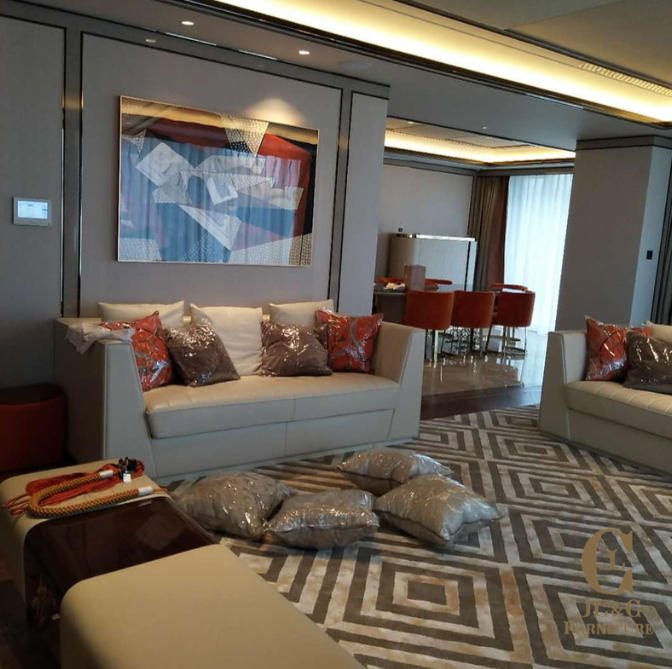

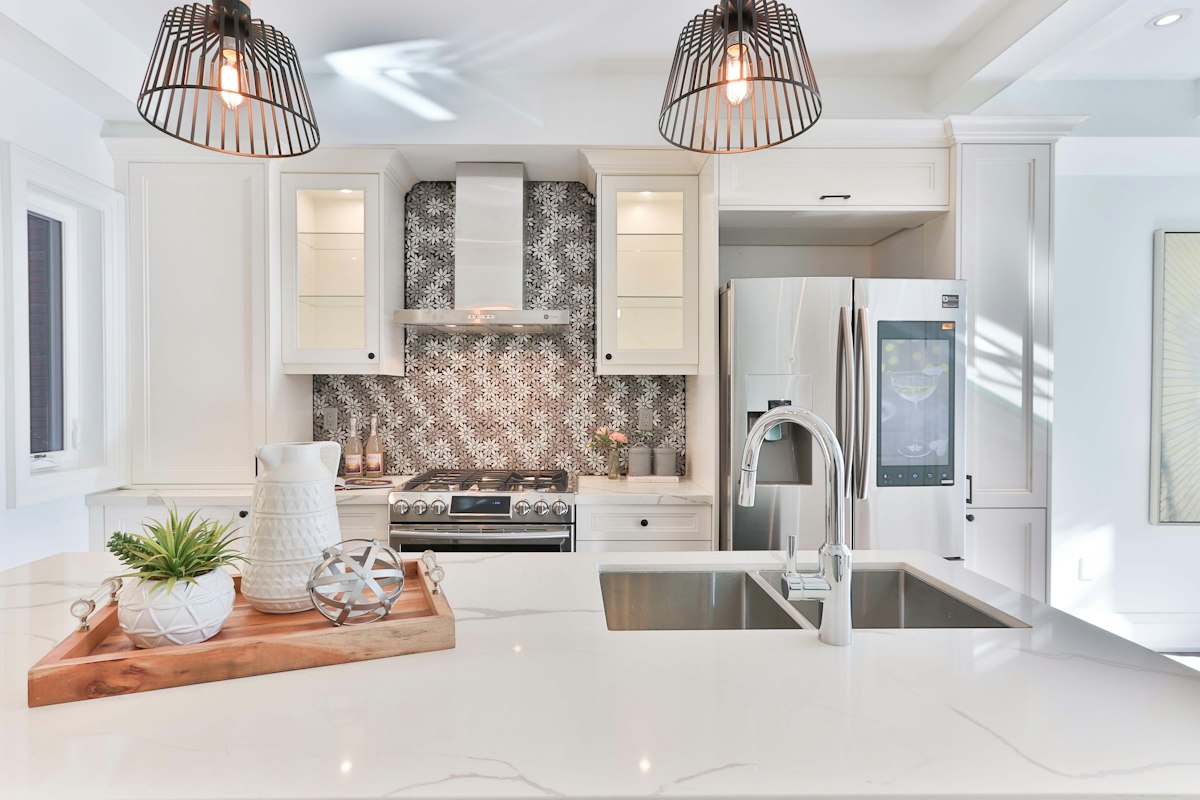 Education sector contract furniture — reading lounges, collaborative learning spaces, and student commons — represent one of the highest-volume, most predictable demand cycles in institutional procurement. Image: Unsplash
 Healthcare waiting environments demand furniture that passes clinical disinfectant compatibility testing, ADA compliance verification, and durability standards for high-frequency use — a specification complexity that rewards distributors with documented supplier credentials. Image: Unsplash
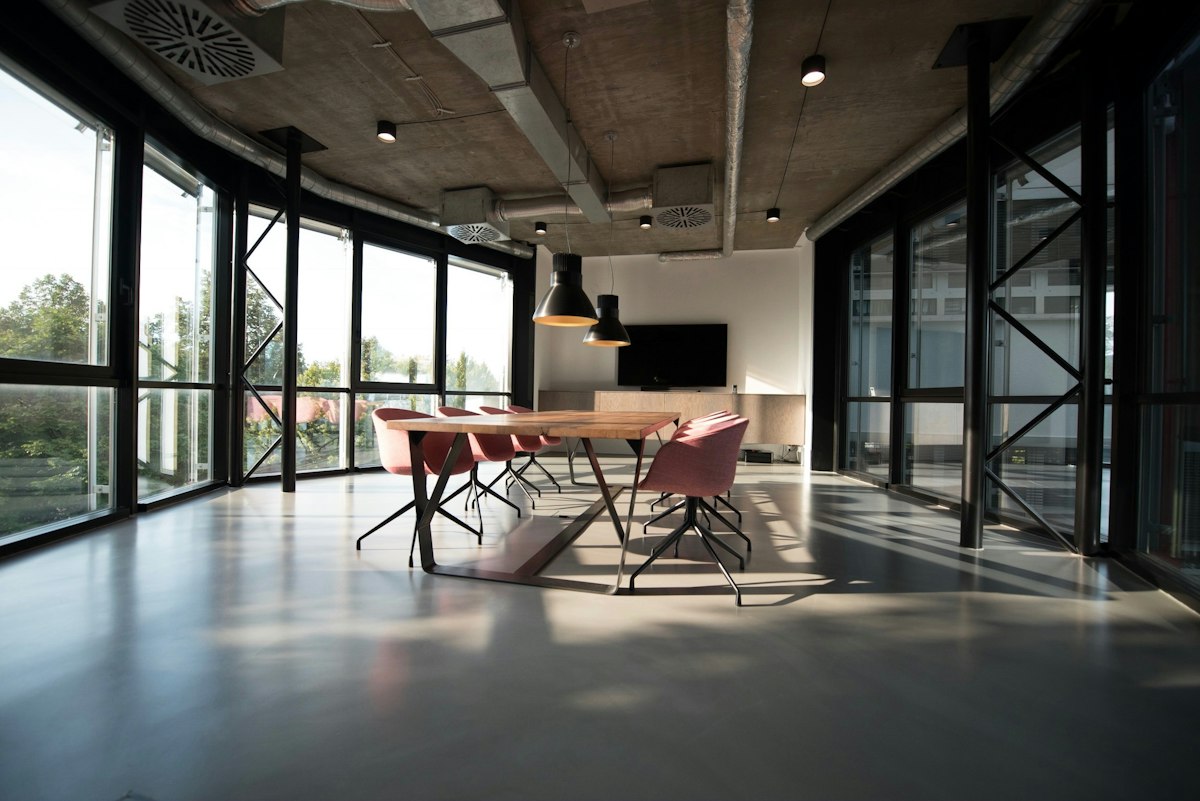 Corporate boardroom and executive workspace specifications — high-ticket, relationship-driven contract orders where product quality, delivery precision, and service depth define supplier selection. Image: Unsplash