أخبار الشركة

China Furniture Sourcing Agent: Roles for High-End Buyers
China Furniture Sourcing Agent Roles for High-End Buyers What a China Furniture Sourcing Agent Actually Does for High-End Buyers Every finished luxury room sits on

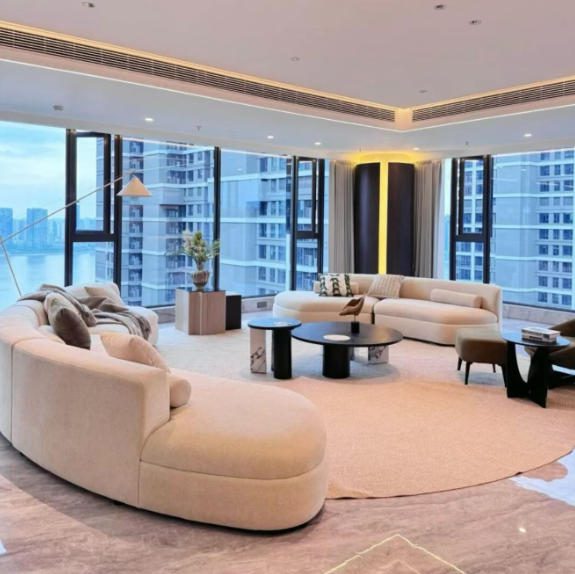

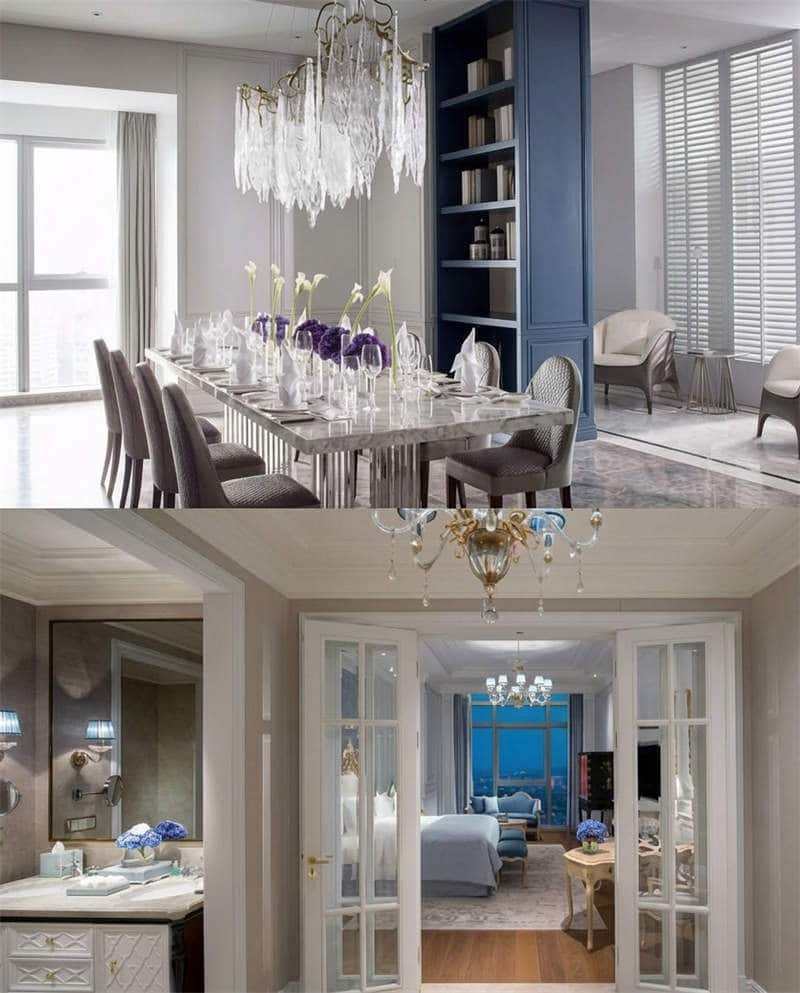
The gap between “made in China” and “designed in China for the world’s most discerning clients” has narrowed faster than most importers realize. This is what that shift looks like in a finished luxury interior.
Ten years ago, the phrase “high-end Chinese furniture” would have raised eyebrows in a Dubai showroom or a New York design studio. Today, it describes a $3.18 billion domestic luxury market — one that is projected to reach $4.05 billion by 2030 — and a global export story that has quietly transformed how the world’s most demanding clients furnish their homes, hotels, and commercial spaces.
This guide is not written for casual browsers. It is written for importers and distributors building differentiated product lines, interior designers specifying furniture for luxury villas and five-star hotels, FF&E buyers managing procurement for large-scale hospitality projects, and private label brand owners who need a manufacturing partner that can keep up with their ambitions.
If that describes you, the next ten sections will tell you what you need to know — and what most of your competitors do not yet understand.
China’s furniture manufacturing sector does not look the way it did in 2005. What began as a labor-cost arbitrage play — produce the same piece for less — has evolved into something more structurally significant: a design-and-manufacturing ecosystem that combines European-trained aesthetics, precision German and Italian equipment, and supply chain agility that no Western atelier can match.
The numbers reflect this shift. China’s furniture market was valued at $169.23 billion in 2026 and is growing at a 5.42% compound annual rate. Fixed asset investment in the furniture sector reached 320 billion yuan in a single year, with a significant portion directed at R&D modernization and design capability. More tellingly, China’s furniture export value has roughly doubled over the past decade — and critically, that growth has been driven not by volume alone, but by rising unit prices, which signals a consistent shift toward higher-quality, higher-margin production.
The manufacturing geography matters too. China’s three primary furniture hubs — Foshan (Guangdong province, home to the world’s largest furniture wholesale market at Lecong), Guangzhou (hosting CIFF, the world’s largest furniture trade fair), and Shanghai (design-forward, international-market-facing manufacturers) — offer distinct strengths. Foshan and Guangzhou are optimal for broad sourcing and competitive pricing on production runs. Shanghai-based manufacturers like JL&C Furniture tend to operate at the intersection of contemporary global design and meticulous quality execution, serving clients across 30+ countries with tailored collections for luxury residential, hospitality, and commercial projects.
The strategic advantages for importers sourcing from China’s premium tier are concrete and compounding. You are working with manufacturers who can turn a design brief into an approved sample in 10–15 days, scale production to any volume without sacrificing finish consistency, and ship directly to your warehouse, job site, or client’s residence with documentation for every major global market.
 The Japandi aesthetic — Japanese restraint fused with Scandinavian warmth — is commanding premium price points in villa and boutique hotel dining rooms across Europe, the Middle East, and North America.
The following design directions are not trend forecasts. They are drawn from what is currently being specified, ordered, and installed in luxury projects globally — and what forward-thinking Chinese manufacturers are producing at volume.
① Japandi Luxury combines Japanese wabi-sabi aesthetics (the philosophy of finding beauty in imperfection and simplicity) with Scandinavian warmth. The result: clean-lined solid walnut or white oak furniture with matte hand-oiled finishes, sculptural forms, and intentional material texture. Currently commanding 25–40% price premiums over standard contemporary pieces in European and North American markets.
② Neo-Classical Revival, Refined — not the heavy gold-leaf excess of the early 2000s, but a sophisticated reinterpretation using brushed champagne bronze hardware, hand-carved European oak, and restrained classical proportions. Particularly strong in Middle Eastern villa markets and luxury serviced apartment developments.
③ Curved Organics — sofas, armchairs, and case goods with soft, sculptural silhouettes drawn from 1970s Italian design references. Produced in premium bouclé, performance velvet, and leather. High demand among interior designers specifying for boutique hospitality and high-end residential renovations.
④ Biophilic Integration — furniture that incorporates live-edge timber slabs, woven natural fiber panels, stone and travertine inlays, and raw linen upholstery. Biophilic design (the principle that humans perform and feel better in environments that reference nature) has moved from niche trend to mainstream luxury specification, particularly for hotel guest rooms and villa living spaces.
⑤ Modular Contract-Grade Luxury — sectional sofa systems, configurable storage walls, and modular lounge seating engineered to BIFMA (Business and Institutional Furniture Manufacturers Association) commercial durability standards while maintaining the visual language of residential luxury. Increasingly specified for hotel lobbies, airport VIP lounges, and co-working premium spaces.
⑥ Dark Drama — furniture in ebonized oak, deep walnut, and matte-black metal frames. Rich, atmospheric, and highly photogenic. Strong demand in boutique hotel bedrooms and high-design residential projects targeting younger luxury clients.
⑦ Artisan Meets Industrial — hand-beaten brass tabletops on powder-coated iron frames, woven cane panels within lacquered wood case pieces, ceramic tile inlays in dining tables. The deliberate tension between handcraft and industrial process signals authenticity — a premium quality that the luxury market rewards.
⑧ Performance Outdoor Luxury — teak and aluminum seating with solution-dyed acrylic (Sunbrella-equivalent) upholstery rated for 100,000+ double rubs, engineered for coastal UV and salt-air exposure. Villa and resort operators in tropical and coastal regions represent the fastest-growing segment for this category.
⑨ Smart-Integrated Residential Furniture — beds with concealed under-mattress ventilation and wireless charging nightstands, dining tables with integrated slim-line power modules, TV units with cable management engineered for today’s AV stack. Over 300 hotels installed smart bedside consoles with integrated charging ports in 2024 alone — demand at the residential luxury tier is following the same trajectory.
⑩ Maximalist Art Pieces — limited-edition, collector-tier furniture treating individual pieces as sculptural objects. Hand-applied lacquer in complex color gradients, bronze casting, rare stone surfaces. Produced in small runs by design-focused Chinese studios for high-margin boutique designers and gallery-adjacent luxury retail.
Design Style Comparison Table
| Design Style | Primary Market | Key Materials | Typical Price Tier | Lead Time |
|---|---|---|---|---|
| Japandi Luxury | Europe, North America, Australia | Solid walnut/oak, matte finishes | Premium | 45–60 days |
| Neo-Classical Revival | Middle East, Southeast Asia | Carved oak, champagne bronze | Ultra-premium | 50–65 days |
| Curved Organics | Global luxury residential | Bouclé, velvet, leather | Premium | 40–55 days |
| Biophilic Integration | Hotel, villa, wellness | Live-edge timber, stone, linen | Premium–Ultra | 50–60 days |
| Modular Contract-Grade | Hospitality, commercial | Performance fabrics, engineered frames | Mid–Premium | 35–50 days |
| Dark Drama | Boutique hotel, high-design residential | Ebonized oak, matte black metal | Premium | 40–55 days |
| Performance Outdoor Luxury | Villa, resort, coastal hotel | Marine teak, aluminum, solution-dyed acrylic | Premium | 45–60 days |
| Smart-Integrated | Hotel, luxury residential | Mixed; electronics integration | Premium–Ultra | 55–70 days |
The demand signals coming from global luxury markets are consistent enough now to be treated as structural, not cyclical. Three themes dominate.
Biophilic Design has moved well past the indoor-plant-on-a-shelf definition. In 2025, leading hospitality developers are specifying furniture that itself references natural form — travertine-topped dining tables, rattan-woven headboards, live-edge console tables — because guest satisfaction data from wellness-focused hotels consistently shows that natural material environments improve perceived comfort and willingness to pay. When a hotel in Bali reports a 22% increase in positive guest reviews after a biophilic FF&E refresh, those results circulate through the industry quickly.
Multi-Functional Luxury is the response to shrinking footprints in premium urban real estate. A 200-square-meter serviced apartment in Singapore or Dubai needs furniture that does more than one thing — a daybed that converts cleanly to a sofa, a dining table that extends from four-person to eight, a storage ottoman that serves as both coffee table and media console. Chinese manufacturers have proven particularly agile at engineering multi-functional solutions at luxury finish standards, because they have been doing it for the domestic market for a decade.
Sustainable Opulence — the intersection of environmental responsibility and luxury positioning — is no longer a niche preference. Among the high-net-worth clients that villa owners, boutique hotel operators, and luxury importers serve, environmental credentials have moved from “nice to have” to purchase-influencing. A 2024 survey found that 22% of major companies in the luxury high-end furniture sector had made meaningful commitments to sustainable material sourcing. That percentage is rising, and clients notice the difference between a manufacturer who can provide FSC chain-of-custody documentation and one who cannot.
Chinese manufacturers serving export markets have adapted to these preferences with impressive specificity. The Middle Eastern market’s preference for bold classical forms and rich color palettes; the European luxury market’s orientation toward restrained materiality and craft visibility; the North American appetite for clean contemporary design with performance-grade durability — top-tier Chinese ateliers are designing to all three simultaneously, maintaining separate collection tracks for different regional briefs.

Eco-luxury is not about compromise — it is about sourcing materials whose provenance and production process add to, rather than detract from, the story your clients are buying.
The convergence of environmental compliance requirements and luxury positioning is producing a genuinely new category of furniture materials. Understanding these materials — what they are, what they deliver, and what they prove to your clients — is a competitive advantage for any importer or specifier.
FSC-Certified Solid Hardwoods carry Forest Stewardship Council certification, which verifies that the timber came from forests managed to social, environmental, and economic standards. For importers selling into European markets or to developers pursuing LEED (Leadership in Energy and Environmental Design) or BREEAM (Building Research Establishment Environmental Assessment Method) green building certifications, FSC documentation is increasingly required rather than preferred.
Recycled and Upcycled Metal Components — reclaimed brass, recycled aluminum frames, and steel with post-industrial content — are appearing in premium collections as material storytelling as much as environmental strategy. A dining table with a hand-beaten recycled brass apron is not just sustainable; it is unique.
Bio-Resins and Plant-Based Composites are replacing petroleum-based MDF binders and synthetic lacquers in the upper tier of Chinese production. These materials perform comparably to conventional alternatives while significantly reducing VOC (Volatile Organic Compound) emissions — a critical factor for WELL Building Standard certification (which focuses specifically on occupant health and comfort).
Low-VOC and Water-Based Finishes have been mandated in China’s domestic premium market for several years and are now standard practice at quality Chinese manufacturers. For importers targeting markets where indoor air quality standards are legislated — California (CARB Phase 2 compliance), Germany (AgBB criteria), and increasing WELL-certified developments globally — this is documentation you should request and verify.
Responsible Natural Fibers — Oeko-Tex certified linen, recycled polyester performance fabrics, and naturally tanned leathers — are increasingly the upholstery standard at the luxury tier. The Oeko-Tex Standard 100 (a textile certification testing for harmful substances) is the baseline; leading manufacturers are now working toward Global Organic Textile Standard (GOTS) certification for higher-specification sustainable projects.
Material Compliance Reference Table
| Material/Finish | Relevant Certification | Market Requirement |
|---|---|---|
| Solid hardwood | FSC Chain of Custody | LEED v4, BREEAM, EU Timber Regulation |
| Composite panels | CARB Phase 2 (formaldehyde) | USA, California mandatory; Canada recommended |
| Surface finishes | Low-VOC / AgBB-tested | WELL Building Standard, German market |
| Upholstery fabrics | Oeko-Tex Standard 100 | European market standard |
| Leather | Restricted Substances List (RSL) | REACH compliance, EU market |
| Structural metal | Recycled content documentation | LEED Materials & Resources credits |
The furniture market’s most durable competitive advantage is not price — it is uniqueness. If your clients can find the same piece in three other showrooms, you are competing on margin. If they can only find it from you, you are competing on value.
Chinese manufacturers at the premium tier have built their business models around this reality. OEM (Original Equipment Manufacturer — producing to your specification) and ODM (Original Design Manufacturer — adapting existing designs for your label) services are standard capabilities at quality Shanghai and Foshan factories. The practical question for importers is how to structure these arrangements effectively.
MOQ (Minimum Order Quantity) parameters at the luxury tier are more flexible than most importers expect. Prototyping runs of 1–5 pieces are standard for design approval. Initial production runs of 10–20 units per SKU are common for high-margin luxury items. For volume hospitality projects — 200 rooms requiring identical FF&E specifications — production schedules are built around the project timeline, not the manufacturer’s convenience.
Lead times in real-world production: sample development typically requires 10–15 days from design sign-off and material confirmation. Mass production runs range from 25–45 days depending on volume, material sourcing complexity, and finish specification. Total timeline from brief to delivery at destination port: plan for 10–14 weeks including shipping.
IP protection is a legitimate concern and one that serious manufacturers address directly. The mechanisms include: NNN (Non-Disclosure, Non-Use, Non-Circumvention) agreements registered in China’s legal system (these are more enforceable than standard NDAs in Chinese courts), design patents filed with China’s National Intellectual Property Administration, and exclusivity clauses in supply agreements that restrict the manufacturer from selling identical pieces to competitors in your territory.
Real-world private label success follows a consistent pattern: a European luxury distributor works with a Shanghai manufacturer to develop an exclusive dining collection in finishes and dimensions not available in the standard catalog, registers the design in key markets, and launches the line under their own brand — competing directly with Italian brands at a 35–45% lower landed cost with comparable finish quality. That model is not theoretical; it is how several of the most successful mid-tier luxury furniture brands in Northern Europe currently operate.
JL&C Furniture’s custom and private label capabilities cover the full spectrum of these scenarios — from single-prototype development through to complete collection co-design with proprietary finishes and branded packaging. Their 20-year track record serving clients across 30+ countries provides the production infrastructure and design language to support brand differentiation at any scale.
The single most common complaint from importers who have had negative experiences with Chinese furniture is not pricing — it is inconsistency. A first container that arrives beautifully, and a third that has visible finish variations, hardware misalignments, or upholstery defects. This failure mode has a specific cause: it means the manufacturer’s quality control process is not systematized. It is dependent on individual attention rather than embedded checkpoints.
Elite Chinese manufacturers use a multi-stage quality control framework that makes consistency structurally reliable rather than individually dependent.
Stage 1 — Incoming Quality Inspection (IQI): All raw materials — solid wood, engineered panels, hardware, fabrics — are inspected against specification before entering the production line. This is where substandard material is caught before it costs production time.
Stage 2 — In-Process Quality Control: Checkpoints embedded at critical production stages: structural assembly and joinery, surface treatment and lacquer application, upholstery and stitching, hardware installation and alignment. Non-conforming pieces are flagged immediately rather than discovered at the end of a production run.
Stage 3 — Final Product Inspection: Every finished piece is evaluated against dimensional specifications, structural integrity criteria, surface finish quality, and aesthetic compliance before approval for packing. This stage is where third-party inspection (SGS, Intertek, Bureau Veritas) can be inserted at the importer’s request — a process that experienced importers build into their procurement contracts as standard.
Stage 4 — Protective Packing and Documentation: Product-specific packaging — custom-cut foam inserts, corner guards, fabric wrapping for upholstered pieces — designed to protect against shipping damage, not just to meet standard freight requirements. Complete packing lists and quality documentation ship with every order.
For importers scaling toward higher volumes, the pre-shipment inspection clause in your purchase agreement is the single most effective risk management tool available. It costs typically 0.3–0.5% of order value and eliminates the much more expensive problem of receiving and returning a container of substandard goods.
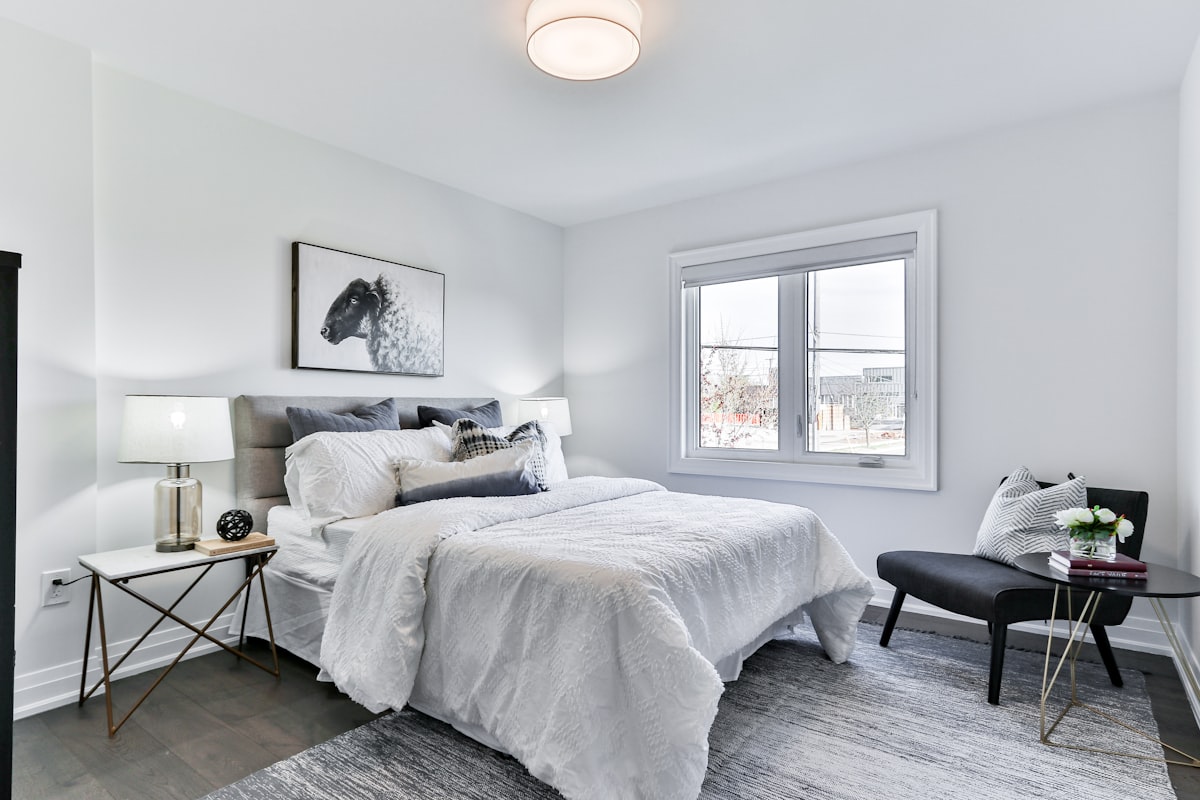 Pre-shipment inspection is not bureaucracy — it is the moment when a container either earns your trust or reveals a problem you need to solve before it crosses an ocean.
Supply chain failure in furniture importing is rarely dramatic. It is the accumulation of small inefficiencies: a documentation error that delays customs clearance by two weeks, a missing compliance certificate that triggers a port inspection, a mismatch between declared and actual dimensions that pushes a container into a higher tariff bracket. Each individual issue is manageable; compounded across a project timeline, they become budget and client-relationship problems.
The following framework reflects how experienced importers minimize these failure modes.
Sea Freight Fundamentals: Full Container Load (FCL) is the standard for luxury furniture importers shipping in volume — it eliminates co-mingling with other shippers’ goods and reduces handling damage risk. LCL (Less than Container Load) consolidation is cost-effective for smaller orders but increases transit time and handling exposure. For a 40-foot container of luxury furniture from Shanghai to the US East Coast, budget for 18–25 days transit time; to Europe, 25–30 days; to the Middle East via Jebel Ali, 20–25 days.
Customs Documentation Essentials: The documents that most commonly cause clearance delays when incomplete or inaccurate are: commercial invoice with accurate HS (Harmonized System) codes, packing list with individual piece dimensions and weights, bill of lading, certificate of origin, and compliance documentation (CARB, REACH, FSC, as applicable to destination market). Request these from your manufacturer at production approval, not at shipping date.
Bonded Warehouses: For importers managing multiple projects simultaneously, a bonded warehouse (a facility where goods can be stored without import duties being paid until the goods are released into the domestic market) allows flexibility in timing deliveries to project schedules, reducing holding costs and avoiding the risk of on-site storage damage before installation.
Just-in-Time Delivery for Hospitality Projects: Hotel FF&E delivery is typically staged — public areas before guestrooms, guestrooms in floor-by-floor sequence. Coordinate your manufacturing schedule to production completions that align with installation stages, not to a single consolidated ship date. This approach typically requires a manufacturer with genuine production visibility and communication infrastructure — not all Chinese factories operate this way, but premium manufacturers do.
Tariff Considerations: US importers should maintain awareness of Section 301 tariff schedules on Chinese furniture imports; these vary by HS code and have been subject to revision. Consulting a licensed customs broker before finalizing landed cost calculations is standard practice, not optional diligence.
These scenarios are drawn from the documented patterns of successful import operations — the structural decisions and processes that produce consistently strong outcomes.
Case Study 1: U.S. Luxury Distributor Scaling with Exclusive Collections
A mid-size luxury furniture distributor operating in the Northeast United States had built their business around European-sourced inventory. Margins were acceptable but not exceptional; their product range largely overlapped with three competitors in their market.
They engaged a Shanghai manufacturer with an in-house design studio to develop an exclusive dining collection — eight pieces in dimensions and finish combinations not available in the standard catalog. They registered the core silhouettes as design patents in the US market and signed a territorial exclusivity agreement with the manufacturer. The collection launched under their own label at price points 30% below comparable Italian pieces, with comparable finish quality verified through third-party testing.
Within 18 months, the private label collection represented 40% of their revenue and 60% of their margin. Their European suppliers remain part of the portfolio — but they no longer drive the business.
Case Study 2: Dubai Interior Design Firm Specifying Chinese-Made Custom Pieces
A Dubai-based interior design firm specializing in ultra-luxury villa projects had been sourcing furniture from Italy, France, and the UK — long lead times, limited customization, and significant airfreight costs for samples. A client project with an aggressive timeline and a specific neo-classical brief required pieces that simply did not exist in the standard European catalogs.
They partnered directly with a Shanghai manufacturer for the first time, working through a detailed CAD-based brief and approving samples within three weeks. The finished pieces — custom bedroom casegoods in hand-rubbed antique white lacquer with gilded hand-carved details — arrived on time and within specification. The client could not identify them as Chinese-made. They subsequently built a preferred supplier relationship for five consecutive villa projects.
Case Study 3: Hotel Operator Reducing FF&E Costs Without Sacrificing Standards
A regional boutique hotel operator managing a portfolio of eight properties across Southeast Asia was facing rising FF&E costs that were compressing development margins. Their previous approach — European specification with Asian-made execution through a trading company — was producing inconsistent quality and poor communication on lead times.
They transitioned to a direct relationship with a quality Chinese manufacturer with documented hospitality project experience. By eliminating the trading company intermediary, maintaining the same design specification, and using a third-party pre-shipment inspection protocol, they reduced landed FF&E costs by approximately 28–32% while maintaining the visual and quality standard their brand positioning required. On a 120-room property, that differential represents a material improvement to project economics.
The following video provides a direct look at the emerging design directions coming out of China’s most design-forward furniture producers in 2025 — directly relevant to what importers and designers are specifying today:

A practical walkthrough of the three dominant design and material trends reshaping China’s premium furniture output — and what they mean for global importers and designers.

This level of finish consistency — identical across 80 guestrooms — is the output of a systematic manufacturing partnership, not a lucky first order.
The Chinese furniture manufacturing landscape includes thousands of factories at every quality tier. The challenge is not finding a manufacturer — it is finding the right one and verifying that their real-world capability matches their marketing presentation. The following framework is drawn from how experienced importers and FF&E buyers actually conduct this process.
Certification Baseline: Before visiting or requesting samples, verify the following documentation exists and is current: ISO 9001 (quality management system certification), FSC Chain of Custody (if sustainable wood sourcing matters to your market), BSCI (Business Social Compliance Initiative — labor and social standards audit), and relevant product safety certifications for your destination market (CARB Phase 2, REACH, EN 1728 structural testing for seating, etc.). A manufacturer who cannot produce these on request is not operating at the tier you need.
Portfolio Review: Request project references with client contacts — not just photography. Premium manufacturers serving international clients will have verifiable references from hotel groups, design firms, and distribution partners who can speak to real-world quality consistency and supplier communication. Look specifically for references from clients in your market segment; a manufacturer with strong residential references may not have the contract-grade production protocols your hospitality project requires.
Factory Audit: For any manufacturer you intend to place significant volume with, a physical factory audit — either conducted by your own team or through a third-party audit firm — is non-negotiable. The audit should cover: production capacity and current order book, raw material storage and quality inspection protocols, in-process quality checkpoints, worker skills and supervision ratios, and waste management practices. The China Makers Hub factory audit framework provides a useful 27-point checklist as a starting reference.
The Red Flags That Matter:
Building the Partnership: The manufacturers who deliver the best long-term outcomes for importers are those who are treated as partners rather than vendors. This means sharing your market context — what your clients value, what your competitive position requires, what your quality non-negotiables are — so that the manufacturer can solve problems proactively rather than reactively. It means visiting the factory at least once a year. And it means being the kind of client that a quality manufacturer wants to prioritize — which typically means clear briefs, timely approvals, and professional payment behavior.
The JL&C Furniture reliable supplier evaluation guide provides a detailed reference for this vetting process, including specific credentials and audit criteria to apply when evaluating potential manufacturing partners.
The most valuable competitive positioning is not reacting to trends — it is anticipating them early enough to build them into your product line before they are obvious. The following developments are currently at the leading edge of China’s premium furniture sector and will reach mainstream luxury specification within the next 24–36 months.
AI-Assisted Design and Customization is moving from R&D to commercial application. Chinese manufacturers are integrating AI-driven design tools that allow clients to specify dimensions, finishes, and material combinations through parametric input systems — receiving rendered visualizations and production-ready technical drawings within hours rather than weeks. For importers serving clients who demand high customization with fast turnaround, this capability will become a sourcing selection criterion.
Modular Smart Furniture Systems built around the concept of reconfigurability are gaining rapid traction. Sofa systems that can be reconfigured from lounge to dining orientation, storage walls that adapt to room function changes, bed frames with integrated climate control and lighting systems — these products are transitioning from prototype to production at leading Chinese manufacturers and will be the specification standard for luxury urban residential projects by 2027.
Climate-Responsive Materials — engineered for specific environmental conditions rather than assuming controlled interiors — are a growing category driven by the expansion of luxury villa and resort development into challenging climates. Anti-corrosion aluminum alloys, high-density teak alternatives with identical aesthetic profiles and superior durability, and UV-stable outdoor upholstery that maintains color integrity for 10+ years are all commercially available today from Chinese producers. Importers serving coastal, tropical, or high-altitude resort markets should be building these specifications into their vendor conversations now.
Circular Design and End-of-Life Recoverability — furniture designed to be disassembled into recoverable material streams at the end of its useful life — is emerging as a specification requirement in European institutional markets (hotels pursuing ESG-aligned development reports, WELL-certified commercial interiors) and will migrate to the private luxury market within five years. Chinese manufacturers working with European development clients are already building this capability.
Design-Forward Collaboration with Chinese Design Studios — institutions like Design Shanghai, PINWU Design Studio, and the growing community of internationally trained Chinese designers working in Shanghai and Beijing — will increasingly produce the kind of original design intellectual property that global luxury importers want to bring to their markets. The early adopters who build relationships with these studios now will have access to collections that their competitors will be trying to source two years later.
For a practical resource on staying ahead of this curve through strategic sourcing, the JL&C Furniture ultimate buying guide for luxury importers consolidates the key decisions — from manufacturer selection through to import compliance — into a single actionable reference.
| Metric | Value | Source / Context |
|---|---|---|
| China luxury furniture market (2024) | USD $2.89 billion | Growing to USD $3.92B by 2032 |
| China furniture market total (2026) | USD $169.23 billion | CAGR 5.42% to 2031 |
| CIFF 2024 exhibitors | 4,700+ | 11.8% more than all-time pre-2024 record |
| CIFF 2024 exhibition space | 850,000 m² | Largest furniture fair globally |
| Typical cost saving vs. European luxury | 30–50% | Equivalent quality tier, verified |
| Standard production lead time (premium) | 45–60 days | Mass production, full customization |
| Total timeline: brief to destination port | 10–14 weeks | Including shipping and QC |
| JL&C Furniture countries served | 30+ | Shanghai-based manufacturer, 20+ years |
Are Chinese-made high-end furniture pieces truly comparable in quality to European luxury brands? The honest answer is: at the premium manufacturing tier, yes — with important nuances. Leading Chinese manufacturers now operate German CNC machinery, source Italian hardware (Blum, Häfele, Salice), use the same FSC-certified European oak as Italian ateliers, and apply hand-finishing techniques trained to European standards. The 30–50% landed cost advantage is real and structurally sustainable, because it reflects labor cost differentials and supply chain efficiency rather than material or process compromise. The critical variable is which manufacturer you choose — the spread between the best and worst in China is wider than in Italy, which is why vetting rigor matters so much.
How can I ensure the furniture I import meets international safety and environmental standards? Request the full compliance documentation package before placing your production order: SGS or Intertek test reports for structural integrity (EN 1728 for seating, EN 1730 for tables), fire resistance certification (BS 5852 for UK, California TB 117 for the US), VOC emissions testing (CARB Phase 2, AgBB), and REACH compliance statement. Reputable manufacturers maintain these documents as standard and can provide them within 24–48 hours of request. If a manufacturer is slow or evasive on compliance documentation, that is diagnostic information about how they manage quality generally.
What is the typical MOQ for custom or private label luxury furniture from China? Prototyping: 1–5 pieces, typically at a cost premium of 30–50% over production pricing due to setup time. Initial production runs: 10–20 units per SKU for luxury residential pieces; 50–100 units for contract-grade hospitality items. Volume orders: negotiated by project. Elite suppliers offering bespoke or limited-edition pieces may work with even lower minimums where the per-unit margin justifies the production complexity.
Can I customize dimensions, fabrics, and finishes to match my specific project specifications? Yes — and this is one of the primary reasons experienced importers and interior designers work directly with Chinese manufacturers rather than through standard catalog supply chains. Leading factories integrate CAD/CAM (computer-aided design and manufacturing) workflows that can accommodate non-standard dimensions with the same precision as standard production. Fabric and finish customization is standard practice; most premium manufacturers maintain extensive material libraries and can source outside those libraries for project-specific requirements.
How long does production and shipping take for a container order of luxury furniture? The standard professional timeline: sample approval 10–15 days, mass production 45–60 days, sea freight to US East Coast/Europe 18–28 days, customs clearance 3–7 days. Total from production confirmation to delivered at destination: plan 12–14 weeks. Projects with hard installation deadlines should add a 2-week buffer and communicate that timeline clearly at the manufacturing agreement stage.
What are the biggest risks when importing high-end furniture from China, and how can I mitigated them? The three most significant risks, in order of frequency: (1) quality inconsistency between samples and production — mitigated by third-party pre-shipment inspection; (2) communication failures on specification changes mid-production — mitigated by documented written approval protocols for any change requests; (3) logistics delays caused by documentation errors — mitigated by working with a freight forwarder experienced in furniture imports who reviews documentation before booking. All three risks are manageable with professional process; none are inherent to sourcing from China.
Do Chinese manufacturers offer exclusive design rights or territorial protection for importers? Yes — and this is a standard commercial arrangement at the premium tier. Territorial exclusivity agreements (restricting the manufacturer from selling an identical design to competitors in your market) are enforceable in Chinese contract law when properly drafted. Design patents registered with China’s CNIPA (China National Intellectual Property Administration) provide stronger protection for original designs co-developed with manufacturers. For high-value exclusive collections, engage a lawyer experienced in Chinese IP before finalizing the arrangement.
How do I verify the authenticity of a luxury furniture supplier in China? The most reliable verification sequence: confirm physical factory address and conduct a virtual or in-person factory walk; request video documentation of active production; verify certifications with issuing bodies directly (FSC, ISO certificates have online verification tools); contact client references and speak with them directly rather than relying on written testimonials; check business registration through China’s National Enterprise Credit Information Publicity System (available online in English). Avoid suppliers who operate only as trading companies with no disclosed manufacturing relationship.
Can I visit the factory in person to inspect production and meet the design team? Yes — and this is strongly recommended for any supplier relationship you intend to scale. Premium manufacturers in Shanghai, Foshan, and Guangzhou regularly host client visits and have professional facilities for doing so. A factory visit allows you to assess production scale, workforce skills, material storage and quality practices, and the design team’s real capabilities — none of which are fully visible through digital communication. The investment in a sourcing trip typically pays back within the first production order.
Are smart or multifunctional furniture designs from China reliable for high-end residential and hospitality use? The reliability question comes down to the components and the testing protocols, not the country of origin. Top Chinese manufacturers integrating smart furniture functionality use internationally trusted hardware components — Blum lifting mechanisms, Häfele electrical systems, custom IoT modules with UL or CE certification — and conduct cycle testing to commercial durability standards (BIFMA X5 series for seating, furniture-specific fatigue testing for mechanisms). Over 300 hotels installed smart bedside consoles with integrated charging and control systems in 2024 alone. The category is proven; the selection criterion is manufacturer quality and component specification.
What payment terms are standard when working with high-end Chinese furniture manufacturers? Industry-standard terms: 30–50% deposit on order confirmation, balance (50–70%) before shipment after pre-shipment inspection is passed. For larger orders (full container or multi-container), Letters of Credit (LC) and escrow arrangements through established trade finance providers are available and often preferred by both parties as they protect both buyer and seller simultaneously. Avoid any manufacturer who requests 100% payment upfront before sample approval or production evidence.
Can Chinese manufacturers produce furniture that aligns with Western, Middle Eastern, or Asian interior design aesthetics? The leading manufacturers — particularly those who have been exporting to multiple markets for 10+ years — have design teams that are either internationally trained or have accumulated substantial project experience across regional preferences. Neo-classical with gold and deep jewel tones for Middle Eastern villas; restrained Japandi minimalism with natural materiality for Scandinavian and Japanese buyers; bold contemporary with performance-grade durability for North American hospitality: these are not theoretical capabilities but documented production histories. The key verification point is reviewing a manufacturer’s actual project portfolio for your target aesthetic, not just their general marketing imagery.
Is it possible to co-develop a new furniture collection with a Chinese manufacturer? Yes — and for importers and brand owners building long-term competitive positioning, co-development is often the highest-value engagement model available. Leading Chinese manufacturers maintain in-house R&D and design teams who are accustomed to working from mood boards, material references, and functional briefs to produce original designs. Co-development agreements typically include joint IP ownership terms, exclusivity provisions, and development cost structures that reflect shared risk and shared upside. The JL&C Furniture custom project process is built around exactly this model — from initial brief through approved prototype and into production, with the design team working as a collaborative partner rather than a passive producer.
How do I stay updated on the latest luxury furniture trends emerging from China? The most direct route is attendance at the China International Furniture Fair (CIFF) in Guangzhou — the world’s largest furniture trade event, with 4,700+ exhibitors across 850,000 square meters, serving as the primary pulse-check for where Chinese design is heading. Supplementary sources include Design Shanghai (curated contemporary design), following key Chinese design studios and manufacturers on LinkedIn and WeChat, subscribing to trade publications like Surface & Panel and Furniture Today for China market reporting, and maintaining active dialogue with your manufacturing partners about their design pipeline.
Want to explore what a direct manufacturing partnership could do for your portfolio? Browse JL&C Furniture’s full collection or connect with their team in Shanghai to discuss your specific sourcing requirements, private label possibilities, or project FF&E brief.

China Furniture Sourcing Agent Roles for High-End Buyers What a China Furniture Sourcing Agent Actually Does for High-End Buyers Every finished luxury room sits on
How to Vet a China Furniture Sourcing Agent Before Signing A single curved sofa like this goes through dozens of approvals, including frame, foam, fabric
China Furniture Sourcing Agent vs Direct Factory Buying: A Strategic Guide for High-Value Buyers When one project includes 400 hotel rooms, a 20-seat marble dining
Advanced Tips to Get More from Your China Furniture Sourcing Agent Powerful Strategies for High-Performance Sourcing – Tailored for Elite Buyers, Designers & Operators Your
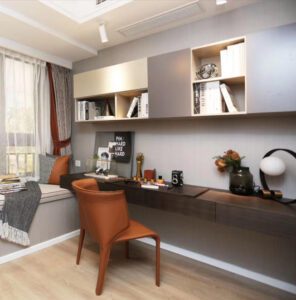
What Wholesale Furniture Suppliers in China Can Offer High-Value Buyers A statement luxury living room — the kind of space that begins with the right
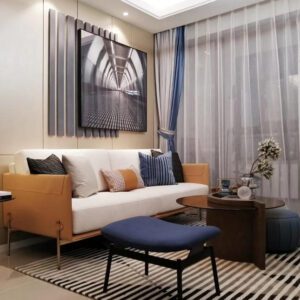
How to Work Better With Your China Furniture Supplier After Ordering A Practical Playbook for High-End Furniture Importers, Interior Designers, FF&E Buyers, Villa Owners, Private