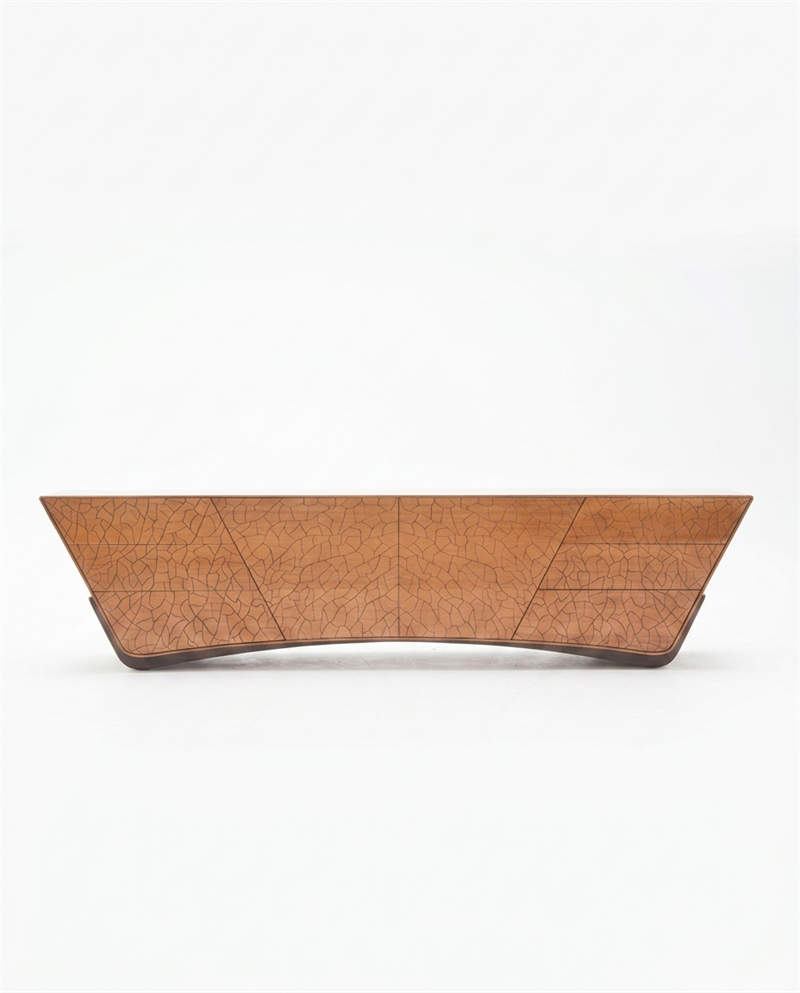
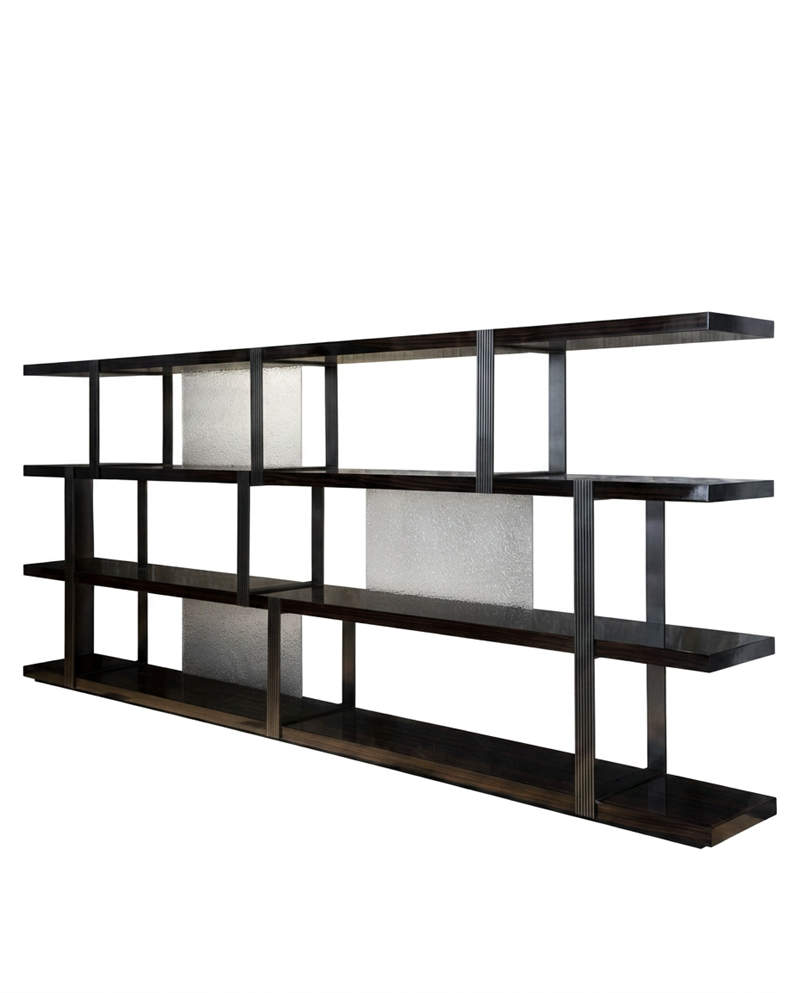

أخبار الشركة

China Furniture Sourcing Agent: Roles for High-End Buyers
China Furniture Sourcing Agent Roles for High-End Buyers What a China Furniture Sourcing Agent Actually Does for High-End Buyers Every finished luxury room sits on

Tailored for High-End Importers, Designers, Developers & Luxury Project Stakeholders
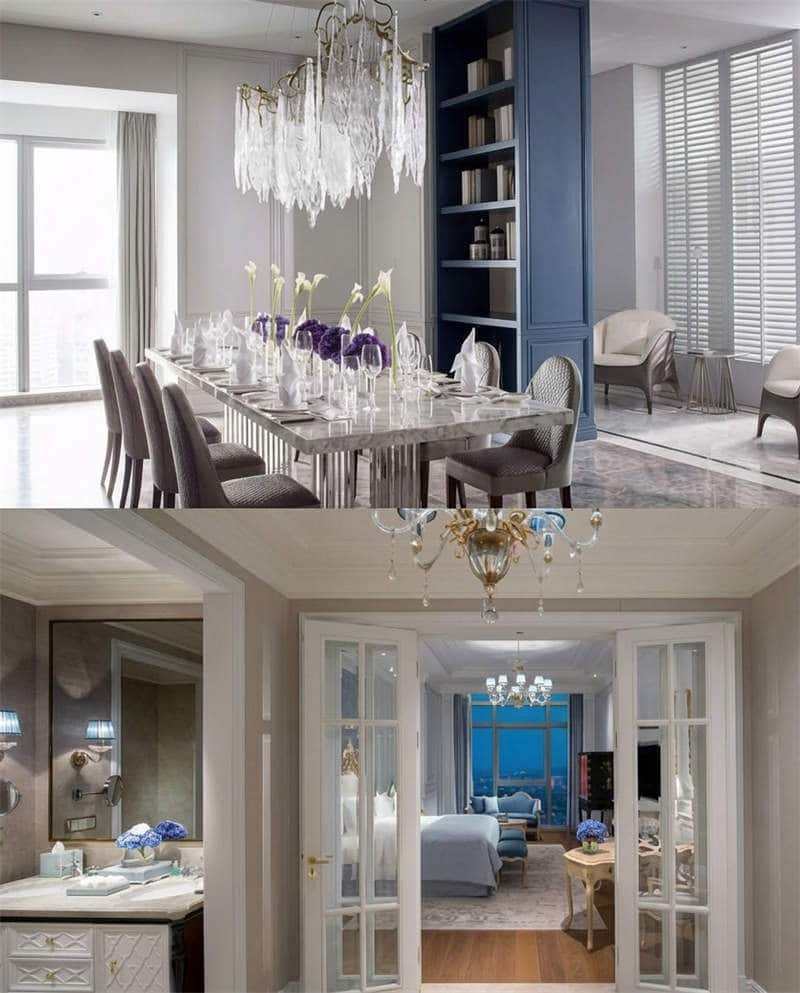
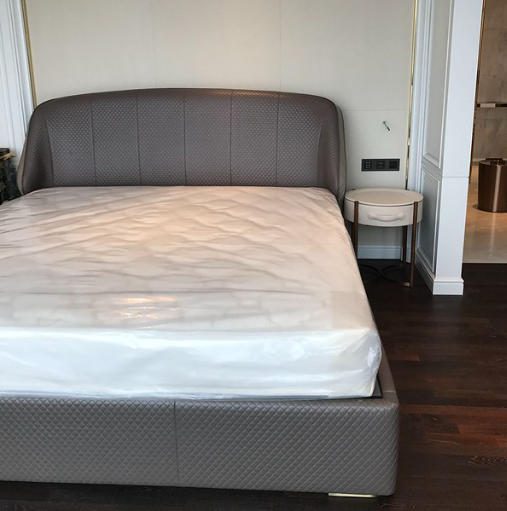
 A bespoke FF&E installation in a five-star hotel property — the result of an exacting supplier selection process.
Introduction: Why Supplier Selection in Foshan Matters for Premium Projects
You have already committed to the vision. The renders are approved. The client has signed off on the mood board. Now comes the part that can make or break a luxury project entirely — choosing the manufacturer who will transform that vision into physical furniture, delivered on time, on spec, and without compromise.
For high-end furniture importers, villa developers, hospitality FF&E buyers, and interior design firms operating at the top of the market, the supplier decision is not a procurement formality. It is a strategic risk management exercise. A single delivery of off-spec sofas to a 200-room Marriott property — wrong foam density, wrong stitching pitch, wrong stain on the veneer — can cascade into penalty clauses, brand reputation damage, and a sourcing relationship that unravels before the project even opens its doors.
This guide exists because that margin for error is exactly zero.
Foshan, located in Guangdong Province, is the undisputed manufacturing capital of the global furniture industry. In 2024, the city’s furniture sector generated an annual output value exceeding USD 143 billion, with over 30,000 enterprises — 7,000 of which are manufacturers — exporting to more than 100 countries. Those numbers sound like volume manufacturing. But within that ecosystem lives a quieter, more sophisticated tier: elite OEM/ODM factories that produce for European luxury houses, supply furniture to Hilton and IHG properties across three continents, and custom-engineer entire hospitality interiors from a single technical brief.
The challenge is not finding a Foshan supplier. The challenge is finding the right one — and this guide gives you the decision-making framework to do exactly that.
Understanding Foshan’s Furniture Ecosystem: Beyond Mass Production
The single most costly misconception about Foshan is that it produces only low-cost, high-volume commodity furniture. That is the noise. The signal is far more nuanced, and knowing where to look changes everything.
Foshan’s furniture industry is organized around two primary industrial clusters, each with a distinct function in the supply chain ecosystem.
Lecong — officially designated as a 4A-rated commercial district — is home to the world’s largest furniture market, a corridor spanning more than 300 million square meters, roughly equivalent to 420 professional football pitches. This is where designers, distributors, and buyers come to view finished products, negotiate specifications, and initiate sourcing relationships. Lecong functions as the industry’s commercial face: showrooms, trade offices, and design studios line the famous “Ten-Mile Furniture Corridor,” offering everything from classical European reproductions to strict modernist collections.
Longjiang, by contrast, is the production engine. This is where approximately 7,000 factories operate across a dense industrial network supported by 26,000+ registered proprietary brands. Longjiang specializes in solid wood cabinetry, custom upholstery, structural joinery, and the kind of bespoke fabrication that high-specification luxury projects demand. The reason Foshan’s production costs remain globally competitive — even at premium quality tiers — is the hyper-localized supply chain: more than 90% of raw materials are sourced within Guangdong Province, meaning a component supplier is typically less than one hour’s drive from the factory floor.
For professionals sourcing for high-end residential villas, boutique hotels, or branded luxury developments, the factories that matter are those operating in the upper tier of Longjiang’s manufacturing ecosystem: facilities with in-house CAD/3D rendering departments, climate-controlled finishing rooms, and production capacities calibrated for low-volume, high-specification, design-sensitive orders.
JL&C Furniture operates precisely within this tier — not the mass market, but the curated layer of Foshan manufacturing where craftsmanship, compliance, and customization converge.
 Precision solid-wood dining furniture for a private villa project — the kind of work that demands a manufacturing partner, not just a vendor.
Quality Benchmarking: How to Evaluate Craftsmanship & Materials
When a luxury furniture buyer talks about “quality,” they are using a word that needs to be unpacked into measurable, testable criteria. Vague assurances from a factory’s sales team mean nothing. Certifications, sample inspections, and material data sheets mean everything.
Here is how to evaluate quality at the level that premium projects require.
Joinery Techniques
The structural integrity of a piece of furniture lives or dies in its joinery. For solid wood casegoods and frames, look for mortise-and-tenon joints — not dowel, not pocket screw — at primary stress points. Dovetail joinery in drawer boxes signals genuine craftsmanship. Ask the factory to show you an exposed joint on a sample unit. A factory confident in its build will do this immediately. One that hesitates is telling you something important.
Wood Grading and Material Traceability
For solid timber pieces, request the species, grade classification, and moisture content data (furniture-grade wood should be kiln-dried to 6–8% moisture content for dimensional stability in air-conditioned interiors). Premium suppliers will provide FSC (Forest Stewardship Council) certification, which confirms timber is sourced from responsibly managed forests. For panel-based components, insist on CARB2 (California Air Resources Board Phase 2) compliance — this limits formaldehyde emissions from engineered wood panels, a non-negotiable standard for the US market and increasingly for EU imports.
Upholstery Fabric Durability
For contract and hospitality applications, fabric durability is measured in Martindale rub cycles — a standardized abrasion test developed in the 1940s and still the industry benchmark in Europe and the UK. The numbers matter:
For hospitality projects, always specify flame-retardant fabrics meeting BS 5852 (UK) or California TB117-2013 (US) standards. A supplier that cannot provide test certificates for their fabric suppliers should not be handling your hotel FF&E.
REACH Compliance
The REACH regulation (Registration, Evaluation, Authorisation and Restriction of Chemicals) is the EU’s chemical safety framework. It restricts over 200 hazardous substances in furniture finishes, coatings, and treated fabrics. If you are importing into Europe, your supplier must be REACH-compliant — full stop. Request test reports from accredited laboratories, not self-declarations.
Pre-Production Sample Inspection Checklist
Before signing off on production, every luxury buyer should evaluate a physical pre-production sample against the following:
| Evaluation Criterion | What to Look For | Red Flag |
|---|---|---|
| Frame joint integrity | No movement under hand pressure | Creaking, visible gaps |
| Foam density (seats) | 38–45 kg/m³ for premium contract | Soft collapse under light pressure |
| Finish consistency | Uniform sheen, no swirl marks | Brush streaks, orange-peel texture |
| Fabric alignment | Pattern match at seams | Misaligned repeat, puckering |
| Hardware operation | Smooth drawer glide, zero rattle | Stiff action, loose tolerances |
| Protective packaging | Corner protection, custom crating | Generic polyfoam only |
Pricing Transparency: Avoiding Hidden Costs in Luxury Sourcing
One of the most dangerous scenarios in luxury furniture sourcing is this: a buyer receives a quote from a Foshan factory that is 30% below every other offer. The purchase order gets signed. Six months later, the furniture arrives with a veneer that delaminates after two weeks in a humidity-controlled room, and the re-order for replacements comes at triple the original price because production slots are now allocated elsewhere.
Price in luxury sourcing is not just a cost — it is a signal.
The cost of building a premium piece of furniture is largely determined by inputs that cannot be faked: solid hardwood versus engineered veneer over MDF, genuine cowhide versus bonded leather, hand-applied lacquer versus spray-and-ship finishes. A factory quoting significantly below market rate for a specification you have defined in detail is either substituting materials, compressing labor time, or both. Neither outcome is acceptable when your client is paying $1,200 per night for the hotel room the furniture will live in.
Understanding the Cost Drivers
For an educated buyer, the price breakdown of a luxury custom piece typically follows this structure:
Material costs in a well-built luxury sofa can represent 45–55% of the ex-factory price. Labor — especially hand-stitching, hand-applied finishing, and skilled joinery — adds another 25–30%. A quote that dramatically undercuts this math is cutting somewhere in that formula.
Negotiation Strategies That Don’t Compromise Design Intent
There are legitimate ways to reduce cost without reducing quality. Value engineering — reviewing the specification to find places where design intent is preserved but material or construction method is optimized — is a recognized practice at every level of the luxury market.
For example: specifying a solid wood primary frame with high-density MDF secondary panels (back panels, drawer bases) rather than all-solid-wood construction can reduce material cost by 15–20% with no perceivable impact on durability or aesthetics. A factory with genuine design capabilities will present these options proactively. One focused purely on production will simply build what is specified and invoice accordingly.
MOQ Reality for Luxury Buyers
Minimum order quantities vary significantly by factory tier. At the premium level, MOQs are typically:
Be cautious of factories that quote very low MOQs for complex custom work — this sometimes signals that the factory is over-committed and will deprioritize your order when a larger volume client arrives.
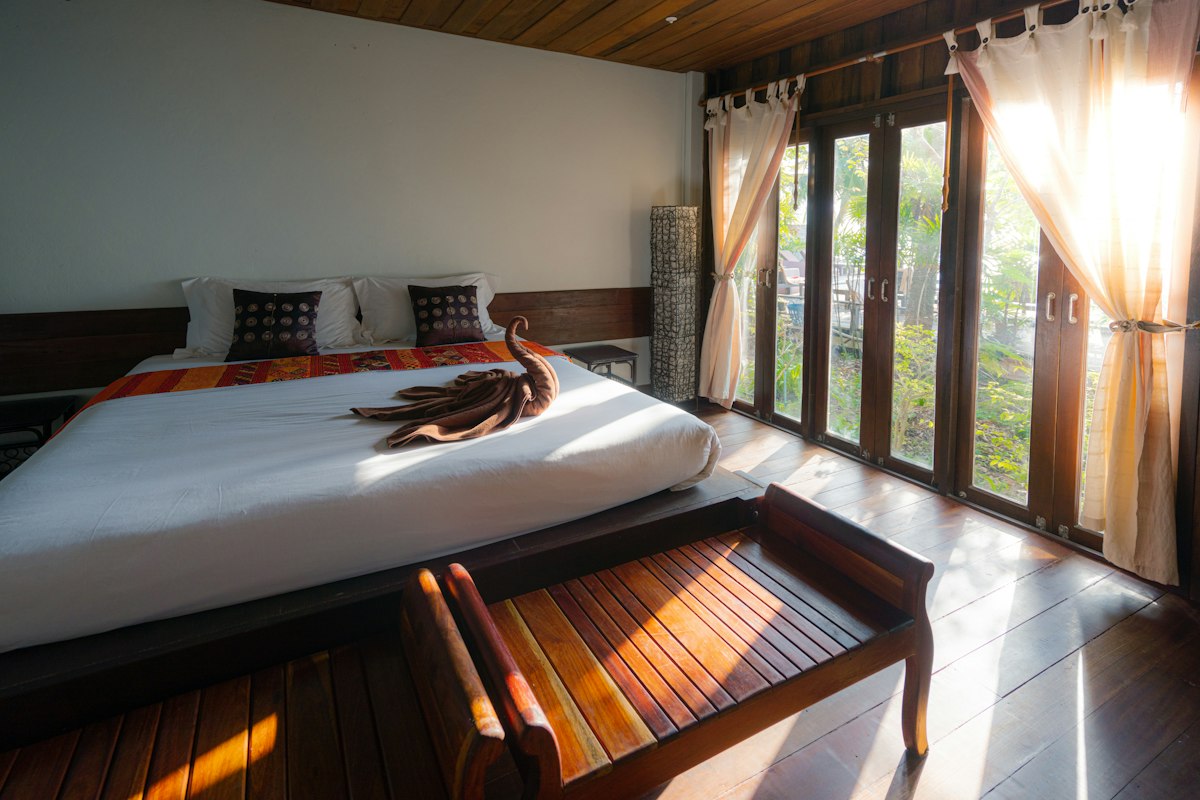 Hotel suite FF&E where every material decision — foam density, fabric rub count, finish sheen level — was specified and verified before production began.
Reputation & Track Record: Validating Supplier Credibility
A factory’s reputation is not its marketing materials. It is the sum of what happened after the container left the port — what arrived, how well it matched the sample, and how the factory responded when something did not.
Verifying Export History and Client Portfolios
Ask directly: What is your highest-profile completed project in the past three years? A credible premium supplier will answer with specificity — a named hotel brand, a development address, a reference contact. Vague answers (“We work with many international luxury brands”) without verifiable specifics are a warning sign.
Request a portfolio of completed hospitality or residential projects with photographs. Pay particular attention to detail-heavy images: the edge profile on a custom media unit, the channel-tufting consistency on a headboard, the finish quality on a lacquered credenza. These images reveal what the factory is actually capable of at 1:1 scale.
Trade Show Participation as a Credibility Signal
Factories that participate in the China International Furniture Fair (CIFF) in Guangzhou — Asia’s largest furniture sourcing event, attracting over 4,900 brands annually — are operating at a level of commercial seriousness that filters out less capable operators. Participation requires investment in showroom quality display, English-fluent sales staff, and the organizational infrastructure to manage international client relationships.
Similarly, suppliers who have exhibited at or shipped samples to Salone del Mobile in Milan are operating in design conversations that demand precision at the highest international standard.
Factory Audits: The Non-Negotiable Step
For any high-value project — a hotel FF&E package exceeding USD $500,000, a villa fit-out with bespoke millwork, a private label furniture collection — a factory audit is not optional. You are not buying off a catalog. You are entering a manufacturing partnership.
Two audit pathways exist:
Third-party audits via organizations like SGS, TÜV Rheinland, or Bureau Veritas provide independent assessments of production quality systems, material compliance, and social standards. These cost between USD $500–$2,000 per audit and are the minimum verification standard for first-time supplier relationships.
In-person factory visits remain the gold standard. Spend a day on the factory floor: walk the production line, inspect the raw material storage (look for proper lumber stacking and humidity control), review the quality control station, and — critically — meet the design and engineering team who will actually execute your project. The quality of that conversation tells you more about the supplier’s capability than any certificate can.
Customization & Design Collaboration: Finding a True Partner
The difference between a vendor and a partner becomes visible the moment you send a technically complex brief.
A vendor acknowledges receipt and sends back a price. A partner sends back questions — intelligent ones — about construction tolerances, lead expectations, material alternatives, and what the end-use environment demands. That distinction separates factories that execute from factories that collaborate.
For design firms and developers working on branded residential developments or luxury hospitality projects, the ideal Foshan supplier has the following capabilities in-house:
3D Rendering and CAD Engineering
Before a single board is cut, you should be able to review photorealistic 3D renders of your custom pieces in the specified finishes and dimensions. This eliminates interpretation errors between the design intent and the production brief. Factories with in-house 3D rendering departments — not outsourced — have invested in genuine design infrastructure.
Prototyping and Sampling
Request a full-scale pre-production sample for every custom item before confirming a production run. A factory confident in its craftsmanship will absorb a portion of sampling cost for clients with genuine project potential. The cost of rejecting a sample is infinitely less than the cost of rejecting a container.
Change-Order Flexibility
Luxury projects move. Specifications change. A client changes their mind about the arm height on a sofa three weeks before production is scheduled to begin. How a supplier responds to that conversation — gracefully and with solutions, or rigidly and with penalties — reveals everything about the partnership dynamic.
Lead Times for Custom Work
Realistic lead times for custom furniture from Foshan manufacturers operating at premium quality levels:
| Phase | Typical Timeline |
|---|---|
| Design confirmation & engineering | 5–10 business days |
| Pre-production sample | 15–25 days |
| Sample approval & production launch | 2–5 days |
| Full production run | 30–55 days |
| QC and packaging | 5–7 days |
| Total pre-shipment | 57–97 days |
🎬 Watch This Before You Source from Foshan:

This video breaks down the most costly errors buyers make when sourcing from Foshan — essential viewing for first-time and experienced importers alike.
Logistics & Project Management: Ensuring On-Time, Intact Delivery
A perfect piece of furniture that arrives late, damaged, or incomplete is not a perfect piece of furniture. For FF&E projects tied to hotel opening dates or villa handover schedules, delivery performance is as critical as manufacturing quality.
Shipping Terms: FOB vs. DDP
Two terms define where a supplier’s responsibility ends and your logistical exposure begins.
FOB (Free On Board) means the supplier’s responsibility concludes when the goods are loaded onto the vessel at the origin port. From that point, you manage marine insurance, freight, import duties, and last-mile delivery. This gives you control — but it also means you absorb all freight market risk.
DDP (Delivered Duty Paid) transfers the entire logistics chain — freight, customs clearance, import duties, and delivery to your specified location — to the supplier. For clients without established freight infrastructure or for complex multi-country projects, DDP simplifies the cost equation significantly. For large FF&E packages, DDP-capable suppliers with proven customs clearance records are worth a meaningful premium.
Packaging Standards for High-Value Items
Standard cardboard-and-foam packaging is acceptable for commodity furniture. It is unacceptable for a hand-lacquered credenza or a custom upholstered bed frame destined for a luxury suite.
Premium suppliers will provide:
Dedicated Project Management for FF&E Rollouts
A 200-room hotel project involves thousands of individual pieces, coordinated production runs, phased delivery schedules, and precise site coordination. This is not a task for a standard export sales team. Ask specifically whether your supplier assigns a dedicated project manager — someone with direct access to the production floor, fluent in the language of your delivery milestones, and empowered to make real-time decisions — for large-scale rollouts.
At JL&C Furniture, dedicated project coordination for FF&E packages is a standard operating procedure, not an upgrade.

Large-format custom upholstery for high-end residential — delivered on schedule, packaged to white-glove standards.
After-Sales Support & Warranty: Protecting Your Investment
The relationship with a furniture supplier should not end when the container is cleared through customs. For premium projects, it begins there.
What to Insist on in Writing
Before placing any significant production order, the contract must specify:
A supplier unwilling to commit these terms in writing is signaling that they do not intend to honor them under pressure.
Spare Parts and Re-Order Consistency
For hospitality clients, this is particularly critical: can you re-order the exact same dining chair three years after the initial project delivery — same timber finish, same fabric dye lot, same hardware finish — for a room refurbishment? Suppliers with robust material sourcing records and long-term supplier relationships can make this guarantee. Suppliers operating on spot-purchase raw material models cannot.
Evaluating Responsiveness to Claims
Before committing to a long-term relationship, test the after-sales responsiveness during the sampling phase. How quickly does the factory respond to a revision request? Is their quality control team engaged before you raise an issue, or only after? The behavior you observe during sampling is the behavior you will encounter when you have a container-load of problem furniture and a hotel opening in six weeks.
Sustainability & Ethical Sourcing: Meeting Client Expectations
Sustainability in luxury furniture is no longer a differentiator. It is becoming a baseline expectation — particularly for clients in the EU, UK, Australia, and the US, where procurement policies increasingly mandate certified sustainable sourcing.
For design firms advising LEED-certified developments, hospitality brands with published ESG commitments, and private label furniture owners building brand equity around responsible production, your supplier’s certification portfolio directly affects your credibility with end clients.
The Core Certification Stack
| Certification | What It Covers | Issuing Body |
|---|---|---|
| FSC | Responsible forest management for wood sourcing | Forest Stewardship Council |
| CARB2 | Formaldehyde emissions from engineered wood panels | California Air Resources Board |
| REACH | Chemical safety in finishes, coatings, treatments | European Chemicals Agency |
| ISO 14001 | Environmental management systems at the factory level | ISO |
| ISO 9001 | Quality management systems | ISO |
| BSCI | Ethical labor practices and social compliance | amfori |
| SEDEX/SMETA | Supply chain ethical data sharing and auditing | Sedex |
Why It Matters Beyond Compliance
A Foshan factory with ISO 14001 certification has committed to measuring, monitoring, and continuously reducing its environmental impact at the operational level — energy consumption, waste management, water usage, and emissions. That is not a marketing statement. It is a management system with annual third-party audits and documented improvement targets.
For private label furniture brands building a story around responsible luxury, partnering with a supplier that holds this certification stack is not just good ethics — it is defensible brand positioning in a market increasingly scrutinized by conscious consumers.
Many leading Foshan manufacturers have moved to water-based lacquer systems (reducing VOC emissions by up to 70% compared to solvent-based alternatives), recycled timber sourcing programs, and energy-efficient kilning operations. Ask specifically. The factories doing this work will tell you about it with documented evidence.
 Handcrafted oak furniture for a resort property — produced under ISO 14001 environmental management standards.
Next Steps: Building a Long-Term Supplier Partnership
The most expensive supplier decision you will ever make is choosing the wrong partner for a major project. The second most expensive is switching mid-project. The best insurance against both outcomes is a structured onboarding process that builds trust before it is tested.
Start with a Pilot Order
Before committing a full FF&E package to a new supplier relationship, execute a pilot order: 5–20 pieces across your most complex specifications. Evaluate the entire process — not just the finished product. Communication quality, adherence to production schedule, packaging standard, and the factory’s response to the one thing you will inevitably need to adjust. A factory that handles a pilot order with discipline and transparency has proven its operating culture. That is what you are buying.
Structure the Relationship Formally
For recurring project pipelines or exclusive design collections, consider a Memorandum of Understanding (MOU) that formalizes priority production slot allocations, pricing frameworks, NDA protections for proprietary designs, and the terms of any exclusivity arrangement. Many Foshan suppliers at the premium tier will welcome this structure because it provides them with forward production visibility.
Invest in the Relationship
The most productive supplier relationships in luxury furniture are not transactional. They are built through regular communication, annual factory visits, collaborative design development sessions, and the kind of mutual investment that turns a vendor into a genuine manufacturing partner. The design team at your Foshan supplier who knows your preferred joinery details, your clients’ typical floor-loading specifications, and your standard fire-retardant fabric requirements is worth more than any catalog.
That relationship is built one visit, one project, and one honest conversation at a time.
Explore the JL&C Furniture project portfolio to understand what a long-term, design-aligned manufacturing partnership actually produces at scale.
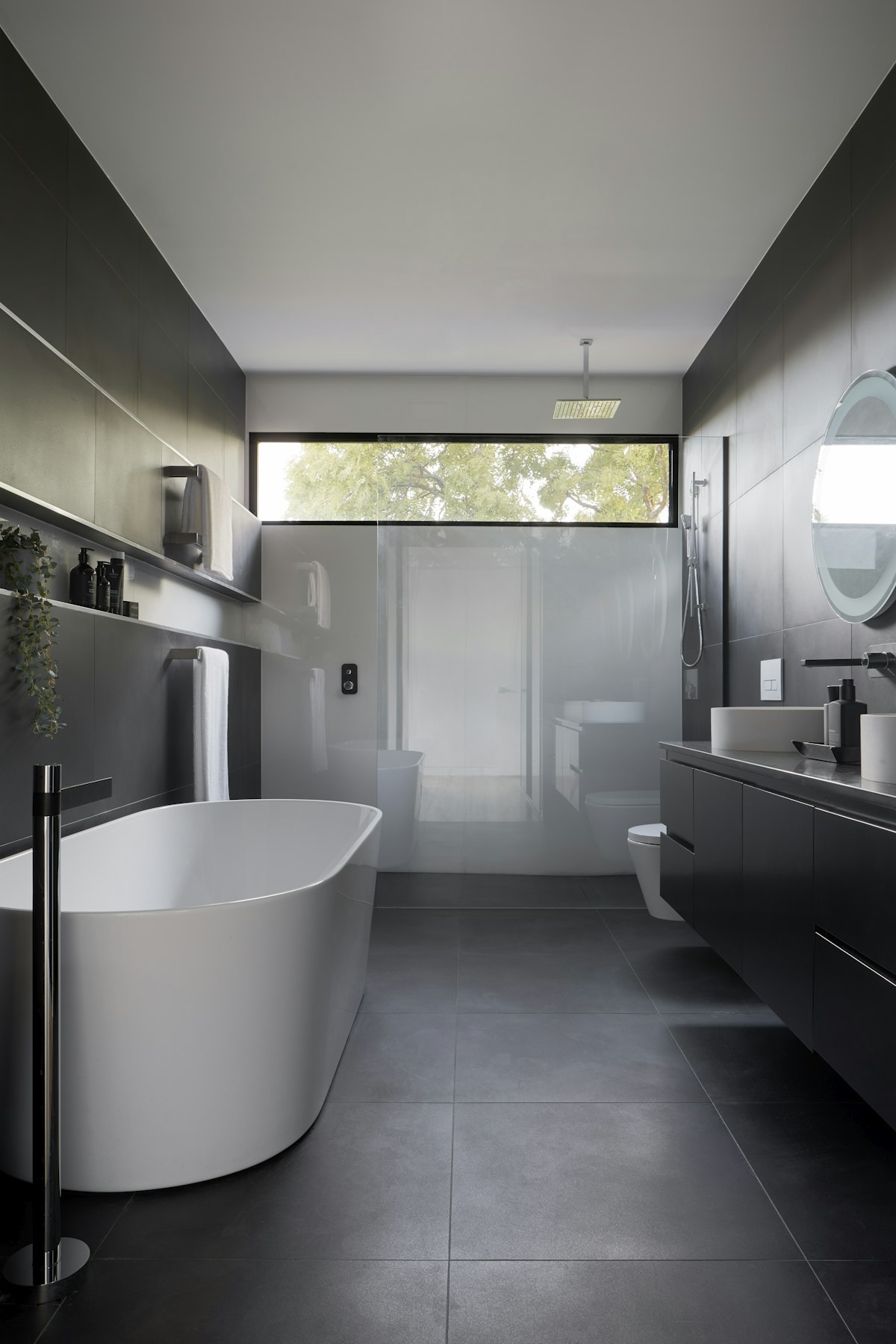 Long-term supplier relationships produce this level of finish consistency — from the first prototype to the hundredth delivery.
Industry Insight: The Tiered Supplier Reality in Foshan
It is worth being direct about something that most sourcing guides will not say: not all of Foshan’s 7,000 manufacturers are equipped to execute luxury work. The industry broadly stratifies into three tiers, and understanding which tier you are negotiating with determines your realistic outcome before a single sample is made.
Tier 1 — Mass Market Manufacturers: High volume, standardized SKUs, competitive pricing driven by material and labor compression. These factories serve furniture chain retailers and e-commerce platforms. Quality is consistent within their specification — but that specification is not luxury.
Tier 2 — Mid-Market OEM Suppliers: Capable of custom work within established product categories, some export experience, basic quality management systems. These factories supply mid-market hotel brands and residential distributors. The ceiling on specification complexity is real.
Tier 3 — Premium OEM/ODM Manufacturers: In-house design and engineering, third-party certification portfolios, dedicated FF&E project management, low-volume custom capability, and documented experience with international luxury brands. These factories may represent fewer than 5% of Foshan’s manufacturer count — but they produce the work that belongs in five-star hotels, branded villa developments, and private label luxury collections.
The guide you have just read is written for buyers who need Tier 3.
Glossary of Key Terms
OEM (Original Equipment Manufacturer): A factory that produces products designed by another company, branded under the client’s label.
ODM (Original Design Manufacturer): A factory that designs و produces products, which are then branded by the buyer.
FF&E (Furniture, Fixtures & Equipment): The movable furniture, fixtures, and equipment that do not form part of a building’s structure — the primary procurement category for hotel and hospitality developers.
Martindale: A standardized European abrasion test that measures how many rub cycles a fabric can withstand before showing visible wear. Higher numbers indicate greater durability.
CARB2: California Air Resources Board Phase 2 — the formaldehyde emission standard for composite wood products, mandatory for US furniture imports.
FSC: Forest Stewardship Council — an international non-profit certification body that certifies responsible forest management.
MOQ (Minimum Order Quantity): The lowest quantity of a product a supplier will agree to produce in a single run.
DDP (Delivered Duty Paid): A shipping incoterm in which the seller is responsible for all costs and risks until the goods are delivered to the buyer’s specified location, including import duties.
FOB (Free On Board): A shipping incoterm in which the seller’s responsibility ends when the goods are loaded onto the vessel at the origin port.
REACH: Registration, Evaluation, Authorisation and Restriction of Chemicals — the EU’s comprehensive regulatory framework for chemical substances, applicable to furniture finishes and treated materials.
How do I verify if a Foshan furniture supplier is capable of handling high-end, custom projects?
Request their completed project portfolio and ask specifically for hospitality or luxury residential references with verifiable project names and locations. Look for in-house design capabilities — a CAD/3D rendering team, a sampling room, and direct access to an engineering lead. Factories genuinely operating at the premium tier will have documented experience with 5-star hotel FF&E, and they will be able to name specific brands without hesitation. If the answer to “who have you worked with?” is vague or generalized, treat that as a disqualifying signal.
What certifications should a premium Foshan furniture supplier hold?
At minimum, look for FSC (responsible timber sourcing), CARB2 (formaldehyde emission compliance for US-bound products), ISO 9001 (quality management systems), and ISO 14001 (environmental management). For hospitality and contract work, BSCI or SEDEX audits confirm ethical labor practices. For EU-bound products, REACH compliance documentation is mandatory. A factory holding this full certification stack has undergone third-party audits — these are not self-declared badges.
Can I get exclusive designs or private labeling from Foshan manufacturers?
Yes — many premium OEM/ODM factories in Foshan offer complete intellectual property protection, NDA-backed design development, and white-label packaging with your brand identity. Before sharing any proprietary designs, insist on a signed NDA and confirm the supplier’s IP compliance history. Consider registering key designs with China’s National Intellectual Property Administration (CNIPA) as an additional layer of protection. Elite suppliers actively support this process because long-term private label clients are their most valuable relationships.
How long does it take to produce and ship custom furniture from Foshan?
Production of custom items at premium quality standards typically requires 45–75 days, depending on specification complexity, material lead times, and factory schedule at the time of order. Ocean freight to Europe or North America adds 20–30 days. Total door-to-door lead time for a standard project order is approximately 65–105 days. For urgent sample deliveries or small batches, air freight reduces transit to 5–7 days at significantly higher cost — appropriate for prototypes and pre-production samples, not full production runs.
What is the minimum order quantity (MOQ) for luxury furniture from Foshan?
MOQs at the premium tier are more flexible than most buyers expect. For fully custom, specification-matched items, many factories will produce as few as 1–5 pieces. For standard model variants with custom finishes or fabrics, typical MOQs range from 20–50 pieces. For established client relationships with pipeline project commitments, many suppliers will waive formal MOQ requirements entirely. The key is demonstrating that you represent ongoing, project-driven business rather than a one-time spot order.
How do I inspect quality without visiting the factory in person?
Request a pre-production physical sample shipped to your office or studio — this is the most reliable remote quality verification tool available. Supplement with factory-produced video inspections of the production process and finished pieces before packing. Commission third-party QC inspection services through accredited firms like SGS, Intertek, or Bureau Veritas — these firms operate across Guangdong Province and provide independent inspection reports with photographic documentation, typically within 48–72 hours of the inspection visit. Do not sign off on a full production run without at least one of these verification layers in place.
Are Foshan suppliers experienced with international FF&E specifications for major hotel brands?
Top-tier Foshan manufacturers have extensive experience producing against ASTM, BS EN, and major hotel brand procurement standards including those published by Marriott, Hilton, IHG, and Accor. This includes flame-retardant fabric certifications, structural load testing, and finish durability requirements specific to contract environments. When issuing a brief, provide the complete technical specification package — including the hotel brand’s furniture standard if applicable — and ask the supplier to confirm compliance capability in writing before production begins.
What payment terms are standard for high-value furniture orders from China?
The industry standard for established relationships is 30% deposit upon order confirmation, with 70% paid before shipment (against a copy of the Bill of Lading). For new supplier relationships, some buyers negotiate a 30/40/30 structure — deposit, pre-shipment inspection, and delivery — which provides an additional quality checkpoint before full payment. Letter of Credit (LC at sight) is available and appropriate for very large orders. Avoid any arrangement requiring 100% upfront payment, particularly with a new supplier — this removes all financial leverage before you have confirmed the goods meet specification.
How do I protect my design IP when working with a Chinese furniture manufacturer?
Sign a comprehensive NDA before sharing any technical drawings, 3D files, or proprietary design documents. Register key designs with China’s National Intellectual Property Administration (CNIPA) — design registration in China is relatively fast and inexpensive, and it provides legal standing if enforcement becomes necessary. Work with suppliers who have a documented IP compliance history and who agree in the contract to restrictions on producing your designs for third parties. Many Foshan suppliers at the premium tier have handled IP-sensitive private label work for international brands and understand this framework without needing it explained.
Can the supplier handle end-to-end logistics for global delivery?
Leading Foshan suppliers offer DDP (Delivered Duty Paid) shipping arrangements, covering export documentation, ocean or air freight, destination customs clearance, import duty management, and last-mile delivery coordination. For large FF&E projects requiring phased delivery or site installation coordination, ask specifically about dedicated logistics project management. Confirm the supplier’s track record on DDP deliveries to your target market — customs clearance experience is country-specific and varies significantly between, for example, the Middle East, the EU, and Southeast Asia.
What happens if furniture arrives damaged or does not match the approved sample?
This is why your contract must be written with specific remedy provisions before production begins. The contract should define acceptance criteria based on the approved pre-production sample, establish a photographic evidence protocol for damage claims, and specify replacement timelines — typically 14 days for parts, 30–45 days for complete replacement units. It should also assign liability for transit damage based on the agreed incoterm. A reputable supplier will agree to these terms without negotiation — they are confident in their production quality and their packaging standards. One that resists remedy clauses is telling you something important about how they expect the transaction to end.
Do Foshan suppliers offer after-sales service for overseas clients?
Leading suppliers assign dedicated account managers to key international clients, providing ongoing project support, warranty claim management, and spare parts availability. For hospitality clients requiring periodic room refurbishments, the most capable suppliers maintain production records — including material batch numbers, finish formulas, and construction specifications — to enable consistent re-orders years after the initial delivery. Ask specifically how long these records are retained and what the re-order process looks like at the 3-year and 5-year mark.
How can I scale from a sample order to a full project rollout — for example, a 200-room hotel?
Before committing a full FF&E package to a supplier based on a successful pilot order, verify three things: first, their total monthly production capacity and whether they have dedicated lines for your project category; second, their project management infrastructure — specifically whether they assign a dedicated PM rather than routing your project through a general sales team; third, their backup production capability in the event of equipment failure or material supply disruption. Ask for a written production schedule with milestone dates and confirm the supplier’s experience managing similar-scale rollouts before yours.
Is sustainable or eco-friendly furniture production available in Foshan?
Yes, and it has expanded significantly in recent years. Many Foshan manufacturers at the premium tier now use water-based lacquer systems (reducing VOC emissions by 60–70% compared to solvent-based alternatives), FSC-certified timber sourcing programs, energy-efficient kiln-drying operations, and recycled or reclaimed material options for specific product categories. For developments targeting LEED certification or hotel brands with published sustainability commitments, request the supplier’s environmental certification documentation and ask specifically about their VOC reduction programs and waste management practices.
Can I visit the factory and meet the design team in person?
Absolutely — and for any significant project relationship, you should. Top-tier Foshan suppliers actively welcome client visits as a standard part of the onboarding process. A factory visit allows you to walk the production line, review raw material quality firsthand, meet the engineering team that will execute your project, and establish the kind of personal relationship that makes everything downstream run more smoothly. Foshan is approximately 40 minutes from Guangzhou Baiyun International Airport, well-connected to Hong Kong, and a natural addition to a visit scheduled around CIFF or the Canton Fair. Consider combining a sourcing trip with a factory visit — the combination typically compresses months of remote vetting into two or three high-quality in-person interactions.
What makes a Foshan furniture supplier right for private label or branded furniture development?
The right supplier for private label development is one that treats your brand as an asset to protect, not a project to execute. They will have in-house 3D rendering and engineering capabilities to develop original designs from your brief, robust NDA and IP protection protocols, experience managing confidential client programs without cross-contamination, and the quality management infrastructure to maintain consistency across multiple production runs over an extended brand lifecycle. Ask to see their private label packaging capabilities and request references from current private label clients — a supplier actively managing multiple branded programs will be able to demonstrate this without hesitation.
This guide is written exclusively for professionals who demand precision — where every furniture piece reflects brand integrity, design vision, and uncompromised quality. If you are building something that will still be spoken about twenty years from now, the supplier decision matters more than almost any other choice you will make.
Explore our project capabilities and start a conversation with the team at JL&C Furniture.

China Furniture Sourcing Agent Roles for High-End Buyers What a China Furniture Sourcing Agent Actually Does for High-End Buyers Every finished luxury room sits on
How to Vet a China Furniture Sourcing Agent Before Signing A single curved sofa like this goes through dozens of approvals, including frame, foam, fabric

China Furniture Sourcing Agent vs Direct Factory Buying: A Strategic Guide for High-Value Buyers When one project includes 400 hotel rooms, a 20-seat marble dining
Advanced Tips to Get More from Your China Furniture Sourcing Agent Powerful Strategies for High-Performance Sourcing – Tailored for Elite Buyers, Designers & Operators Your
What Wholesale Furniture Suppliers in China Can Offer High-Value Buyers A statement luxury living room — the kind of space that begins with the right

How to Work Better With Your China Furniture Supplier After Ordering A Practical Playbook for High-End Furniture Importers, Interior Designers, FF&E Buyers, Villa Owners, Private