أخبار الشركة

China Furniture Sourcing Agent: Roles for High-End Buyers
China Furniture Sourcing Agent Roles for High-End Buyers What a China Furniture Sourcing Agent Actually Does for High-End Buyers Every finished luxury room sits on
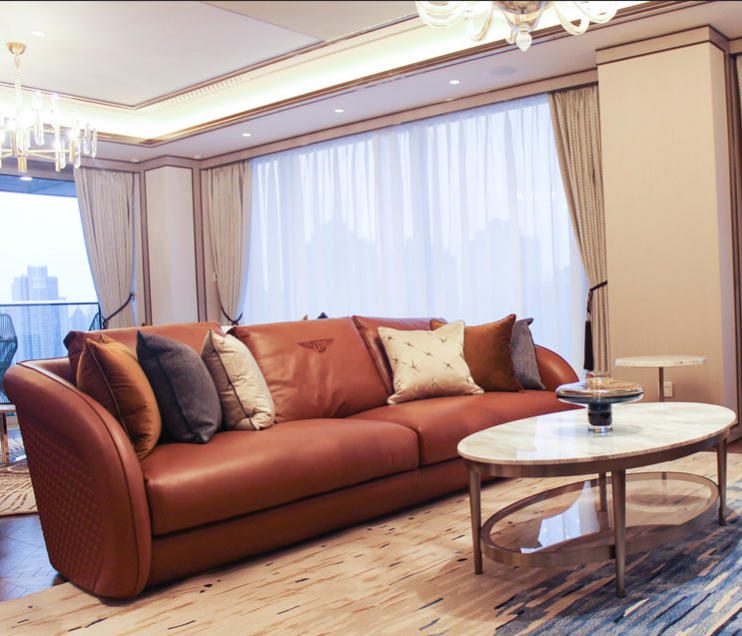

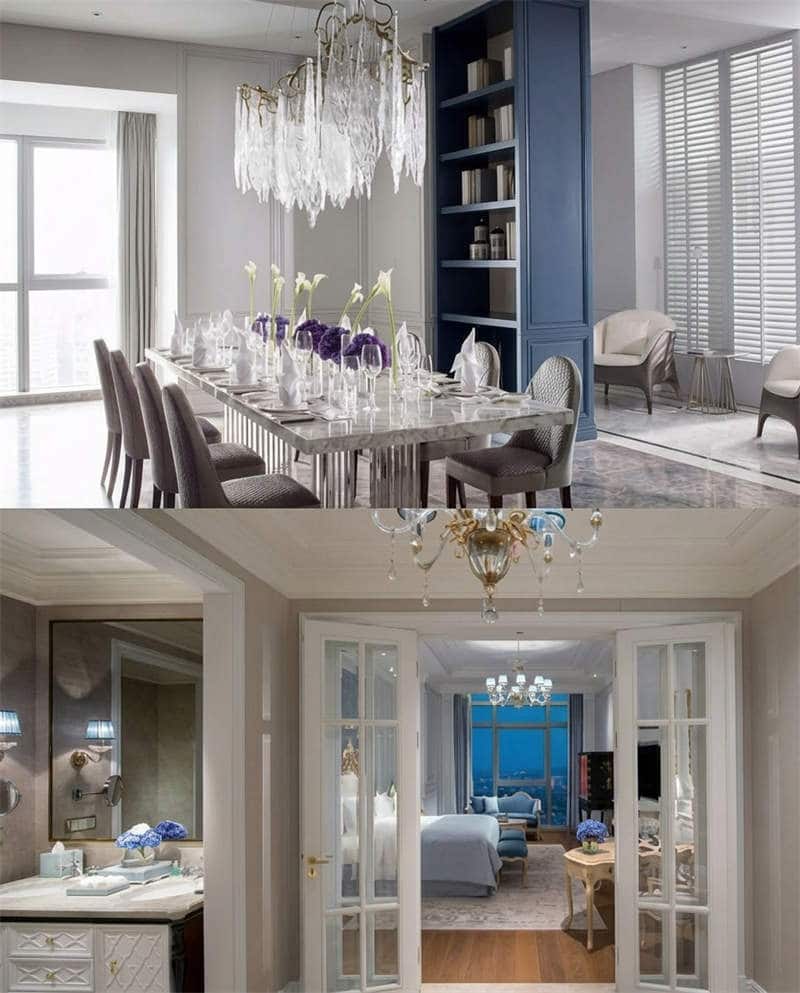
When one project includes 400 hotel rooms, a 20-seat marble dining table and a lobby that has to open on a fixed date, the way you source matters as much as the furniture itself.
If you import, specify or buy high-end furniture from China, you usually pick one of two sourcing models.
Direct factory buying means you deal with the manufacturer yourself. You find the factory, negotiate, approve samples, follow production and arrange shipping.
A China furniture sourcing agent is a company or professional based in China who acts for you. The agent vets factories, manages production, checks quality and coordinates logistics. You get a local team that reports to you, not to the factory.
At first glance, going direct looks cheaper because there’s no middle layer. In practice, premium buyers rarely lose money on the unit price. They lose it on what the unit price leaves out: a lacquer finish that doesn’t match the approved sample, a container that misses the hotel’s soft-opening date, or a private label design that shows up on a competitor’s website six months later.
Your choice affects four things:
| العامل | What’s at stake for premium buyers |
|---|---|
| التكلفة | Total landed cost, not just the ex-factory price |
| Speed | Opening dates, handover penalties, seasonal retail windows |
| Risk | Quality failures, IP leakage, compliance rejections at customs |
| Brand integrity | Your name is on the product, the villa or the hotel review |
Industry insight: In the premium segment, the best “sourcing agents” often don’t call themselves agents. They are project-capable manufacturers or hybrid teams that combine factory production with multi-supplier coordination. When you evaluate partners, look at what they can actually do, not the label they use.
This guide is for high-end importers and distributors, villa owners, interior designers, private label brand owners, FF&E and hotel buyers, architecture and engineering firms, and developers. It shows you where each model makes sense and where it quietly costs you money.
Landed cost is the full cost of getting a piece of furniture to your warehouse or project site. It includes the product price, freight, insurance, duties, port fees, inland delivery and the cost of anything that goes wrong along the way.
A quote of $780 per hotel room set is not what you pay. What you pay is $780 plus everything needed to get that set installed, correct, on time.
| Cost Line | Direct Factory Buying | Agent-Managed Sourcing |
|---|---|---|
| Ex-factory unit price | Often 3–8% lower on paper | Includes agent fee (typically 3–8%) |
| Travel for sourcing and inspection | $8,000–$25,000 per project (flights, hotels, interpreters) | Mostly eliminated; agent is on site |
| Sample rounds | 3–5 rounds common due to misread specs | 1–3 rounds with technical translation |
| Quality failures and rework | Found at destination, expensive to fix | Found in the factory, cheap to fix |
| Freight | Often LCL or poorly loaded containers | Consolidated, optimized loading |
| Emergency air freight | Common when rework causes delays | Rare |
| Your team’s management time | 15–40 hours per container | 3–8 hours per container |
LCL (Less than Container Load) means your goods share a container with other shippers’ cargo. It costs more per cubic meter and adds handling risk. FCL (Full Container Load) means the whole container is yours.
Estimated split of unplanned costs on premium direct-sourced projects, based on typical FF&E and residential project patterns.
Three patterns come up over and over:
Travel that doesn’t cover everything. One trip to Foshan or Shanghai lets you see a factory once. You won’t be there when the veneer is laid or when the foam is cut.
Quality failures that show up late. If a batch of dining chairs has the wrong foam density, you find out when guests start complaining, not at loading. We cover this in detail in our analysis of the true cost of low-priced Foshan furniture.
Logistics mismanagement. Badly planned container loading can waste 15–25% of the cubic space. Missing phytosanitary or compliance documents can hold goods at the port for weeks.
A good agent saves money in three ways:
Representative case, anonymized and rounded.
A 180-room luxury hotel in the Gulf needed guestroom casegoods, upholstered seating, lobby pieces and all-day dining furniture from five Chinese suppliers. FF&E stands for Furniture, Fixtures and Equipment: everything movable in a hotel that isn’t part of the building structure.
| Item | Direct Quote Route | Agent-Managed Route |
|---|---|---|
| Product cost | $1,420,000 | $1,465,000 (incl. 5% fee on negotiated base) |
| Travel and third-party inspections | $38,000 | $9,000 |
| Rework and replacements (projected at 6%) | $85,000 | $14,000 |
| Freight (consolidation savings) | $162,000 | $131,000 |
| Delay exposure (2 weeks of lost room revenue, est.) | $120,000 | $0 |
| Estimated total landed cost | $1,825,000 | $1,619,000 |
The agent route had a higher invoice but a total cost about 11% lower. Most of the saving came from avoiding delays, not from the purchase price.

Hotel guestroom packages repeat the same piece hundreds of times, so one specification error gets multiplied across every room.
Factories quote production time. They rarely quote communication time. Here’s how that extra time builds up on direct orders:
Professional agents manage production against milestones, which are fixed checkpoints such as “materials confirmed,” “frames complete,” “finishing at 50%” and “packed and inspected.” Each milestone comes with photo or video proof.
When a milestone slips, the agent sees it in days, not weeks. That leaves time to add a second shift, move part of the order to a qualified backup line, or at least warn you early enough to adjust your installation schedule.
Typical premium custom order: about 115 days direct vs. about 76 days agent-managed, roughly 34% faster.
| Stage | Direct Factory (days) | Agent-Managed (days) | Why the Gap |
|---|---|---|---|
| Sampling and approvals | 25 | 12 | Technical drawings translated correctly the first time |
| Production | 45 | 36 | Priority slotting, milestone tracking |
| QC and rework | 15 | 3 | Problems caught in-line, not at loading |
| Freight and customs | 30 | 25 | Documents ready in advance, consolidated booking |
| Total | 115 | 76 | About 34% faster |
On premium projects, experienced agents typically deliver 30–40% faster than self-managed direct orders. Most of the gain comes from fewer sample rounds and less rework, not from factories working faster.
Developers and hotel operators: Each week of delay before opening can mean lost room revenue, extra pre-opening payroll and penalties under management agreements.
Interior designers: Your handover date is also a reputation date. A missing sofa in a finished villa gets noticed more than any detail you got right.
Importers and private label brands: If you miss a seasonal launch window, you may end up discounting stock to clear it.
Watch: an experienced sourcer’s honest view of China sourcing agents

Kian from Sourcing Simplifiers draws on thousands of products and hundreds of factory visits to explain when agents help and when they get in the way.
| Risk | What It Looks Like | Typical Cost Impact |
|---|---|---|
| Quality failure | Wrong foam density, veneer delamination, color drift between batches | 5–20% of order value in rework or replacement |
| IP theft | Your custom design shows up in the factory’s showroom or on Alibaba | Loss of exclusivity and margin, sometimes permanently |
| Shipment delays | Rework, missing documents, rolled bookings | Opening delays, contract penalties |
| Compliance issues | Missing CARB, FSC or fire-safety certificates | Goods held at customs or rejected by hotel brand standards |
Without people on the ground, you rely on the factory’s own reports. A factory QC report says “passed” because the factory wrote it. You also usually can’t check a business license, confirm export history, or tell whether the “factory” is really a trading company that subcontracts your order to a workshop you’ll never see.
Our guide on how to vet wholesale furniture suppliers in China explains the verification steps in detail.
Pre-shipment inspection (PSI): An independent check of finished goods before the container is sealed and before you pay the balance. Inspectors usually use AQL (Acceptable Quality Level) sampling, a statistical method that sets how many defects are allowed in a random sample. Luxury buyers commonly use 0 for critical defects, 2.5 for major and 4.0 for minor.
Legal vetting: Checking business licenses, ownership, litigation history and export records.
Contract enforcement: Using a China-enforceable NNN agreement (Non-Disclosure, Non-Use, Non-Circumvention) in place of a Western-style NDA. The legal team at Harris Sliwoski explains why NNN agreements matter in China better than any other English-language source.
You only find out whether a factory is capable by seeing its workshop in person, not by looking at its catalog photos.
Representative case, anonymized and rounded.
A US private label brand planned a $640,000 first order for a collection of upholstered beds and lacquered nightstands. The factory had polished product photos and a quote 12% below two other bidders.
The agent-led factory audit found three problems:
The brand moved the order to a verified manufacturer. Their conservative estimate of what the first factory would have cost them in replacements, lost retail sell-through and a possible design leak was more than $200,000.
Agents aren’t always necessary. They pay for themselves in these five situations:
1. Complex custom designs that need technical coordination. A curved sofa with a hidden steel frame, a book-matched veneer tabletop or a brass inlay detail needs someone who can turn design intent into factory language. That usually means shop drawings, tolerances and joinery details.
2. Multi-factory projects. Furnishing a full villa or hotel usually takes 6–15 specialist suppliers: upholstery, casegoods, stone, metal, lighting, rugs. Somebody has to keep finishes, timing and packing consistent across all of them.
3. Buyers without Mandarin or China experience. Technical Mandarin is not the same as conversational Mandarin. “Semi-gloss,” “open-pore” and “wire-brushed” need precise translations to match the right finish.
4. High-value orders where failure is not an option. If one wrong batch could cost more than the agent’s entire fee, the agent is effectively insurance.
5. Strict compliance requirements. Hotel brand standards and export markets require documented proof, for example:
| Order Profile | Recommended Model | Main Reason |
|---|---|---|
| Small (under 5 containers) | Agent or project-capable manufacturer | Gets around MOQs and consolidates mixed suppliers into shared containers |
| Medium (5–15 containers) | Agent strongly recommended | Keeps batches consistent in color, finish and dimensions |
| Large (15+ containers or turnkey FF&E) | Agent essential | Coordinates multiple factories, schedules and installation sequencing |
| Custom and private label | Agent as design translator | Protects IP, controls prototypes and keeps production matched to samples |
MOQ (Minimum Order Quantity) is the smallest quantity a factory will produce per item or per order. Premium factories often set MOQs to cover setup costs for custom finishes.
Small orders: A villa owner who needs 40 custom pieces from four factories may be below each factory’s MOQ. An agent can combine them with other clients’ runs or negotiate sample-level pricing, then ship everything in one container.
Medium orders: The main risk here is variation between batches. The walnut in batch two looks slightly redder than batch one, and in a hotel corridor with 60 matching doors and consoles, guests will notice.
Large projects: Turnkey FF&E means the supplier handles everything from specification to installation. At this scale, the hard part is coordination: who ships first, which pieces go to which floor, and how packing is labeled so the installation crew can work without stopping.
Custom and private label: The agent protects your design. They make sure the factory builds exactly what you approved and nothing extra for anyone else. For the full brand-building process, see our guide to building a private label furniture brand with China suppliers.
Industry insight: For medium-to-large premium orders, more and more buyers use a hybrid model. A capable manufacturer such as JL&C Furniture in Shanghai produces the core upholstery and casegoods in-house and coordinates specialist partners for stone, metalwork and lighting under one QC and logistics plan. You get factory-direct pricing on most of the order and agent-style coordination on everything else. If you’re still weighing the options, we compare ordering from a factory, an agent or a marketplace.
| # | Criterion | What to Ask For |
|---|---|---|
| 1 | Furniture-specific experience | At least 5 years in furniture, not general consumer goods |
| 2 | Design understanding | Can they read your shop drawings and spot manufacturability issues? |
| 3 | Documented QC protocols | Written checklists for veneer, lacquer, upholstery and hardware |
| 4 | Language skills | Bilingual project managers, not just a bilingual salesperson |
| 5 | Legal compliance | Registered business, NNN templates under Chinese law |
| 6 | Fee transparency | Clear model (percentage, flat fee or retainer) and no hidden factory kickbacks |
| 7 | Verified factory network | Audit reports for the factories they recommend |
| 8 | Premium project references | Hotel, villa or brand clients you can actually contact |
| 9 | Logistics capability | Consolidation, documents, Incoterms knowledge |
| 10 | Reporting cadence | Weekly photo and video updates tied to milestones |
Incoterms are standard international trade terms, published by the International Chamber of Commerce, that define who pays for shipping and who carries the risk at each stage. Common ones are FOB, CIF and DDP.
Seasoned buyers don’t rely on a partner’s word. They:
Representative cases, anonymized and simplified.
A villa project like this can involve more than a dozen specialist suppliers, all working to one design vision.
A Mediterranean villa needed 210 custom pieces: upholstered beds, a 4.2-meter dining table, onyx-top consoles, bronze lighting and hand-tufted rugs. The agent coordinated 12 specialist suppliers on one master schedule, consolidated everything into four 40HQ containers labeled room by room, and shipped three weeks ahead of the handover date. The installation crew placed everything in five days.
A hotel group refurbishing three properties used eight factories across Guangdong, Zhejiang and Shanghai. The agent set up one “golden sample” per SKU: a physical reference piece signed by both sides. All eight factories were inspected against it under D65 lighting, which is the standard daylight-equivalent light used for color matching. Guests at all three hotels saw the same walnut tone and the same leather grain.
An inspection during production found that a factory had replaced the specified 40 kg/m³ high-resilience foam with 28 kg/m³ foam on a run of 64 lounge chairs. The difference can’t be seen on delivery, but seats sag within months. Because it was caught mid-production, the factory corrected the problem at its own cost. The firm’s client never knew anything had gone wrong.
A European brand launched with 18 SKUs under an NNN agreement written under Chinese law, with its designs registered in China. Over three years it grew to 70 SKUs across two verified factories. No design leaked. Its warranty claim rate stayed below 1%.
| Case | Main Challenge | What the Agent Did | Result |
|---|---|---|---|
| Luxury villa | 12 suppliers, one design vision | Master schedule, room-coded packing | 3 weeks early |
| 5-star hotel chain | 8 factories, uniform look | Golden samples, D65 inspections | Consistent across all properties |
| Design firm | Hidden foam substitution | In-line inspection | Fixed at the factory’s cost |
| Private label brand | IP and scale | NNN plus China design registration | 18 to 70 SKUs, no leaks |
The best partners do more than place orders. Over time they work like part of your own team.
Design feedback: They tell you before sampling that a 12 mm tabletop edge will chip, or that your leg angle needs a hidden steel plate to pass commercial load testing. This is DFM (Design for Manufacturability): small changes to a design that make it easier and more reliable to build without changing how it looks.
Material innovation: They bring you performance velvets that pass 100,000 Martindale rubs, water-based lacquers with much lower emissions, and FSC-certified alternatives to expensive species. Martindale is a fabric abrasion test. For hotel and contract seating, 40,000+ rubs is a common minimum.
Trend insight: They see what’s being ordered across dozens of premium clients, so they can tell you which finishes are selling and which are fading.
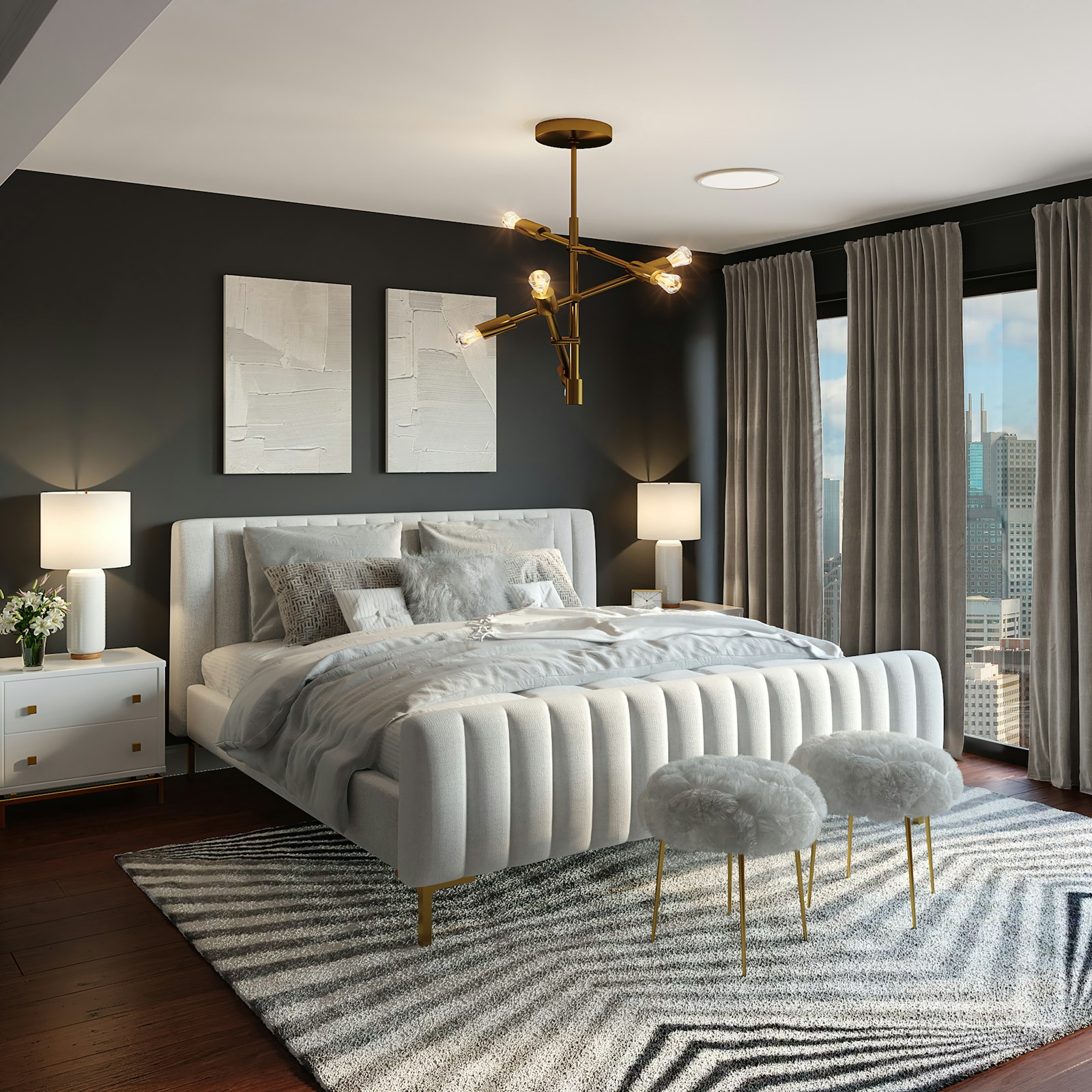
Repeat projects get easier when your partner already has your finish formulas, foam specifications and packing standards on file.
| Benefit | First Project | By Project Three |
|---|---|---|
| Sample rounds | 2–3 | Often 1, since specifications are stored |
| التكلفة | Market pricing | 5–10% lower through process improvements |
| Lead time | Standard | Priority capacity slots |
| Reorder matching | Risky | Documented finish formulas match earlier batches |
For recurring projects such as a hotel group’s next property or a brand’s next collection, the aim is a China supply chain that already knows your standards. That’s also why managing your supplier relationship after ordering matters as much as picking the supplier in the first place.
At JL&C Furniture, repeat clients’ finish formulas, foam grades and hardware specifications are kept on file. A replacement order of nightstands 18 months later matches the original batch, instead of forcing you to replace the whole room set because the tones no longer line up.
Audit your current process. For your last three orders, list how many sample rounds you went through, how many days you slipped, what share of goods needed rework, and how many hours your team spent managing each container.
Assess your risk exposure. Estimate what one failed batch would cost you in penalties, lost revenue or brand damage. If that figure is bigger than a 5% agent fee, you already have your answer.
A serious partner will review your drawings, specification sheets or mood boards and tell you honestly what is feasible, what it should cost, and how long it will take, before you sign anything. You can see the kind of work involved in our villa, hotel and commercial furniture projects, or browse examples such as our luxury dining room furniture collections و custom living room furniture.
Score yourself honestly by giving 1 point for each “yes”:
| # | Question | Yes / No |
|---|---|---|
| 1 | Do you have technical drawings with metric dimensions? | |
| 2 | Are materials specified by grade (species, foam density, fabric code)? | |
| 3 | Have you calculated full landed cost, not just FOB? | |
| 4 | Do you have an NNN agreement template under Chinese law? | |
| 5 | Is pre-shipment inspection built into your payment terms? | |
| 6 | Do you know which certificates your market requires (CARB, FSC, fire)? | |
| 7 | Is your delivery date backed by milestone tracking? | |
| 8 | Do you have a backup supplier for your most critical SKUs? |
7–8 points: You’re ready to manage direct buying if you have the time for it. 4–6 points: A hybrid model or project-capable manufacturer will close your gaps. 0–3 points: Use a professional agent or full-service partner before you place a large order.
The best project results usually come from decisions made weeks before production starts.
If you’d like a second opinion on your score or your next project, request a no-obligation project review from JL&C Furniture. Share your drawings, quantities and timeline, and our Shanghai team will reply within 24 hours. You can also explore the full range at JL&C Furniture’s high-end furniture manufacturing site.
| Term | Plain-English Meaning | Example |
|---|---|---|
| Landed cost | Total cost to get goods to your door | $780 unit + freight + duty + fees = $1,010 real cost |
| FF&E | Furniture, fixtures and equipment in a hotel or commercial space | Beds, desks, lobby sofas, lamps |
| MOQ | Smallest quantity a factory will produce | “Minimum 20 chairs per fabric” |
| AQL | Statistical sampling rule for inspections | Inspect 80 of 500 chairs; reject if more than 5 major defects |
| PSI | Pre-shipment inspection before loading | Done before you pay the 70% balance |
| DUPRO | Inspection during production | Checking frames at 30% completion |
| NNN agreement | China-enforceable IP contract | Stops a factory from selling your design |
| DFM | Design for Manufacturability | Adding a hidden bracket so a slim leg passes load tests |
| Golden sample | Signed physical reference piece | Every batch is compared against it |
| Incoterms | Rules on shipping cost and risk | FOB Shanghai: your risk starts at the ship’s rail |
| Martindale | Fabric abrasion test | 50,000 rubs for hotel lounge seating |
| CARB Phase 2 | US formaldehyde limit for composite wood | Required for MDF cabinets sold in the US |
1. Is it really cheaper to buy directly from Chinese factories? Not always. The unit price is usually 3–8% lower when you buy direct, but hidden costs in logistics, quality failures, travel and project delays often cancel that out. On premium custom projects, total landed cost through a skilled agent is often 5–15% lower overall.
2. How do sourcing agents get better pricing than I can negotiate myself? Agents combine volume from many clients, keep long-term relationships with factories, and know what materials and labor actually cost. They also avoid first-time-buyer mistakes, such as accepting a price that can only be met by quietly downgrading materials.
3. Can I trust a sourcing agent with my custom designs and IP? You can if the agent is reputable. They sign NNN agreements under Chinese law, work only with vetted factories, and write IP clauses into every production contract. For key designs, also register them in China, since that’s where copying would happen.
4. What if the furniture doesn’t match my sample or design specs? Agents run pre-production, in-line and pre-shipment inspections against a signed golden sample. Deviations get caught while the goods are still in the factory, where fixing them is quick and the factory pays.
5. How do agents handle communication with factories if I don’t speak Mandarin? Professional agents give you bilingual project managers, technical translation of drawings and finish terms, and help with cultural differences in negotiation. You get clear written updates in English, usually with weekly photos and videos.
6. Do I still need an agent for small orders? Often, yes. For small orders, agents help you get past MOQ barriers, combine goods from several suppliers into one shipment, and make sure a small buyer doesn’t get lower quality or priority.
7. How long does it take to receive furniture from China with an agent vs. direct? With an agent, expect about 60–90 days for most premium custom orders, with fewer delays. Going direct often takes 90–120 days or more because of miscommunication, extra sample rounds and rework.
8. What certifications should my furniture have for the US/EU market? Common requirements include CA Prop 65, FSC chain-of-custody, CARB Phase 2 (for the US), EN 12521 for EU table safety, and fire safety standards such as BS 5852 or UFAC for upholstery. Hotel brand standards may add more. A good agent collects and verifies every certificate before shipment.
9. Can a sourcing agent help with custom packaging and branding? Yes. Top agents handle private labeling, logo embossing, branded hang tags, custom crates for fragile pieces, and retail-ready packaging, all approved from a physical sample first.
10. How do agents handle quality control for high-end finishes (e.g., lacquer, veneer, upholstery)? They use checklists written for each finish, test materials (for example foam density, timber moisture and fabric rub counts), and inspect on site at critical stages. Examples include checking veneer bonding before assembly and checking lacquer depth between coats.
11. What happens if a shipment is delayed or damaged? Agents work with freight forwarders, file insurance claims with photos, and arrange replacement production or partial air freight. Their inspection reports also show whether the damage happened at the factory or in transit, which makes claims much stronger.
12. Can I visit the factory myself and still use an agent? Yes. Agents can set up and join factory visits so you see the real production floor, not a staged showroom tour. Many buyers visit once and let the agent watch daily production after that.
13. How do I know if a factory is capable of high-end production? Agents look at equipment such as CNC machines and climate-controlled finishing booths, the skill of the workers, quality systems like ISO 9001, and previous premium client work. A capable factory can show you completed hotel or villa projects, not just catalog photos.
14. Do sourcing agents only help with production, or also with design development? The best agents also help with DFM, material sourcing, prototyping and cost engineering. They’ll suggest a stronger joint or a more stable veneer without changing how the design looks.
15. What’s the typical fee structure for a furniture sourcing agent? There are three common models: a percentage of order value (usually 3–8%), a flat project fee, or a monthly retainer for ongoing programs. Whichever you choose, it should be transparent and tied to your results, with no hidden commissions from factories.

China Furniture Sourcing Agent Roles for High-End Buyers What a China Furniture Sourcing Agent Actually Does for High-End Buyers Every finished luxury room sits on
How to Vet a China Furniture Sourcing Agent Before Signing A single curved sofa like this goes through dozens of approvals, including frame, foam, fabric
China Furniture Sourcing Agent vs Direct Factory Buying: A Strategic Guide for High-Value Buyers When one project includes 400 hotel rooms, a 20-seat marble dining
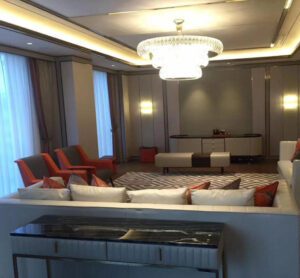
Advanced Tips to Get More from Your China Furniture Sourcing Agent Powerful Strategies for High-Performance Sourcing – Tailored for Elite Buyers, Designers & Operators Your
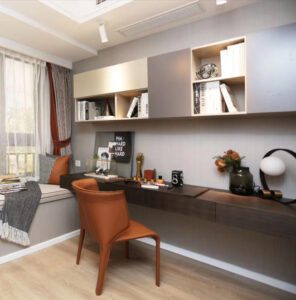
What Wholesale Furniture Suppliers in China Can Offer High-Value Buyers A statement luxury living room — the kind of space that begins with the right
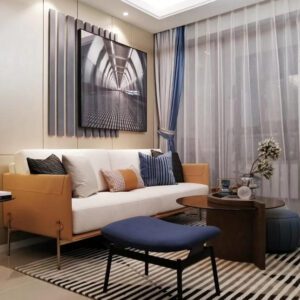
How to Work Better With Your China Furniture Supplier After Ordering A Practical Playbook for High-End Furniture Importers, Interior Designers, FF&E Buyers, Villa Owners, Private