A display unit does not simply show buyers how a residence might look. It makes a commercial promise before the final property has been occupied, tested or lived in.
The sofa communicates the expected level of comfort. The dining setting implies how the household will entertain. The bed and headboard express privacy and status. Cabinets, consoles, metal details and upholstery finishes collectively define what “premium” is supposed to mean within that development.
This is why display unit furniture cannot be managed as a collection of decorative purchases. It sits at the intersection of brand strategy, interior design, technical manufacturing, procurement control and customer expectation.
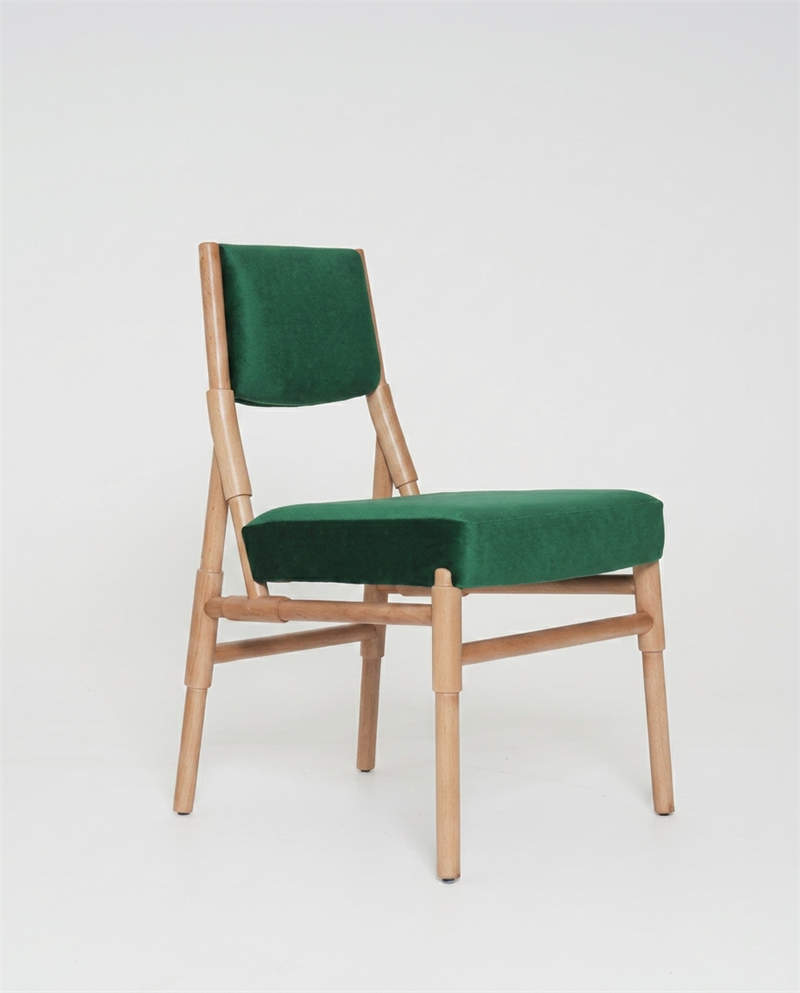
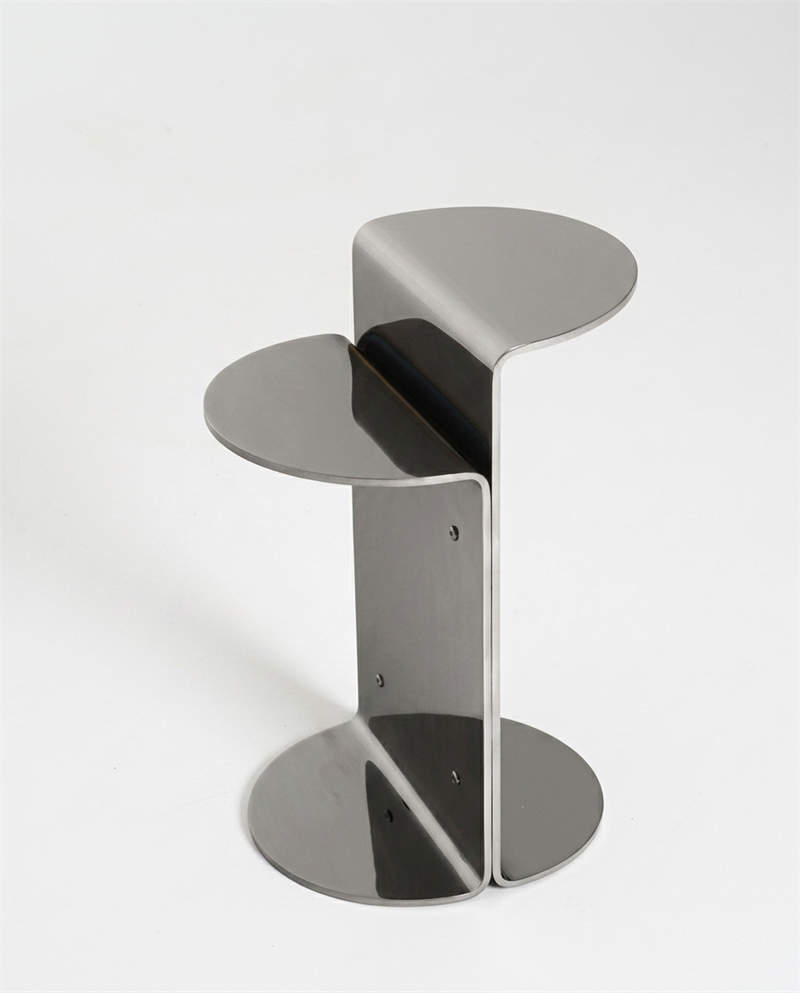
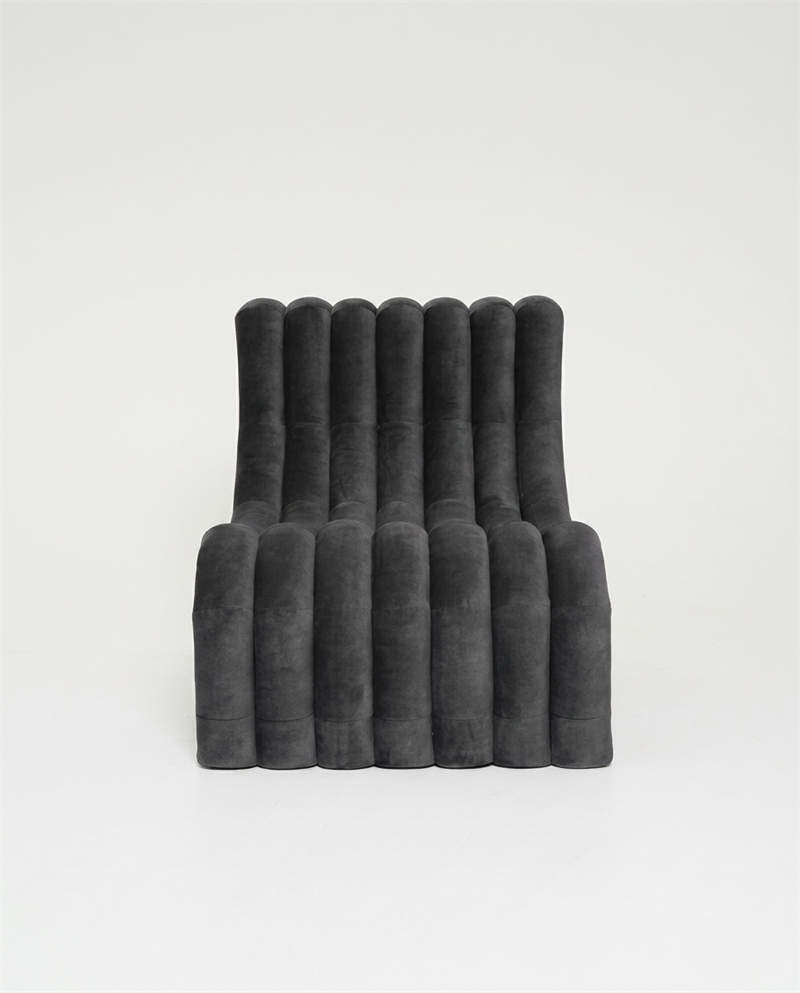
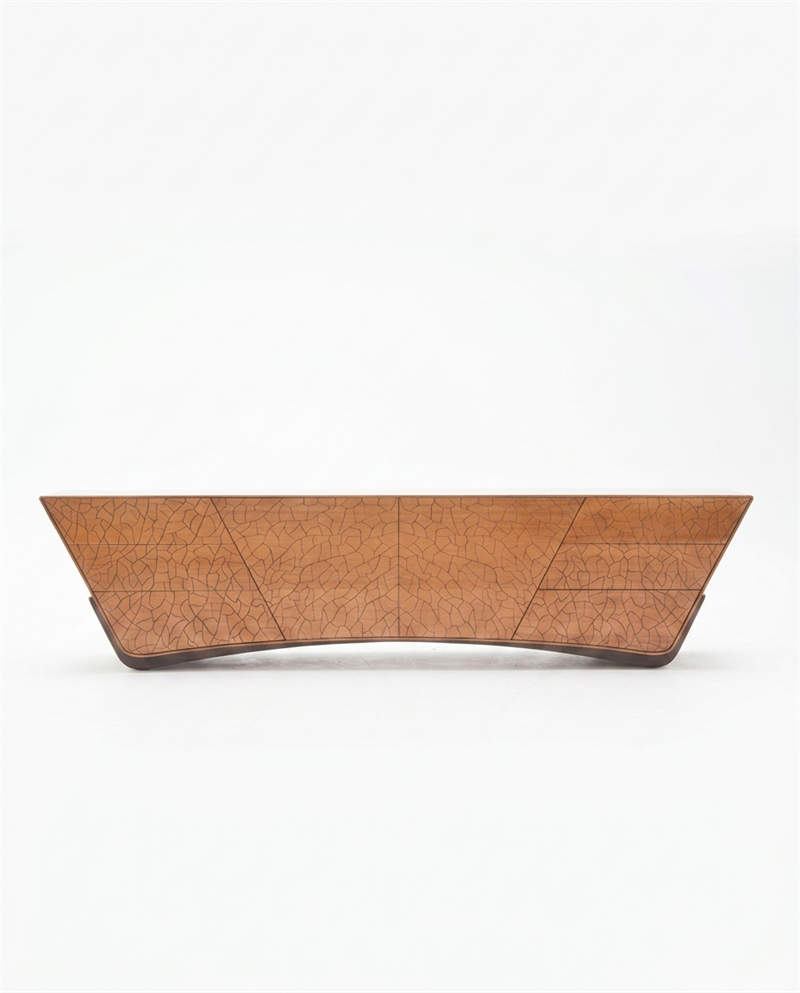
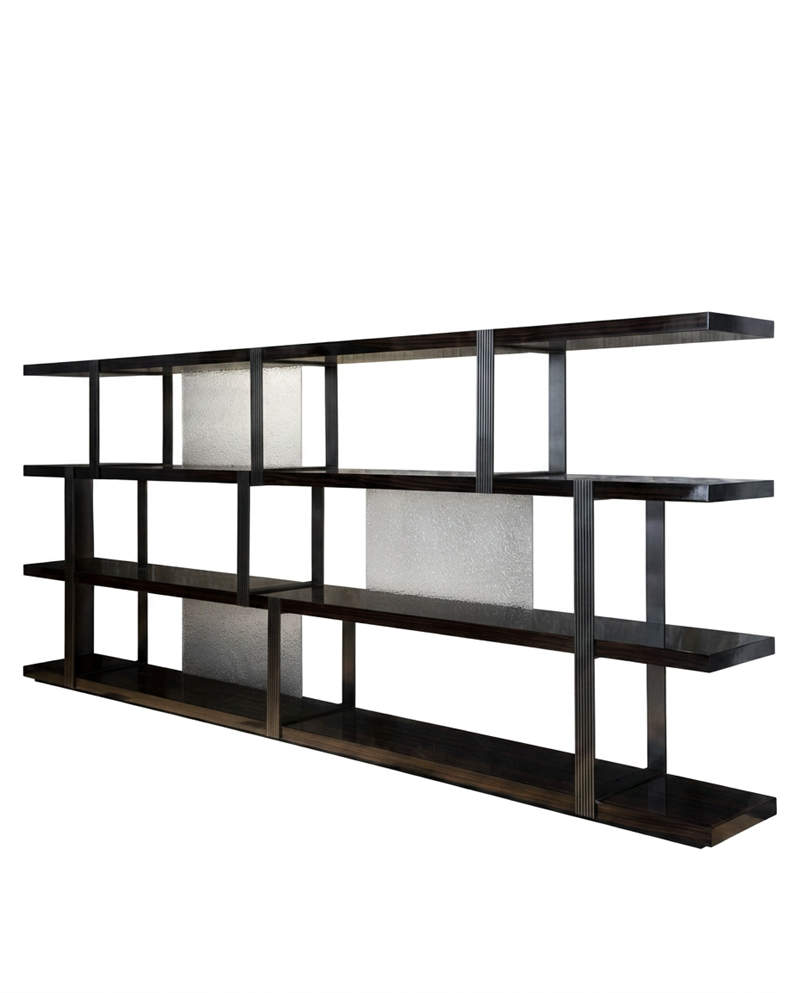
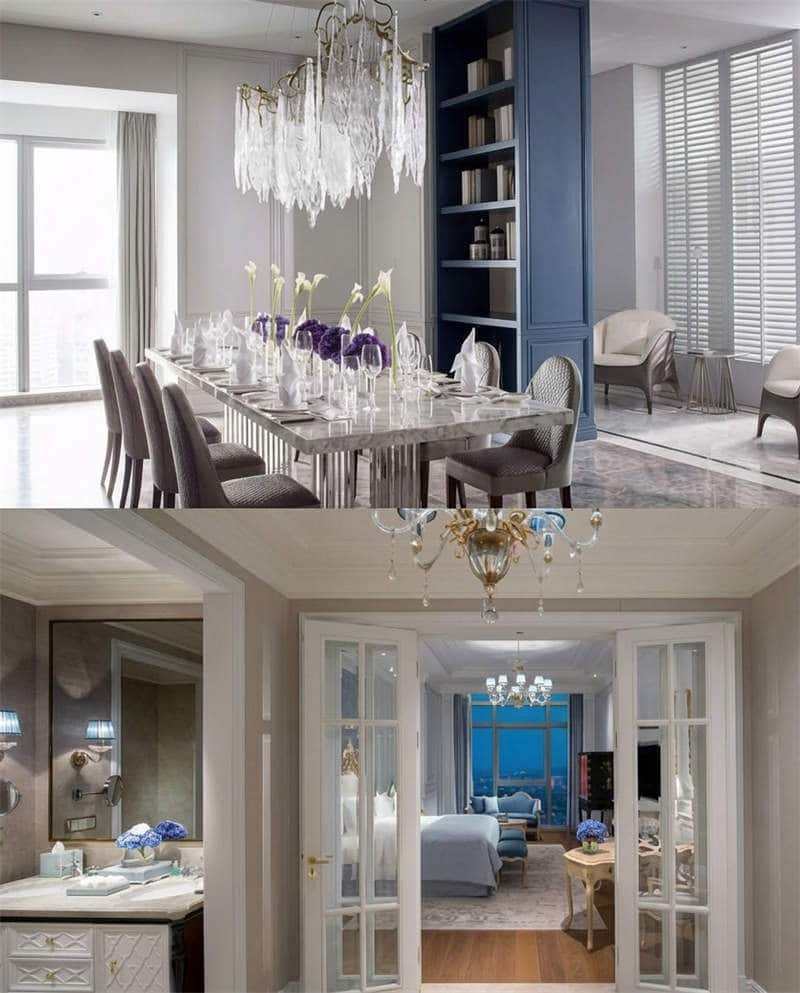
The Display Unit Furniture Projects album published by JL&C Furniture contains 39 photographs. Visible and captioned subjects include upholstered lounge chairs, residential cabinets, dressers, beds with custom headboards, bedroom benches, dining furniture, a television cabinet, kitchen furniture, reception seating, entrance consoles and coordinated living-room packages.
The gallery demonstrates breadth, but photographs alone cannot prove dimensions, internal construction, material composition, testing performance or production consistency. A serious project article must therefore go beyond admiring the finished rooms. The more important question is:
What operating system is required to turn a visual promise into a defensible manufactured result?
The Display Unit Creates Expectation Debt
Every distinctive detail shown to a buyer creates an obligation.
If the display unit presents a deeply upholstered headboard, the development has established an expectation of tactile comfort. If metal accents appear consistent across cabinets, tables and seating, that consistency becomes part of the perceived design quality. If the furniture is generously scaled, later substitutions with smaller products may weaken the spatial promise even when the substitute is technically usable.
This accumulated obligation can be described as expectation debt.
Expectation debt is created whenever the front-end sales environment communicates a higher level of quality, coordination or completeness than the back-end delivery system can reproduce. It may not appear on a procurement spreadsheet, but it becomes commercially expensive when buyers, developers or project partners identify a gap between what was presented and what was delivered.
There are three common sources.
1. Visual promises without technical definitions
Words such as “luxury,” “Italian style,” “premium fabric” and “brushed metal” sound precise in a presentation but remain commercially weak unless converted into measurable specifications.
A photograph may communicate intention. It does not define acceptance.
2. Approvals without authority
A designer may approve the silhouette, while procurement approves the price and the factory approves manufacturability. If no document defines whose approval controls which decision, contradictory instructions can all appear legitimate.
3. Changes without consequence mapping
A material substitution may affect more than appearance. It can alter weight, stability, lead time, packaging, maintenance and landed cost. Yet many project changes are approved as isolated decisions without documenting their downstream effects.
A powerful furniture procurement system does not try to eliminate all change. It makes every change visible, attributable and reversible until final release.
The Real Product Is Not the Furniture—It Is Decision Integrity
A finished chair or cabinet is the final output. Before production, however, the real product being built is a chain of decisions.
That chain usually begins with a rendering, reference photograph or mood board. It then passes through dimension development, material selection, costing, sampling, drawing revision, production authorization, inspection and shipment.
The project succeeds only if the meaning of the original decision survives every handover.
This is decision integrity: the ability to prove that the product manufactured is the product that was technically approved, commercially purchased and operationally released.
Decision integrity requires four distinct releases.
Design release
The design release confirms the intended appearance, proportion and relationship to the room. It answers:
- Is the silhouette correct?
- Does the scale work with the architecture?
- Which details define the design and cannot be removed?
- Which surfaces are visually critical?
- What must remain consistent across furniture categories?
A design release should not authorize production. It confirms intent, not manufacturing readiness.
Technical release
The technical release converts intent into construction information. It defines dimensions, materials, interfaces, hardware, upholstery build-up, tolerances and assembly logic.
At this stage, the manufacturer is no longer being asked, “Can you make something similar?”
The question becomes, “Can you manufacture this defined product under these controlled conditions?”
Commercial release
A commercial release confirms quantity, unit price, tooling or sample charges, packing scope, delivery terms and approved exclusions.
This matters because a technical requirement that is absent from the quotation may later be treated as an extra. Likewise, an attractive quotation may be based on assumptions that were never accepted by the buyer.
Production release
Only the final release should authorize bulk manufacturing. It confirms that design, technical and commercial records no longer conflict.
When these releases are compressed into a single informal approval, the buyer loses control. A message saying “looks good, proceed” can be interpreted as approval of appearance, construction, price or all three—depending on which party later needs to defend its position.
Manufacturing Must Execute the Brief, Not Reinterpret It
Custom furniture manufacturing inevitably involves technical judgment. The factory may need to determine joint construction, reinforcement, upholstery sequencing, machining methods or packaging structure.
But technical judgment is not the same as unrestricted interpretation.
A manufacturer should be expected to challenge details that are unstable, inefficient or incompatible with the selected material. It should not silently redesign visible proportions, replace materials or simplify detailing because production has become difficult.
The correct process is controlled challenge:
- Identify the conflict.
- Explain why the current requirement is problematic.
- Present a technically viable alternative.
- State the visual, financial and schedule impact.
- Obtain approval from the authorized decision-maker.
- Update every affected document.
- withdraw the superseded version from use.
This is where manufacturer capability becomes commercially meaningful. Factory capacity alone is insufficient. The stronger capability is the ability to convert design complexity into controlled production information without destroying the original hierarchy of the interior.
JL&C Furniture states that it operates from Shanghai with more than 20 years of design and manufacturing experience. Its published figures include service across more than 30 countries, over 200 skilled artisans and specialists, more than 500 completed projects, and a portfolio exceeding 500 SKUs. These are company-reported figures available through the JL&C Furniture corporate profile.
Such figures provide organizational context, but professional buyers should still evaluate the exact factory, production line, subcontracting structure and quality documents applicable to their order.
The Documentation Stack That Protects a Display Unit Project
A display unit package becomes controllable when it is supported by a connected document stack. Each record answers a different commercial question.
Room matrix
The room matrix defines what belongs where. It prevents products from being quoted, produced and packed without a clear connection to the interior.
At minimum, it should identify:
- Room code
- Product code
- Product description
- Quantity
- Drawing reference
- Finish family
- Installation responsibility
- Delivery priority
Model register
The model register is the project’s master index. It shows the current status of every item: proposed, under development, sampled, approved, revised, released, in production, inspected, packed or shipped.
If two teams maintain separate model lists, the project already has a version-control problem.
Finish authority file
A finish authority file is stronger than a mood board. It establishes which physical sample controls the result when photographs, renderings and written color descriptions disagree.
It should distinguish among:
- Concept reference
- Manufacturer submission
- Approved control sample
- Permitted variation range
- Rejected samples
- Replacement or renewal sample
This distinction is especially important for natural veneer, stone, leather and other materials where variation cannot be eliminated completely.
Interface schedule
Furniture does not exist independently from the building.
A console may interact with a socket. A headboard may affect lighting positions. A television cabinet may depend on cable routing. A dining table must work with chair pull-out space. A large sofa must pass through doors, corridors or lifts.
The interface schedule records these dependencies before they become site problems.
Approval register
Every approval should identify:
- What was approved
- Which revision was reviewed
- Who approved it
- The person’s authority
- The approval date
- Conditions attached to approval
- Documents affected by the decision
Without this information, an approval is merely an opinion preserved in an email thread.
Deviation register
Not every manufactured item will match the specification perfectly. The critical distinction is whether a deviation is acceptable, repairable or rejectable.
A deviation register should state the requirement, observed condition, evidence, proposed disposition, accountable party and closure date.
This prevents defects from disappearing into vague promises such as “we will pay attention during production.”
The Evidence Hierarchy: What Actually Proves Quality?
Furniture buyers often collect large quantities of information without distinguishing between marketing evidence and acceptance evidence.
A professional evidence hierarchy is more demanding.
Level 1: Marketing evidence
This includes catalogues, social-media photographs, renderings and general project galleries. It helps assess style relevance and category experience.
It does not prove that the factory can reproduce a specified result for a particular order.
Level 2: Capability evidence
Factory photographs, machinery lists, organization charts and descriptions of quality processes indicate potential capability.
They become stronger when supported by a factory visit, live video review or independent audit.
Level 3: Product-development evidence
Drawings, material submissions, sample records and prototype reviews show that the manufacturer understands the actual product.
This level is project-specific rather than generic.
Level 4: Production evidence
In-process inspection records, dated photographs, measurement reports and batch references demonstrate what is happening during manufacturing.
Level 5: Release evidence
Final inspection records, corrective-action closure, packing verification and shipment documentation support the decision to release the order.
A project gallery should therefore be used correctly: as evidence of visual experience and product-category exposure—not as automatic proof of technical compliance for a future order.
JL&C Furniture’s published furniture sourcing coordinator playbook provides additional discussion of documentation, scheduling, supplier management and inspection systems. Any numerical benchmarks presented in a general guide should still be adapted to the actual contract, market and product risk.
Quality Is a Governance Outcome
Quality is often treated as the responsibility of inspectors. That is too late.
Inspectors do not decide which drawing should govern production. They do not resolve unclear design intent. They do not determine whether a verbal substitution was commercially authorized. They can only inspect against the information they receive.
If the controlling specification is ambiguous, inspection becomes subjective.
If the approved sample and production drawing conflict, inspection becomes political.
If acceptance criteria were not agreed before manufacturing, inspection becomes negotiation.
Therefore, quality must be designed into the decision structure long before the finished product reaches the inspection area.
A stronger quality system asks five questions:
- Definition: Is the requirement objectively described?
- Authority: Who has the right to approve or change it?
- Traceability: Can the current requirement be linked to its approval?
- Verification: What evidence will prove compliance?
- Remedy: What happens when the requirement is not met?
The JL&C Furniture B2B quality guide discusses broader supplier assessment and quality-control considerations. Certifications, testing reports and compliance claims should nevertheless be verified for the legal entity, factory, material, model and destination involved in the order.
A certificate associated with one organization or material does not automatically cover every finished product.
A Decision-Rights Model for Developers, Designers and Distributors
Many furniture projects fail because stakeholders participate without defined authority.
A practical decision-rights model can separate four roles.
The owner
The owner approves commercial positioning, overall budget and material departures that affect brand promise.
The designer
The designer controls spatial intent, proportion, appearance and the hierarchy of visible details.
The procurement lead
The procurement lead controls quotation comparison, contractual scope, order release, documentation and supplier accountability.
The manufacturer
The manufacturer controls production methods within the approved technical boundary and must disclose conflicts before acting.
These roles may be held by different organizations or combined within one team. What matters is not the job title. What matters is that every decision has one accountable owner.
“Everyone approved” often means no one accepted responsibility.
From 39 Photographs to a Searchable Digital Asset
A 39-photo project gallery has greater SEO and commercial value when it is structured by buyer intent instead of uploaded as an undifferentiated image collection.
The images can be organized into five semantic groups:
Living and reception
Use descriptions related to coordinated sofas, lounge chairs, occasional tables and residential presentation areas.
Dining and kitchen
Identify dining tables, upholstered chairs, cabinetry and their relationship to the furnished interior.
Bedroom
Differentiate between the upholstered bed, decorative headboard, bench, dresser and other casegoods.
Describe cabinets, television furniture, handles, drawer fronts and visible surface relationships.
Materials and details
Reserve detail photographs for upholstery tailoring, wood finishes, metal accents, hardware, junctions and construction evidence.
Alt text should describe only what the image supports. It should not introduce unverified materials, styles, dimensions or certifications.
For example:
- Coordinated lounge chairs in a residential display unit
- Custom upholstered headboard and bed for a furnished bedroom
- Decorative cabinet with metal hardware in a model residence
- Dining table and upholstered seating in a display apartment
- Living-room television cabinet within a completed interior
- Entrance console positioned in a residential presentation space
- Wood, metal and upholstery finishes used across custom furniture
- Bedroom bench coordinated with residential casegoods
This creates meaningful search context without turning alt text into keyword spam.
What Overseas Distributors Should Demand Before Quoting
A distributor should not quote a display unit package from images alone. The quotation may appear complete while hiding assumptions that later become variations.
Before accepting a commercial proposal, request:
- A model-by-model scope confirmation
- Drawing status for every custom item
- Material inclusions and exclusions
- Finish development responsibilities
- Sample and prototype costs
- Approval milestones
- Production assumptions
- Packing method by product type
- Required assembly at destination
- Inspection rights
- Treatment of approved deviations
- Replacement and remedy procedures
- Incoterm and risk-transfer point
- Document list required before shipment
The purpose is not to create paperwork for its own sake. It is to prevent commercial ambiguity from being converted into manufacturing freedom.
The cheapest quotation is frequently the quotation carrying the largest quantity of unstated assumptions.
The Final Test: Can the Project Defend Its Own Outcome?
A powerful display unit project should be able to answer three challenges.
Can it defend the design?
The team must show which proportions, finishes and details were intentional—and which changes were authorized.
Can it defend the purchase?
The commercial record must prove what the price included, which responsibilities were assigned and what acceptance standard applied.
Can it defend the manufactured result?
Inspection evidence must connect the delivered furniture to the approved drawings, samples and deviations.
If the project cannot answer these questions, the final outcome may still look attractive. But it remains operationally fragile.
A sophisticated buyer does not rely on memory, goodwill or the confidence of a sales representative. The buyer builds a system in which the correct result is easier to produce than the incorrect one.
Start with a Decision Package, Not a Product List
For a serious display unit enquiry, prepare a decision package containing:
- Architectural plans
- Interior elevations
- Renderings and mood references
- Room-coded furniture schedule
- Target market position
- Budget authority and approval route
- Required completion date
- Material restrictions
- Destination compliance requirements
- Site-access information
- Product priorities
- Known design uncertainties
- Required samples and inspections
Send the unresolved questions as clearly as the confirmed requirements. Hidden uncertainty does not disappear; it simply moves downstream, where correction becomes more expensive.
Developers, distributors and design firms can submit a structured project package through the JL&C Furniture contact channel.
The purpose of a display unit is to make a promise visible. The purpose of professional furniture manufacturing is to make that promise executable, measurable and defensible.